
menu
Departments
.svg)

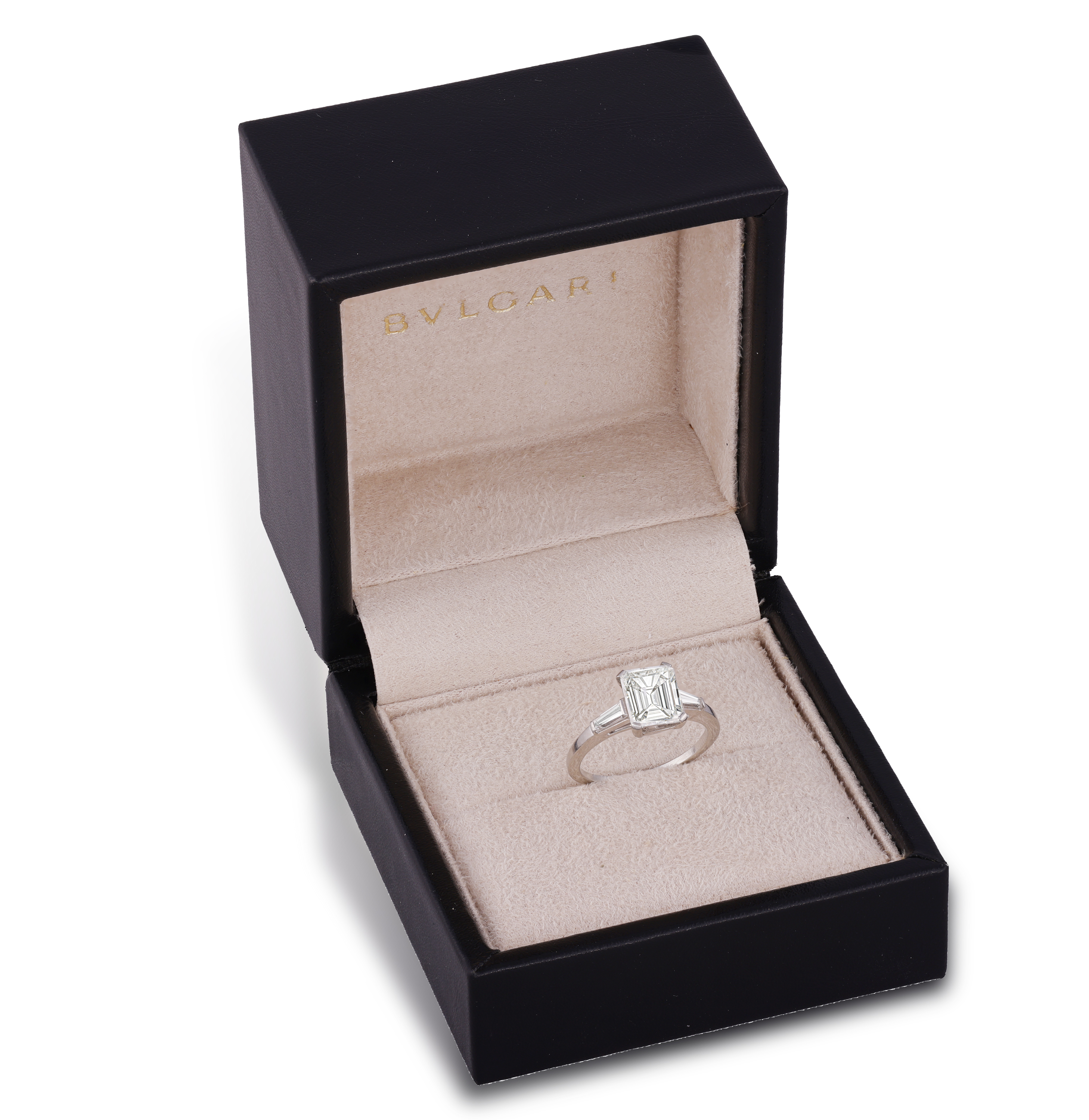
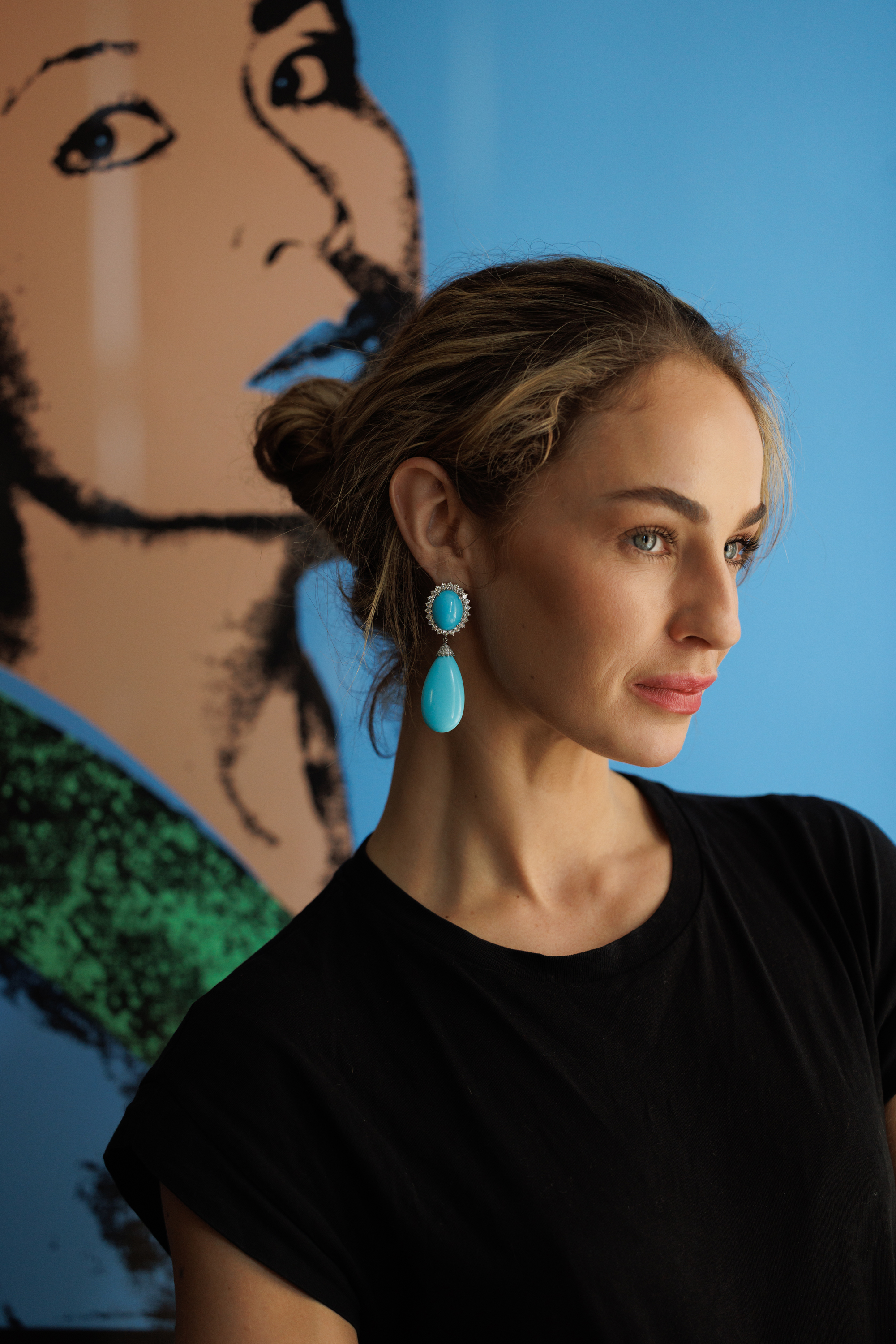
Jewellery, chocolates, and flowers have long been the quintessential symbols of Valentine’s Day, gifted as tokens of affection to someone special. Yet before these romantic staples became tradition, the celebration of love that evolved into St. Valentine’s Day looked remarkably different…
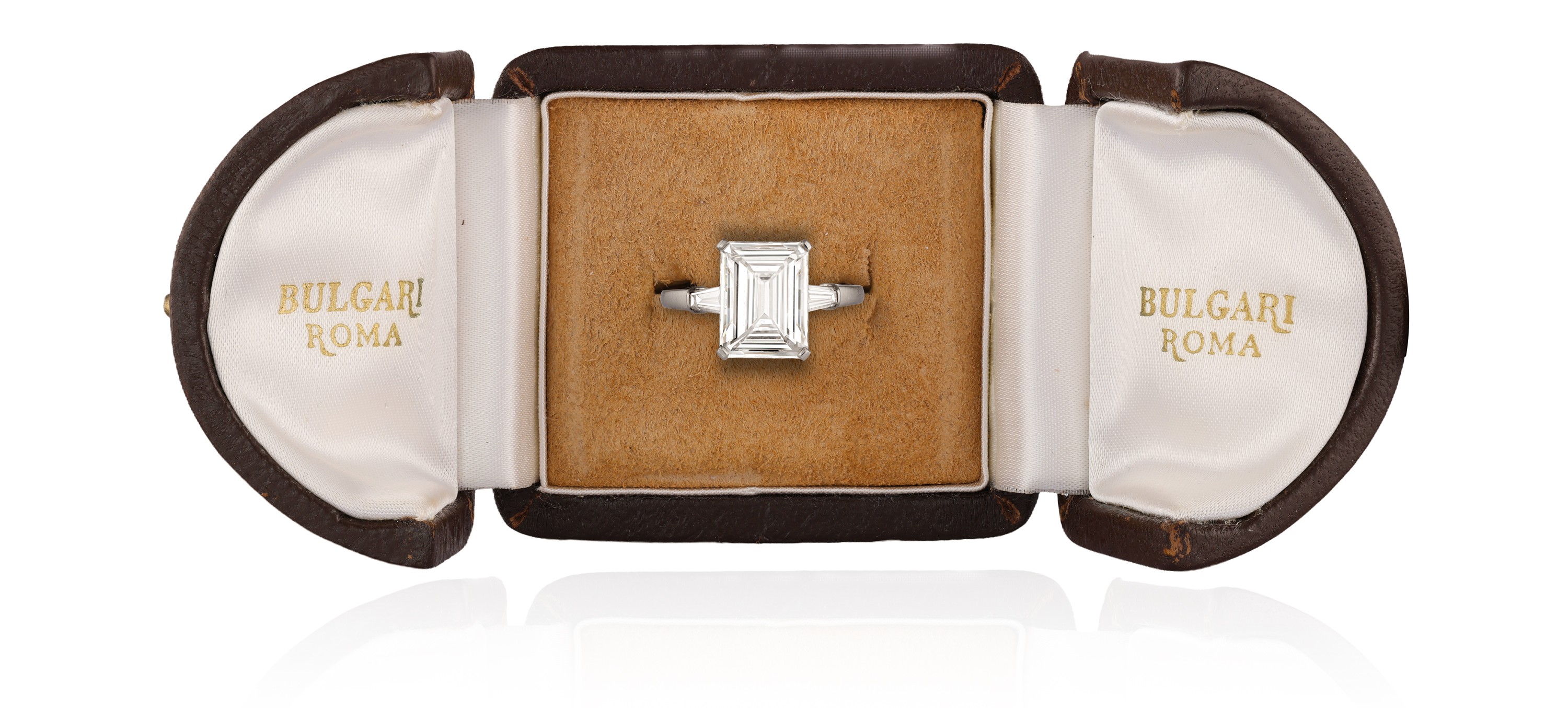
For access to our Valentine's Day Jewellery Drop Sale, contact jewellery@adams.ie
St. Valentine’s Day as we recognise it today, has been dated to at least the 14th Century. Its origins however are as nebulous and indeterminate as a moonstone. How fitting then that the festival is at least partially inherited from the Ancient Roman tradition of Lupercalia, a pagan fertility festival inextricably tied to the wolf, and in particular the founding myth of the She-Wolf nursing Romulus and Remus in her den at the base of the Palatine hill, in a cave now known as Lupercal.
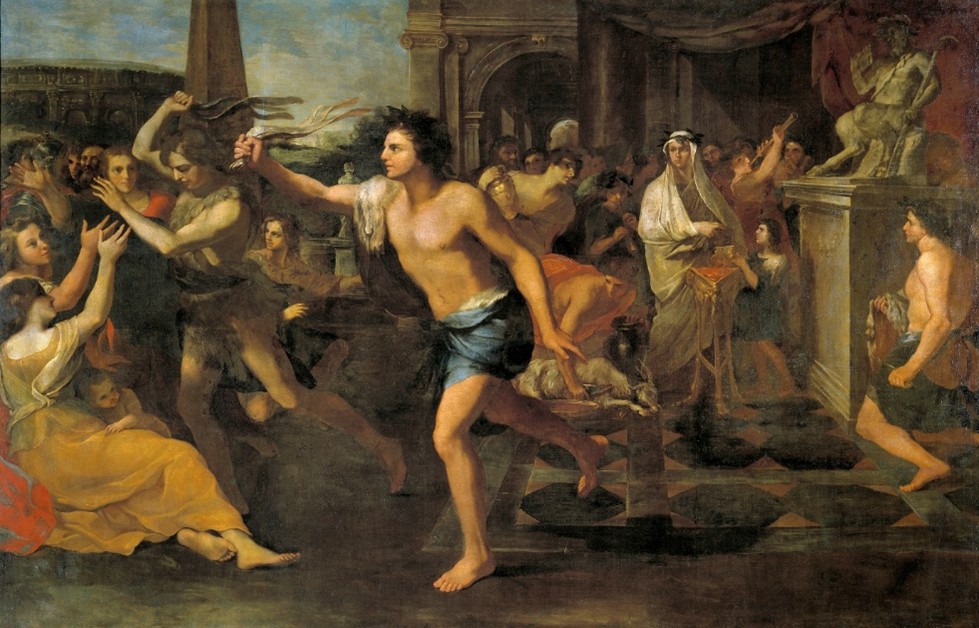
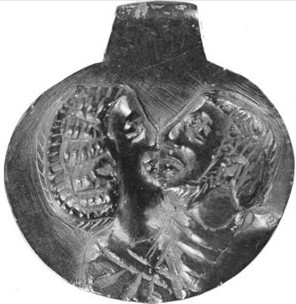
Lupercalia traditionally took place in February, and it was a bloody, passionate and highly charged affair. The citizens of Rome would gather in the Lupercal and sacrifice a dog and some billy goats (representing sexuality) and smear the blood on the foreheads of the attending naked priests (Luperci), who would then laugh loudly while the blood was wiped away with milk soaked wool. The hide from the sacrificed goats would be cut into strips called ‘Februa’ before the party moved to the city for the second location. Here the Luperci, still largely naked ran through the town square and lashed every woman within striking distance of their februae to promote fertility. Finally, names were drawn from jars to pair men and women together who were intended to couple for the duration of the festival. Many of these temporary couples endured and fell andlove and married, perhaps prompting the more recent reputation as a Festival of Love. Amulets, charms and statues promoting fertility and love were commonplace in Ancient cultures. A carved jet betrothal pendant excavated in England during the Vindolanda excavation is a wonderful example of how the Romans gifted jewellery and gemstones as a vessel for protection, health, fertility and love (see below).
It is likely that with the advent of Christianity, the pagan tradition of Lupercalia was adopted into the faith and re-packaged somewhat to suit ideologies of that time, though the exact origin is still hazy. There are multiple Christian martyrs we are aware of who were named Valentine, such as a lovestruck, incarcerated priest and then another figure who supposedly defied imperial orders to marry couples secretly so the husbands could remain with their partners and avoid conscription. We do recognise however, that the tradition of the modern day Valentine’s Day card probably stemmed from the practice of drawing your partner’s name from the jar during Lupercalia. The concept of a paper Valentine with an inscribed sentiment has been traced to at least the 17th century and by the 19th century there was a serious commercial investment in the industry. Across the world gift-giving became a Bonafide love language and Valentine’s Day the obvious date for the gesture.
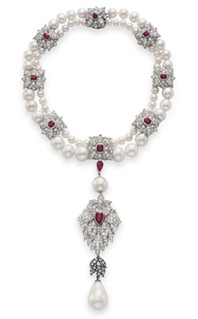
Possibly the most famous Valentine’s gift of all time is ‘La Peregrina’ (The Wanderer), an extraordinary natural pearl of 223.8 grains, plucked from the waters of Panamain 1513 by an African slave and eventually gifted to the ruling monarch at thetime, King Philip II of Spain (1527-1598). So named because of its long, international history, the pearl passed through the Spanish line and the Bonaparte empire and even disappeared down the back of a sofa in Windsor castle! Eventually it was purchased by Richard Burton as a Valentine’s Day gift for Elizabeth Taylor and Al Durate of Cartier was commissioned to set the jewel in the pearl, diamond and ruby setting we see now (see below)
The Elizabeth Taylor Collection is one of the most renowned private collections of jewels in the world, the majority of these were gifted to mark special occasions throughout her life, most notably those from husband Richard Burton during their relationship. A relationship so infamously volatile and passionate that they married twice. First from 1964-1974 and then again from 1975-1976. One such gift which has recently resurfaced in the public eye is the ‘Taj Mahal’ pendant (see below) which appeared in the promotional tour for the classic gothic romance Wuthering Heights, directed by Emerald Fennell and quite pointedly appearing in cinemas this Valentine’s weekend.
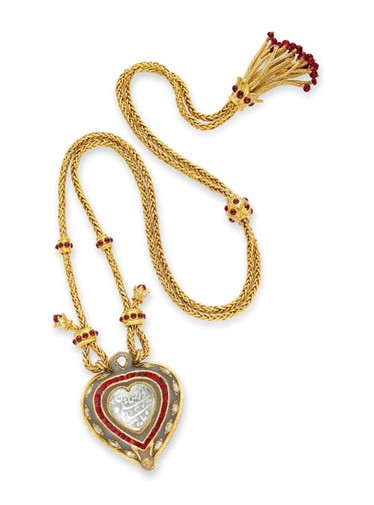
This incredible jewel displays a large table-cut heart shaped central diamond, the face of which displays a Parsi inscription ‘Love is Everlasting’ and the name of the original recipient Empress Nur Jahan (1577-1645) who received it from her husband, the Mughal Emperor ShahJahangir (1569-1627). The pendant was so named in popular culture because the next recipient of the jewel was the emperor’s son, Emperor Shah Jahan (1592-1666) who gifted it to his wife Mumtaz Mahal (1612-1631). The Empress died during childbirth of their 14th child and the splendid white marble Taj Mahal was commissioned by the grieving Emperor as her tomb. The mausoleum is considered an exceptional tribute to enduring love and recognised as one of the Wonders ofthe World. For this reason, the pendant is often referred to as the ‘Taj Mahal’ pendant and its celebrity was ignited in the West when it was purchased by Richard Burton for Elizabeth Taylor as a gift in 1972.
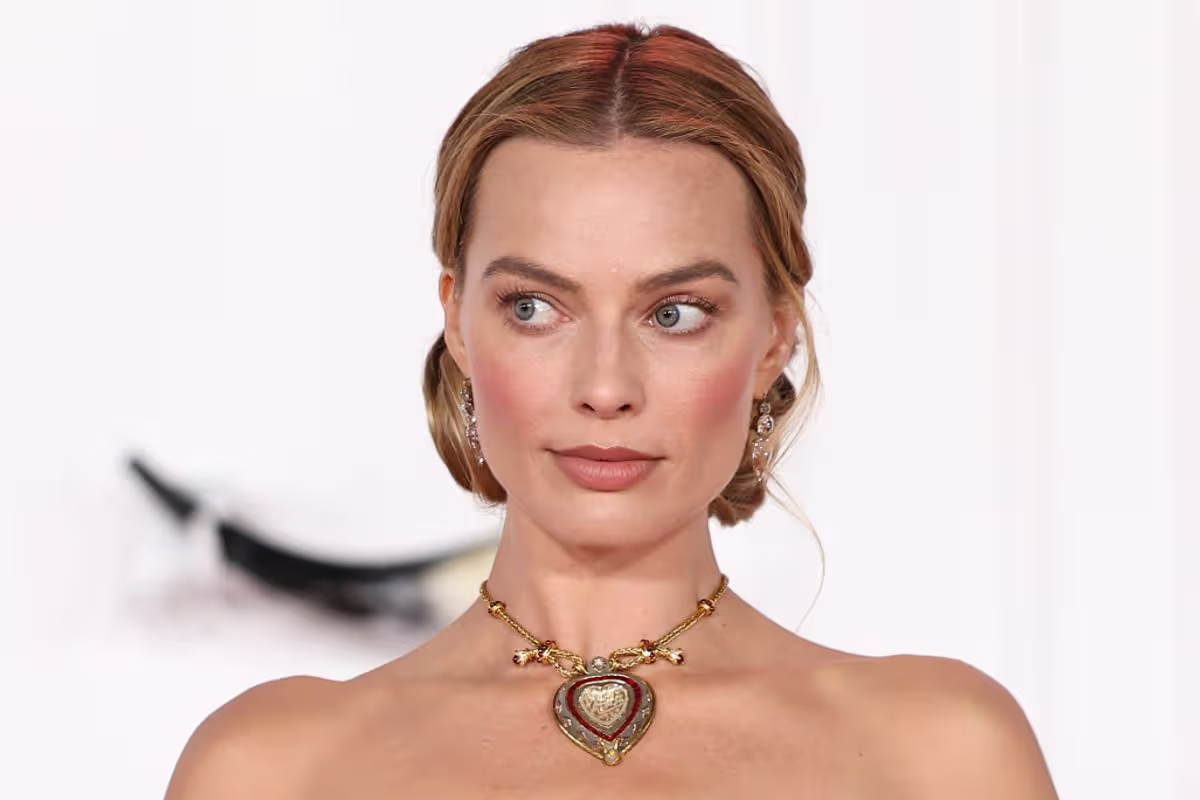
The Taj-Mahal pendant has fittingly re-emerged in the public eye around the neck of our would-be Cathy Earnshaw, played by Margot Robbie for the promotional tour of Wuthering Heights - a gothic romance famously peppered with scandal and drama. The central characters of Cathy and Heathcliff are inextricably tied to each other despite their flawed personalities, physical distance, intense jealousy, their class difference and even death. How perfectly romantic then that our anti-hero Cathy appears with a bejewelled reference to the world’s most beautiful tomb around her throat, on Valentine’s Day no less!
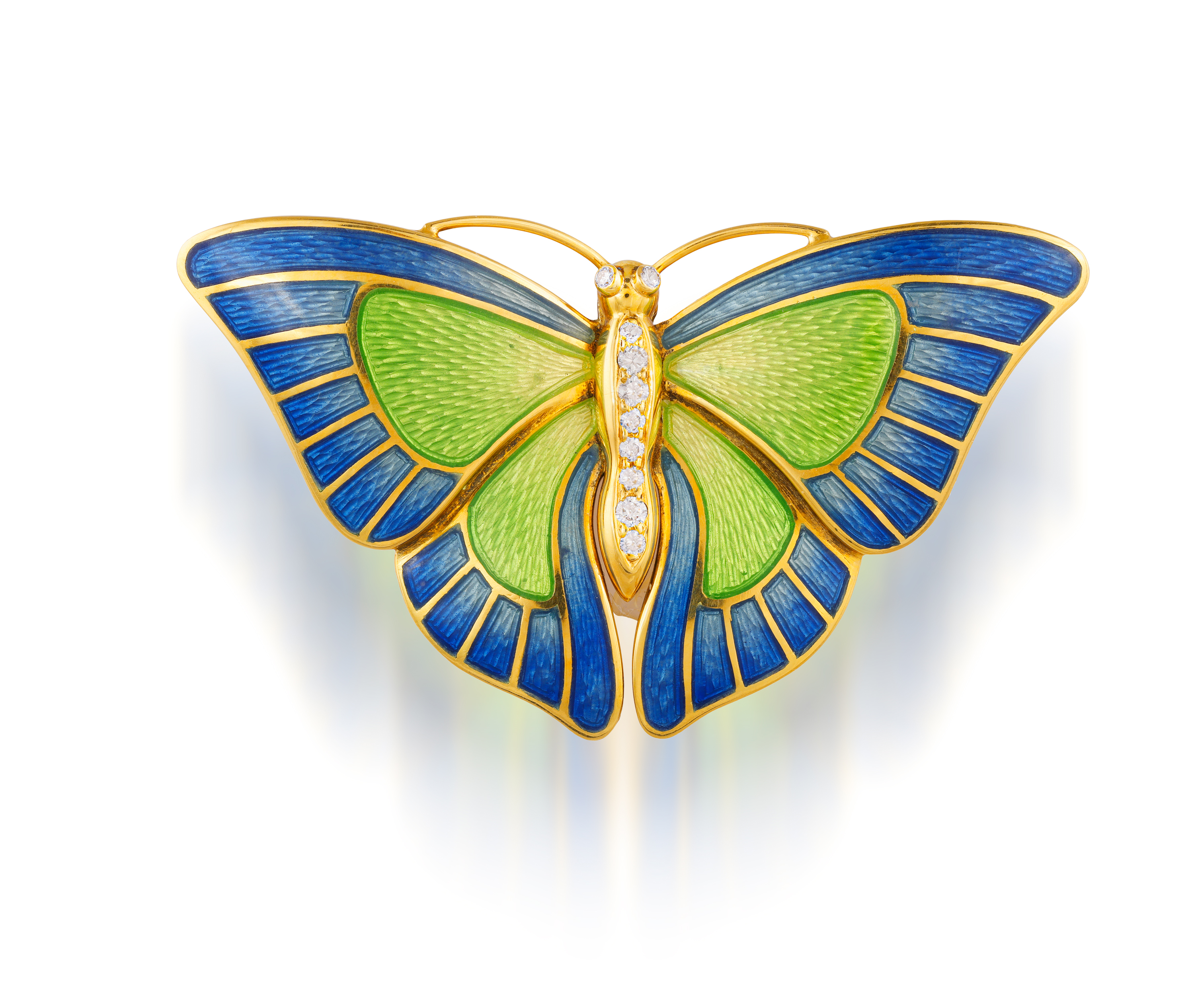
Our Private Valentine’s Day Sale, featuring a curated selection of rare modern and vintage jewellery pieces is available exclusively to private clients and can only be accessed using a password provided by the Jewellery Department.
Items included in this collection may be viewed in person by appointment only. All purchases will be processed on a first‑come, first‑served basis, offering you the opportunity to acquire outstanding pieces without the usual competition. For further information, to obtain the password, or to arrange a viewing, please contact Claire at jewellery@adams.ie.


.jpg)

.png)
.png)
.jpg)


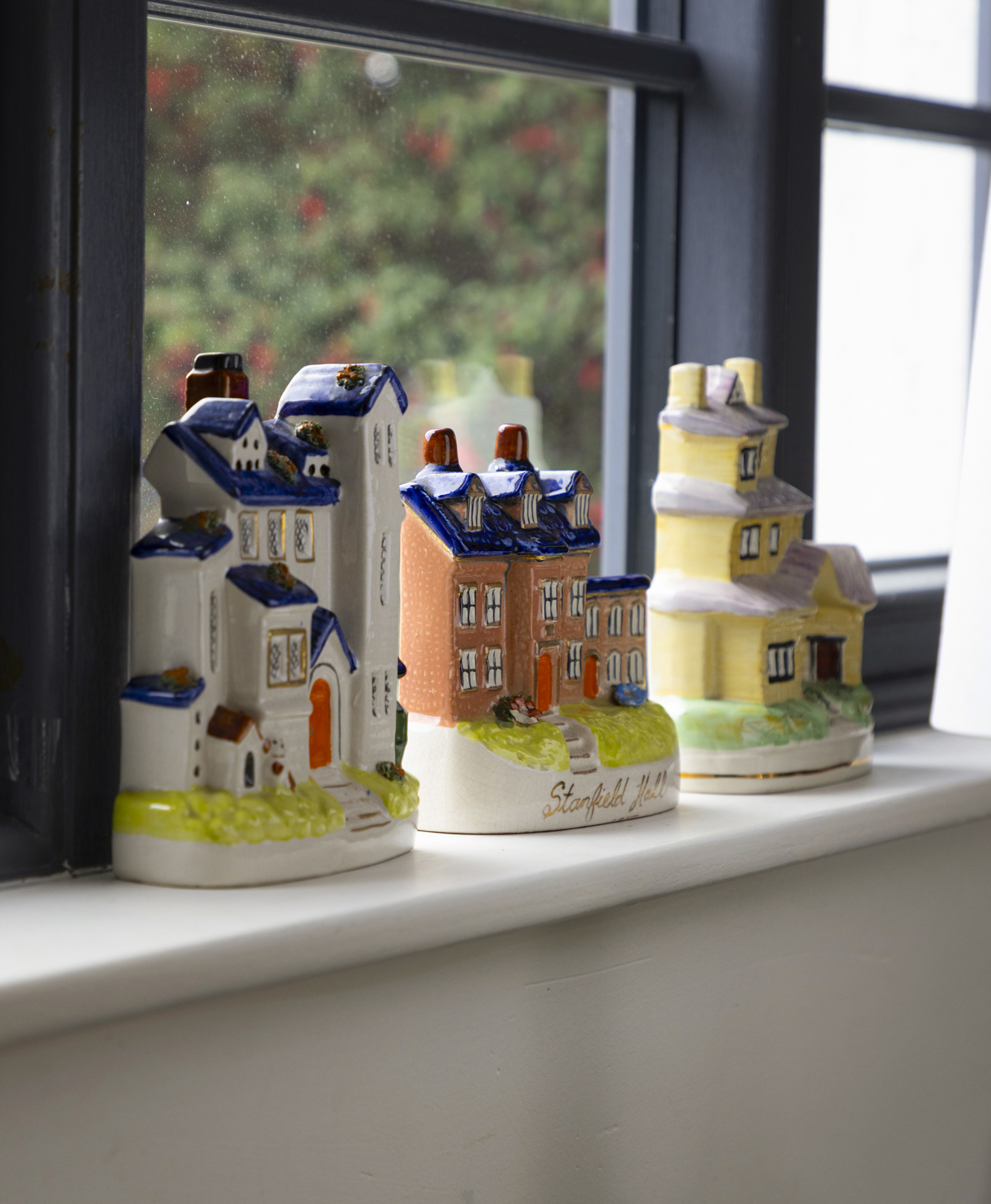
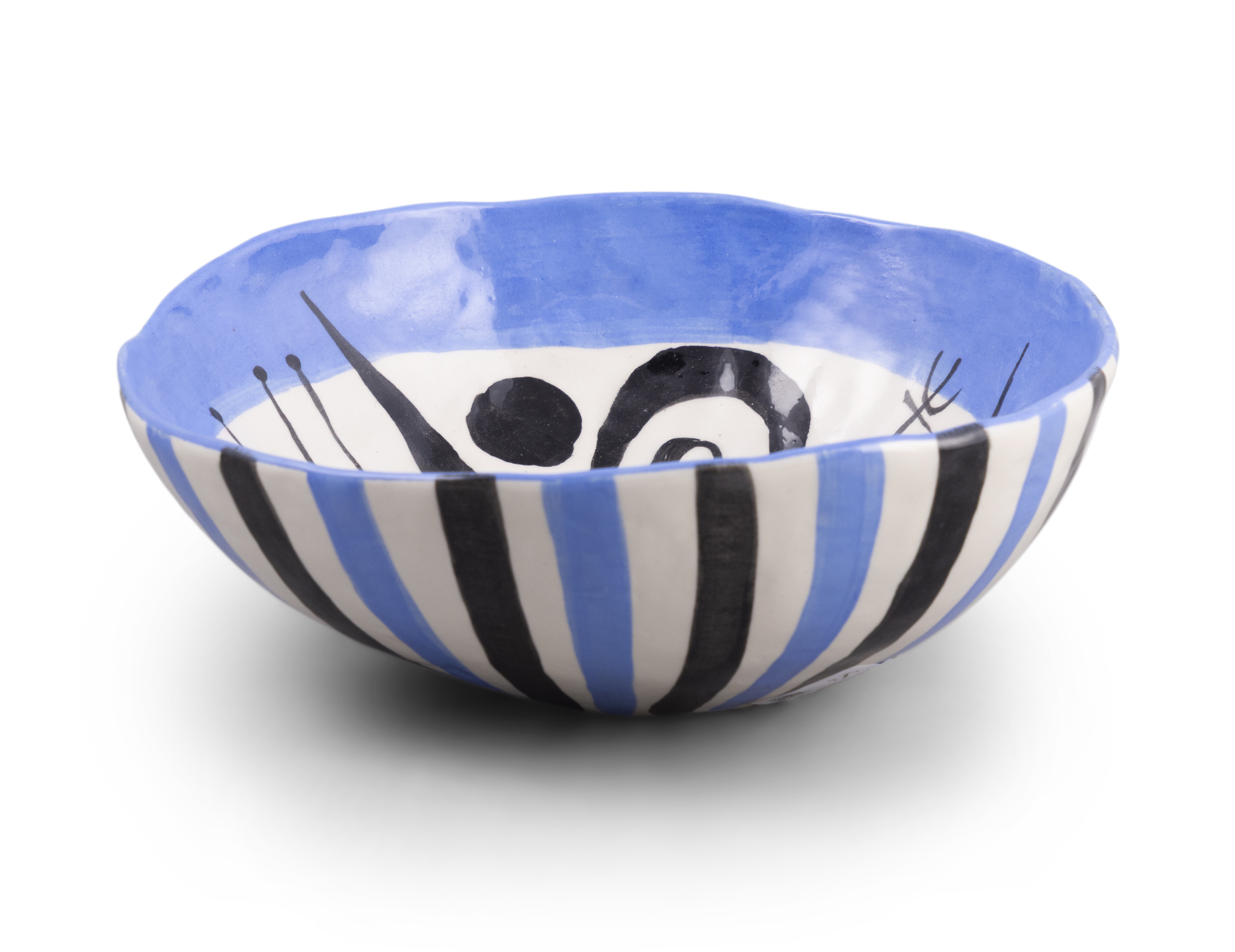
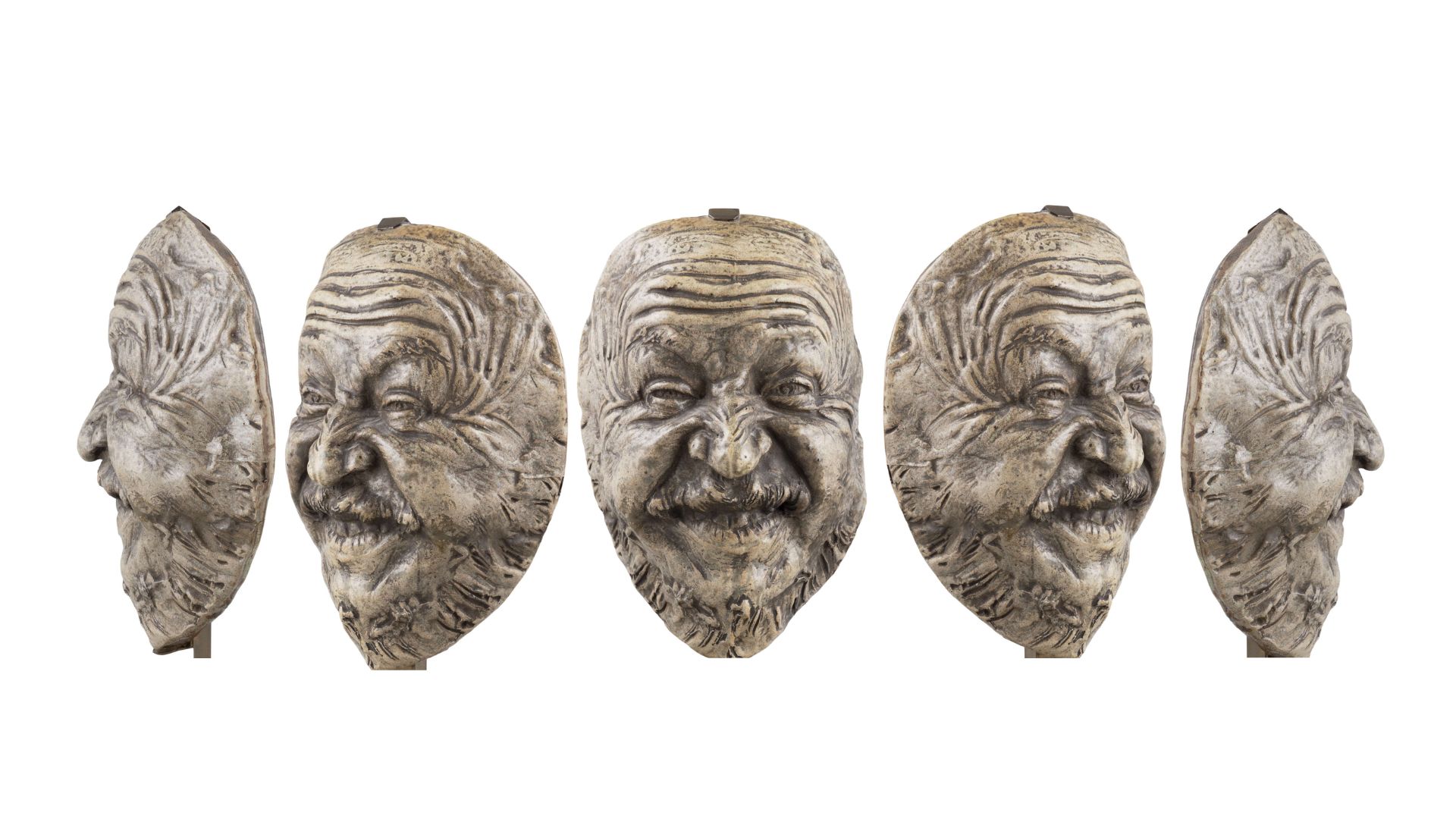
John ffrench was an instrumental figure in the design industry in Ireland and a distinguished pioneer of Irish studio pottery.
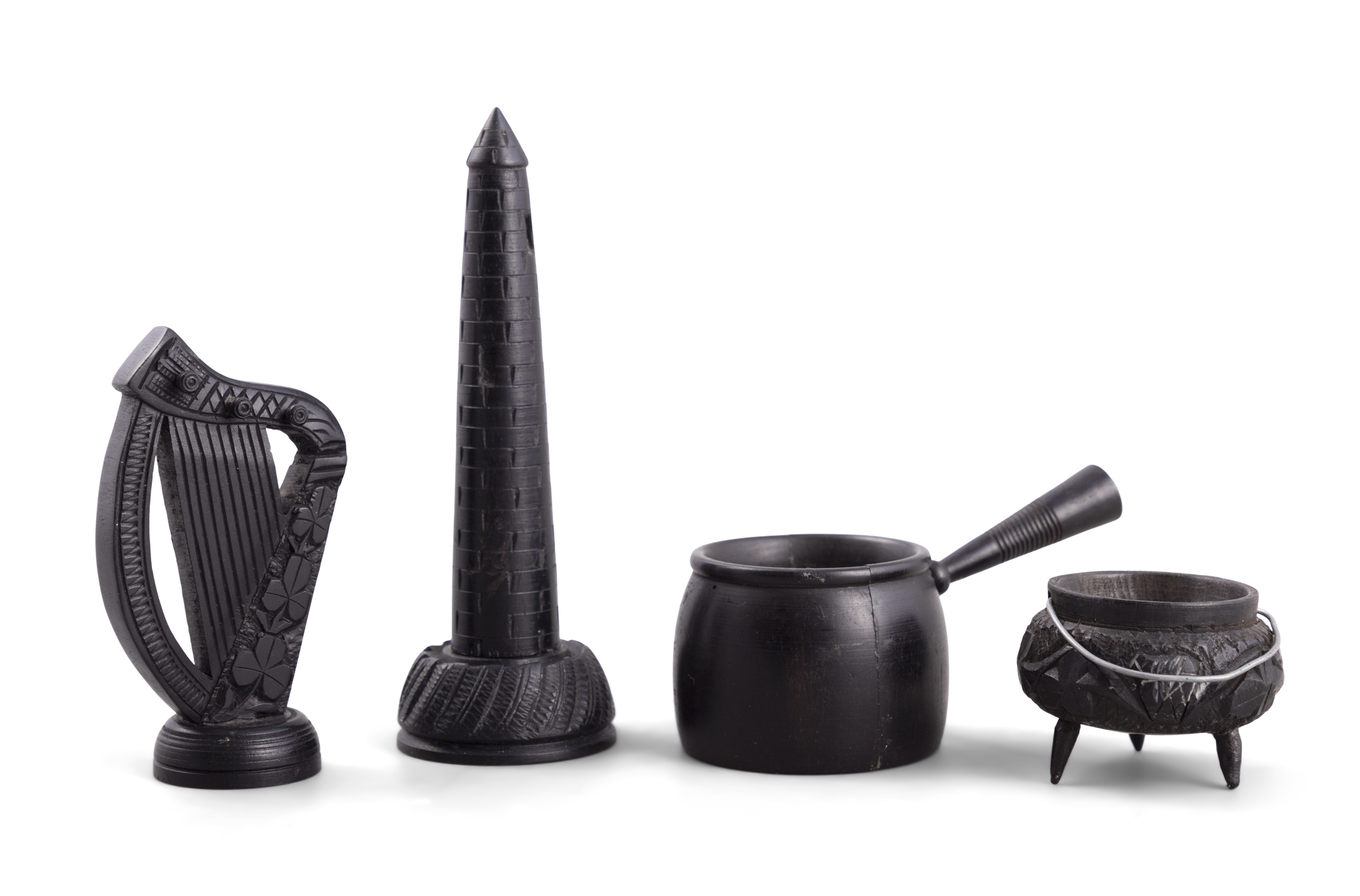
)%20(1).jpg)
%20(002).png)
%20(2).jpg)


%20(1200%20x%20768%20px)%20(2).png)
.png)

.png)

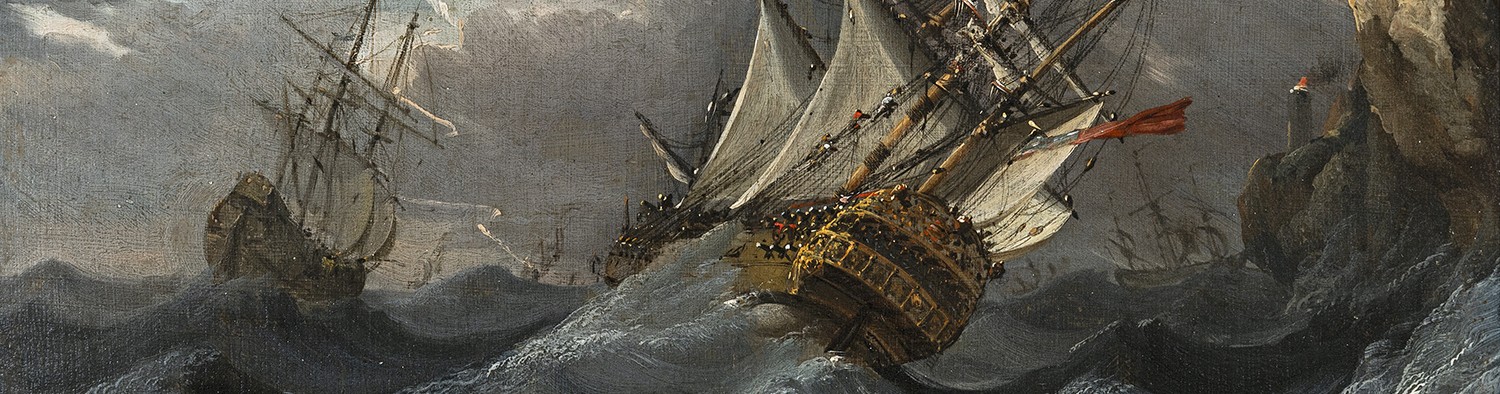
"I should declare my hand. I have a weakness for pictures that punch above their physical weight, and for artists who have been quietly underrated for too long. This pair is both. They are intimate enough to live with at close quarters and serious enough to repay any amount of looking. If the market has lately shown signs of catching up with eighteenth-century Irish painting and I think it has, these two small panels feel, to me, like exactly the sort of thing that will look obvious in twenty years’ time."
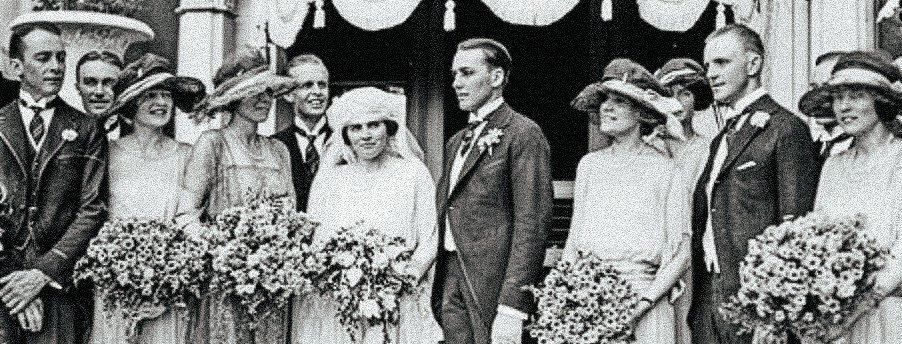
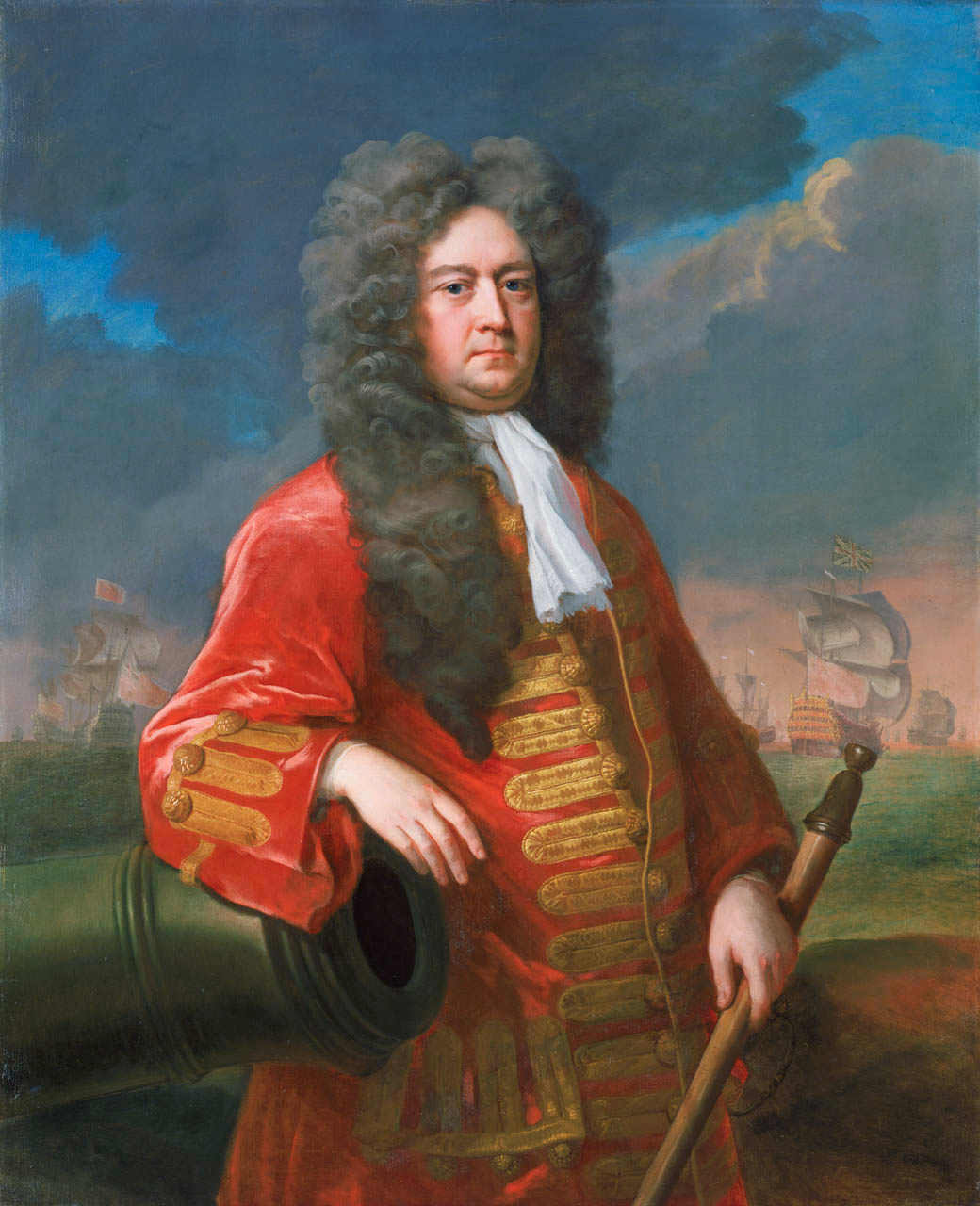


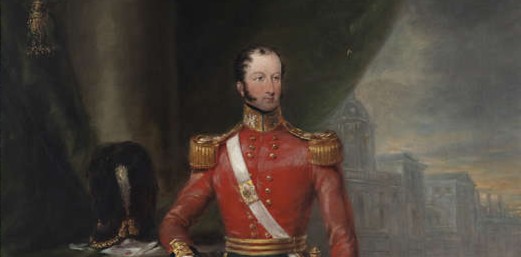
Adam’s is honoured to present works from the collection of Lord Rossmore in the upcoming Country House Collections auction at Howth Castle on 28th April. It is seldom that an influential Irish family collection that has survived through the generations comes to the open market.
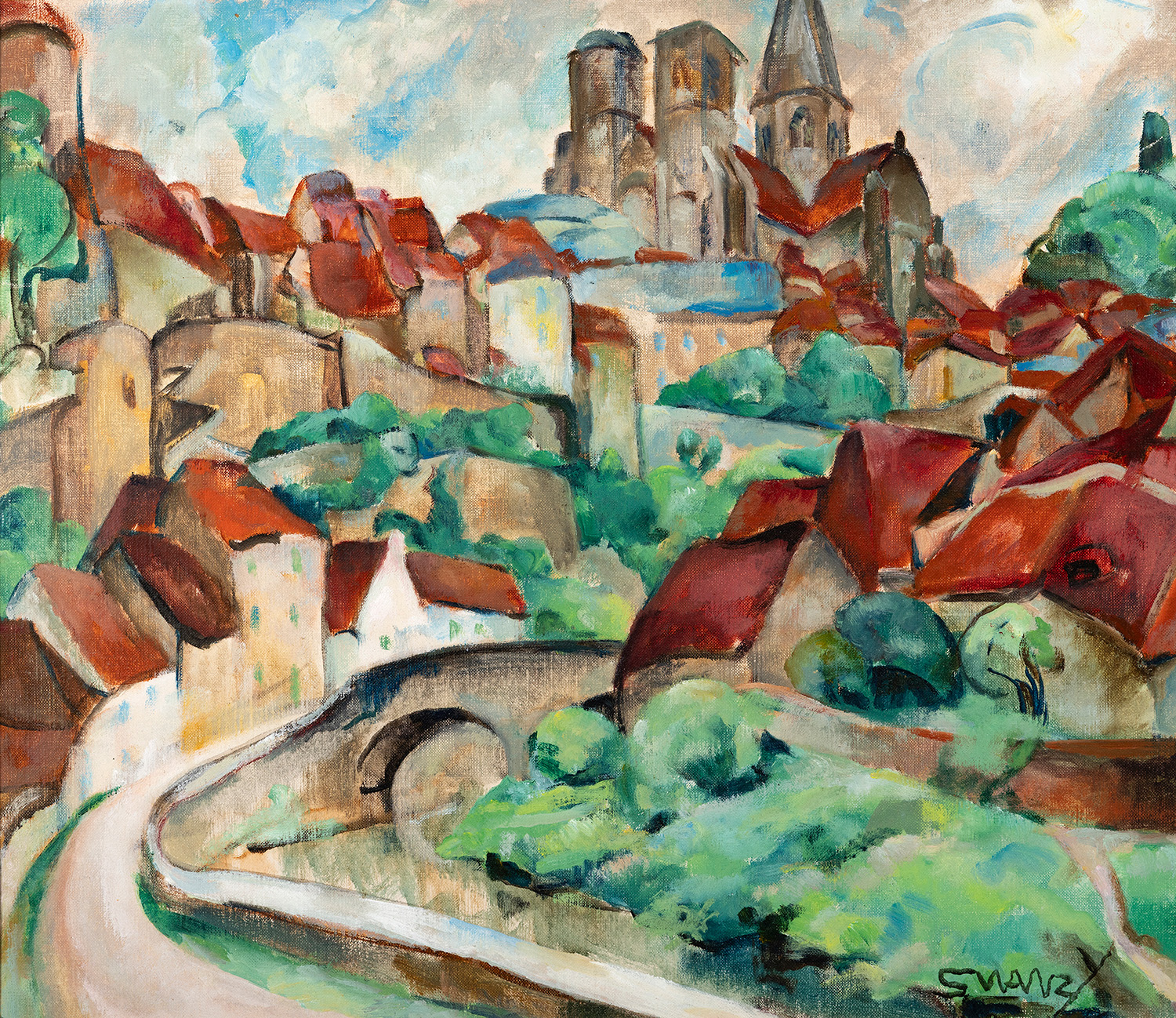
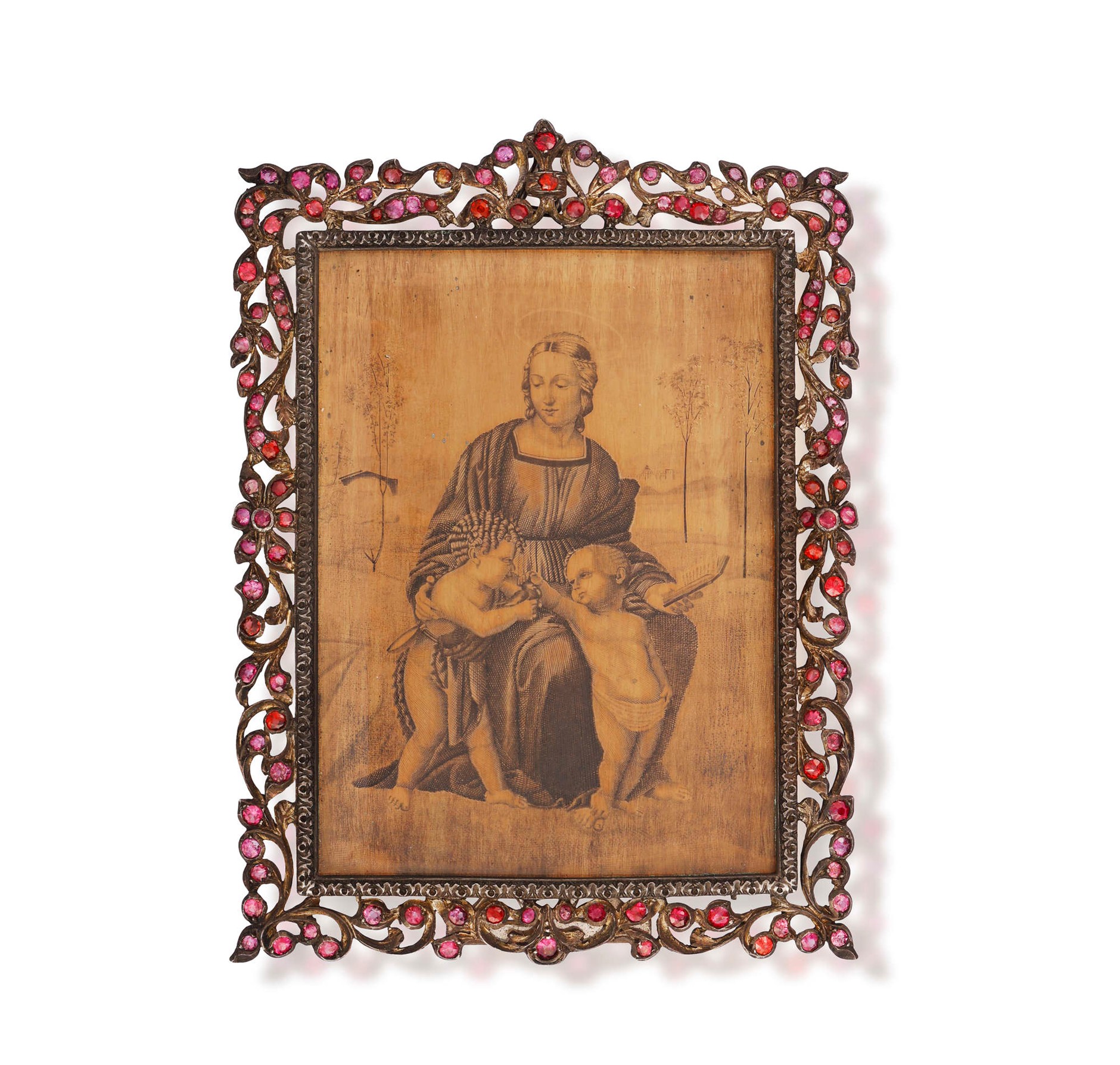
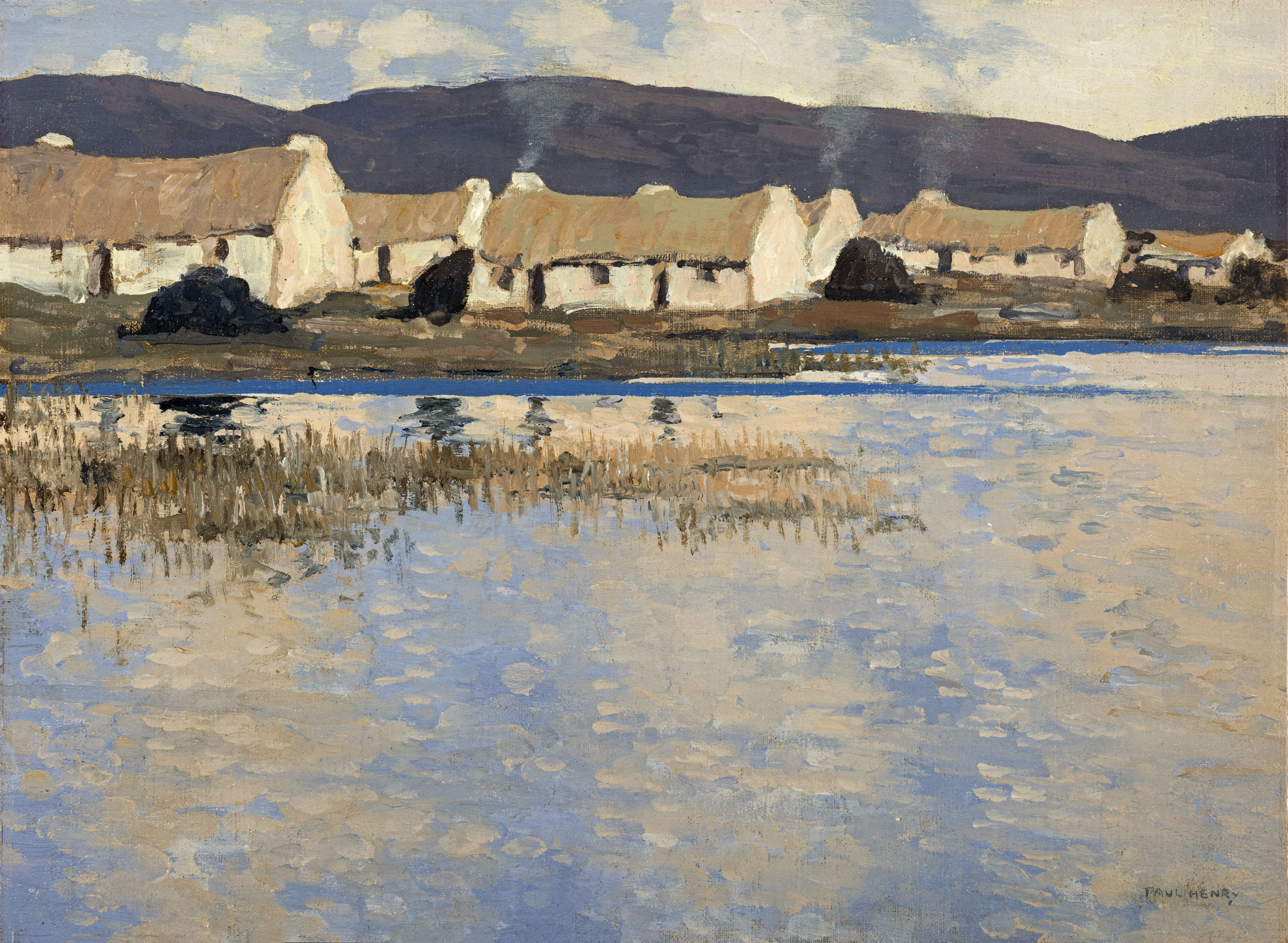
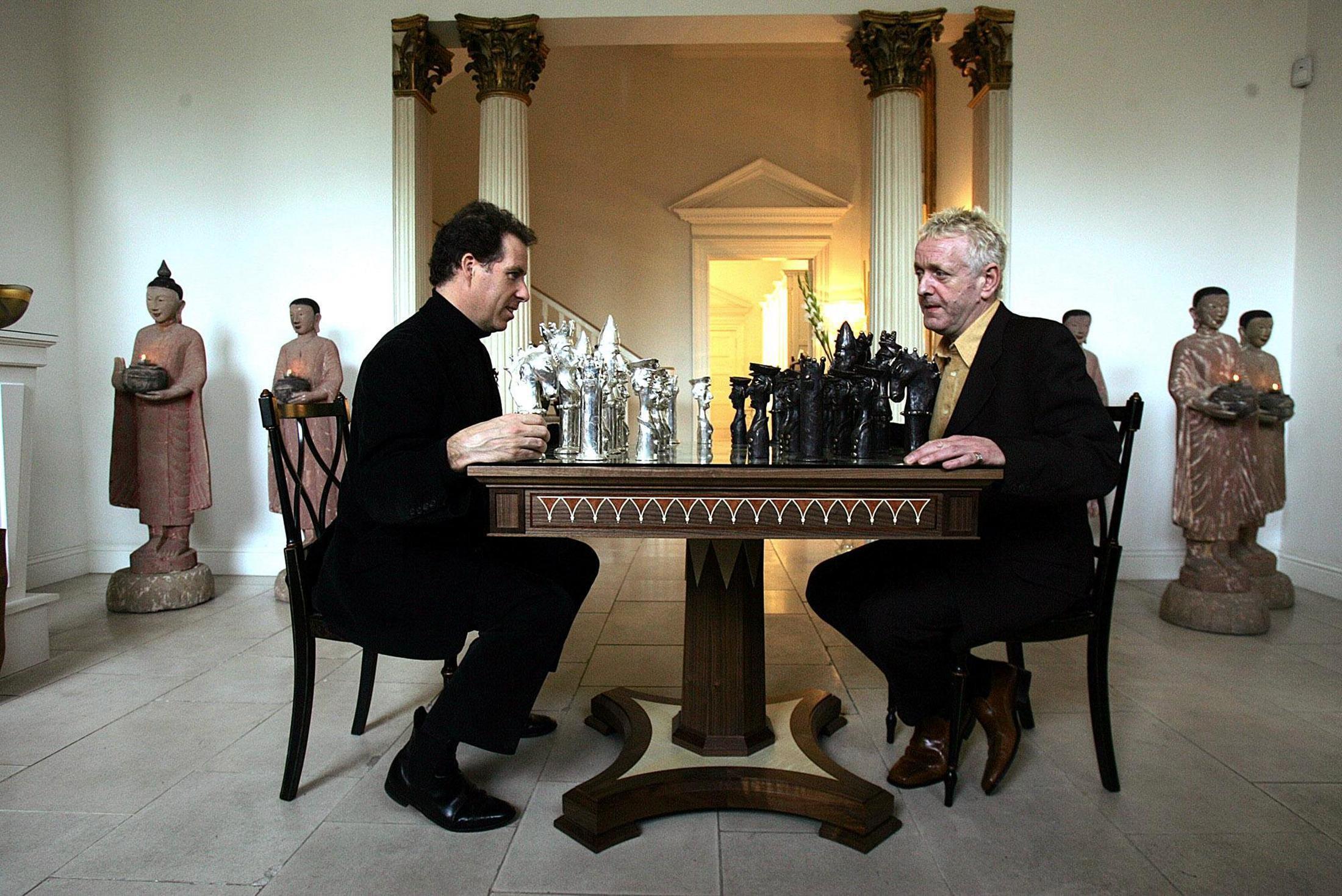
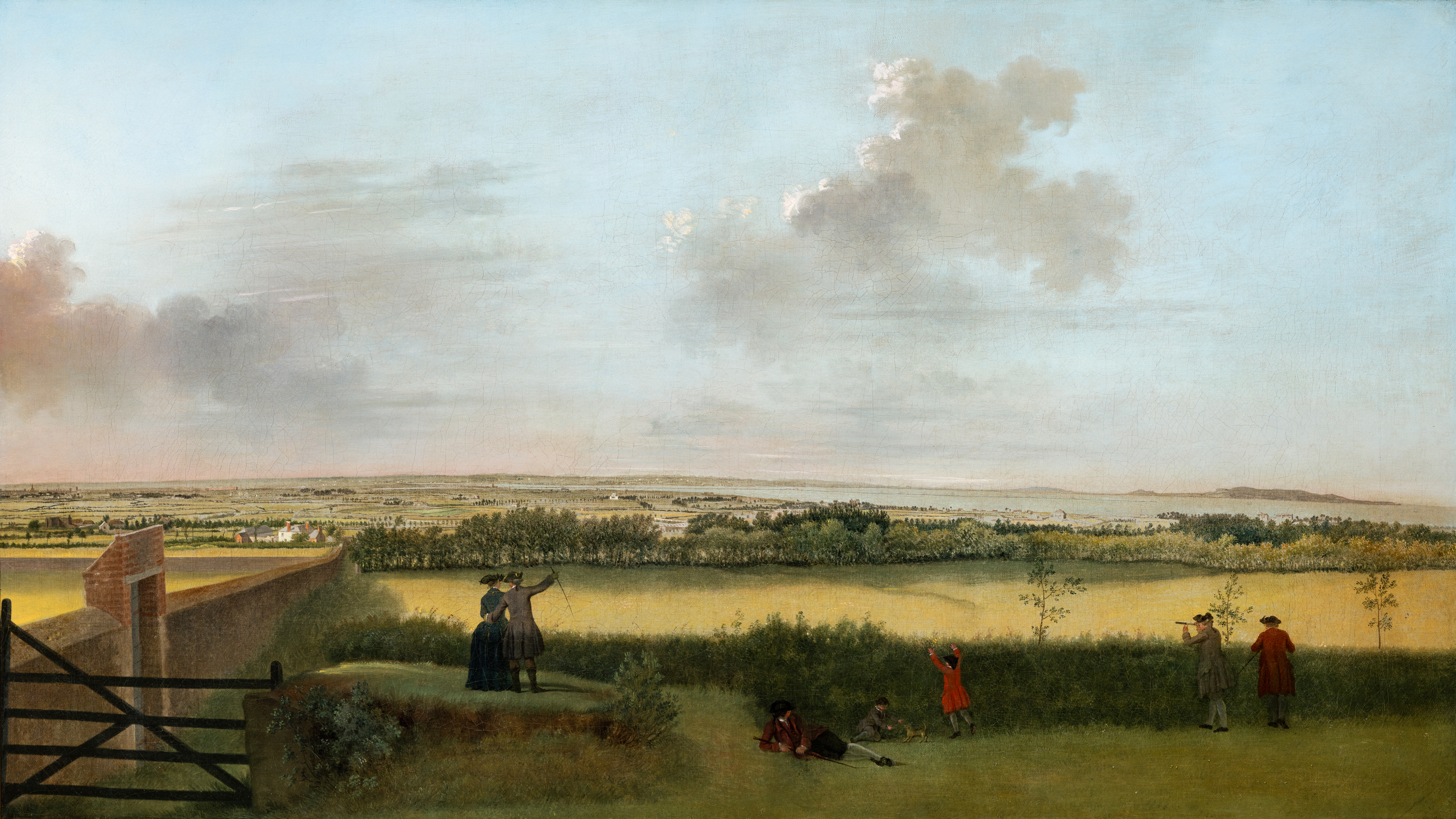
Works Sold at Adam’s Now in the Irish National Collection
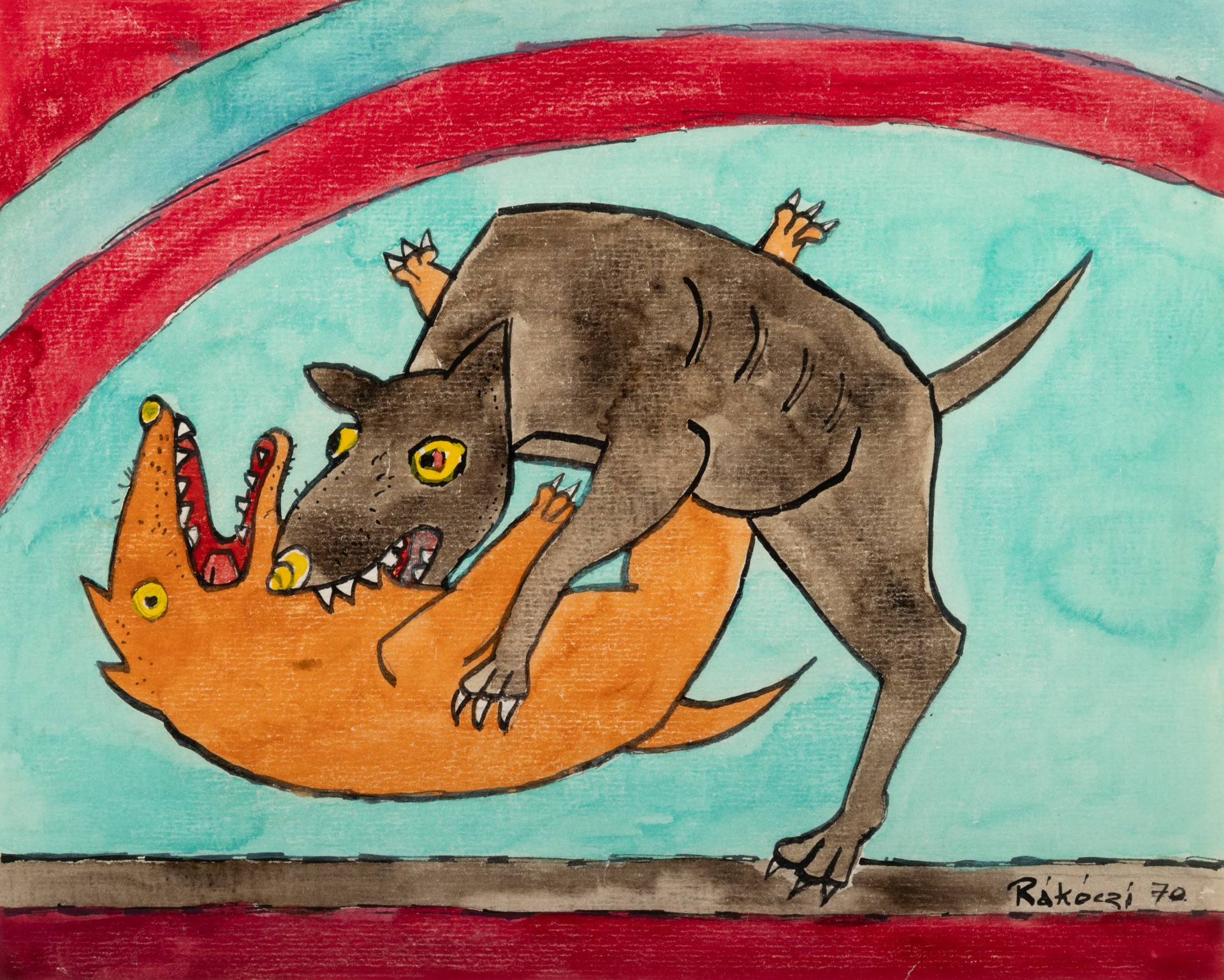
A great opportunity to purchase both established and lesser-known artist’s work at an accessible price point, the Online Picture Auction is the first of many sales to be hosted at Adam’s in 2026. It is perfect for those looking to start a collection and the discerning collector alike.


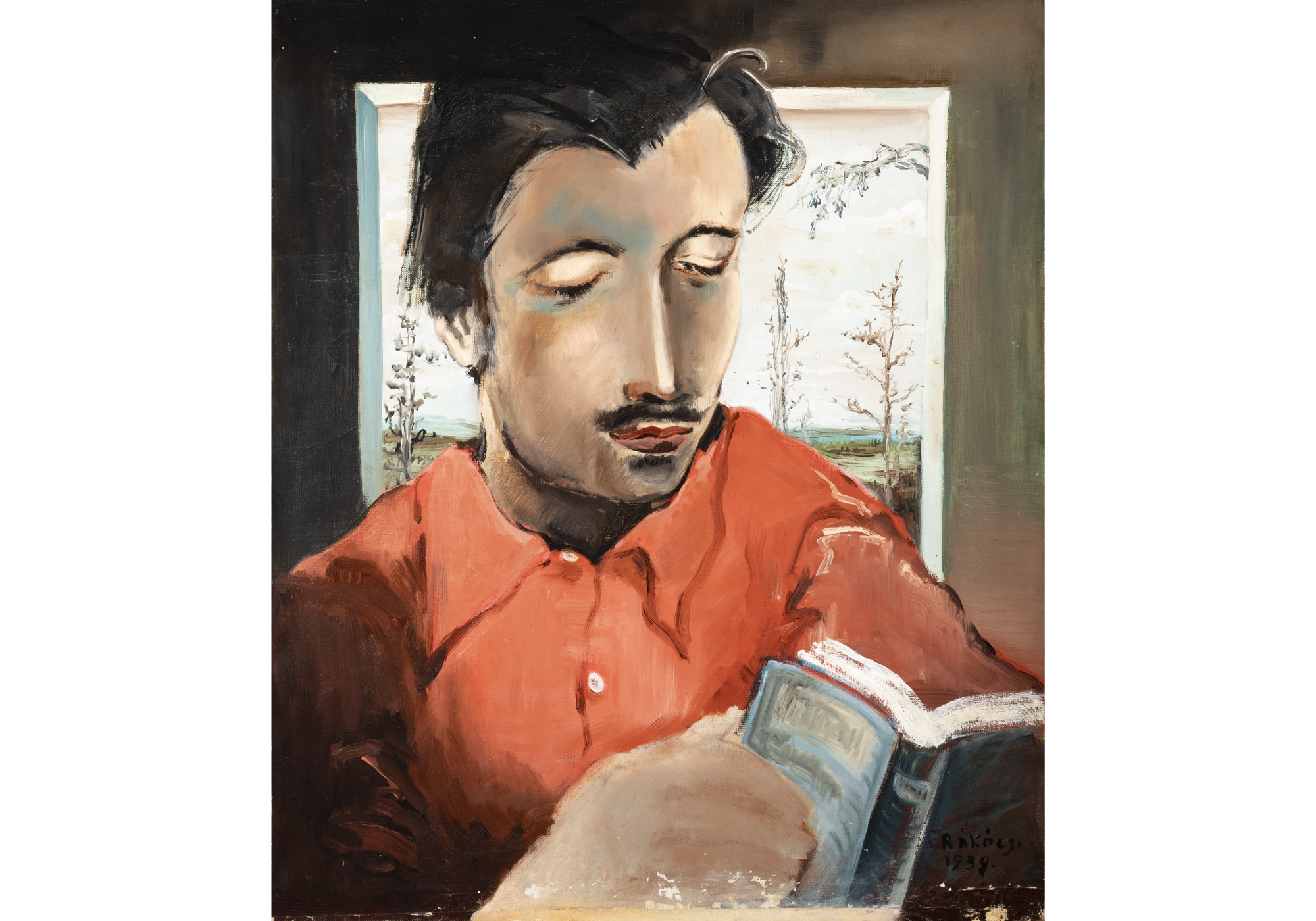
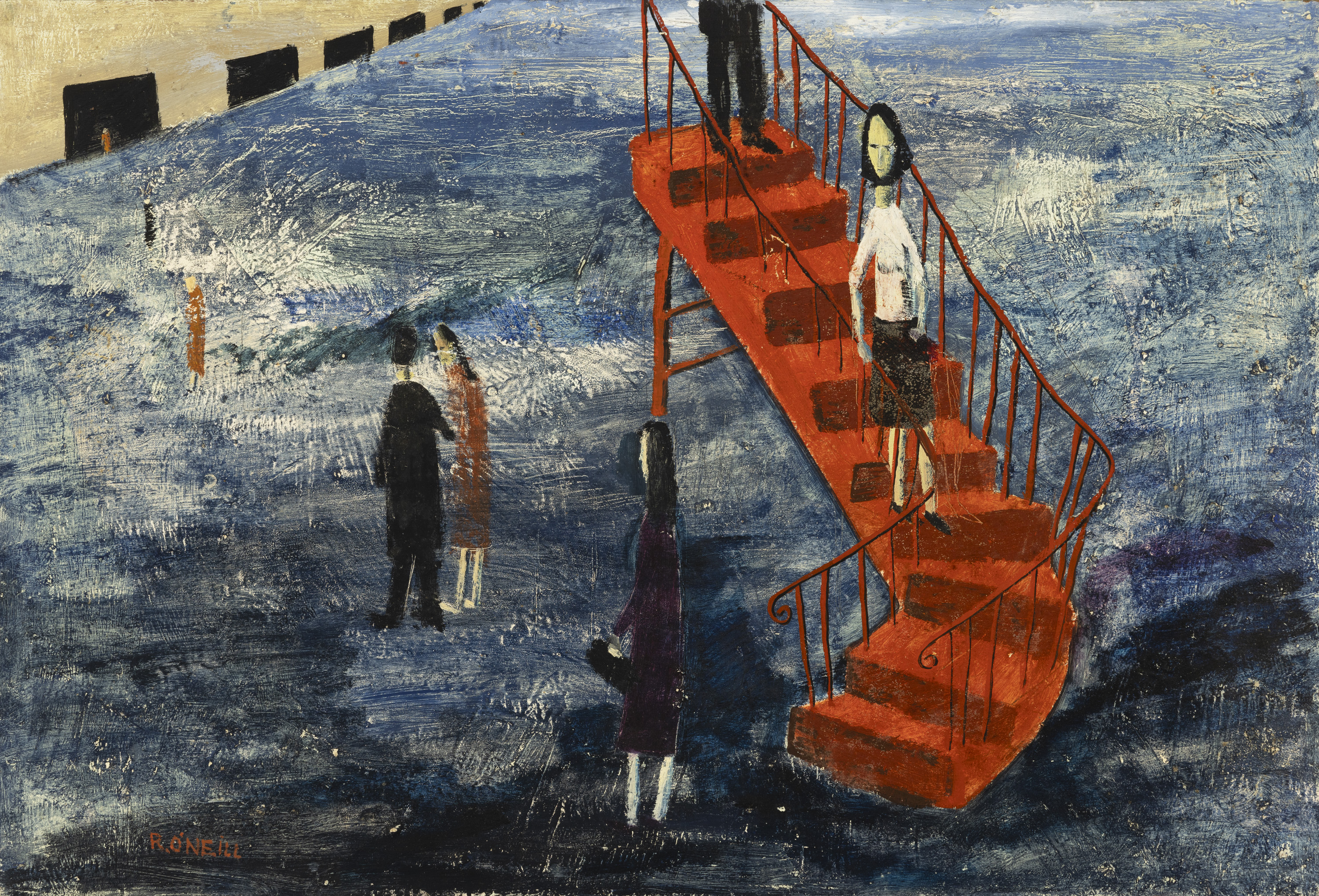
Through this article, let our expert Adam Pearson guiding you to the (re)discovery of the once established Irish painter Richard O’Neill.


Buying at Auction and the Role of Antiques in a Modern Home


Important Irish Art Auction Highlights

Oliver Dowling Collection by Aidan Dunne


2024 is a year in which Adam’s wants to recognise the key role buying antique furniture and furnishings at auction contributes greatly to the sustainable initiative. In 2019 the Environmental Protection Agency reported stark figures that each year in Ireland 1.2 million reusable bulky items, primarily furniture goes into landfill. Similar to the problem of ‘fast fashion’, the constant production and consumption of new items is leading to rapidly growing waste problem. We want to acknowledge those who are already buying second hand or antique furniture at auction and to encourage new buyers by highlighting the benefits of acquiring affordable, well-made quality items that are built to last.


James Adam & Sons Ltd, Fine Art Auctioneers and Valuers, 26 St. Stephen’s Green, Dublin 2,
D02 X665, Ireland


