
menu
Departments
.svg)
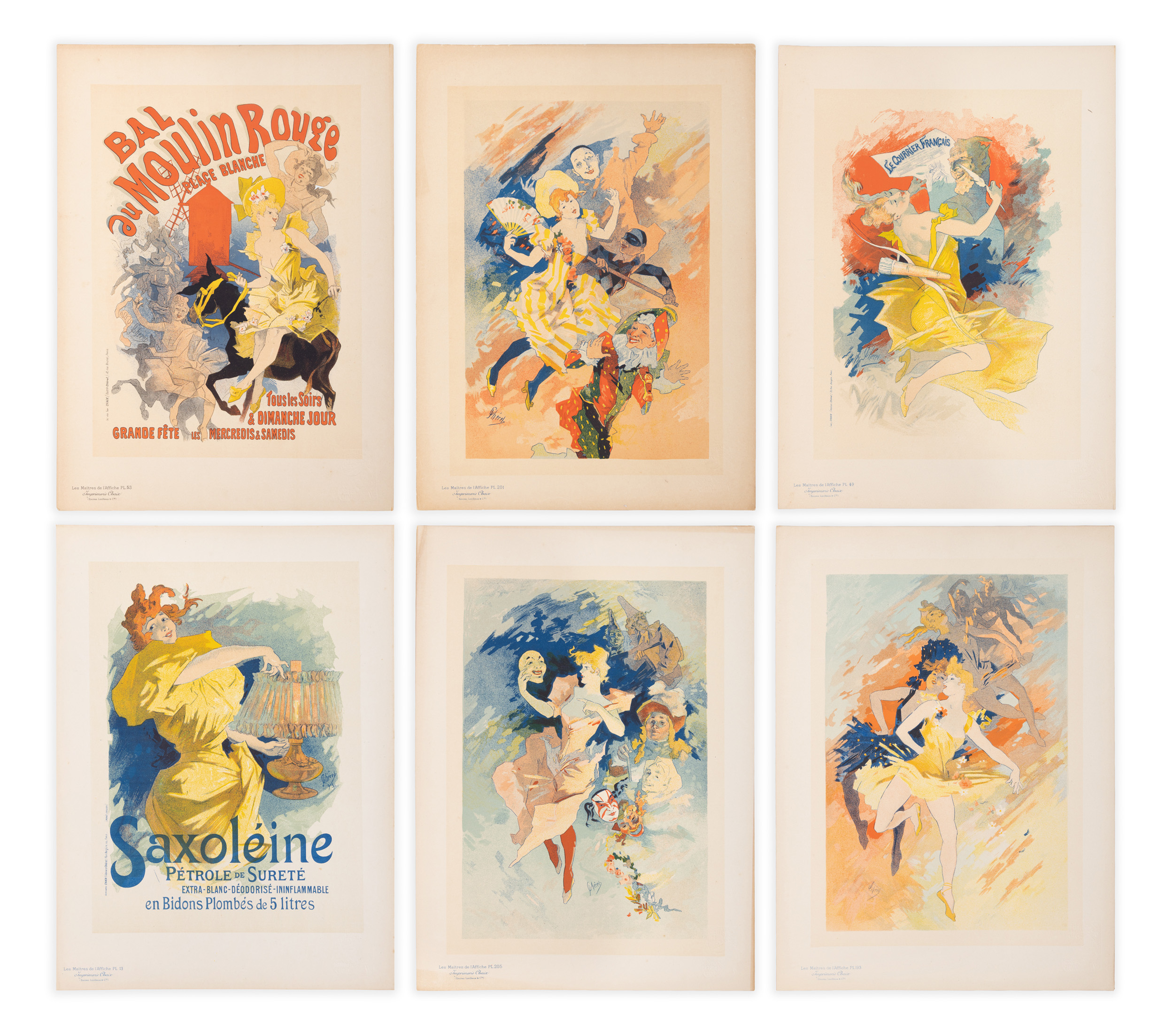

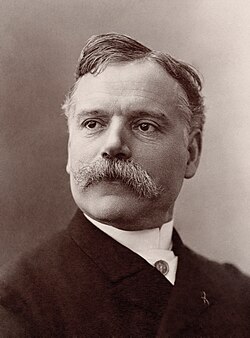
Jules Chéret (1836-1932), the Paris-born painter and lithographer, occupies a pivotal place in the history of modern visual culture. Renowned for his reinvention of lithography and his vibrant Belle Époque posters, Chéret earned the enduring title “Father of the Modern Poster.”
But how did he secure such distinction?
Reinventing an Art Form
At a time when posters were largely text-heavy and informational, Chéret transformed the medium into a dynamic and accessible art form. Drawing inspiration from the Rococo style - particularly its playful elegance and idyllic depictions of fashionable figures in garden settings, here vitalised its spirit for modern Paris. While Rococo art had fallen from favour after the French Revolution, Chéret reinterpreted its exuberance for a contemporary audience.
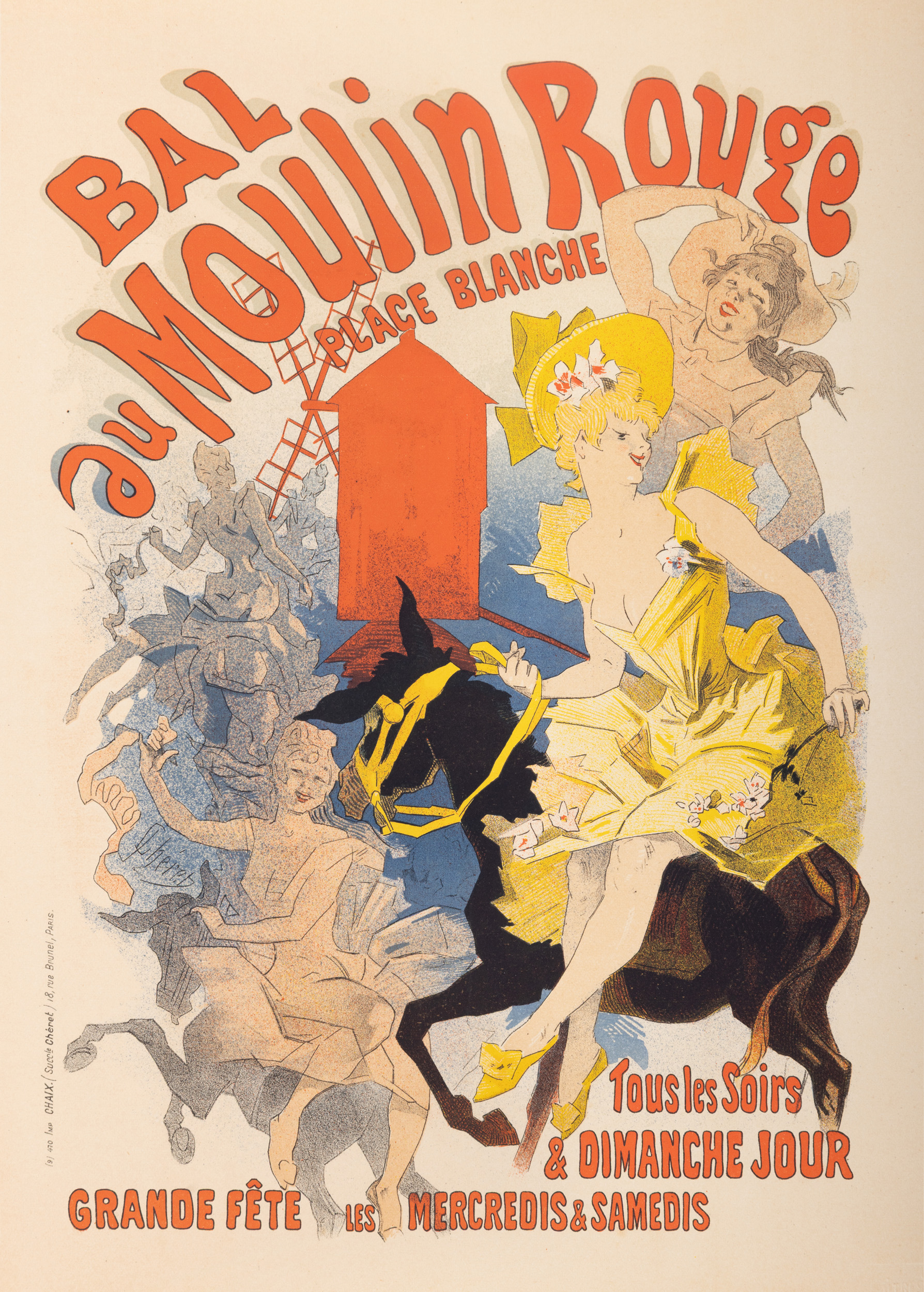
Unlike the rigid ideals of femininity traditionally associated with Rococo art, Chéret’s women embodied vitality and independence. His celebrated poster Bal du Moulin Rouge (1897) exemplifies this shift. Rather than conforming to conventional portrayals of women as either puritanical or immoral, Chéret introduced the world to the joyful, spirited “Chérette”- a new archetype of the modern Parisian woman. Lively, confident, and unapologetically fashionable, these figures reflected and arguably encouraged the increasingly liberated social atmosphere of Belle Époque Paris, where women were beginning to assert greater freedom in public life.
Innovation in Lithography
Chéret’s technical innovations were equally transformative. He refined the chromolithographic process by reducing posters to three primary colours red, blue, and yellow applied in semi-transparent layers to create a rich spectrum of secondary hues. This not only simplified production but also intensified visual impact.
His designs integrated expressive brushstrokes, cross-hatching, stippling, and soft, watercolour-like washes alongside bold areas of flat colour. Crucially, Chéret minimised text, allowing imagery to communicate the essence of an event or product. He frequently hand drew his own lettering directly onto the lithographic stone, ensuring typography became anorganic element of the overall composition rather than a separate addition.
The effect on the Parisian streetscape was profound. As one 1890s magazine writer observed:
“It is difficult to conceive Paris without its Chérets. The masses of variegated colours, rich blues, maddening yellows, bravereds and greens such as were never seen before on land or sea, greet one cheerily at every billboard, smile pleasantly, alluringly from the walls of every café.”
Through this bold chromatic language, Chéret transformed advertising into public art.
Collaboration and Cultural Presence
Chéret’s influence extended beyond commercial commissions. He held a prominent place in the pages of Le Courrier Français,which frequently reproduced his poster designs. In turn, Chéret created advertisements for companies that financed the publication, demonstrating an early and sophisticated understanding of brand synergy and mass media.
By the end of the nineteenth century, critics were beginning to recognise the artistic legitimacy of his work. In March 1899, one reviewer remarked:
“The name of this man (Chéret)… has not yet been inscribed in the golden book of artists… Today no one hesitates to recognize that Mr. J. Chéret is an artist ‘in his genre…’”
This acknowledgment marked a significant cultural shift: the poster, once considered ephemeral commercial material, was now accepted as a legitimate art form.
Works of Enduring Appeal
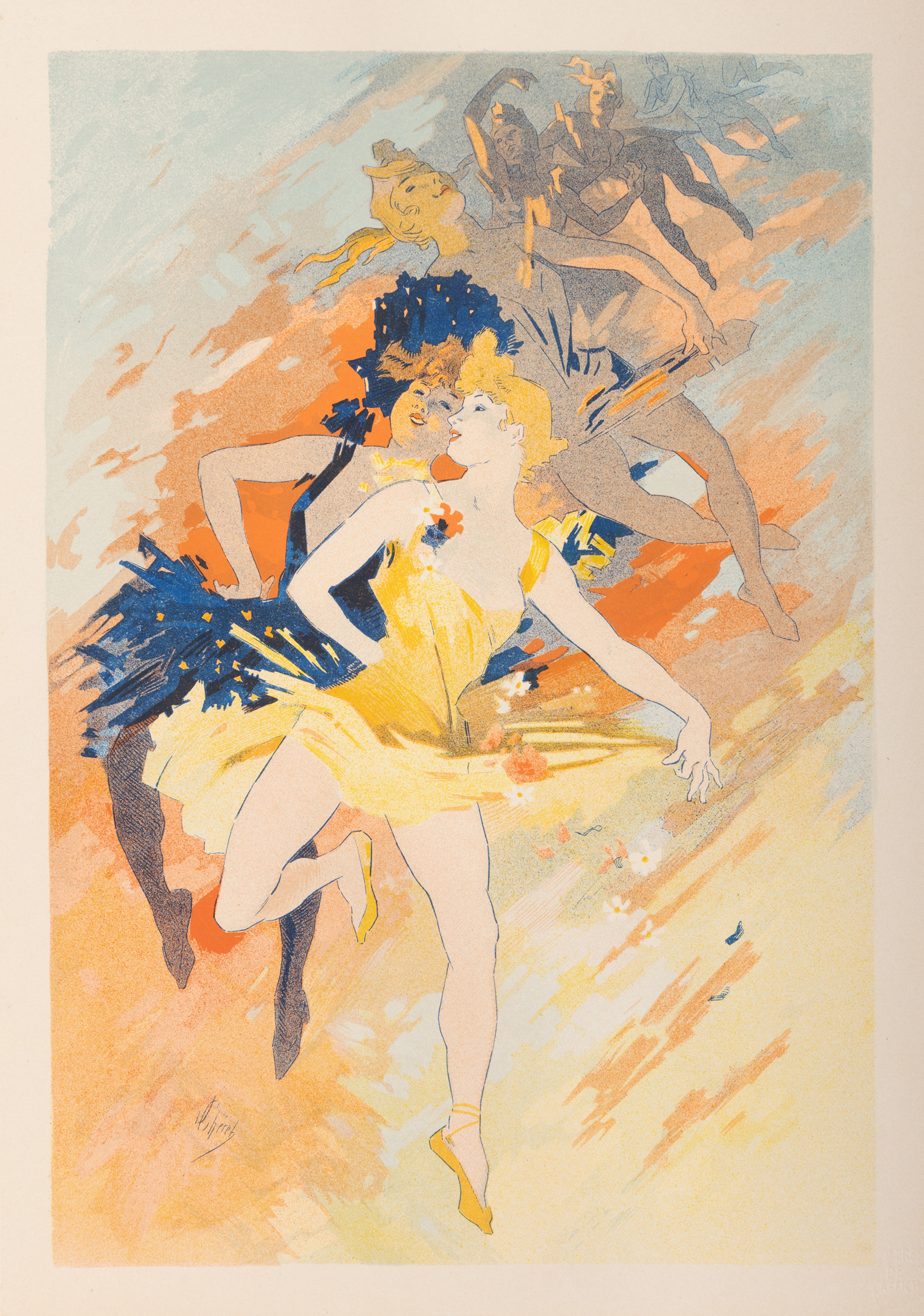
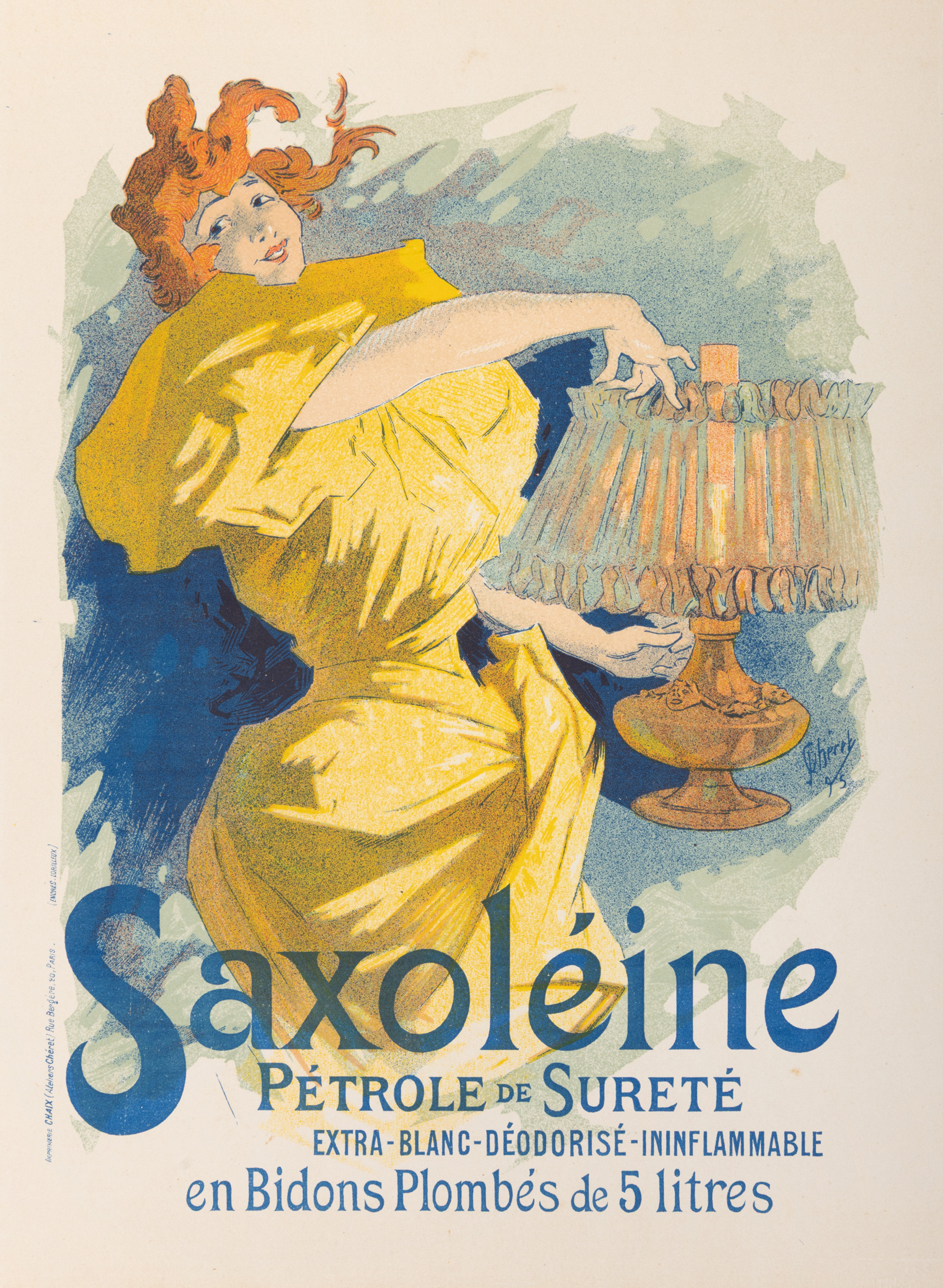
Alongside Bal du Moulin Rouge, Chéret’s oeuvre includes celebrated works such as Saxoléine, Le Courrier Français, La Danse, La Pantomime, and La Comédie. Each exemplifies his hallmark dynamism, refined draftsmanship, and radiant palette.
Today, Chéret’s posters are prized not only as icons of Belle Époque Paris but also as milestones in the history of graphic design. His ability to merge fine art, advertising, and technical innovation reshaped visual communication and left an indelible mark on modern poster design.
Jules Chéret and Les Maîtres de l’Affiche
By the mid-1890s, Jules Chéret had firmly established himself as the undisputed “master of the poster.” Yet even a master does not work in isolation. Recognizing both the commercial and artistic potential of poster design, Chéret initiated an ambitious publishing project that would elevate the medium from street advertisement to collectible fine art.
In December 1895, Chéret launched Les Maîtres de l’Affiche (“The Masters of the Poster”), a subscription-based series aimed at collectors. Running for sixty consecutive months, from December 1895 through November 1900, the publication brought together ninety-seven artists from across Europe. Each month, subscribers received a portfolio containing four loose plates (known asmaîtres) accompanied by a decorative cover. At the end of the year, collectors had the option of purchasing a binding to compile twelve months of prints into a single volume.
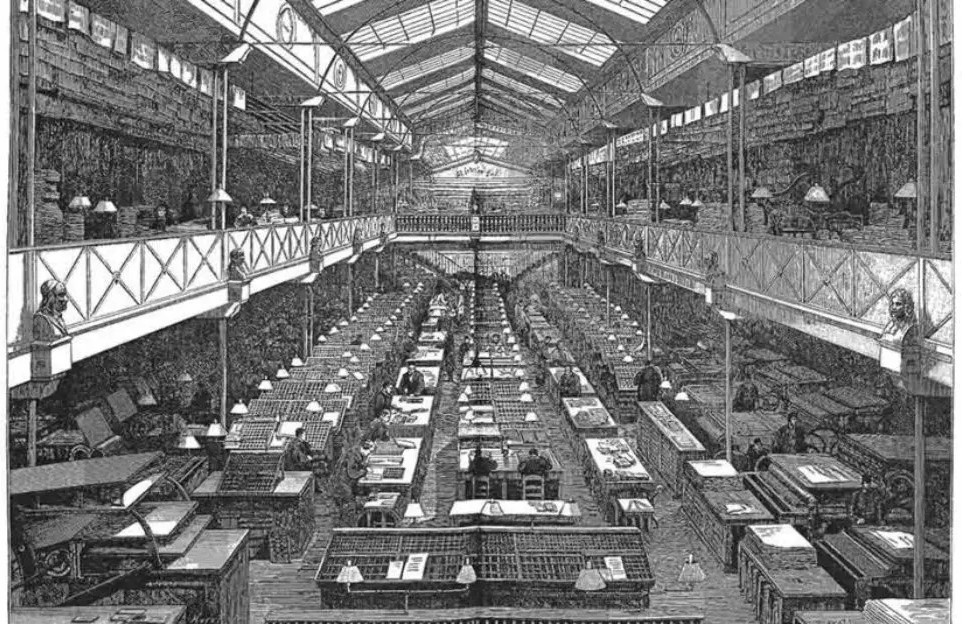
Produced by Imprimerie Chaix: Chéret’s own printing house, each monthly instalment typically featured one work by Chéret himself, alongside three works by other leading artists of the time. In total, the series comprised 256 plates and became one of the most important documents of the golden age of the illustrated poster.
Elevating the Poster to Fine Art
At a time when posters were largely seen as fleeting commercial objects, Les Maîtres de l’Affiche reframed them as collectible works of art. The plates were smaller-format reproductions of original posters, printed using high-quality lithography. By distributing them directly to subscribers, Chéret created a newmarket for poster art among middle-class collectors and connoisseurs.
The project also served as a curated survey of contemporary graphic design, showcasing styles from French Art Nouveau to broader European movements. It cemented Paris as the epicenter of poster innovation at the turn of the century.
Notable Artists Featured in the Series
Amongthe ninety-seven contributing artists were several major figures of the ArtNouveau movement and the Belle Époque.
Alphonse Mucha (1860–1939)
A Czech artist working primarily in Paris, Alphonse Mucha became internationally famous for his highly decorative, elongated compositions featuring elegant women framed by intricate floral motifs. His breakthrough poster for Sarah Bernhardt in Gismonda (1894) helped define the Art Nouveau aesthetic. Mucha’s inclusion in Les Maîtres de l’Affiche reinforced the series’ prestige andinternational scope.

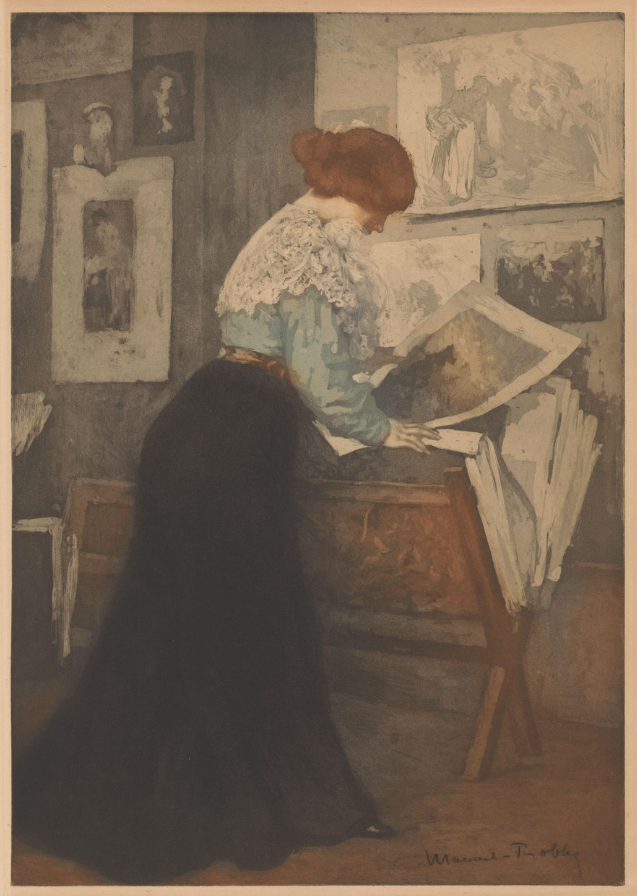
Manuel Robbe (1872–1936)
Manuel Robbe was a French illustrator and printmaker known for his delicate line workand refined lithographs. Though less commercially famous than some of his contemporaries, Robbe’s contributions reflect the growing sophistication of graphic arts during the period. His work often emphasized elegance and subtle tonal effects.
Paul Berthon (1872–1909)
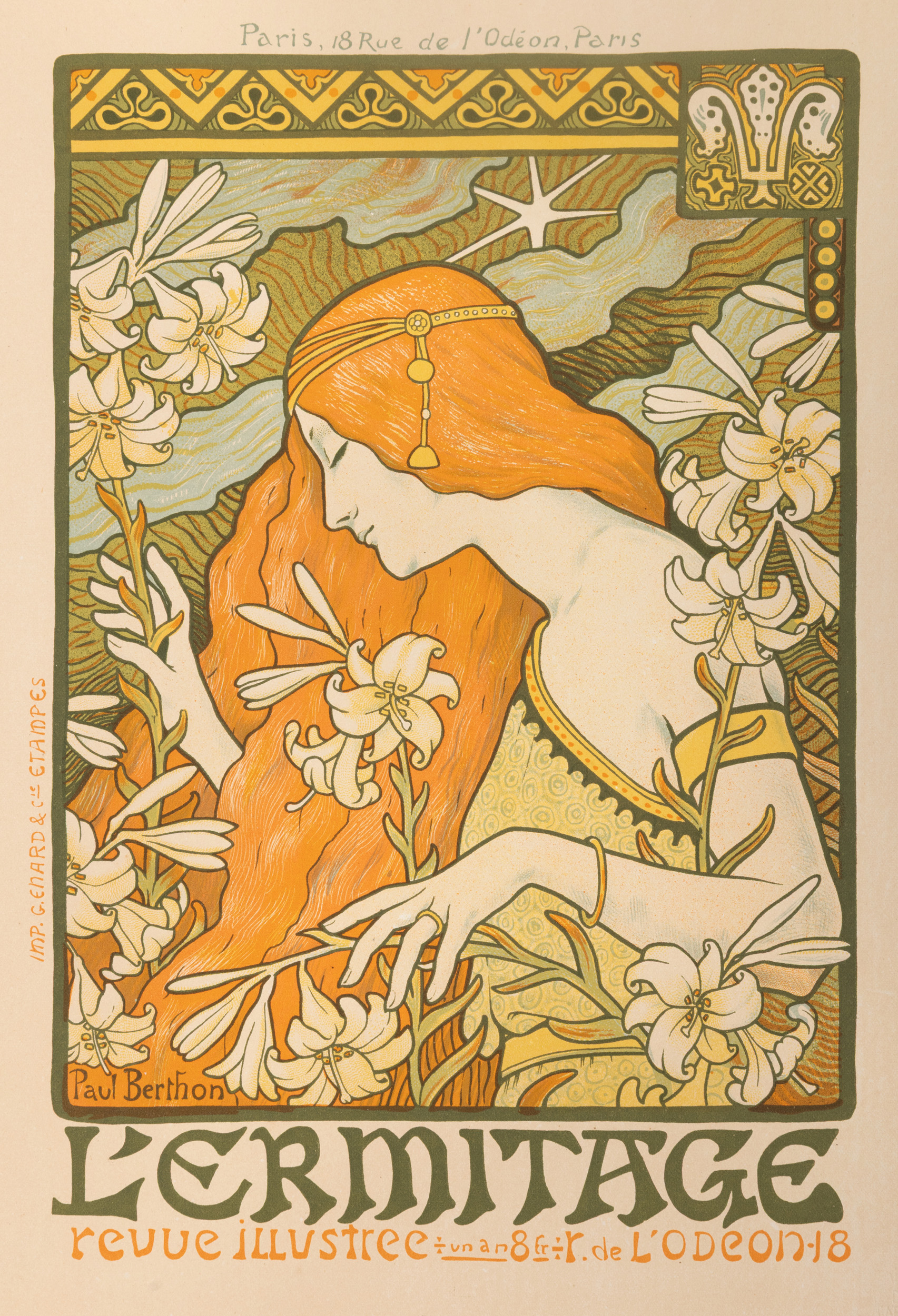
A student and close associate of Mucha, Paul Berthon adopted and developed the Art Nouveau style with strong emphasis on decorative patterning and stylized female figures. His posters frequently featured symbolic imagery and flattened compositions, demonstrating the influence of both Japanese prints and Mucha’s ornamental approach.
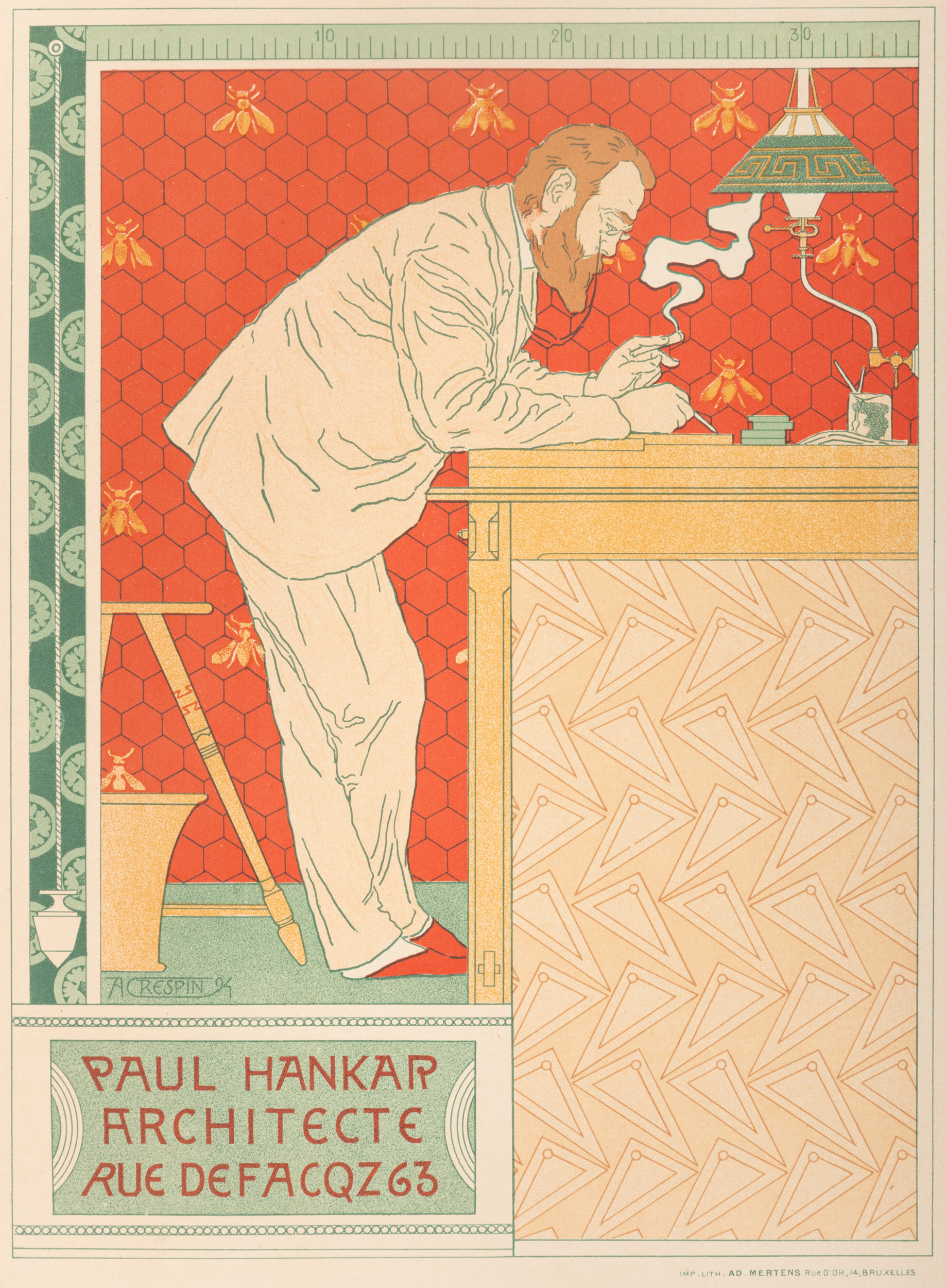
Paul Crespin (1859-1944)
Paul Crespin was active in the decorative arts and poster design during the late nineteenth century. While less widely studied than Mucha or Chéret, Crespin’s inclusion in the series reflects Chéret’s broad network and commitment to representing a range of emerging poster artists.
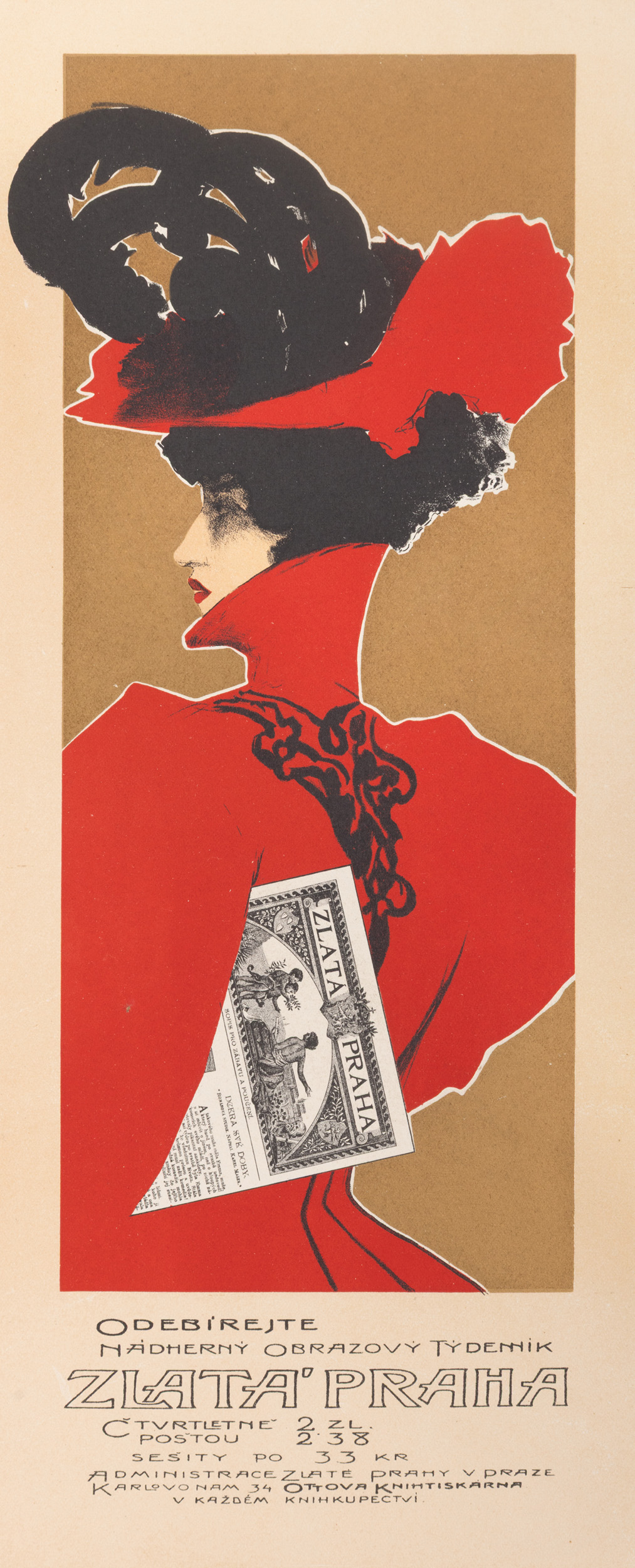
Václav Oliva (1861-1928)
A Czech painter and illustrator, Václav Oliva contributed to the flourishing graphic arts scene of Central Europe. His work combined romantic sensibilities with decorative Art Nouveau elements, demonstrating the increasingly international character of poster design at the fin de siècle.
Chéret’s Continuing Influence
As director of Imprimerie Chaix, Chéret maintained artistic control over the project while positioning himself at the center of the movement. By including one of his own works in nearly every monthly portfolio, he reinforced his reputation while simultaneously promoting other artists.
Les Maîtres de l’Affiche ultimately became more than a subscription series; it was a defining archive of Belle Époque visual culture. Today, complete sets remain highly prized by collectors and museums, serving as enduring evidence of the moment when the poster emerged as a recognized art form.
Written by Emmalie Conroy, February 2026


.jpg)

.png)
.png)
.jpg)

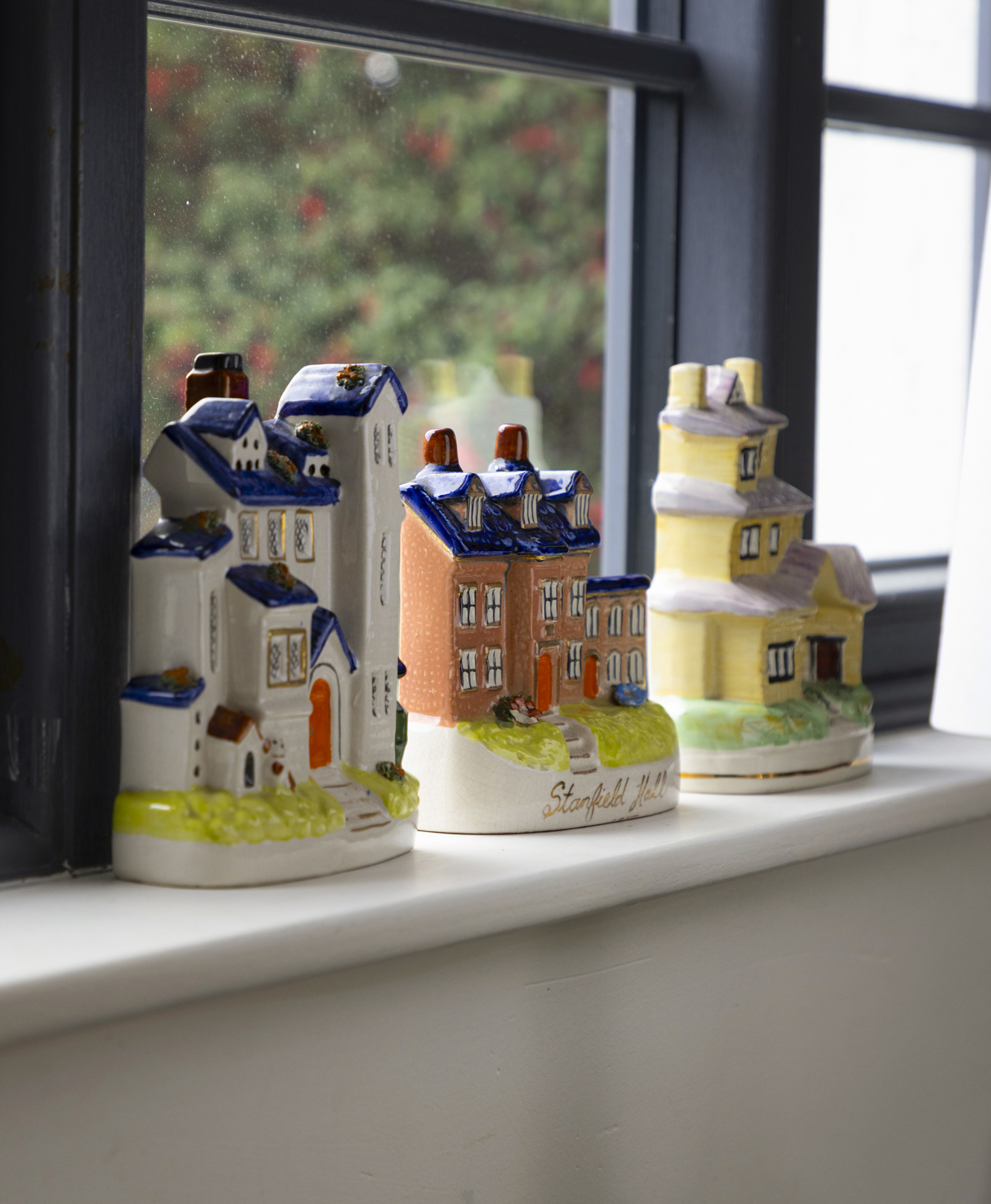
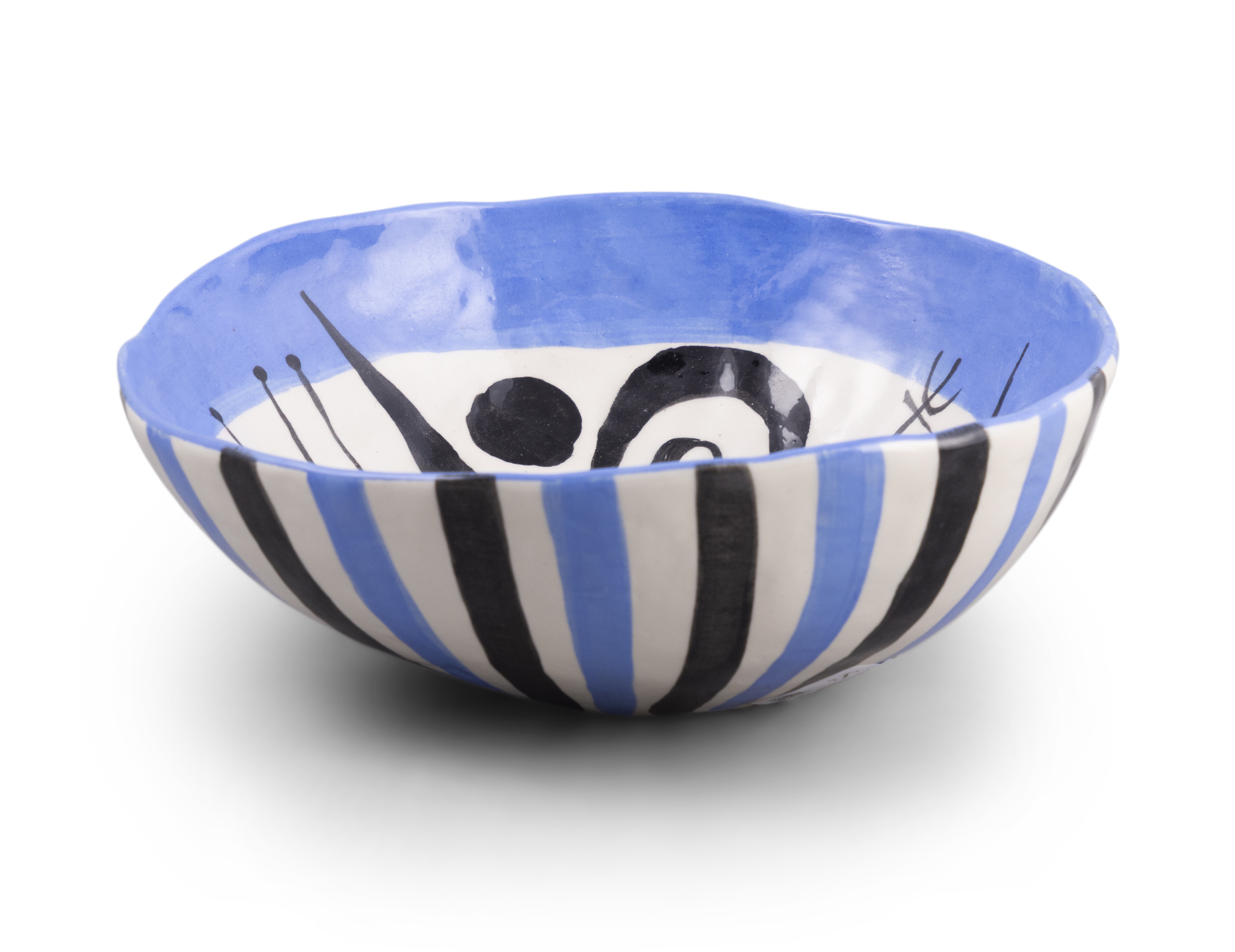
John ffrench was an instrumental figure in the design industry in Ireland and a distinguished pioneer of Irish studio pottery.



)%20(1).jpg)
%20(002).png)
%20(2).jpg)


%20(1200%20x%20768%20px)%20(2).png)
.png)

.png)

"I should declare my hand. I have a weakness for pictures that punch above their physical weight, and for artists who have been quietly underrated for too long. This pair is both. They are intimate enough to live with at close quarters and serious enough to repay any amount of looking. If the market has lately shown signs of catching up with eighteenth-century Irish painting and I think it has, these two small panels feel, to me, like exactly the sort of thing that will look obvious in twenty years’ time."



Adam’s is honoured to present works from the collection of Lord Rossmore in the upcoming Country House Collections auction at Howth Castle on 28th April. It is seldom that an influential Irish family collection that has survived through the generations comes to the open market.


Works Sold at Adam’s Now in the Irish National Collection
A great opportunity to purchase both established and lesser-known artist’s work at an accessible price point, the Online Picture Auction is the first of many sales to be hosted at Adam’s in 2026. It is perfect for those looking to start a collection and the discerning collector alike.


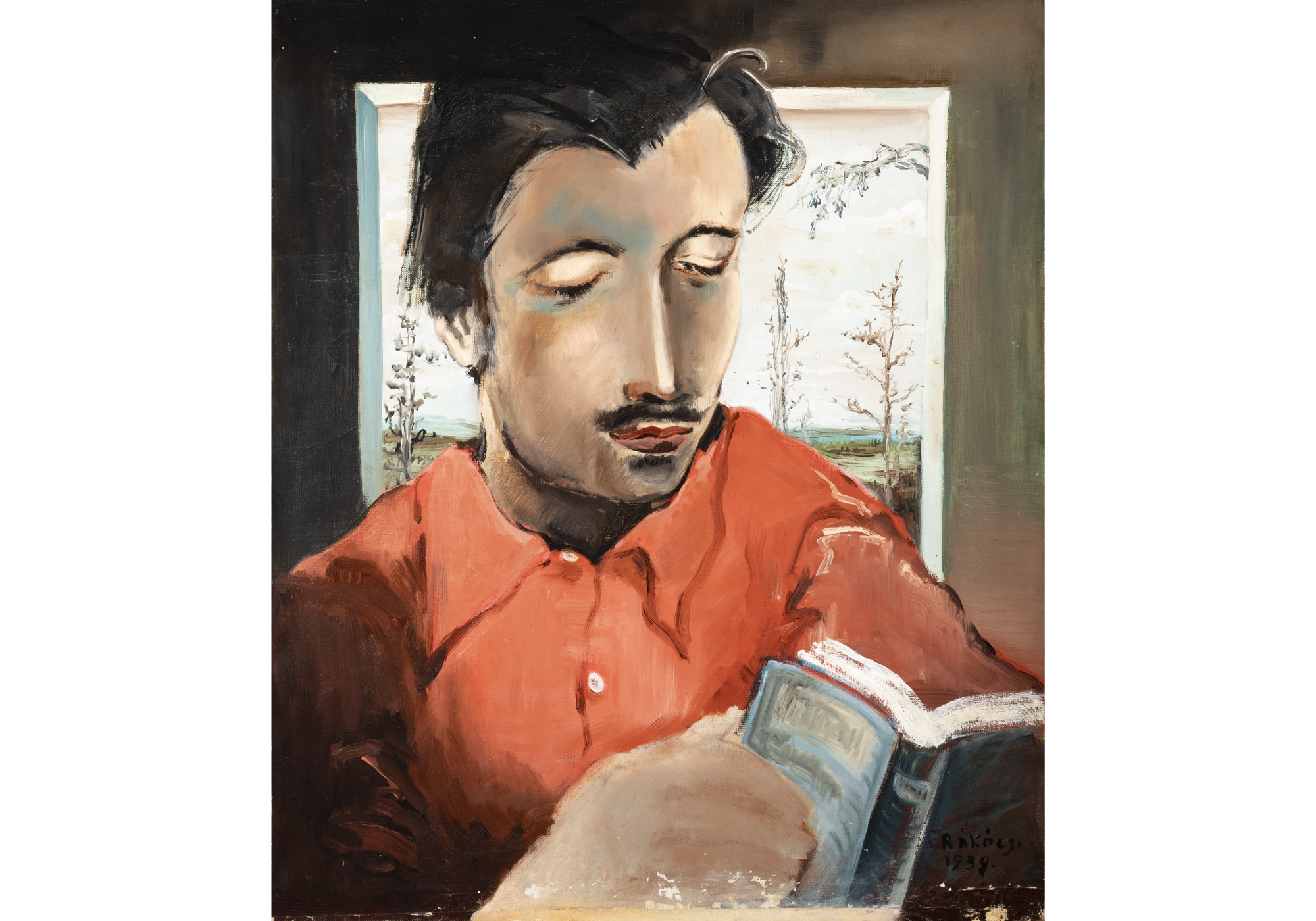
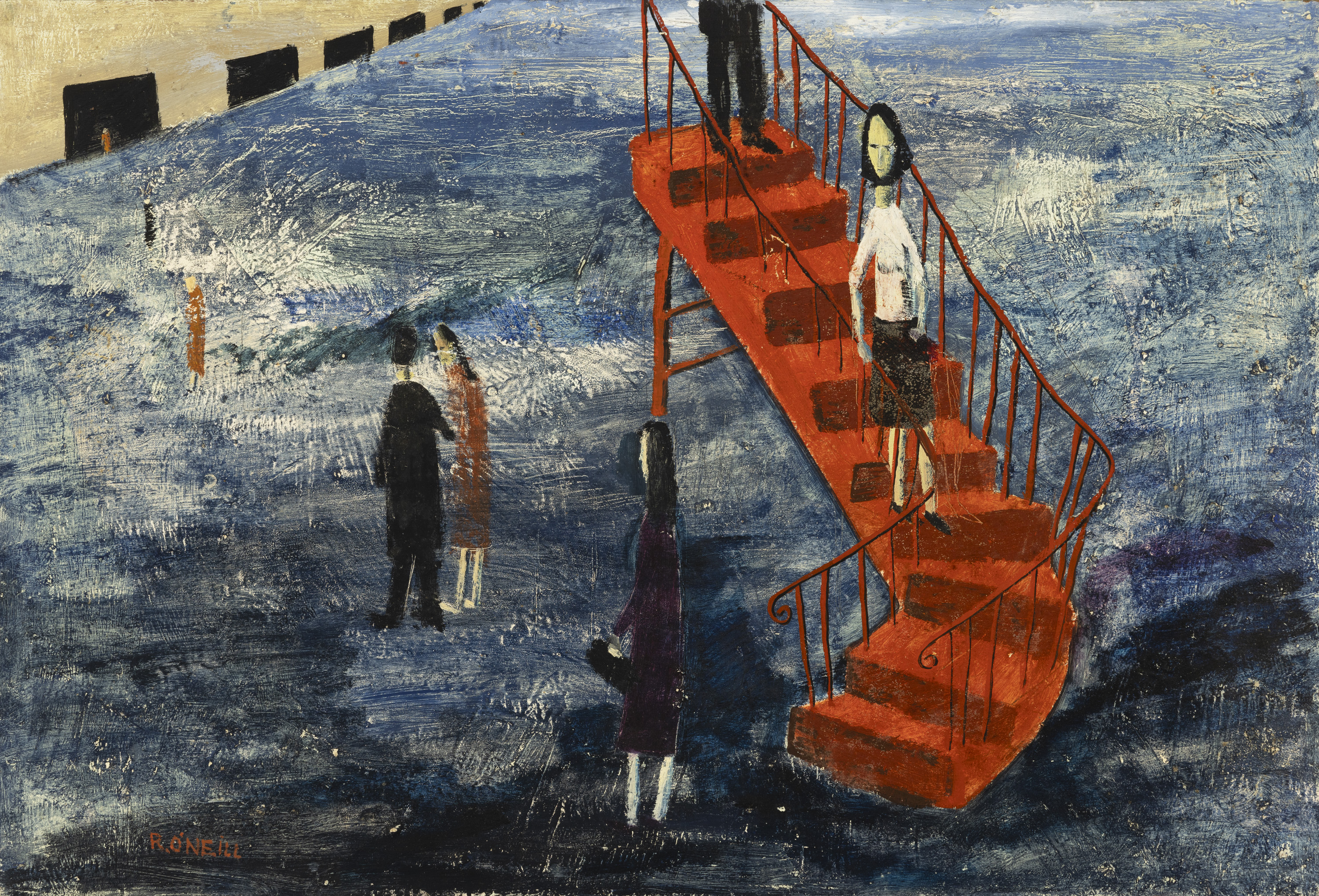
Through this article, let our expert Adam Pearson guiding you to the (re)discovery of the once established Irish painter Richard O’Neill.


Buying at Auction and the Role of Antiques in a Modern Home


Important Irish Art Auction Highlights

Oliver Dowling Collection by Aidan Dunne


2024 is a year in which Adam’s wants to recognise the key role buying antique furniture and furnishings at auction contributes greatly to the sustainable initiative. In 2019 the Environmental Protection Agency reported stark figures that each year in Ireland 1.2 million reusable bulky items, primarily furniture goes into landfill. Similar to the problem of ‘fast fashion’, the constant production and consumption of new items is leading to rapidly growing waste problem. We want to acknowledge those who are already buying second hand or antique furniture at auction and to encourage new buyers by highlighting the benefits of acquiring affordable, well-made quality items that are built to last.


James Adam & Sons Ltd, Fine Art Auctioneers and Valuers, 26 St. Stephen’s Green, Dublin 2,
D02 X665, Ireland


