
menu
Departments
.svg)


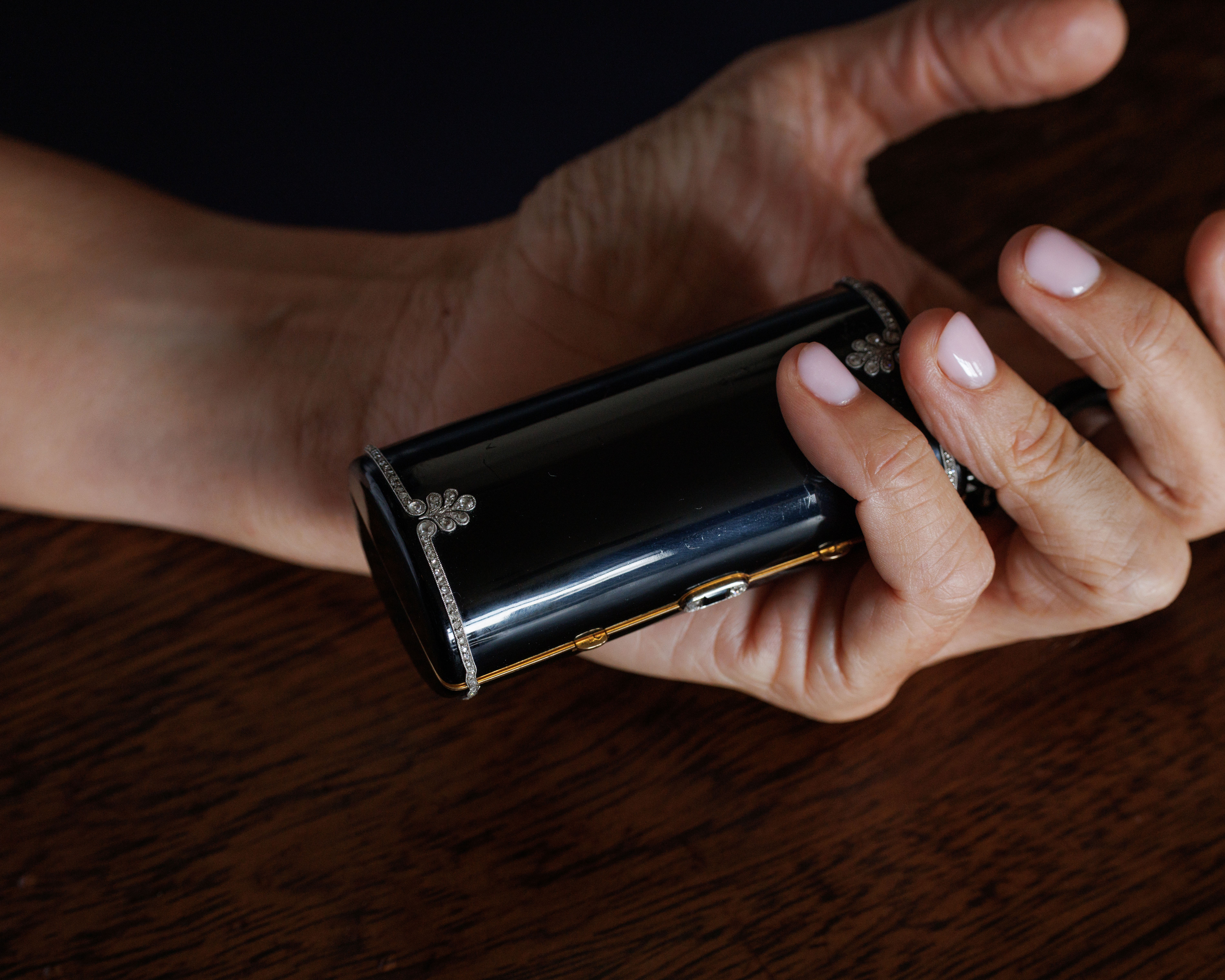
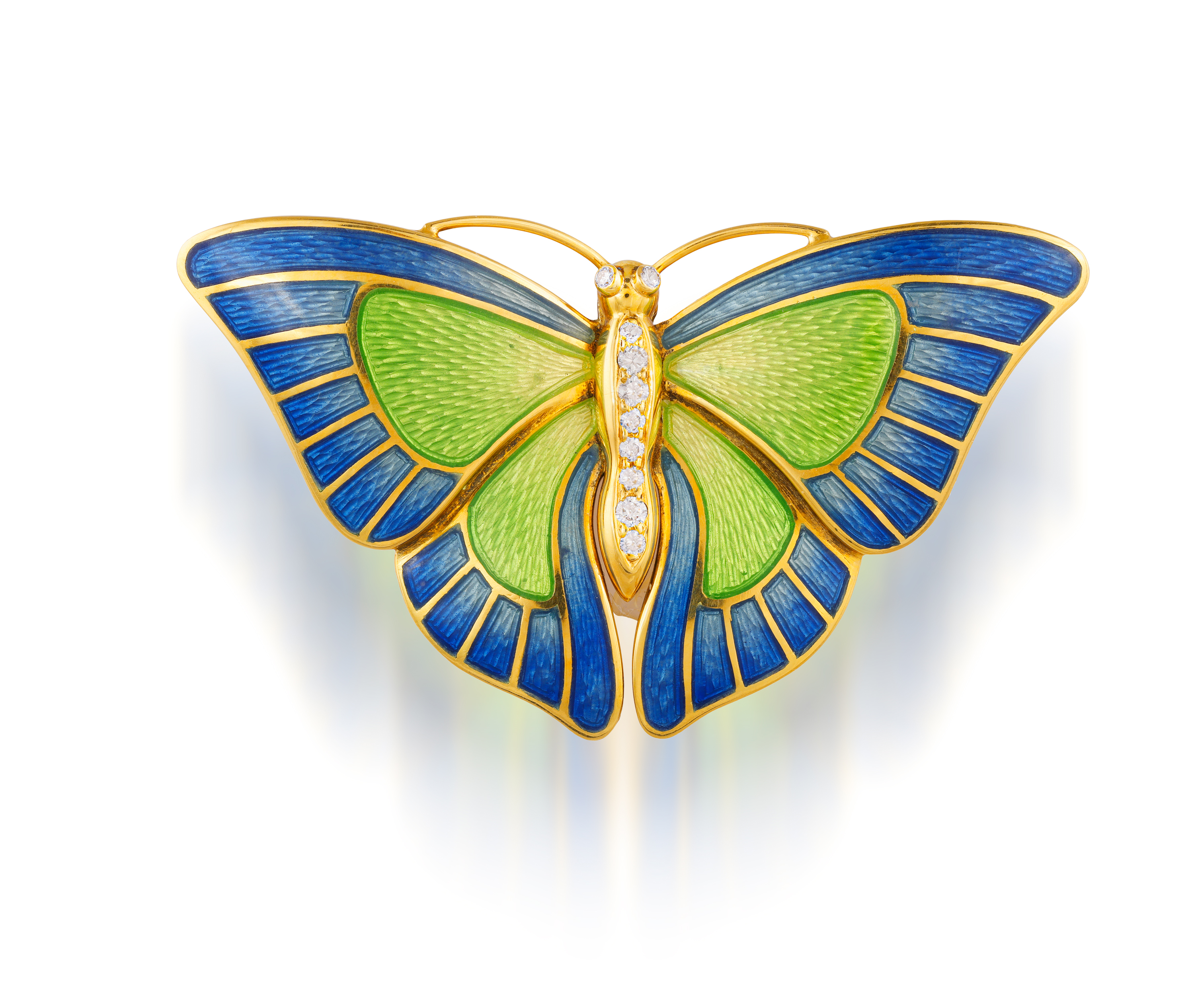
With its origins in the Art Deco designs of the 1920s,Cartier's 'Tutti Frutti' style has become one of the most sought-after jewellery motifs to this day. The design is a distinct multicultural fusion of Eastern and Western influences. By combining colourful Indian carved stones with the period’s monochromatic trends, Cartier upheld their motto: "never copy, always create."
The term ‘Tutti Frutti’ was coined in the 1970s and copyrighted by Cartier in 1989. Its roots trace back to 1901, when Queen Alexandra of the United Kingdom commissioned Pierre Cartier to create a necklace to complement her colourful Indian gowns. This piece, adorned with rubies, emeralds, and sapphires, was a foundational influence for Cartier’s 'Tutti Frutti' jewellery.
Jacques Cartier drew further inspiration during his 1911 trip to India for the Delhi Durbar, where he encountered Maharajas adorned with vibrant jewels. Captivated by their ornamentation, Cartier sourced the most exquisite gems and antiquities to be sold from the London branch to the European elite.
By 1925, “Art Deco” was officially recognized at the Paris Exposition des Art Décoratifs et Industriels Modernes. The Cartier brothers emerged as trendsetters; their designs blending Western clean lines with Eastern carved gems and colourful beads were heralded as a celebration of global cultures and creativity.
Initially referred to as the “foliage” line or “pierres de couleur,” these pieces featured carvings of flowers and leaves, with many stones varying in quality and colours. Their popularity surged after the crash of 1929, signalling the public’s desire for vibrancy and novelty.
Throughout the 1920s and 1930s, 'Tutti Frutti' designs flourished, inspiring jewellers across Europe and America. Notable figures like Daisy Fellowes commissioned the exquisite “Collier Hindou” necklace in 1936,while Marjorie Merriweather Post requested a pendant with Mughal emeralds. These commissions elevated the style and its popular legacy further.
As World War II approached, jewellery design shifted from the delicacy of Art Deco to the boldness of the Retro period. Nevertheless, Cartier's timeless 'Tutti Frutti' creations endure, remaining coveted by collectors today. Each piece tells a story of cultural fusion and artistic innovation, embodying the prestige of the iconic Cartier house.


.png)
.png)
.jpg)


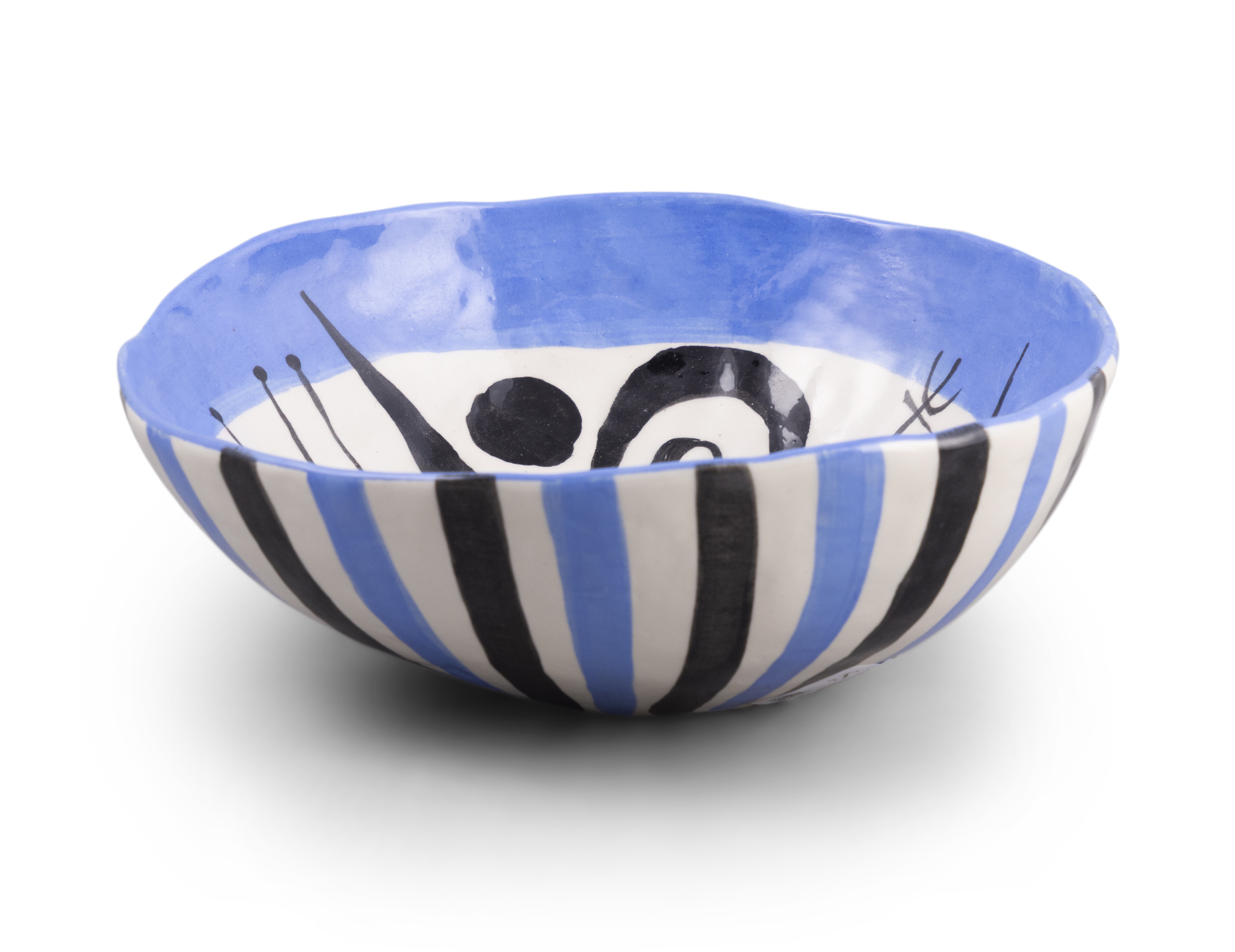
John ffrench was an instrumental figure in the design industry in Ireland and a distinguished pioneer of Irish studio pottery.

)%20(1).jpg)
%20(002).png)
%20(2).jpg)


%20(1200%20x%20768%20px)%20(2).png)
.png)

.png)


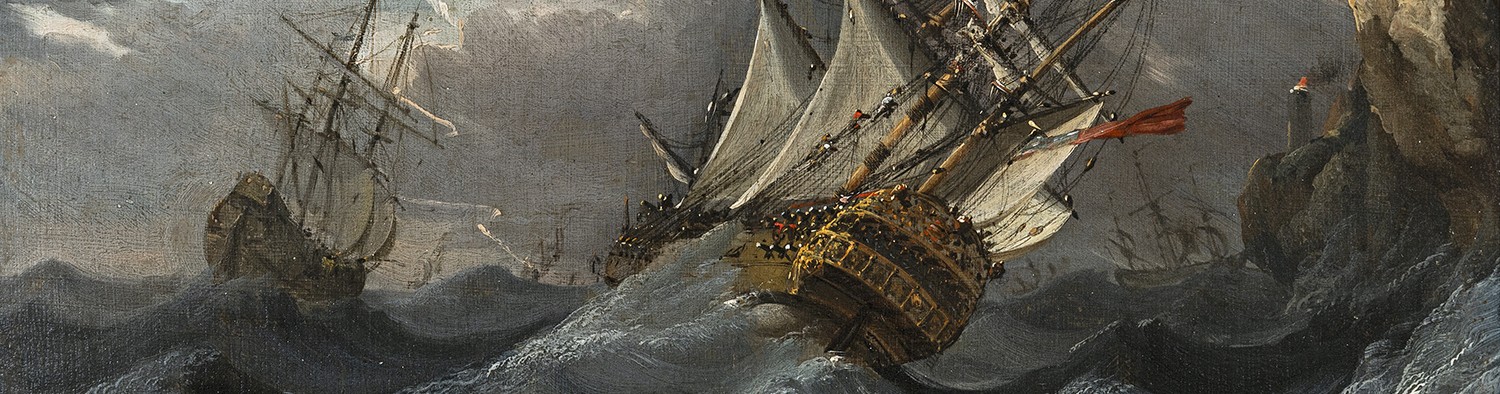
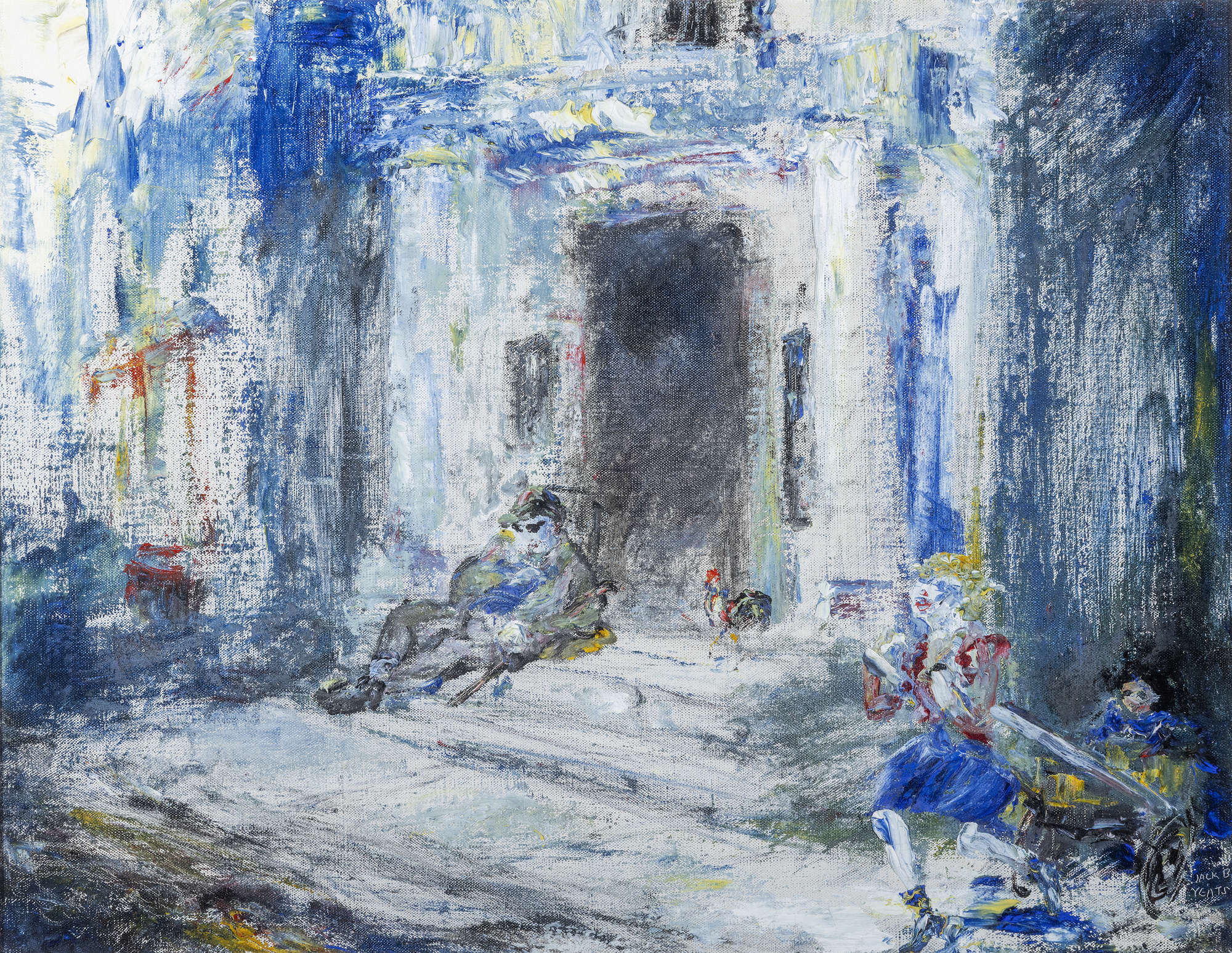
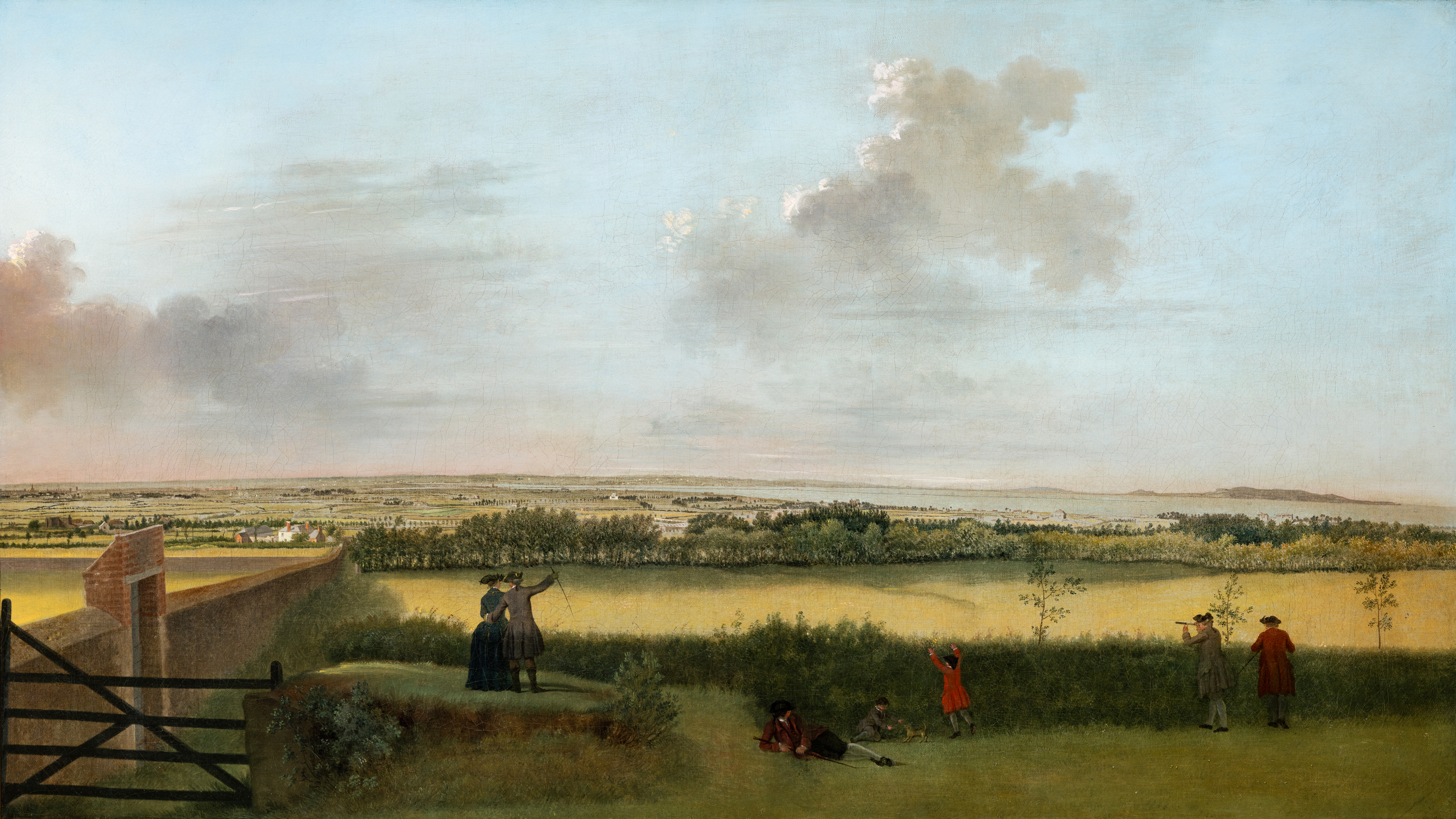
"I should declare my hand. I have a weakness for pictures that punch above their physical weight, and for artists who have been quietly underrated for too long. This pair is both. They are intimate enough to live with at close quarters and serious enough to repay any amount of looking. If the market has lately shown signs of catching up with eighteenth-century Irish painting and I think it has, these two small panels feel, to me, like exactly the sort of thing that will look obvious in twenty years’ time."
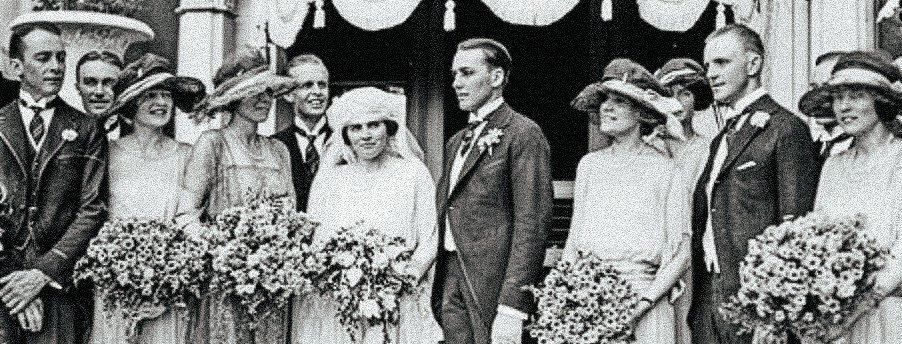
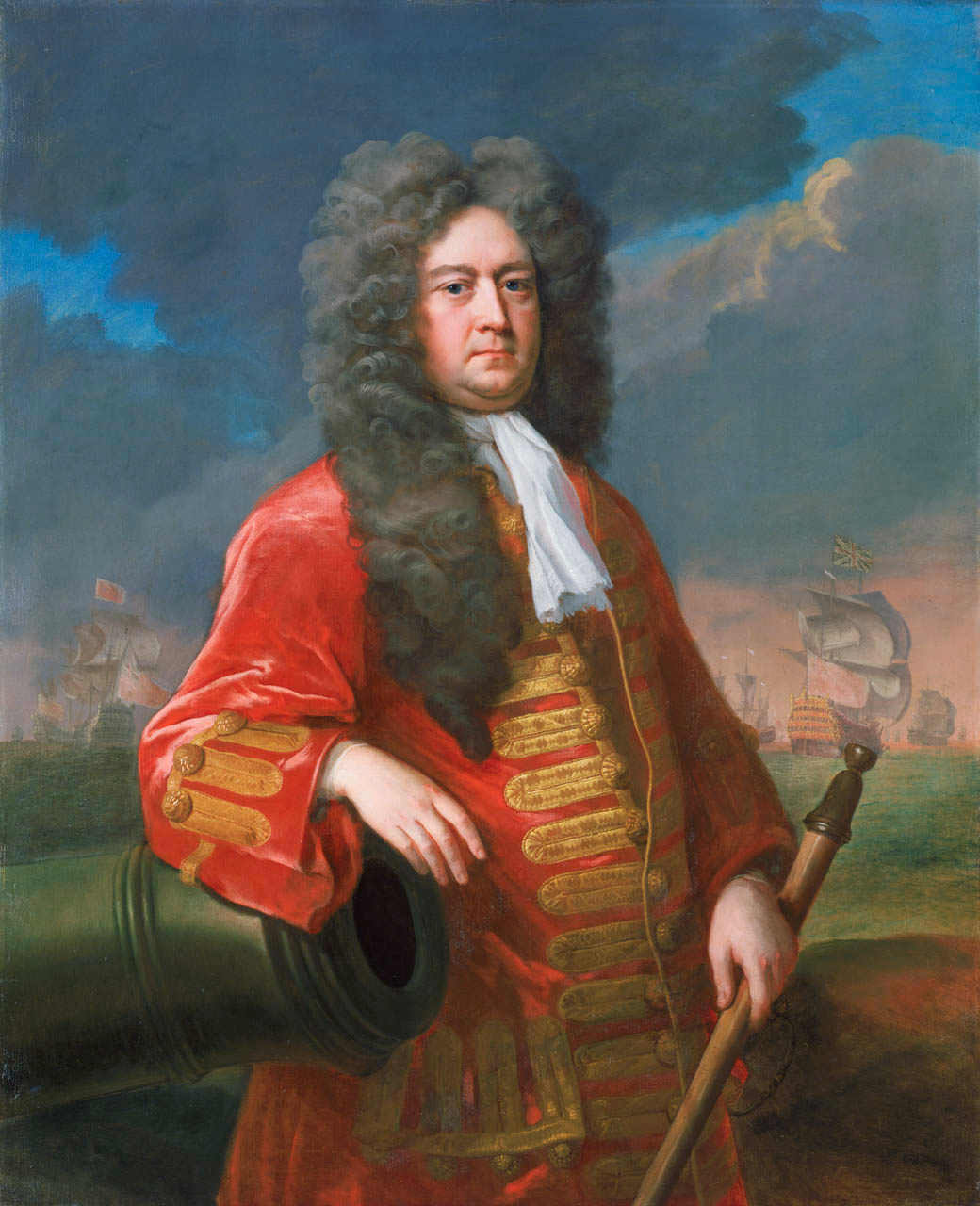


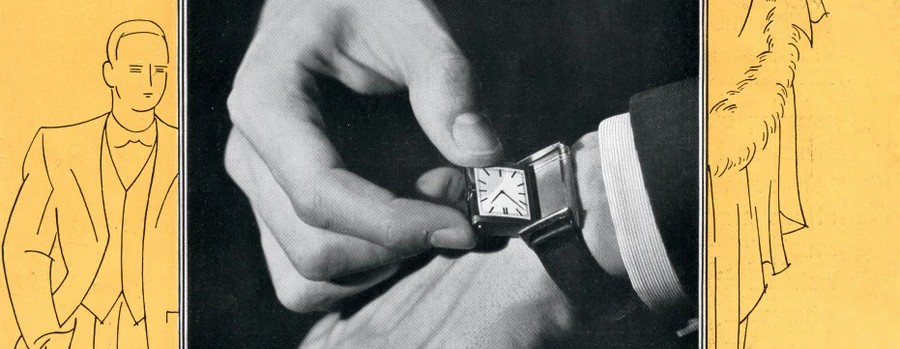
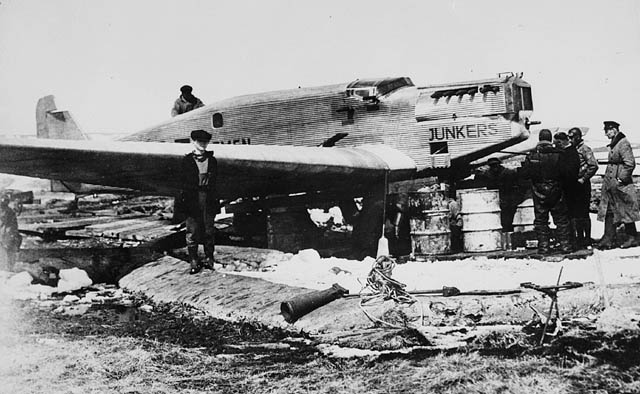

Adam’s is honoured to present works from the collection of Lord Rossmore in the upcoming Country House Collections auction at Howth Castle on 28th April. It is seldom that an influential Irish family collection that has survived through the generations comes to the open market.


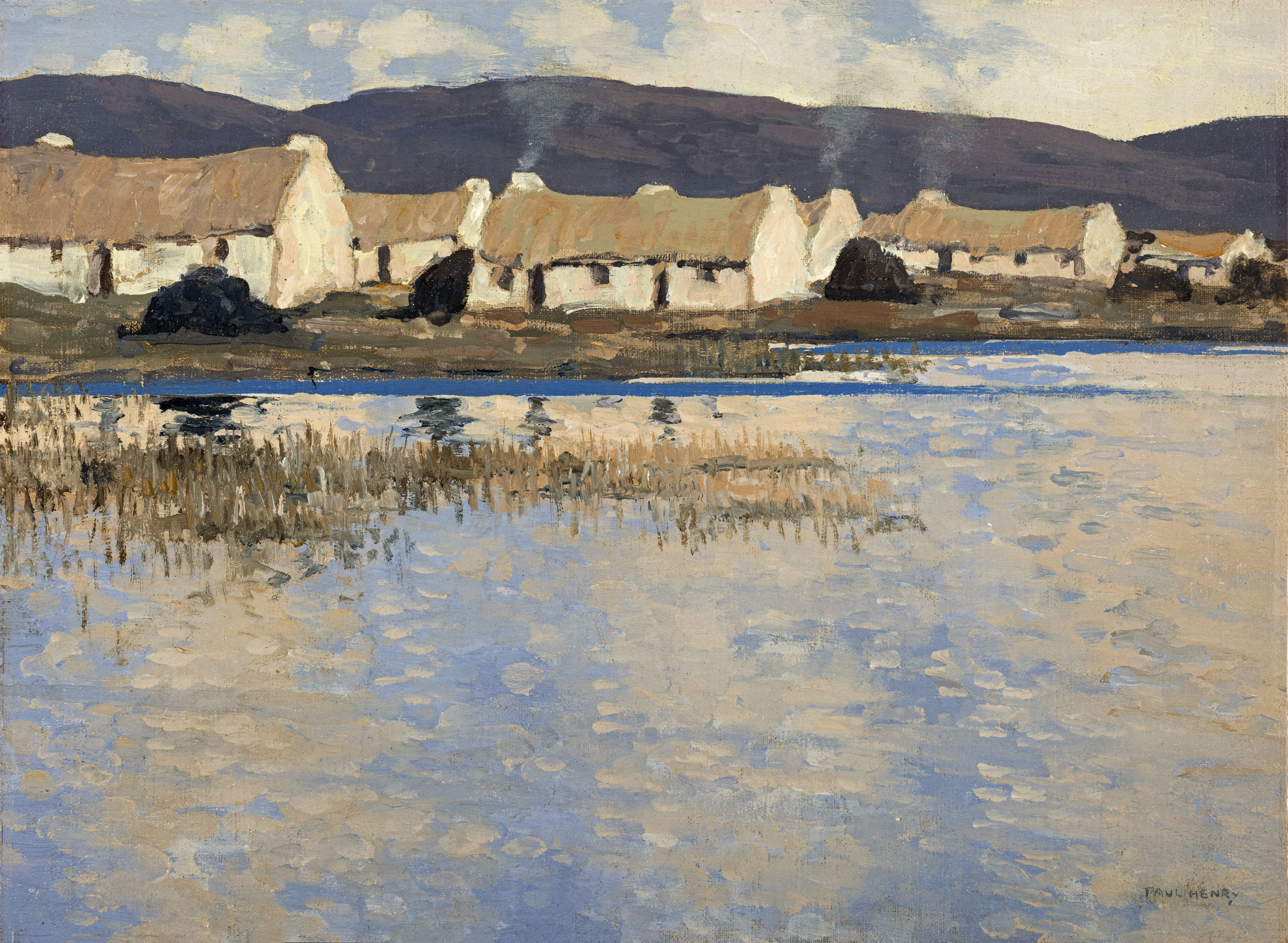
Works Sold at Adam’s Now in the Irish National Collection
A great opportunity to purchase both established and lesser-known artist’s work at an accessible price point, the Online Picture Auction is the first of many sales to be hosted at Adam’s in 2026. It is perfect for those looking to start a collection and the discerning collector alike.



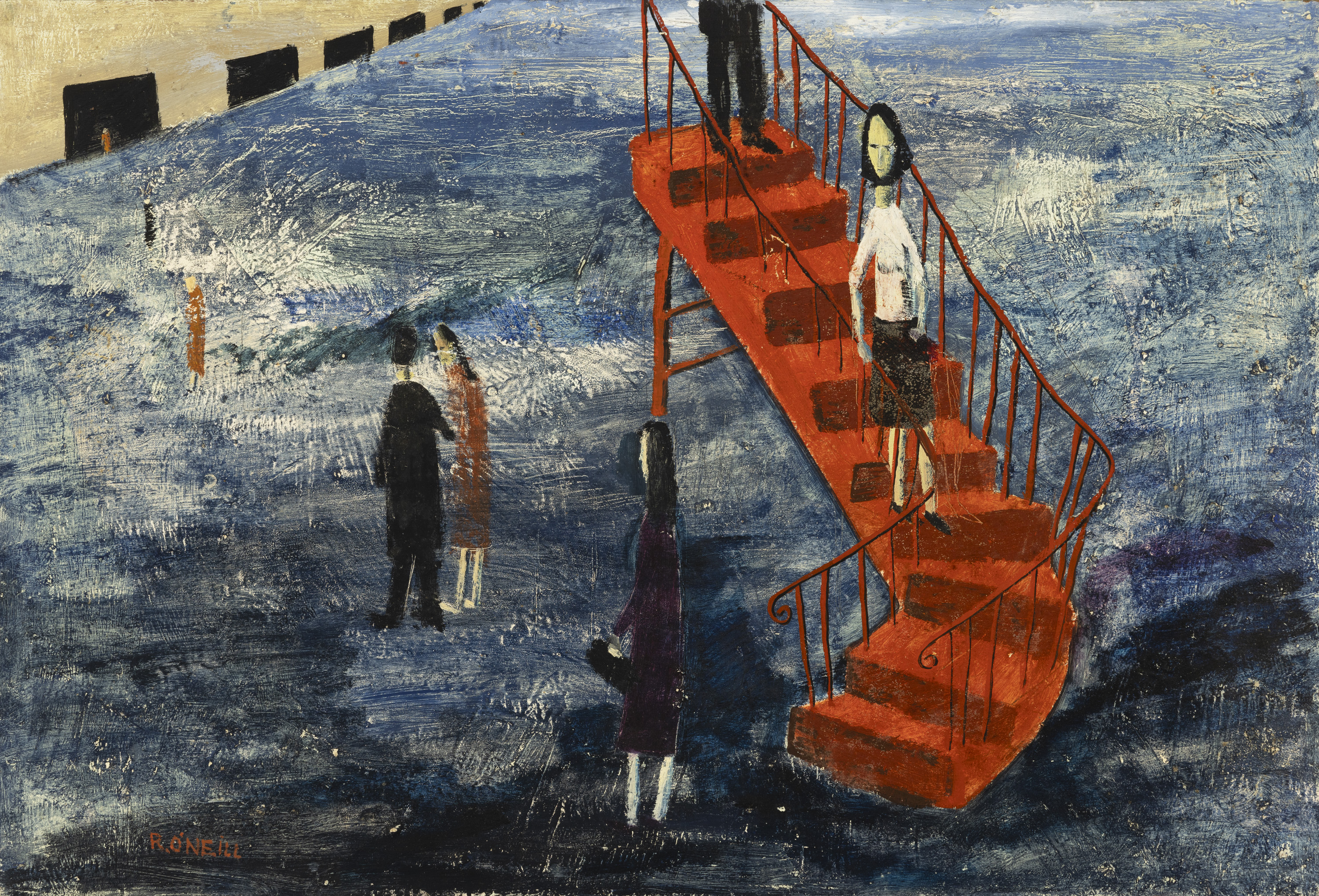
Through this article, let our expert Adam Pearson guiding you to the (re)discovery of the once established Irish painter Richard O’Neill.


Buying at Auction and the Role of Antiques in a Modern Home


Important Irish Art Auction Highlights

Oliver Dowling Collection by Aidan Dunne


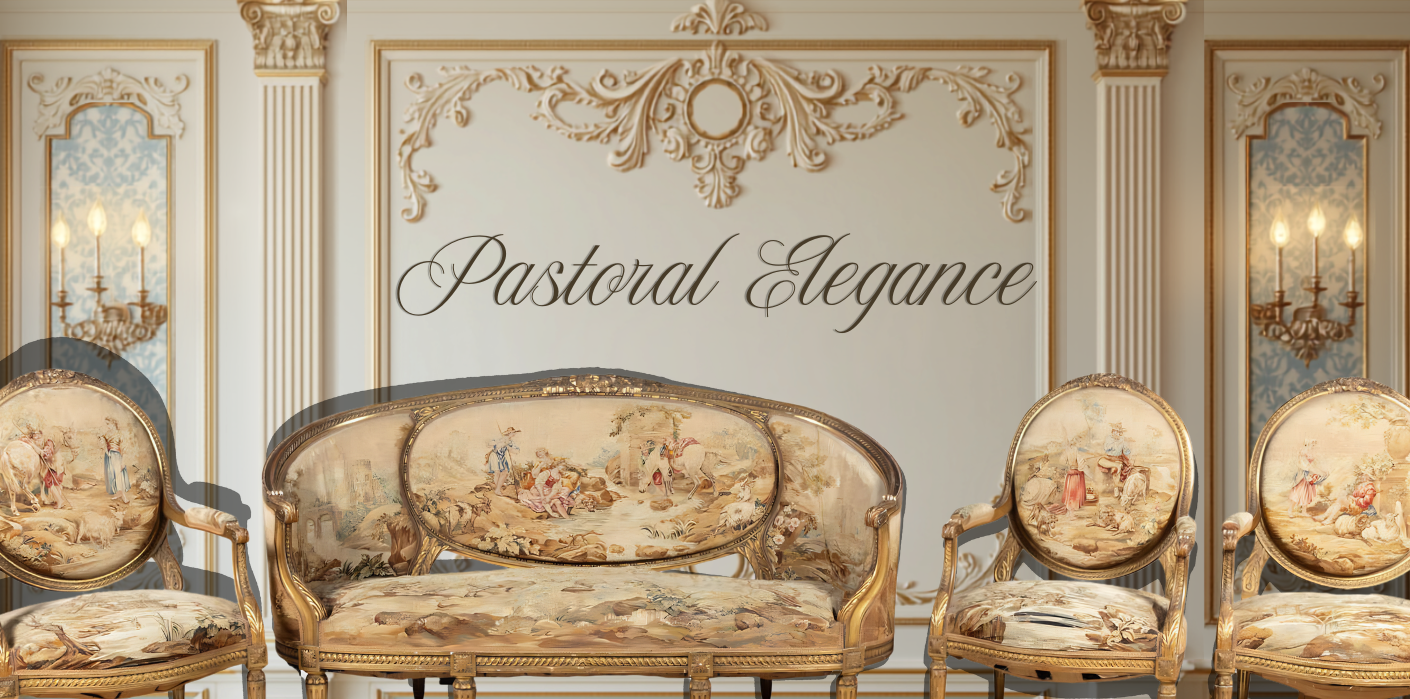
2024 is a year in which Adam’s wants to recognise the key role buying antique furniture and furnishings at auction contributes greatly to the sustainable initiative. In 2019 the Environmental Protection Agency reported stark figures that each year in Ireland 1.2 million reusable bulky items, primarily furniture goes into landfill. Similar to the problem of ‘fast fashion’, the constant production and consumption of new items is leading to rapidly growing waste problem. We want to acknowledge those who are already buying second hand or antique furniture at auction and to encourage new buyers by highlighting the benefits of acquiring affordable, well-made quality items that are built to last.


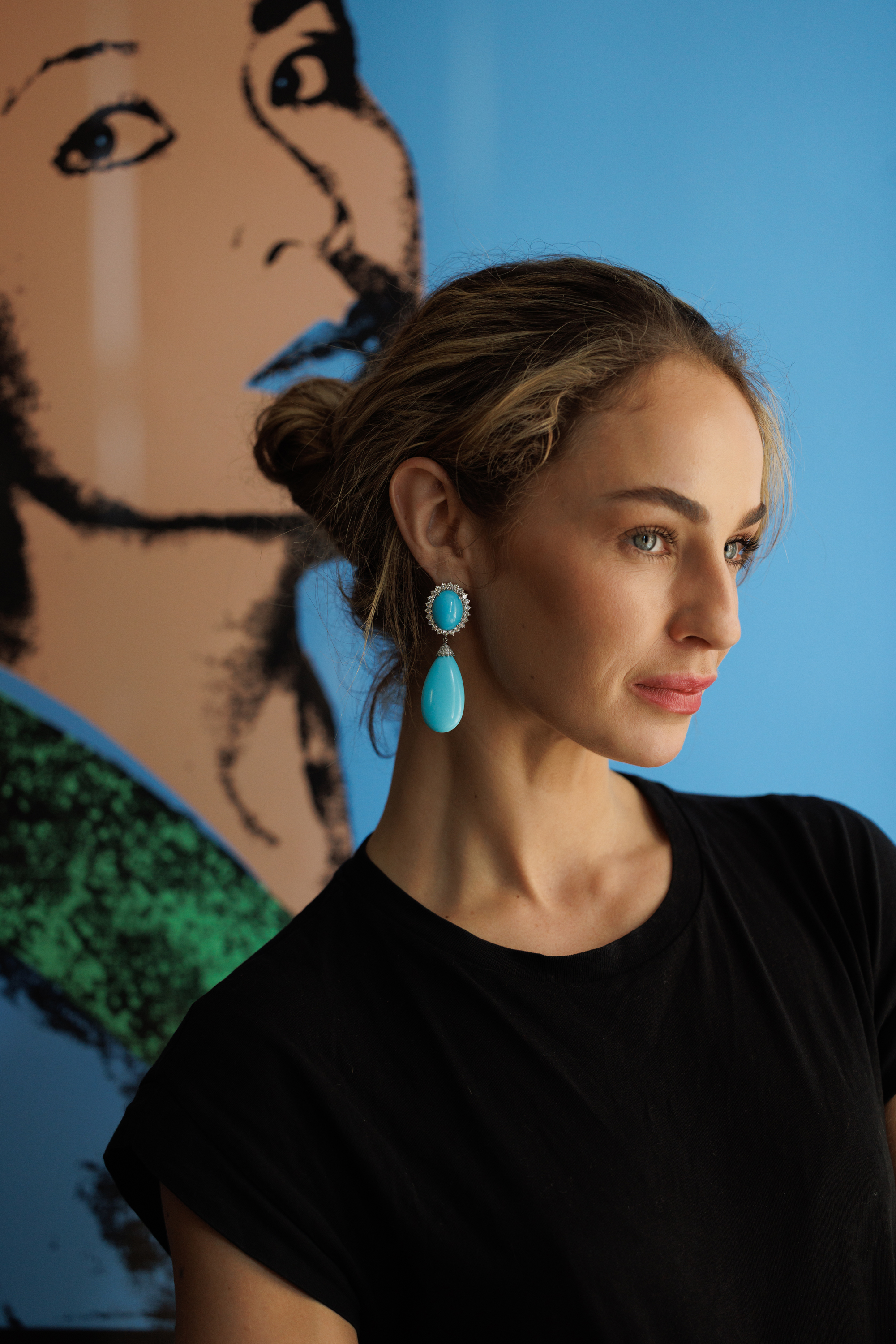
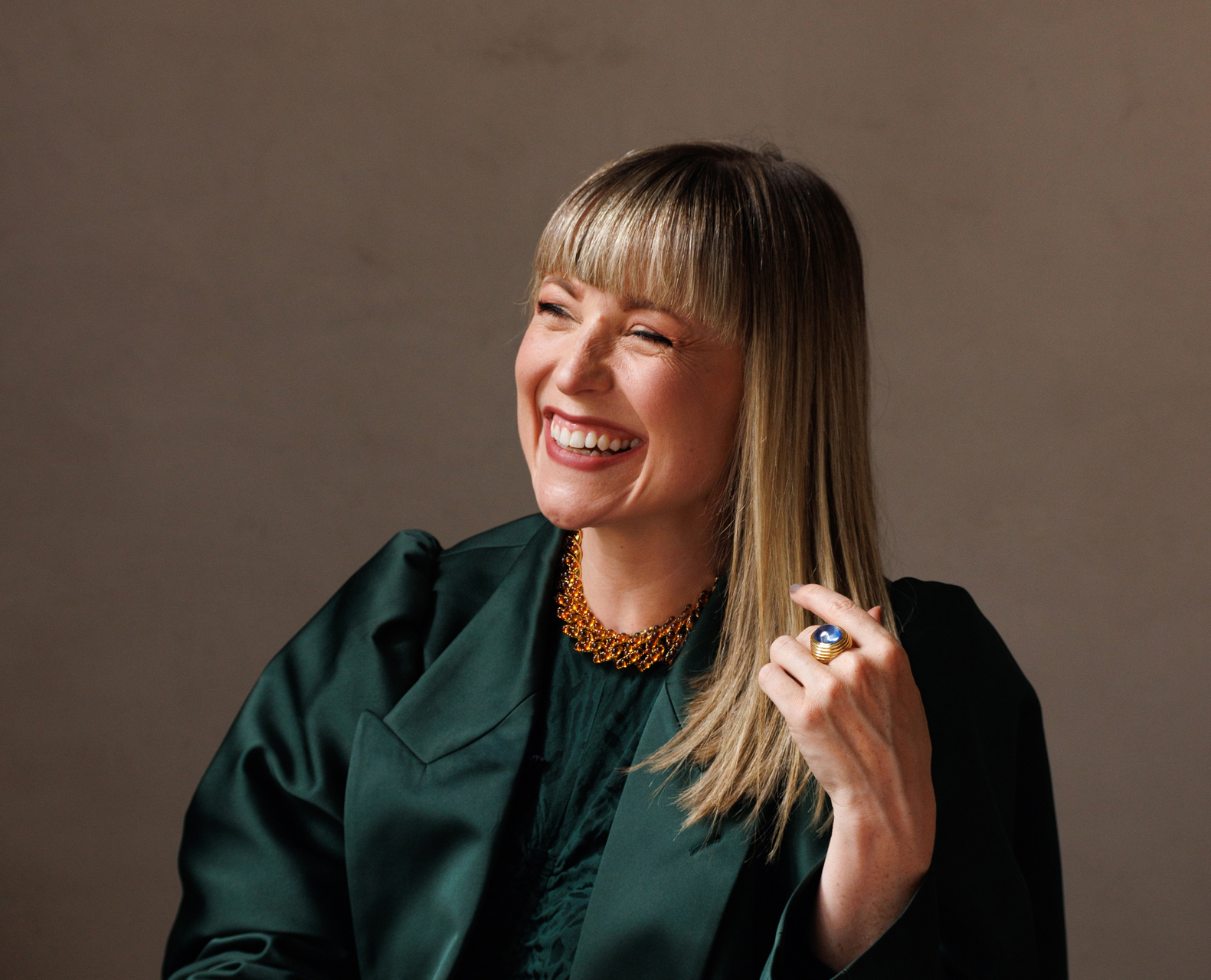
Irish author, recipe creator and lifestyle influencer, Indy Parsons, selects her favourite pieces from our upcoming Fine Jewellery & Watches auction


James Adam & Sons Ltd, Fine Art Auctioneers and Valuers, 26 St. Stephen’s Green, Dublin 2,
D02 X665, Ireland


