
menu
Departments
.svg)


The idea of wearing coins as jewellery is almost as old as coinage itself. Ancient coins were mounted and worn in the classical world, and the practice continued through Roman and Byzantine culture, before returning in later centuries in new forms, from Renaissance medals to nineteenth-century archaeological revival jewels. Yet the Monete Collection by Bulgari never feels like a historical quotation. What Bulgari grasped was that this long tradition could be reimagined not as an exercise in nostalgia, but as something vivid, sensual, and entirely of its own time.
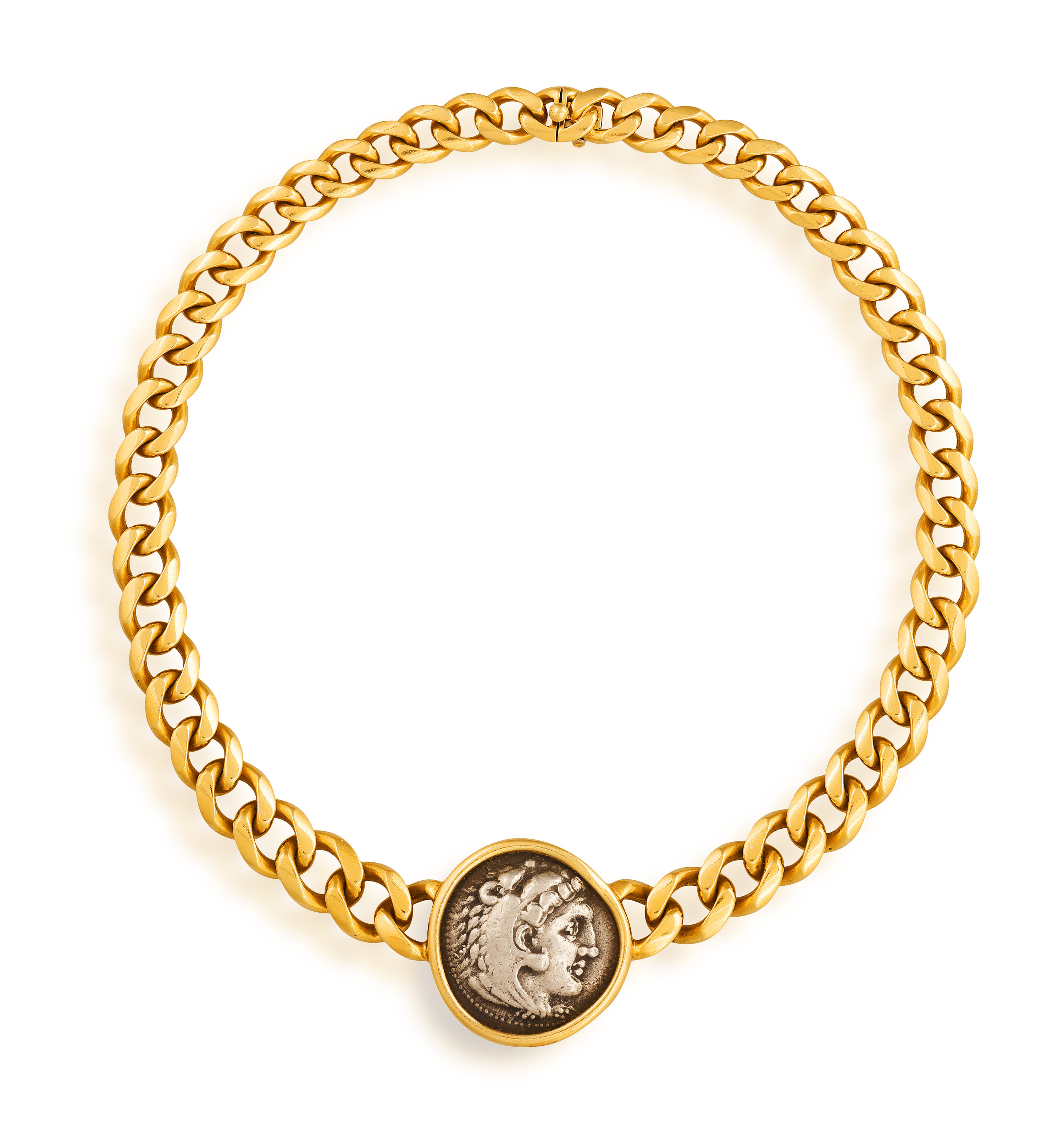
The origins of the collection lay with Nicola Bulgari, whose passion for coins found a natural expression within the house’s creative language. That fascination had deep personal roots. As he later recalled, his interest in ancient coins had been awakened early on, and in the mid-1960s it was Bulgari that resumed the long-standing tradition of setting ancient coins into jewellery, giving new life to a form with origins that stretch back to the classical world.
Heads of Alexander the Great, Roma, Athena, Arethusa and the Caesars were chosen as much for their sculptural presence as for what they represented. In Bulgari’s hands, the coin ceased to be an archaeological object and became the centre of the jewel itself.
This is what gave Monete its unique glamour. Rooted in Rome, nourished by the city’s intimacy with the ancient world, the collection captured the spirit of the 1960s while remaining unlike anything else in high jewellery. Its appeal quickly extended from collectors and connoisseurs to women such as Elizabeth Taylor, for whom Bulgari itself became part of the mythology of Roman glamour.
The Coin itself
During the reign of Alexander the Great, the silver tetradrachm formed the backbone of an expanding imperial economy. Weighing around 17 grams, it was a high-value coin used to pay soldiers and facilitate trade across territories that stretched from the Mediterranean to the NearEast, its consistent standard allowing it to circulate widely.
Heracles, shown wearing the lion skin on the obverse, evokes strength and heroic virtue, while Zeus seated on the reverse, holding eagle and sceptre, represents authority and order. The inscription ΑΛΕΞΑΝΔΡΟΥ(“of Alexander”) served not only as identification, but as a guarantee of value and trust.
Examples struck at Tarsos between 327 and 323 BC belong tothe final years of Alexander’s lifetime. Distinguished by the plough in the field, a characteristic mark of the Tarsos mint, this type reflects the scale and organisation of coin production during Alexander’s eastern campaigns.Struck by hand using engraved dies, each tetradrachm is unique, with subtle variations that set it apart from every other example. Many travelled vast distances in antiquity before being lost or buried, remaining hidden for over two millennia before their rediscovery.


.jpg)

.png)
.png)
.jpg)


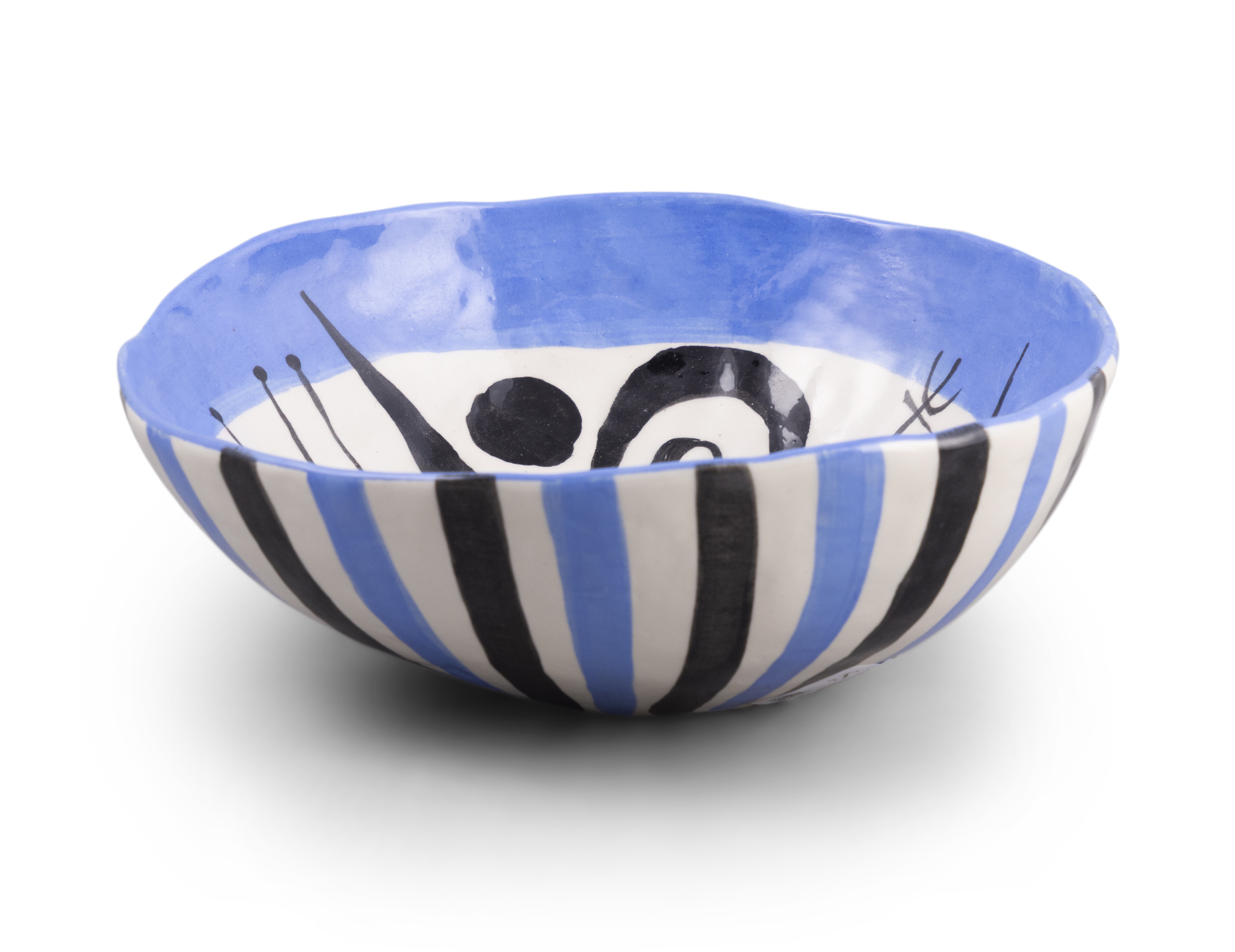
John ffrench was an instrumental figure in the design industry in Ireland and a distinguished pioneer of Irish studio pottery.

)%20(1).jpg)

%20(002).png)
%20(2).jpg)


%20(1200%20x%20768%20px)%20(2).png)
.png)

.png)

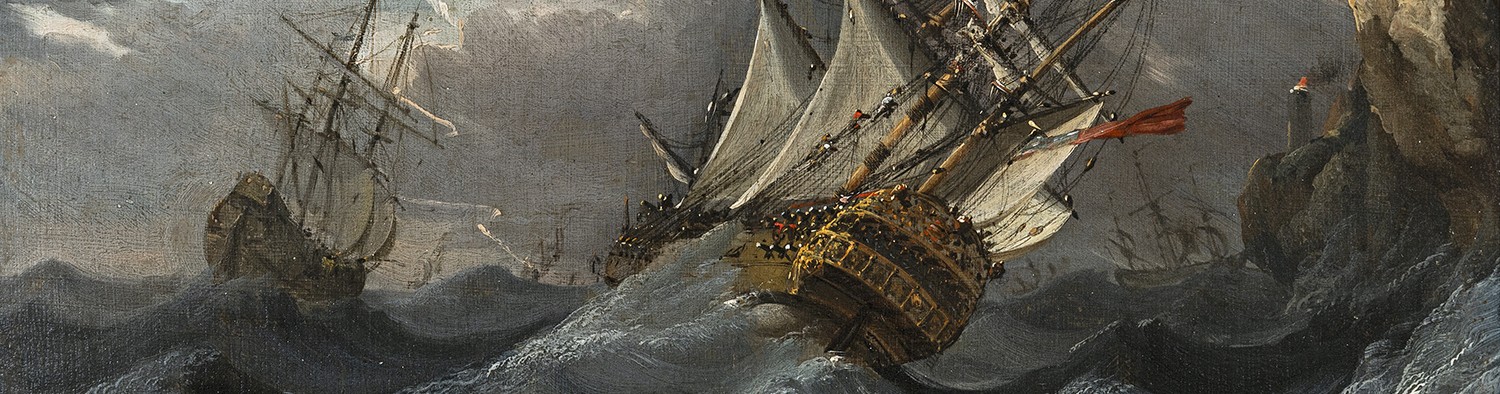
"I should declare my hand. I have a weakness for pictures that punch above their physical weight, and for artists who have been quietly underrated for too long. This pair is both. They are intimate enough to live with at close quarters and serious enough to repay any amount of looking. If the market has lately shown signs of catching up with eighteenth-century Irish painting and I think it has, these two small panels feel, to me, like exactly the sort of thing that will look obvious in twenty years’ time."
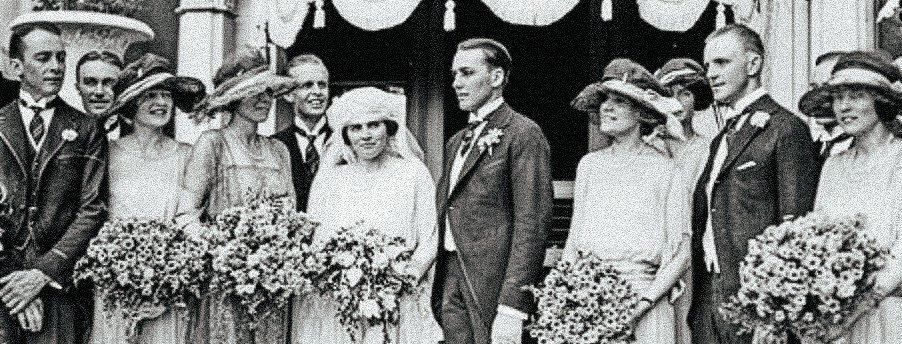

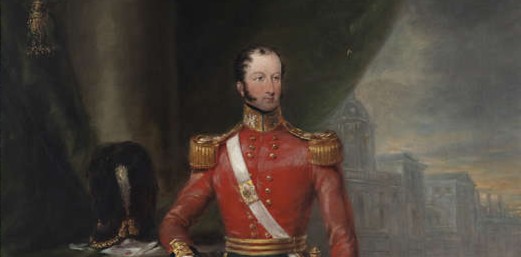
Adam’s is honoured to present works from the collection of Lord Rossmore in the upcoming Country House Collections auction at Howth Castle on 28th April. It is seldom that an influential Irish family collection that has survived through the generations comes to the open market.
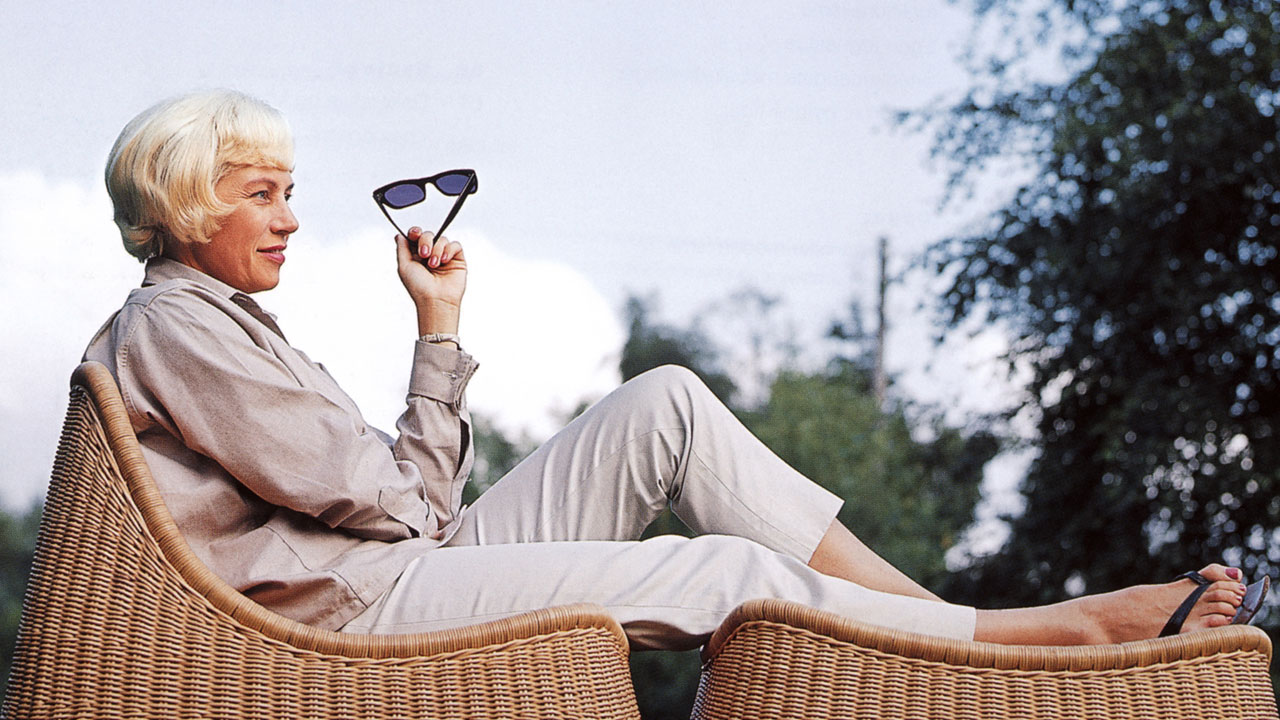
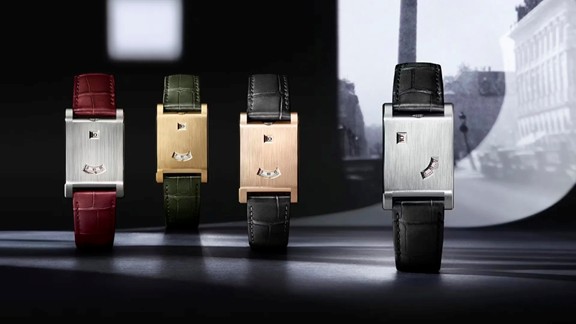
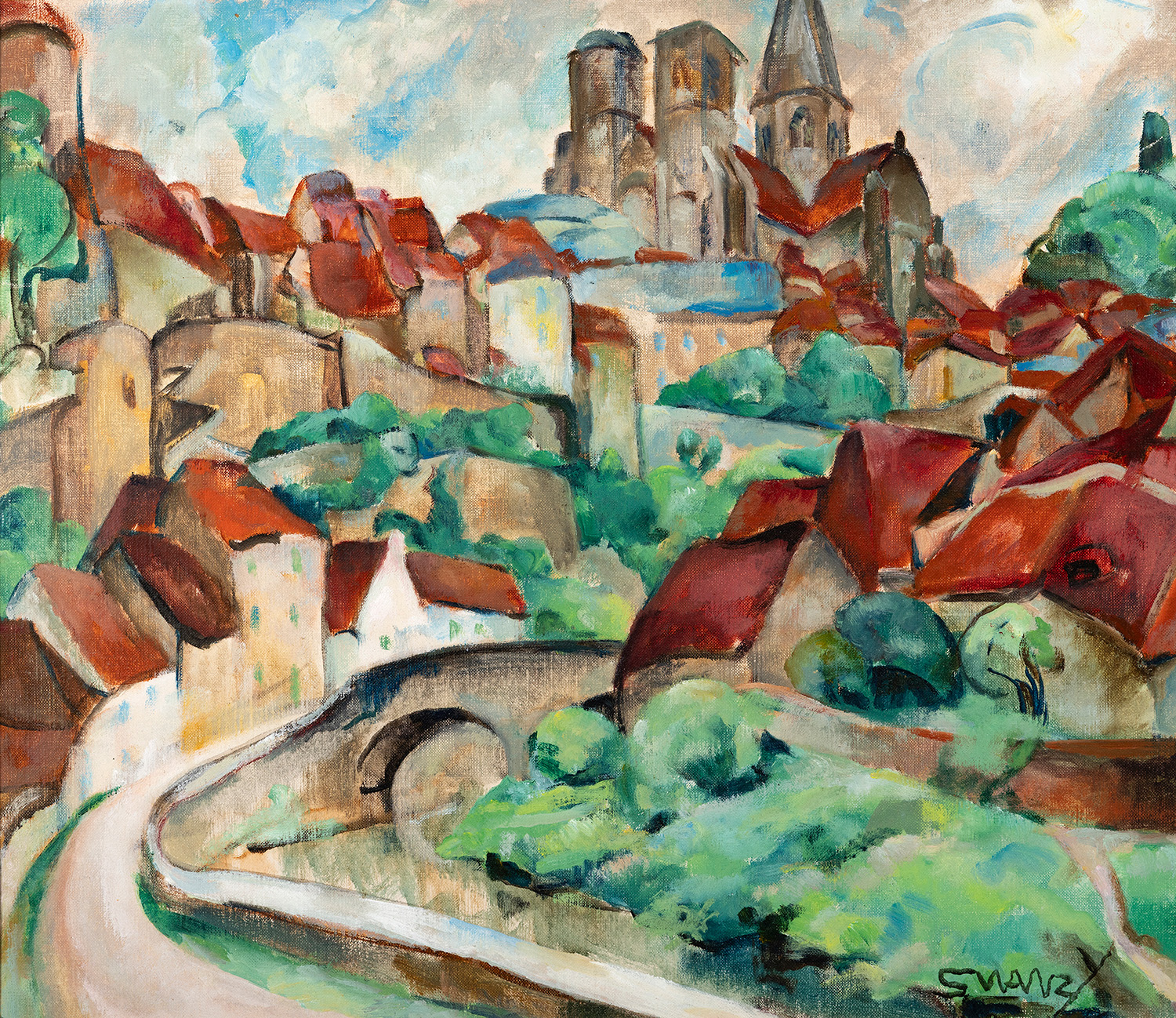

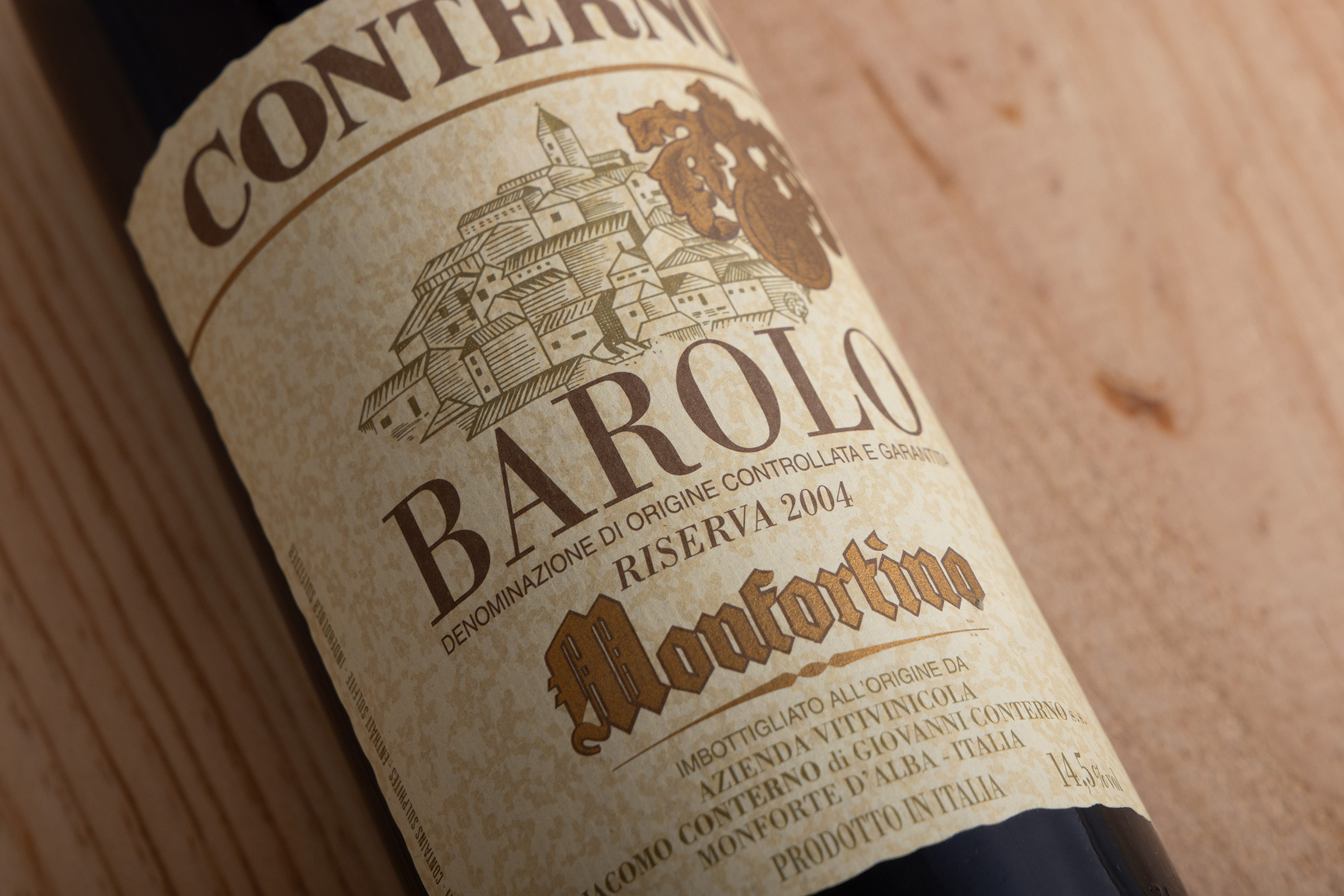
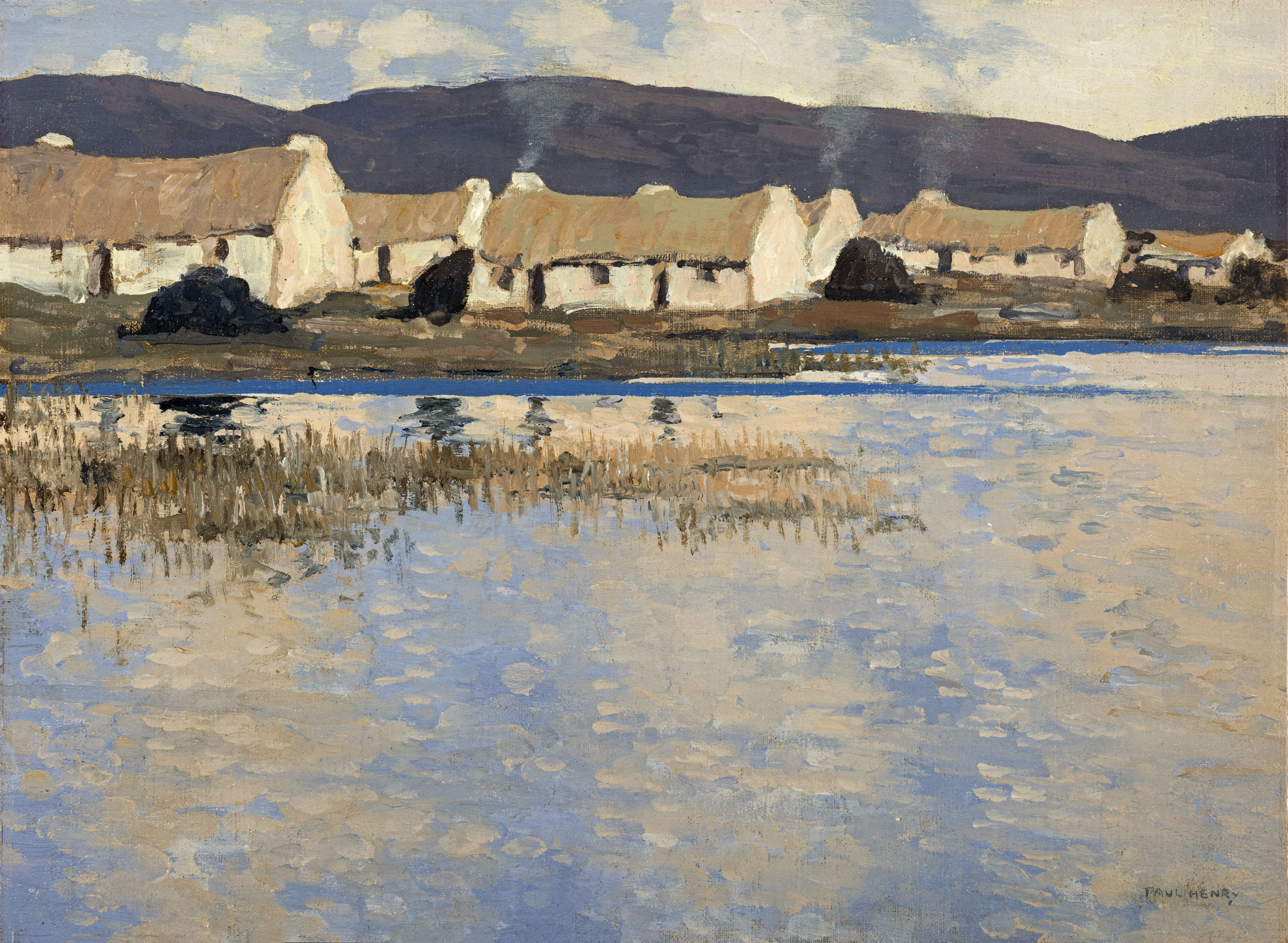
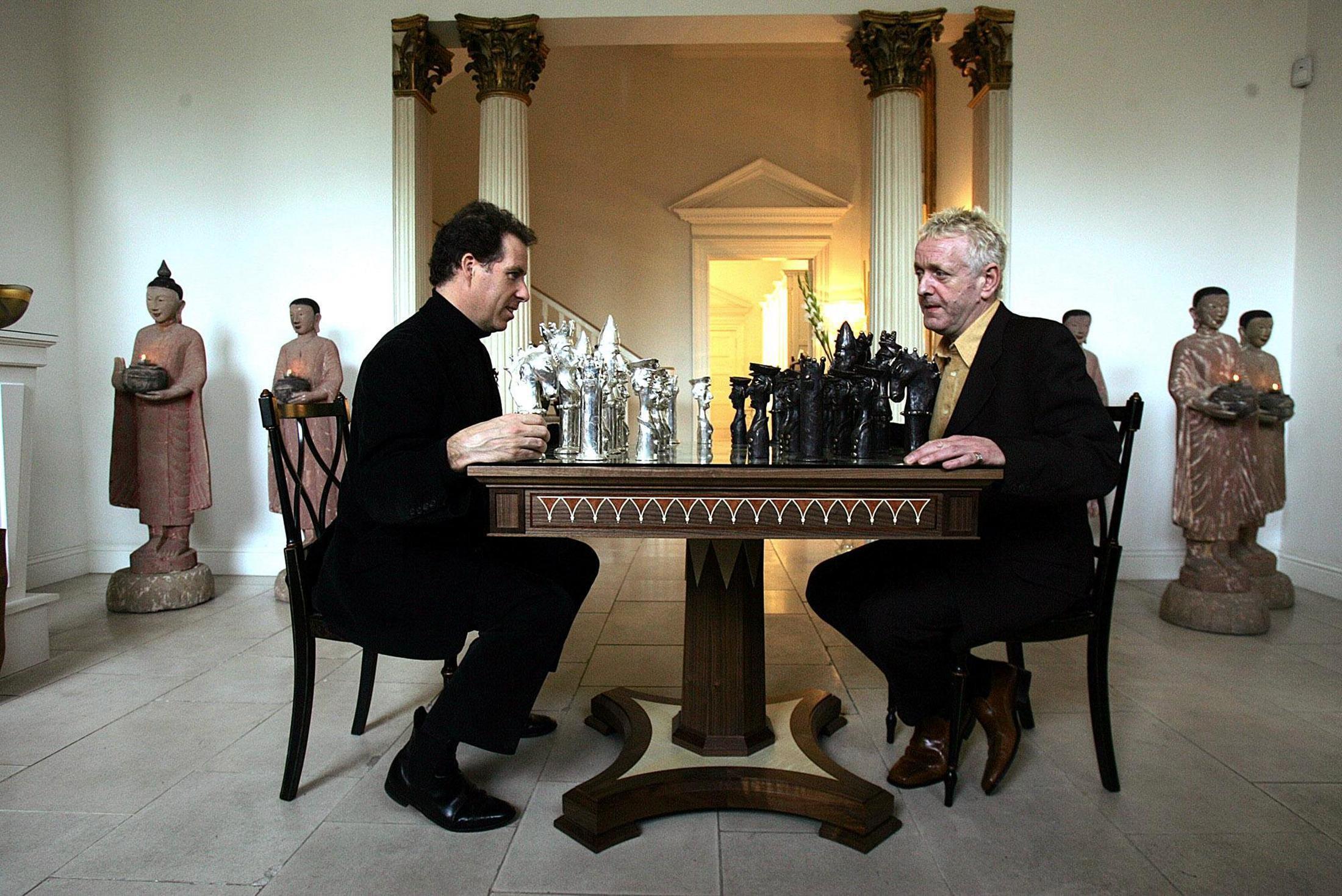
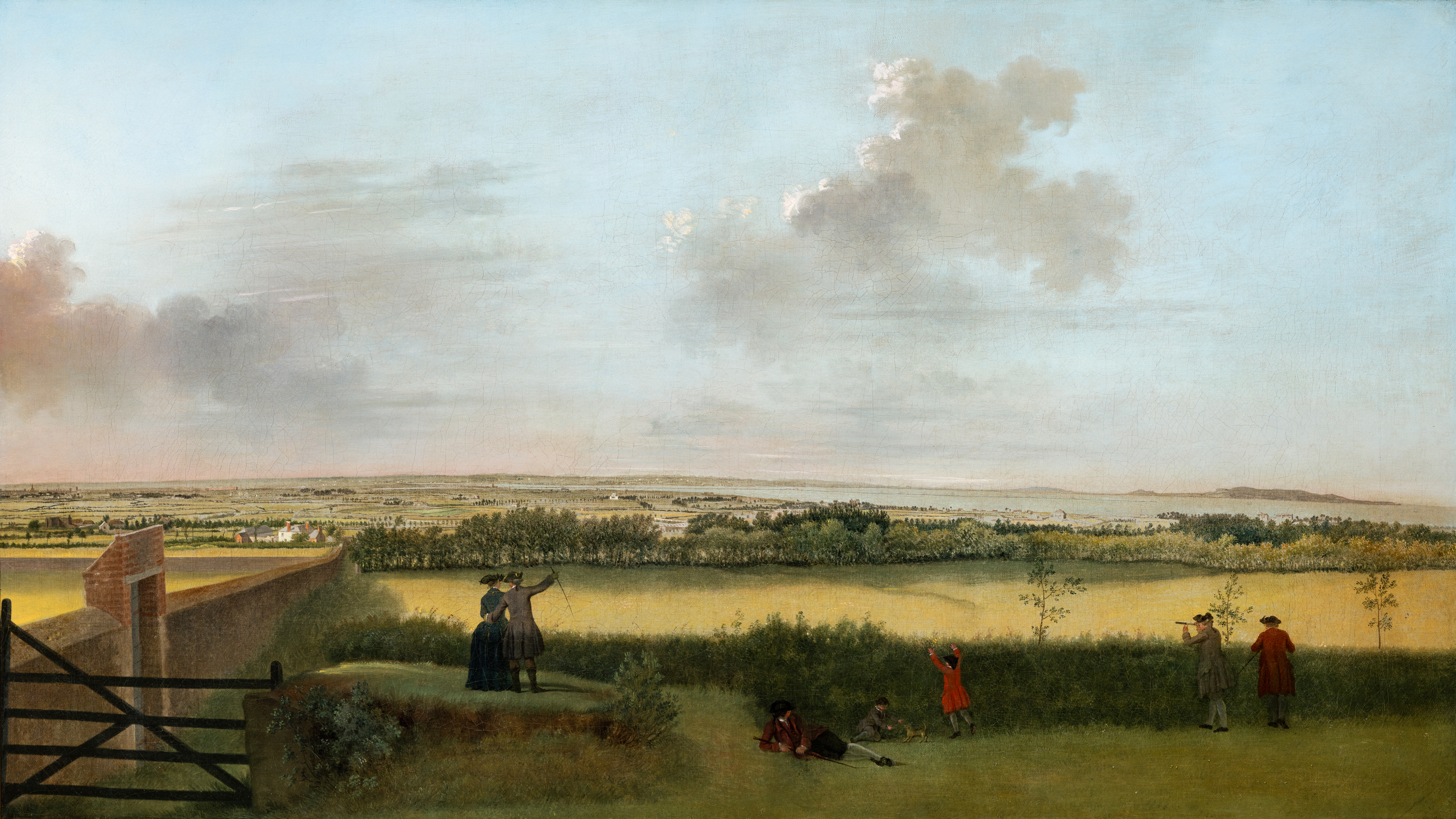
Works Sold at Adam’s Now in the Irish National Collection
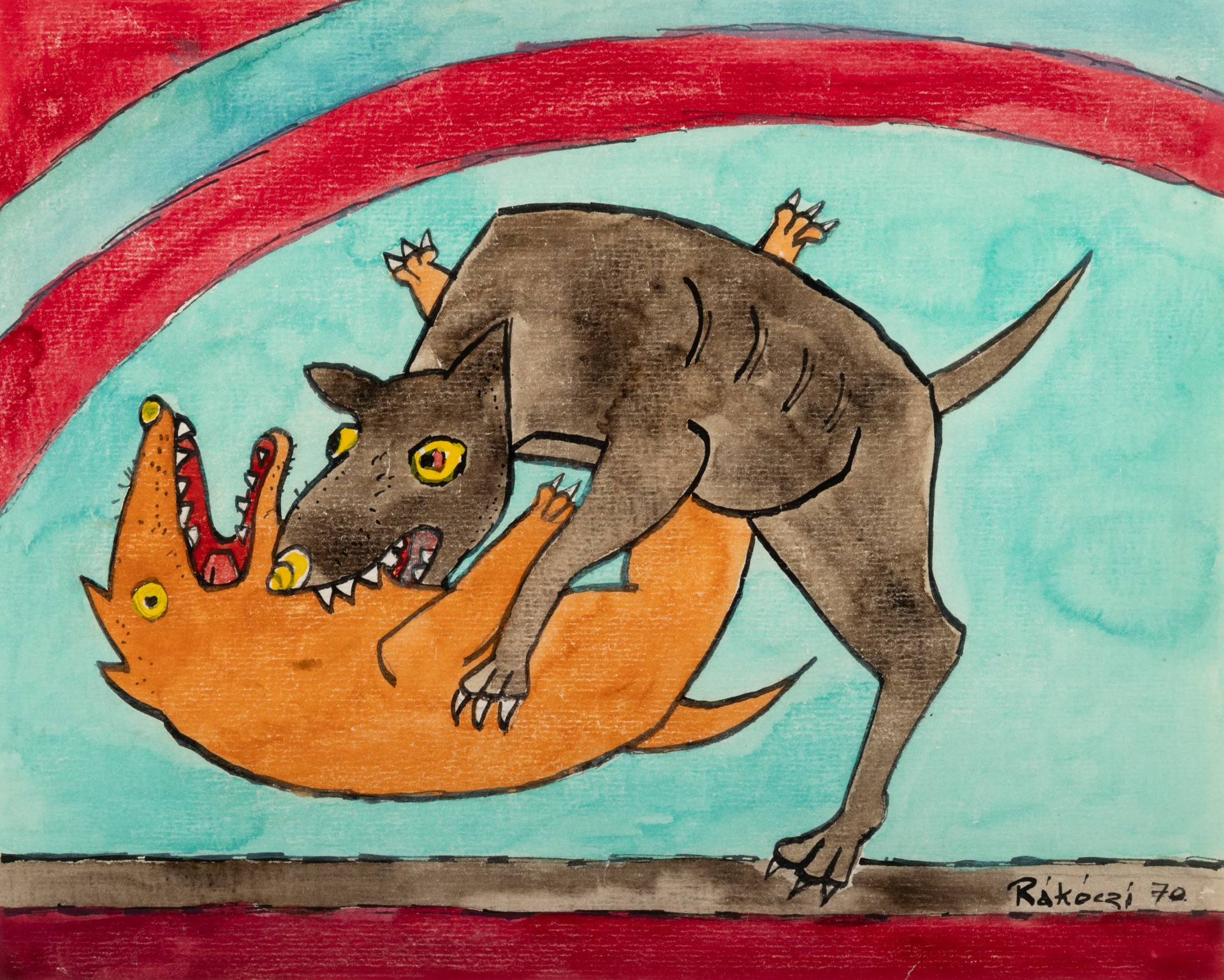
A great opportunity to purchase both established and lesser-known artist’s work at an accessible price point, the Online Picture Auction is the first of many sales to be hosted at Adam’s in 2026. It is perfect for those looking to start a collection and the discerning collector alike.


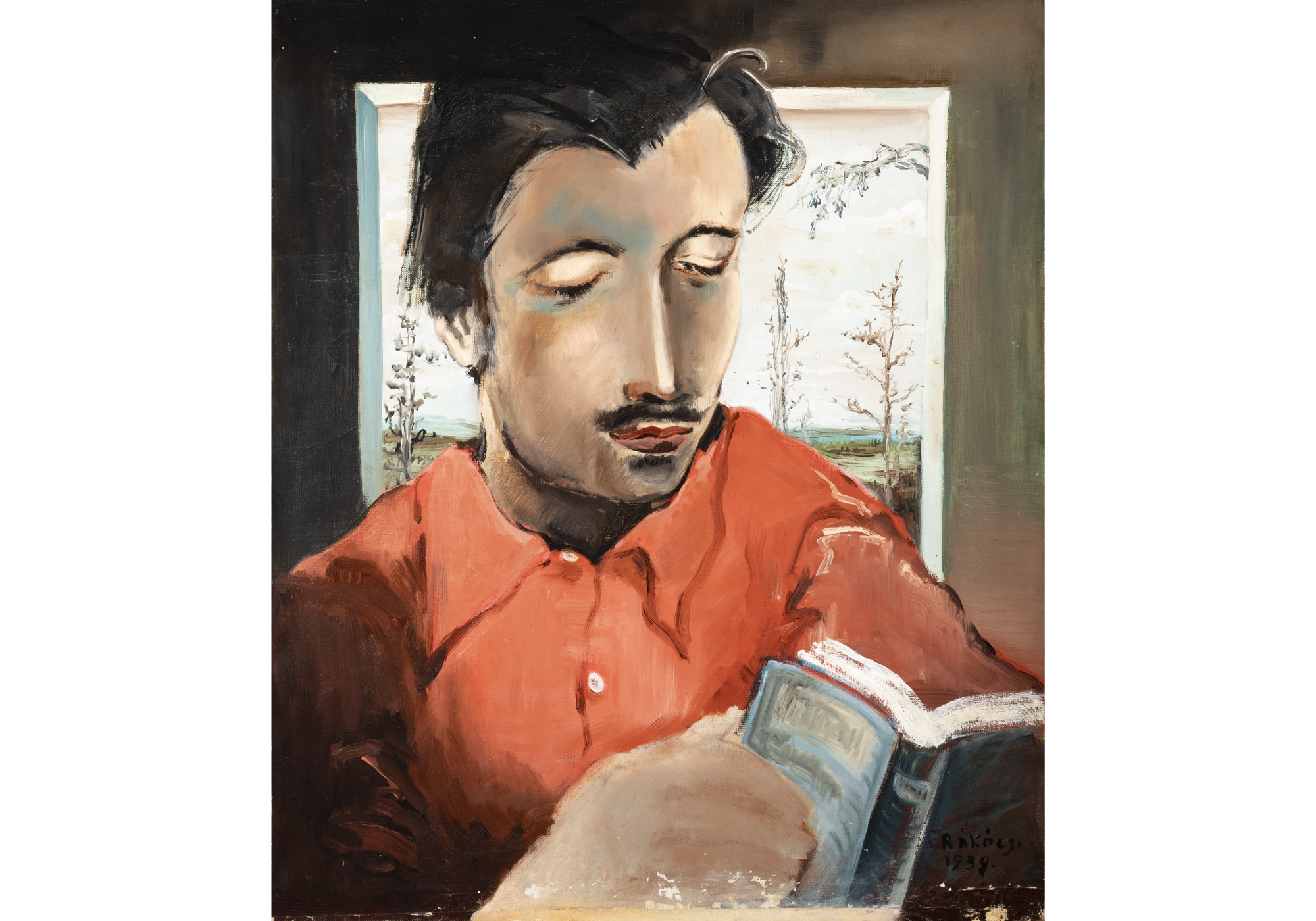
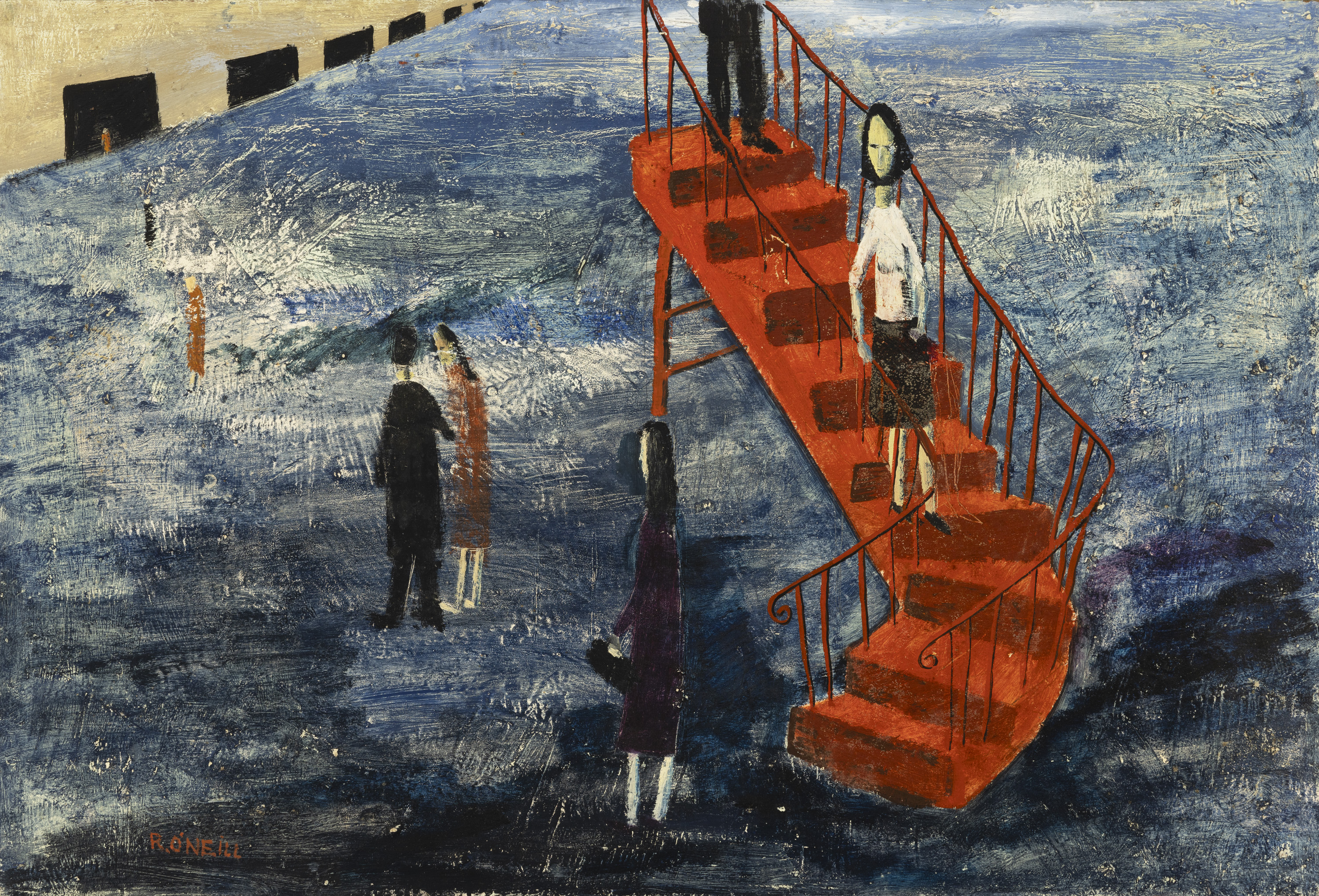
Through this article, let our expert Adam Pearson guiding you to the (re)discovery of the once established Irish painter Richard O’Neill.


Buying at Auction and the Role of Antiques in a Modern Home


Important Irish Art Auction Highlights

Oliver Dowling Collection by Aidan Dunne


James Adam & Sons Ltd, Fine Art Auctioneers and Valuers, 26 St. Stephen’s Green, Dublin 2,
D02 X665, Ireland


