
menu
Departments
.svg)
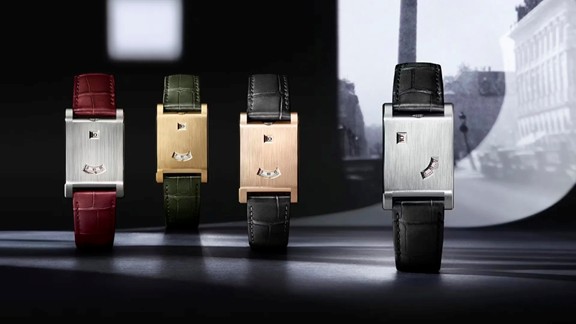

A different way of reading time
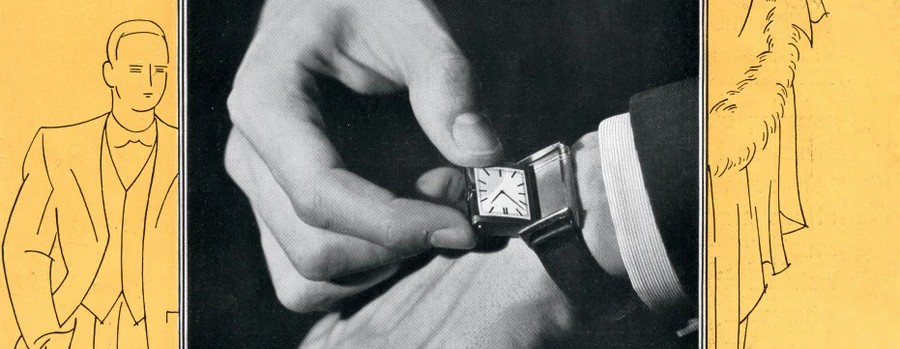
In an era where watchmaking often leans toward increasing complexity and visual density, the jump hour complication offers something radically different: simplicity.
Instead of traditional hands, time is displayed through apertures. The hour appears, then instantly “jumps” at the top of each hour. The result is clean, architectural, almost abstract, a fundamentally different way of engaging with time.
Before the wristwatch: the origins of digital time
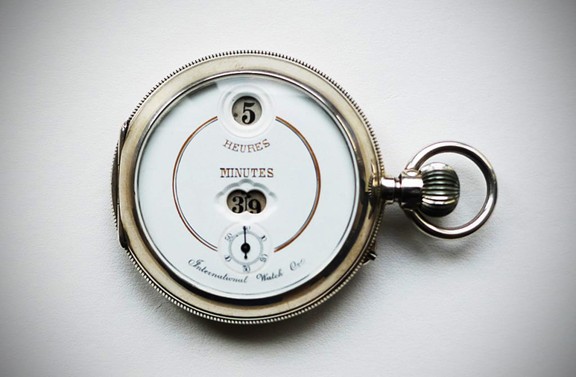
Legend: Josef Pallweber for IWC Pocket Watch
Long before Cartier, and even before the wristwatch itself, the idea of a “digital” mechanical display had already emerged.
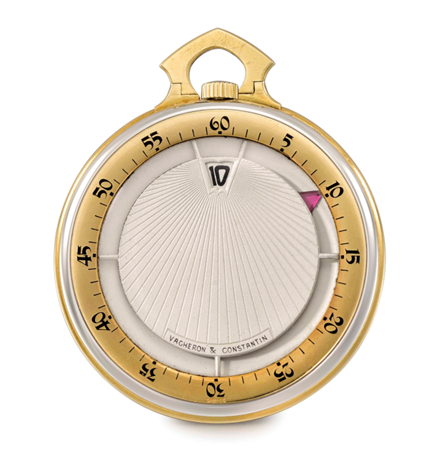
In 1883, Austrian engineer Josef Pallweber patented a jump hour mechanism, later produced by firms such as IWC and Cortebert. These early pocket watches already challenged the traditional way of reading time, replacing hands with numerals displayed through apertures.
From pocket to wrist: The Art Deco turning point
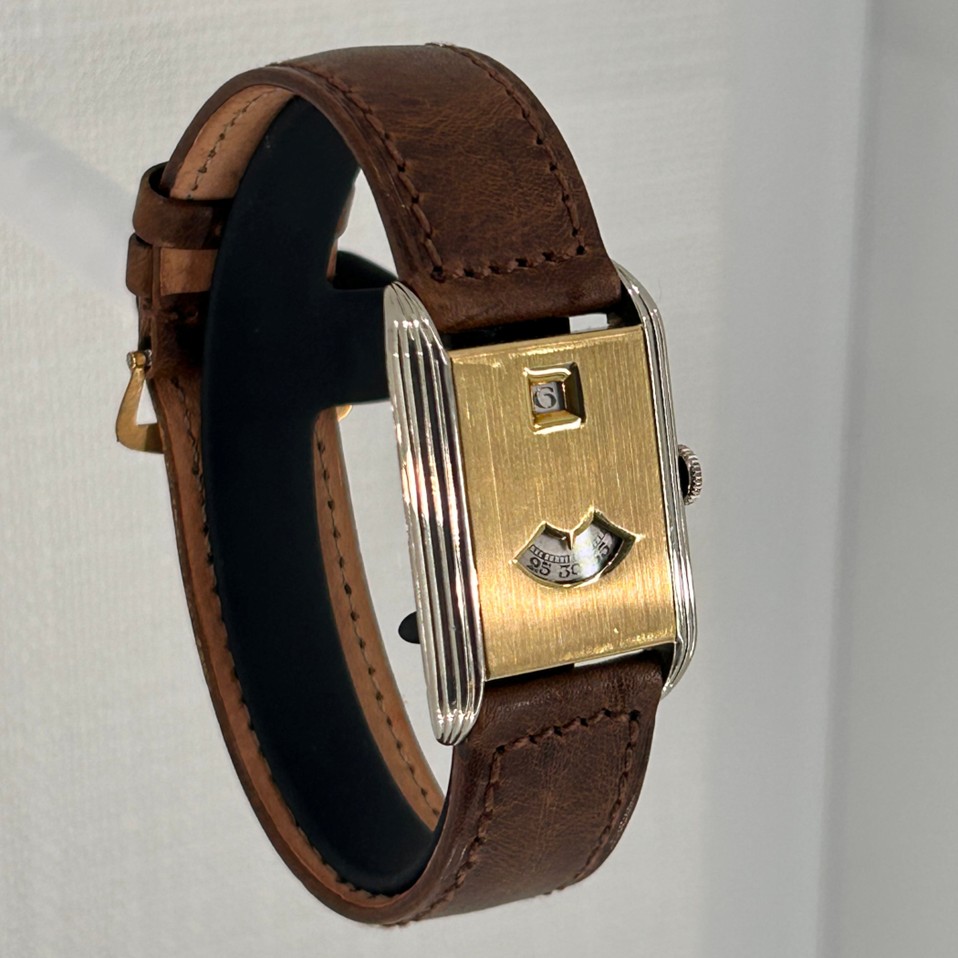
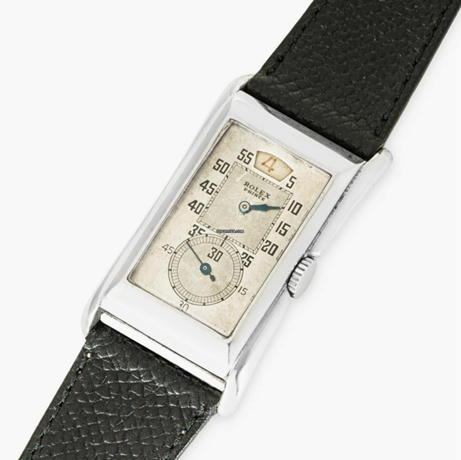
It was not until the early 20th century that the jump hour truly found its aesthetic identity.
The Art Deco period provided the perfect context, transforming the dial into a study of geometry and form. Brands including Rolex, Bulova, Breguet and Audemars Piguet explored the concept throughout the 1920s and 1930s.
Audemars Piguet, in particular, produced a number of jump hour wristwatches between 1924 and 1951, including the pre-model1271 (1929), demonstrating an early and sustained interest in aperture-based displays.
Cartier and the refinement of the jump hour
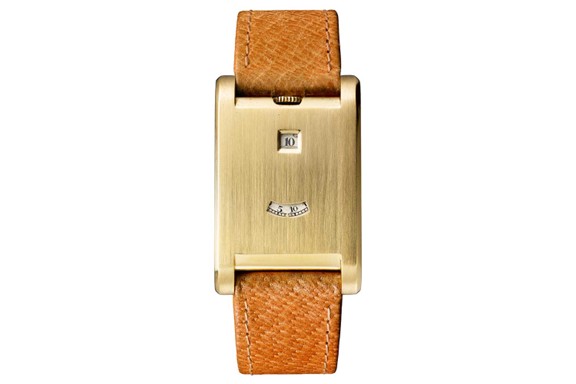
Legend: Cartier Original « Tank à Guichets », 1928
Cartier did not invent the jump hour, but refined it into one of the most iconic wristwatch designs of the 20th century.
Introduced in 1928, the Tank à Guichets removed hands entirely, replacing them with apertures for hours and minutes in a bold, architectural display.
One of the earliest known examples was purchased that same year by the Maharaja Bhupinder Singh of Patiala, suggesting he may well have been among the very first, if not the first client to wear the model.
While jump hour wristwatches had already been explored earlier in the decade by Audemars Piguet, it is Cartier that ultimately defined the aesthetic and cultural identity of the complication.
The model would later be worn by figures such as Duke Ellington, further cementing its status as a symbol of avant-garde elegance. Several subtle variations exist among early Tank à Guichets pieces, from crown design to the positioning of the minute aperture, details thoroughly documented in Franco Cologni’s reference work The Tank Watch.
Jump hours beyond the wrist
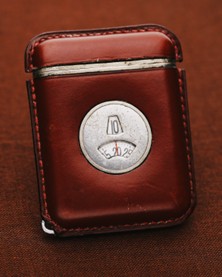
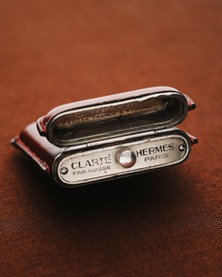
Legend: Hermes by Clarté, Jump hour bag watch. Estimate €1,000-1,500, Fine Watches at Adam’s auctioneers, 13 May 2026.
While most collectors associate jump hours with wristwatches, the complication also found expression in more unusual formats.
A particularly charming example is the Clarté jump hour bag watch made for Hermès Paris, circa 1935, featured in our upcoming sale. Designed as both an object of utility and style, it reflects the same Art Deco fascination with geometry and modernity, while extending the jump hour display beyond the wrist into the world of personal accessories.
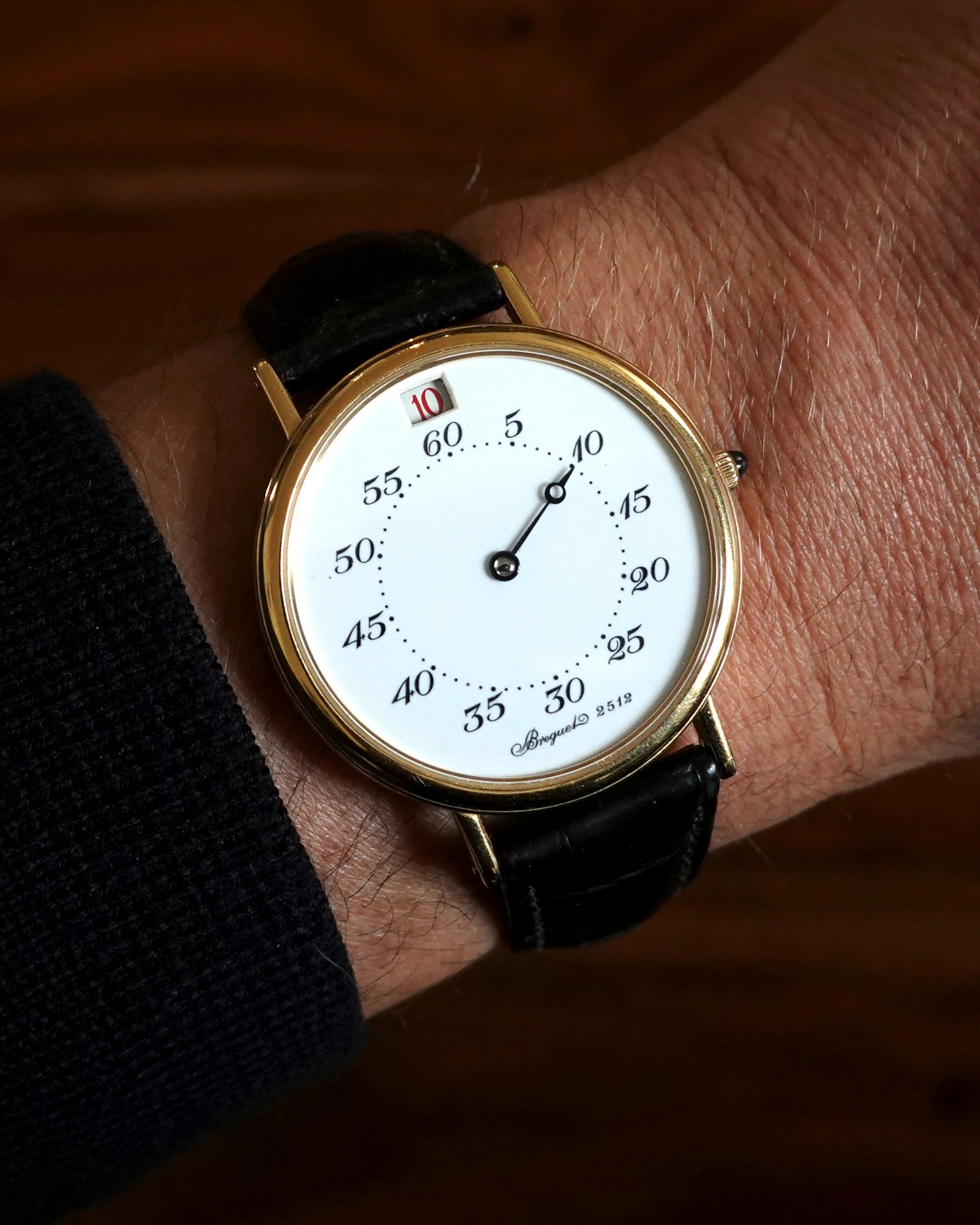
Why collectors are drawn to jump hours
Legend: Breguet Ref. 3420BA, Enamel dial, Jump Hour Watch, No. 15/800, Sold €17,500 at Adam’s Auctioneers Fine Watches, 14 May 2025.
Jump hour watches combine technical complexity with visual restraint.
This duality resonates strongly with collectors today: minimalist design paired with mechanical sophistication, all anchored in a rich historical context. Unlike more overtly complicated watches, their appeal lies in subtlety.
In our experience, these pieces often attract a more design-driven collector than traditional complications.
We saw this first hand in our previous sale, where a Breguet jump hour wristwatch stood out for its elegance and rarity, a reminder that even within a niche category, quality and provenance remain decisive.
A contemporary revival
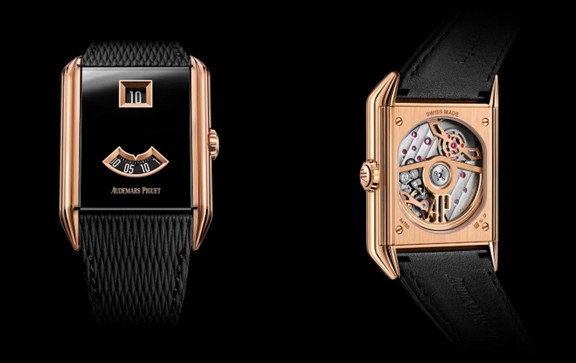
In recent years, the jump hour has made a discreet yet meaningful return.
In 2023, Cartier reintroduced the Tank à Guichets as part of its Privé collection, remaining faithful to the original design while subtly updating the mechanics.
At the same time, Audemars Piguet returned to its roots with the Neo Frame Jumping Hour, drawing on its late-1920s “pre-model” wristwatches such as reference 1271, while introducing its first self-winding take on the complication.
Alongside these high-profile releases, more discreet pieces such as the Chaumet Jump Hour ref.10A are also gaining renewed attention among collectors. Produced in the early 1990s, the model is particularly notable for its discreet technical pedigree, developed during a period when Chaumet collaborated with independent watchmakers such as François-Paul Journe.
Beyond its distinctive design, the 10A also reminds us that the jump hour is far from a purely aesthetic exercise. The instantaneous jumping mechanism, requiring precise energy management and controlled release, remains a technically demanding complication, one that bridges graphic simplicity with genuine horological sophistication.
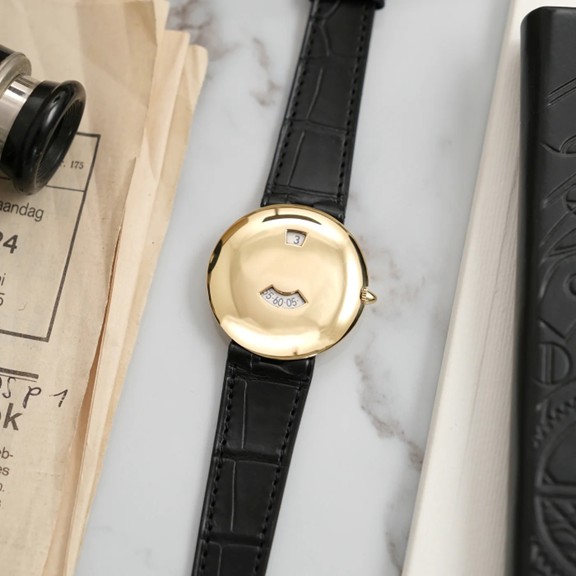
This renewed interest signals a wider shift: collectors today are increasingly drawn to watches defined as much by design as by mechanics.
Still niche, jump hour watches are becoming increasingly relevant. They offer something rare, not just a complication, but an entirely different way of experiencing time.


.png)
.png)
.jpg)


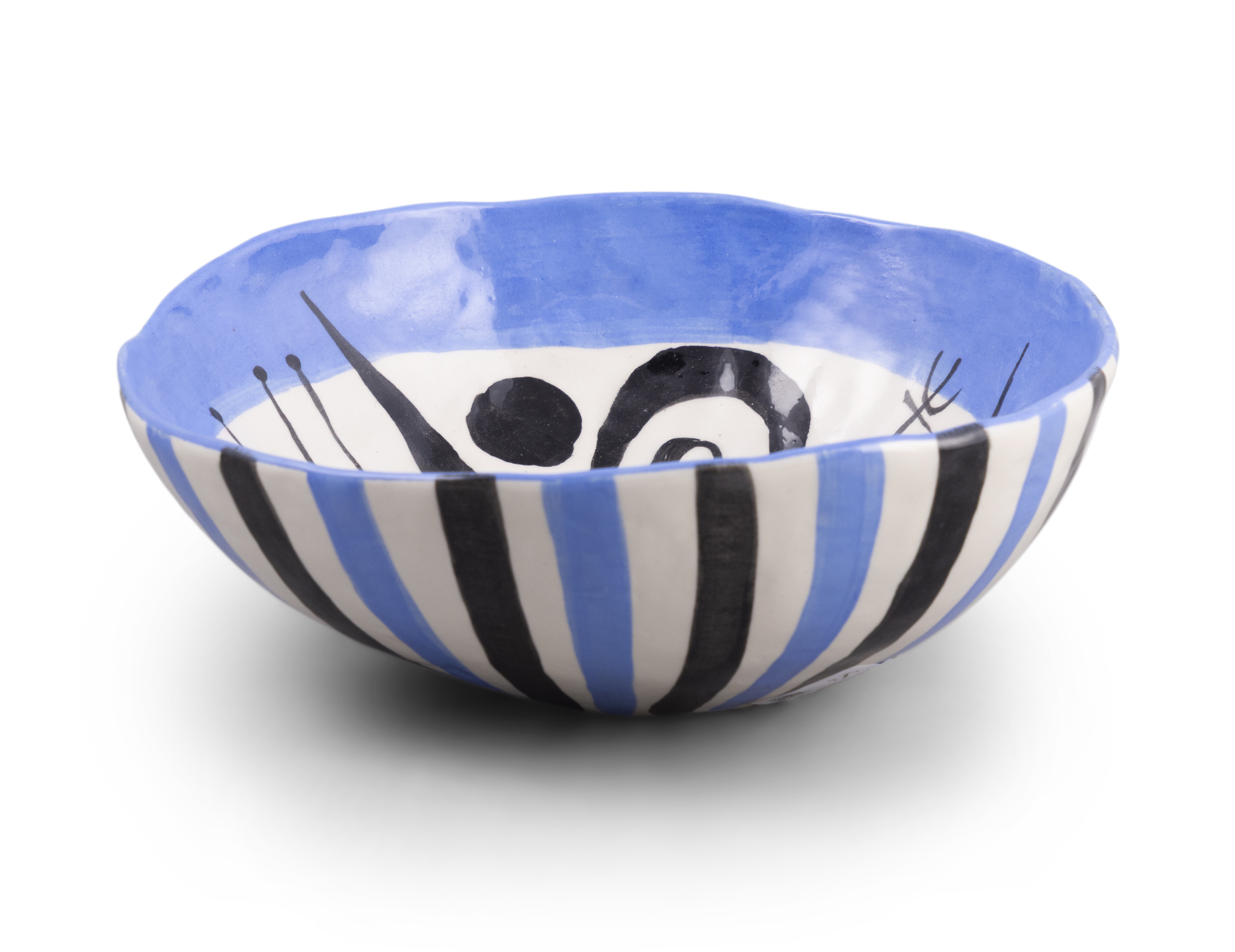
John ffrench was an instrumental figure in the design industry in Ireland and a distinguished pioneer of Irish studio pottery.


)%20(1).jpg)

%20(002).png)


%20(2).jpg)



%20(1200%20x%20768%20px)%20(2).png)
.png)

.png)


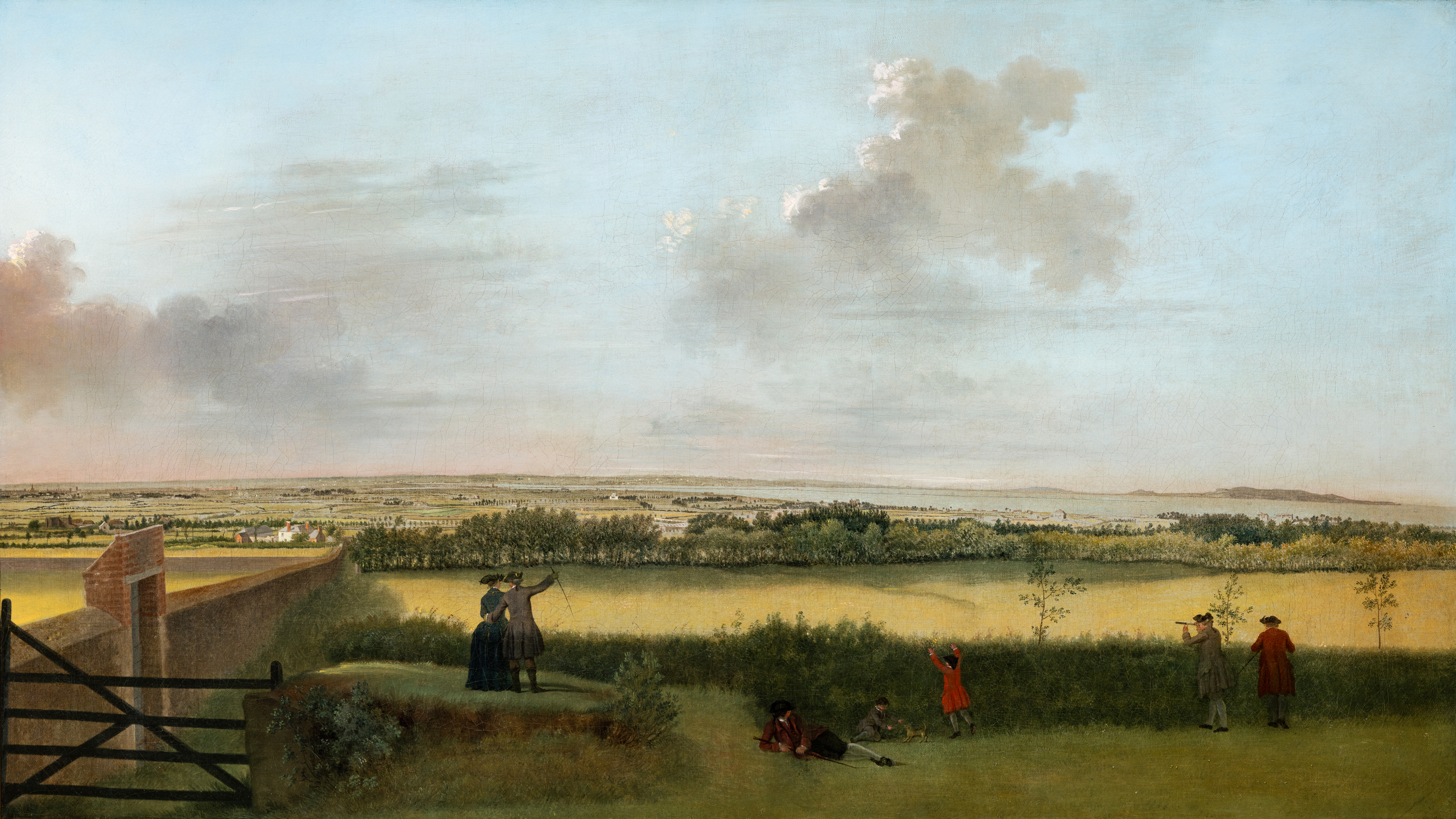
"I should declare my hand. I have a weakness for pictures that punch above their physical weight, and for artists who have been quietly underrated for too long. This pair is both. They are intimate enough to live with at close quarters and serious enough to repay any amount of looking. If the market has lately shown signs of catching up with eighteenth-century Irish painting and I think it has, these two small panels feel, to me, like exactly the sort of thing that will look obvious in twenty years’ time."




Adam’s is honoured to present works from the collection of Lord Rossmore in the upcoming Country House Collections auction at Howth Castle on 28th April. It is seldom that an influential Irish family collection that has survived through the generations comes to the open market.




Works Sold at Adam’s Now in the Irish National Collection

A great opportunity to purchase both established and lesser-known artist’s work at an accessible price point, the Online Picture Auction is the first of many sales to be hosted at Adam’s in 2026. It is perfect for those looking to start a collection and the discerning collector alike.



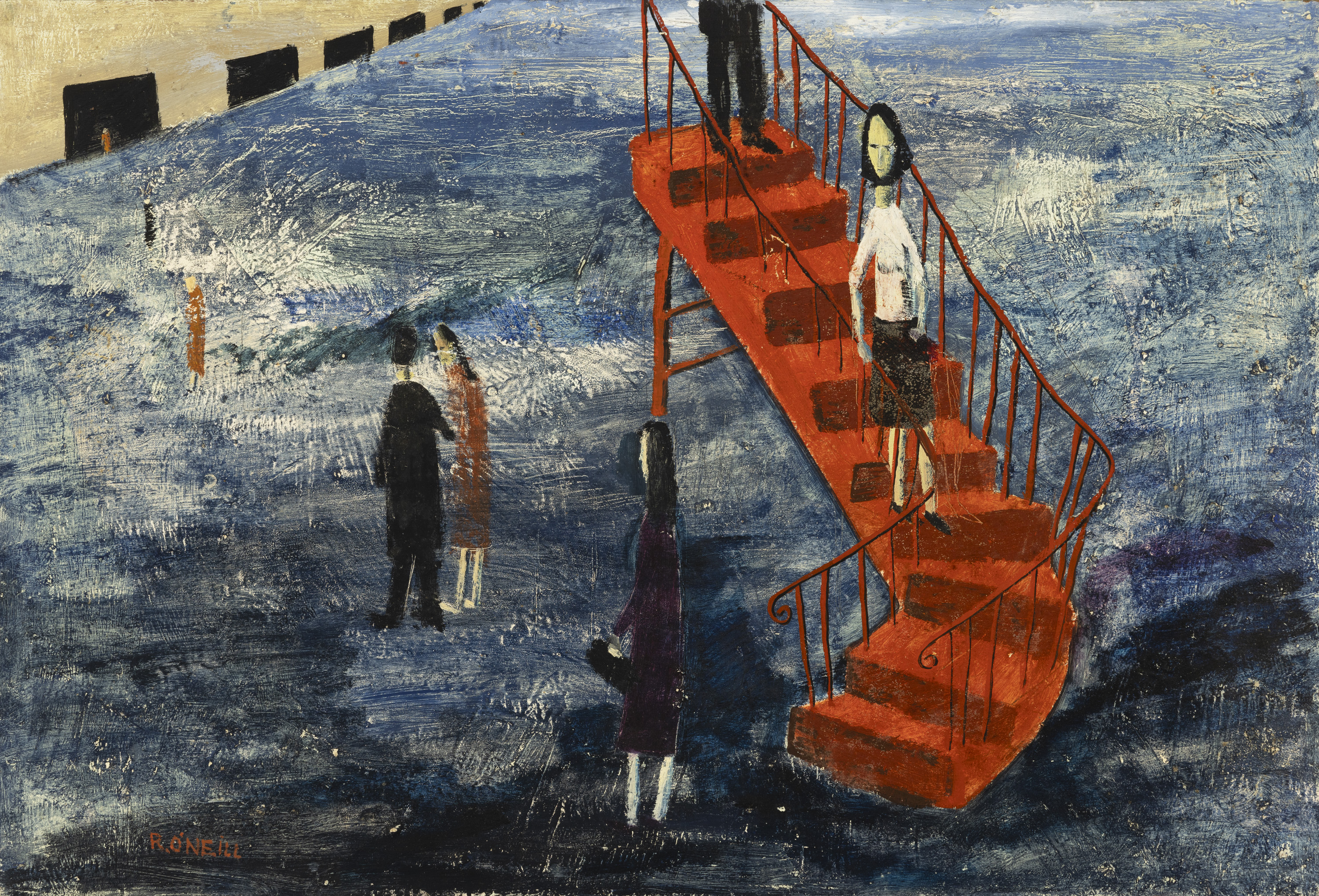
Through this article, let our expert Adam Pearson guiding you to the (re)discovery of the once established Irish painter Richard O’Neill.


Buying at Auction and the Role of Antiques in a Modern Home


Important Irish Art Auction Highlights

Oliver Dowling Collection by Aidan Dunne


2024 is a year in which Adam’s wants to recognise the key role buying antique furniture and furnishings at auction contributes greatly to the sustainable initiative. In 2019 the Environmental Protection Agency reported stark figures that each year in Ireland 1.2 million reusable bulky items, primarily furniture goes into landfill. Similar to the problem of ‘fast fashion’, the constant production and consumption of new items is leading to rapidly growing waste problem. We want to acknowledge those who are already buying second hand or antique furniture at auction and to encourage new buyers by highlighting the benefits of acquiring affordable, well-made quality items that are built to last.


Irish author, recipe creator and lifestyle influencer, Indy Parsons, selects her favourite pieces from our upcoming Fine Jewellery & Watches auction


James Adam & Sons Ltd, Fine Art Auctioneers and Valuers, 26 St. Stephen’s Green, Dublin 2,
D02 X665, Ireland


