
menu
Departments
.svg)
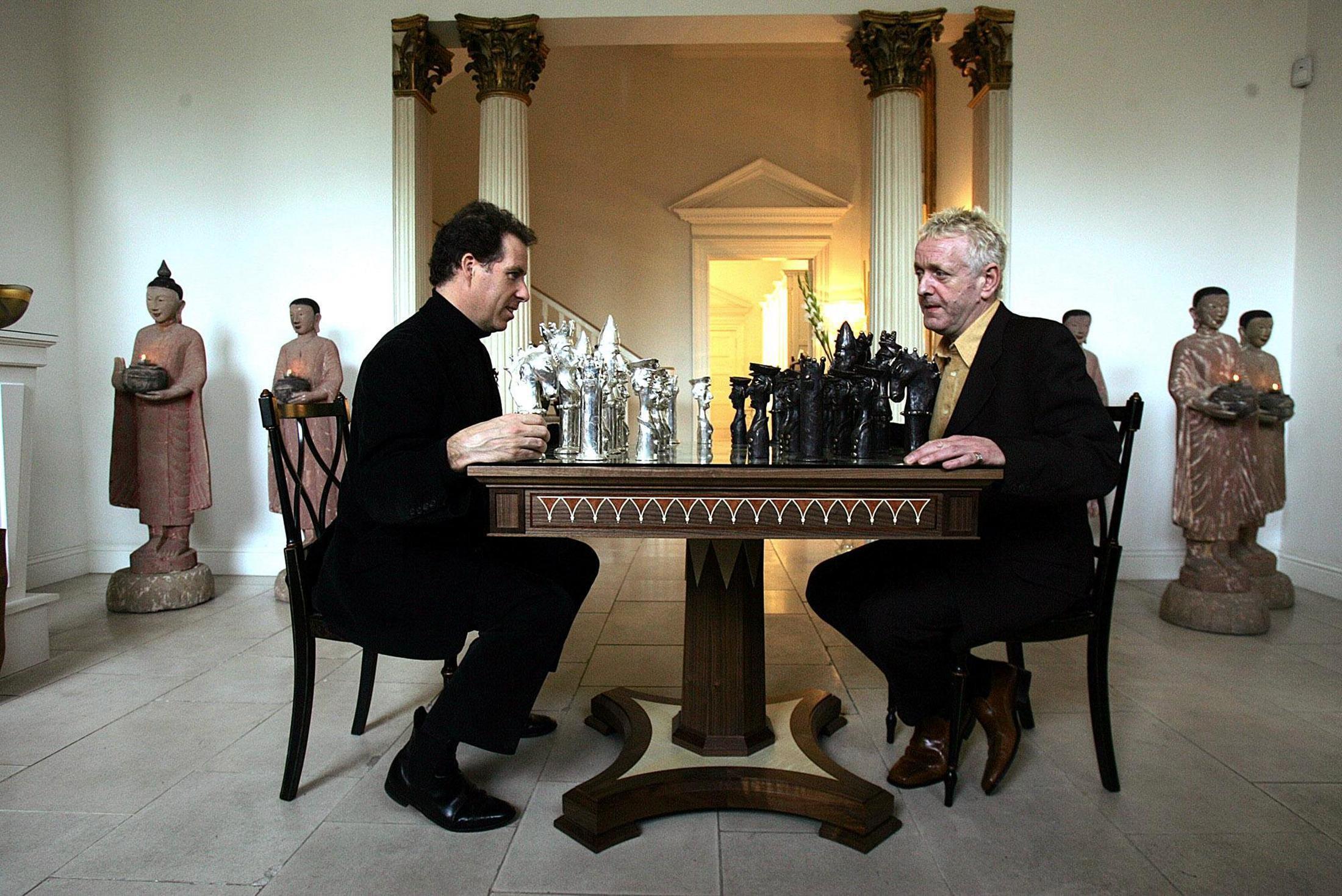

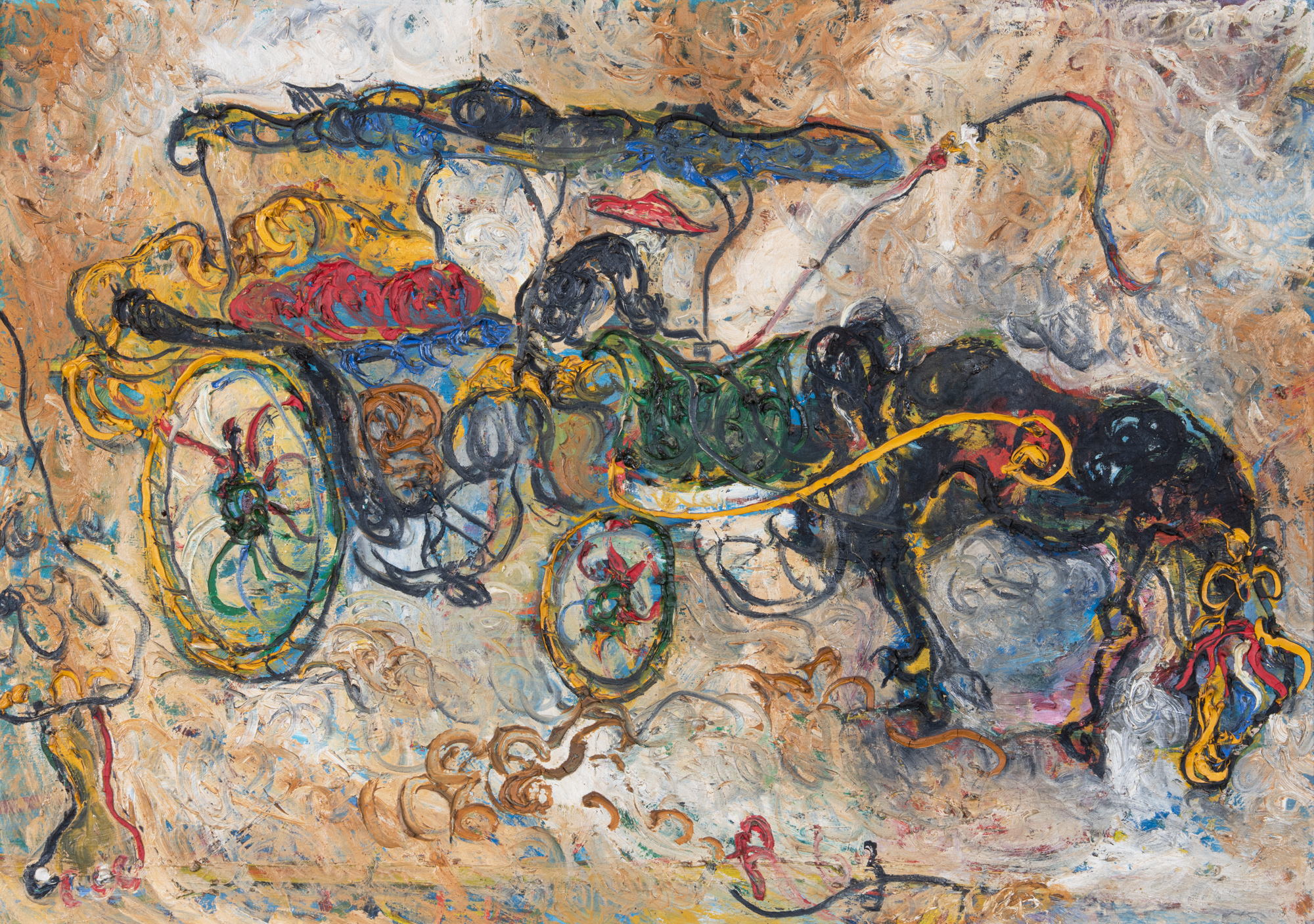
In a series of interviews conducted in 2014, Graham Knuttel shared insights into his practice, discussing his choice of mediums, what drew him to each one, and the thinking behind the subjects he chose to portray.
Please enjoy the reflections of Graham Knuttel, in his own words.
"Ever since I was a child I have felt the need to make things. I model in clay, in wax, in papier mâché. I cast in bronze, silver, aluminium, plaster, and resin. I carve in wood. I construct in wood. This way I can constantly learn new techniques and new technologies. Painting is a solitary, lonely activity. Sculpture is more social. You must work with your foundry as part of a team. You must listen and watch and take advice. Paint does what it’s told to do. Hot metal has a mind of its own. It flows and must be contained and captured. Wood has a grain that must be followed. Wood loves to twist and turn. To leave your lonely studio and work in a foundry with real experts is a great honour. These people understand what it is you want to do and how to make it possible using at once ancient and very new techniques.
The process never ceases to amaze me: to see a piece of clay or wax modelled into a form, taken to the foundry where it gets plaster and silicon painted all over it, gets heated up to ridiculous temperatures, has white hot metal poured on it. Then, to watch it get kicked about, hit with hammers, filed with files, cut with saws, chased by chisels; to see it get welded, smelted, belted and worse, until it finally emerges as an object of beauty—it has to be seen to be believed."
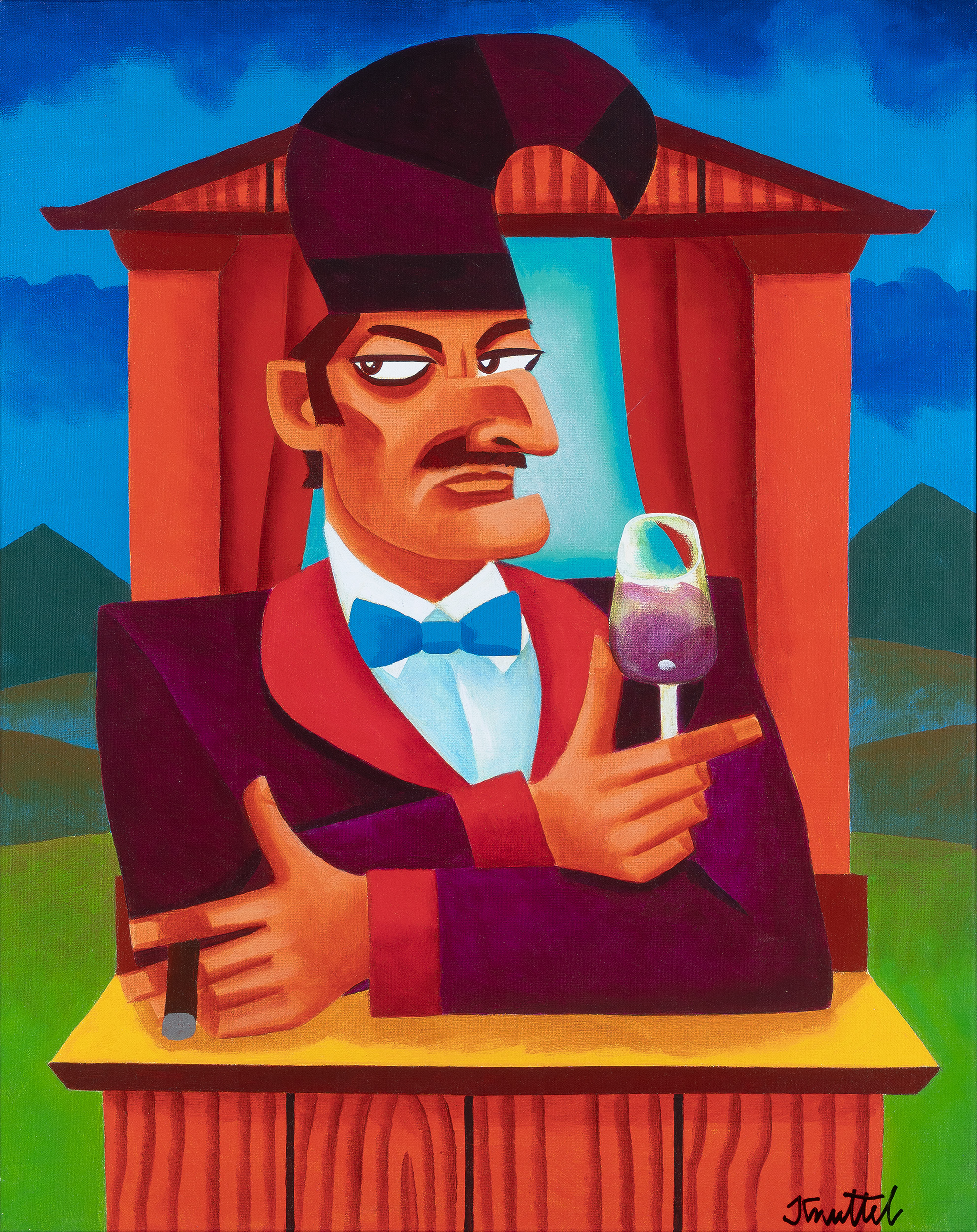
“I introduced Mr. Punch in my earlier work as my alter ego, the unruly, cantankerous figure trapped in his service hatch but yearning to break free under the broad proscenium arch. He became the embodiment of all my unfiltered thoughts and unacceptable behaviors, unapologetic and fiercely his own man. Mr. Punch thrives on provocation—he wants to be booed, jeered at, and despised, his reputation as solid as his indignant rants. Booths may change, but not Punchinello. He shouts, he rages, he wields his stick, yet when I paint him, he falls silent, ready to pose.
I’ve painted him in countless guises: fiddling a tune for a cat in a bowtie, glaring at birds escaping his claws, watering tulips with an indigo can—knife in hand, just in case. Semaphore flags, umbrellas, sticks—it’s all a show, a theatrical expression of his entrapment. Beneath his malicious smirk and lurching movements, Mr. Punch possesses self-awareness. He knows who he is, and he revels in it, shrieking his high-pitched voice into the void once I’ve put down my brush.
But where are Judy and the baby? Should the policeman be called? Mr. Punch began as my first painted gangster, evolving over time into paper collages and tapestries, yet his essence remains unchanged—a reflection of myself, exaggerated and unruly, captured in vibrant, chaotic strokes. Through him, I explore my own truths, dressed up in satire and whimsy.”
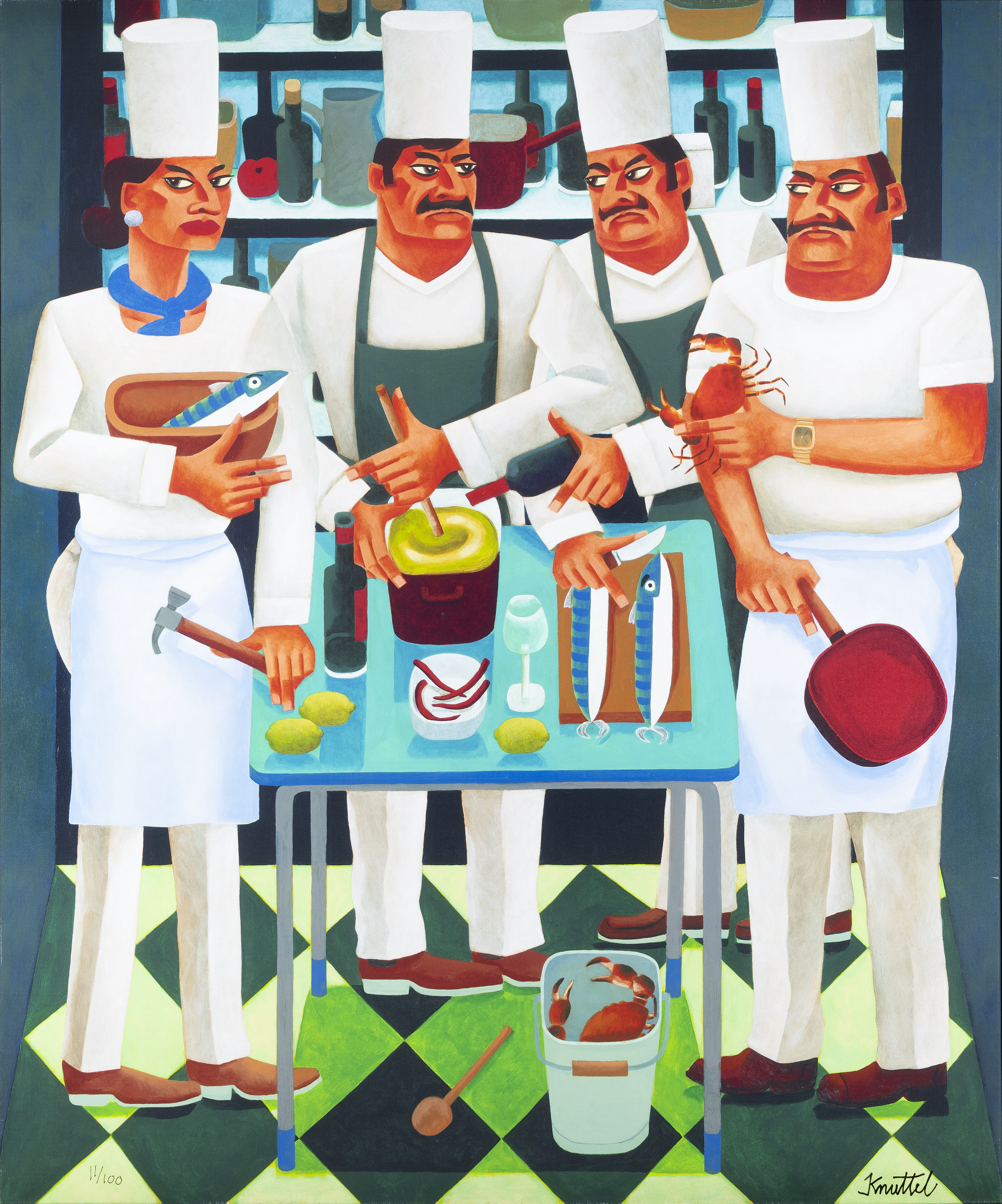
“These chefs are a fierce lot. The kitchen is a potential war zone, rife with conflict and cluttered with a huge array of primitive but effective weapons. There’s a subterranean connection with the battle scenes I drew as a boy. The chefs I paint are providers to that other fierce lot I’ve depicted in the bars, clubs, and theatres. They chop and cook the fish I’ve sent swimming past your eyes. For them, the aubergines, peaches, lemons, and wine of my still lifes are provisions. People have to eat. Money needs to change hands.
They dress the same as each other, have the same moustaches, the same grievances, but they are not the same. Most likely, every one of them can do a good pot roast, a nice thick fish chowder, but they all have a vicious streak. Theirs is a rigorous regime where culinary skill is a given, and what matters is rank, jealousy, and temperament. There’s no place for personal quirks. Everyone drinks heavily from the bottle here. But all of this is the glue that holds the restaurant together.
It works if there are no intrusions, no diners coming in with compliments or complaints. That might start a riot. Their ratchet hands will cooperate and do their jobs professionally if there are no additional complications. Nobody will get poisoned. Nobody will get hurt or damaged more than they already are. War will be averted, and these chefs will get to express themselves. It’s a lot like life, they will tell you, but you wouldn’t want to ask.”
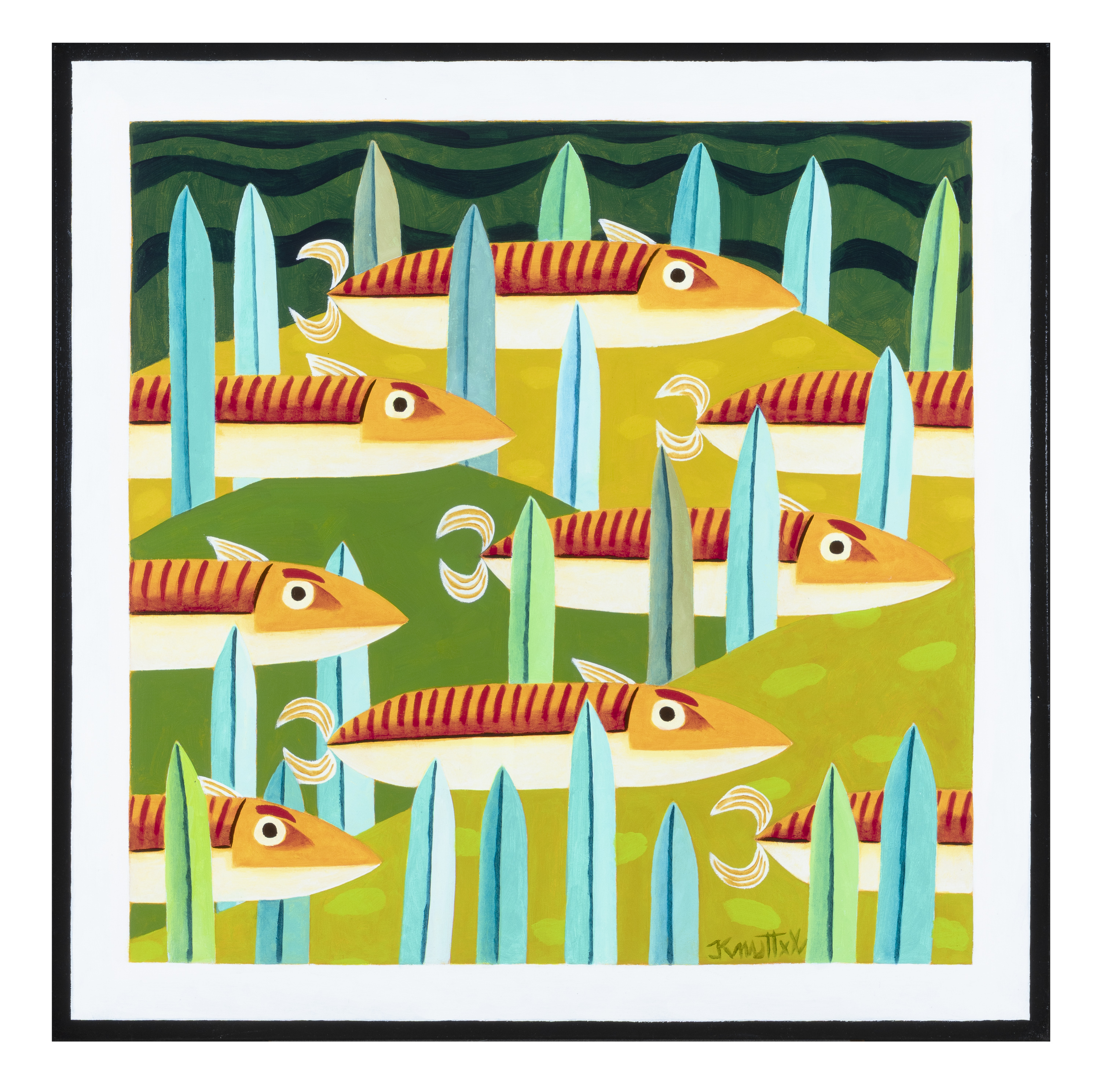
“It’s curious, but not altogether incongruous, that the marine life I paint, with all their bright colours and big eyes, are no more or less threatening than the people who share the frame. The fish, large and small, striped and spotted, all present as self-conscious and bad-tempered in a civil service-minded management sort of way. Seagulls, with seagulls. They are even more quarrelsome, bins oily and greasy. I’ve seen them at close quarters in Helnisk’s back streets and on windowsills. I’ve made a study of the scenario, seagulls, and our susceptibility.
The shoals of fish — the relatively long and hard day of what could be any one of us, on a bad day. They start as seagulls, and some mutate. All the birds in my paintings and sculptures seem to start out as seagulls, and some mutate.
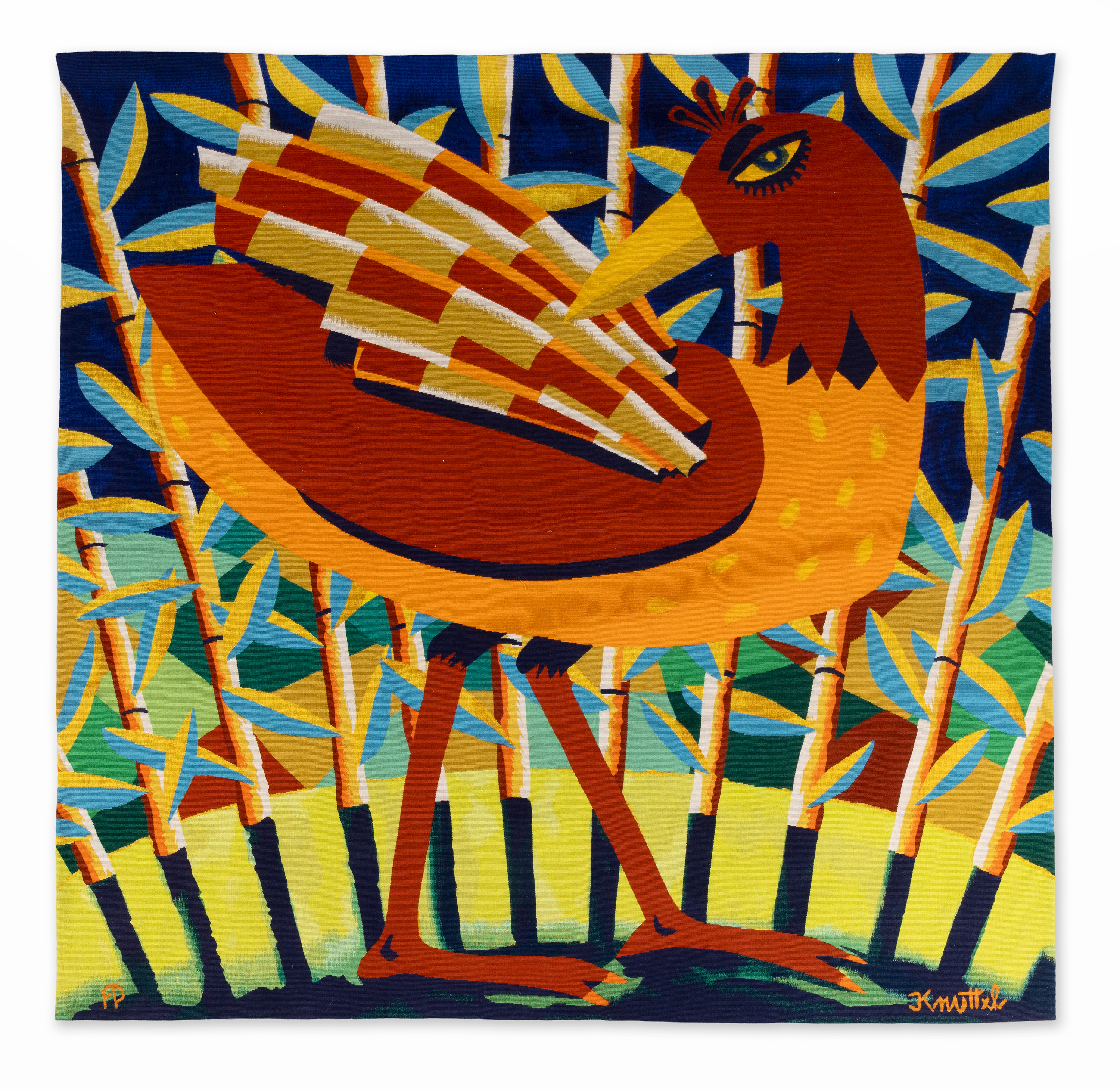
“In 2002, I developed an interest in the art of tapestry. The finest tapestries in the world have for five hundred years been made in two small villages in central France and are known as Aubusson tapestries. I chose to work with the Pinton factory, which has been family-run for four hundred years. They have woven for Picasso, Dali, Leger, Matisse, and many others.
The process involved is fascinating. Firstly, I design the image in paint. This is known as the ‘cartoon.’ Along comes the ‘cartoonier,’ who interprets my artwork, separating the tonal differences in the colours I have used. The many different stitching techniques are then assigned and colour variations broken down, inch by inch. The raw wool is then hand dyed exactly true to my original colours, and the loom is prepared.
Depending on the size of the tapestry, up to four weavers sit side by side to create the work. As each thread is knotted on the reverse, the weaver can only see a small area of the front through a mirror underneath. These are people whose families have been weaving for generations. It is painstaking work, taking each weaver a full day to complete two square inches or less. Every day, before and after working, the weavers must have a hand and finger massage.
It is only when the last thread has been knotted that the tapestry can be cut from the loom. Only then do you see the whole image for the first time and know whether or not you have succeeded. It is a tense moment for all concerned.
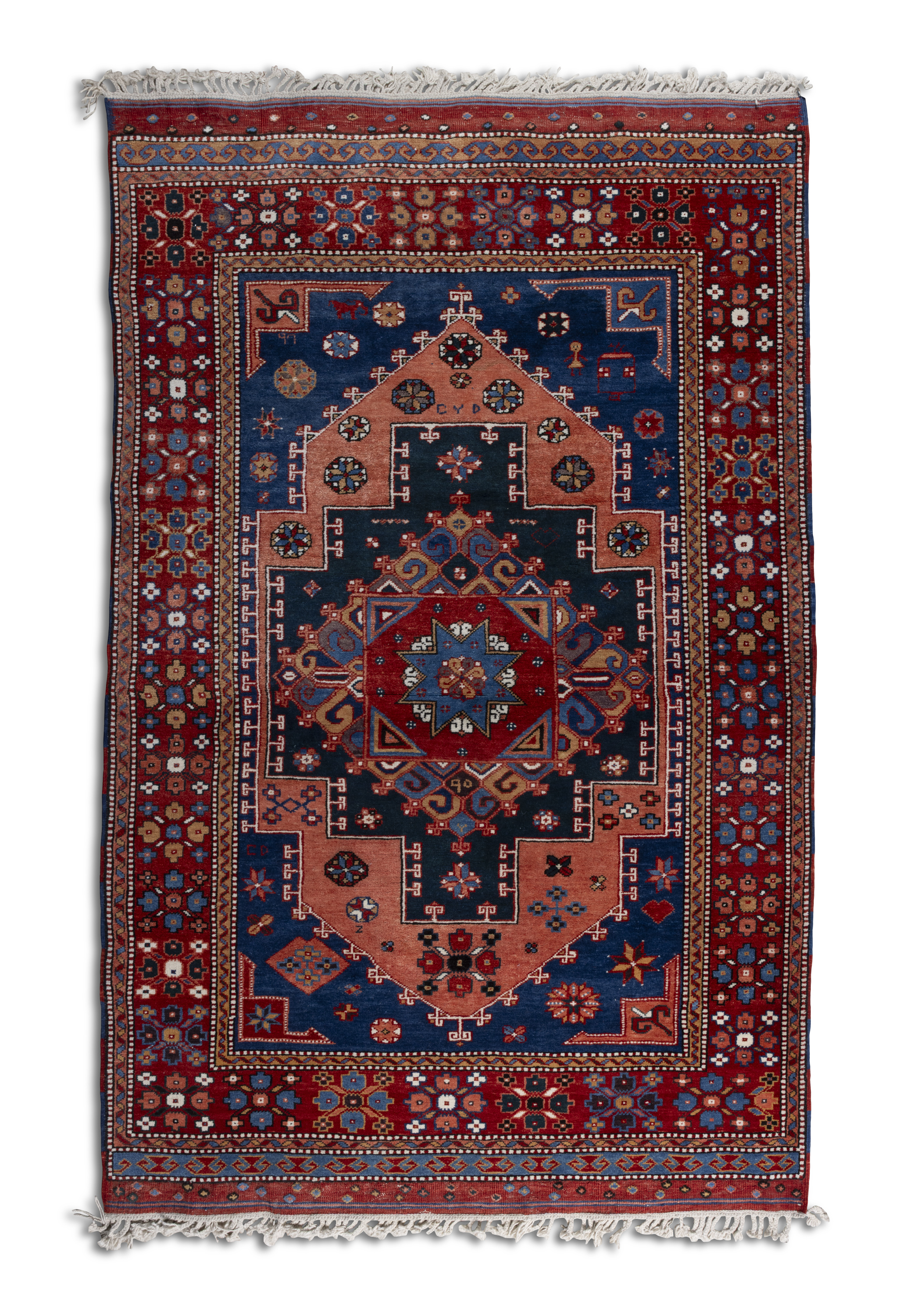
As I worked on my Aubusson tapestries, I began to be interested in the design and manufacture of ‘tapis,’ or hand-tufted woollen carpets. Since 2004, I have worked with the Dixon Carpet Company in the west of Ireland, designing and manufacturing large rugs for both floors and walls. The Dixon family have worked with many well-known artists to produce commissioned rugs and carpets for a worldwide clientele. The works may be produced on a very large scale and made using different weaves and thicknesses of pile. As with tapestries, the wool in these rugs lends a natural sheen to the colours, which gives them their unique vibrance.”
Bidding is open for the Graham Knuttel Auction on our website now and will close on Tuesday 10th February from 2pm.
Public in-person viewing will take place at 26 St Stephen's Green, Dublin 2, Friday 6th - Monday 9th February.


.jpg)

.png)
.png)
.jpg)

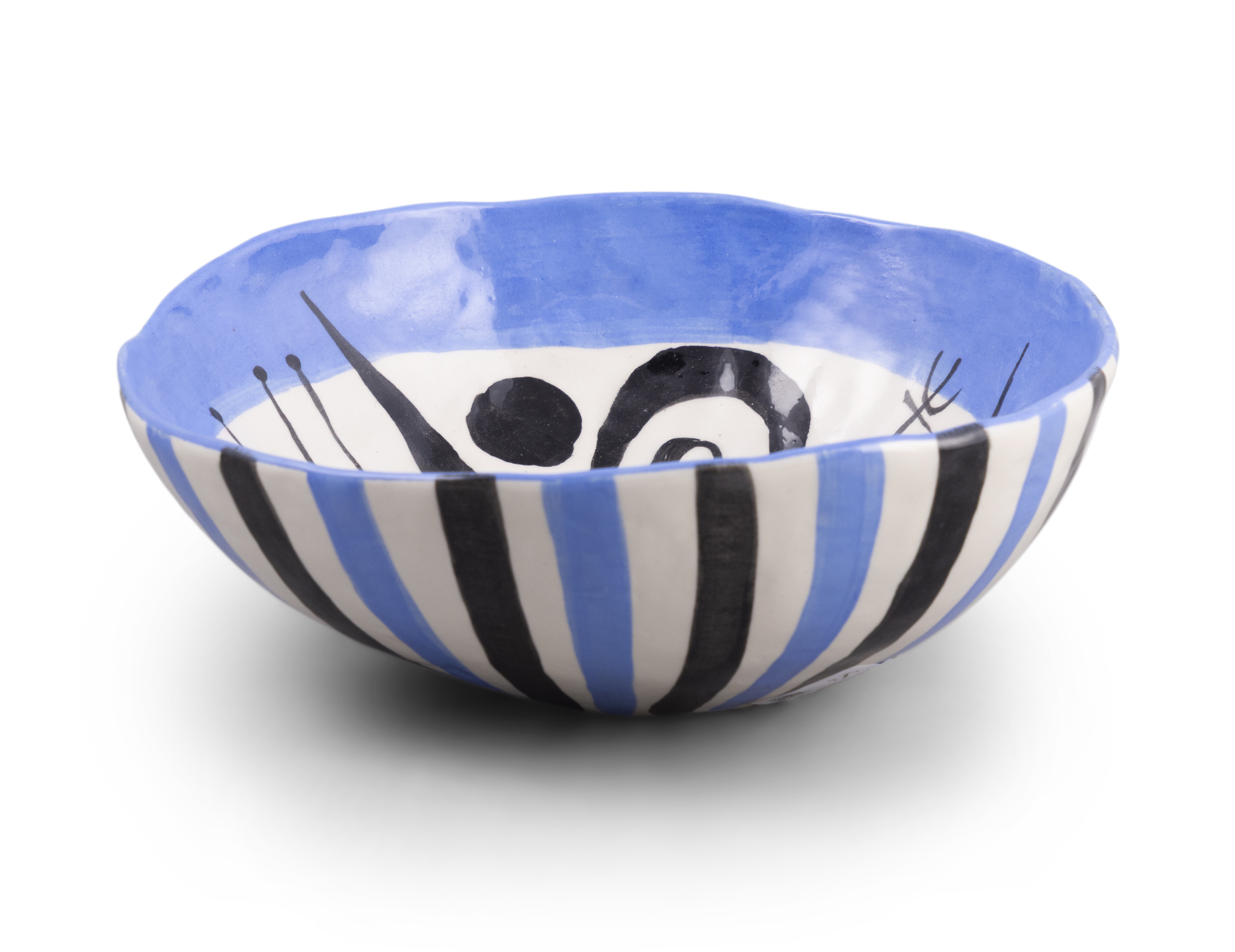
John ffrench was an instrumental figure in the design industry in Ireland and a distinguished pioneer of Irish studio pottery.

)%20(1).jpg)
%20(002).png)
%20(2).jpg)


%20(1200%20x%20768%20px)%20(2).png)
.png)

.png)

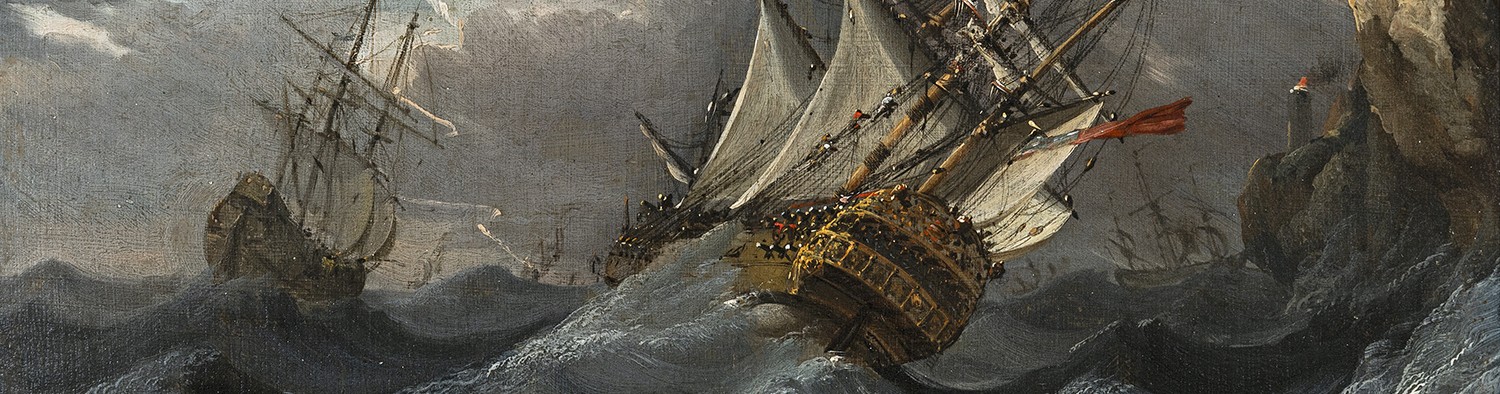
"I should declare my hand. I have a weakness for pictures that punch above their physical weight, and for artists who have been quietly underrated for too long. This pair is both. They are intimate enough to live with at close quarters and serious enough to repay any amount of looking. If the market has lately shown signs of catching up with eighteenth-century Irish painting and I think it has, these two small panels feel, to me, like exactly the sort of thing that will look obvious in twenty years’ time."


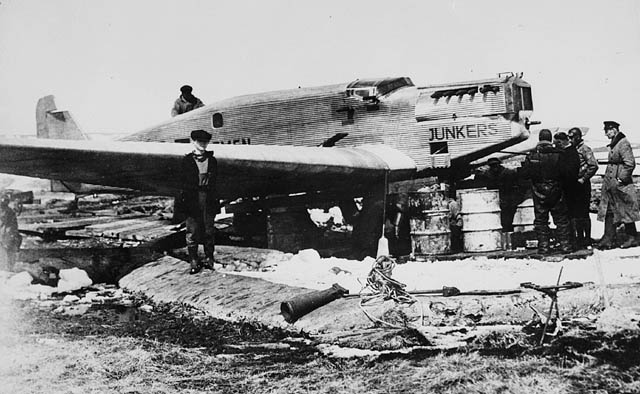
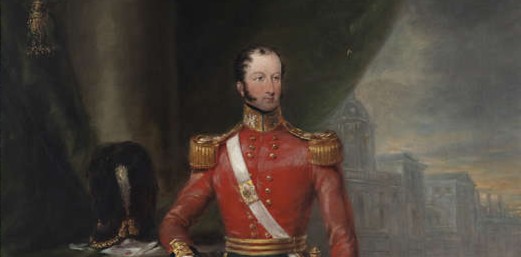
Adam’s is honoured to present works from the collection of Lord Rossmore in the upcoming Country House Collections auction at Howth Castle on 28th April. It is seldom that an influential Irish family collection that has survived through the generations comes to the open market.
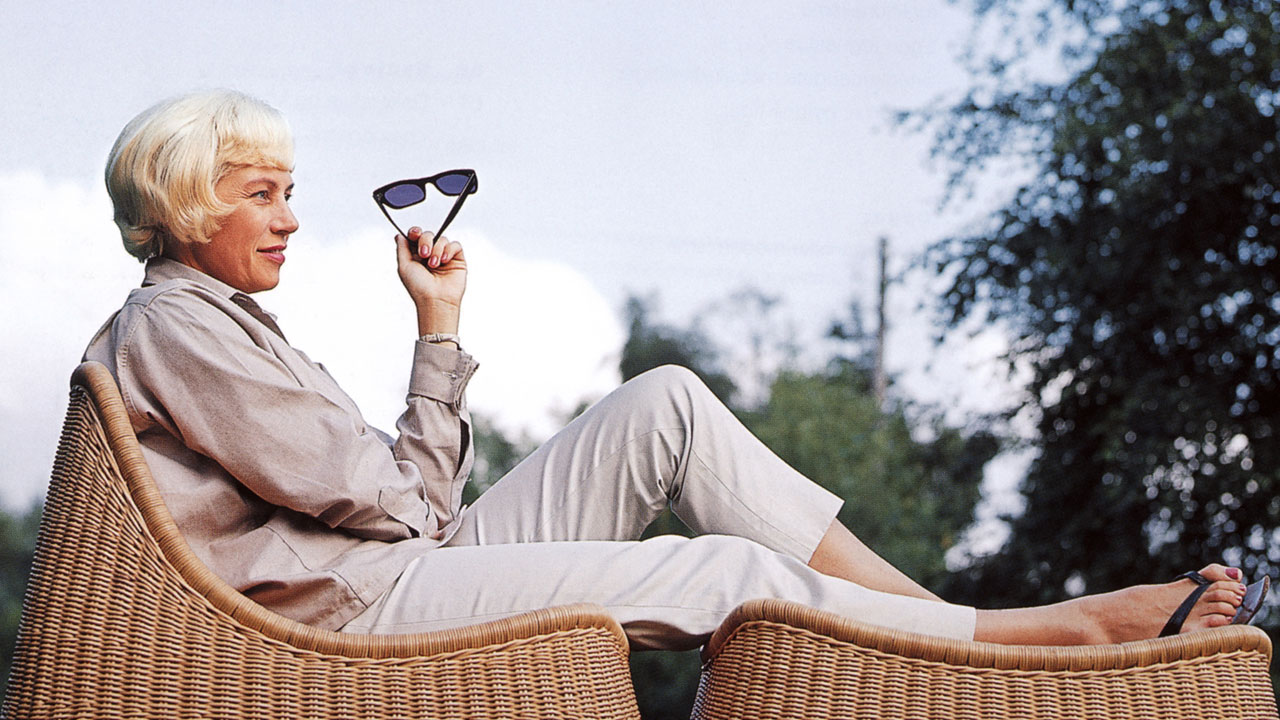

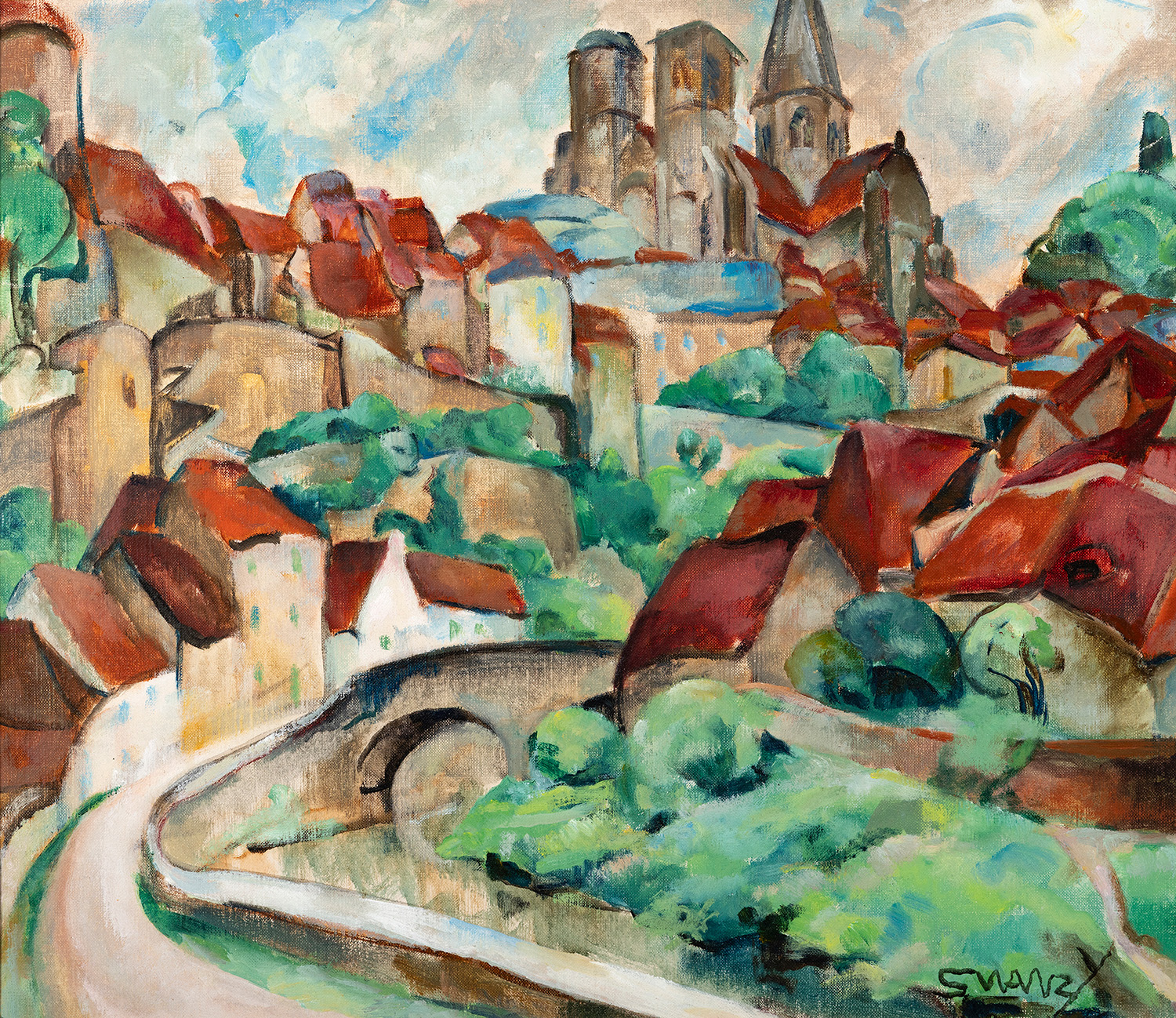
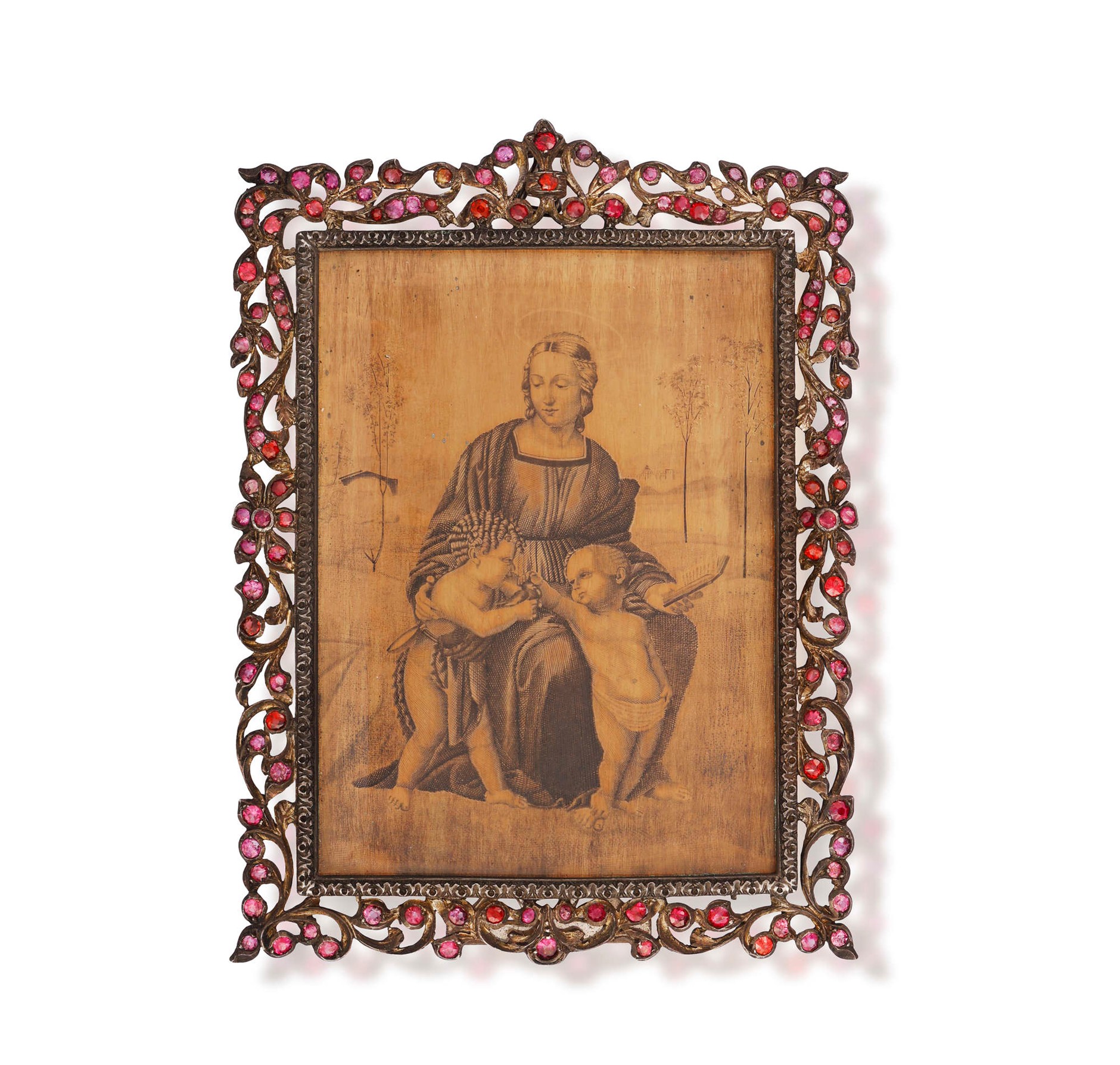
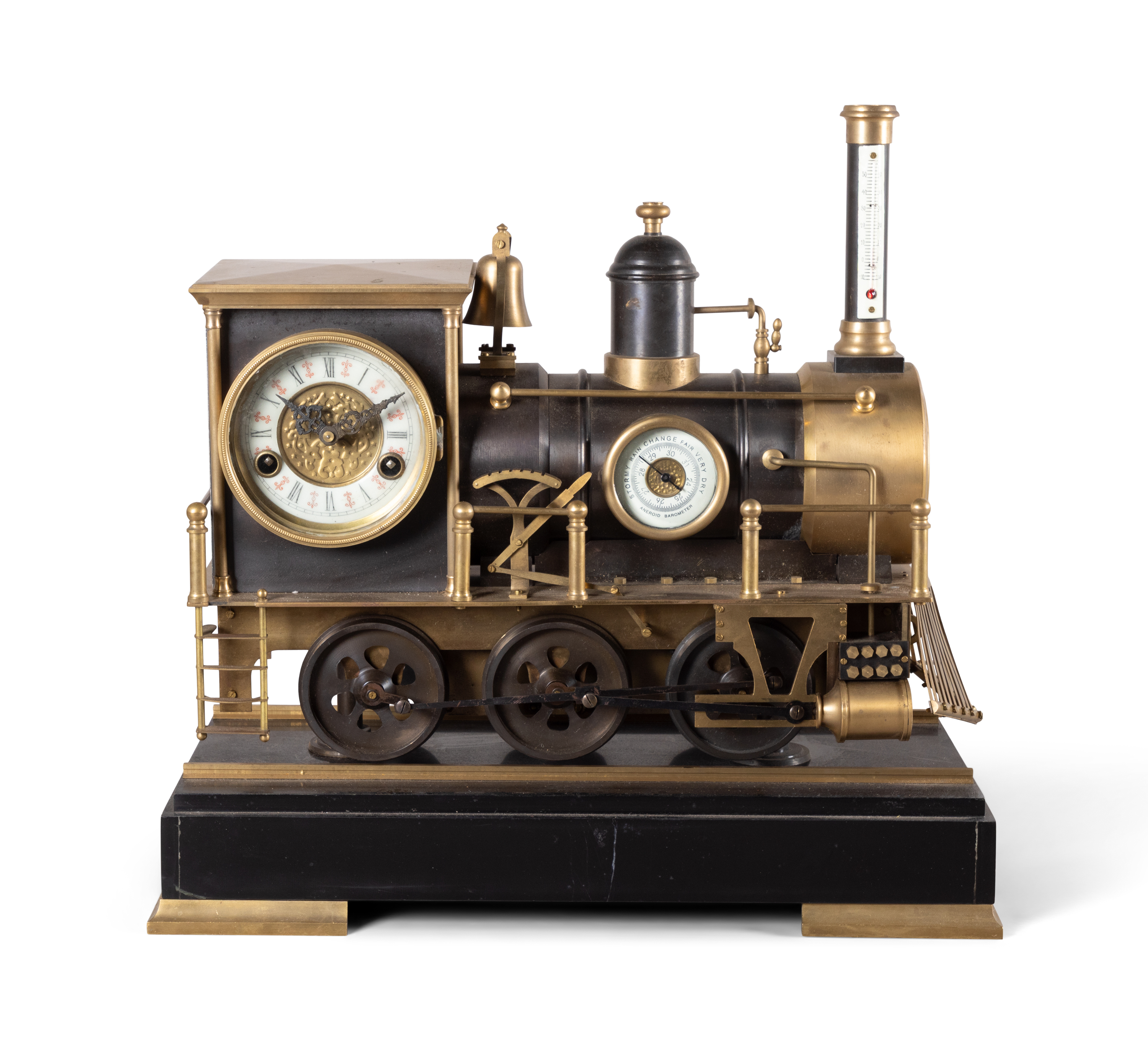
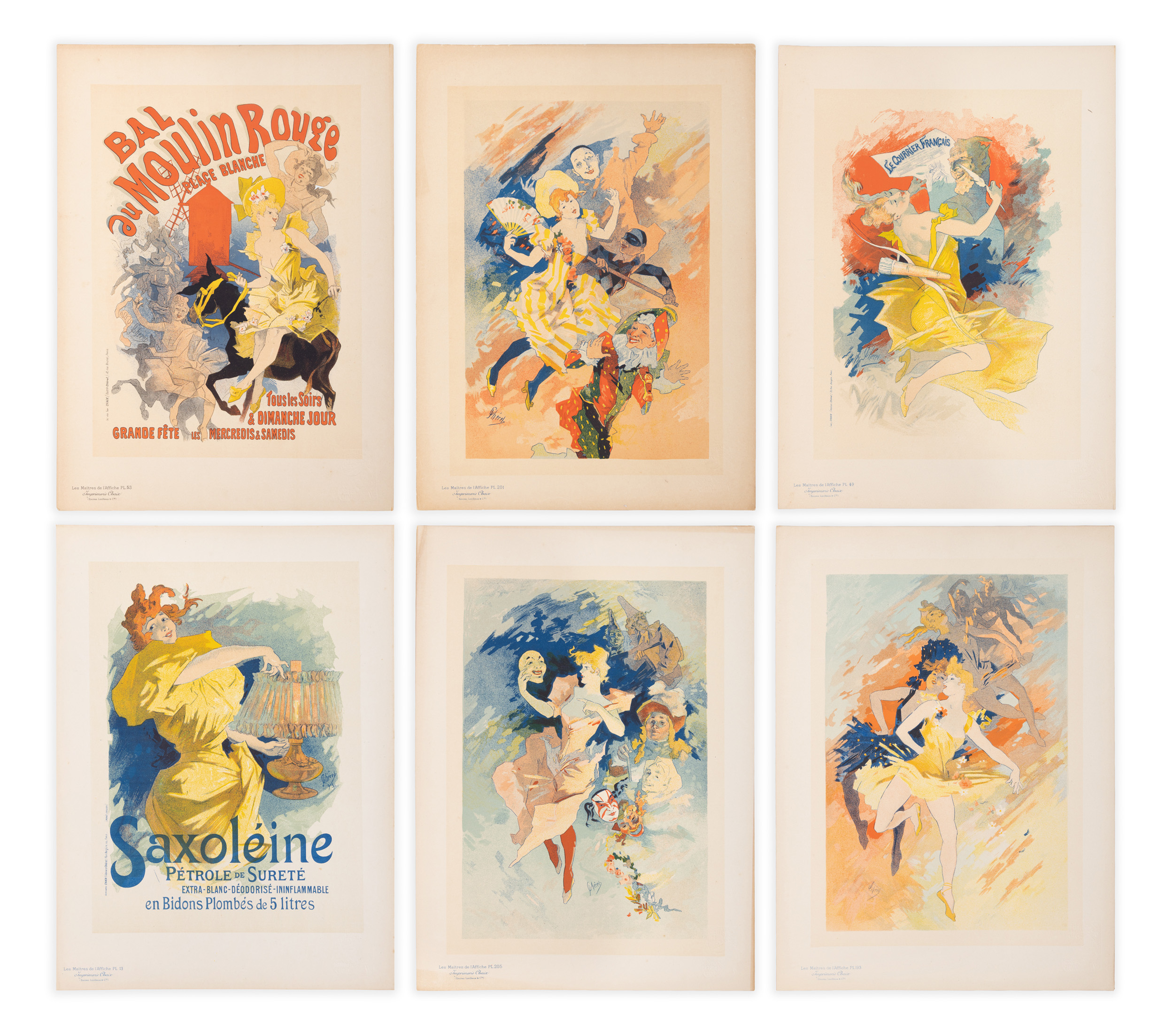

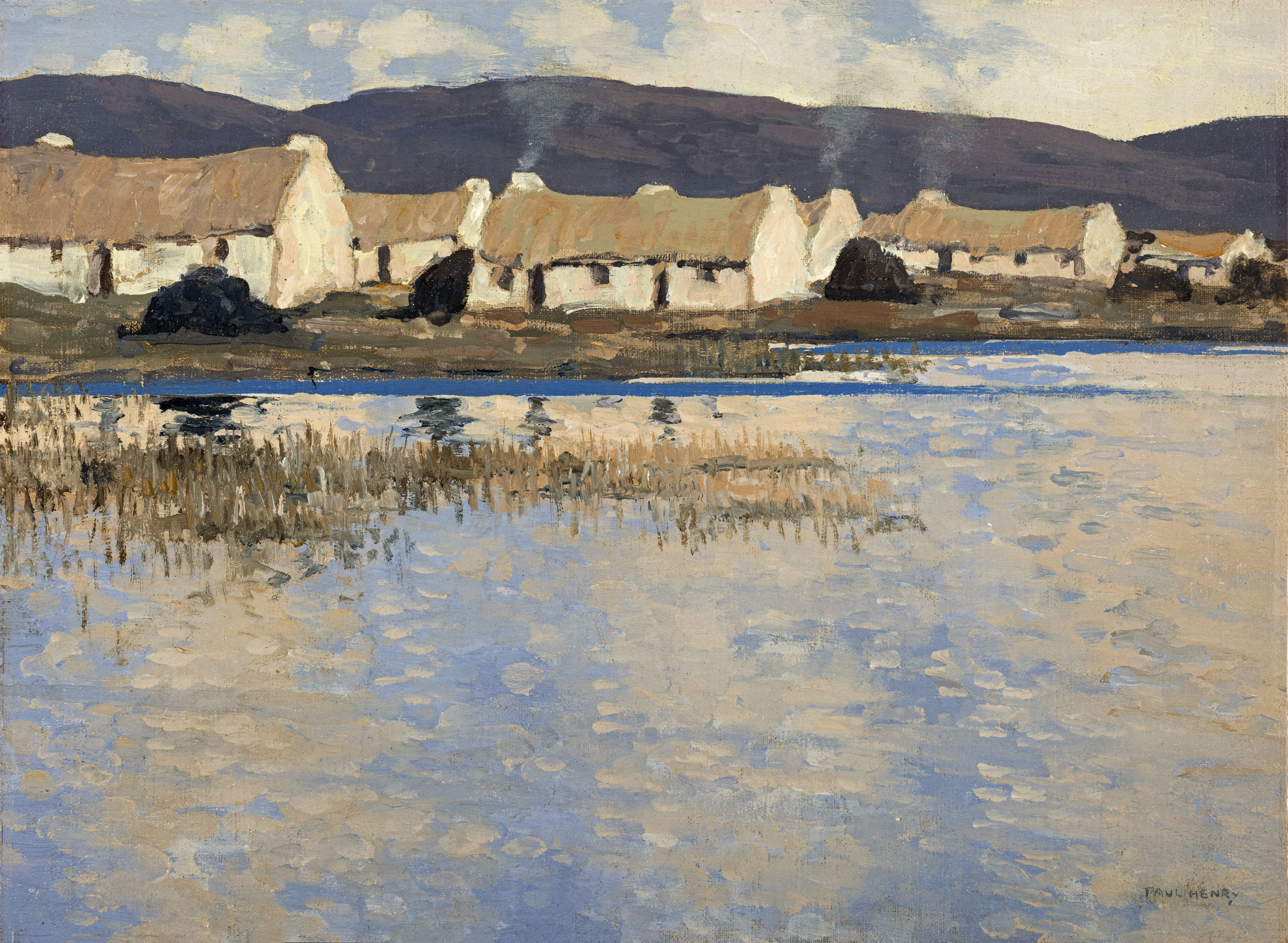
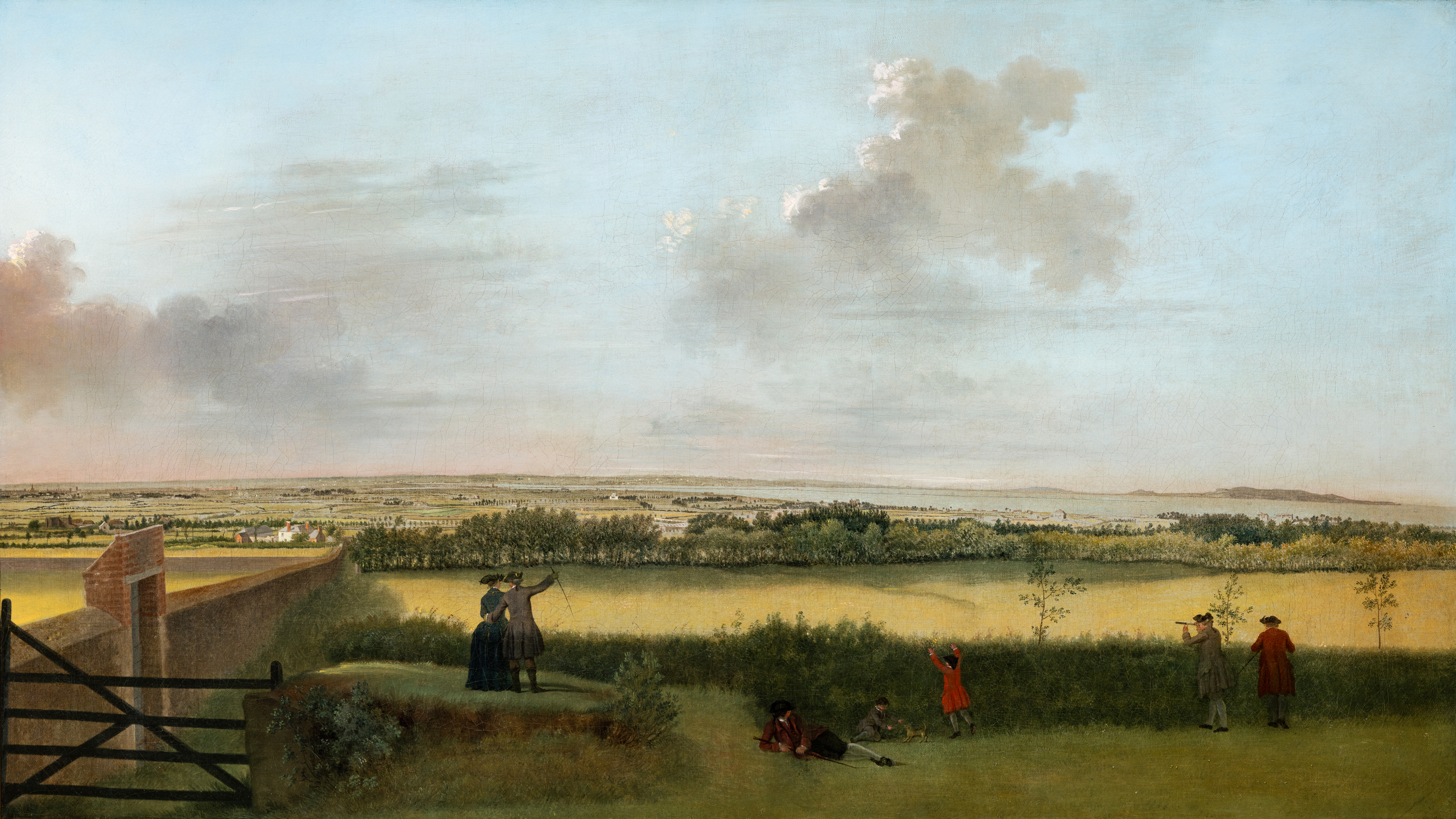
Works Sold at Adam’s Now in the Irish National Collection
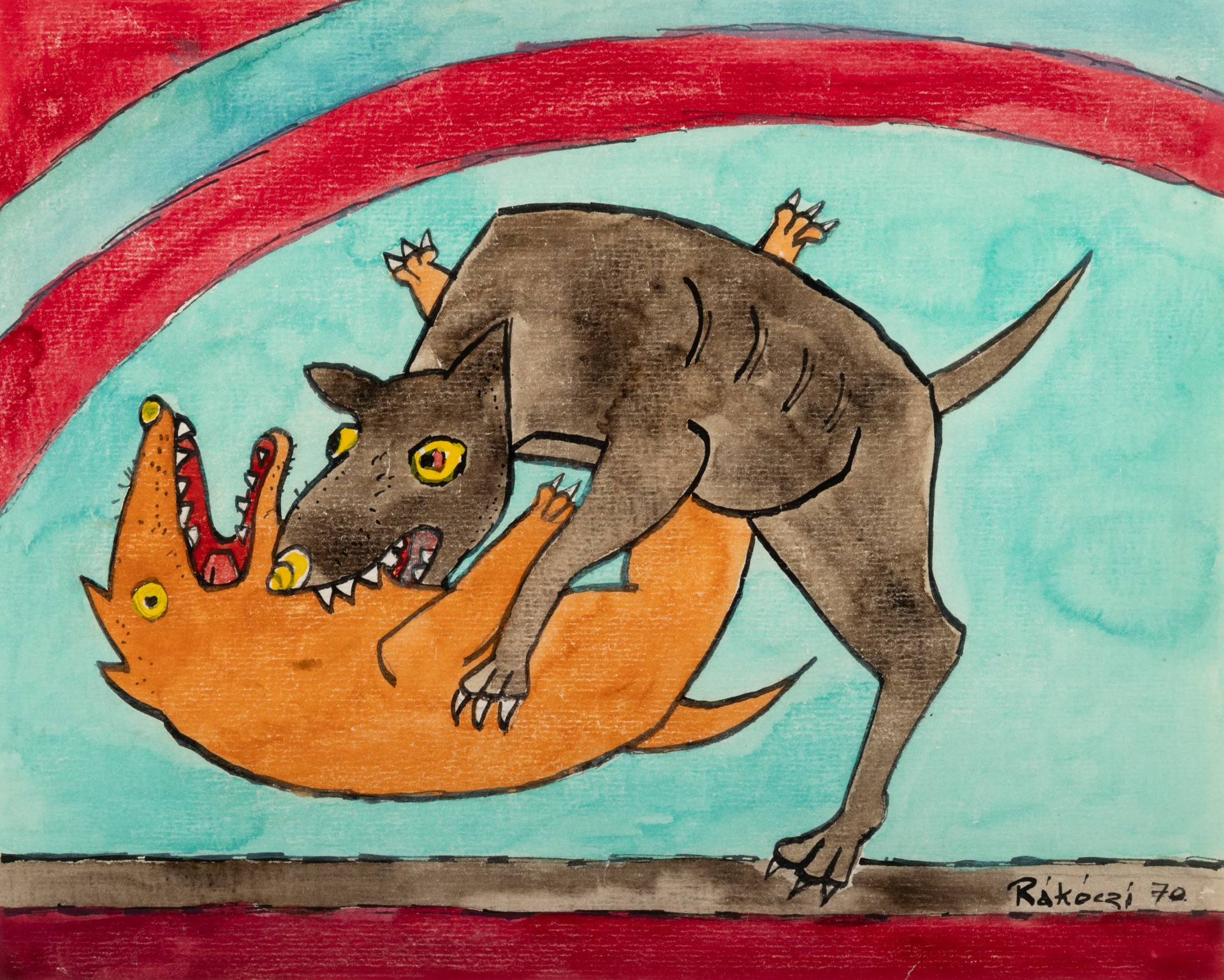
A great opportunity to purchase both established and lesser-known artist’s work at an accessible price point, the Online Picture Auction is the first of many sales to be hosted at Adam’s in 2026. It is perfect for those looking to start a collection and the discerning collector alike.


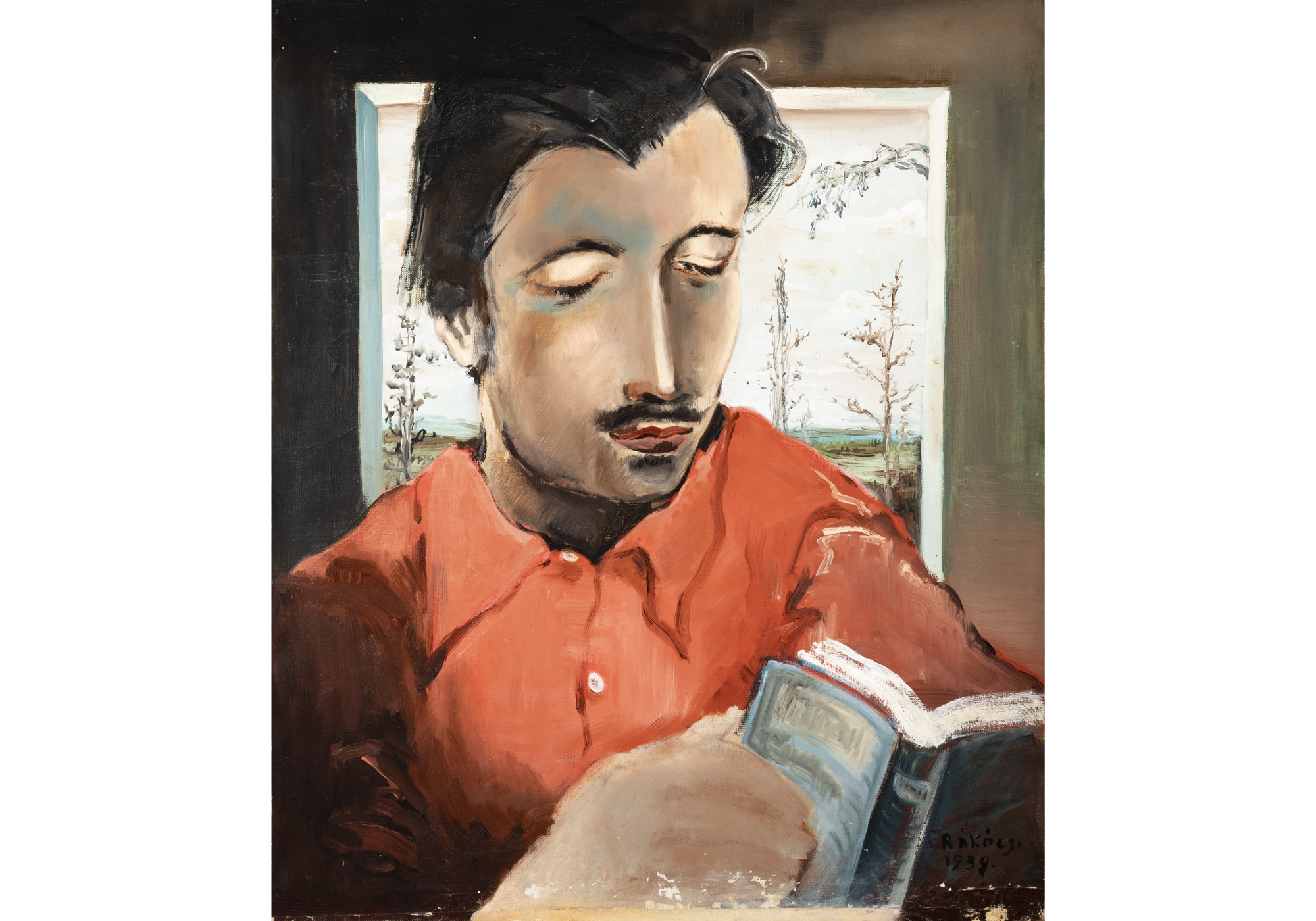
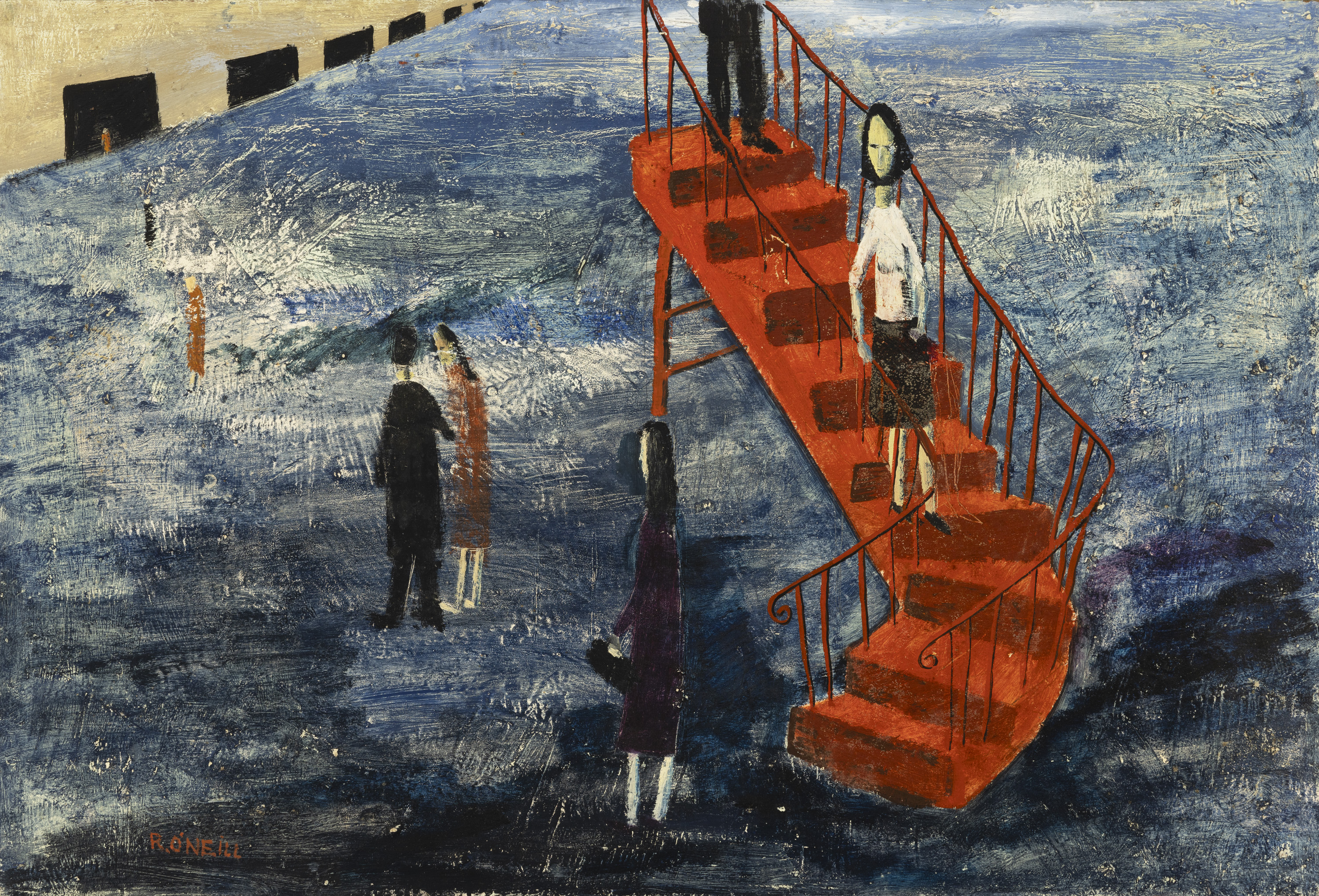
Through this article, let our expert Adam Pearson guiding you to the (re)discovery of the once established Irish painter Richard O’Neill.


Buying at Auction and the Role of Antiques in a Modern Home


Important Irish Art Auction Highlights

Oliver Dowling Collection by Aidan Dunne


James Adam & Sons Ltd, Fine Art Auctioneers and Valuers, 26 St. Stephen’s Green, Dublin 2,
D02 X665, Ireland


