
menu
Departments
.svg)
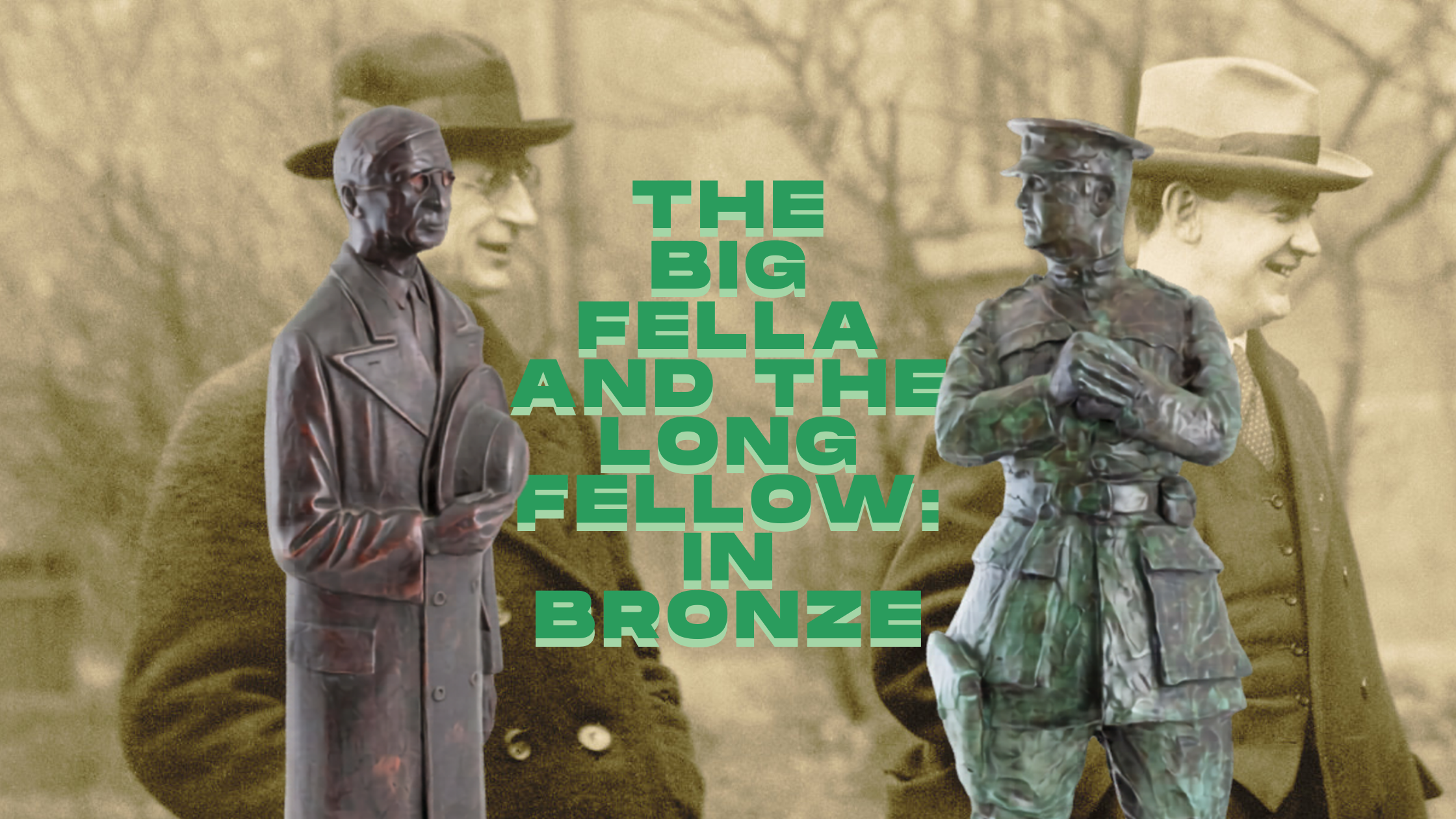

In the realm of Irish historical sculpture, few subjects carry the emotional and political weight of Michael Collins and Éamon de Valera. The two bronzes presented here, by Eamonn O’ Doherty (b.1939) and James Connolly (b.1937), offer not only refined artistic achievements but also a compelling dialogue with one of the most defining and complex periods in Irish history, the Irish Civil War.
O’ Doherty’s General Michael Collins (lot 19) is a work of striking authority and restraint. Executed in bronze and conceived during the artist’s mature period, the sculpture presents Collins in his National Army uniform, marking a deliberate departure from the more familiar imagery of the elusive revolutionary figure of the War of Independence. This is Collins as a statesman and commander, a man operating within the fragile framework of a newly formed state.

The sculptor’s attention to historical accuracy is evident in every detail, from the Sam Browne belt to the composed, arms-folded stance. Yet it is the psychological depth of the work that elevates it beyond portraiture. Collins appears resolute but introspective, embodying the immense pressures of leadership during a time of national fracture. This was the moment when the promise of independence gave way to internal division, culminating in civil war. By choosing to depict Collins at this juncture, O’ Doherty captures not only a likeness but a transformation, from revolutionary tactician to architect of statehood.
The sculpture resonates deeply when considered against the events that followed. Collins’s support for the Anglo-Irish Treaty positioned him at the centre of a national schism. His role as Commander-in-Chief of the National Army placed him in opposition to former comrades, a tragic dynamic that defines the Civil War narrative. His death at Béal na Bláth in August 1922 sealed his legacy in a moment of unresolved tension, and O’ Doherty’s work reflects this with quiet power. It stands as both commemoration and contemplation, inviting the viewer to consider the cost of political transition.
In dialogue with this is the bronze maquette of Éamon de Valera by James Connolly (lot 90). Though smaller in scale, it carries a presence that is no less significant. As a preparatory model for the larger monument in Ennis, this piece represents the distilled essence of Connolly’s approach to portraiture, one that prioritises clarity of form and a dignified representation of character.
De Valera’s historical position offers a compelling counterpoint to Collins. Where Collins accepted the Treaty as a necessary compromise, de Valera rejected it, becoming the leading political voice of the anti-Treaty side during the Civil War. This divergence placed the two men on opposing sides of a conflict that would shape the future of the Irish state. In this context, the pairing of these sculptures is particularly poignant. Together, they embody the ideological divide at the heart of the Civil War yet also reflect a shared commitment to Irish self-determination.

Connolly’s rendering of de Valera captures the enduring qualities that defined his long career. There is a sense of composure and intellectual gravity in the modelling, suggestive of a figure whose influence extended far beyond the revolutionary period. Unlike Collins, whose life and career were cut short, de Valera would go on to dominate Irish political life for decades, serving multiple terms as Taoiseach and later as President. His legacy is one of continuity and state consolidation, in contrast to Collins’s association with foundation and rupture.
What distinguishes this maquette is its intimacy. As a study for a larger public work, it offers insight into the sculptor’s process while retaining the authority of a finished piece. Its provenance, including its connection to significant diplomatic figures, further enhances its importance. It stands not only as a representation of de Valera but as an artefact within the broader narrative of how Ireland chooses to remember its leaders.
Taken together, these two works form a powerful visual and historical pairing. They are united by medium and subject yet defined by contrast in both artistic interpretation and historical significance. Each sculpture reflects a different facet of leadership during a period of profound uncertainty. Each engages, in its own way, with the legacy of the Civil War.
For collectors and institutions alike, these bronzes offer an exceptional opportunity. They are works of high artistic calibre by established Irish sculptors, grounded in rigorous historical understanding. More importantly, they encapsulate a narrative that remains central to Irish identity. Through their form and presence, they bring into focus the individuals and decisions that shaped the nation. In presenting these pieces, one is reminded that sculpture has a unique capacity to anchor history in physical form. Here, that capacity is realised with clarity and purpose. O’ Doherty and Connolly do not merely depict their subjects. They interpret them, situating each figure within the broader arc of Irish history. The result is a pairing that is as intellectually engaging as it is visually compelling, and one that speaks directly to the enduring significance of the Civil War in Ireland’s cultural memory.
Emmalie Conroy
April 6th 2026
.jpg)

.png)
.png)
.jpg)

John ffrench was an instrumental figure in the design industry in Ireland and a distinguished pioneer of Irish studio pottery.

)%20(1).jpg)
%20(002).png)
%20(2).jpg)


%20(1200%20x%20768%20px)%20(2).png)
.png)

.png)

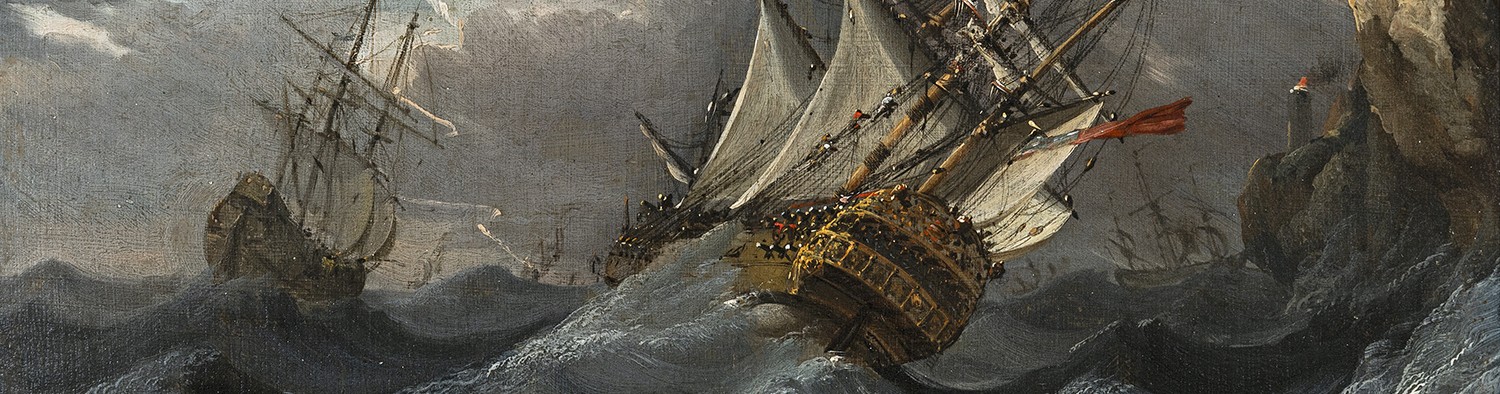
"I should declare my hand. I have a weakness for pictures that punch above their physical weight, and for artists who have been quietly underrated for too long. This pair is both. They are intimate enough to live with at close quarters and serious enough to repay any amount of looking. If the market has lately shown signs of catching up with eighteenth-century Irish painting and I think it has, these two small panels feel, to me, like exactly the sort of thing that will look obvious in twenty years’ time."
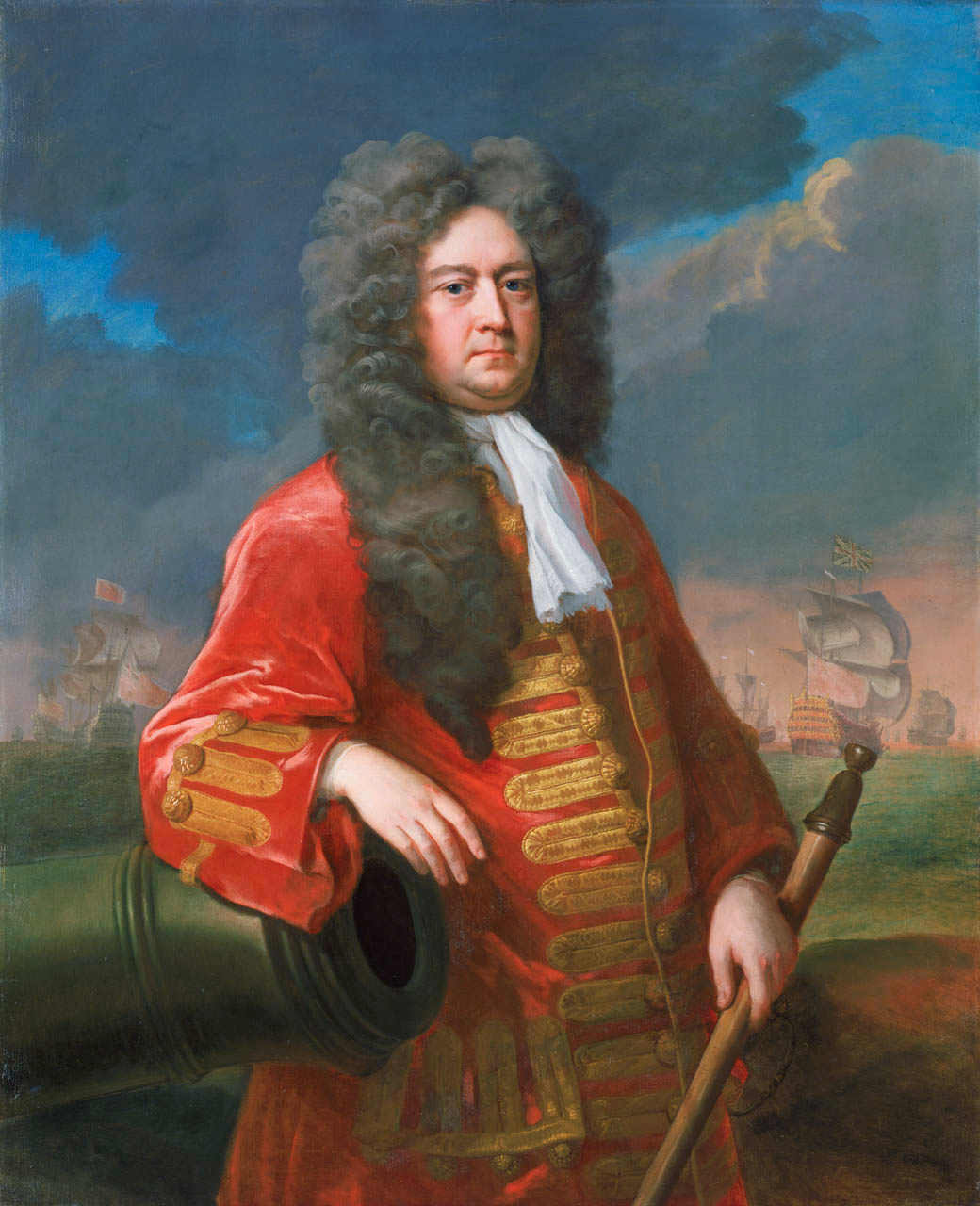


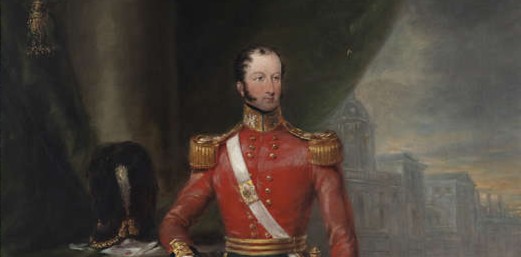
Adam’s is honoured to present works from the collection of Lord Rossmore in the upcoming Country House Collections auction at Howth Castle on 28th April. It is seldom that an influential Irish family collection that has survived through the generations comes to the open market.
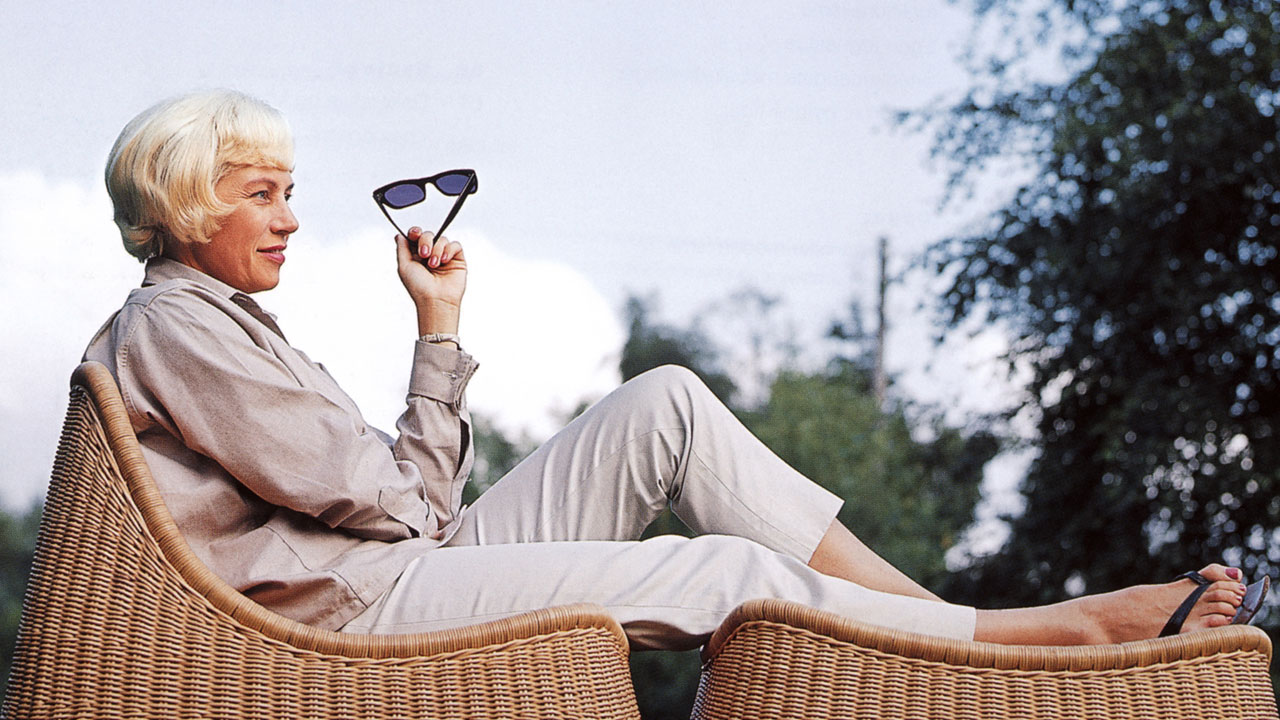
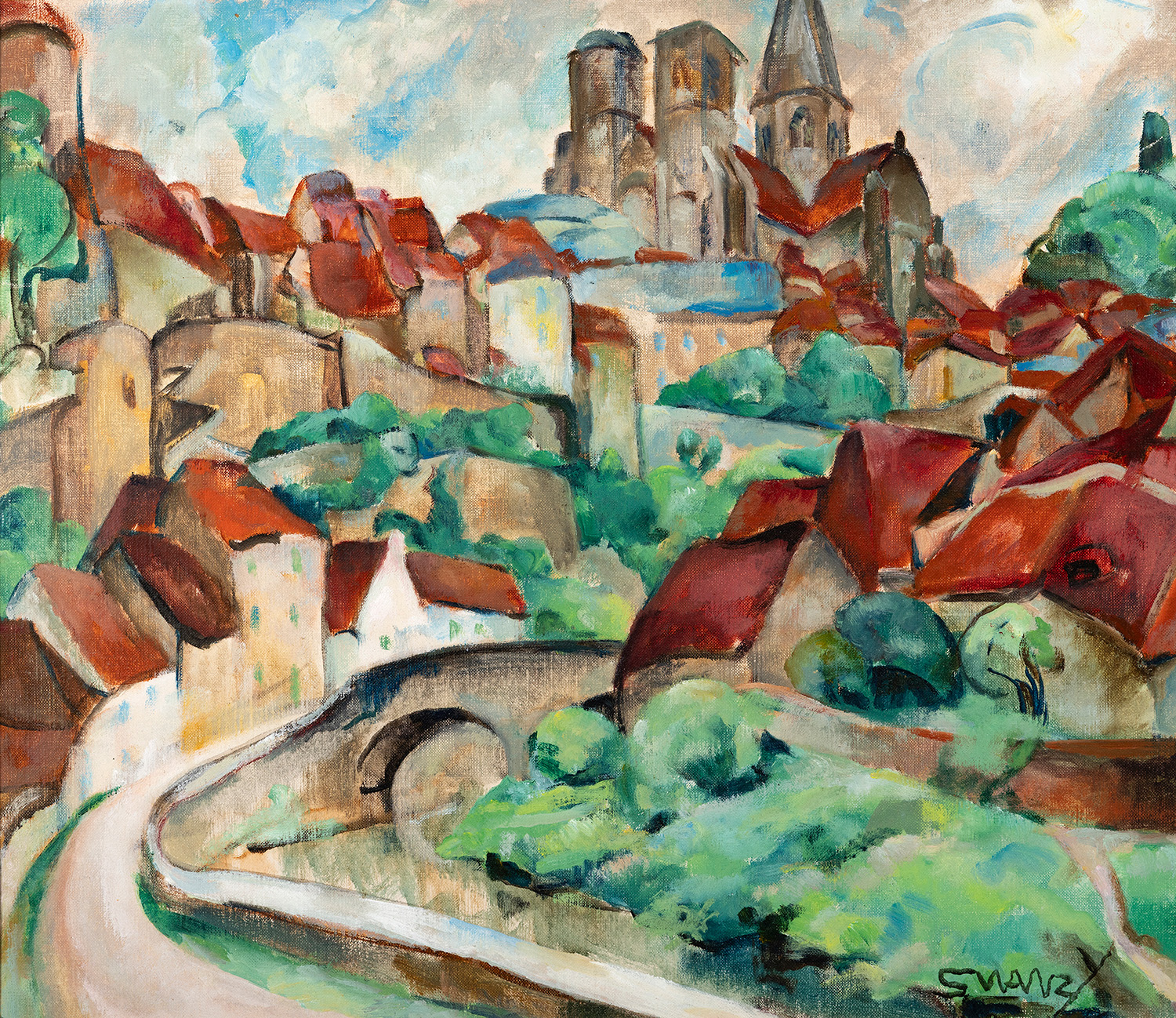

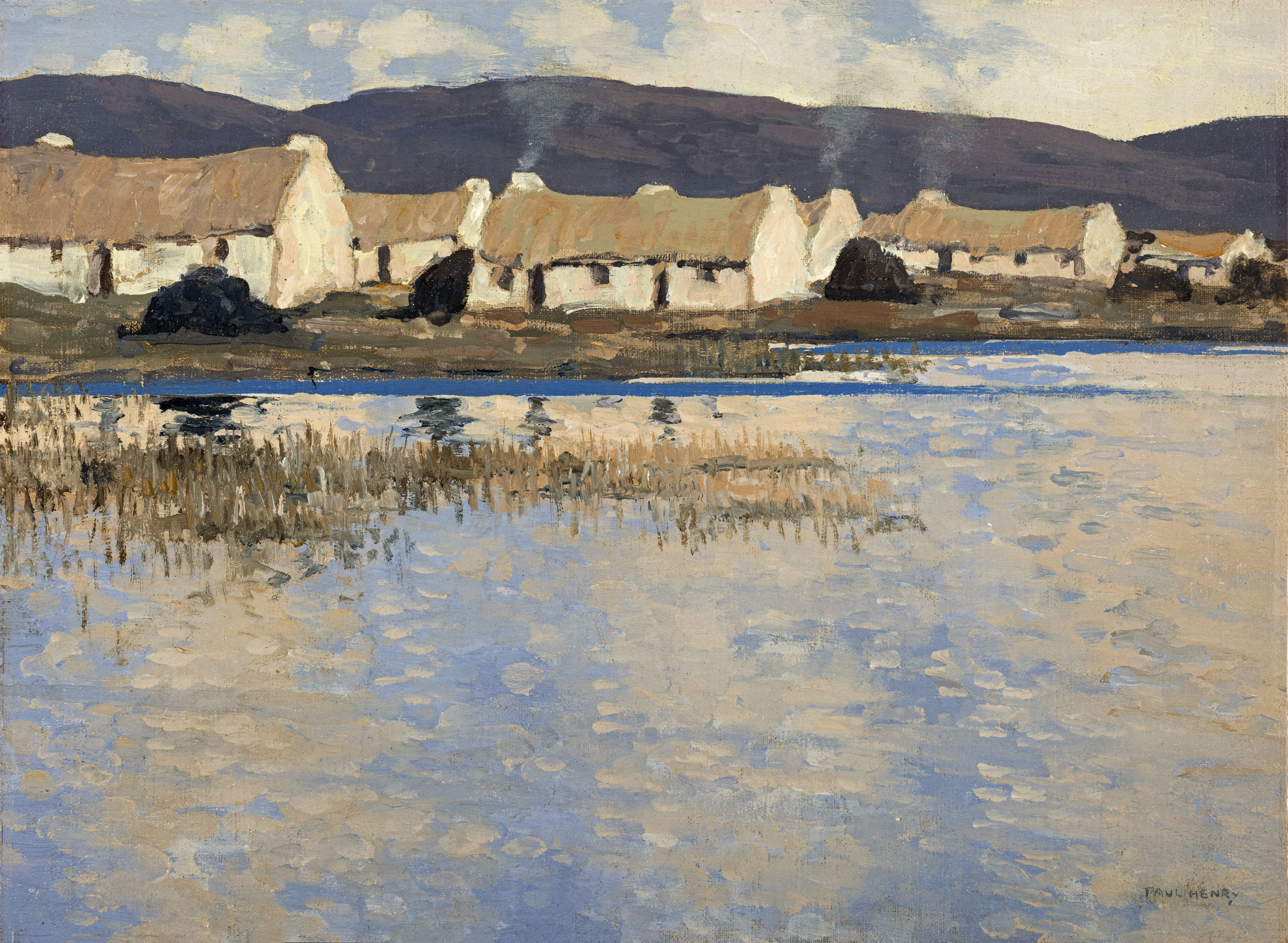
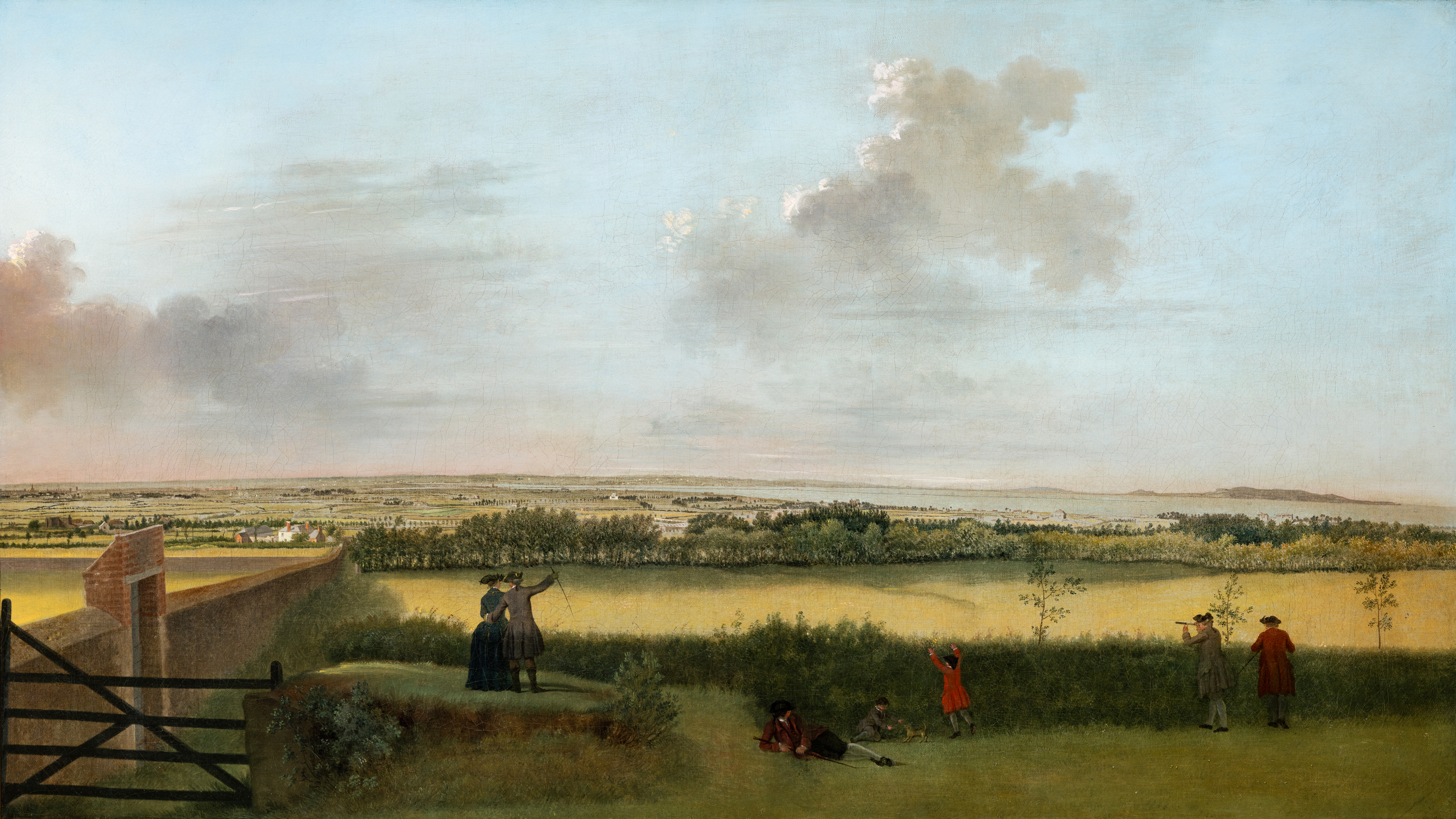
Works Sold at Adam’s Now in the Irish National Collection
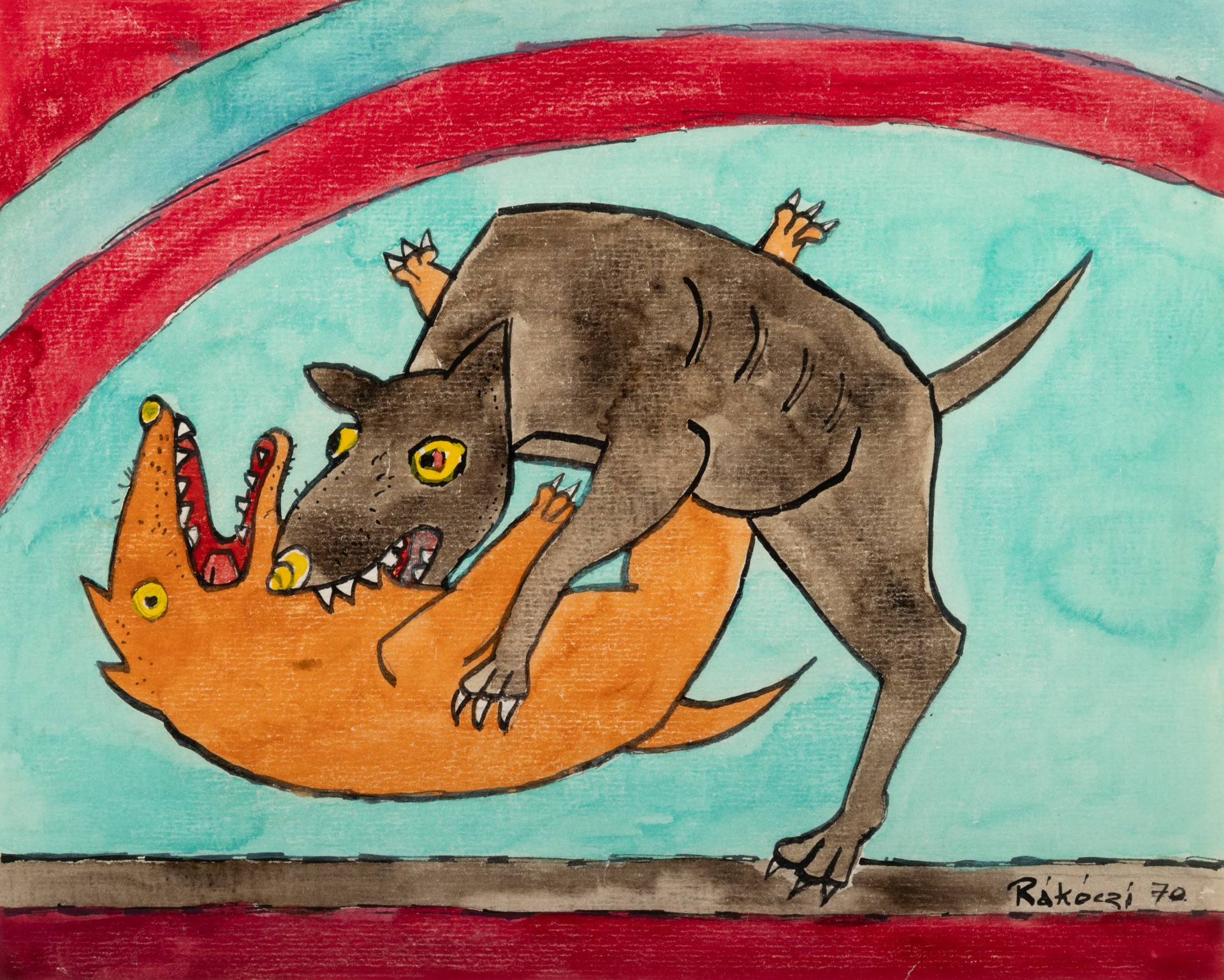
A great opportunity to purchase both established and lesser-known artist’s work at an accessible price point, the Online Picture Auction is the first of many sales to be hosted at Adam’s in 2026. It is perfect for those looking to start a collection and the discerning collector alike.


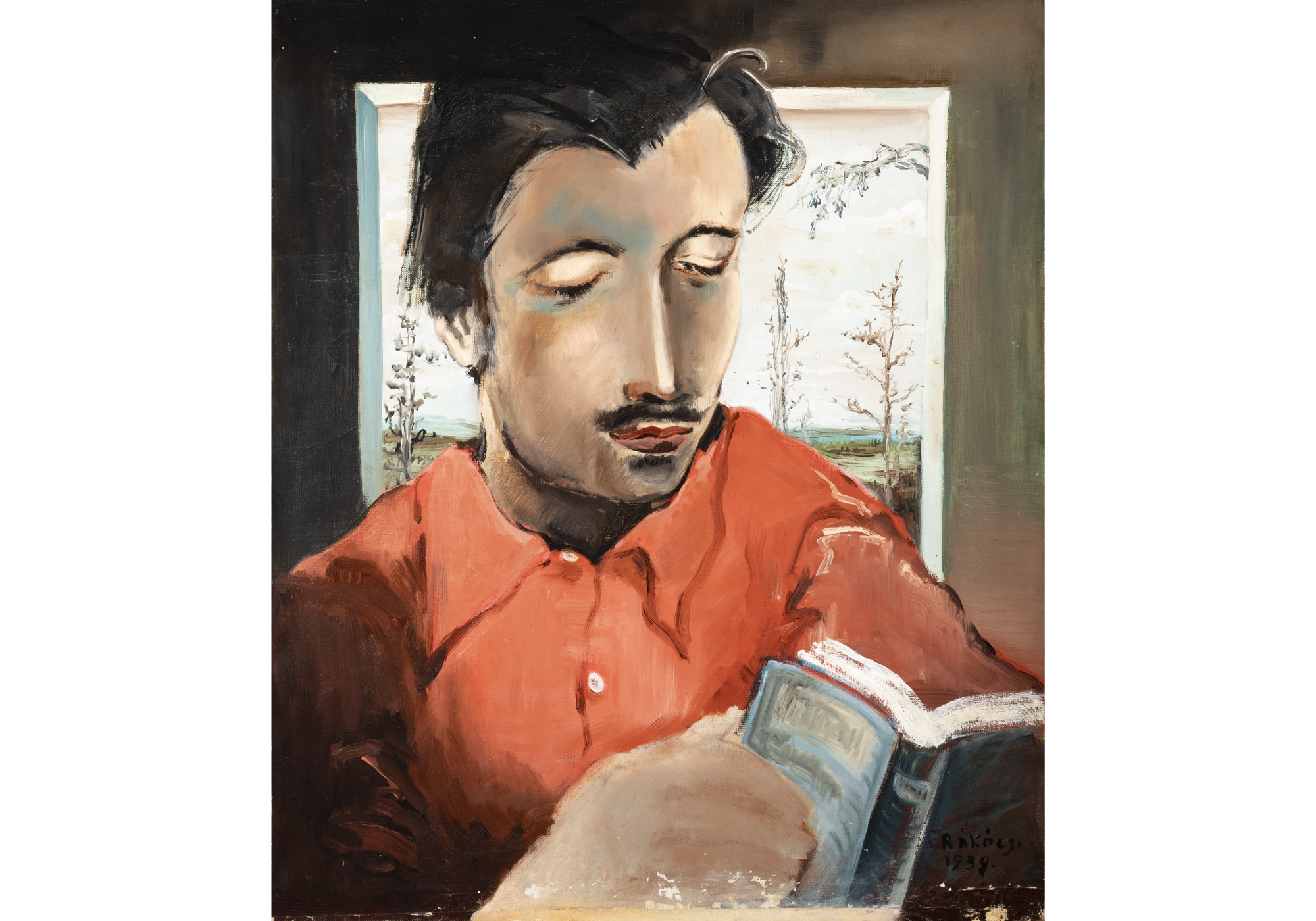
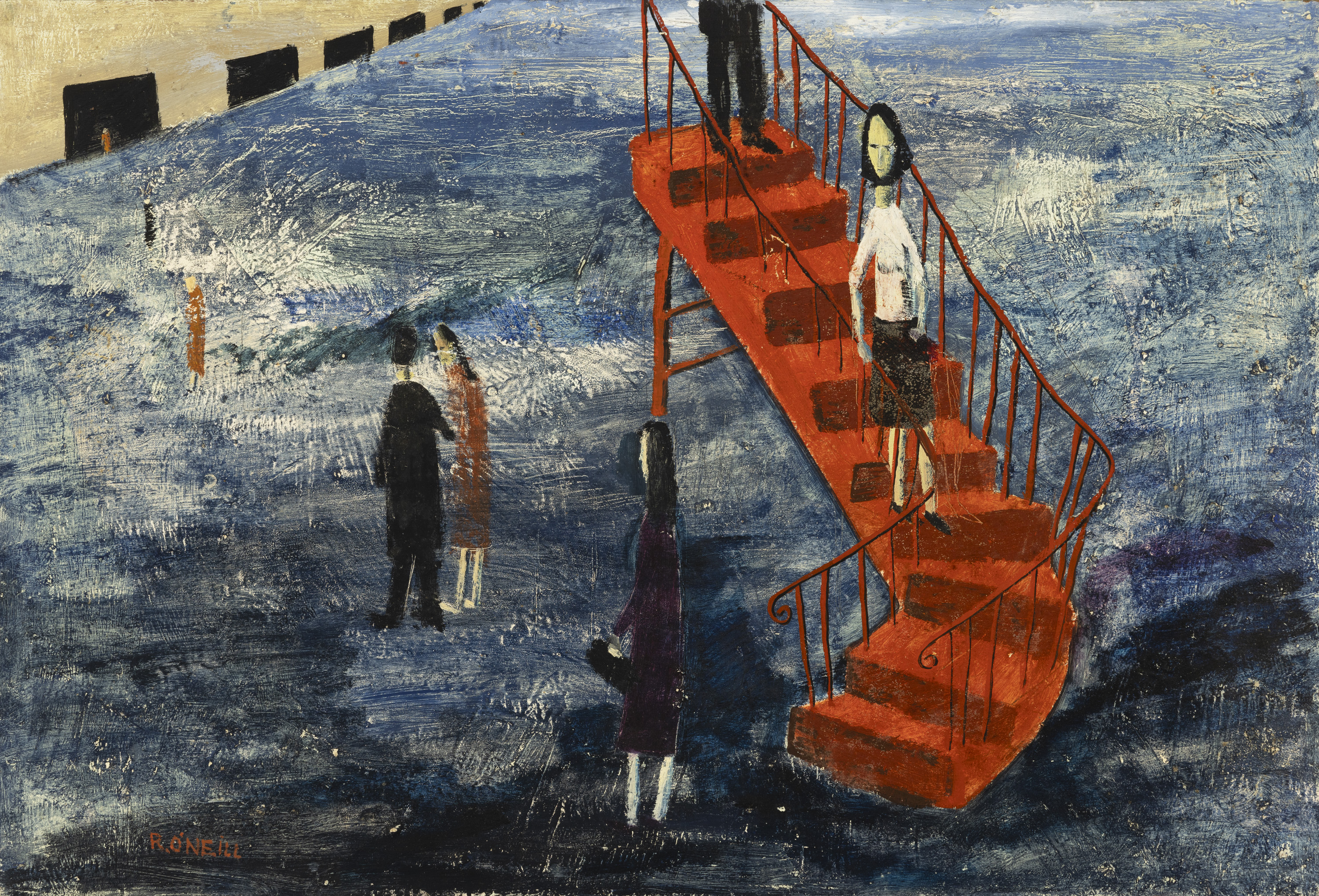
Through this article, let our expert Adam Pearson guiding you to the (re)discovery of the once established Irish painter Richard O’Neill.


Buying at Auction and the Role of Antiques in a Modern Home


Important Irish Art Auction Highlights

Oliver Dowling Collection by Aidan Dunne


2024 is a year in which Adam’s wants to recognise the key role buying antique furniture and furnishings at auction contributes greatly to the sustainable initiative. In 2019 the Environmental Protection Agency reported stark figures that each year in Ireland 1.2 million reusable bulky items, primarily furniture goes into landfill. Similar to the problem of ‘fast fashion’, the constant production and consumption of new items is leading to rapidly growing waste problem. We want to acknowledge those who are already buying second hand or antique furniture at auction and to encourage new buyers by highlighting the benefits of acquiring affordable, well-made quality items that are built to last.


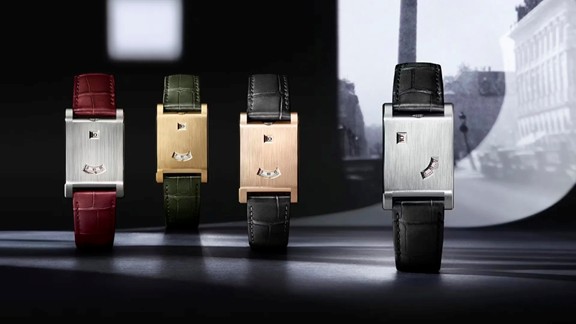
Irish author, recipe creator and lifestyle influencer, Indy Parsons, selects her favourite pieces from our upcoming Fine Jewellery & Watches auction


James Adam & Sons Ltd, Fine Art Auctioneers and Valuers, 26 St. Stephen’s Green, Dublin 2,
D02 X665, Ireland


