
menu
Departments
.svg)


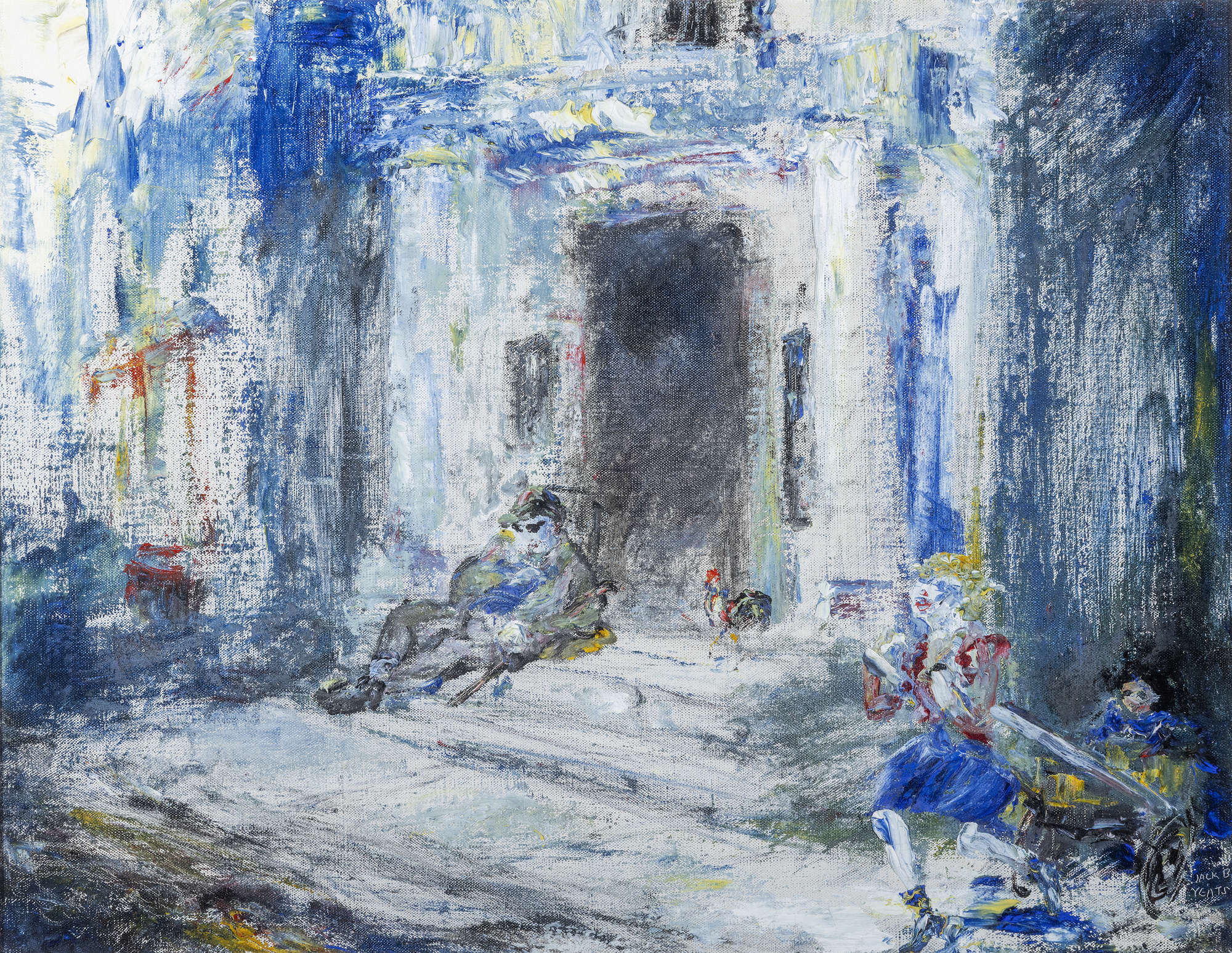
First exhibited at the Irish Exhibition of Living Art (IELA) in Dublin in 1955, alongside Little Girl’s Wonder, Self-Contained Flat, and Inishlacken Couple, this work reached a wider audience when the IELA travelled to Belfast for the first time marking an important new stage of exposure for the artist in his native city. After becoming a committee member of the IELA in 1950, Dillon likely hoped a Belfast audience would become familiar with his work and that of his contemporary Northern Irish artist friends. But owing to its imposing scale, it was his Self-Contained Flat that drew most of the media attention, overshadowing other works in the exhibition.
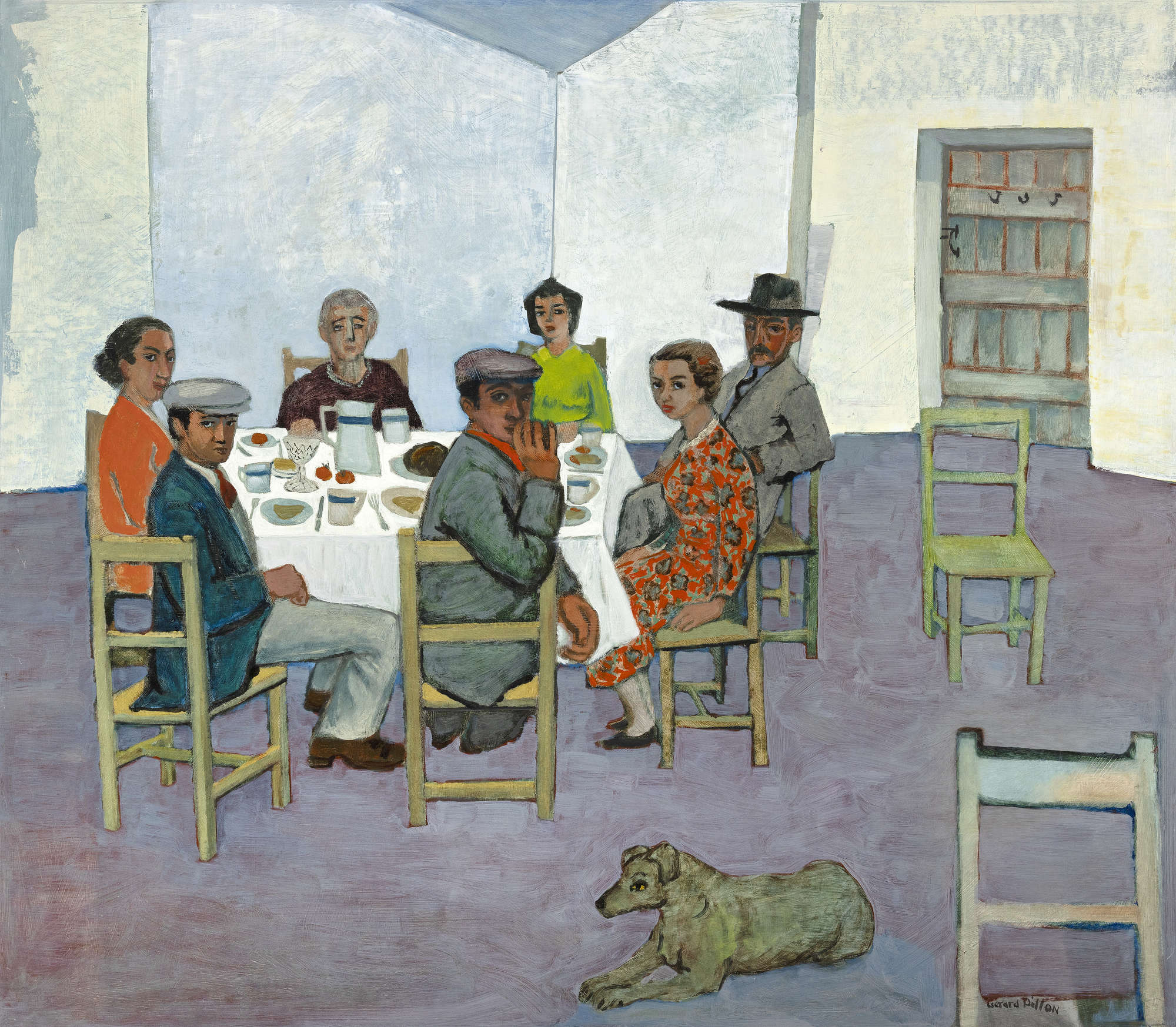
Decades later, interest in Tea Party broadened following a retrospective in Belfast in 2003, when Belfast writer, Gerard Keenan, who knew the artist in the 1950s travelled from London to view the exhibition hanging at the Linen Hall Library and Bernard Jaffa’s Arttank Gallery. When Tea Party was last exhibited in Northern Ireland—as part of Adam’s 2013 summer loan exhibition, Gerard Dillon: Art & Friendships, Hal Rice, who also knew the artist in London in the late 1950s revisited the work and both he and Keenan offered varied interpretations of its narrative. Other visitors approached Tea Party with fresh curiosity, speculating about the identities of the sitters, the context surrounding the scene, the subtle compositional devices, and the artist’s use of colour. Questions also arose about intriguing details within the composition, particularly the chairs, which appear to be deliberately positioned towards the picture plane.
While visiting the exhibition at Clandeboye, Co. Down, in 2013, Hal Rice suggested that the narrative of Tea Party was autobiographical. He pointed to the presence of the artist’s close friends, Madge and George Campbell as well as elements of Dillon’s characteristic impish, wiry humour in the sitters’ facial expressions. In Rice’s view, the central male figure gazing directly at the viewer and wearing a red neck scarf represented the artist himself. Although Dillon’s bald head and moustache are concealed, Rice speculated that the domestic scene may have been inspired by an amusing incident or a moment Dillon wished to capture during one of his visits to Connemara.
Both Tea Party and Little Girl’s Wonder are set within similarly open interior space, where a visible cottage door introduces a sense of ambiguity and spatial tension. Despite their contrasting narratives both works reflect Dillon’s close engagement with the local community in the region. While the artist’s 1993 biography offers limited insight into any friendships he experienced in Connemara, correspondence reveals that during his visits to the west of Ireland, he carried out house repairs and some of these were in lieu of rent particularly when staying in the village of Roundstone.
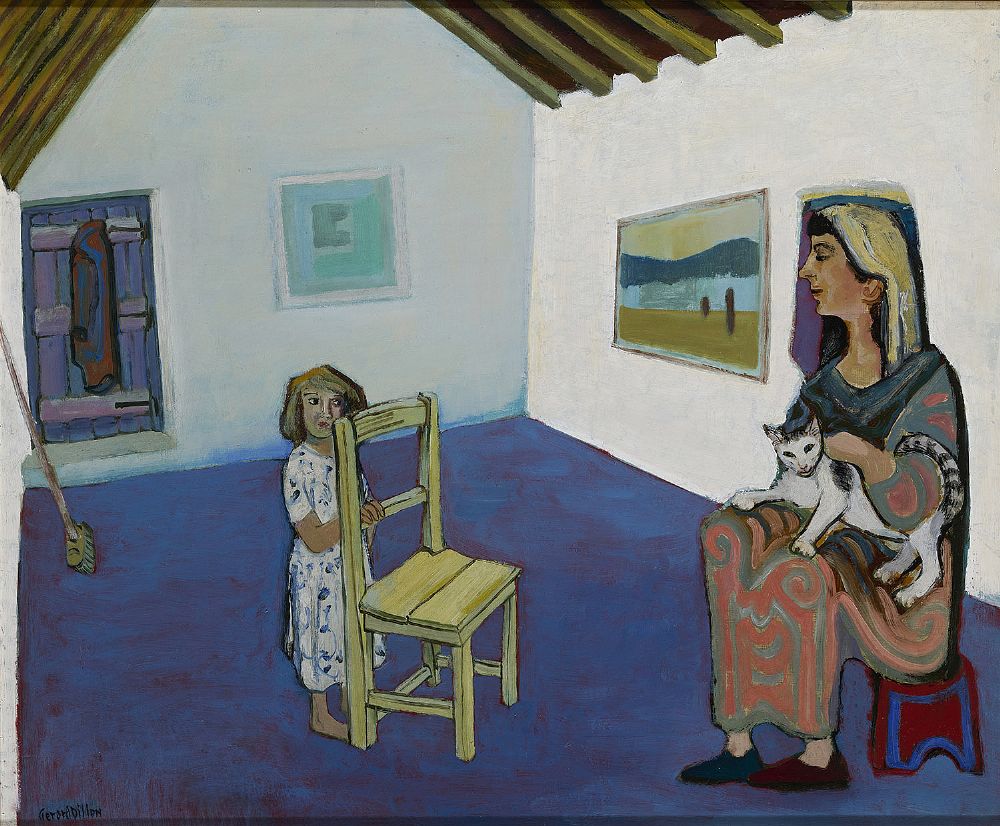
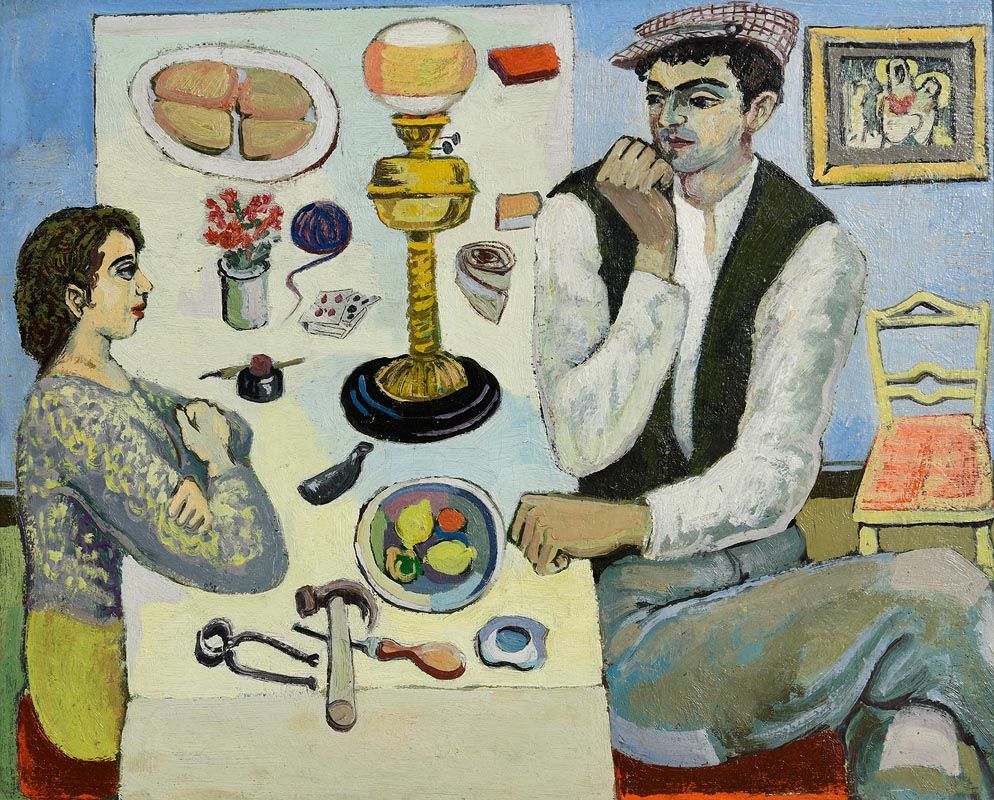
After spending several months over a winter in Roundstone in 1950-1, word spread that the Belfast painter—initially there on a sketching holiday was also a professional decorator. As a result, some local elderly residents employed him to undertake repairs in their homes during his stay. This dual role as artist and craftsman is subtly reflected in another painting from the same period, The Blue Room, where the artist’s tools are depicted on a cottage kitchen table, alluding to his practical work alongside his artistic practice.
The friendships Dillon formed during his annual visits to Roundstone proved invaluable. They not only grounded his work in lived experience but also provided practical support. The bond of friendships allowed him to store materials and unfinished paintings, including a hand-stitched tapestry safely in their homes. The tapestry, Gentle Breeze took three years to complete while the artist travelled between Dublin, Belfast and London.
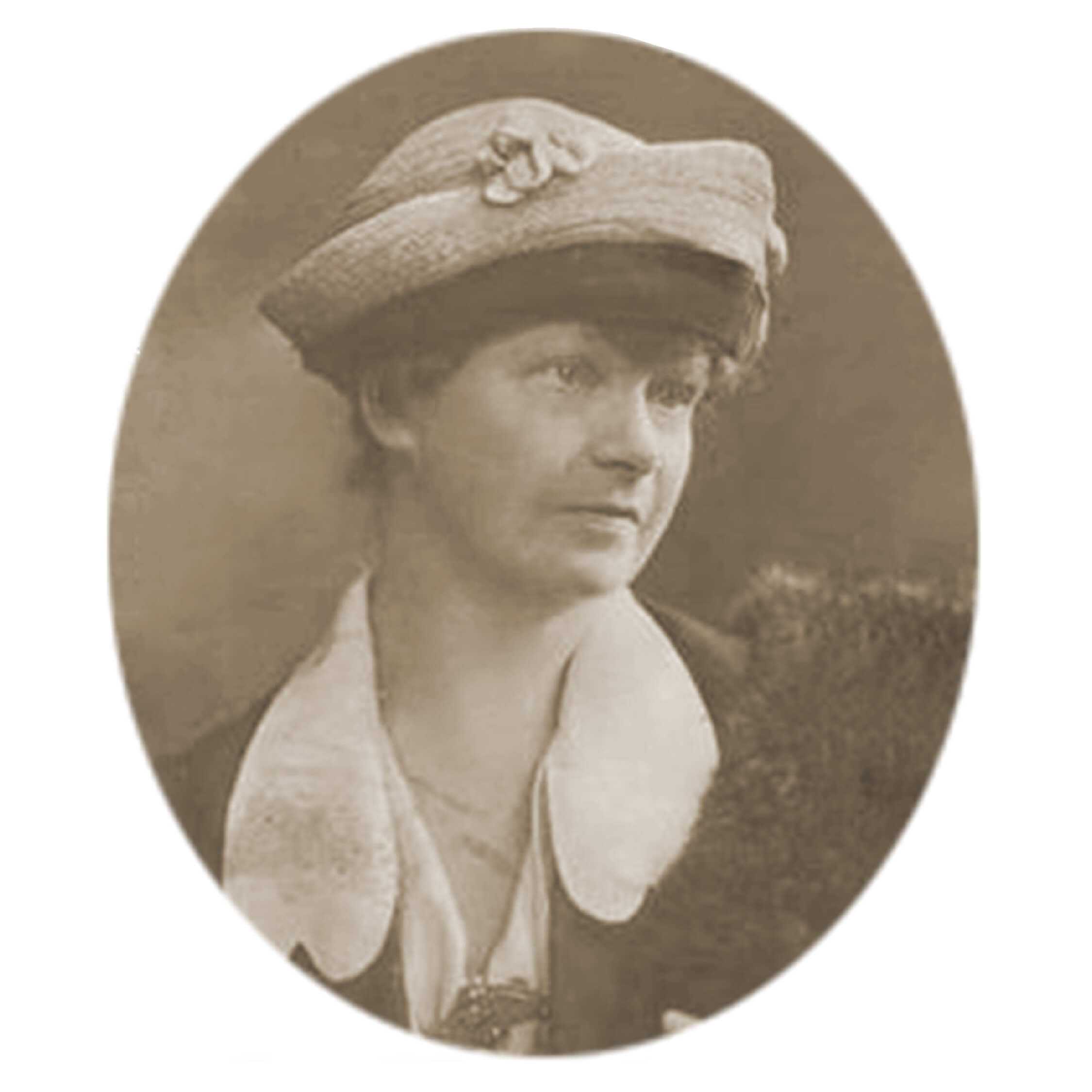
The presence of a dog and an elderly woman seated at the table in this painting may point to Dillon’s friendship with Miss Alice Cashel. Cashel, who was unmarried and lived alone with her dog in ‘St Catherine’s’, a large Victorian house on the main street of Roundstone initially met the artist in 1950. Born in 1878, Alice Cashel was an Irish nationalist and a member of Cumann na mBan. Her republican background, combined with a strong interest in Irish folklore and holy wells, likely shaped lively and rich conversations she shared with Dillon during his stays. In the mid 1950s as her health declined, Alice Cashel invited the Belfast artist to stay for an extended period at St Catherine’s. There, he was able to prepare for his upcoming exhibitions while also assisting her with the upkeep of the house, further deepening a relationship that appears to resonate within the imagery of his work.
In considering other possible identities of the sitters, the young woman in the bold lime-coloured top may be Pamela Matthews (1931–2020). In a telephone interview in 2011, Matthews recalled that although she initially studied under George Campbell—having first encountered his work in the window of Victor Waddington’s gallery on South Anne Street, she found Gerard Dillon to be the more patient teacher. Her visit to Roundstone is reflected in paintings she exhibited at the IELA in 1955 and at the Dublin Painters Gallery in 1956. Further speculation on the other identities in Tea Party concluded from left to right: Molly Dillon, the artist’s sister; Alice Cashel; Pamela Matthews; and George and Madge Campbell.
The proximity of the two male sitters nearest the viewer suggest they are friends. The glimpse of overalls beneath the jacket of the male sitter positioned beside the artist may be a local resident or perhaps a friend from London—assisting Dillon with house repairs. Such ambiguity is a feature of Dillon’s work and reinforces the sense that some domestic interior scenes blend personal relationships with elements of everyday life, leaving aspects of the narrative deliberately open to interpretation.
In 1993, Tea Party was included in a list of works which went for sale at Sotheby’s in London. The Arts Council of Northern Ireland’s decision to sell 31 works from its collection sparked considerable controversy when it emerged that all of its paintings by Gerard Dillon were to be sold. Particular concern centred on the proposed sale of his iconic Self-Contained Flat. In response to public protest, the painting was ultimately withdrawn and its ownership transferred to the Ulster Museum.
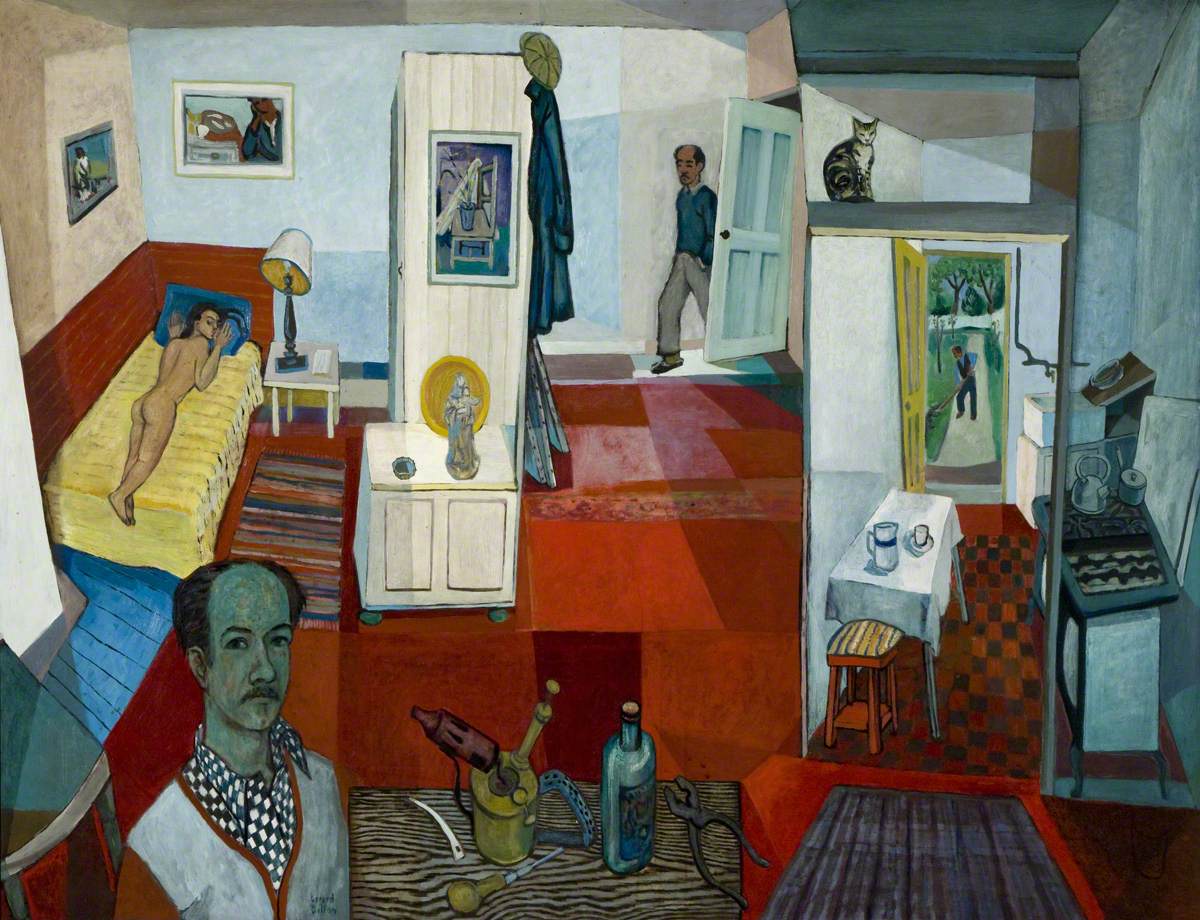
Interestingly, Self-Contained Flat and Tea Party represent Dillon’s two different lives in London and Roundstone when they were exhibited at the IELA in 1955. Together they reveal the duality of his role as both an artist and a painter-decorator. The relationship between Dillon’s work as a painter-decorator and his development as an artist emerge in a small number of works from this period which demonstrates a need to reassess this aspect of his west of Ireland interiors. They point to the extent to which his skills as both craftsman and creative artist were integral to his practice.
By Karen Reihill, April 2026
Karen Reihill is currently re-examining key aspects of Gerard Dillon’s life and work.
.jpg)

.png)
.png)
.jpg)

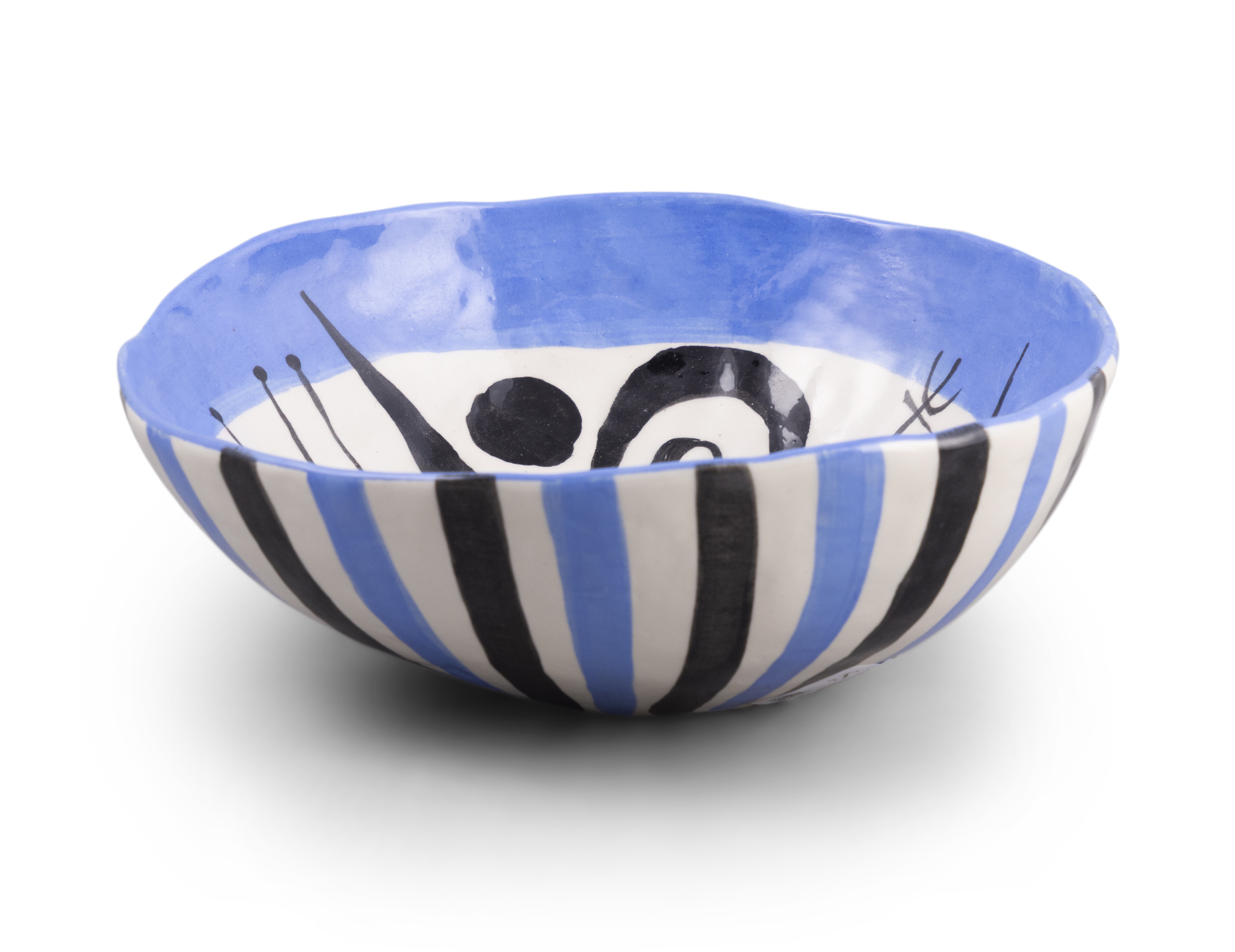
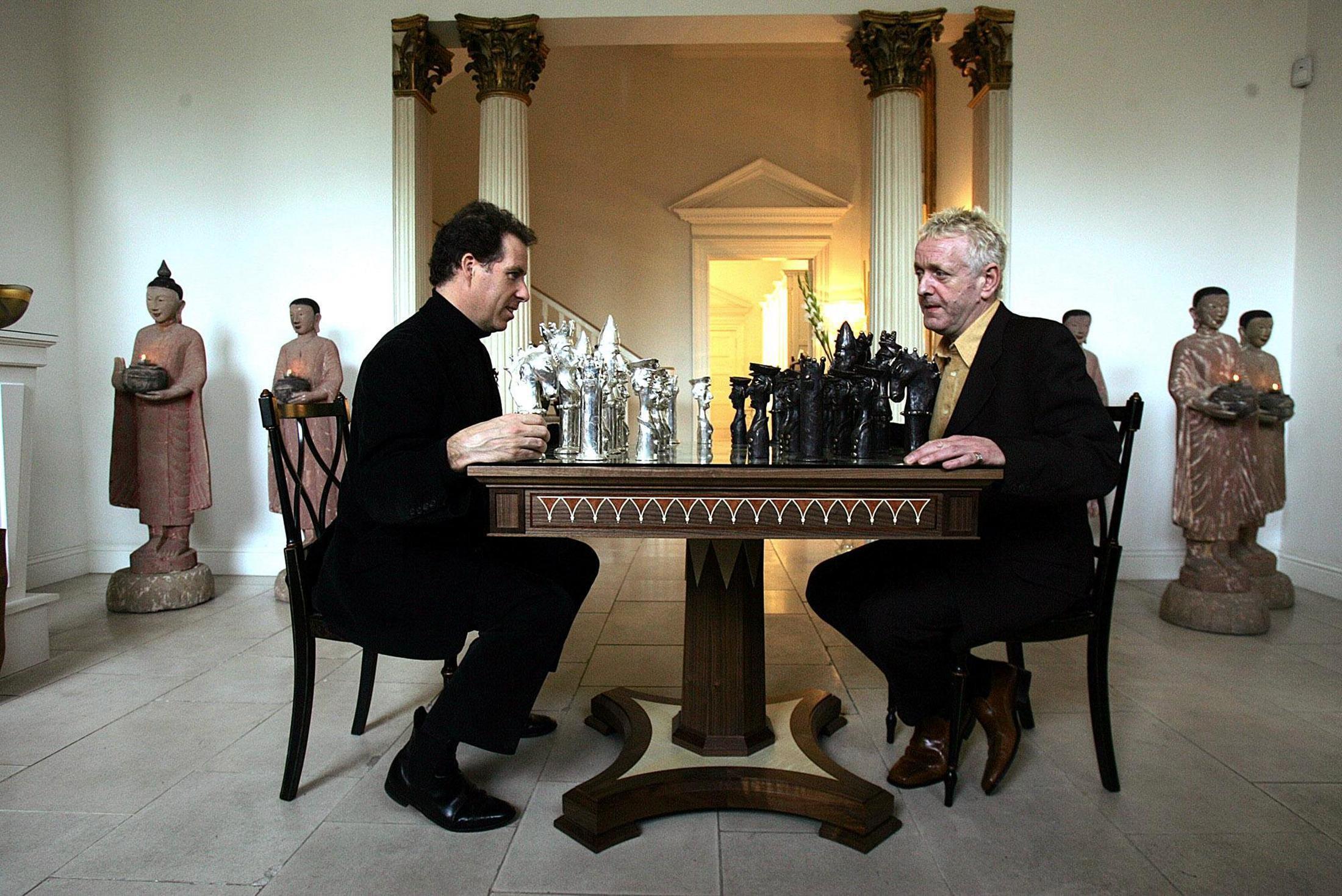
John ffrench was an instrumental figure in the design industry in Ireland and a distinguished pioneer of Irish studio pottery.

)%20(1).jpg)
%20(002).png)
%20(2).jpg)


%20(1200%20x%20768%20px)%20(2).png)
.png)
.png)

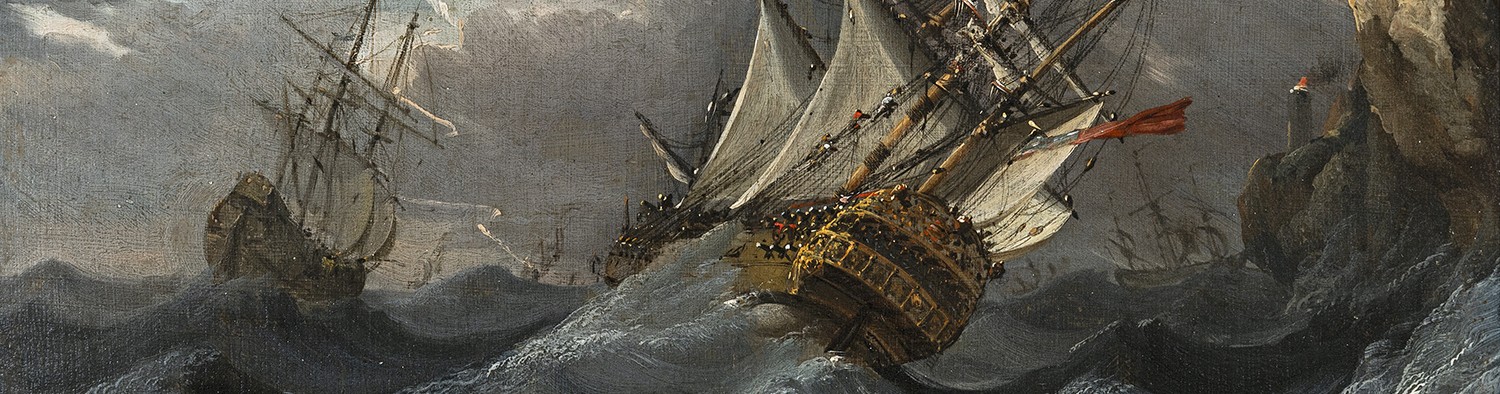
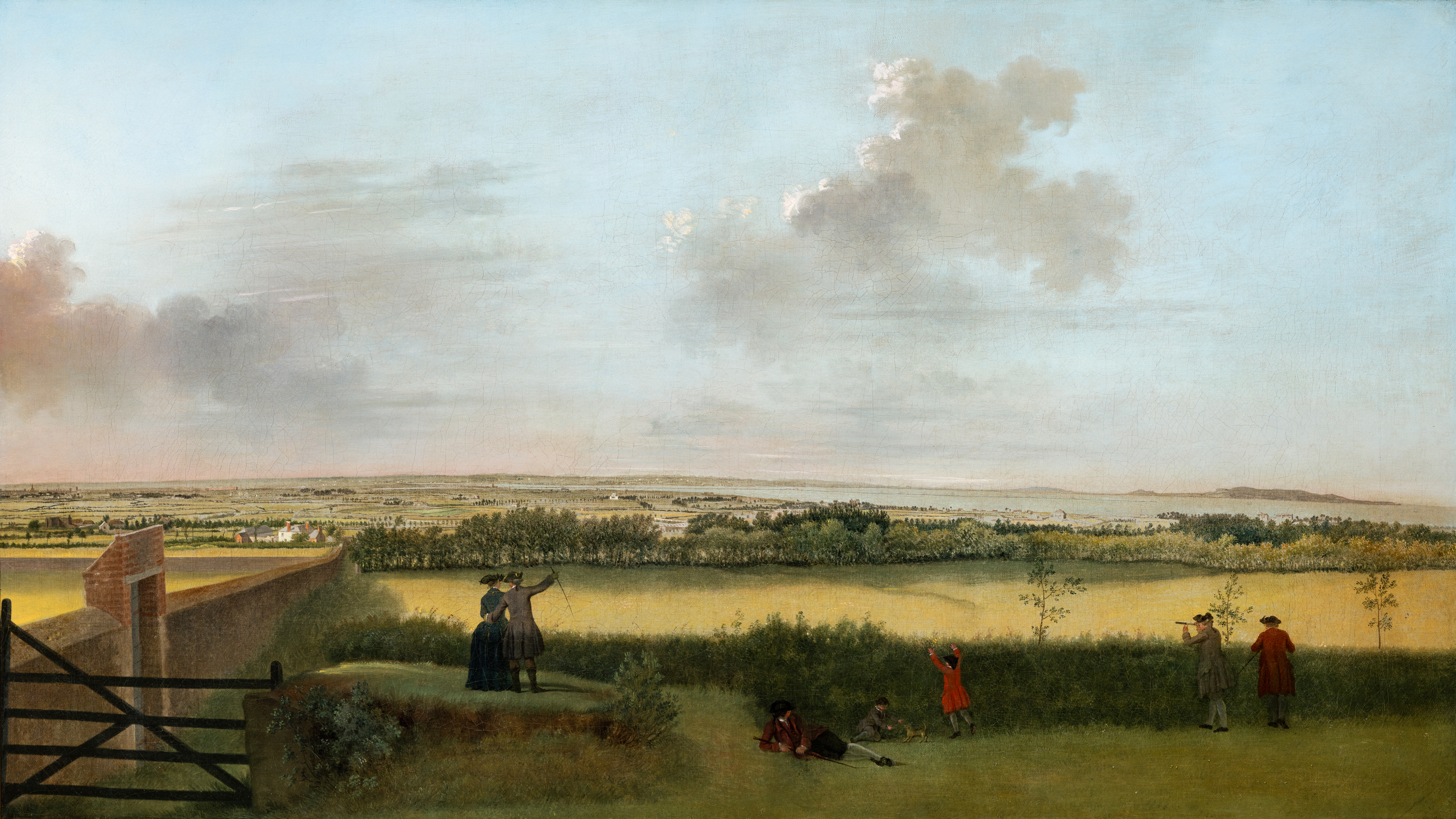
"I should declare my hand. I have a weakness for pictures that punch above their physical weight, and for artists who have been quietly underrated for too long. This pair is both. They are intimate enough to live with at close quarters and serious enough to repay any amount of looking. If the market has lately shown signs of catching up with eighteenth-century Irish painting and I think it has, these two small panels feel, to me, like exactly the sort of thing that will look obvious in twenty years’ time."
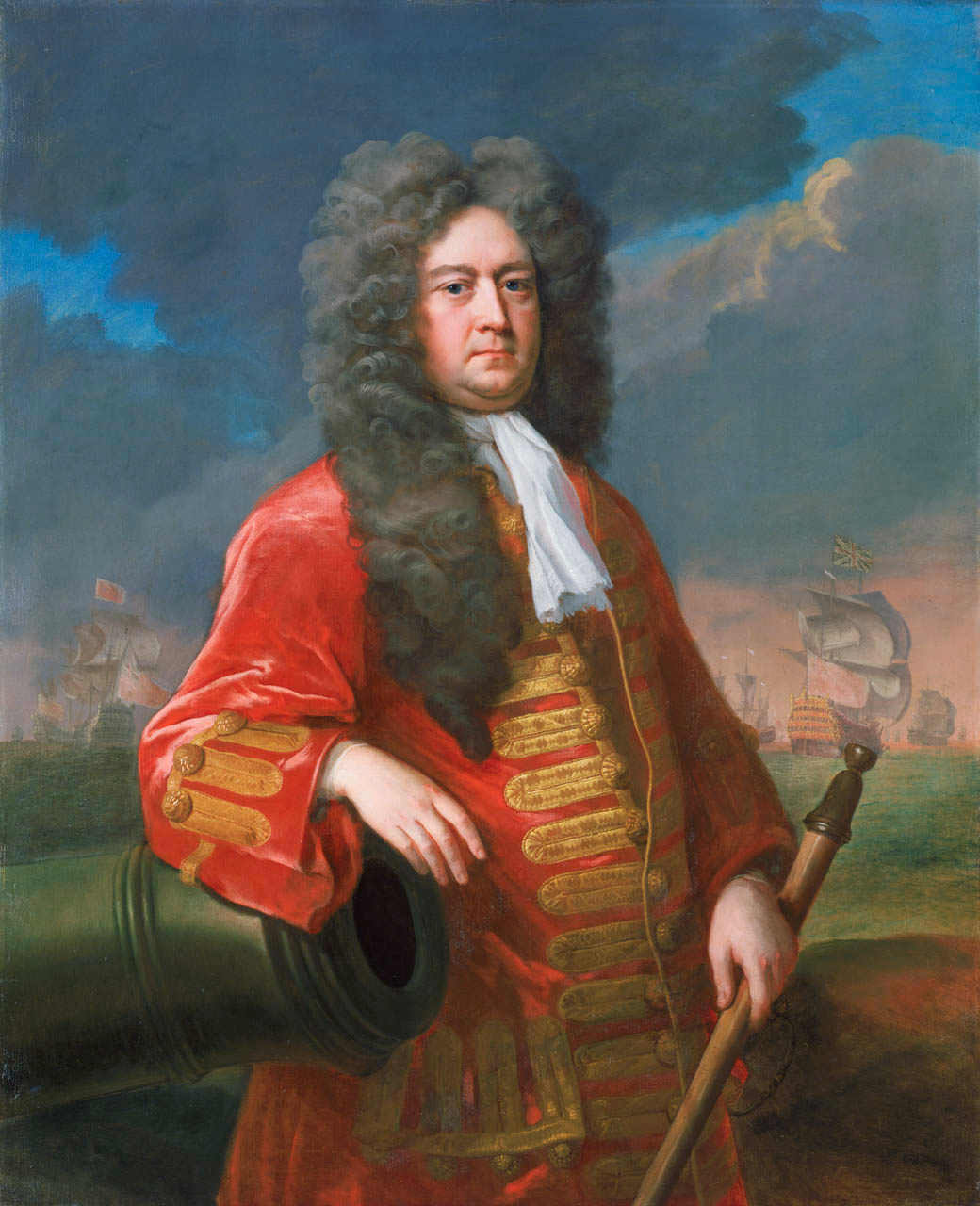



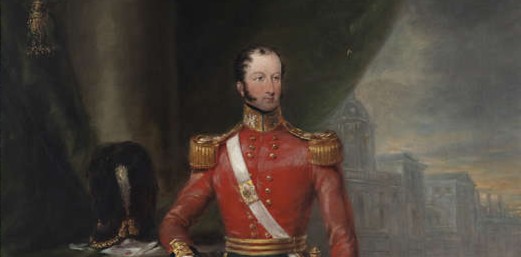
Adam’s is honoured to present works from the collection of Lord Rossmore in the upcoming Country House Collections auction at Howth Castle on 28th April. It is seldom that an influential Irish family collection that has survived through the generations comes to the open market.

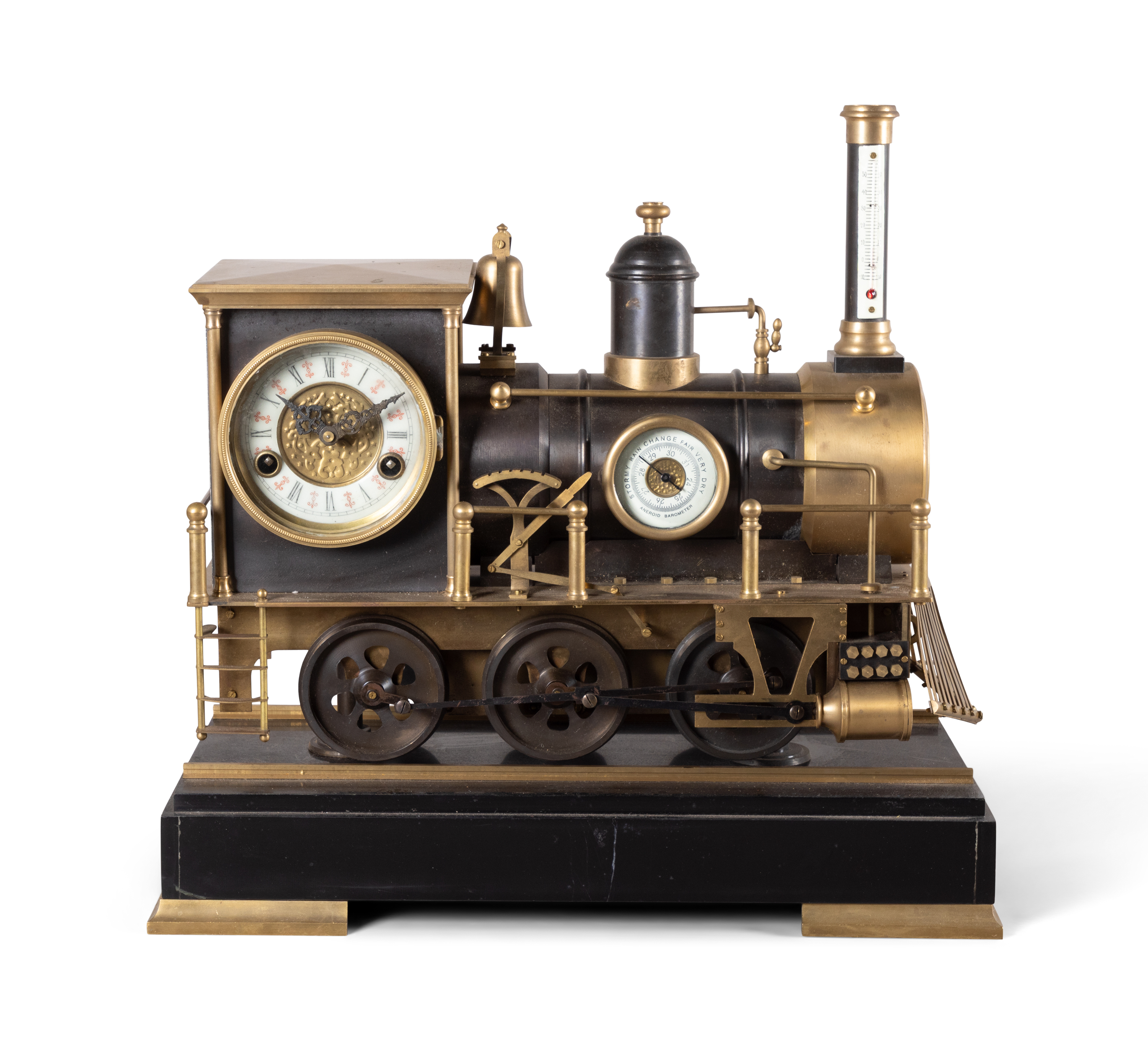
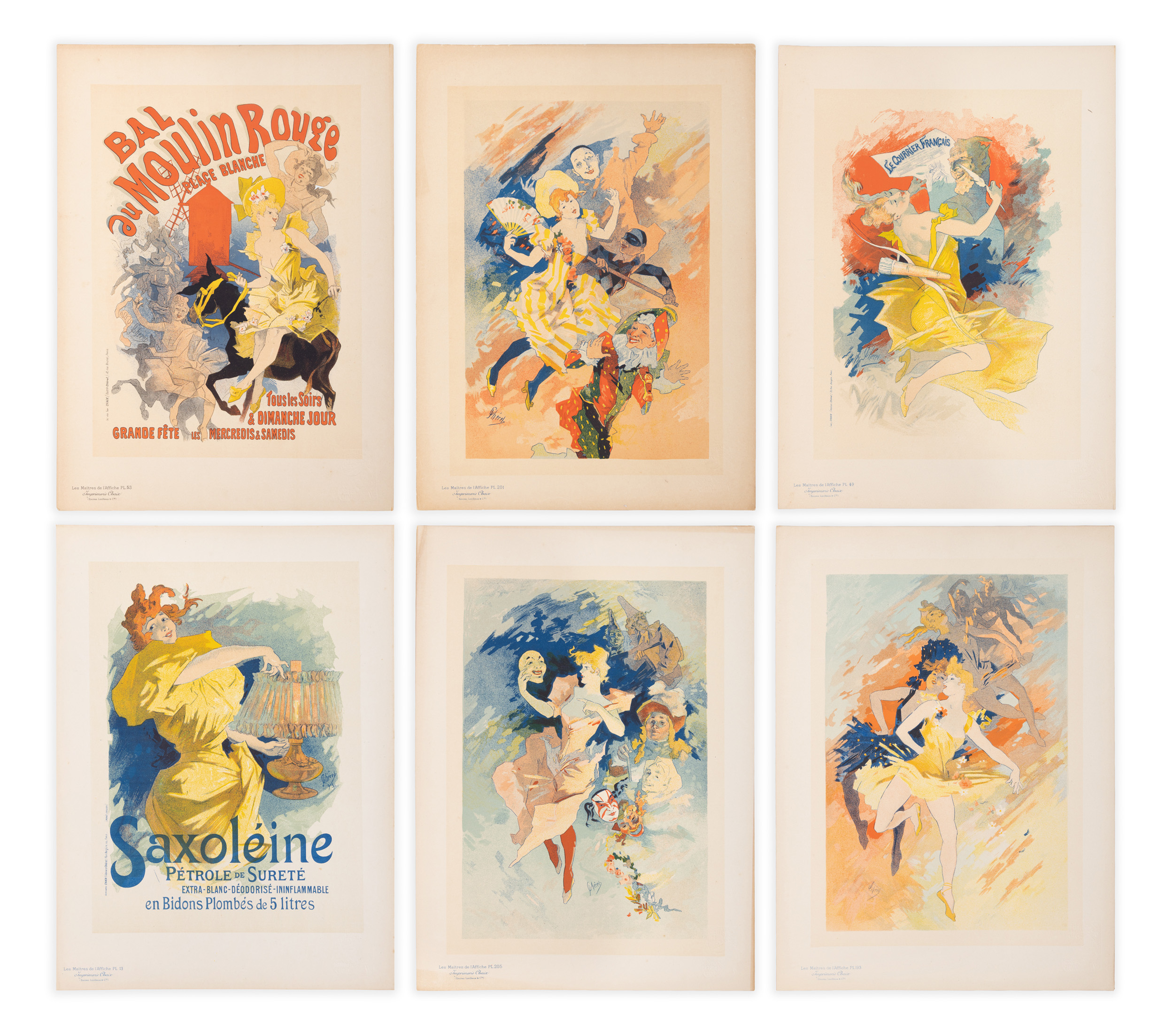

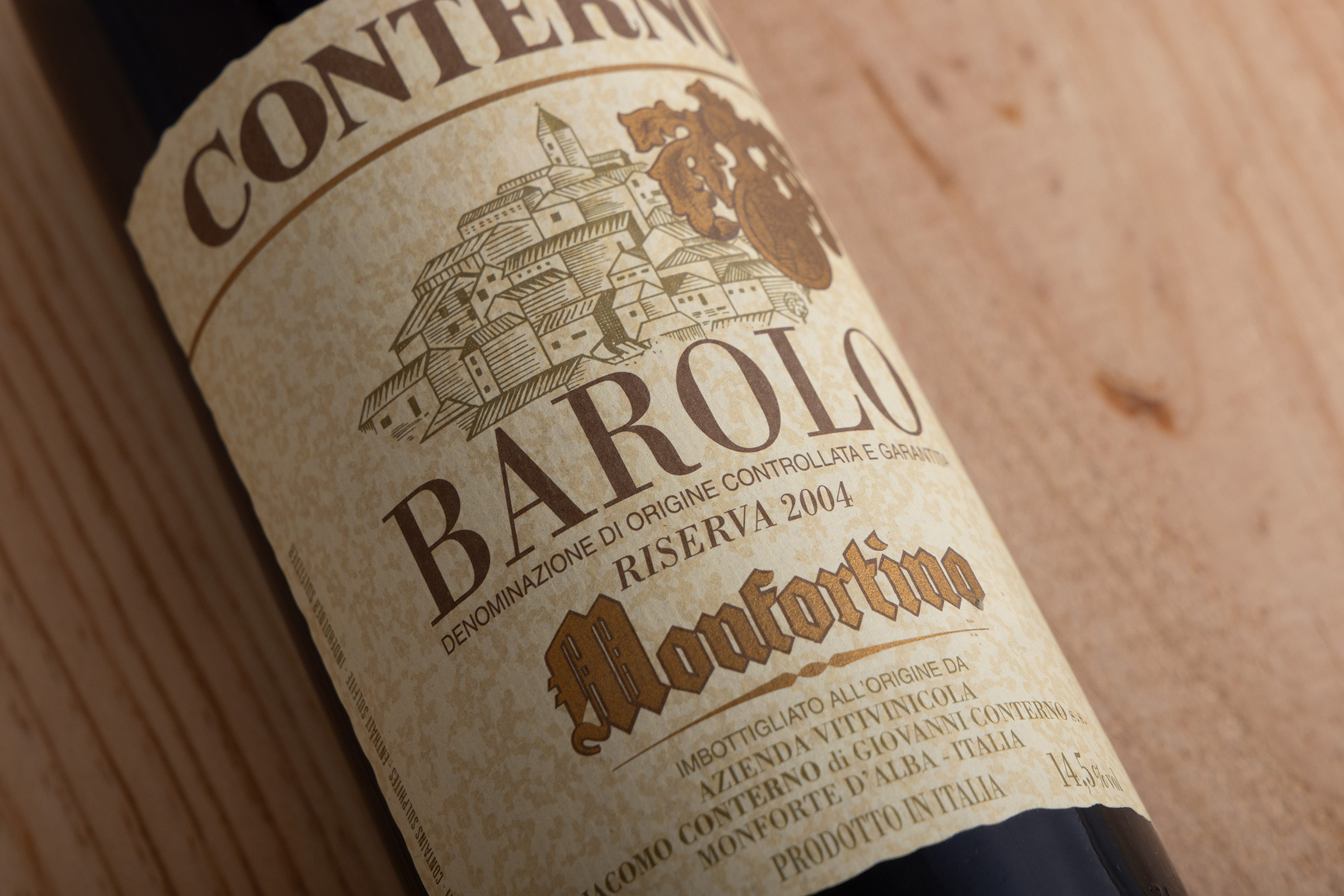
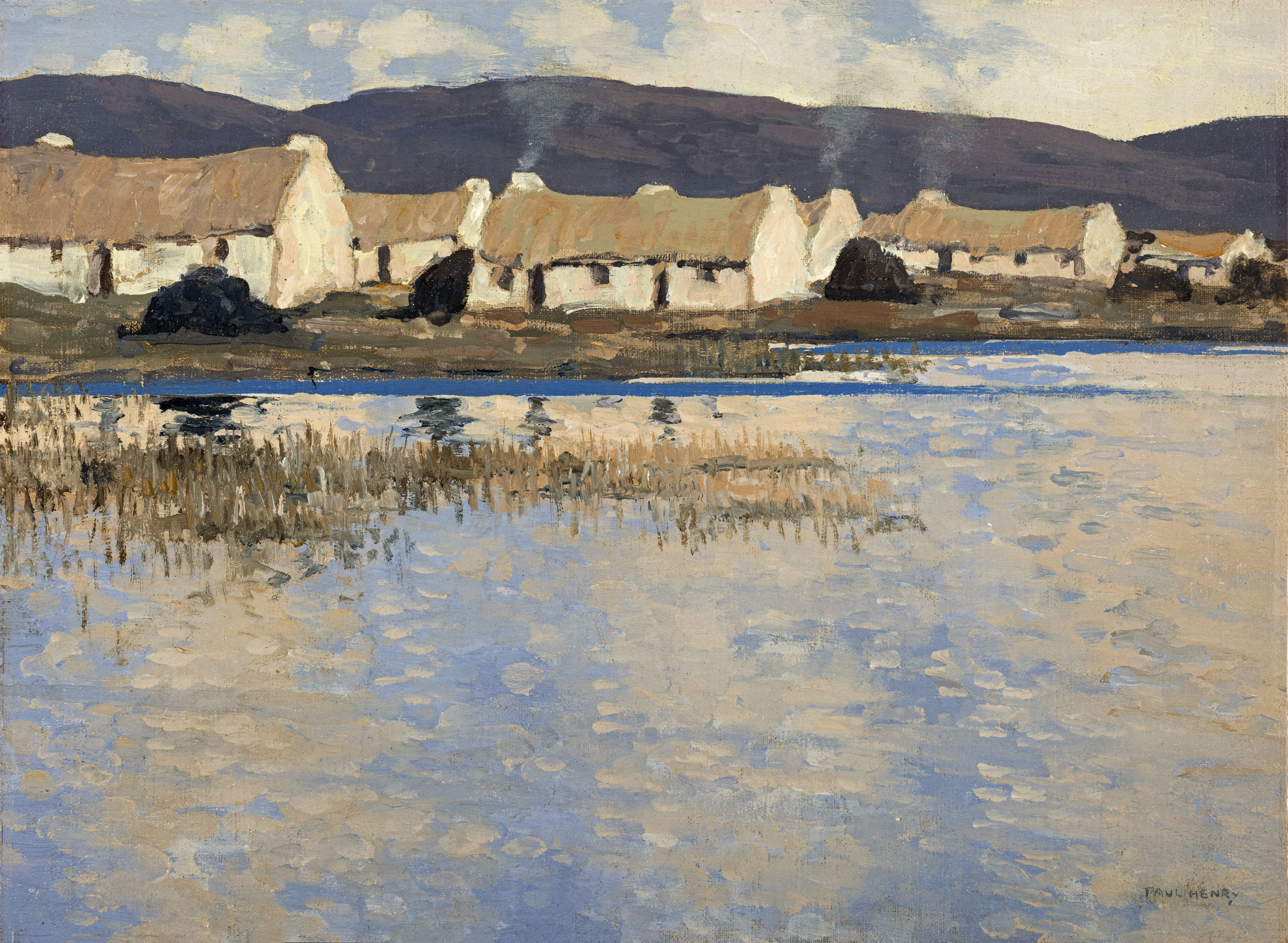
Works Sold at Adam’s Now in the Irish National Collection
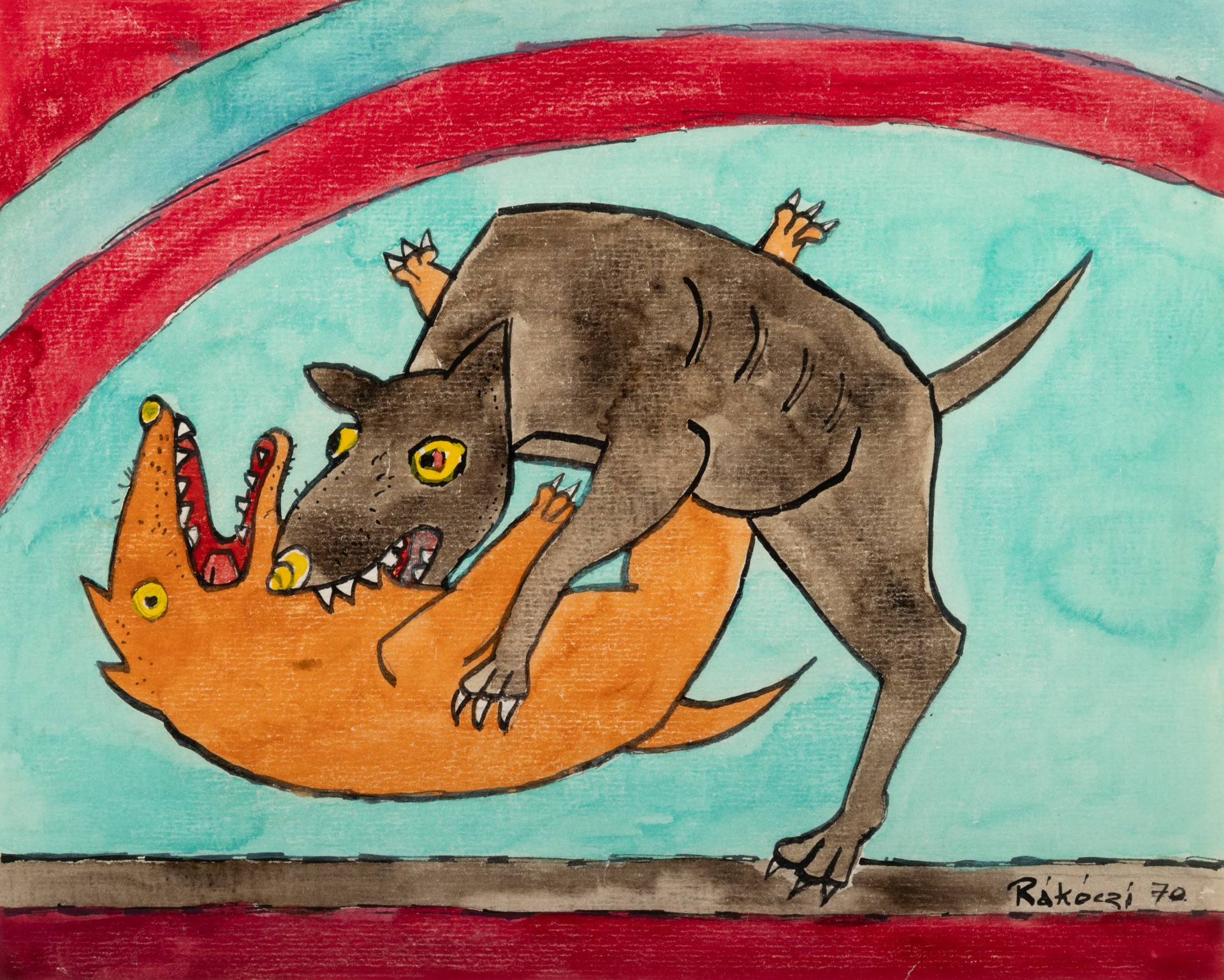
A great opportunity to purchase both established and lesser-known artist’s work at an accessible price point, the Online Picture Auction is the first of many sales to be hosted at Adam’s in 2026. It is perfect for those looking to start a collection and the discerning collector alike.


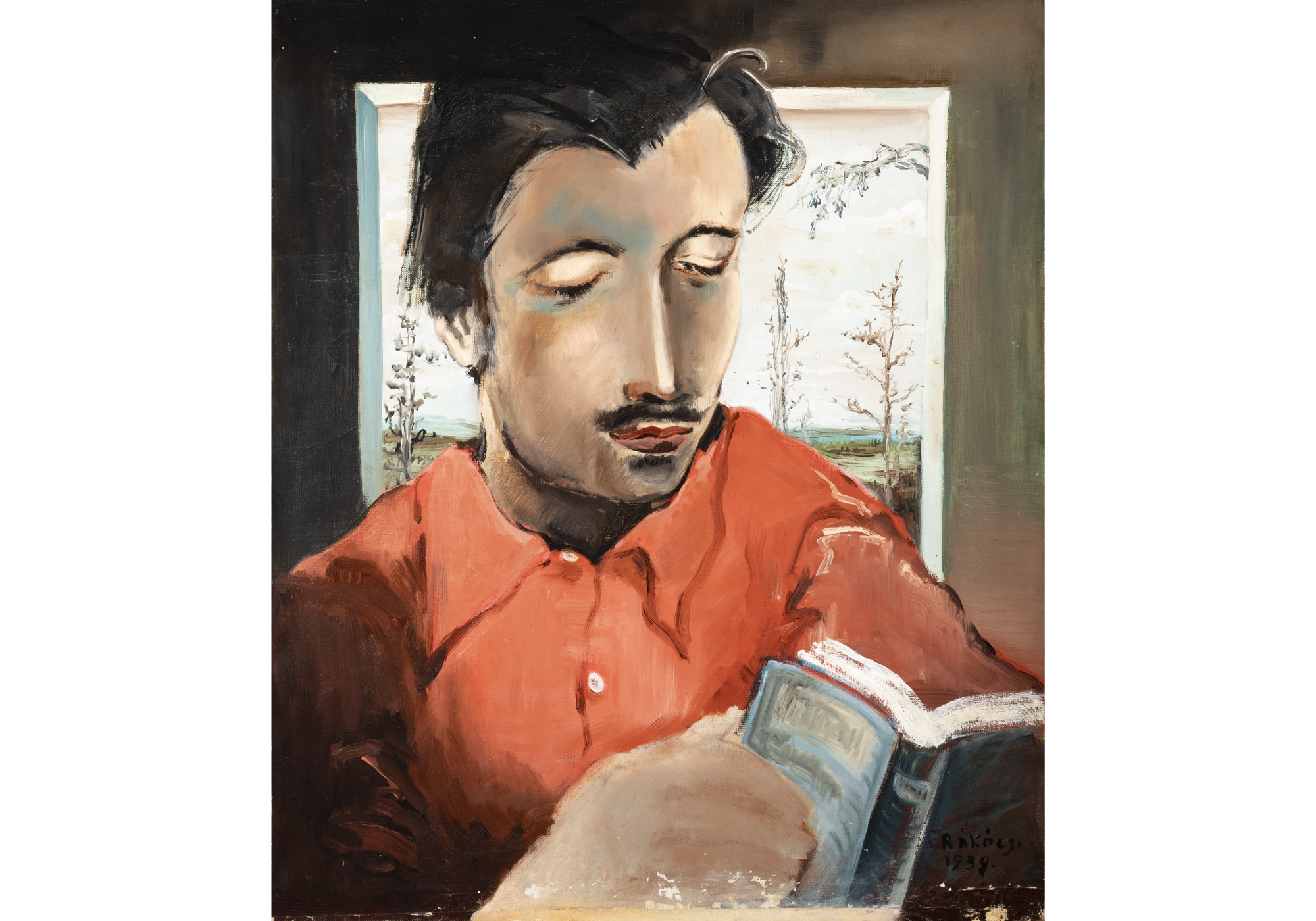
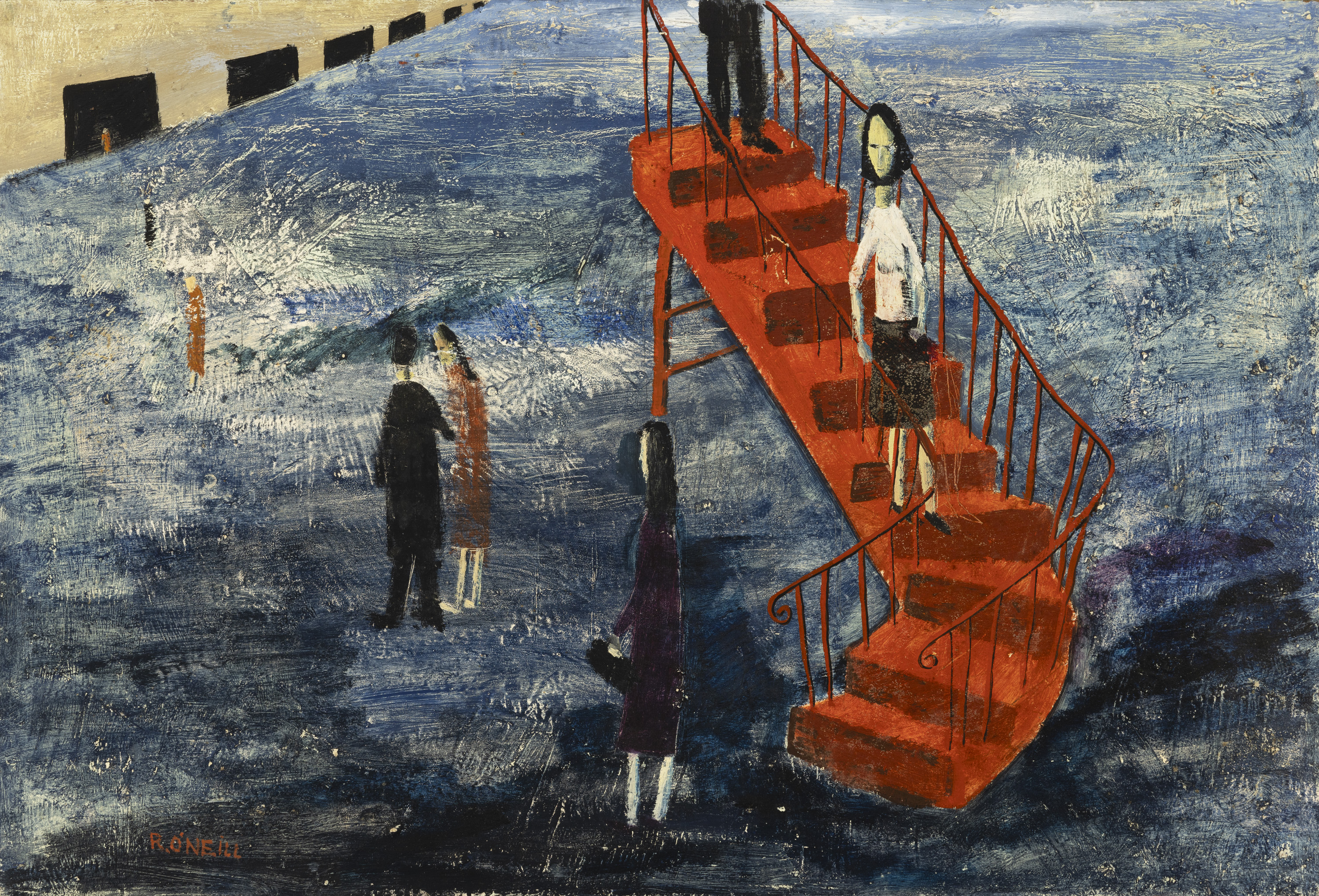
Through this article, let our expert Adam Pearson guiding you to the (re)discovery of the once established Irish painter Richard O’Neill.


Buying at Auction and the Role of Antiques in a Modern Home


Important Irish Art Auction Highlights

Oliver Dowling Collection by Aidan Dunne


2024 is a year in which Adam’s wants to recognise the key role buying antique furniture and furnishings at auction contributes greatly to the sustainable initiative. In 2019 the Environmental Protection Agency reported stark figures that each year in Ireland 1.2 million reusable bulky items, primarily furniture goes into landfill. Similar to the problem of ‘fast fashion’, the constant production and consumption of new items is leading to rapidly growing waste problem. We want to acknowledge those who are already buying second hand or antique furniture at auction and to encourage new buyers by highlighting the benefits of acquiring affordable, well-made quality items that are built to last.


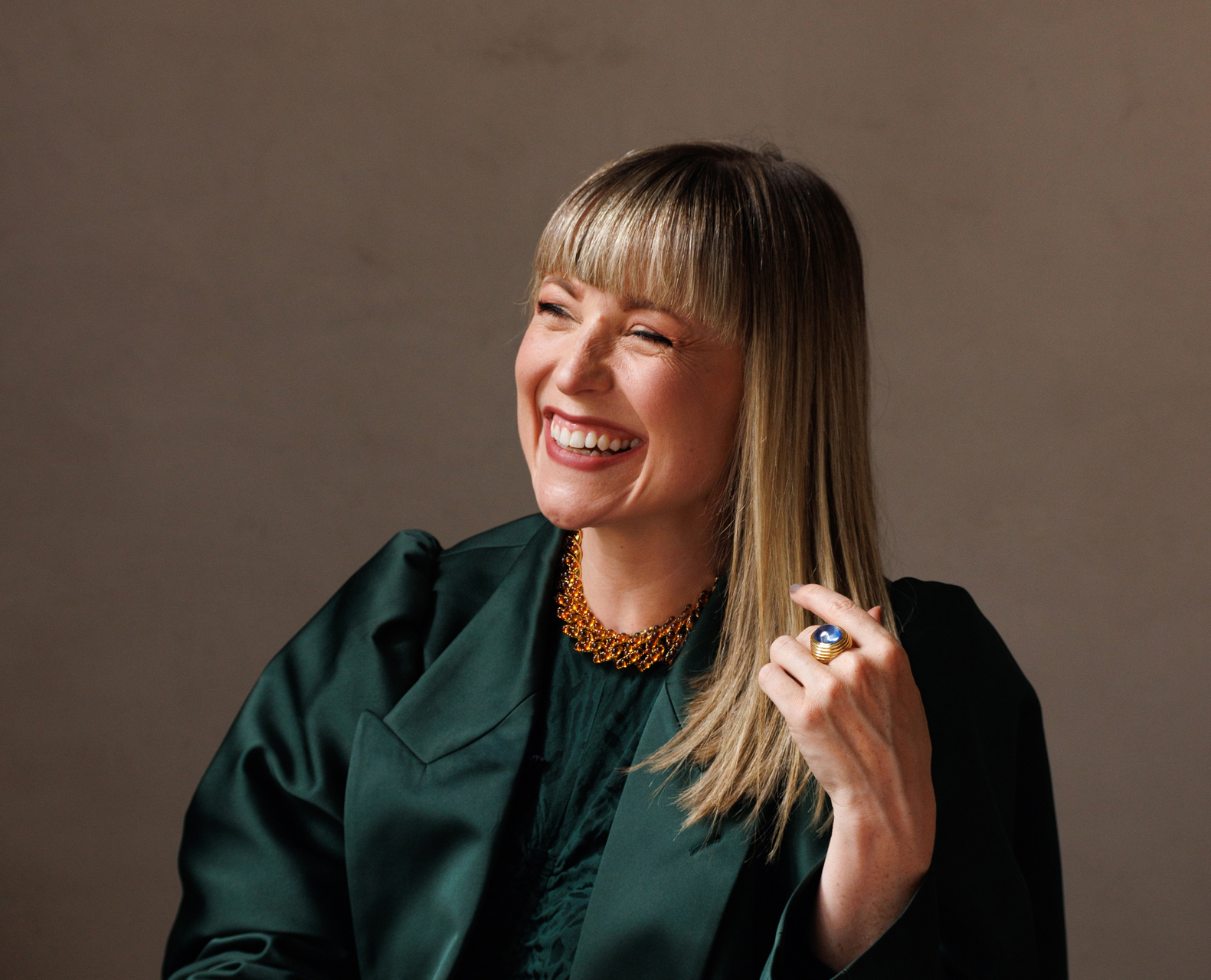
Irish author, recipe creator and lifestyle influencer, Indy Parsons, selects her favourite pieces from our upcoming Fine Jewellery & Watches auction


James Adam & Sons Ltd, Fine Art Auctioneers and Valuers, 26 St. Stephen’s Green, Dublin 2,
D02 X665, Ireland


