
menu
Departments
.svg)
%20(1200%20x%20768%20px)%20(2).png)

Louis le Brocquy’s Procession of Lilies (1984) stands as a quietly luminous meditation on memory, place, and the fragile optimism of youth. In 1939, a friend sent him a newspaper cutting from the Evening Herald. The photograph depicted cheerful Dublin school girls returning from their confirmation at the Church of Adam and Eve, lilies held aloft as symbols of innocence and renewal.
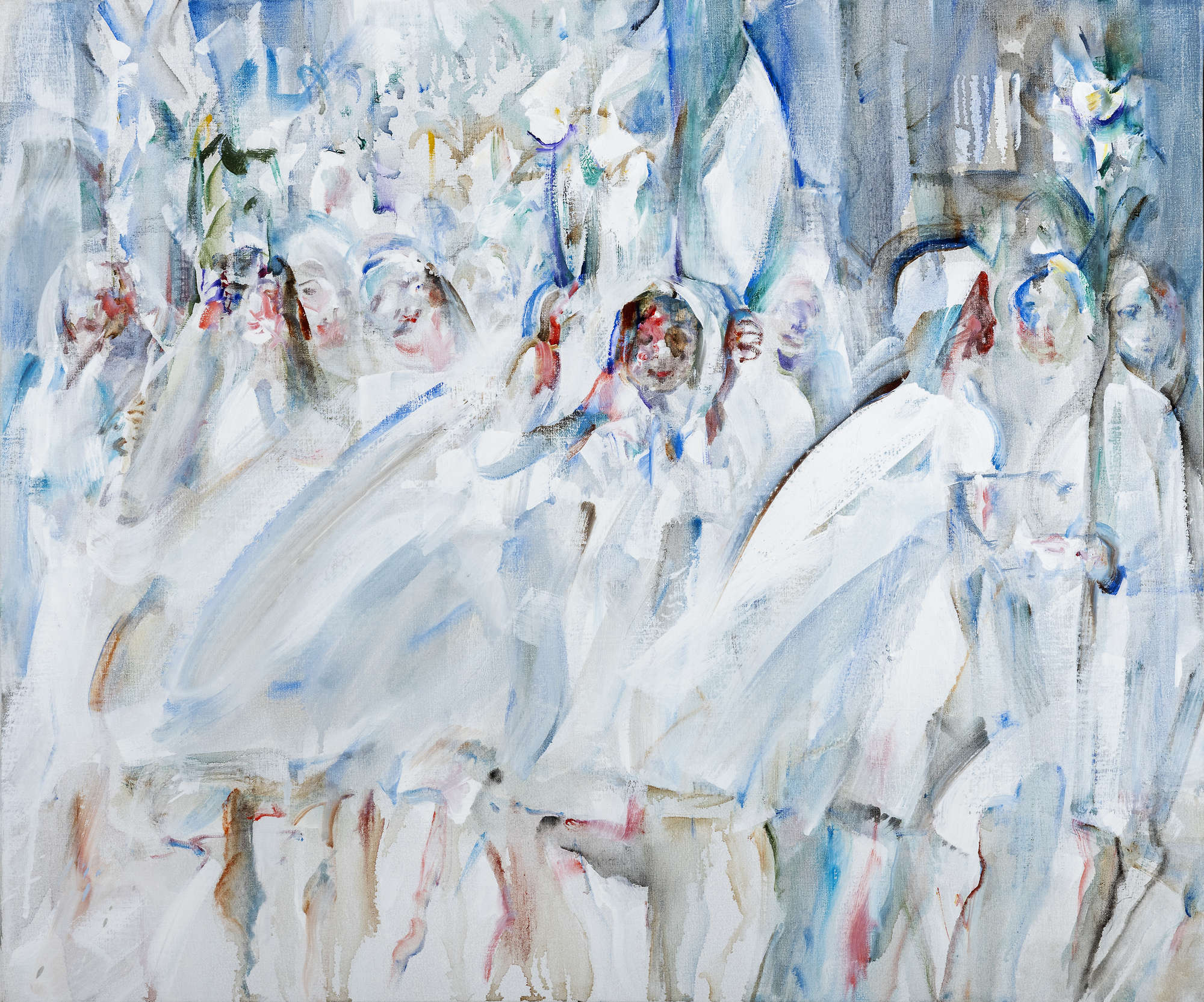
What transformed this modest press photograph into a major thematic source was its date: Bloomsday. Celebrated annually on June 16th,Bloomsday commemorates the events of Ulysses by James Joyce, a novel that tracks its characters through the streets of Dublin over the course of a single day. For le Brocquy, this coincidence elevated the photograph from a simple documentary image to something emblematic: a fleeting yet profound moment of Dublin life, charged with literary and cultural significance.
.jpg)
By the time he returned to the image in the 1960s, and more fully in the 1980s and early 1990s, it had become layered with associations. In Procession of Lilies, the girls are no longer merely individuals captured in a moment of post-ceremonial joy. They become archetypal figures, suspended between childhood and adulthood, moving forward in a loose, almost dreamlike formation. Their lilies, symbols of purity, take on a dual meaning, suggesting both innocence and the passage of time.
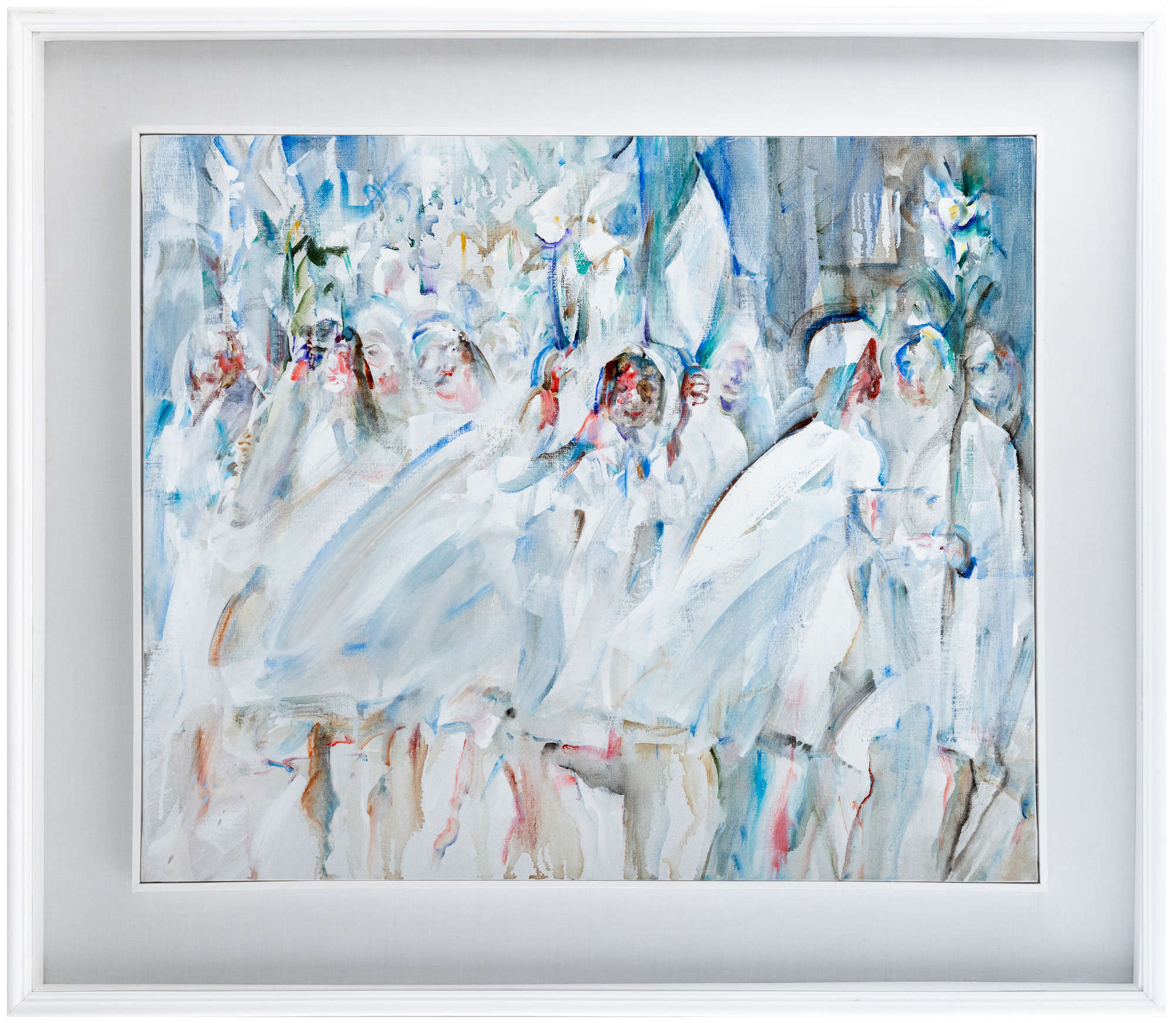
The Dublin setting is crucial. Le Brocquy was deeply attuned to the city as both a physical and imaginative space. In Joyce’s work, Dublin is mapped with extraordinary precision yet elevated into myth through its Homeric parallels. Similarly, in Procession of Lilies, the everyday becomes quietly monumental. The girls’ walk through the city echoes the narrative movement of Joyce’s characters, their journey infused with possibility and expectation.
Stylistically, the painting reflects le Brocquy’s mature approach, figures rendered with a spectral lightness, emerging from – and dissolving into – the surrounding space. There is little in the way of detailed background; instead, the emphasis is on presence, movement, and atmosphere. The girls appear almost as apparitions, their individuality softened in favour of a collective identity. This aligns with le Brocquy’s enduring fascination with the human condition, not as a fixed state, but as something fluid, shaped by memory, culture, and time.
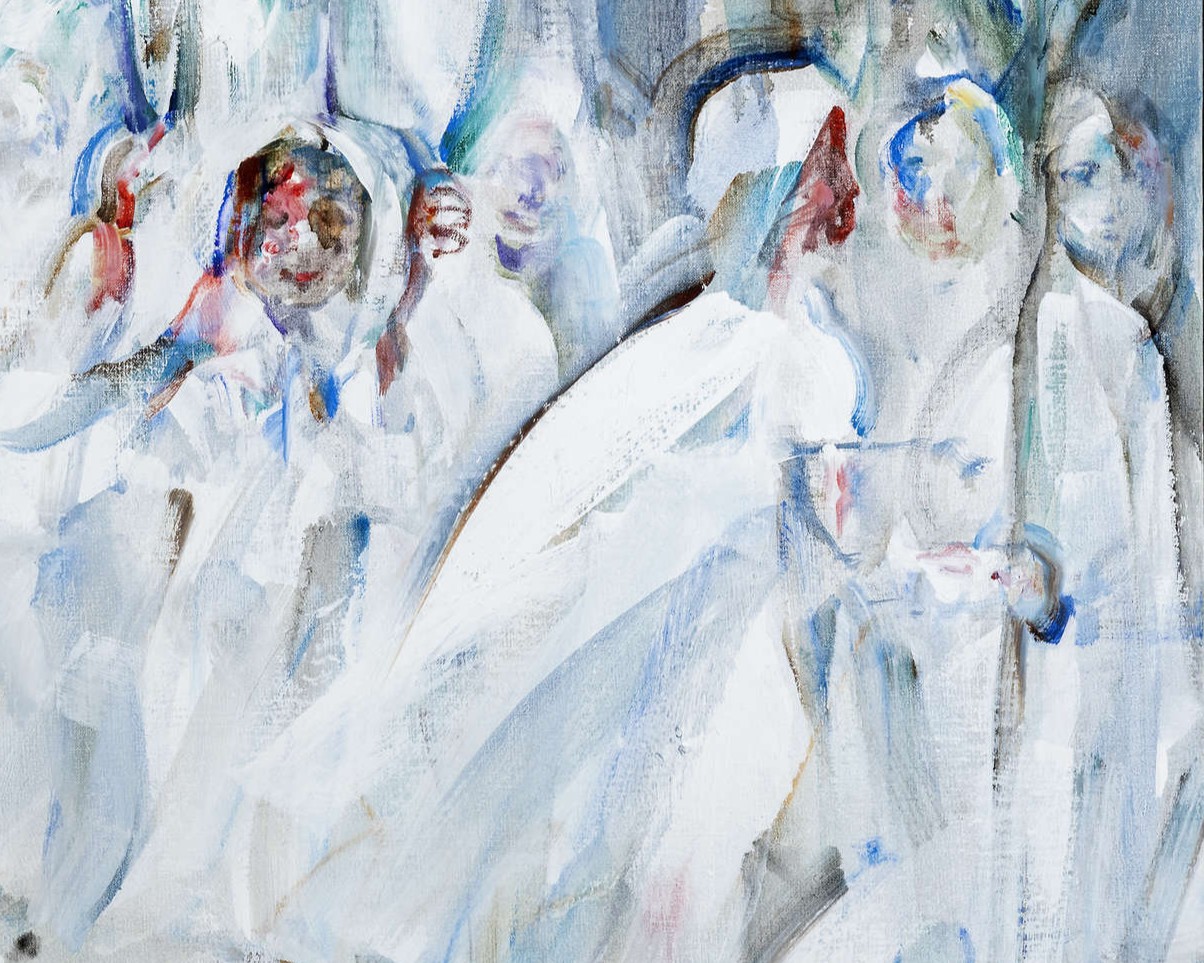
Ultimately, Procession of Lilies is less about a specific event than about the act of remembering and reimagining. A fleeting newspaper image becomes, through decades of reflection, a meditation on youth, community, and the layered meanings of Dublin itself. In bringing together the visual memory of 1939, the literary influence of Joyce, and his own painterly sensibility, le Brocquy creates a work that feels both intimate and universal, rooted in a particular moment, yet resonant far beyond it.


.png)
.png)
.jpg)

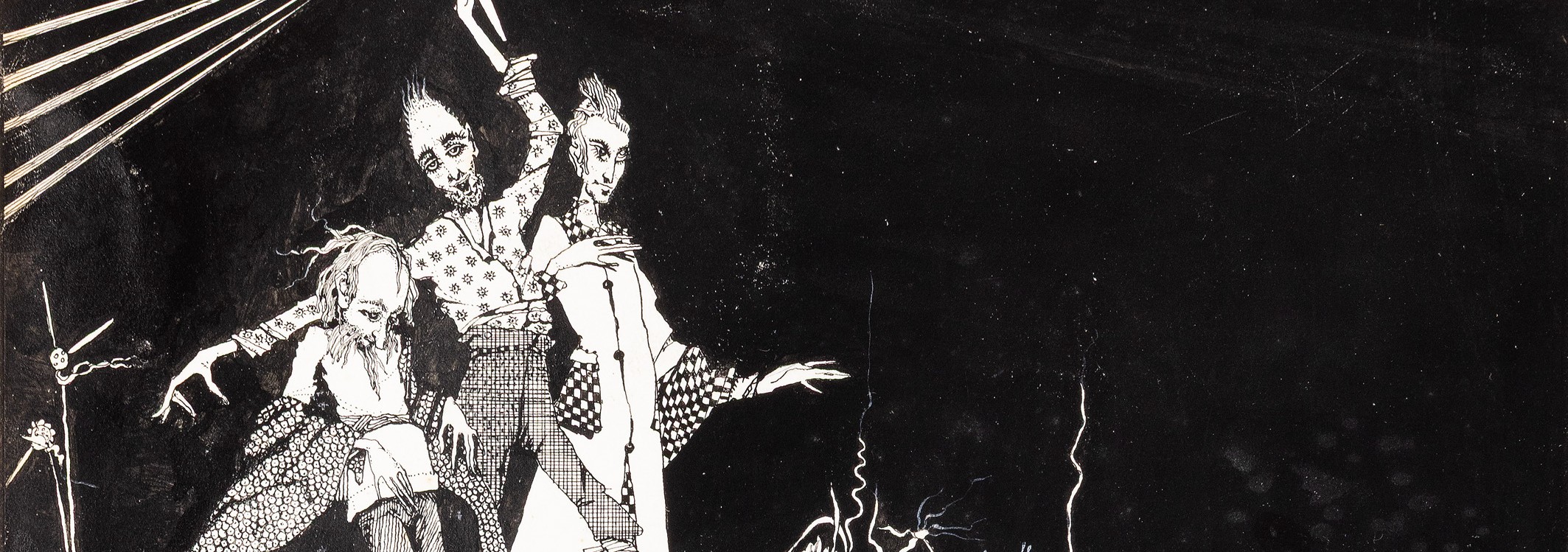
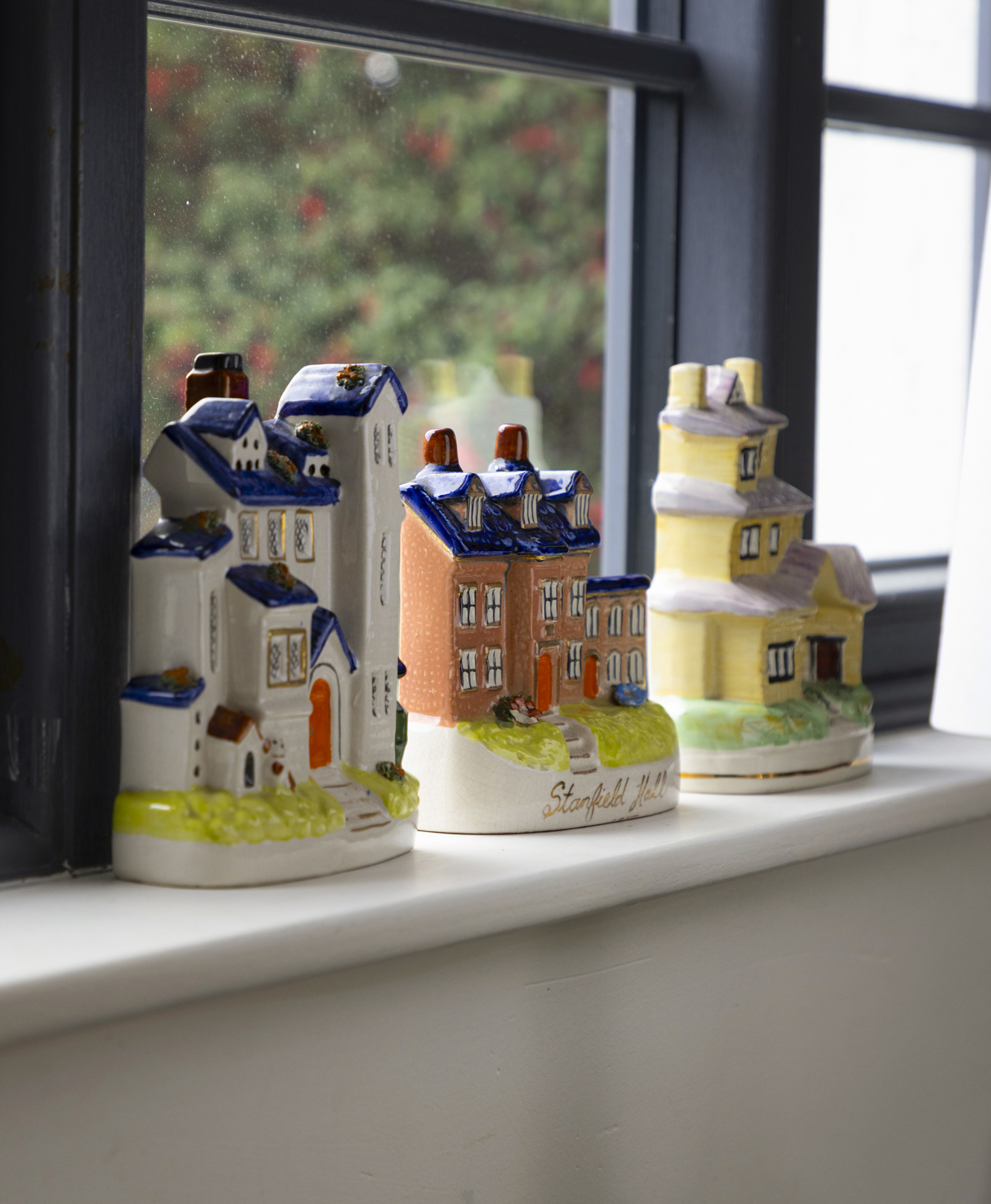
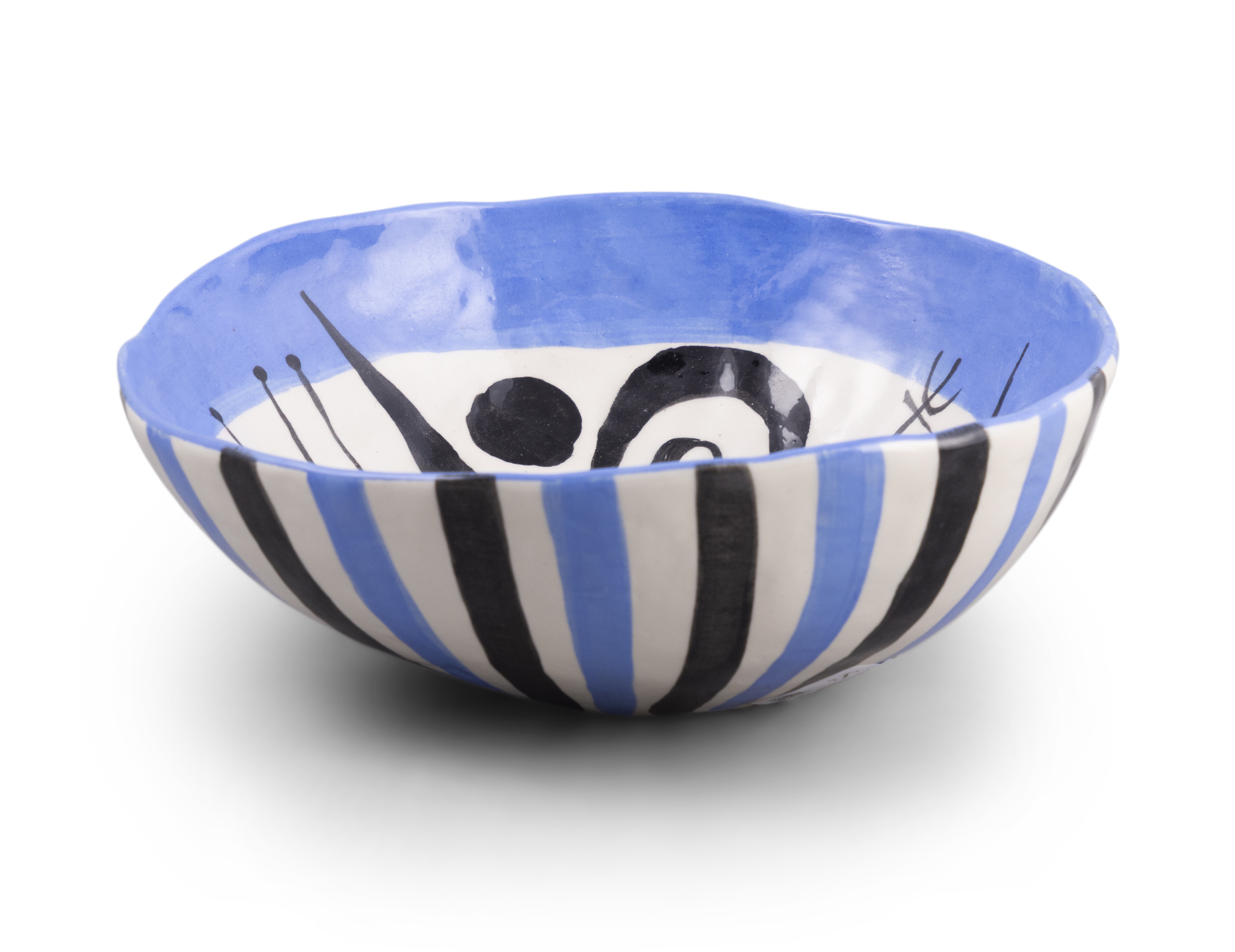
John ffrench was an instrumental figure in the design industry in Ireland and a distinguished pioneer of Irish studio pottery.
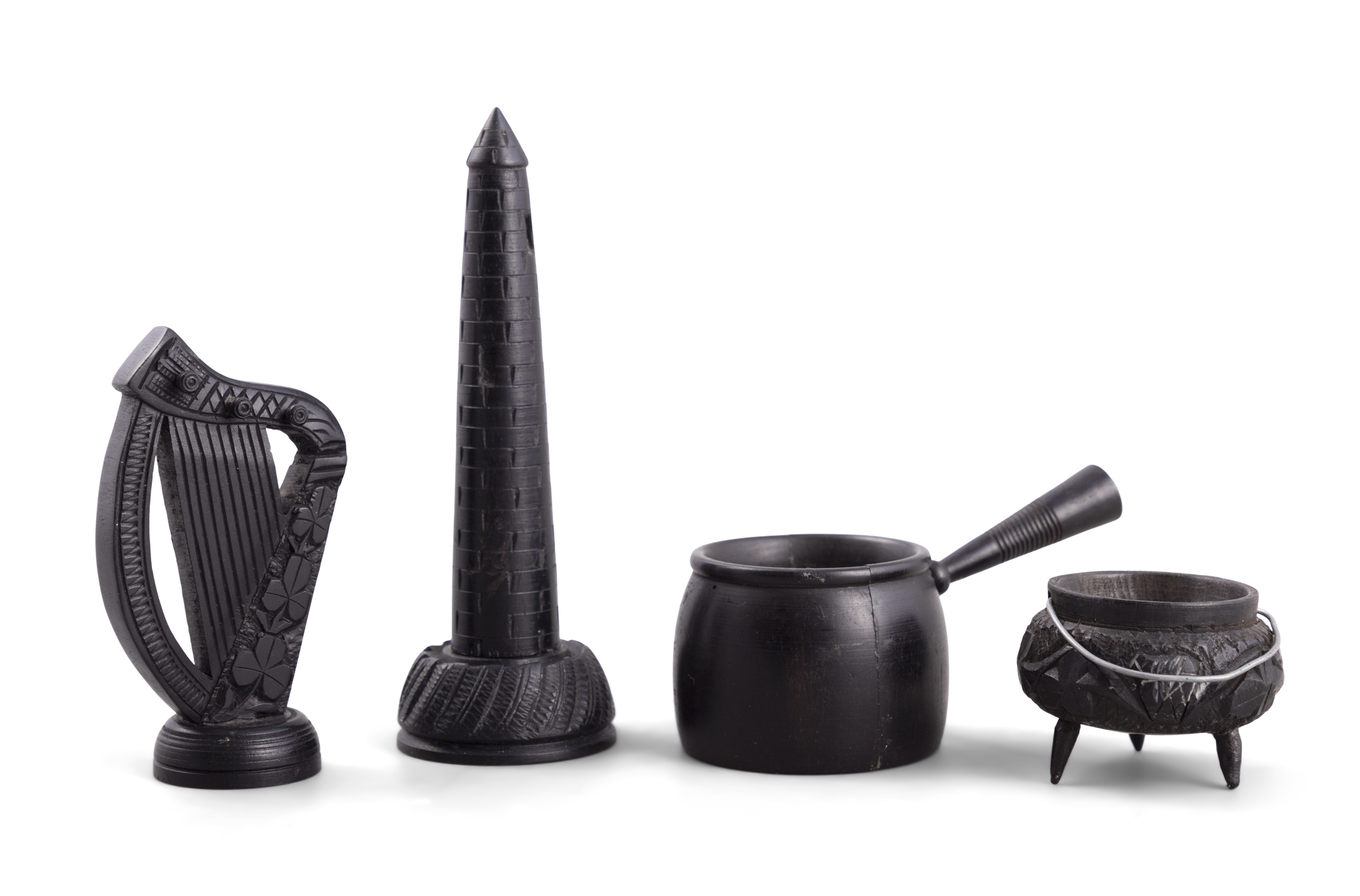

)%20(1).jpg)
%20(002).png)
%20(2).jpg)


.png)

.png)

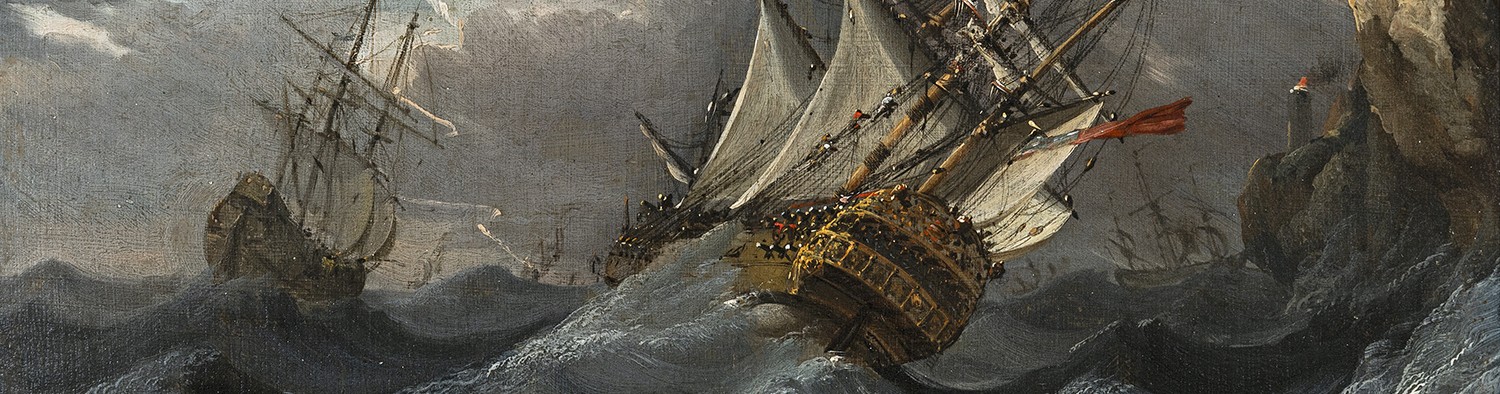
"I should declare my hand. I have a weakness for pictures that punch above their physical weight, and for artists who have been quietly underrated for too long. This pair is both. They are intimate enough to live with at close quarters and serious enough to repay any amount of looking. If the market has lately shown signs of catching up with eighteenth-century Irish painting and I think it has, these two small panels feel, to me, like exactly the sort of thing that will look obvious in twenty years’ time."
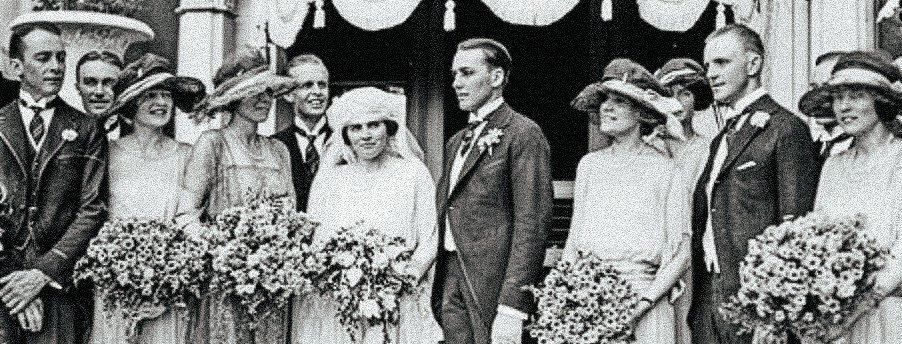


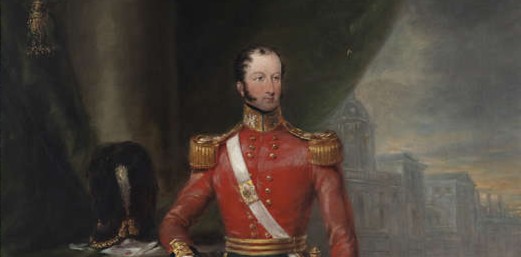
Adam’s is honoured to present works from the collection of Lord Rossmore in the upcoming Country House Collections auction at Howth Castle on 28th April. It is seldom that an influential Irish family collection that has survived through the generations comes to the open market.
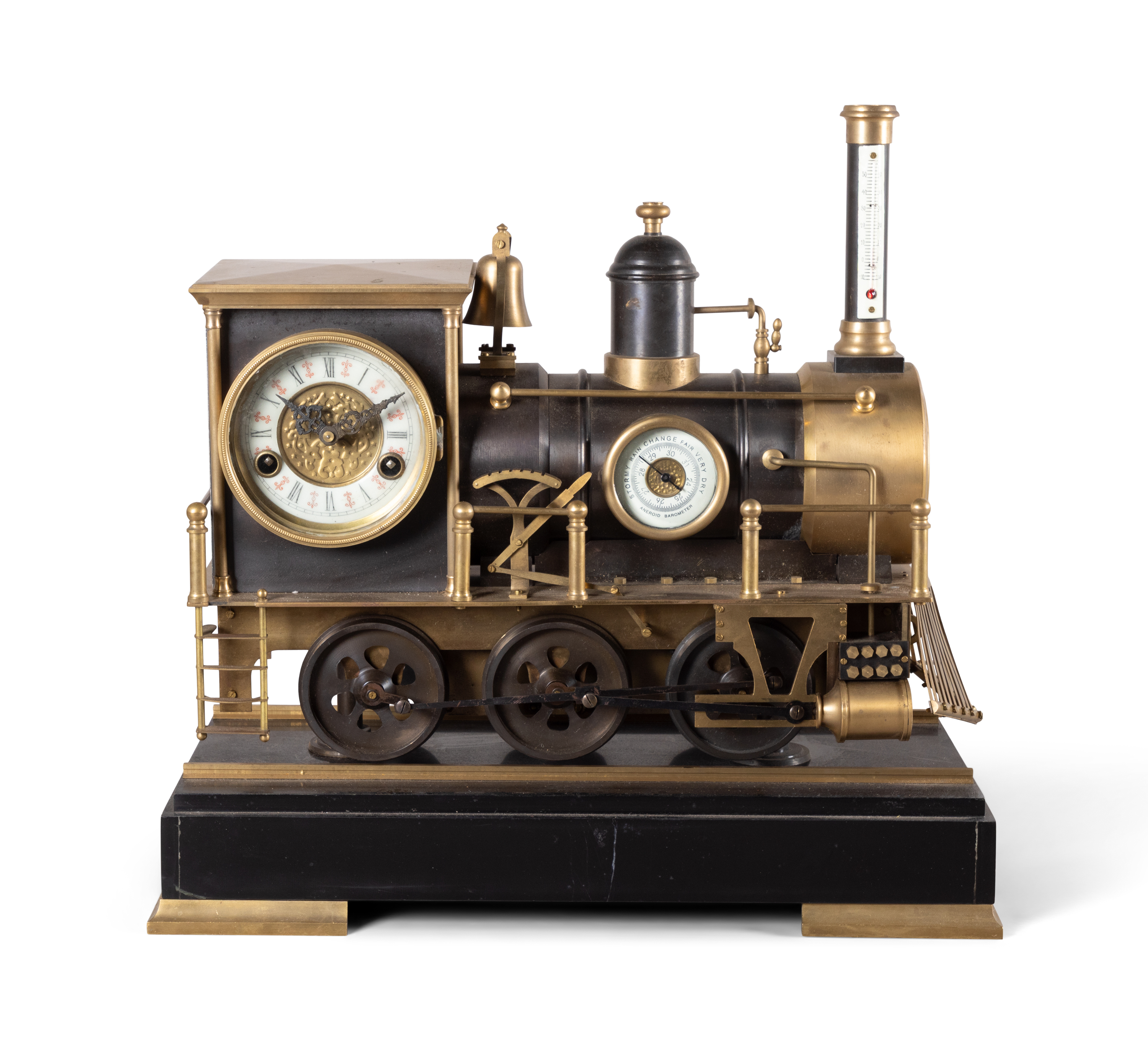
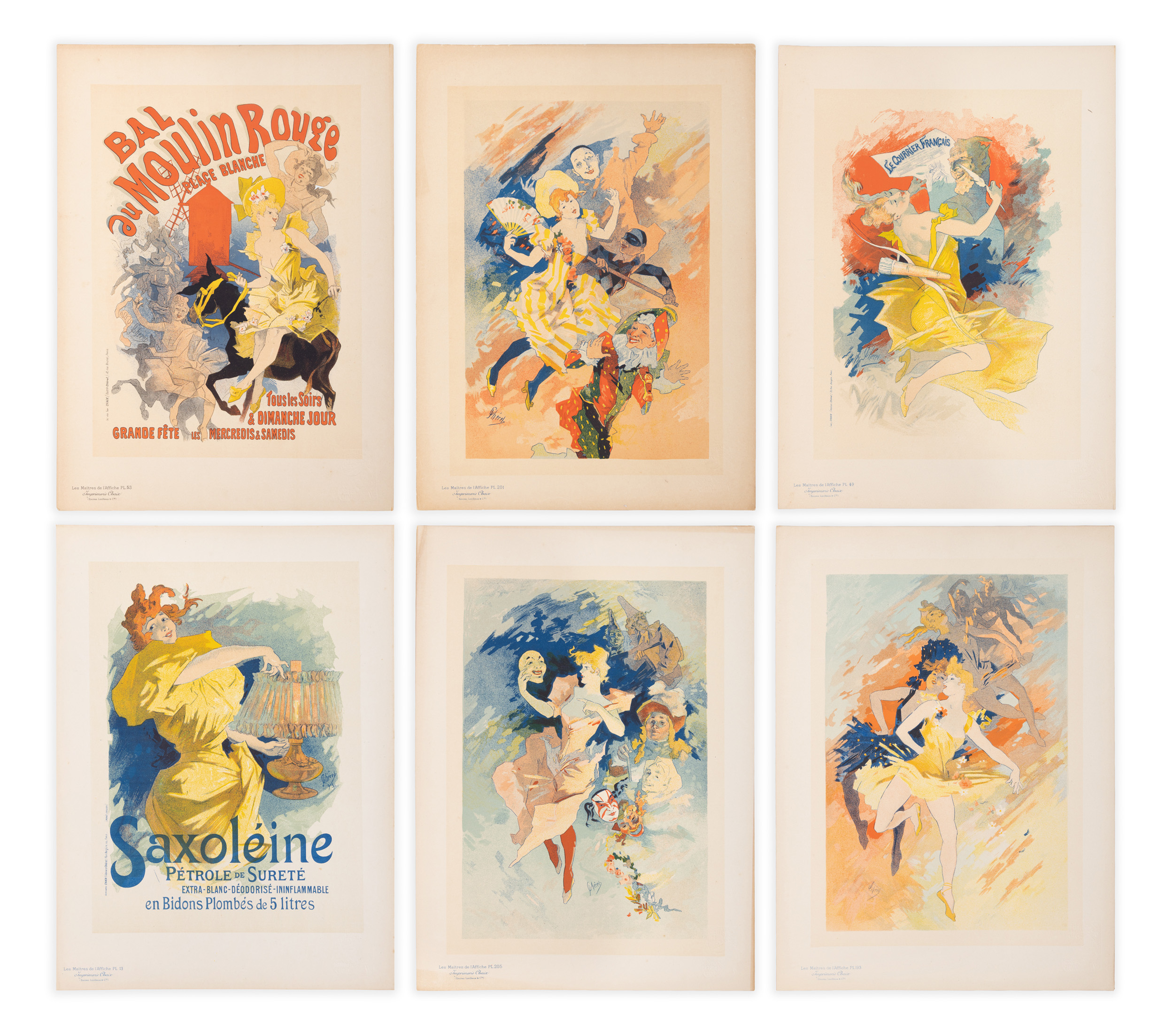

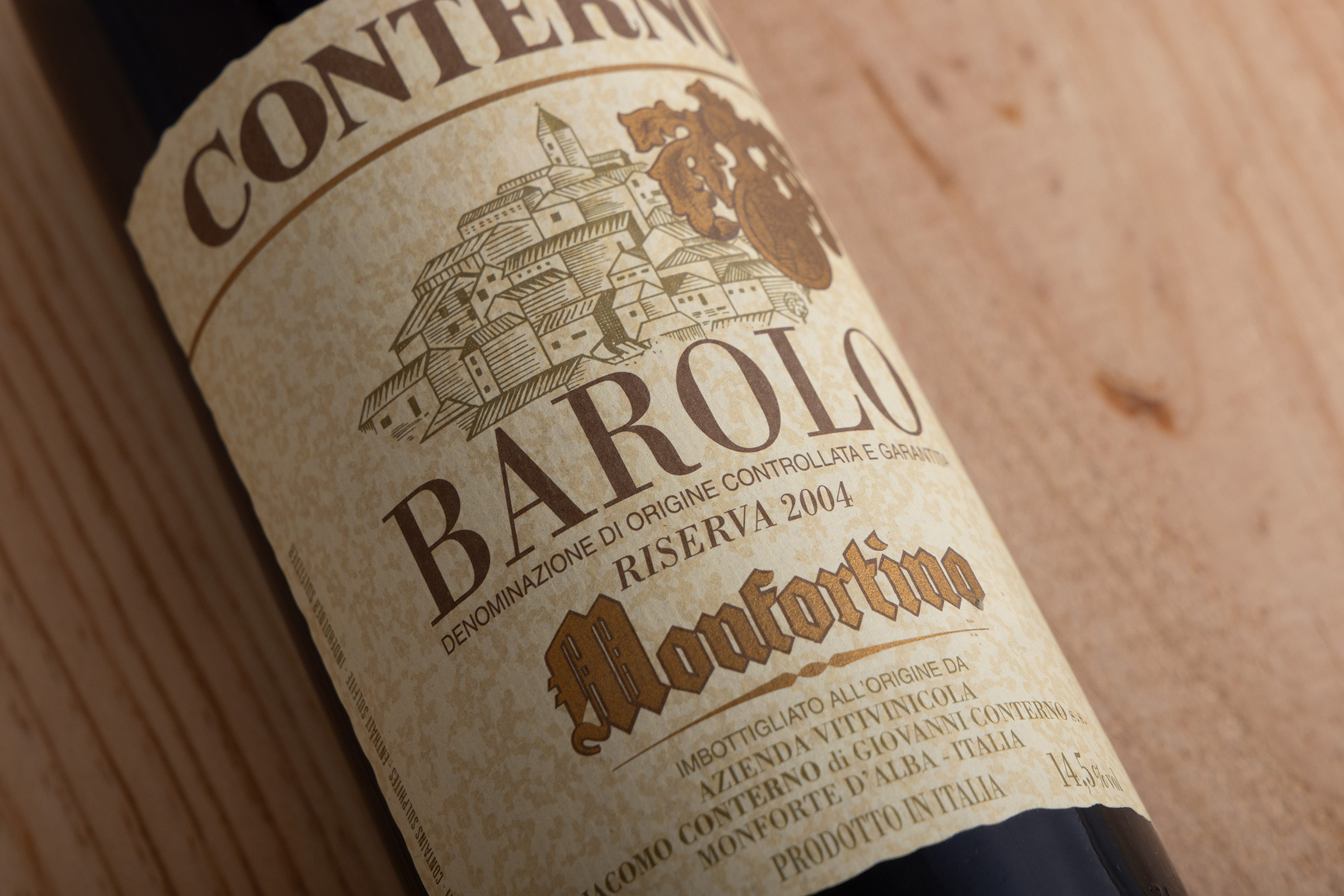
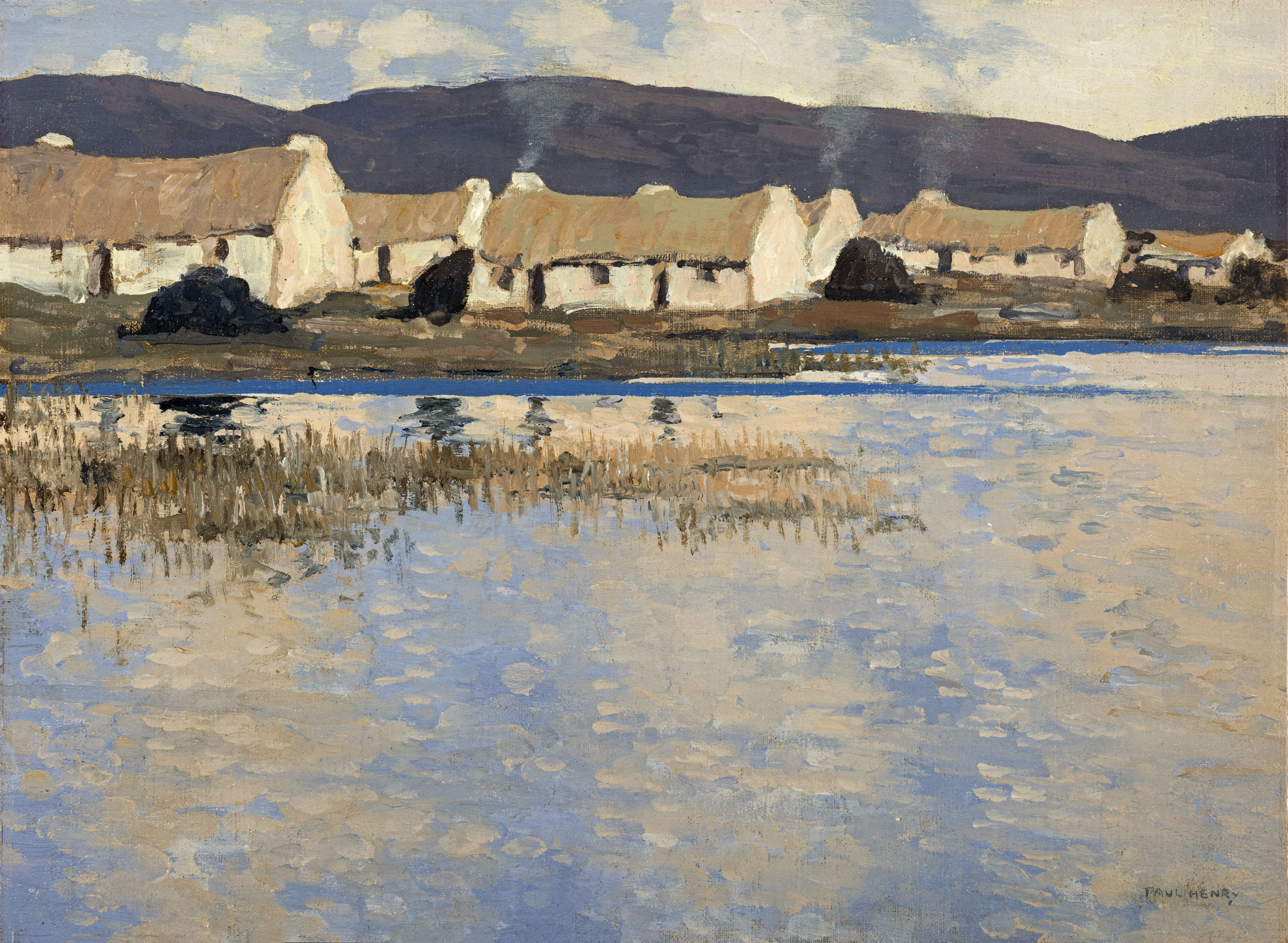
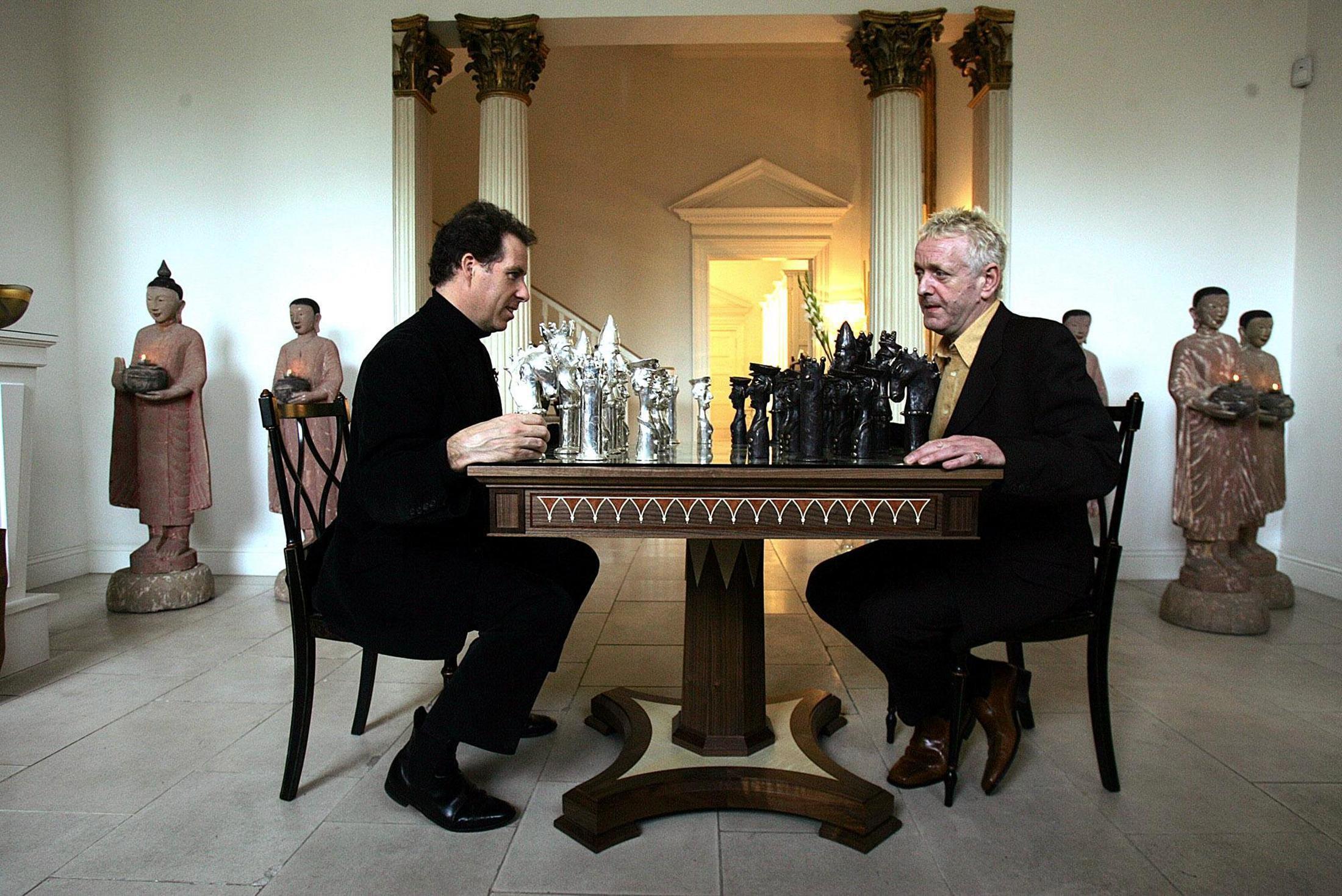
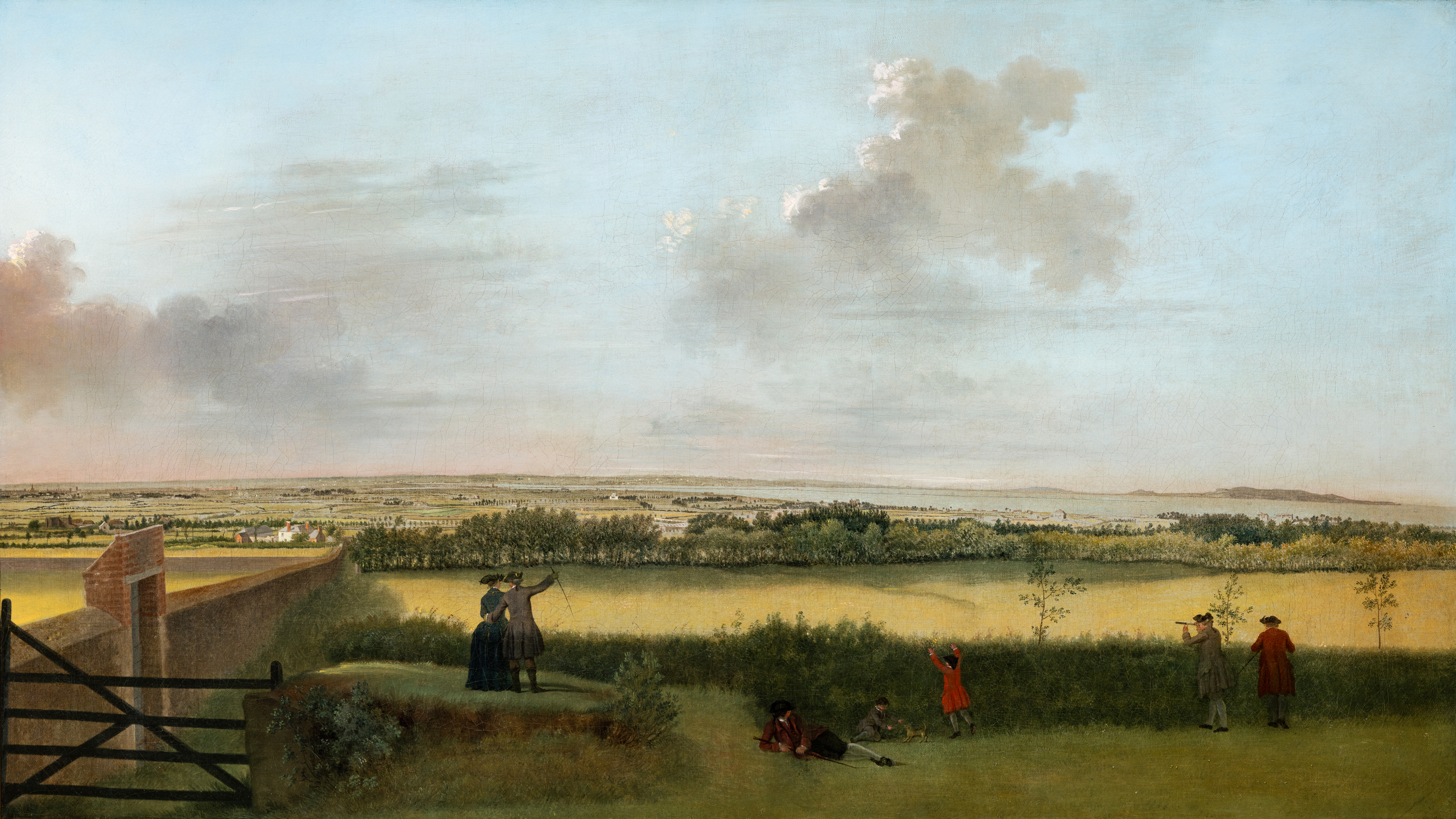
Works Sold at Adam’s Now in the Irish National Collection
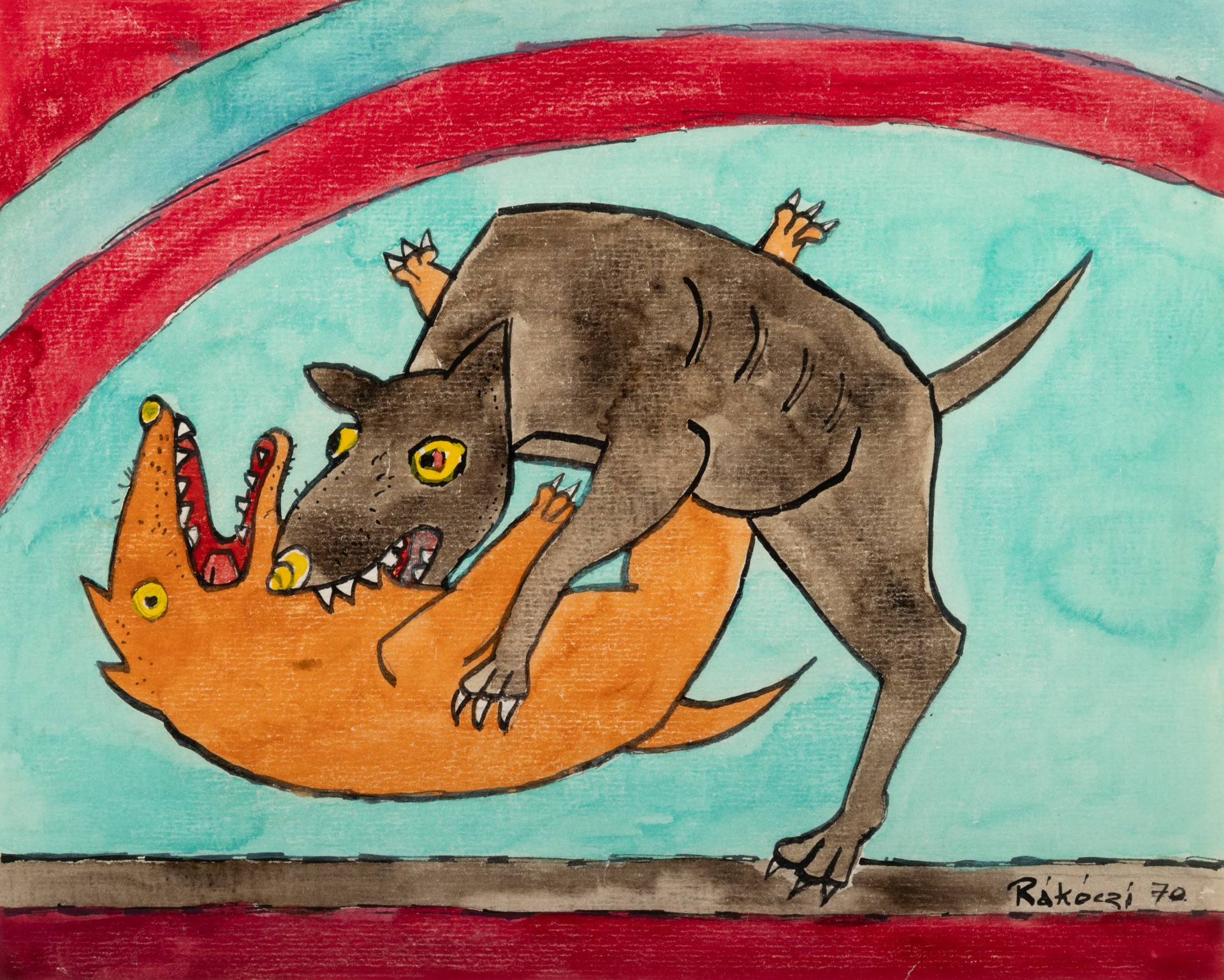
A great opportunity to purchase both established and lesser-known artist’s work at an accessible price point, the Online Picture Auction is the first of many sales to be hosted at Adam’s in 2026. It is perfect for those looking to start a collection and the discerning collector alike.


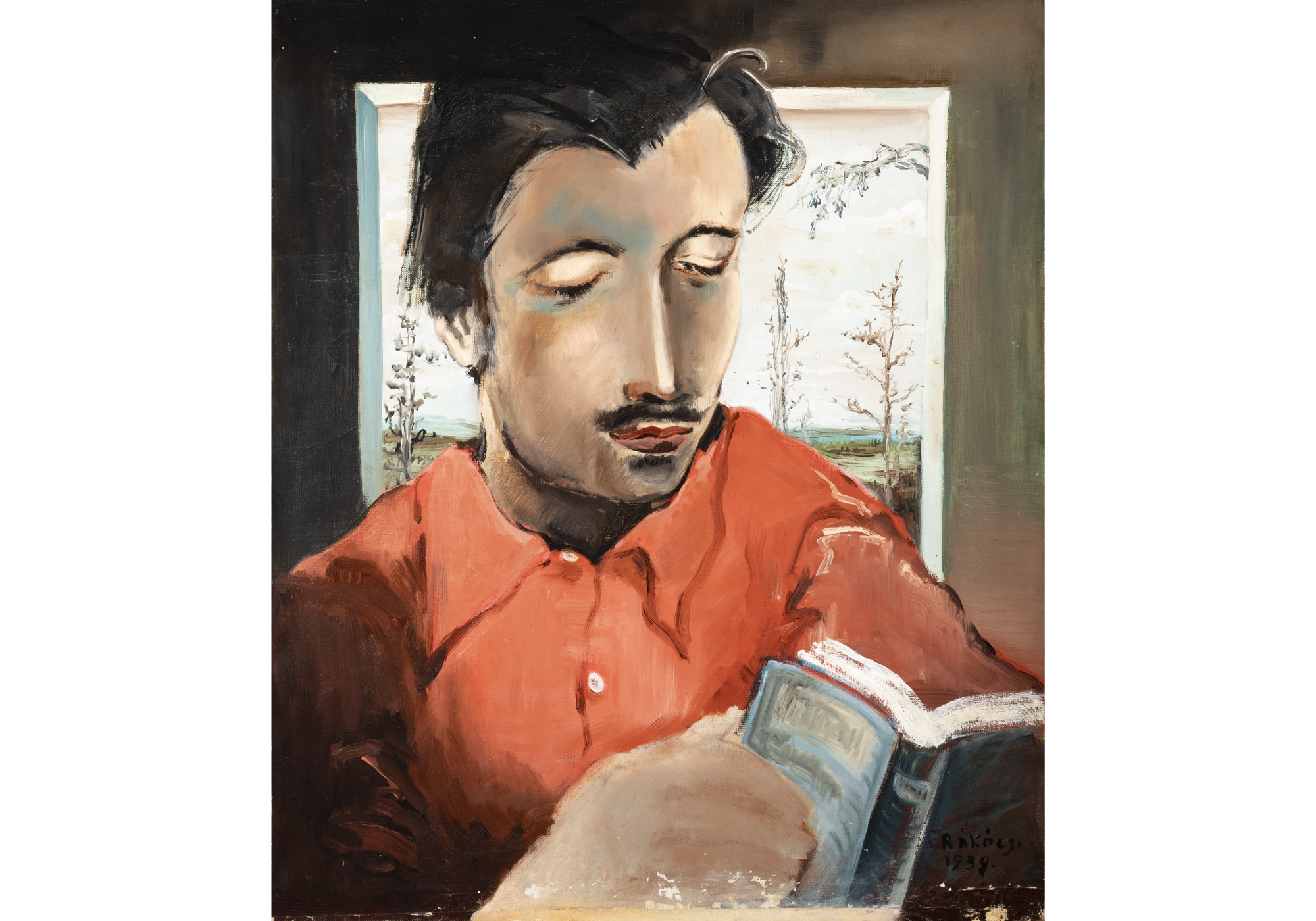
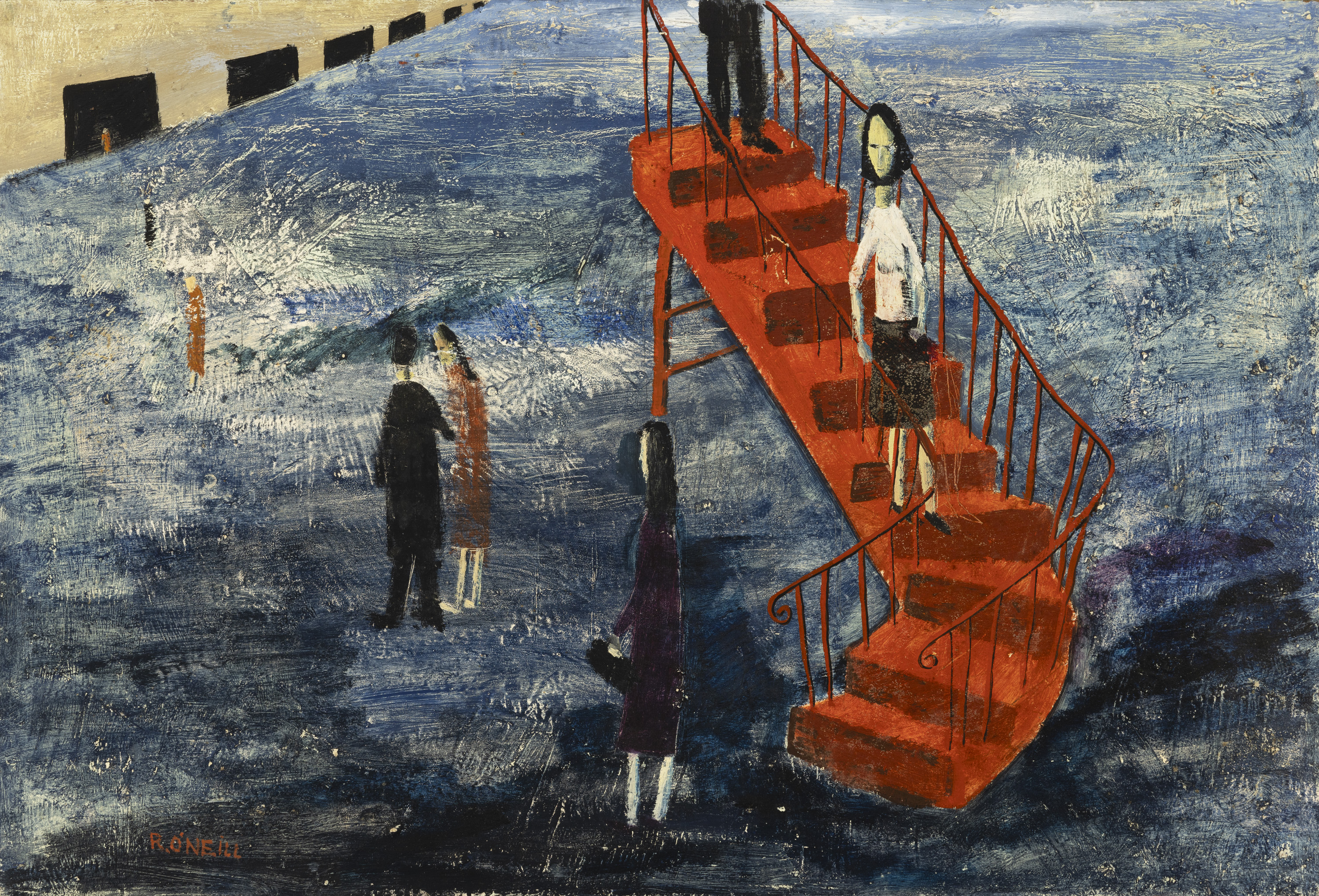
Through this article, let our expert Adam Pearson guiding you to the (re)discovery of the once established Irish painter Richard O’Neill.


Buying at Auction and the Role of Antiques in a Modern Home


Important Irish Art Auction Highlights

Oliver Dowling Collection by Aidan Dunne


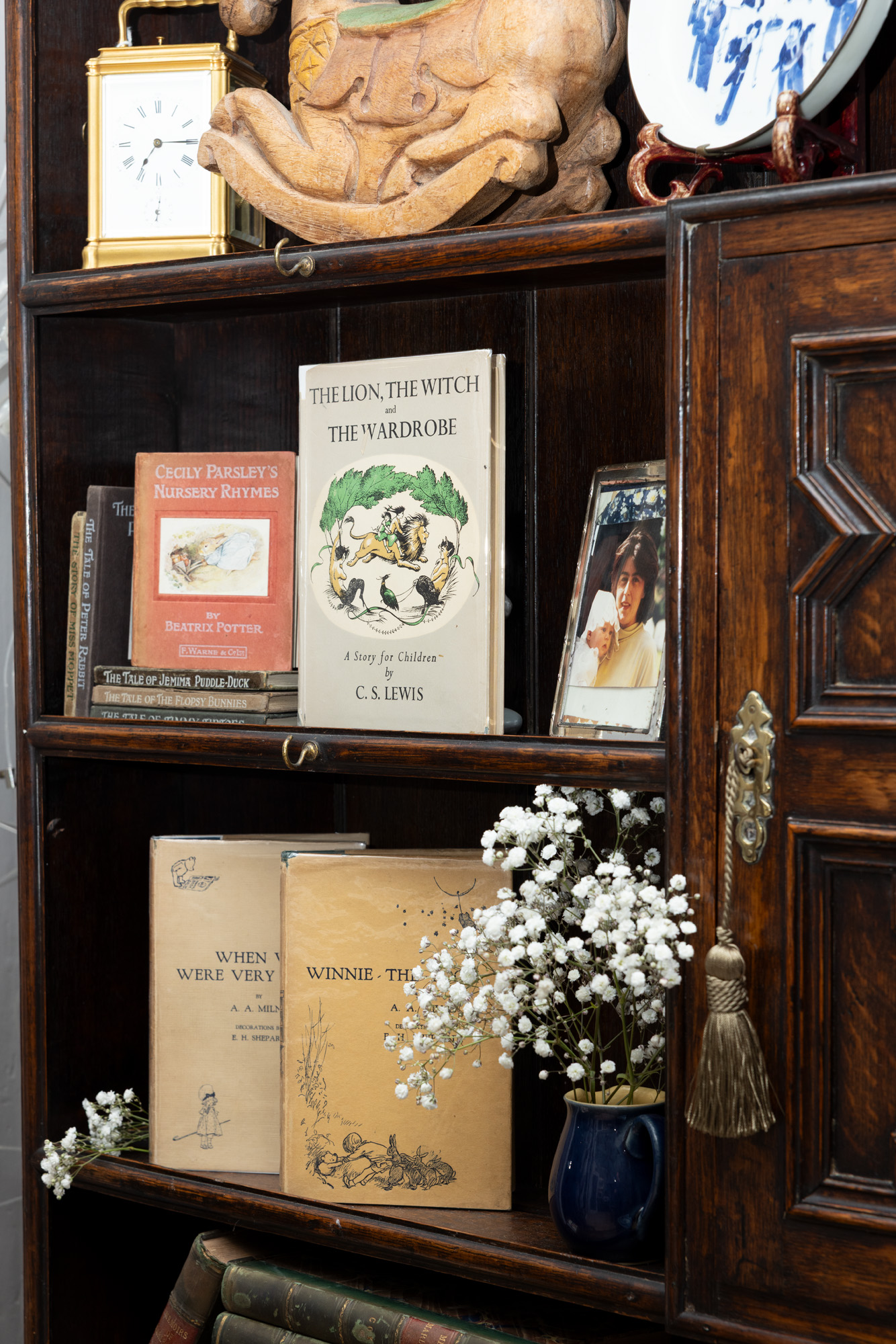
2024 is a year in which Adam’s wants to recognise the key role buying antique furniture and furnishings at auction contributes greatly to the sustainable initiative. In 2019 the Environmental Protection Agency reported stark figures that each year in Ireland 1.2 million reusable bulky items, primarily furniture goes into landfill. Similar to the problem of ‘fast fashion’, the constant production and consumption of new items is leading to rapidly growing waste problem. We want to acknowledge those who are already buying second hand or antique furniture at auction and to encourage new buyers by highlighting the benefits of acquiring affordable, well-made quality items that are built to last.


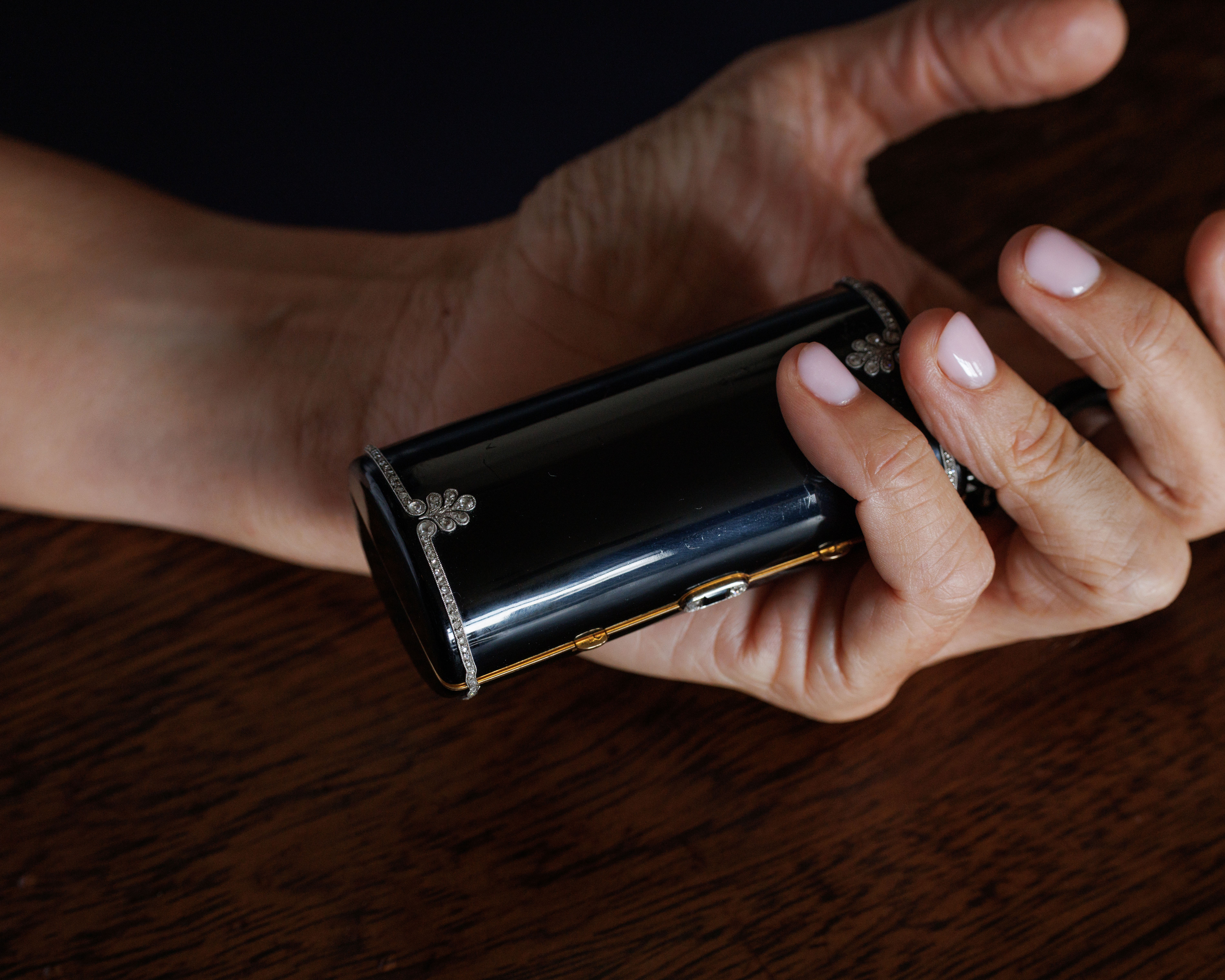
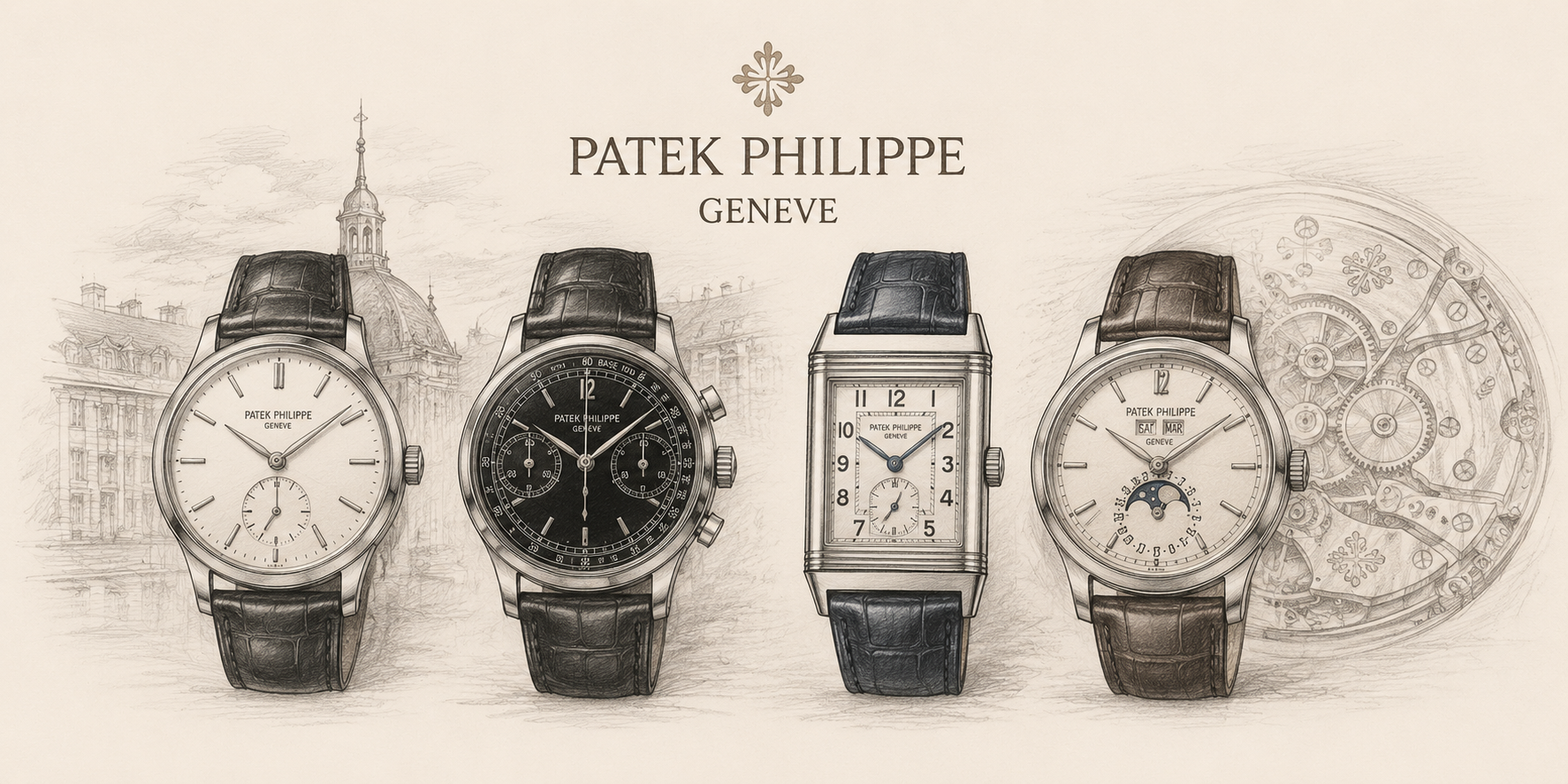
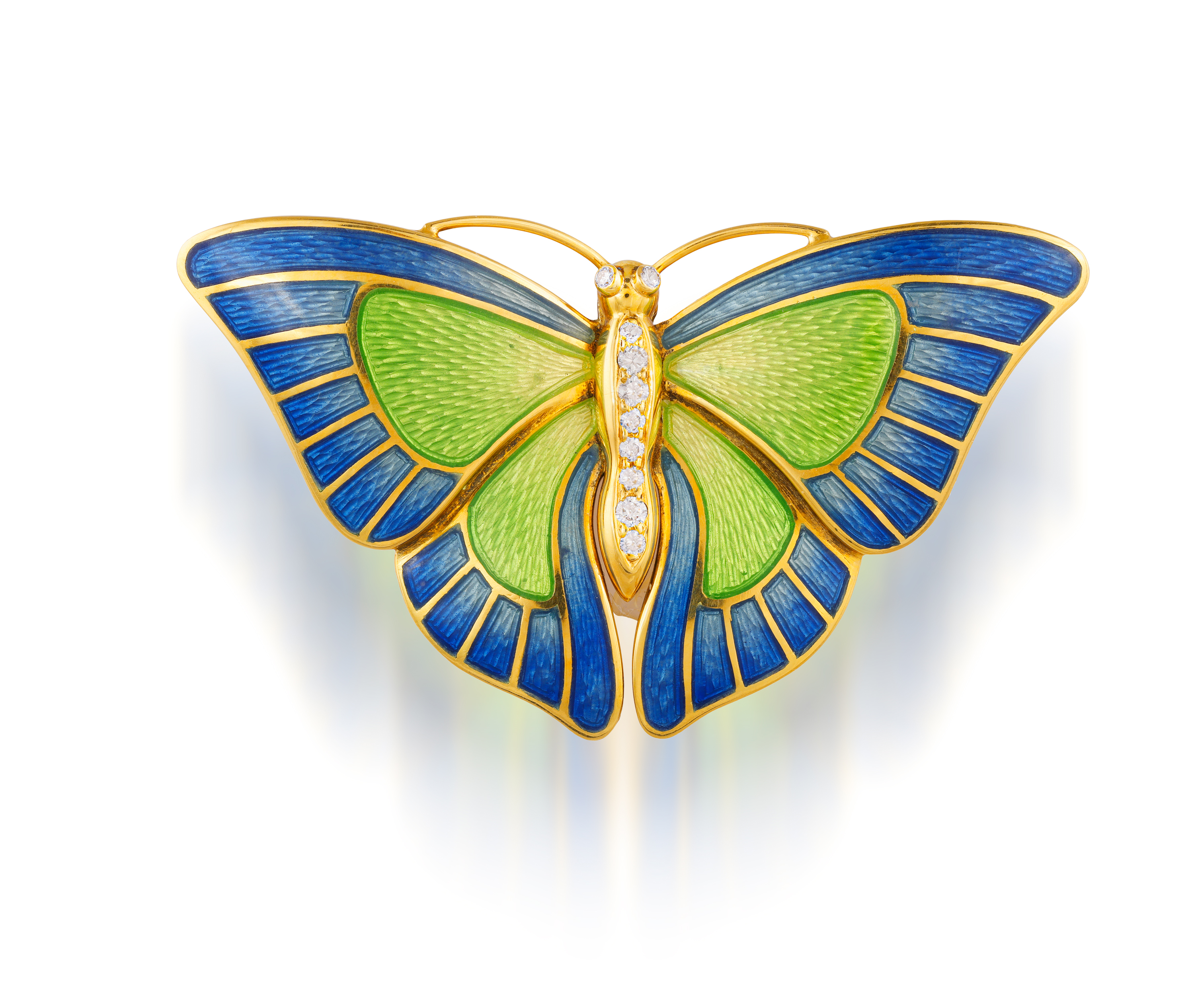
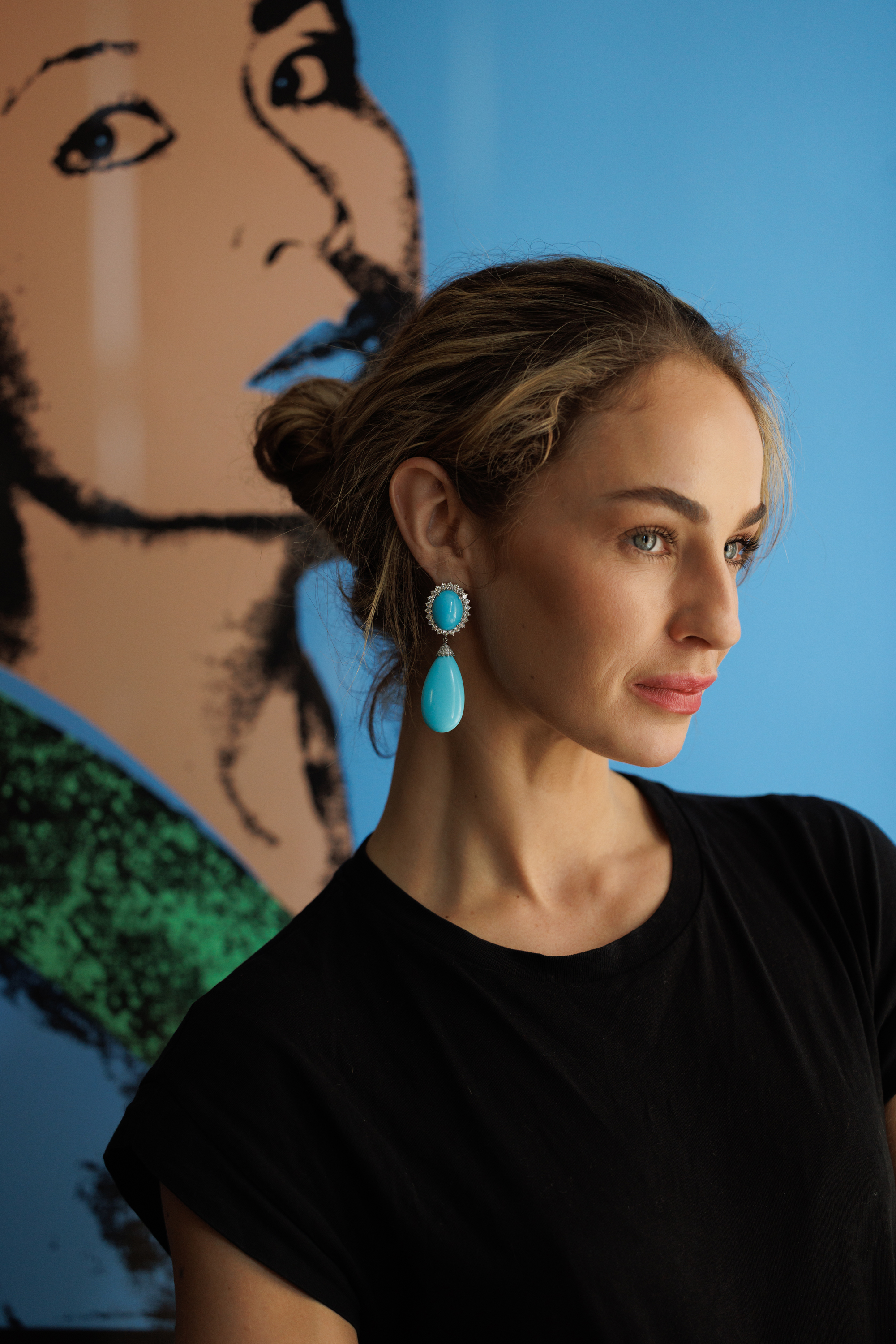
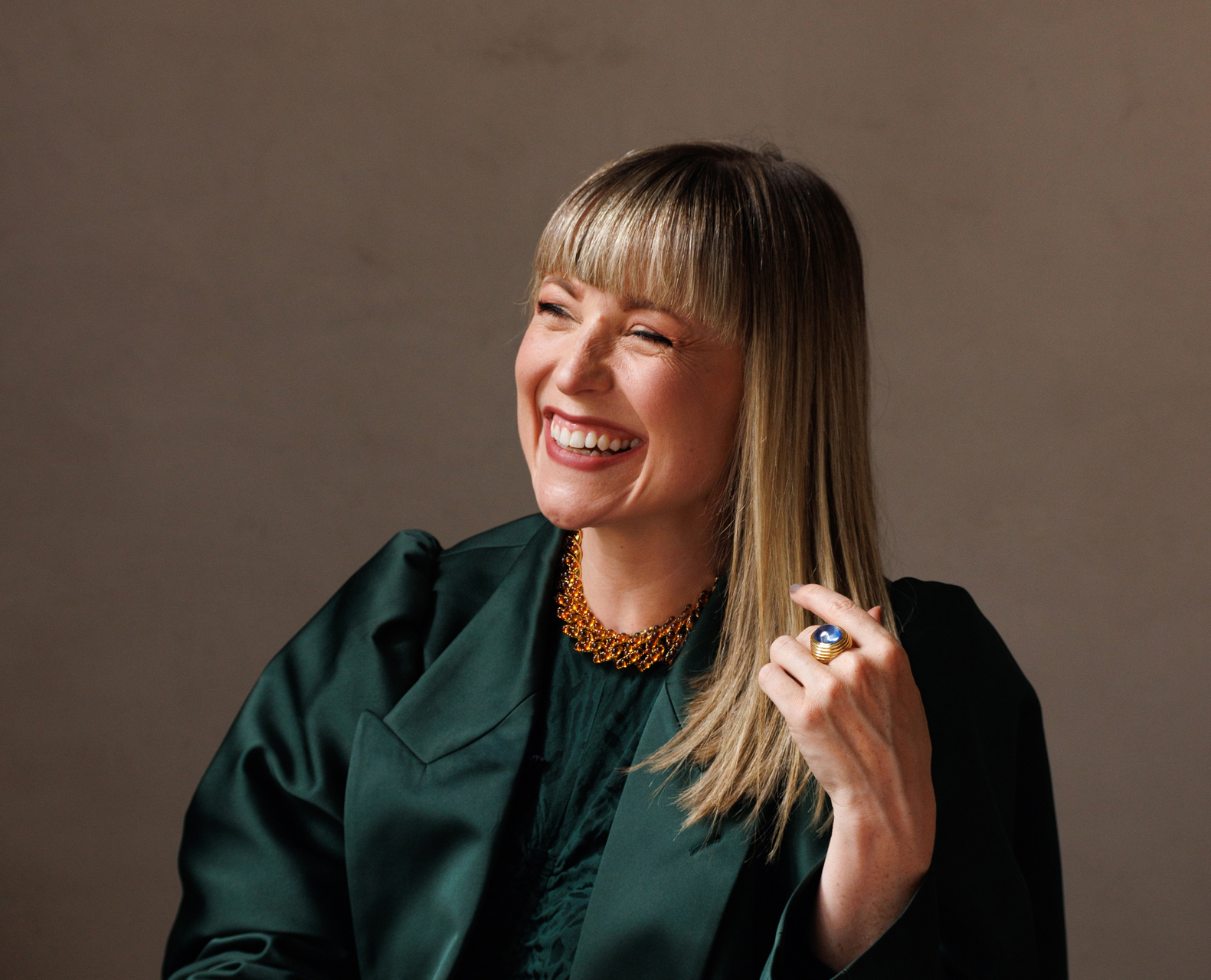
Irish author, recipe creator and lifestyle influencer, Indy Parsons, selects her favourite pieces from our upcoming Fine Jewellery & Watches auction


James Adam & Sons Ltd, Fine Art Auctioneers and Valuers, 26 St. Stephen’s Green, Dublin 2,
D02 X665, Ireland


