
menu
Departments
.svg)
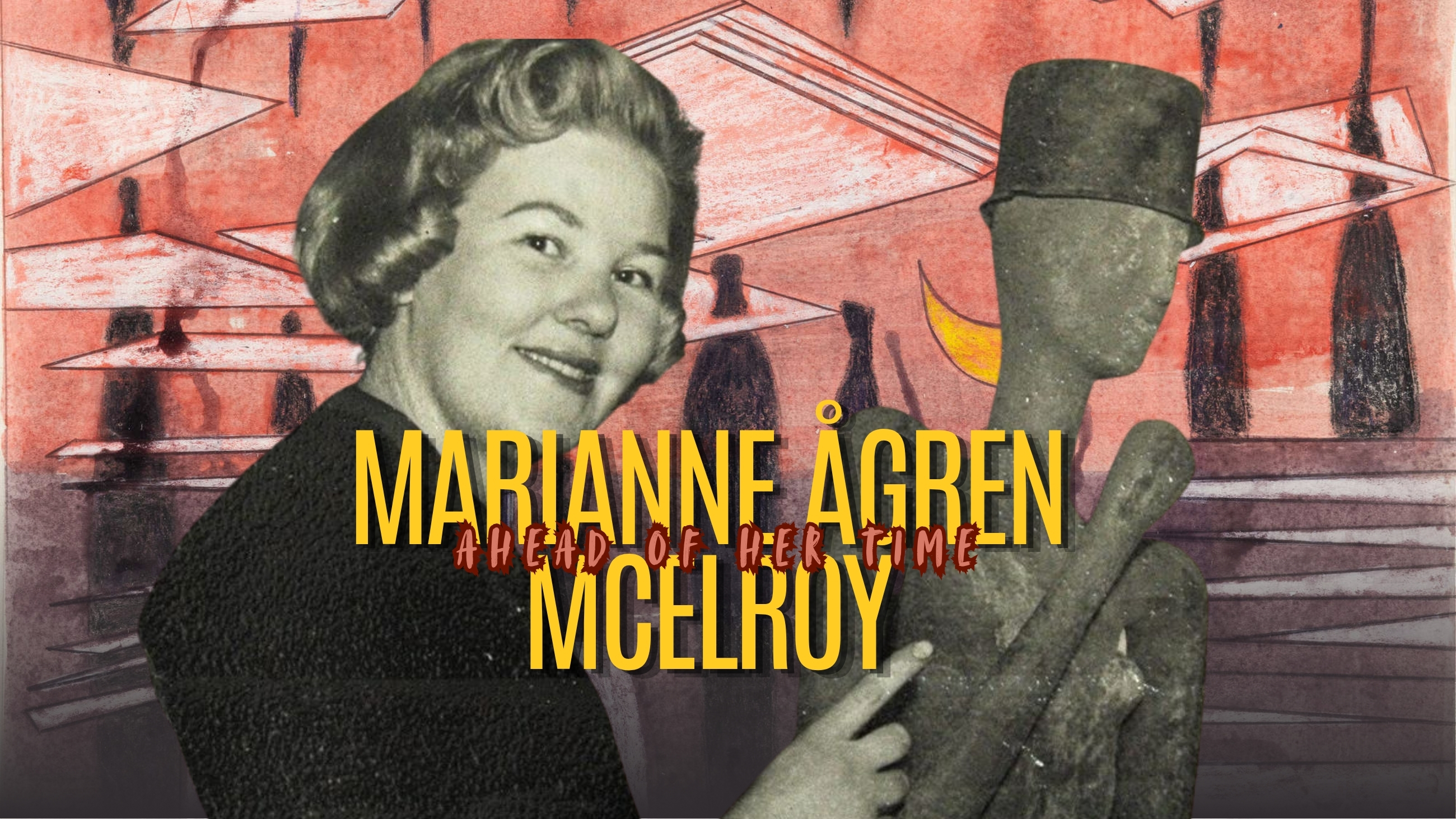

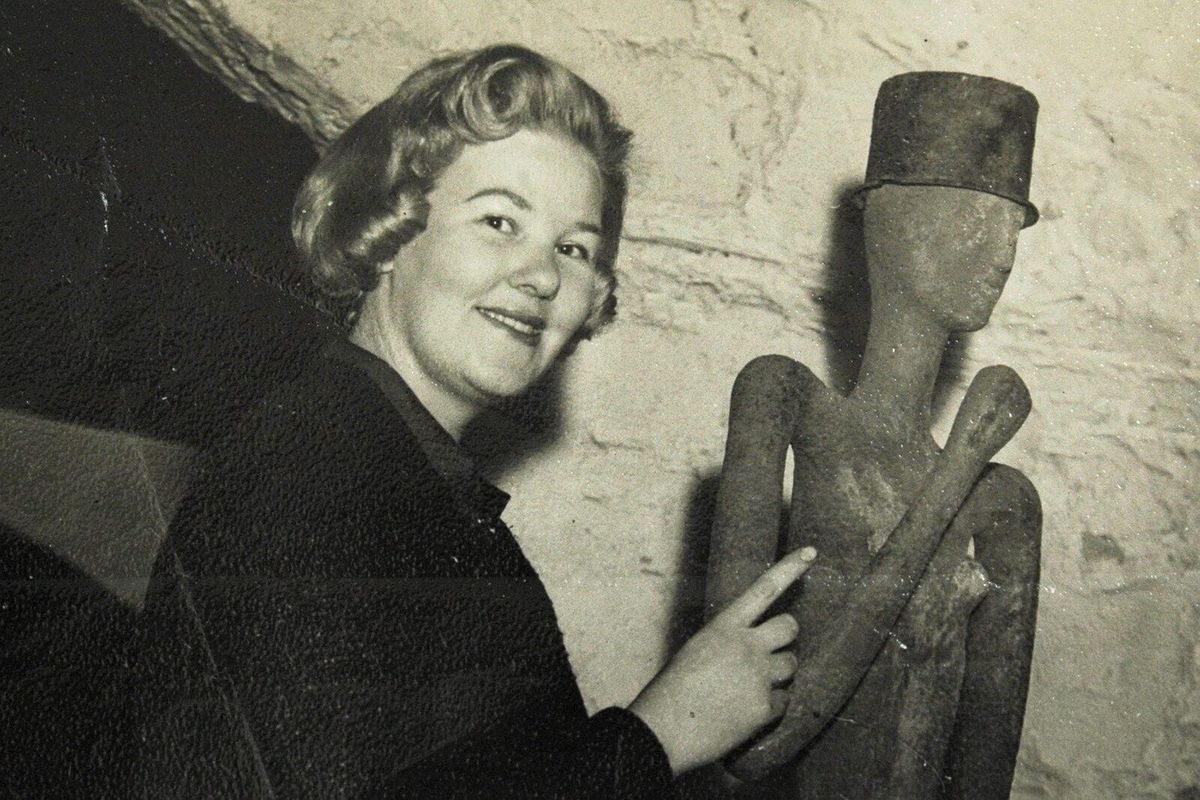
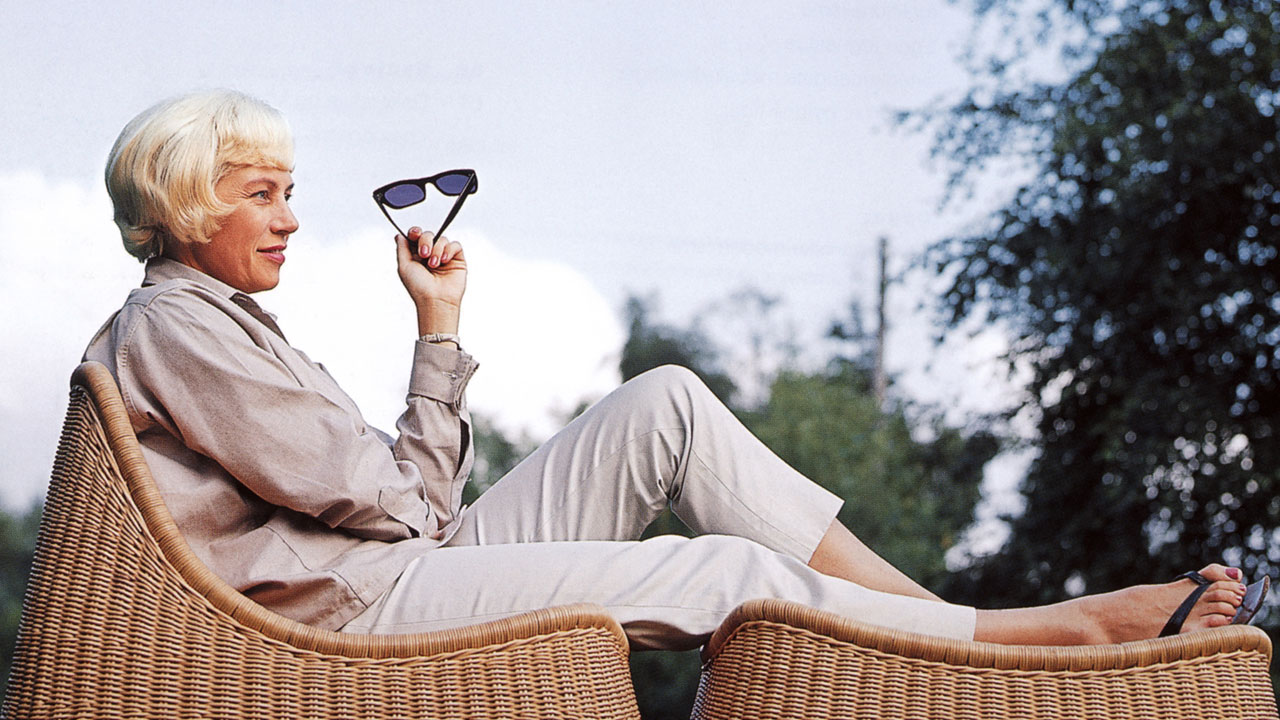
There are artists whose names become firmly embedded in history, and there are others whose contribution quietly waits to be rediscovered. Marianne Ågren McElroy belongs firmly in the latter category. A pioneering ceramicist, sculptor, graphic artist and designer, she was one of the most original creative voices working in Ireland during the 1950s, 1960s and 1970s. Today, interest in her work is growing once again, allowing collectors the opportunity to acquire pieces by an artist whose career deserves renewed recognition.
Adams is delighted to present works by Marianne Ågren McElroy in our Online Picture Sale, celebrating an artist whose originality, technical skill and independent spirit remain as relevant today as they were during her lifetime.
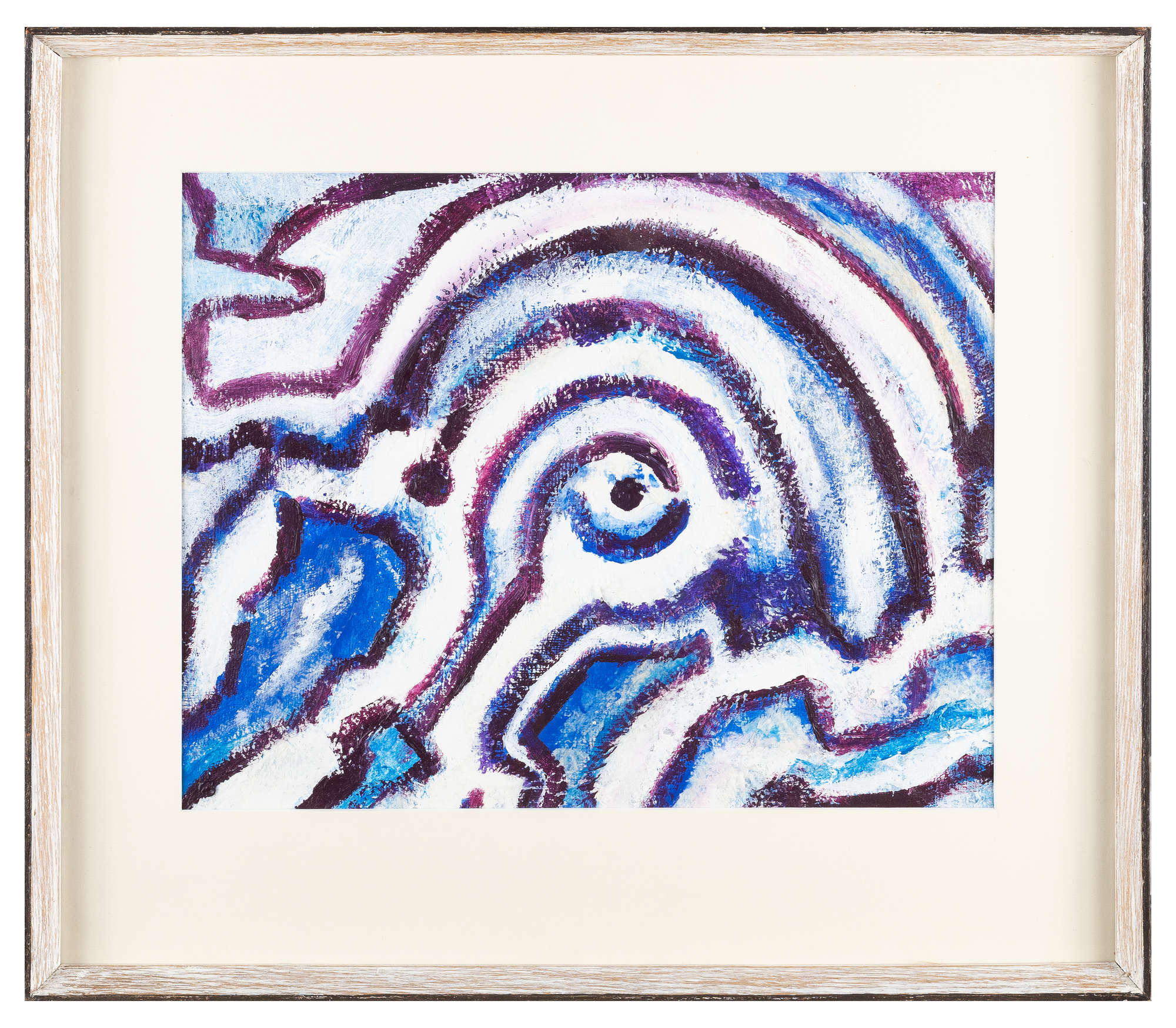
Born on the island of Lidingö, near Stockholm, in May 1926, Marianne Ågren displayed artistic talent from an early age. Despite her ambition, her parents refused permission for her to attend art college, believing such a career unsuitable for a young woman. Undeterred, she pursued her education independently, studying graphic art in Stockholm and Paris before settling in Dublin in the early 1950s.
She later continued her studies as a night student at the National College of Art, now the National College of Art and Design (NCAD). Her arrival in Ireland coincided with a period of enormous social conservatism, yet Marianne consistently challenged expectations. She continued to use her own surname after marriage, an unusual decision at the time, and firmly identified herself as an artist in an era when women were often defined by their domestic roles rather than their professions.
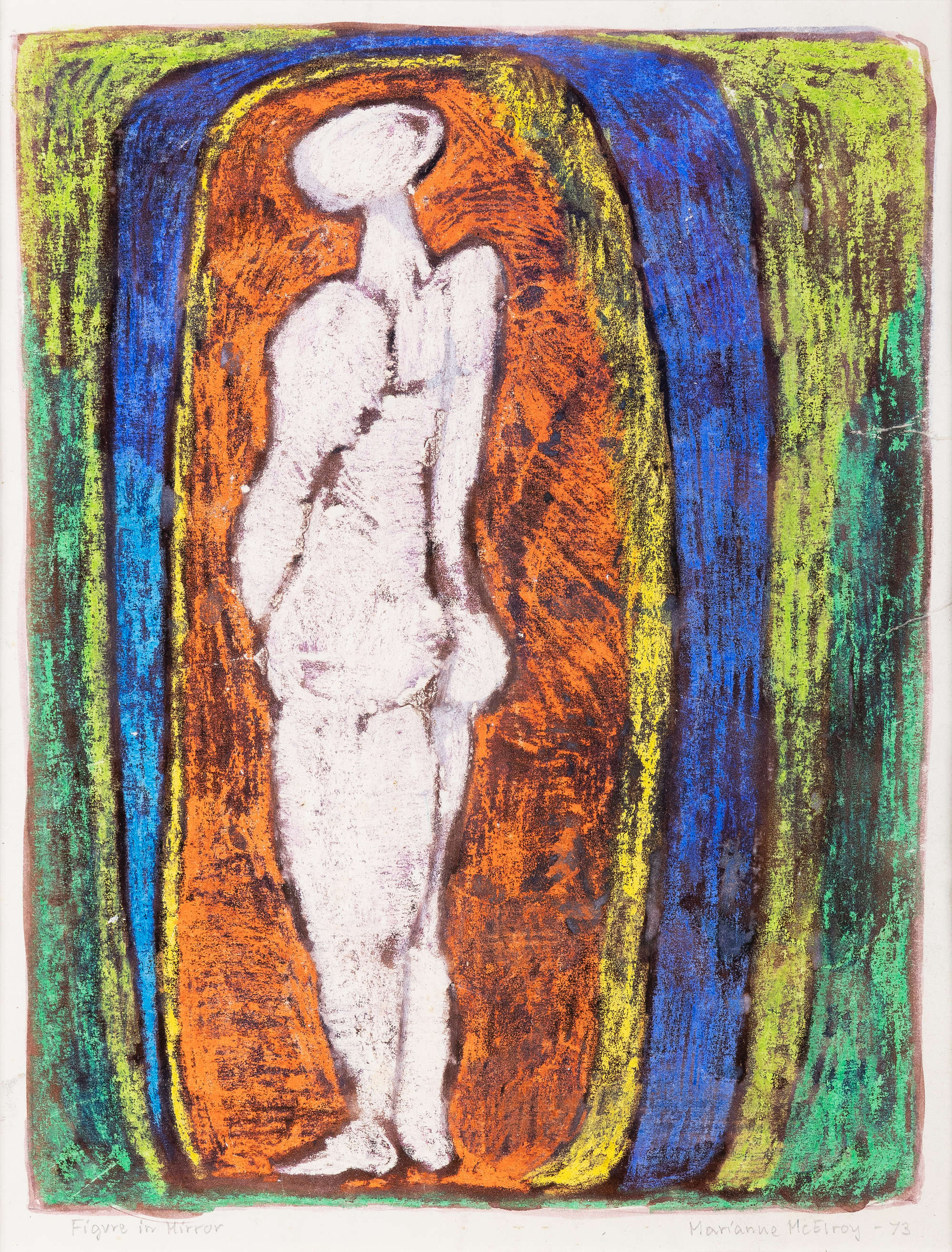
Marianne met fellow artist Patrick “Paddy” McElroy at the National College of Art’s annual costume ball in Dublin. Their meeting became something of family legend and marked the beginning of a passionate partnership between two highly individual creative personalities. Together they became part of the vibrant artistic community centred around Upper Mount Street, in what writer Anthony Cronin affectionately dubbed “Baggotonia”, home to many of Ireland’s leading artists, writers and intellectuals during the mid twentieth century.
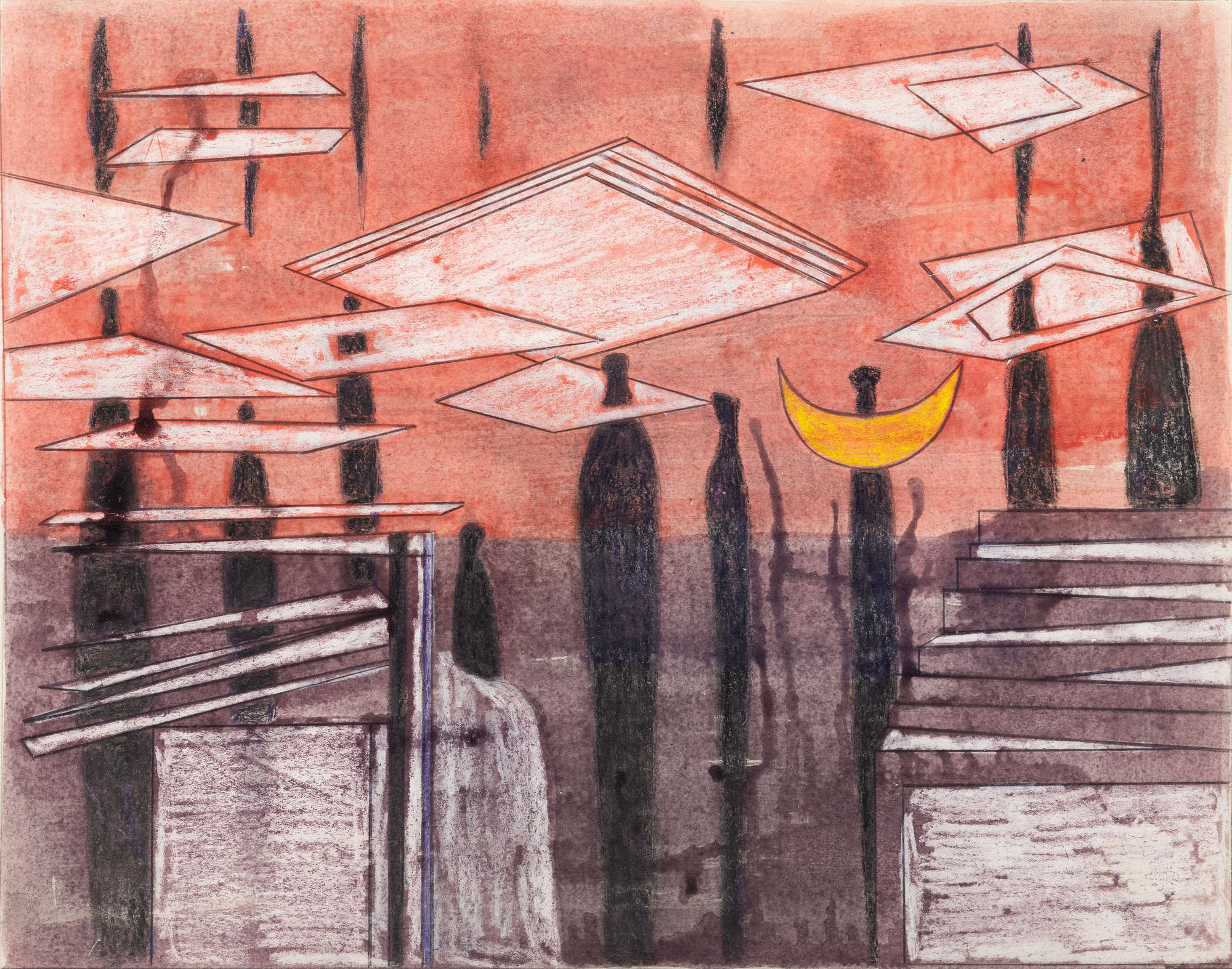
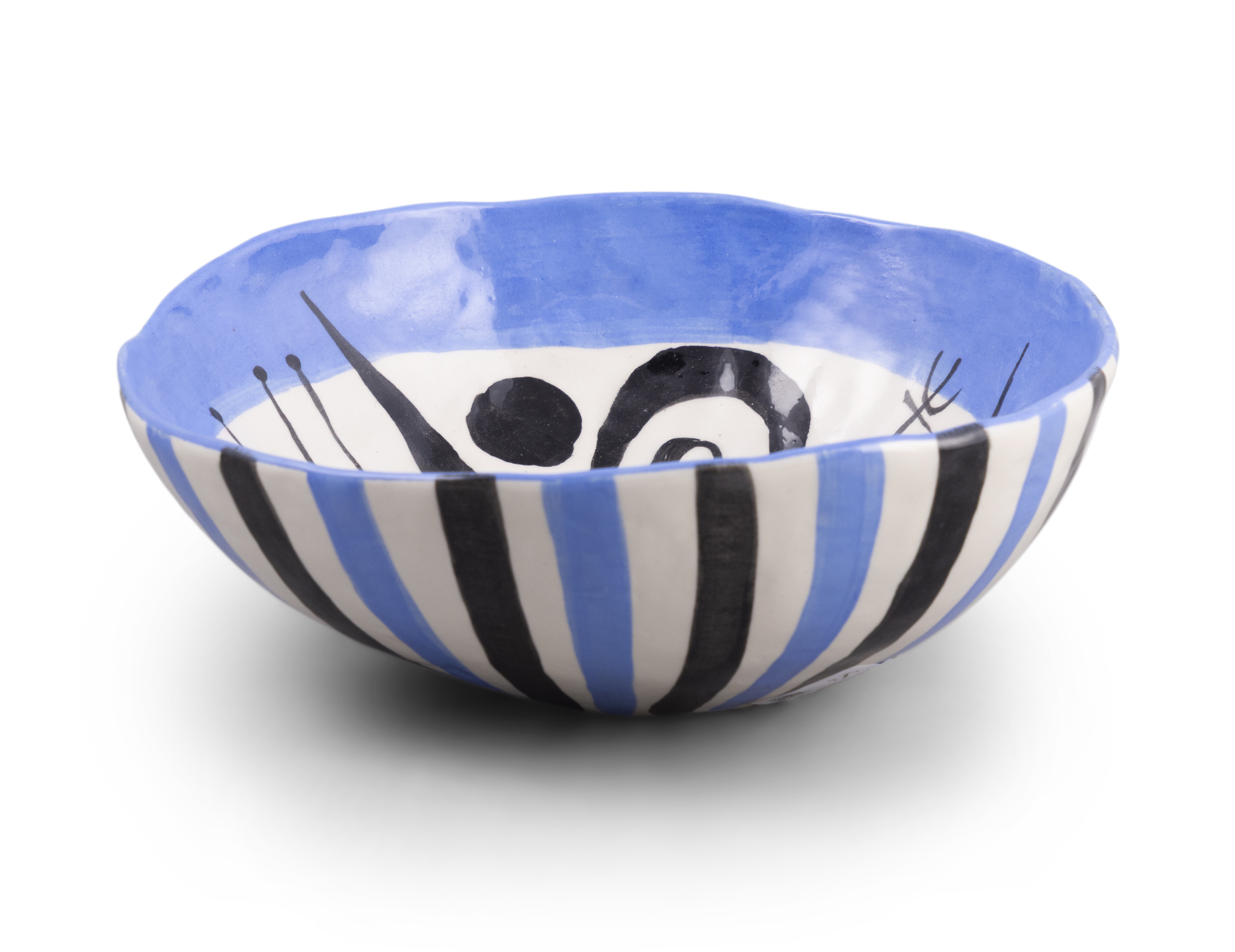
While raising three children and working at the Swedish Embassy, Marianne developed an increasingly ambitious artistic practice. In 1965 she established her own ceramics studio in Churchtown, County Dublin, where she experimented extensively with Irish clays, particularly Coalisland clay from County Tyrone, mixed with grog to produce distinctive sculptural forms. At a time when Irish ceramics often drew heavily on Celtic revival motifs, Marianne argued publicly for a more contemporary approach. In an interview published in the Irish Independent in 1961, she remarked that although Celtic art was beautiful, it belonged to history, expressing her desire to create ceramics rooted in modern Ireland using native materials and innovative glazing techniques.
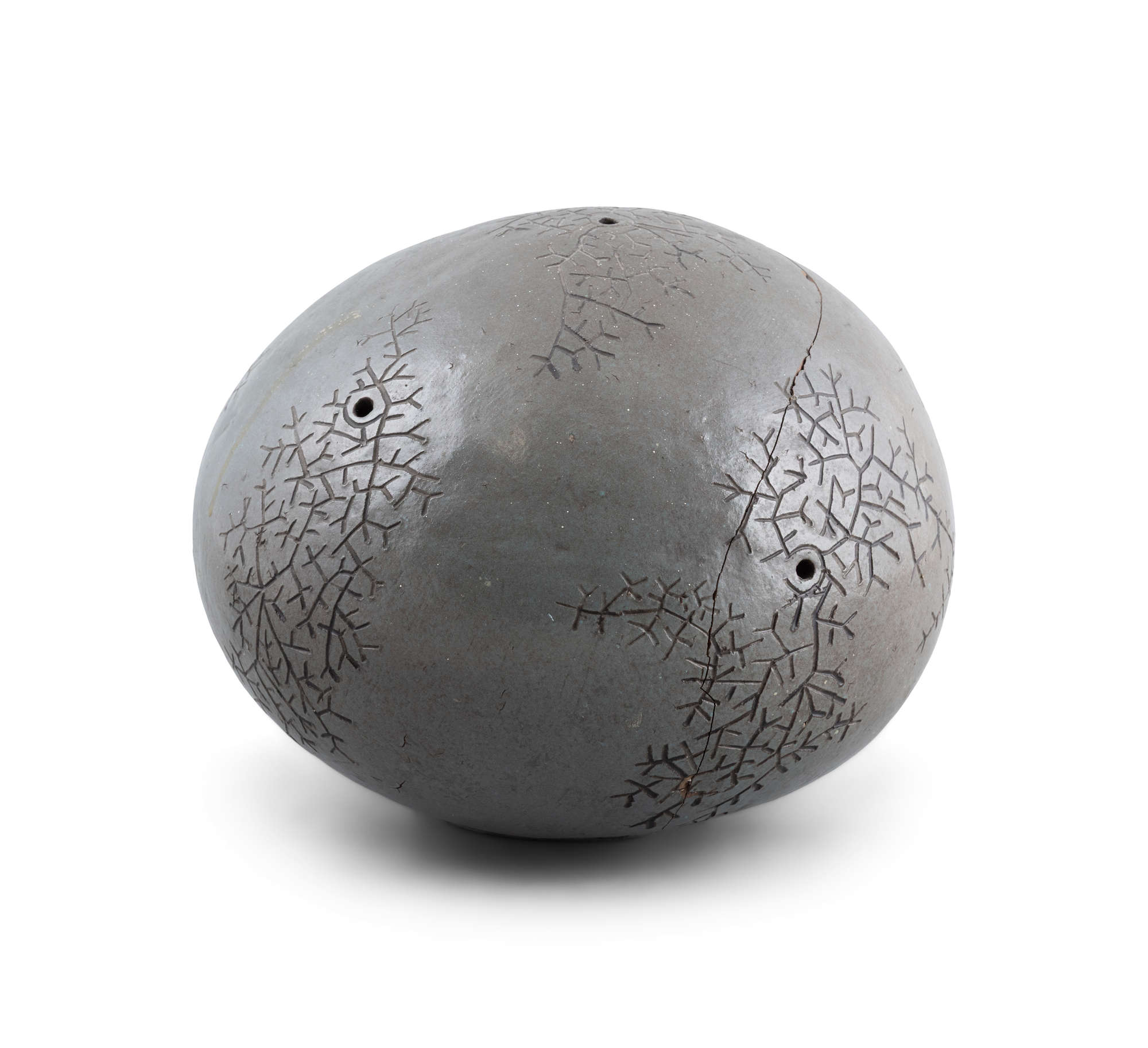
Her willingness to experiment became a defining characteristic of her career. She worked across ceramics, sculpture, pen and ink drawing, graphics, mixed media and enamel painting, refusing to be confined to a single discipline. This versatility distinguished her from many contemporaries and reflected an artist driven by curiosity rather than convention.
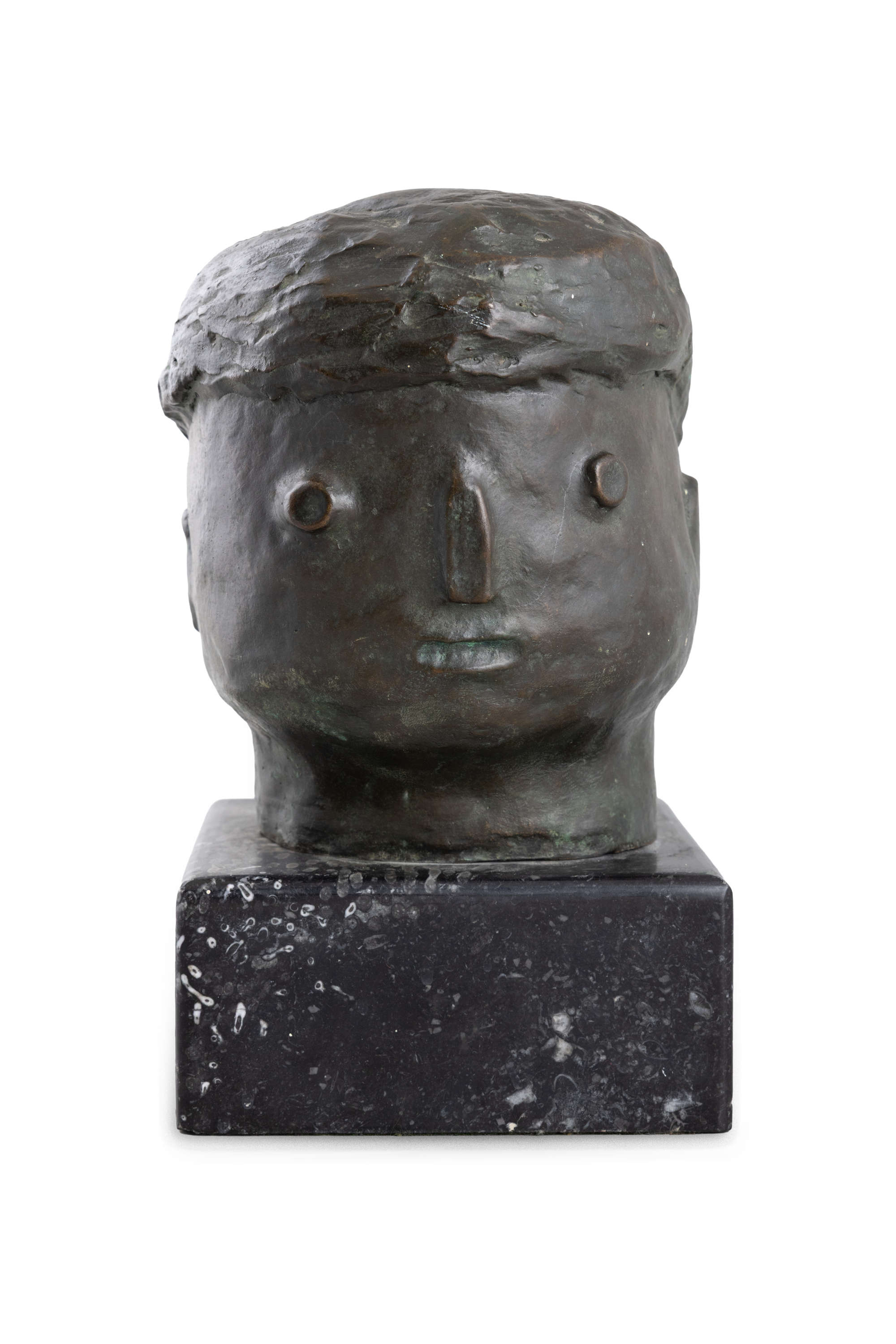
Throughout the 1960s and 1970s Marianne exhibited regularly in Dublin. She participated in exhibitions with the Independent Artists, held a solo exhibition at the Project Arts Centre in 1968, and exhibited at the Emmet Gallery in 1976. Her work attracted institutional recognition, with examples acquired by the Arts Council of Ireland. In 1972 she represented Ireland at an international exhibition at London’s Victoria and Albert Museum with her ceramic sculpture Marah, an achievement that reflected her growing reputation beyond Ireland. She was also an active member of both the World Crafts Council (Irish Section) and the Irish Society for Design and Craftwork, demonstrating her commitment to advancing contemporary craft and design in Ireland during a transformative period for the country’s visual arts.
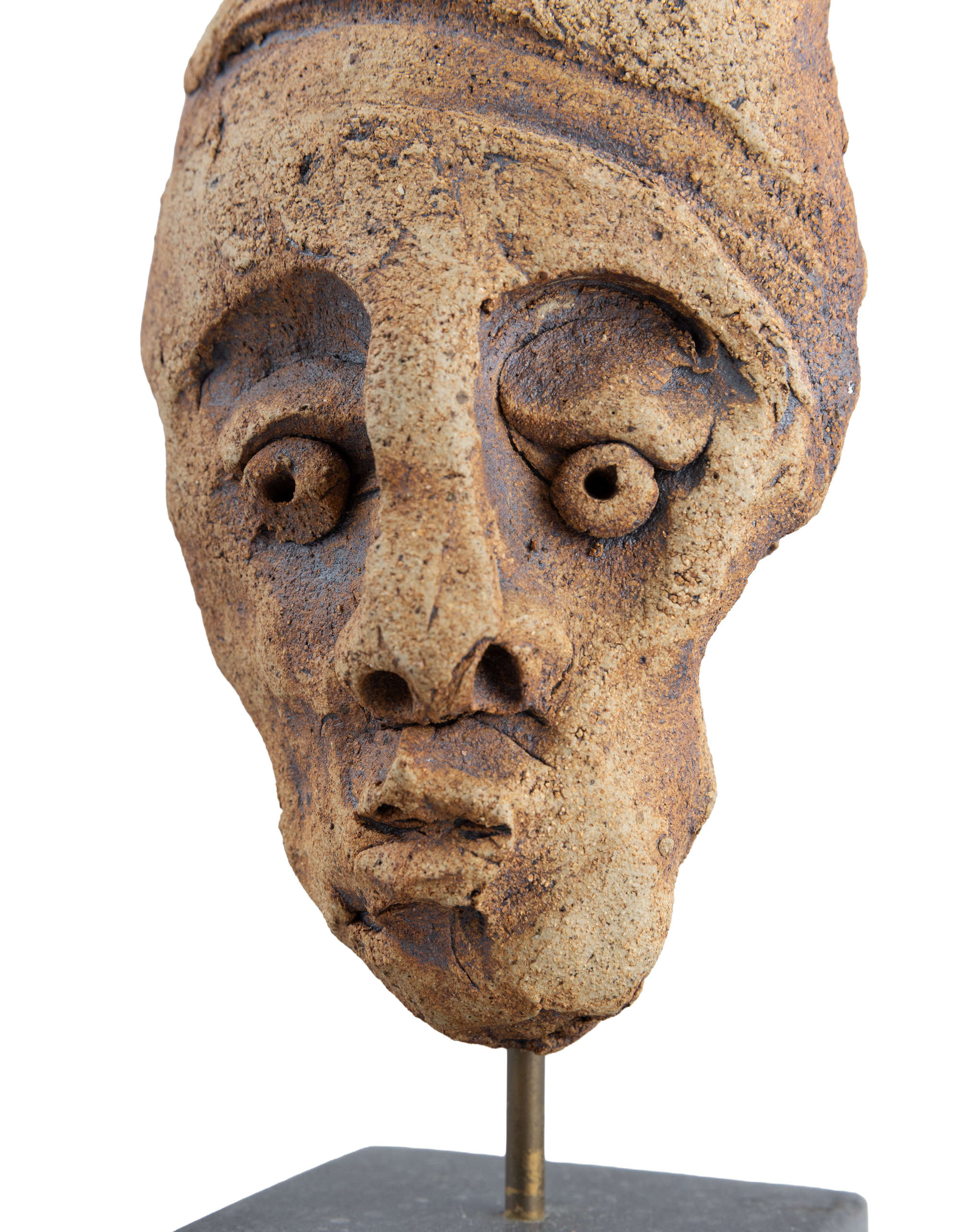
Those who knew Marianne remembered not only her artistic achievements but also her elegance, determination and formidable intellect. Her daughter, Kristina Ågren McElroy, has written movingly about growing up in the family’s Upper Mount Street home, recalling a household immersed in creativity despite the practical challenges of life in Dublin’s ageing Georgian buildings. Marianne somehow found time to create art while balancing work, motherhood and family life, quietly pursuing her own artistic vision with remarkable discipline.
Following her separation from Paddy McElroy in 1976, Marianne faced considerable personal and financial challenges at a time when Irish society offered little support to separated women. Nevertheless, she continued to work and remained outspoken on social issues, even publicly advocating for divorce reform long before it became politically acceptable.
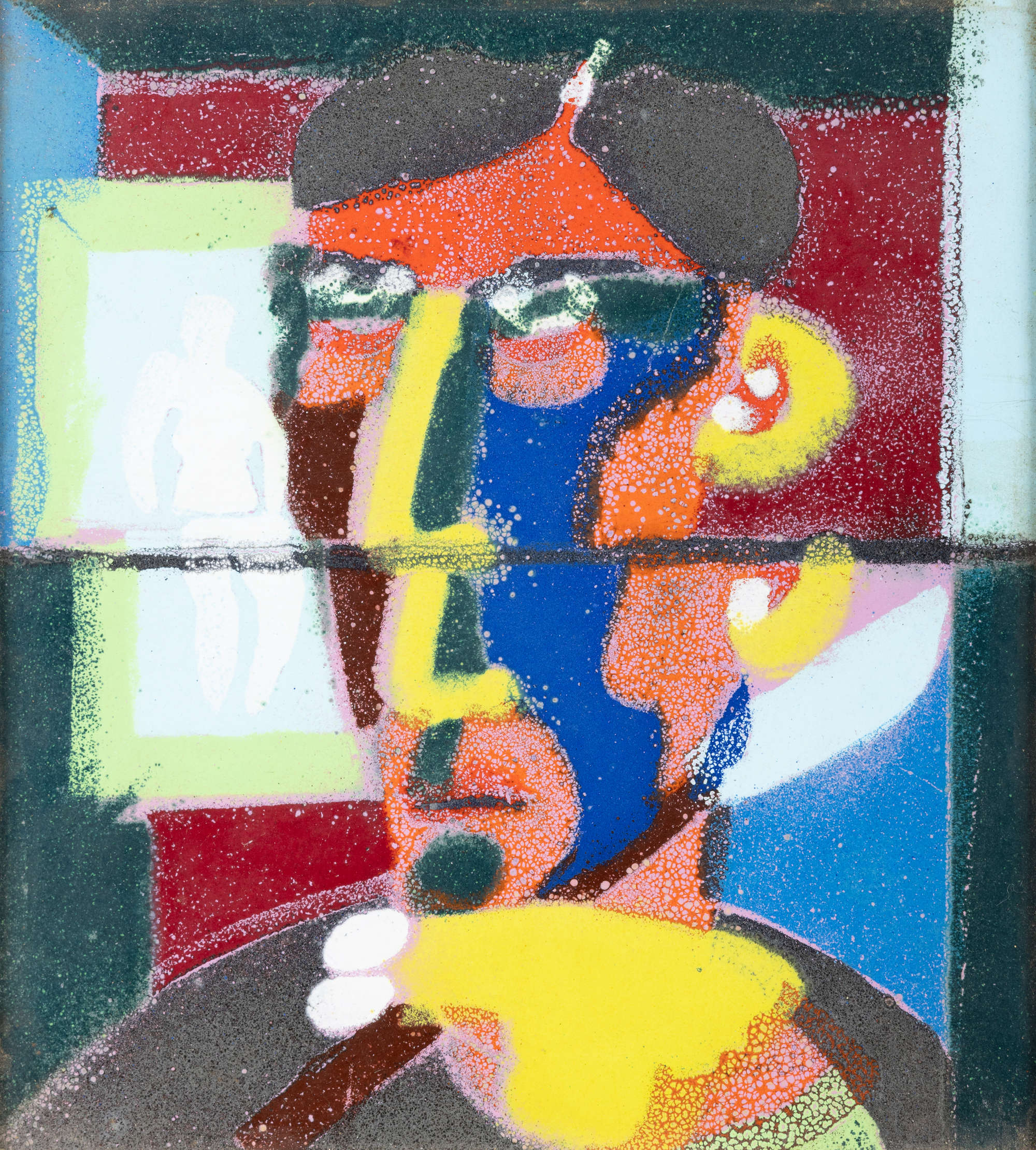
Marianne Ågren McElroy died in November 2006, leaving behind a body of work that reflects both technical mastery and intellectual independence. For many years her contribution remained overlooked, but recent exhibitions and renewed scholarly interest have begun restoring her rightful place within Ireland’s post-war artistic history.
Collectors are increasingly recognising the significance of artists who helped shape modern Irish art beyond the established canon. Marianne Ågren McElroy stands among this generation of innovative makers whose work combined Scandinavian influences with an evolving Irish artistic identity. Her ceramics, sculpture and works on paper possess a freshness and originality that continue to resonate with contemporary audiences. As appreciation for her work continues to grow, this sale offers collectors an opportunity to acquire pieces by an artist whose reputation is once again receiving the recognition it has long deserved. Marianne Ågren McElroy’s work represents not only exceptional artistic quality, but also the story of a pioneering woman whose creativity and determination helped broaden the possibilities for modern Irish art.
Emmalie Conroy, July 2026


.png)
.png)
.jpg)

John ffrench was an instrumental figure in the design industry in Ireland and a distinguished pioneer of Irish studio pottery.

)%20(1).jpg)
%20(002).png)
%20(2).jpg)


%20(1200%20x%20768%20px)%20(2).png)
.png)

.png)

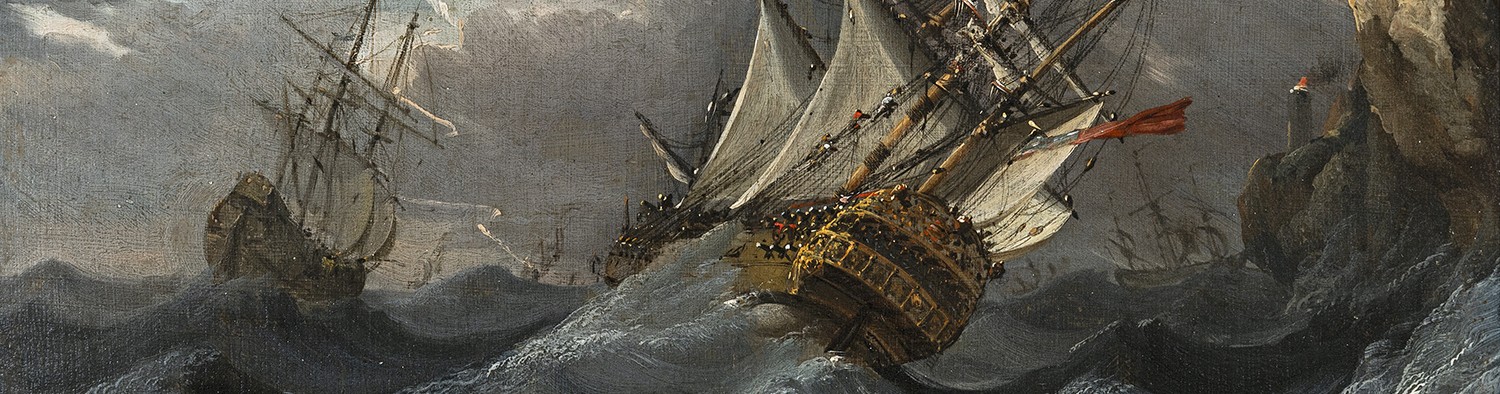
"I should declare my hand. I have a weakness for pictures that punch above their physical weight, and for artists who have been quietly underrated for too long. This pair is both. They are intimate enough to live with at close quarters and serious enough to repay any amount of looking. If the market has lately shown signs of catching up with eighteenth-century Irish painting and I think it has, these two small panels feel, to me, like exactly the sort of thing that will look obvious in twenty years’ time."
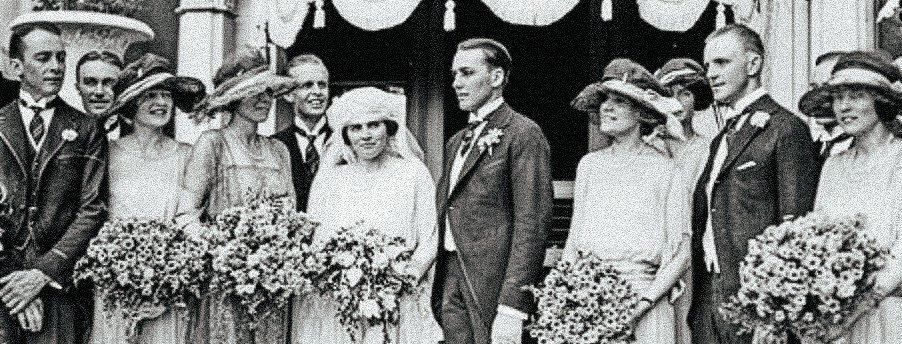


Adam’s is honoured to present works from the collection of Lord Rossmore in the upcoming Country House Collections auction at Howth Castle on 28th April. It is seldom that an influential Irish family collection that has survived through the generations comes to the open market.

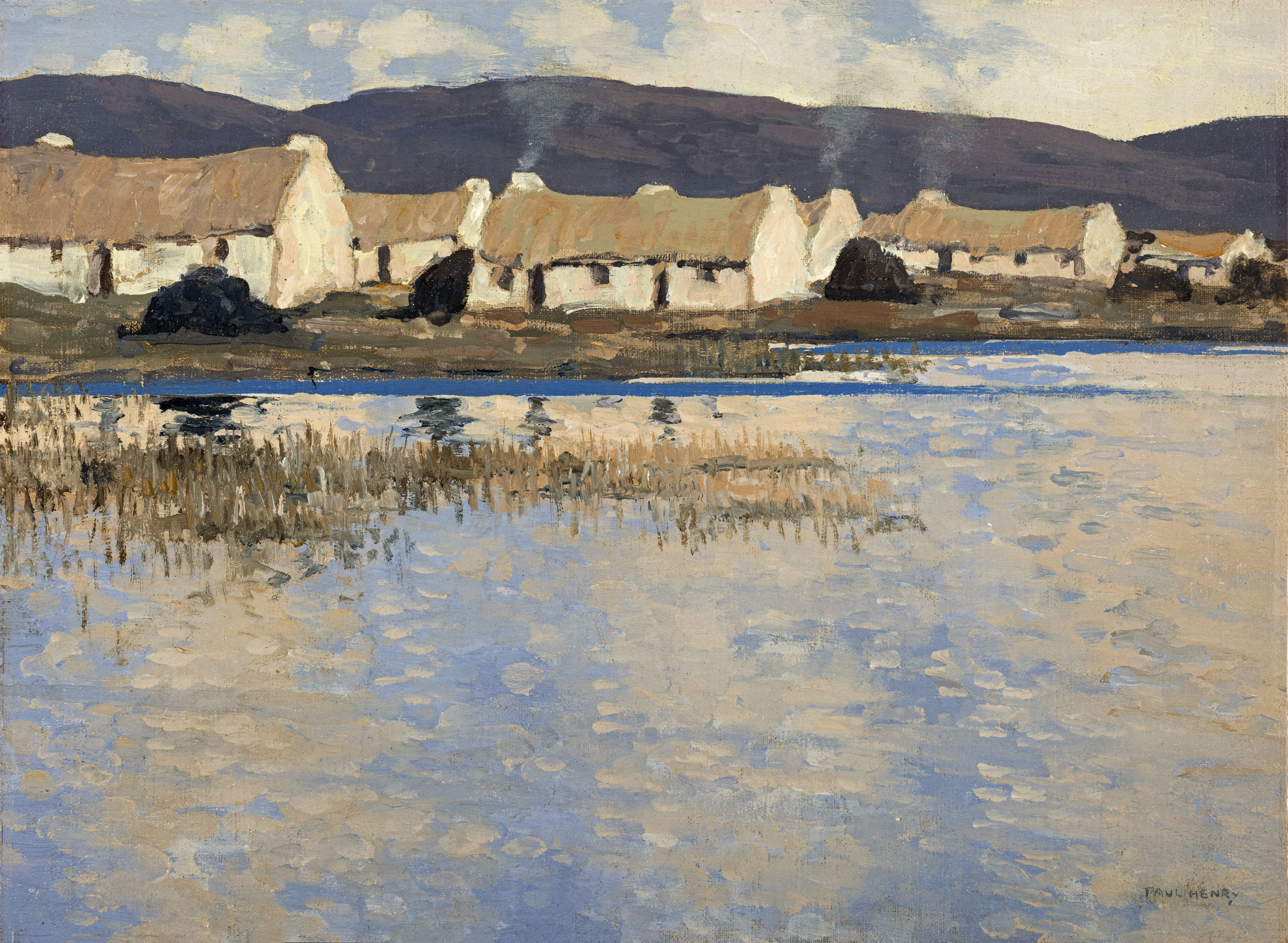
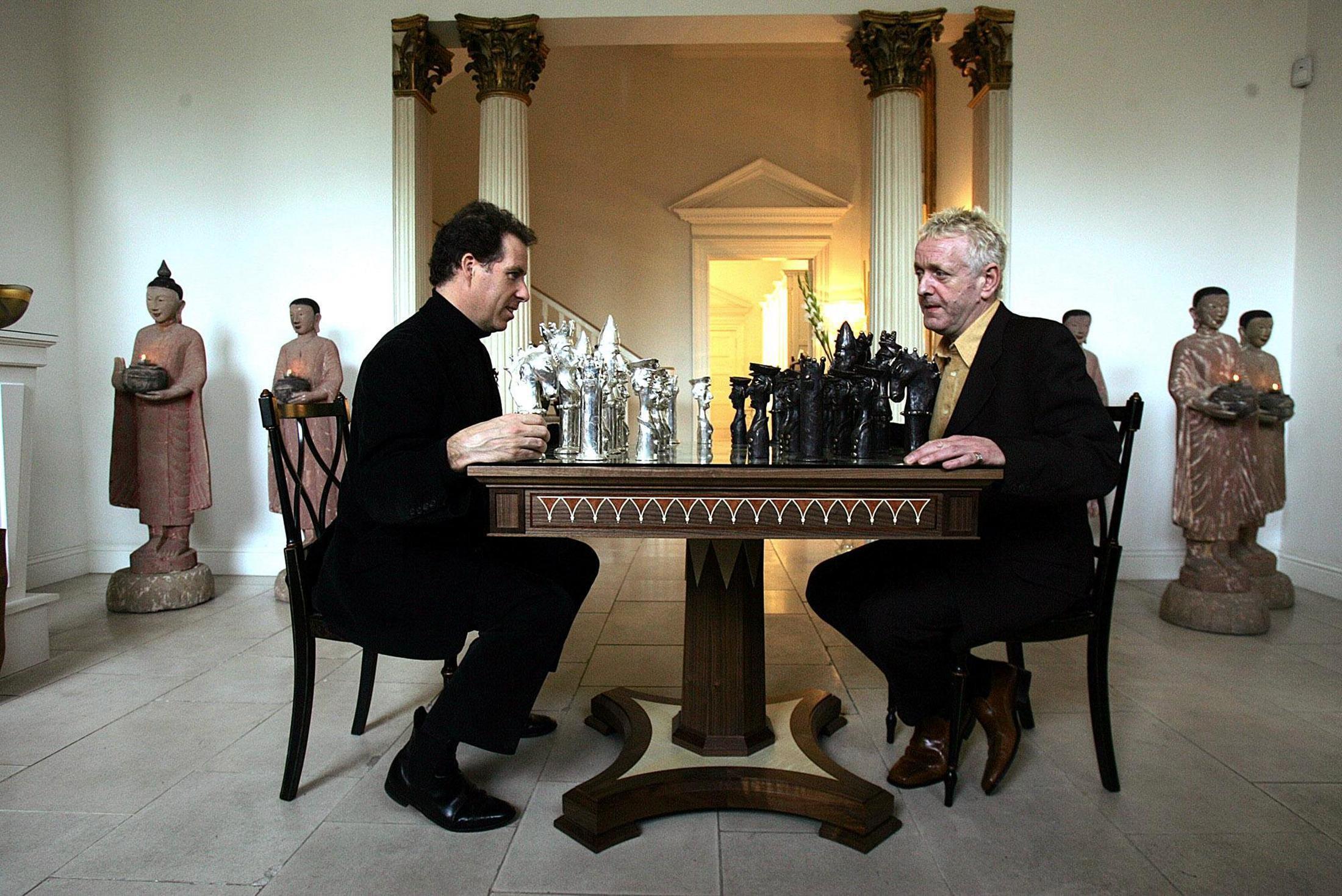
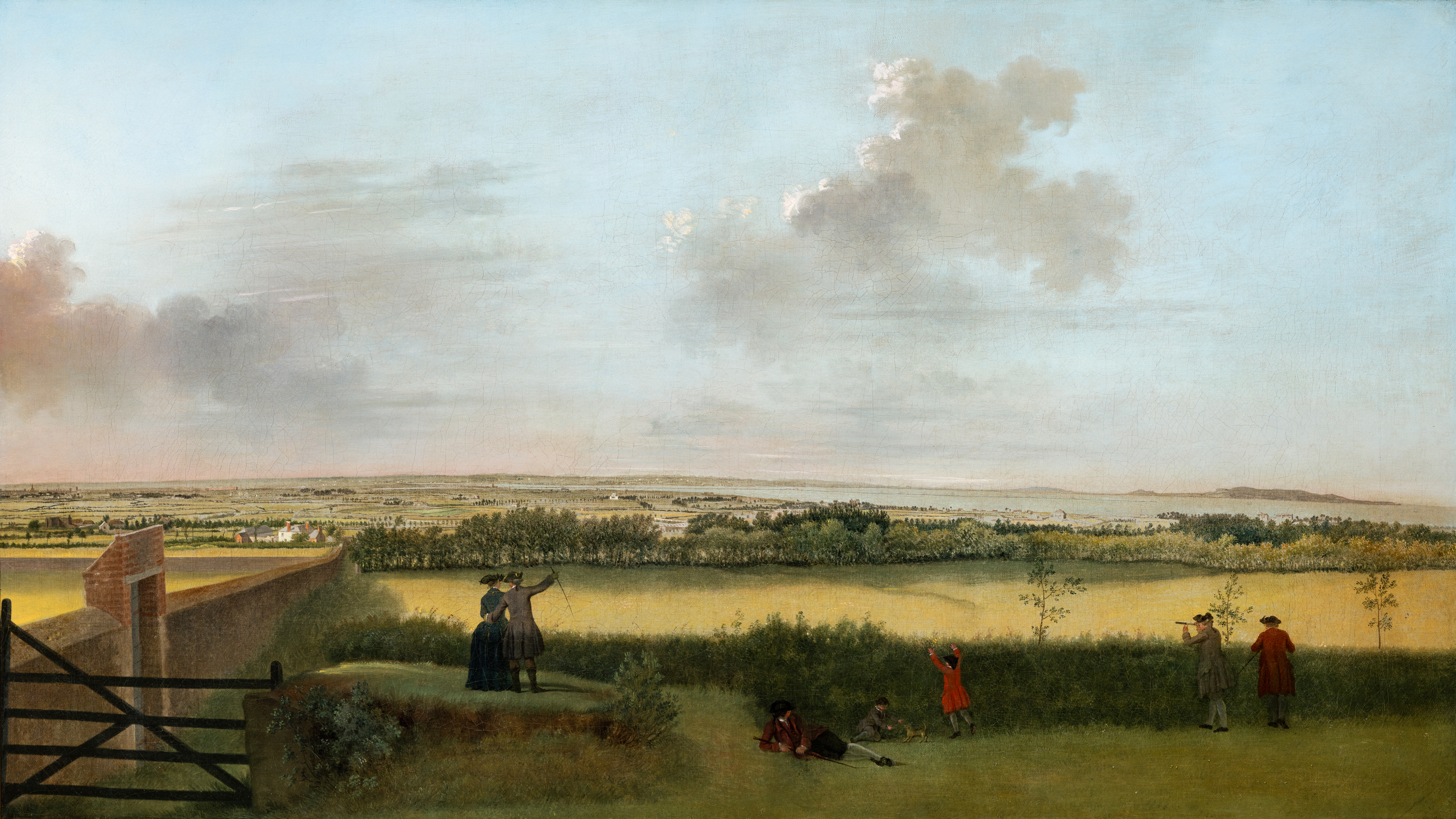
Works Sold at Adam’s Now in the Irish National Collection
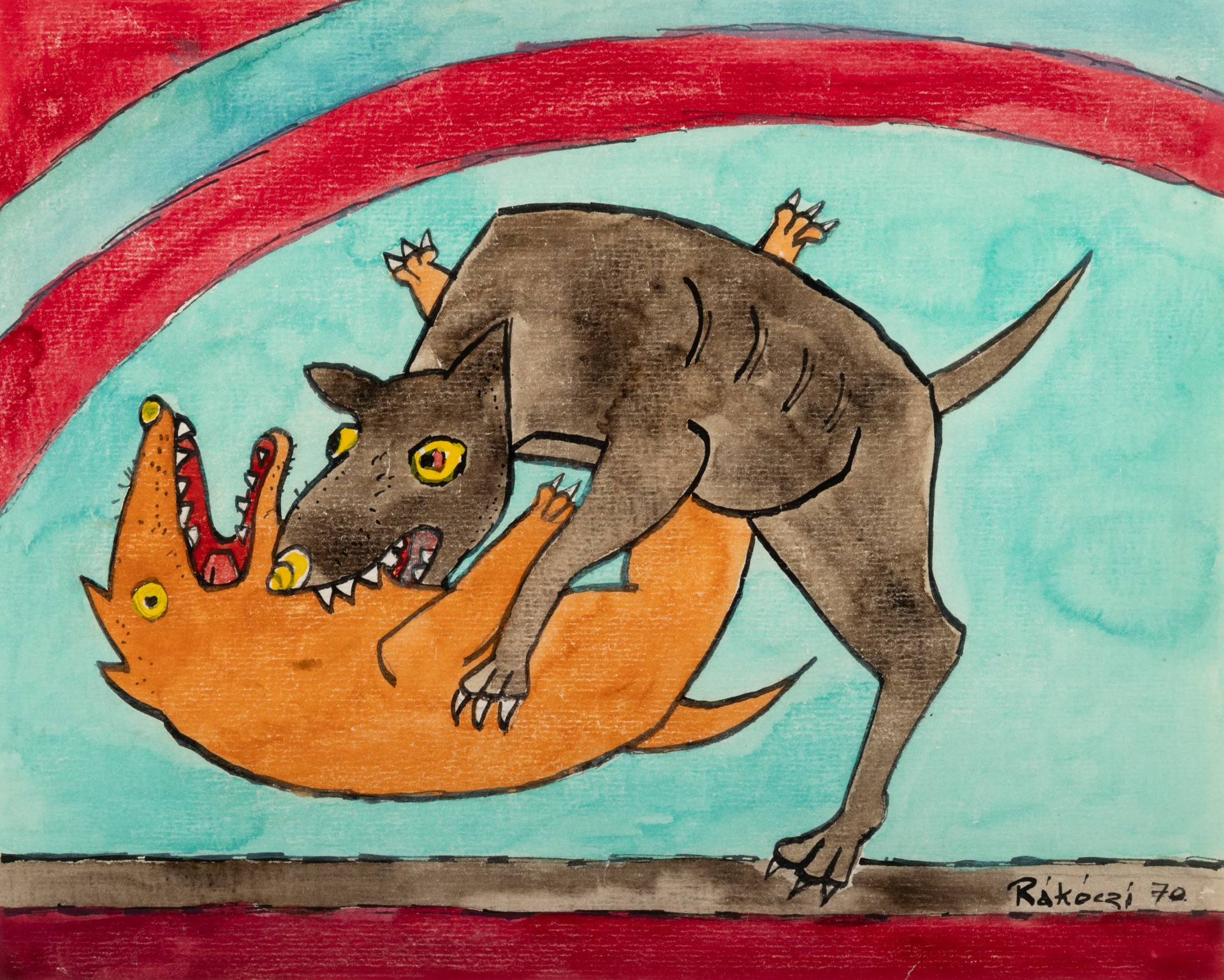
A great opportunity to purchase both established and lesser-known artist’s work at an accessible price point, the Online Picture Auction is the first of many sales to be hosted at Adam’s in 2026. It is perfect for those looking to start a collection and the discerning collector alike.


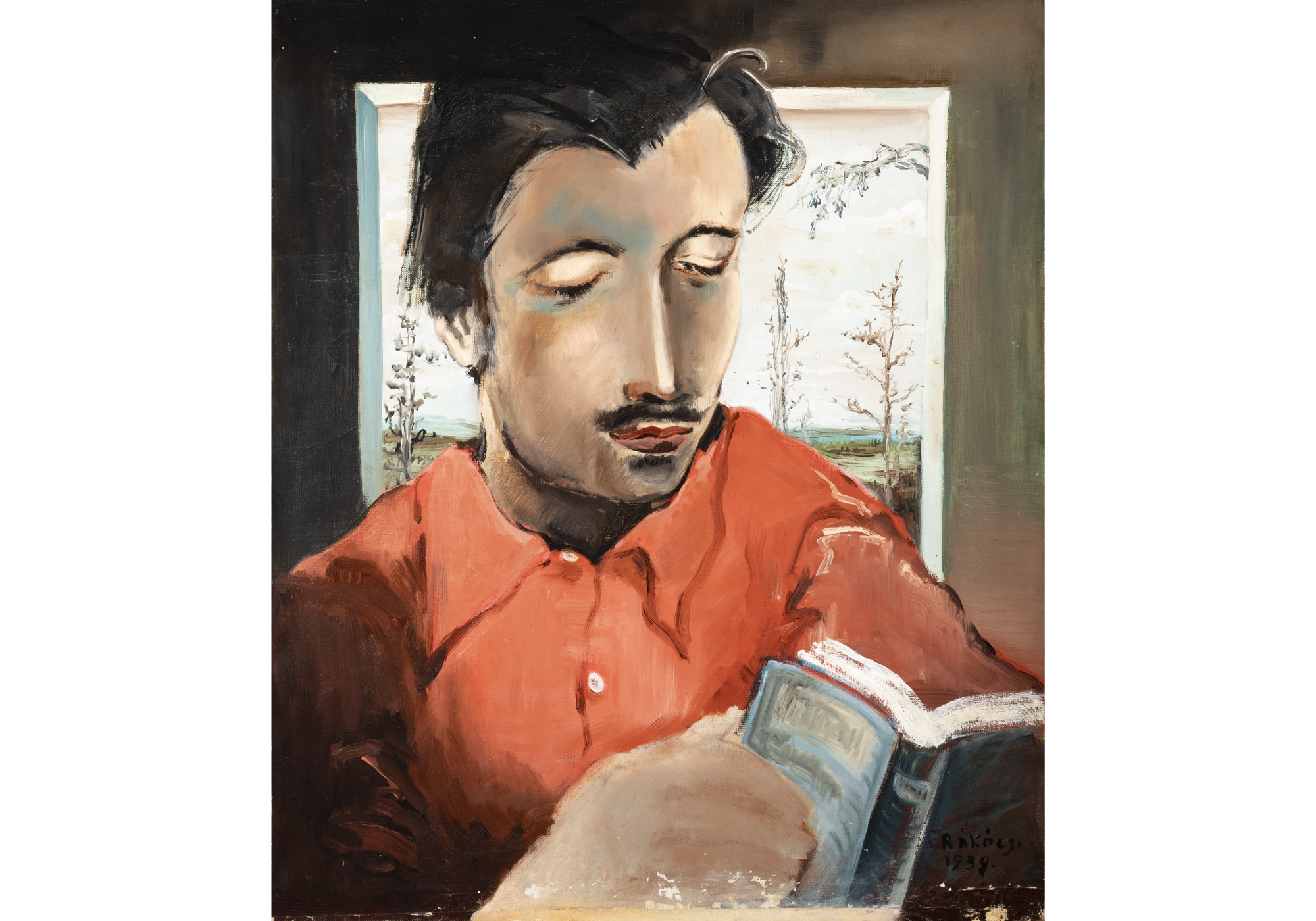
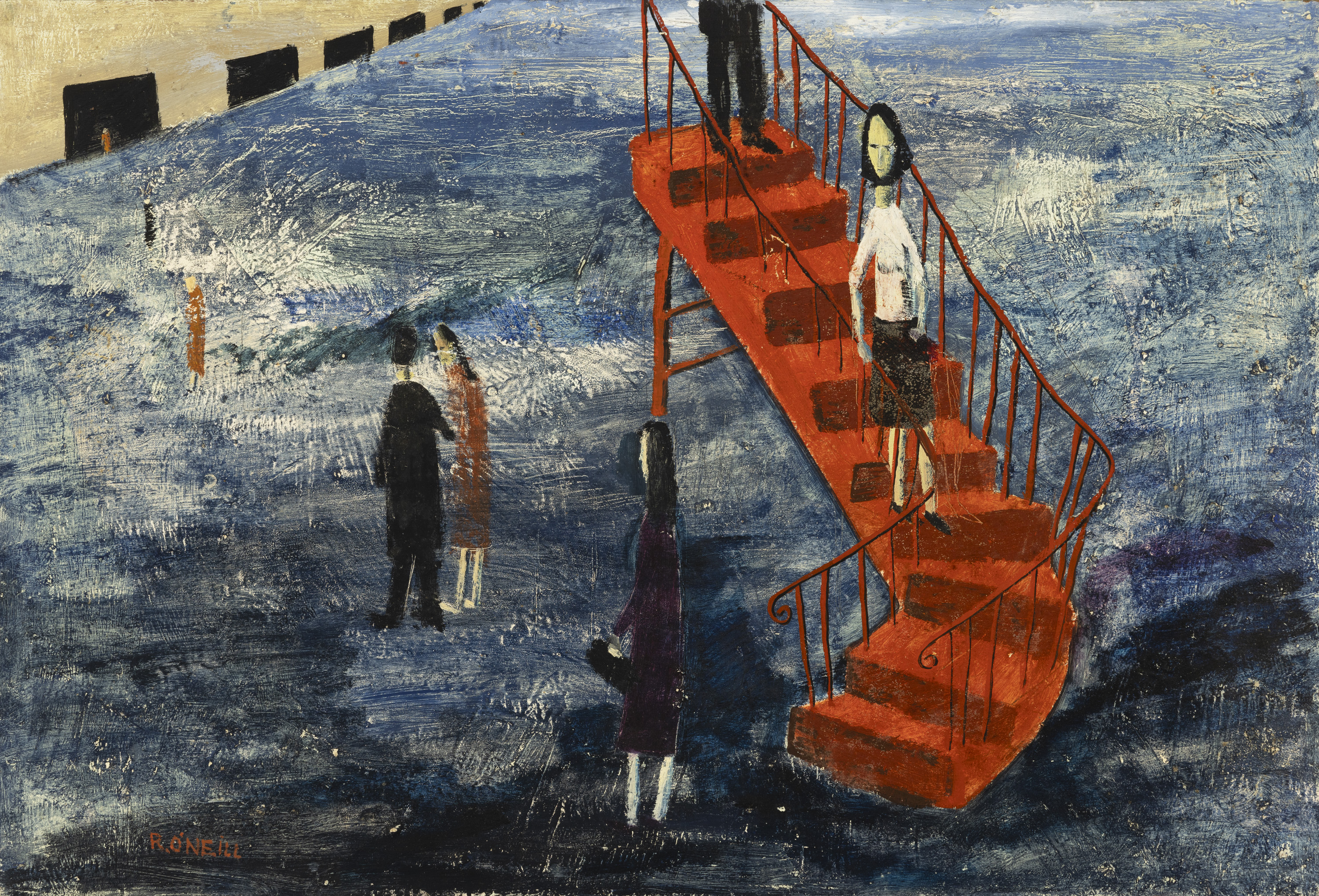
Through this article, let our expert Adam Pearson guiding you to the (re)discovery of the once established Irish painter Richard O’Neill.


Buying at Auction and the Role of Antiques in a Modern Home


Important Irish Art Auction Highlights

Oliver Dowling Collection by Aidan Dunne


2024 is a year in which Adam’s wants to recognise the key role buying antique furniture and furnishings at auction contributes greatly to the sustainable initiative. In 2019 the Environmental Protection Agency reported stark figures that each year in Ireland 1.2 million reusable bulky items, primarily furniture goes into landfill. Similar to the problem of ‘fast fashion’, the constant production and consumption of new items is leading to rapidly growing waste problem. We want to acknowledge those who are already buying second hand or antique furniture at auction and to encourage new buyers by highlighting the benefits of acquiring affordable, well-made quality items that are built to last.


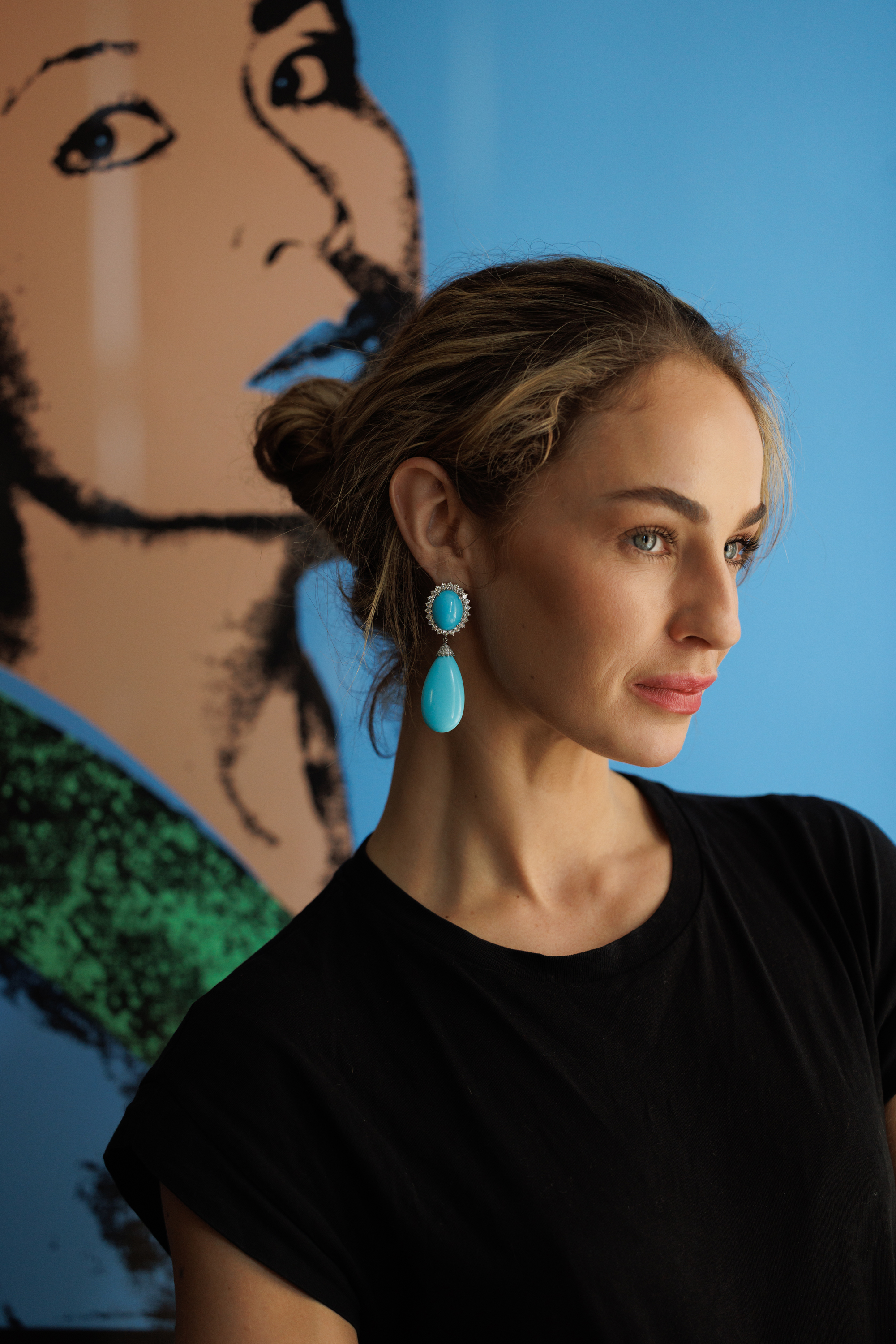
Irish author, recipe creator and lifestyle influencer, Indy Parsons, selects her favourite pieces from our upcoming Fine Jewellery & Watches auction


James Adam & Sons Ltd, Fine Art Auctioneers and Valuers, 26 St. Stephen’s Green, Dublin 2,
D02 X665, Ireland


