
menu
Departments
.svg)

Finding Dignity in the Everyday: A Master’s Legacy of Expressionism
In the annals of Southeast Asian art, few figures loom as large—or as passionately—as Affandi (1907–1990). Widely revered as the Father of Modern Indonesian Art and an internationally acclaimed master of Expressionism, Affandi serves as a towering bridge between local reality and the global stage. Much like Jack Butler Yeats, who captured the soul of a newly independent Ireland through the lives of its labourers and horsemen, Affandi became the visual conscience of a surging Indonesia. He was not merely a painter; he was an eyewitness to history, a staunch anti-colonialist, and a patriot who believed that the true heartbeat of a nation lay not in its palaces, but in the grit and grace of its ordinary people.

A Life Forged in Independence
Born in Cirebon, Java, Affandi’s path to becoming a"Grand Maestro" was unconventional. Before embracing the canvas, he worked as a teacher and cinema worker—a background that gave him a profound empathy for the everyday labourer. During the Indonesian National Revolution, his commitment went beyond the artistic; he was a key figure in the "Poetera" cultural movement. Under the guidance of Indonesia’s founding fathers, including Sukarno and Mohammad Hatta, Affandi transformed his art into a weapon against colonial rule, creating defiant posters and rallying the spirit of a people longing for sovereignty.
The Philosophy of the Brushless Master
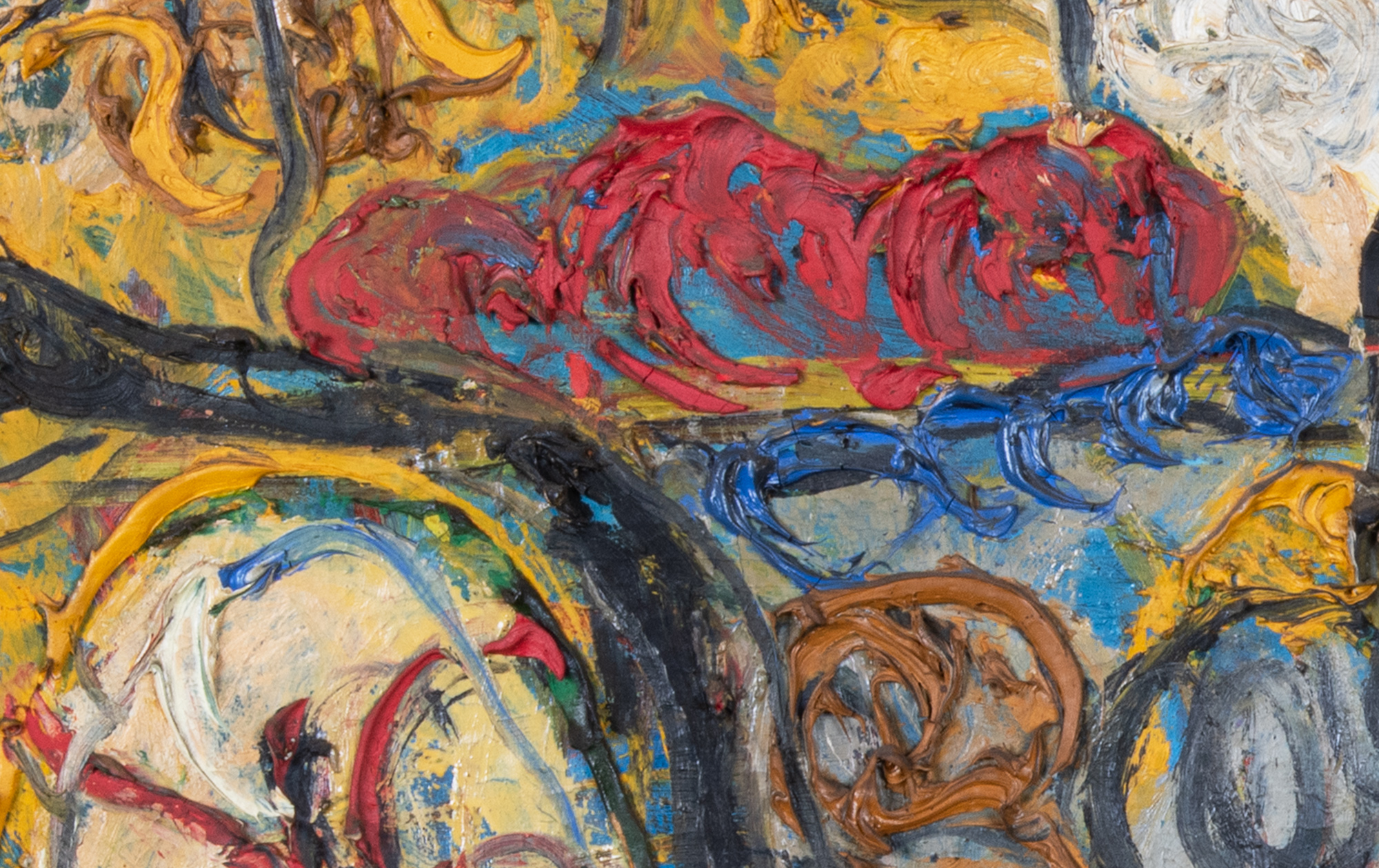
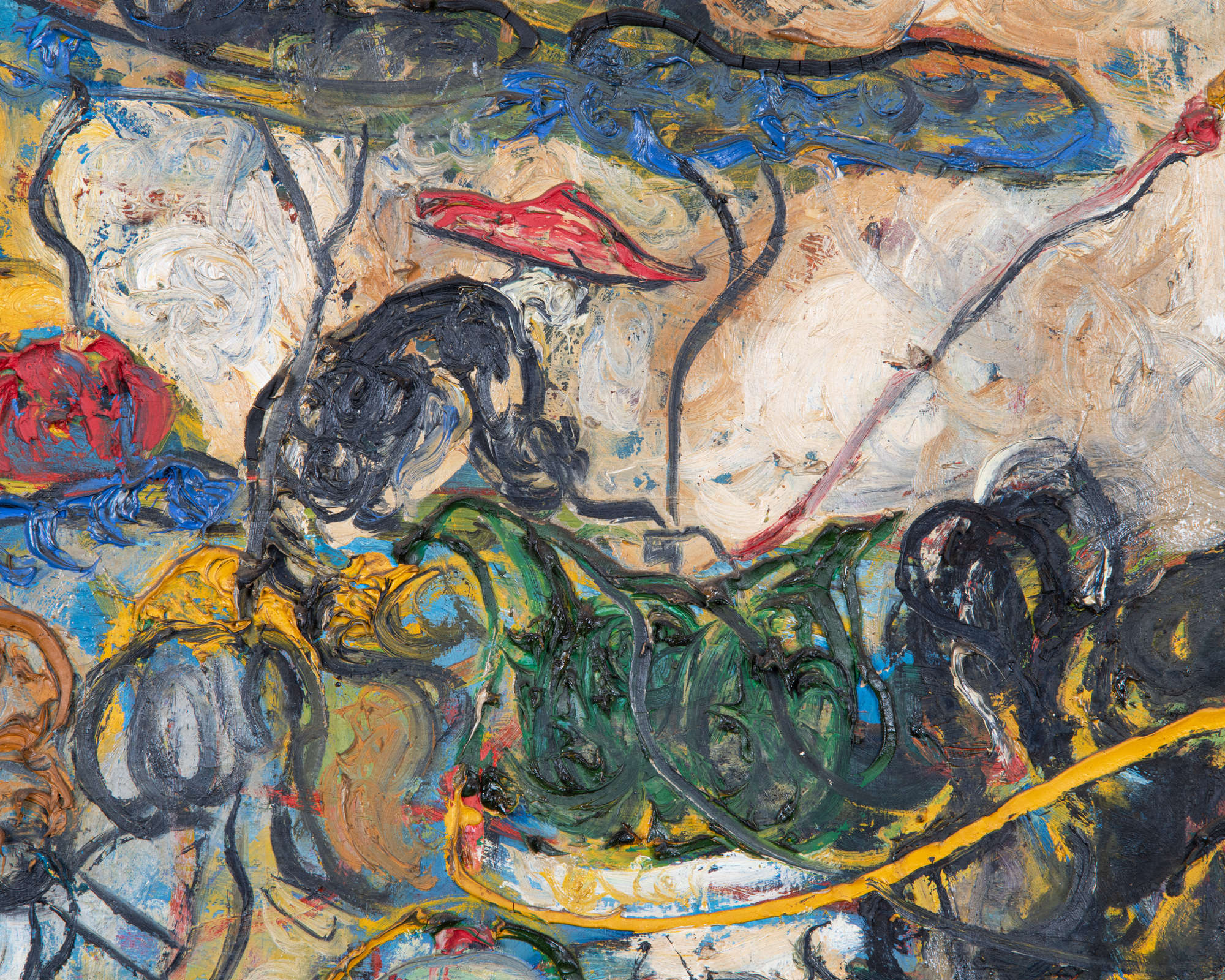
Affandi’s revolutionary contribution to modern art was his radical rejection of the traditional brush. His signature technique involved squeezing oil paint directly from the tube onto the canvas and moulding it with his fingers. This tactile, hands-on approach allowed him to achieve a raw, visceral intensity, where thick, impasto textures and explosive colours became his personal artistic trademark.
Beyond the physicality of his technique, Affandi possessed an extraordinary, almost instinctual ability to capture the fleeting essence of his subjects. With his fingertips, he could trace the rapid movements and subtle shifts in expression, distilling a person's character or the fleeting spirit of a moment onto the canvas with breath taking speed and precision. By working directly with his hands, he captured the sheer energy of life itself.
His subjects—farmers, beggars, traditional dancers, and rickshaw drivers—were rendered with an urgent, swirling dynamism that felt alive. He captured the “dignity of the common man,” transforming the struggles of the underprivileged into timeless, heroic narratives. This masterful blend of intuitive speed, tactile technique, and raw emotion secured his position as a pioneer of Southeast Asian Expressionism, seamlessly bridging the gap between local reality and international modernism.
Art as a Power of Reconstruction
For both Affandi and Jack Butler Yeats, art was an act of constructive rebellion. It has been said that the artist is a rebel, not because he wants to destroy, but because he wants to build a new world out of the old. This captures the very essence of Affandi’s patriotism. His rebellion was not aimed at mindless destruction, but at reclaiming Indonesia’s national identity from colonial subjugation. Much like Yeats, who infused the spirit of a free Ireland into the faces of its people, Affandi’s "brushless" strokes were an act of nation-building. By immortalizing the common man, he was crafting the spiritual bedrock of a new Republic—turning the marginalized into the heroes of Indonesia’s journey toward freedom.
A Witness to Friendship: The Cab from Yogyakarta
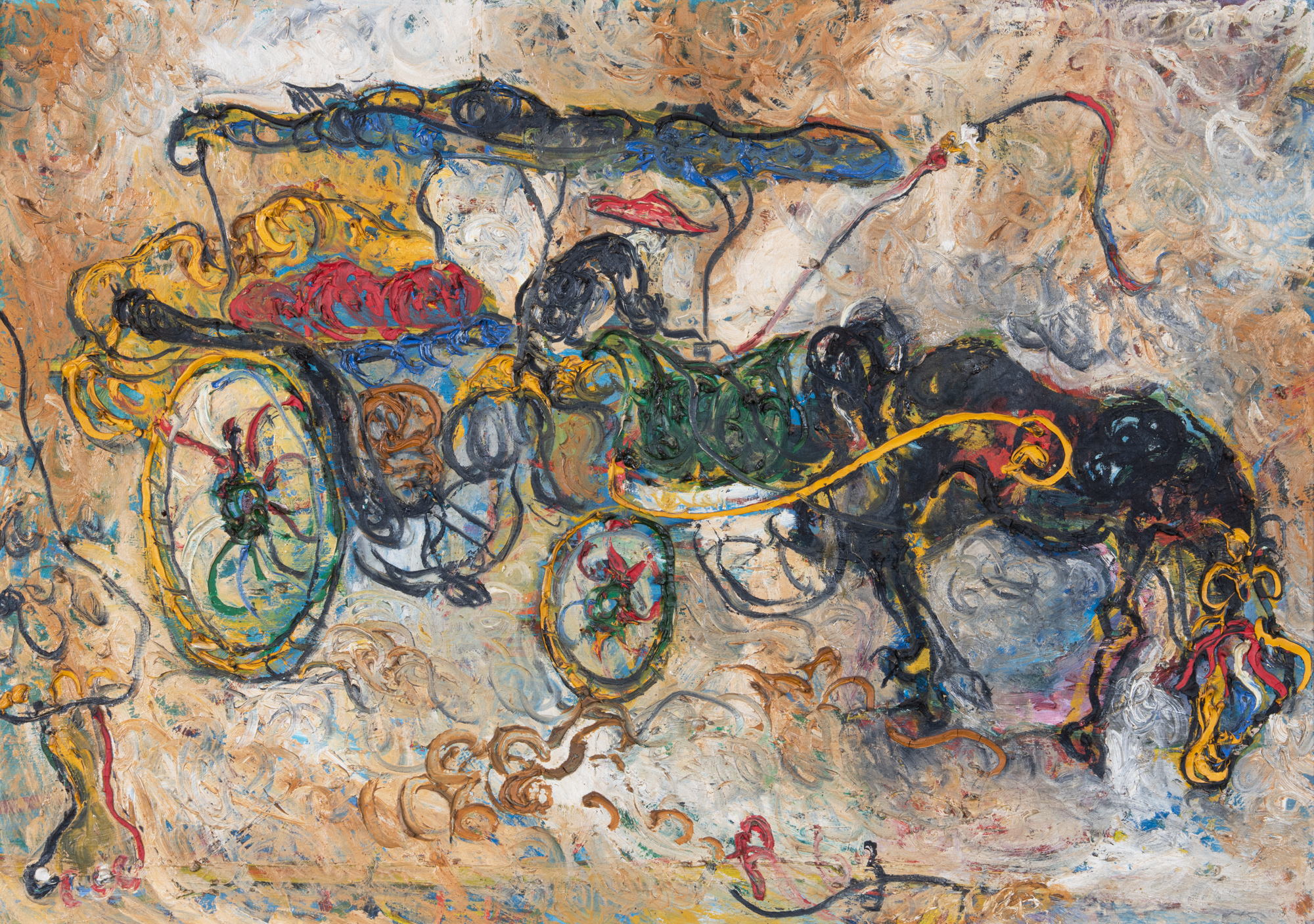
Among the many treasures he left behind, one piece stands out as a singular document of historical and personal significance: "The Cab from Yogyakarta".
This magnificent oil painting is a masterpiece of Affandi’s mature style and a testament to a deep, cross-cultural friendship. It originates from the collection of a prominent European diplomat who served in Indonesia during a pivotal era. This diplomat was more than an observer; he was a dedicated patron who fostered a cultural bridge between East and West.
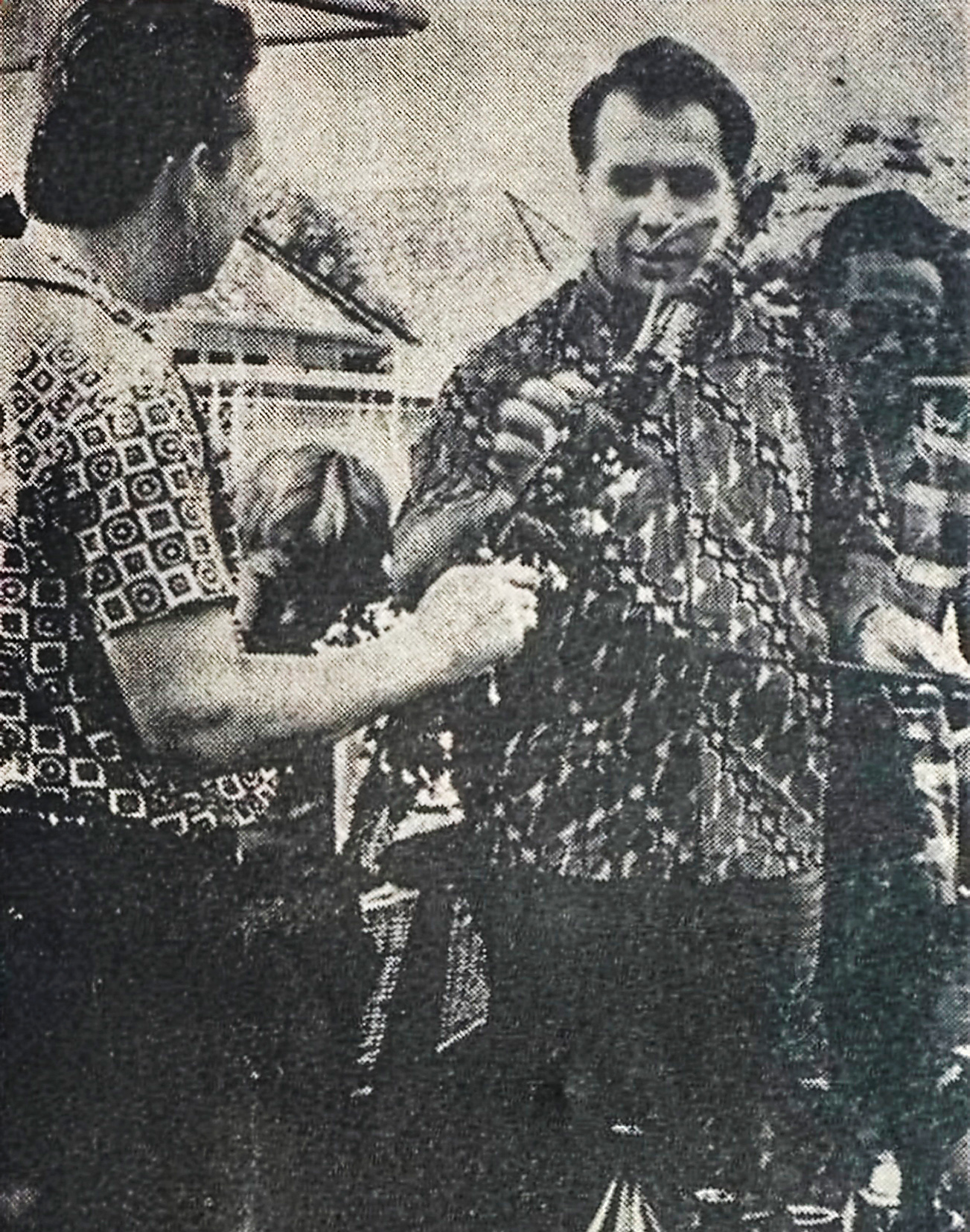
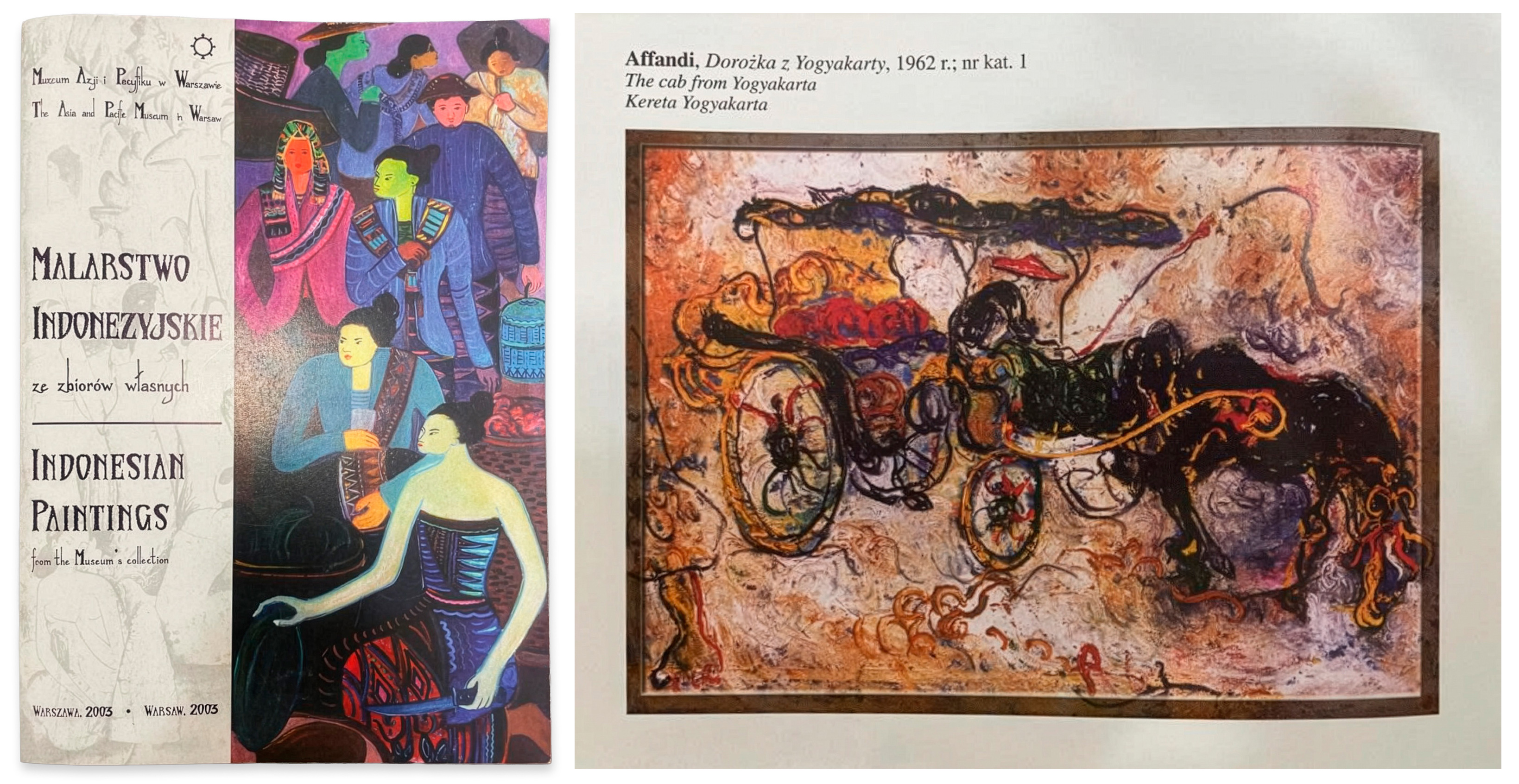
The story behind this work is rare: the diplomat visited Affandi’s studio, where he watched the Maestro create this very piece before his eyes. Moved by the diplomat’s support for the Indonesian art community, Affandi gifted the painting to him as a token of their profound friendship. Having previously been showcased in the 2003 exhibition Indonesian Paintings at the Asia and Pacific Museum in Warsaw, this work serves as a vivid reminder of a time when art transcended borders, uniting an Indonesian revolutionary painter and a Western diplomat in a shared appreciation for the human condition.
The Legacy of a Patriot
Affandi’s influence stretches far beyond the borders of Indonesia, marking him as the quintessential voice of his nation’s independence and a global icon of the 20th century. His international journey saw him grace the halls of the British Museum, represent his country at the prestigious Venice and São Paulo Biennales, and serve as a visiting professor at Ohio State University. With a career punctuated by global honours—including the International Peace Award from the Dag Hammarskjöld Foundation and the title of "Grand Maestro"—Affandi elevated Indonesian art to the world stage.
His art remains a mirror to the soul of a nation, reminding us that even in the chaotic movement of a Yogyakarta cab or the tired face of a farmer, there is an enduring, vibrant beauty. For collectors and enthusiasts alike, owning a work by Affandi is more than an acquisition; it is to possess apiece of history—a vibrant, swirling fragment of a nation’s resilient heart, crafted by a master whose brushless strokes forever changed the landscape of modern art.


.jpg)

.png)
.png)
.jpg)

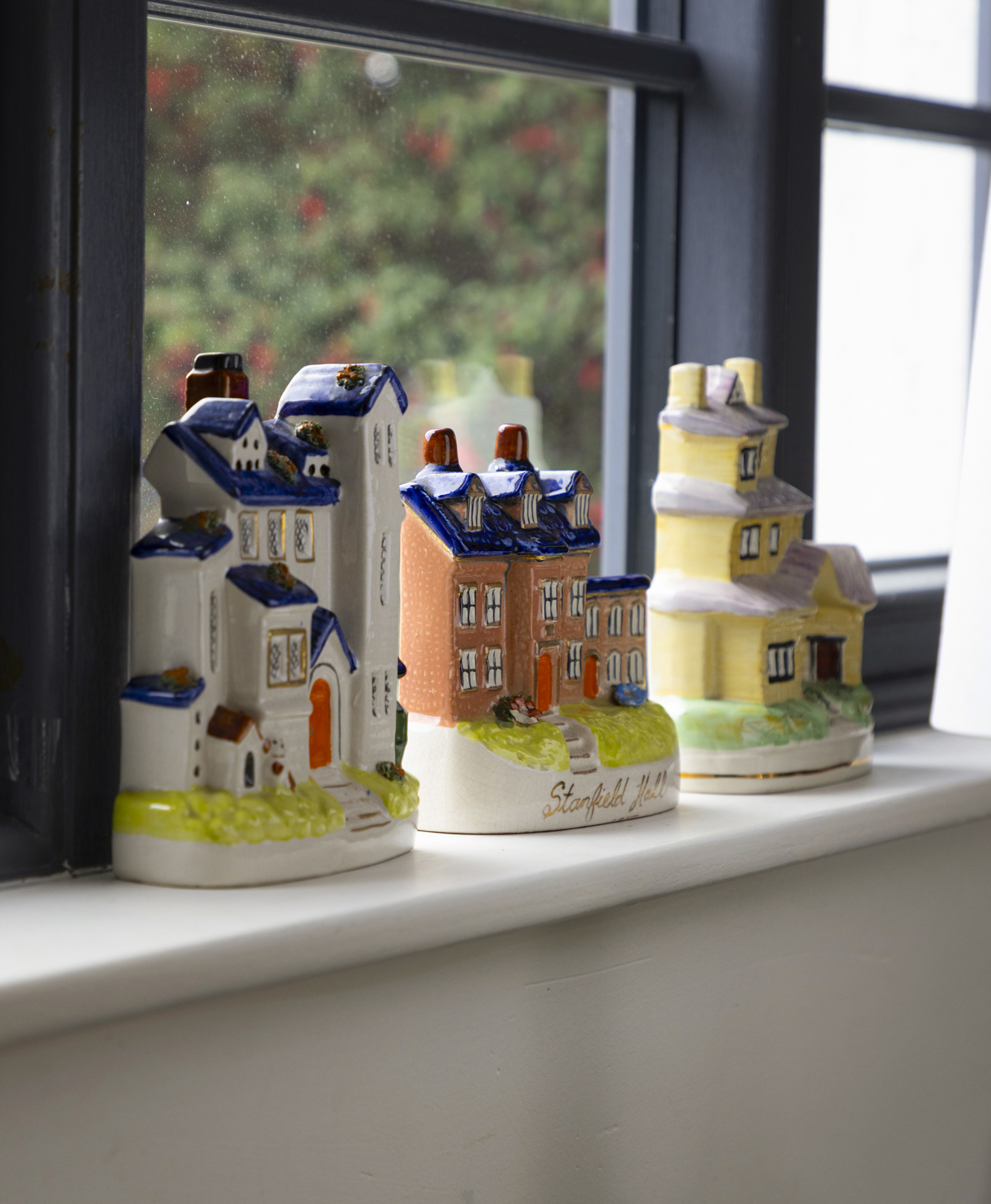
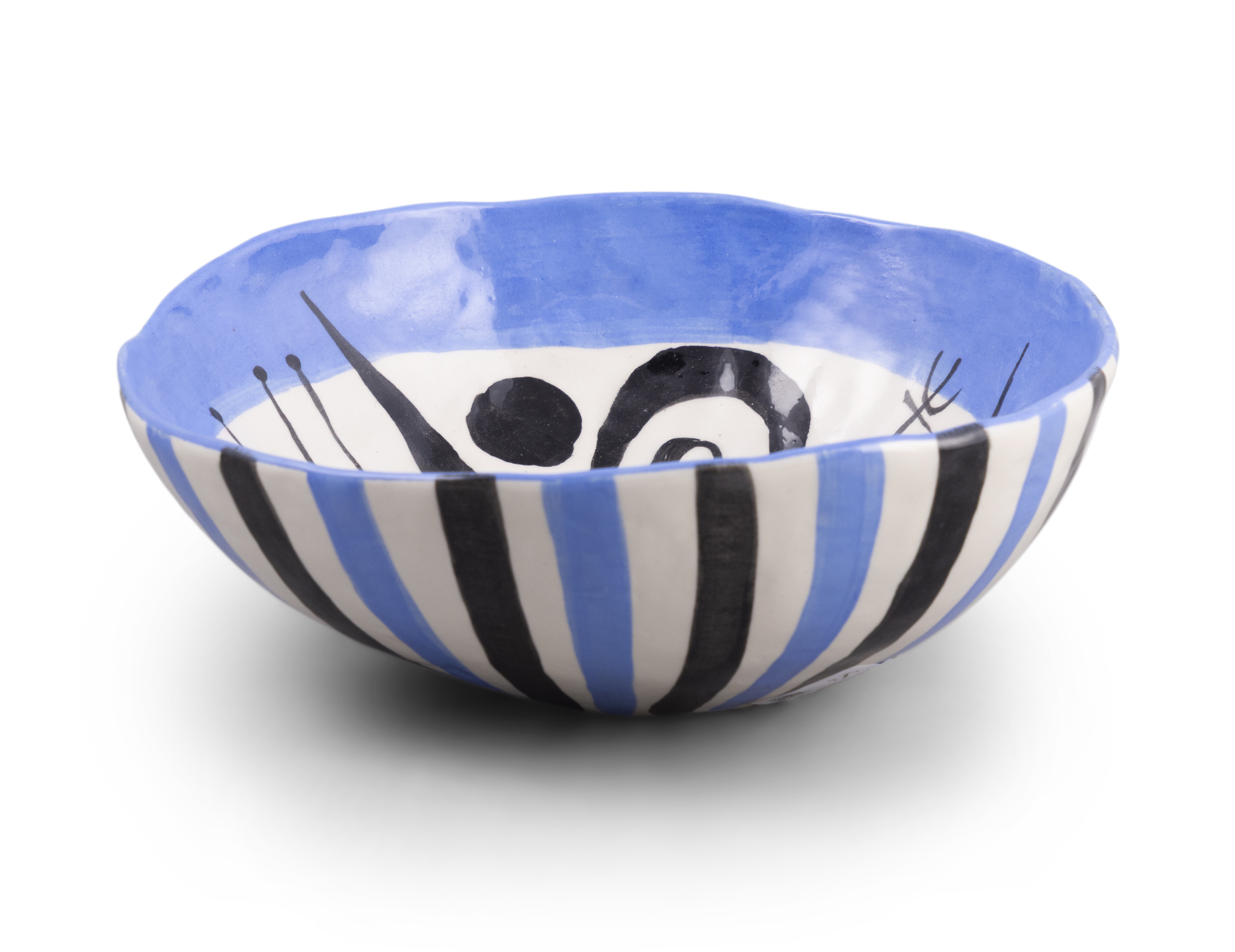
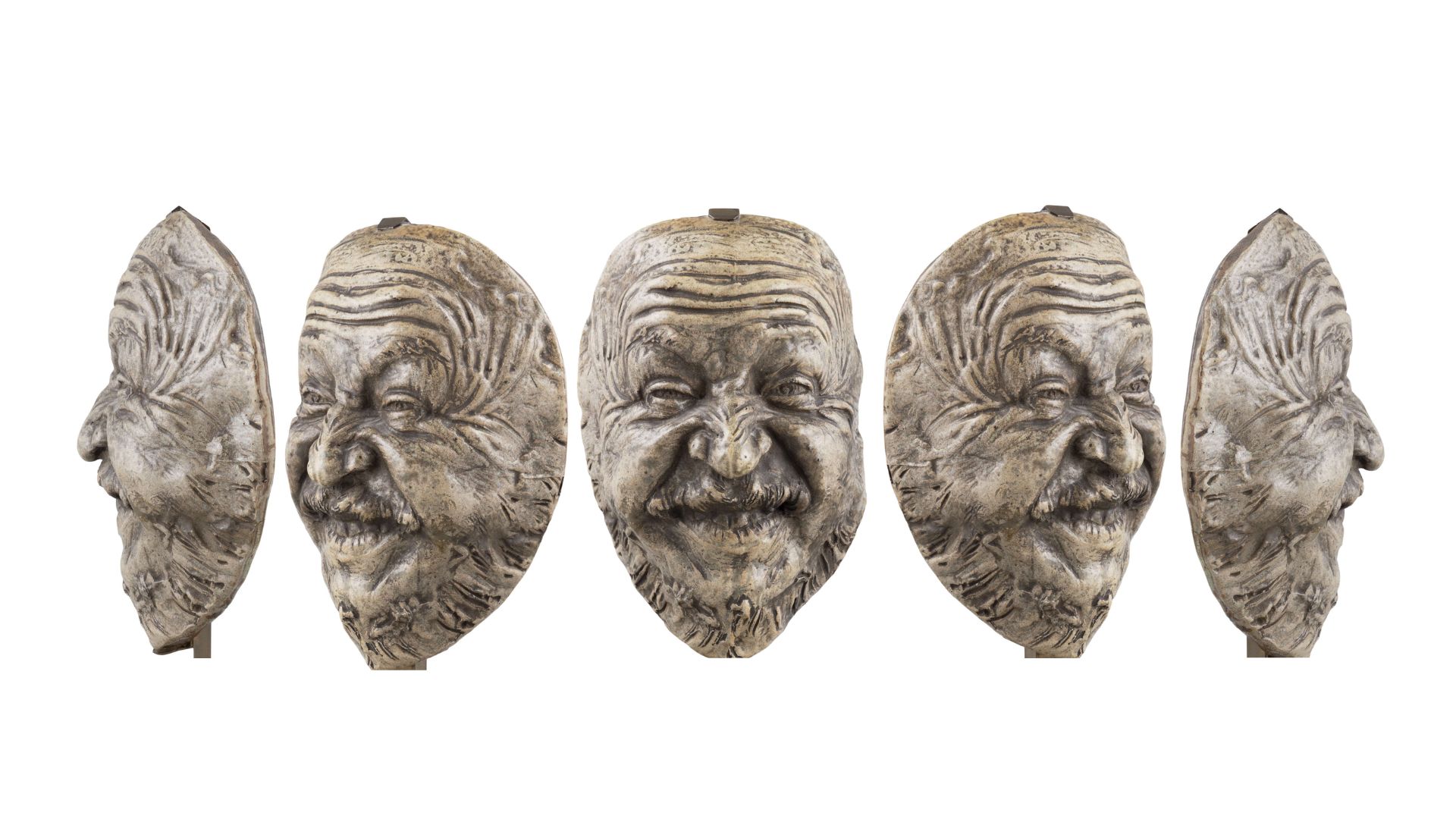
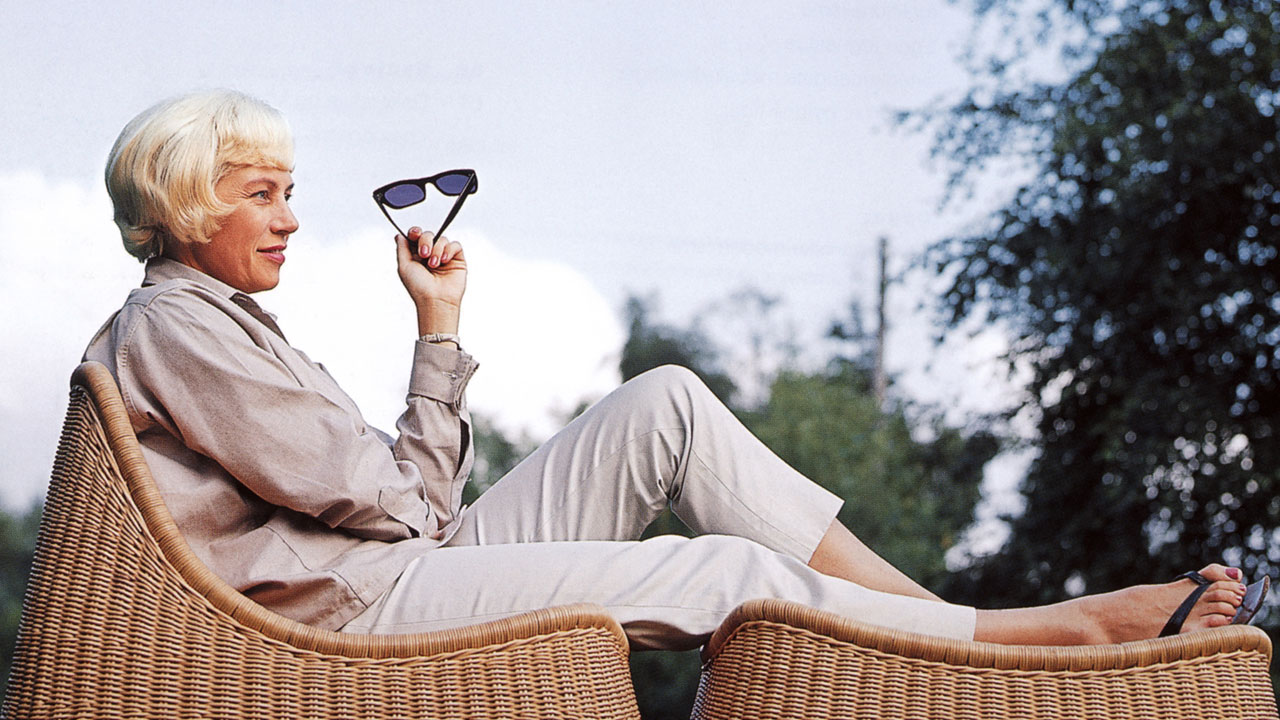
John ffrench was an instrumental figure in the design industry in Ireland and a distinguished pioneer of Irish studio pottery.

)%20(1).jpg)

%20(002).png)
%20(2).jpg)



%20(1200%20x%20768%20px)%20(2).png)
.png)

.png)

"I should declare my hand. I have a weakness for pictures that punch above their physical weight, and for artists who have been quietly underrated for too long. This pair is both. They are intimate enough to live with at close quarters and serious enough to repay any amount of looking. If the market has lately shown signs of catching up with eighteenth-century Irish painting and I think it has, these two small panels feel, to me, like exactly the sort of thing that will look obvious in twenty years’ time."
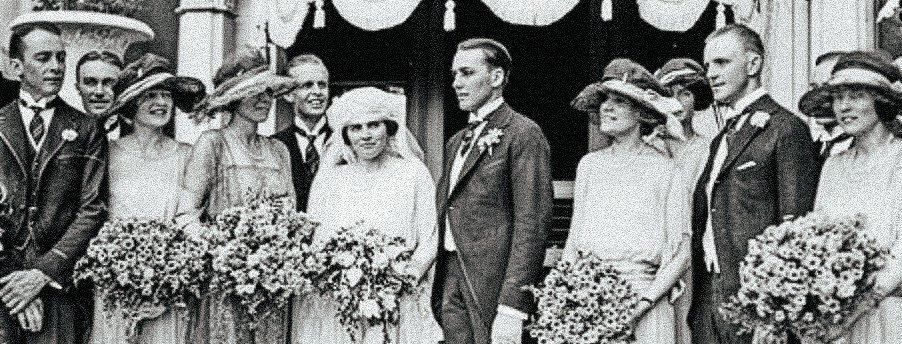
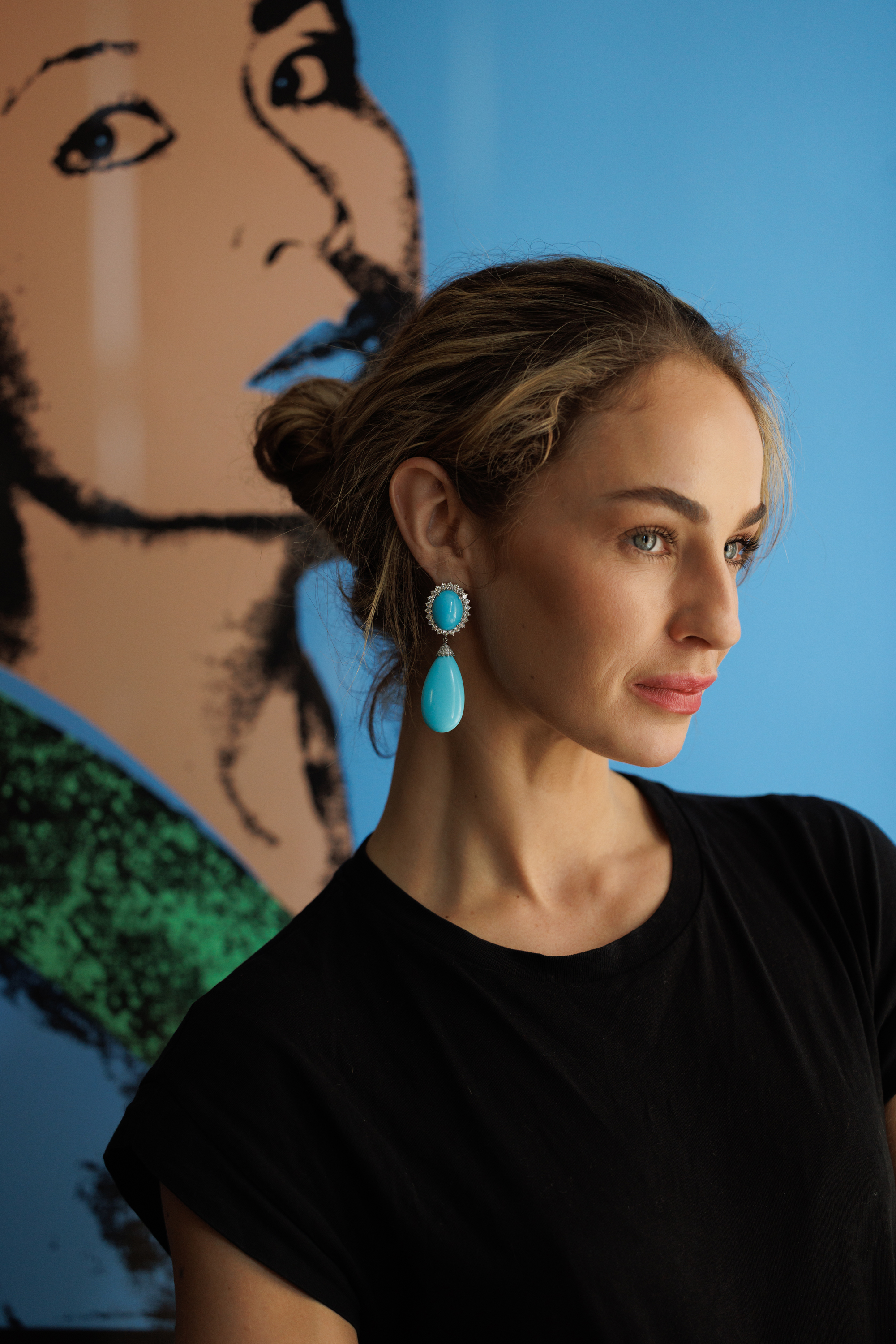
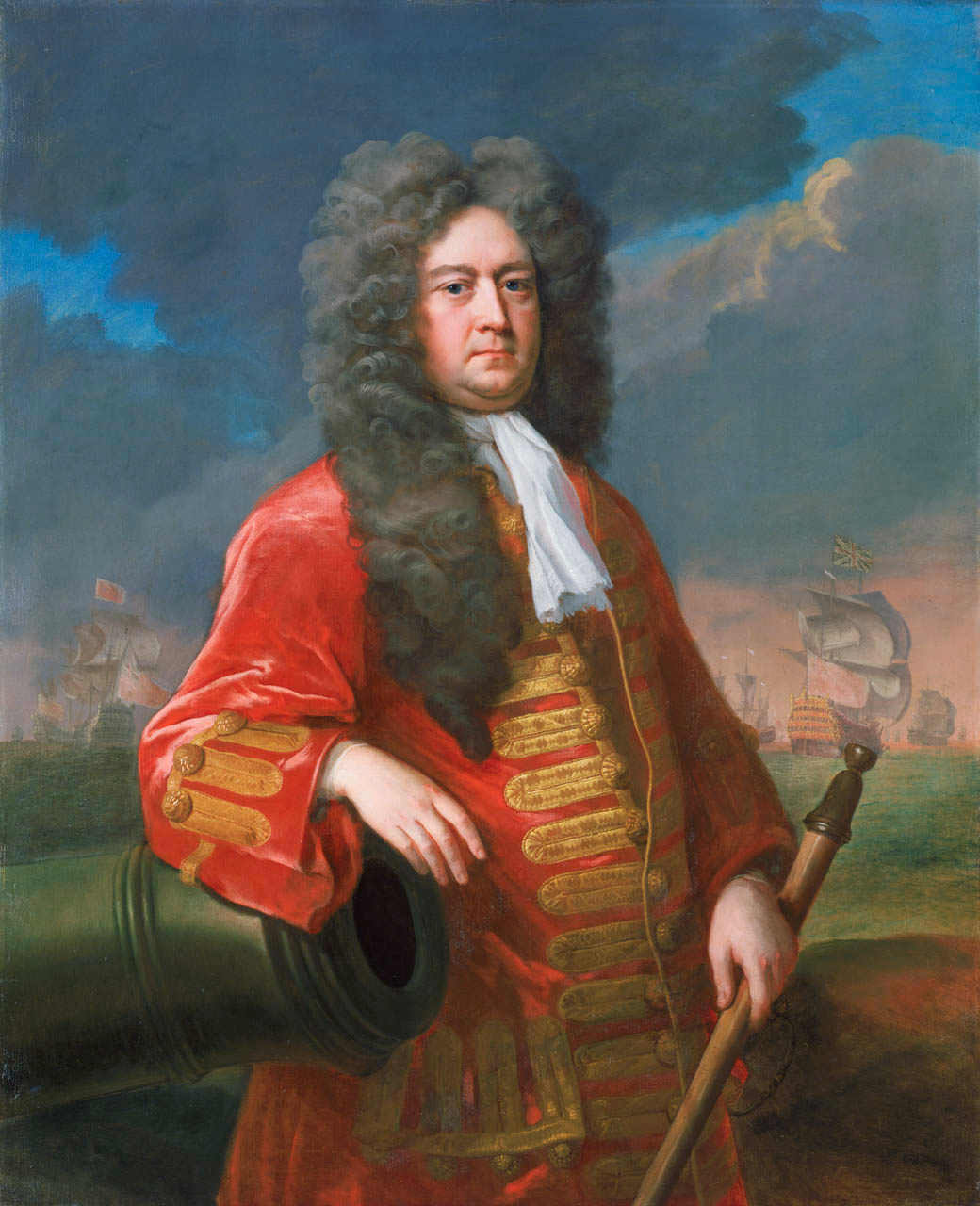


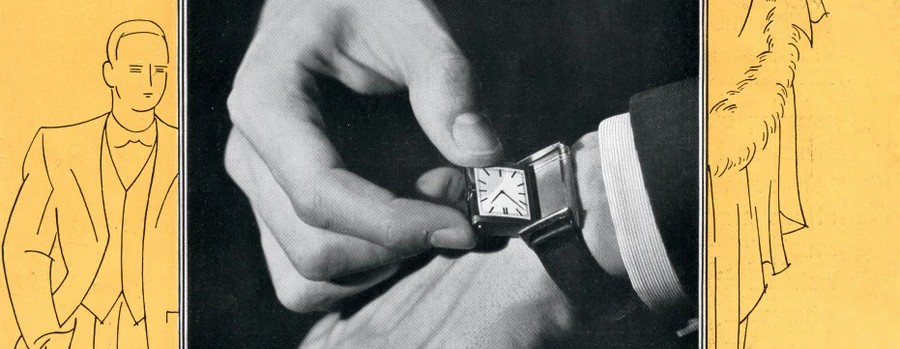
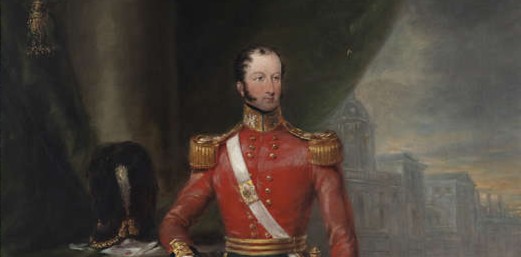
Adam’s is honoured to present works from the collection of Lord Rossmore in the upcoming Country House Collections auction at Howth Castle on 28th April. It is seldom that an influential Irish family collection that has survived through the generations comes to the open market.



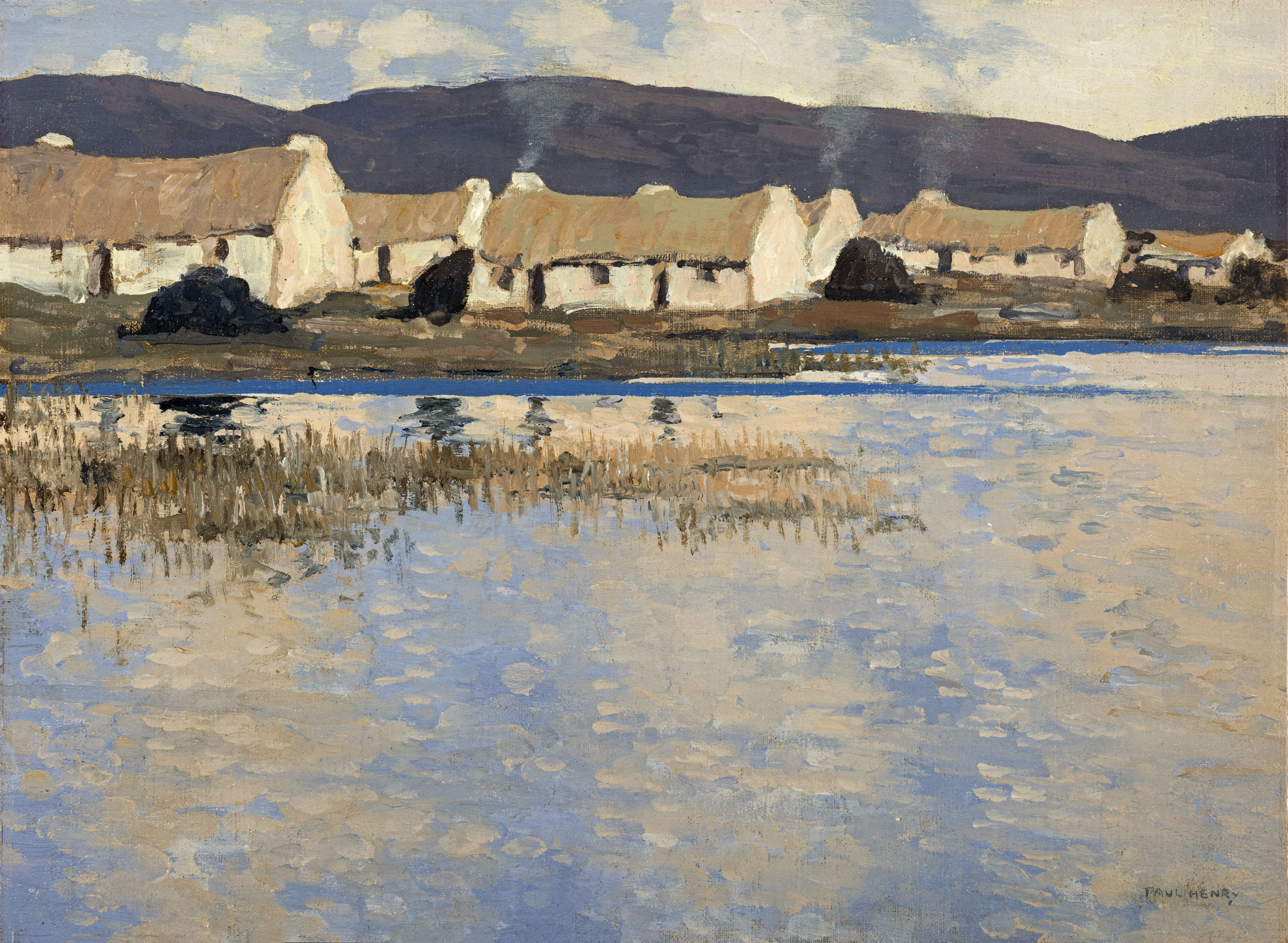
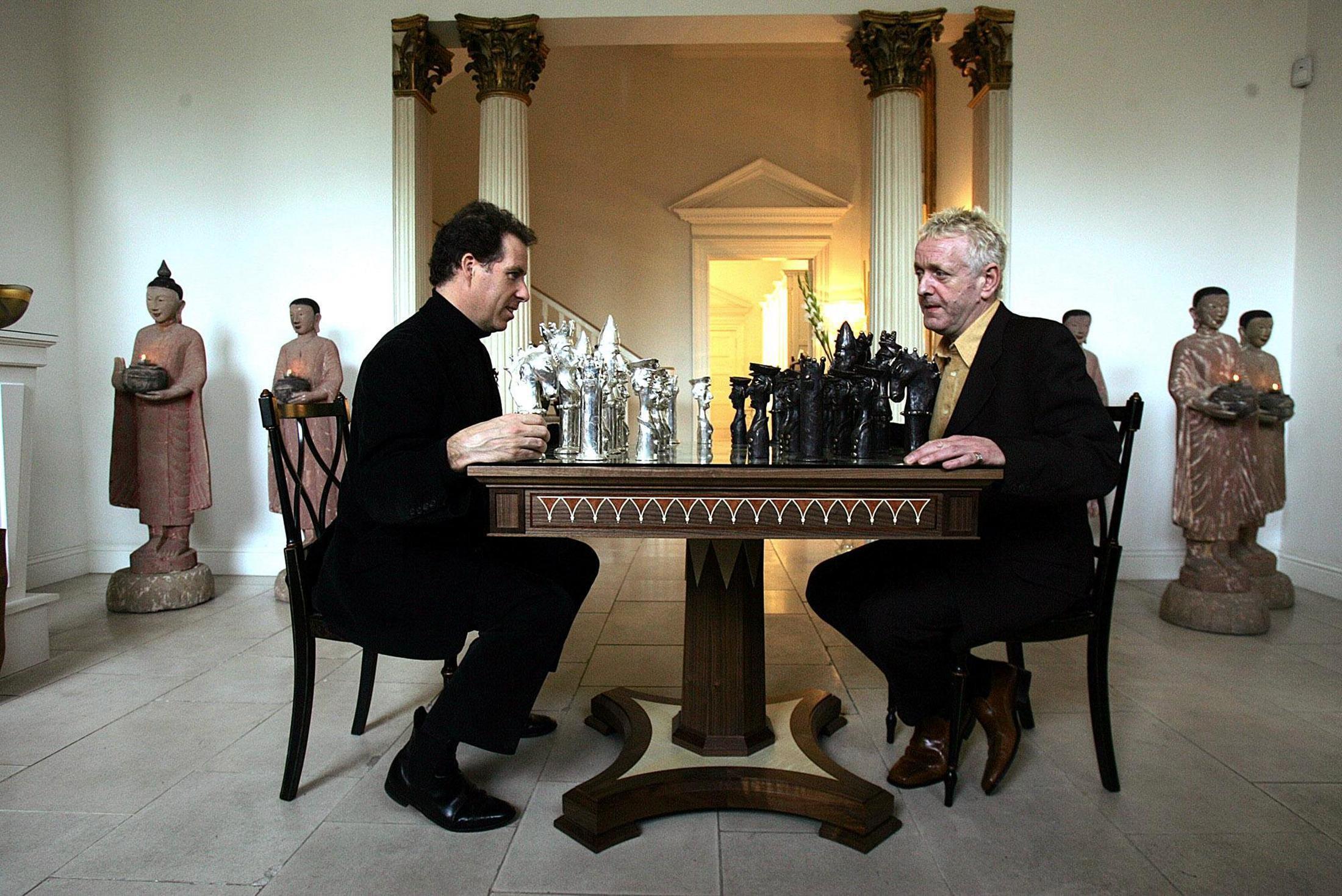
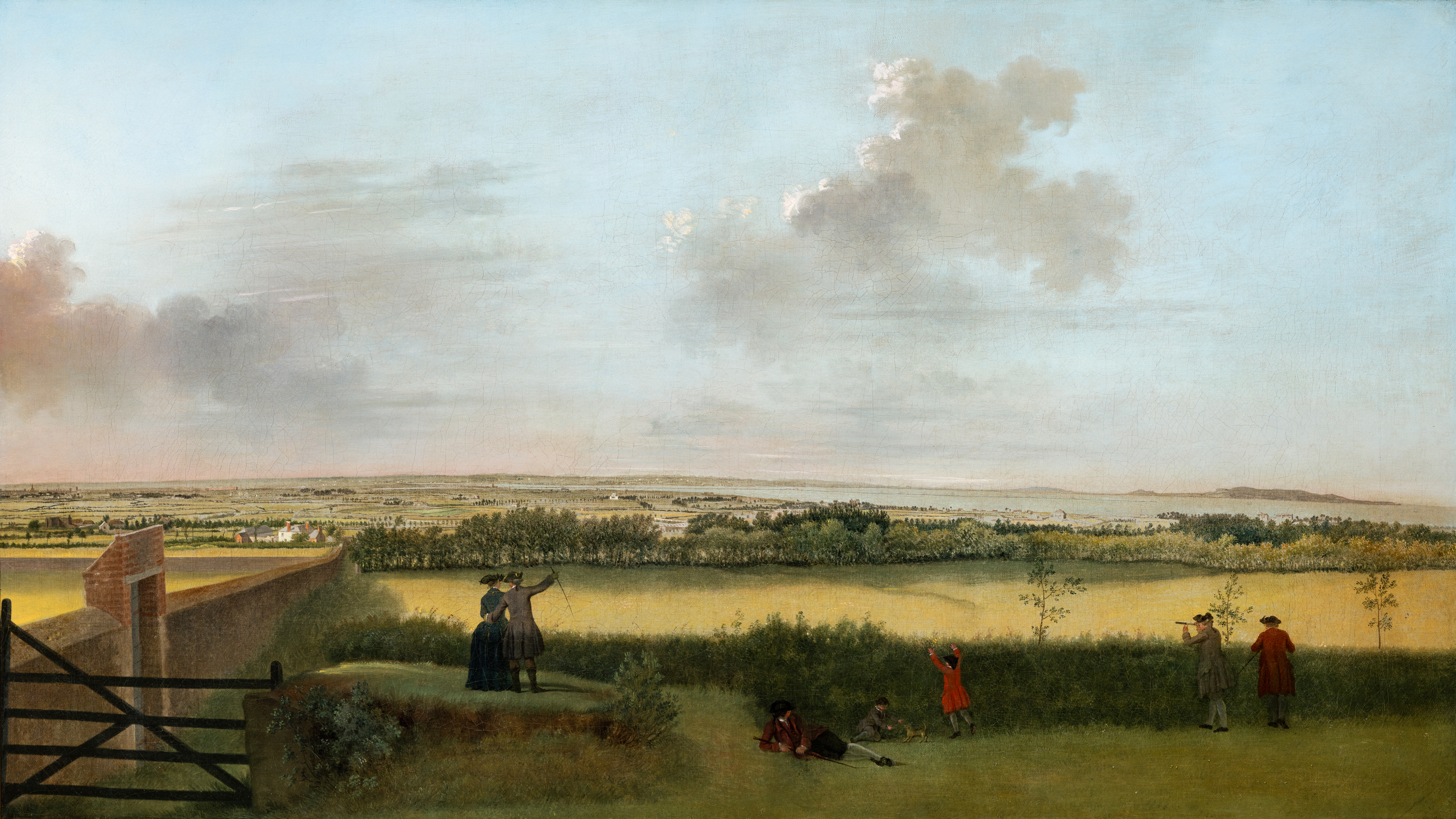
Works Sold at Adam’s Now in the Irish National Collection
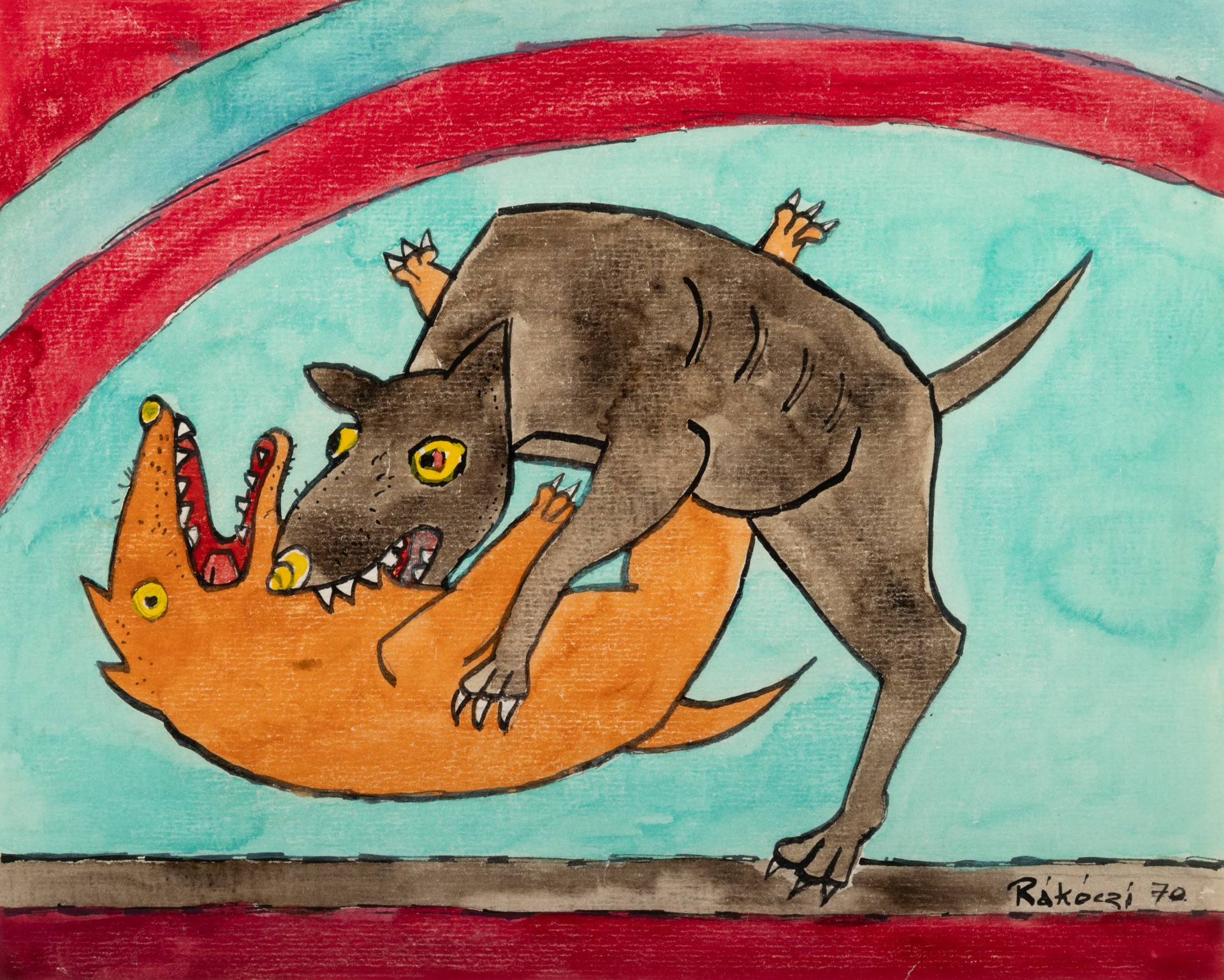
A great opportunity to purchase both established and lesser-known artist’s work at an accessible price point, the Online Picture Auction is the first of many sales to be hosted at Adam’s in 2026. It is perfect for those looking to start a collection and the discerning collector alike.


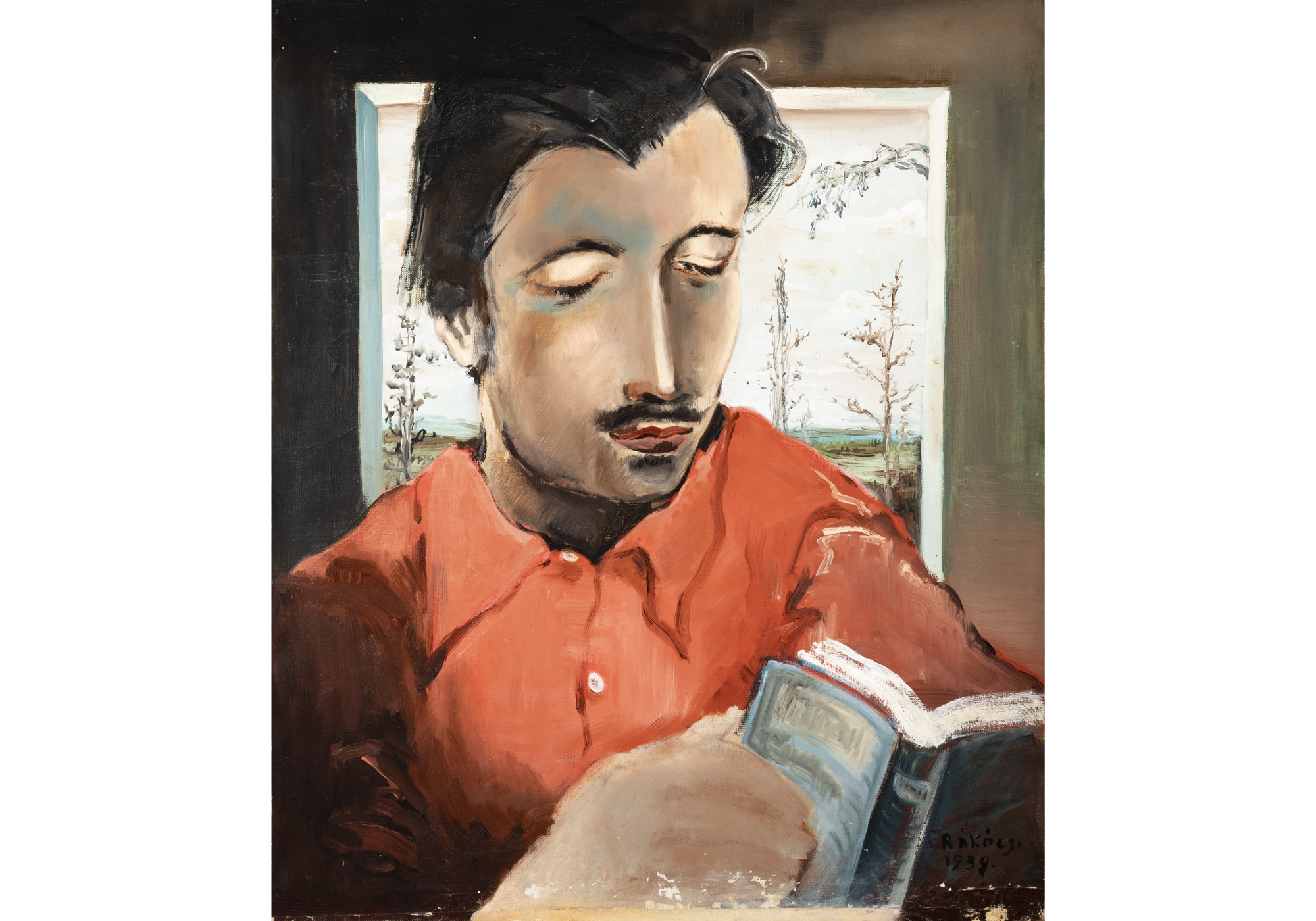
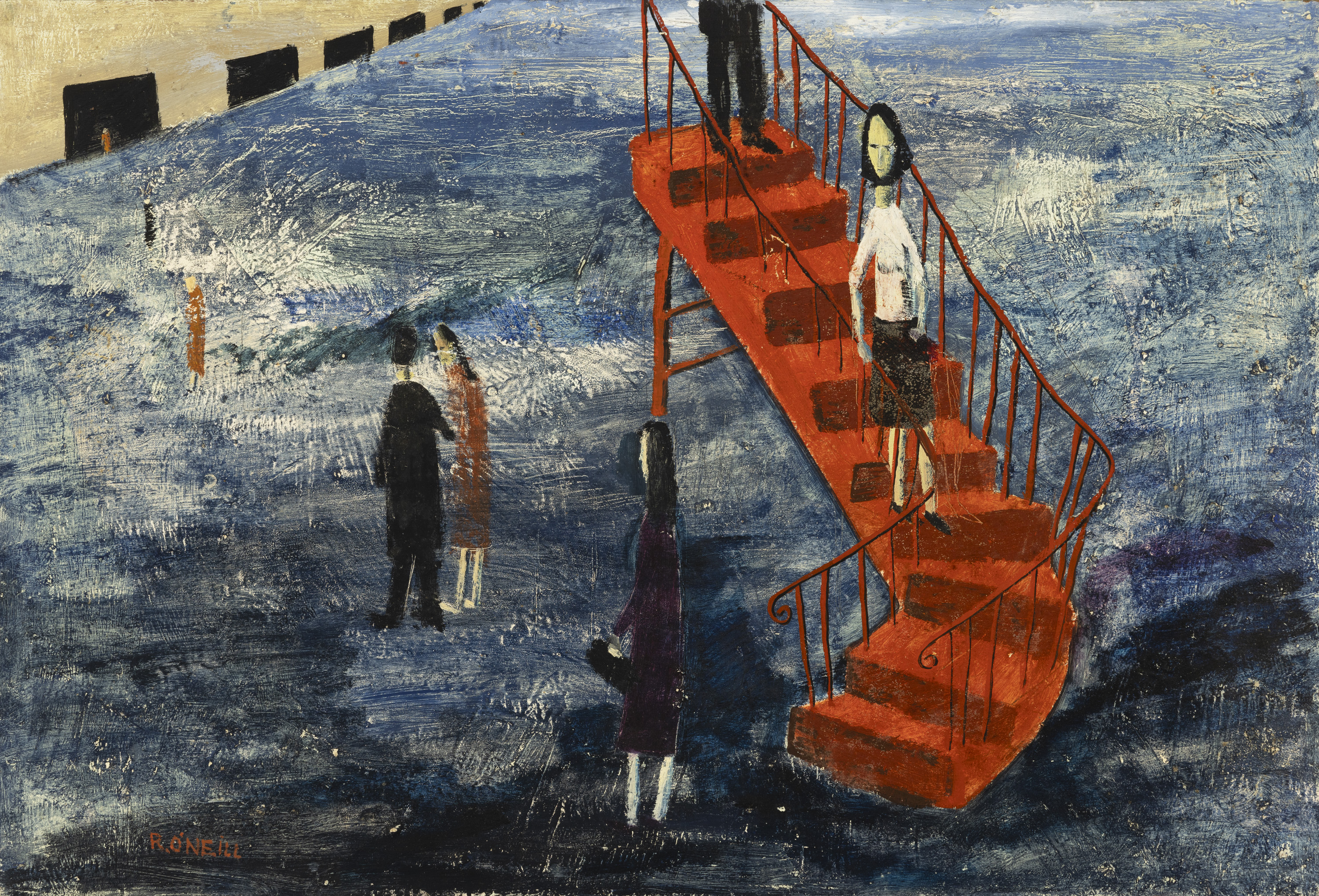
Through this article, let our expert Adam Pearson guiding you to the (re)discovery of the once established Irish painter Richard O’Neill.


Buying at Auction and the Role of Antiques in a Modern Home


Important Irish Art Auction Highlights

Oliver Dowling Collection by Aidan Dunne


James Adam & Sons Ltd, Fine Art Auctioneers and Valuers, 26 St. Stephen’s Green, Dublin 2,
D02 X665, Ireland


