
menu
Departments
.svg)
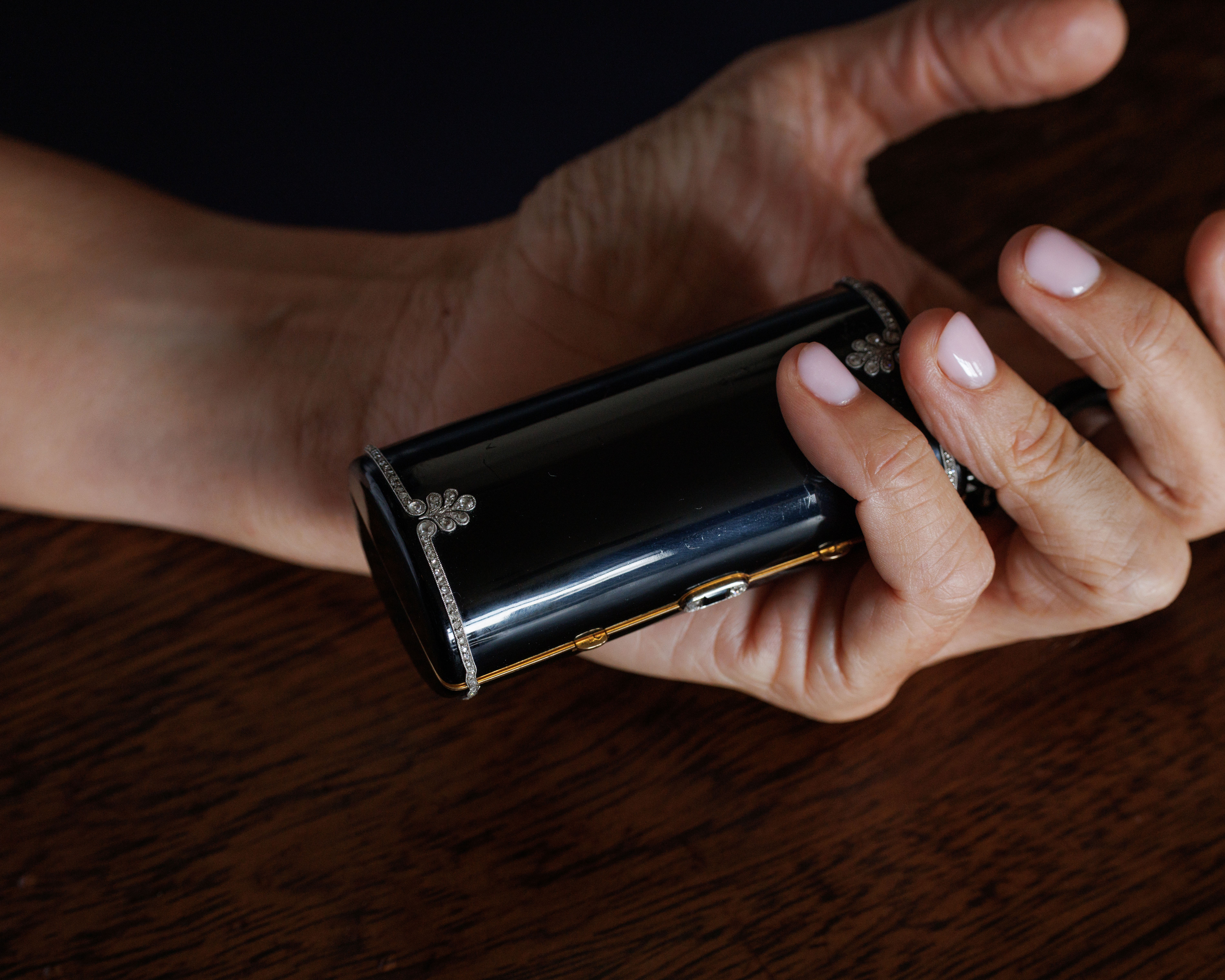

The 1920s changed not only the way women dressed, but the way they occupied public life. Silhouettes loosened, hemlines rose, and the narrow evening dresses of the decade offered little room for pockets. At the same time, cosmetics moved steadily from the privacy of the dressing table into restaurants, theatres, and nightclubs, while cigarette smoking became part of fashionable female society. A woman went out with fewer layers, fewer pockets,and a new collection of necessities. The vanity case emerged as an elegant answer to all three.
.png)
Its ancestry lies in the eighteenth-century nécessaire, the fitted case designed to contain the small instruments of daily life, but the modern vanity case belonged unmistakably to the years after the First World War. There was no single inventor; Parisian jewellers arrived at the form as their clients began carrying powder, rouge, lipstick, mirrors, and cigarettes with them, and using them openly. What had once been a private ritual became part of the evening itself. A woman powdering her face between courses no longer needed to leave the room; the object in her hand had been designed on the assumption that both she and it would be seen.
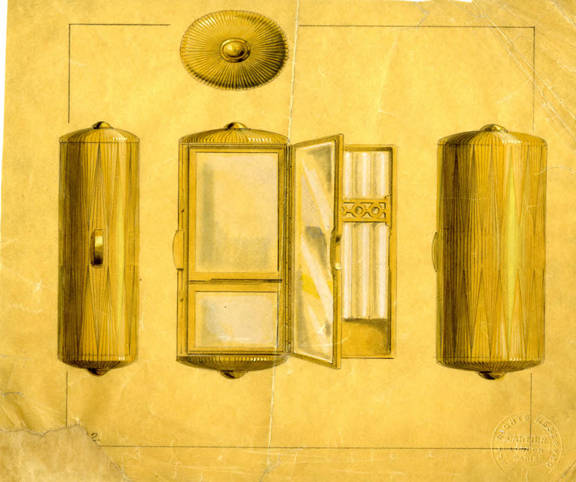
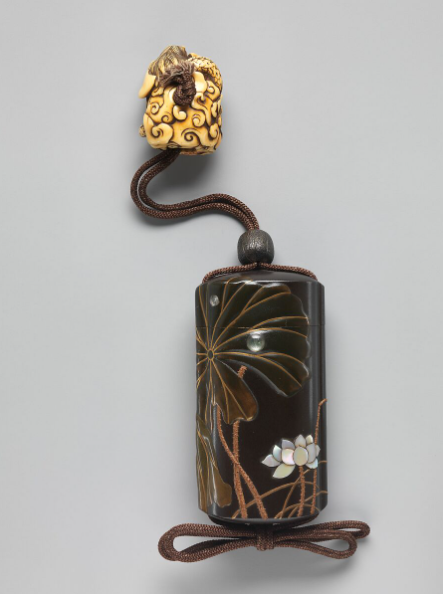
Cartier excelled in precisely this territory. Their advantage lay less in invention than in their extraordinary ability to organise useful objects as works of design. Powder, mirror and cigarettes could be compressed into a few inches of gold, platinum, enamel and hardstone, with the catches, hinges, and compartments engineered so discreetly that the mechanism disappeared intothe decoration. The cylindrical cigarette and vanity cases fashionable with Cartier clients during the 1920s were inspired by the Japanese inro, the small, compartmented case traditionally suspended from the sash of a kimono. Cartier translated the concept into the language of Parisian evening dress, suspending cases from chains and finger rings so that they may hang visibly from the hand.
Their decoration reveals another aspect of Cartier’s genius during the period. Louis Cartier looked well beyond contemporary Paris for inspiration, and the house collected fragments and objects from earlier cultures that could be incorporated into modern designs. Chinese lacquer, Persian ornament, and Egyptian antiquities entered a vocabulary that nevertheless looked unmistakably of the moment. Cartier’s own collection preserves vanity cases incorporating historic fragments, as the house frequently used imported Far Eastern lacquer panels in its precious objects.
Among the most remarkable were panels of laque burgauté, black lacquer inlaid with extraordinarily thin pieces of iridescent mother of pearl. The technique developed in China and later flourished elsewhere in East Asia, yet it found an unexpected new setting in the Paris of the 1920s. Cartier began using such panels extensively in its Art Deco objects, setting their shifting blues, greens, and pinks against diamonds, coral, jade and black enamel. In a Paris window in 1925, the effect could appear startlingly modern, although the decorative tradition behind it was centuries old.
The Cartier name on these cases also concealed a highly specialised world of Parisian craftsmanship. Henri Lavabre was one of the house’s important makers; his workshop produced a substantial number of Cartier cigarette and vanity cases during the 1920s.
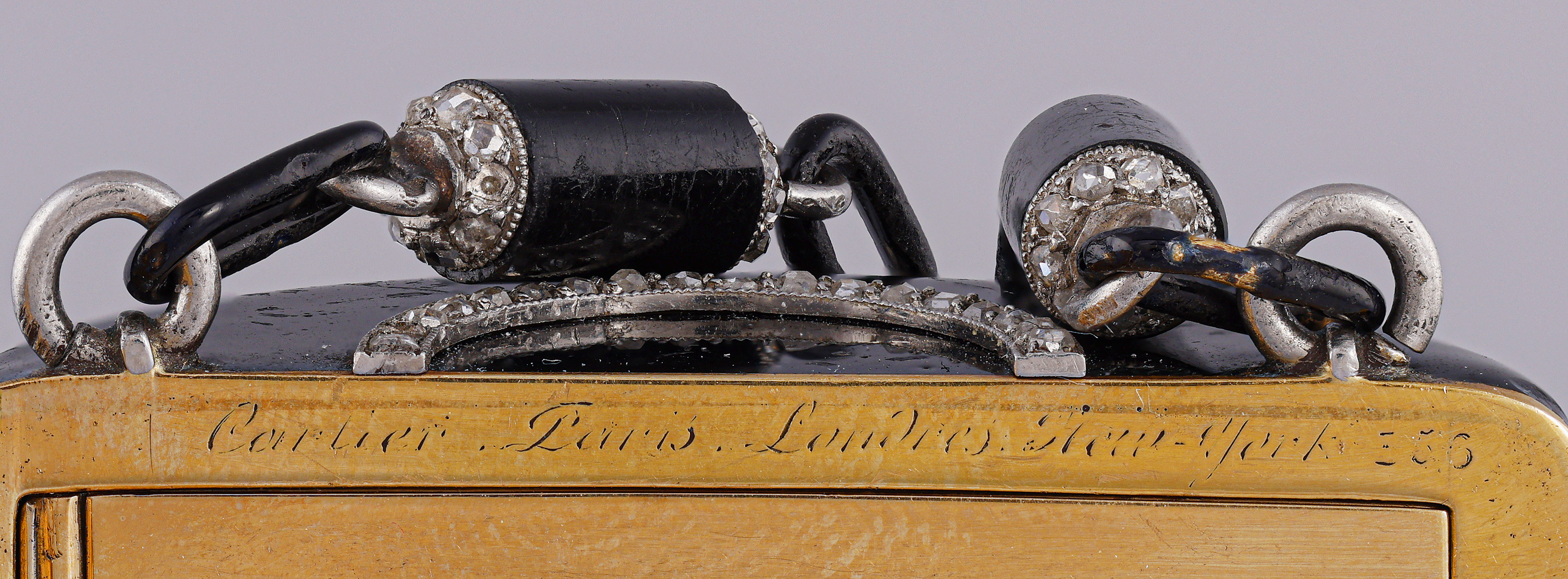
His small maker’s mark beside the Cartier signature is a reminder of the network of enamellers, goldsmiths, and case makers required to produce objects whose elegance depended on appearing almost effortless. The fashion itself was relatively brief. By the 1930s, cosmetic manufacturers were producing increasingly sophisticated compacts of their own, while new forms such as Van Cleef & Arpels’ Minaudière answered the same desire to carry the essentials of an evening in a single object. The great, jewelled vanity cases therefore belong particularly to the years between the wars, when the rituals of dressing, smoking, and social life were being rewritten. Their real subject is not cosmetics so much as composure: the particular confidence of a woman who could set the contents of her evening on a white tablecloth and allow them to be admired.

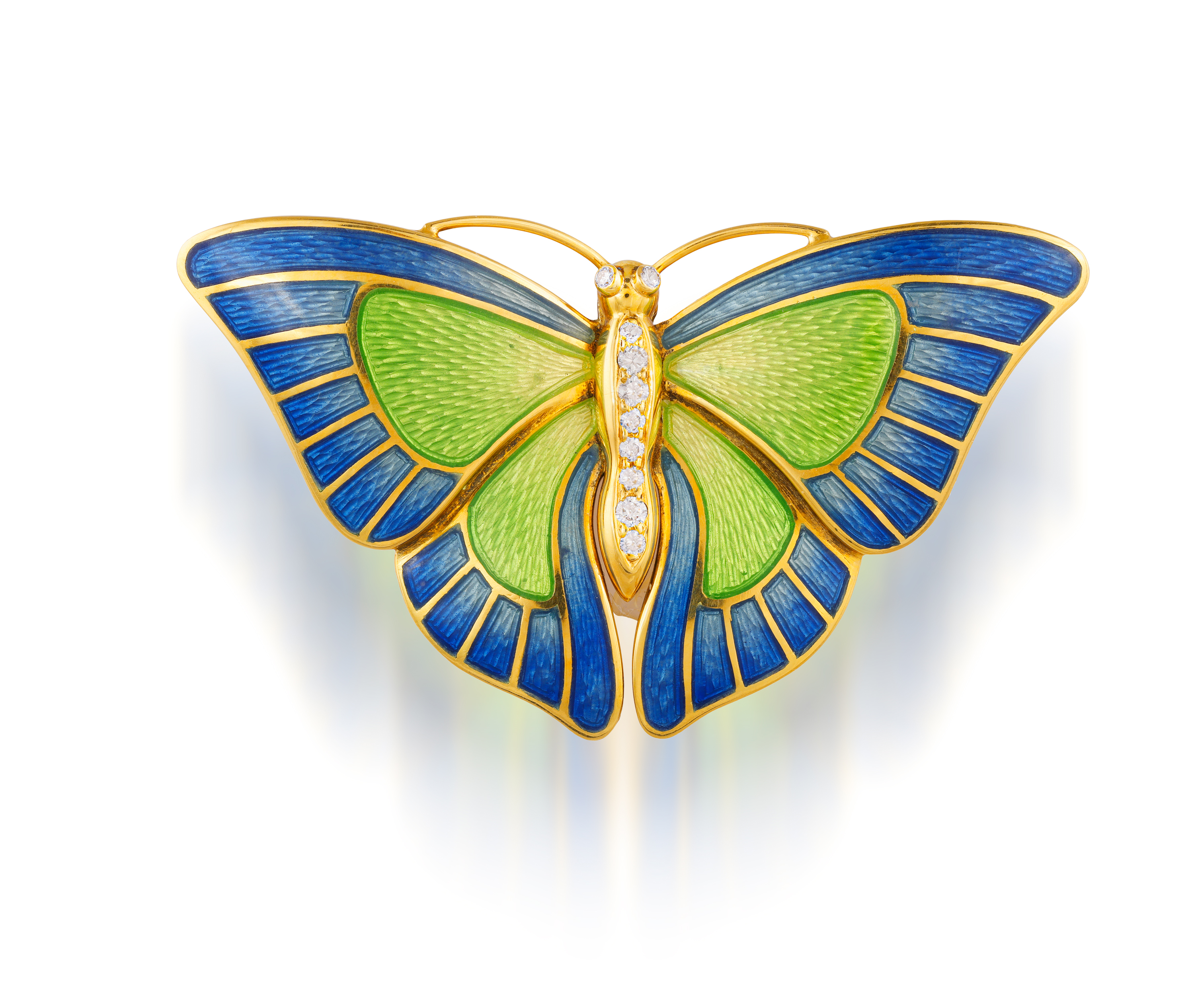
This wonderful piece by Cartier will be sold in our upcoming Fine Jewellery & Ladies Watches auction.
Auction: Tuesday 15th September at 4pm
On View 11th - 15th September
Browse the Auction




.jpg)


.png)
.png)
.jpg)


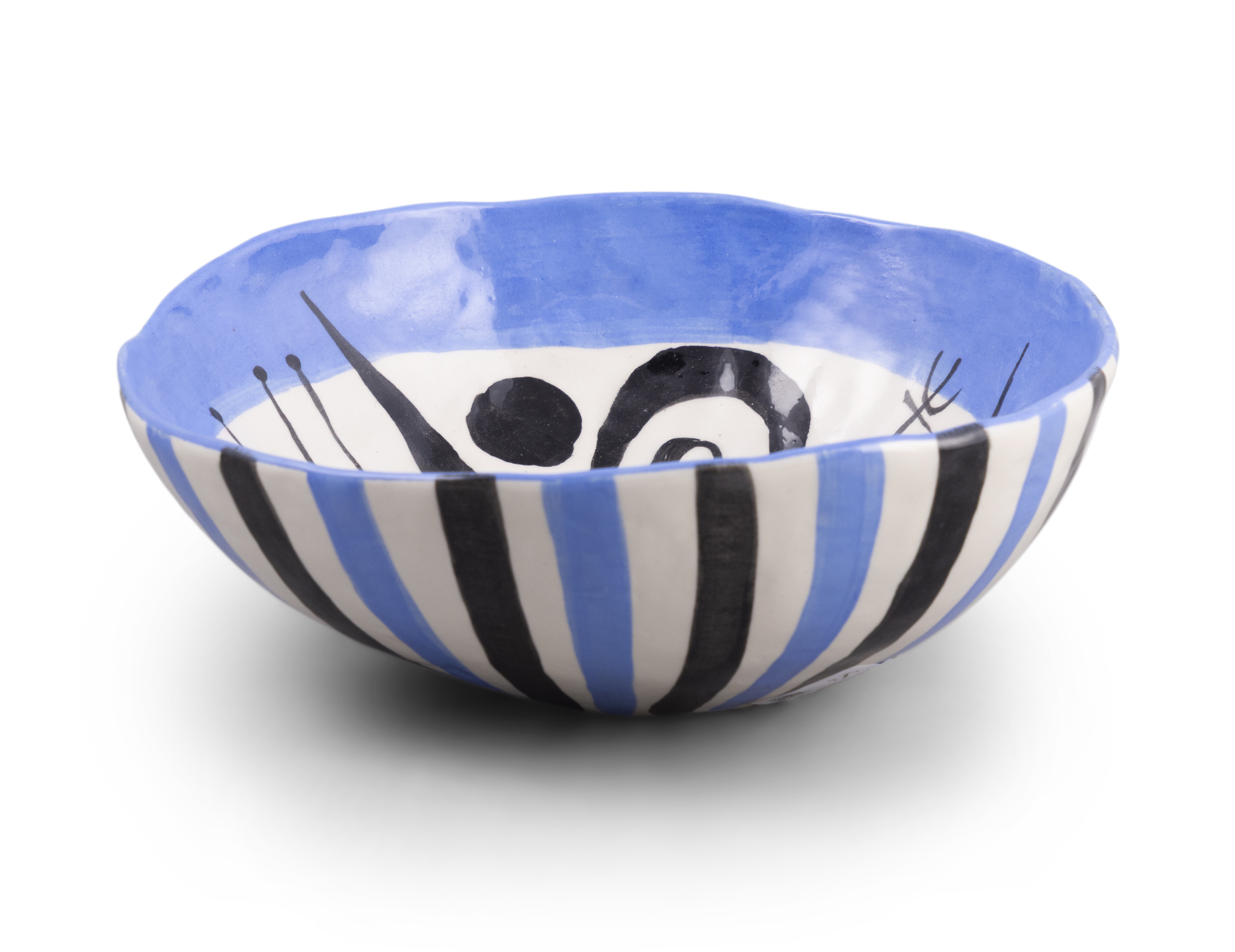
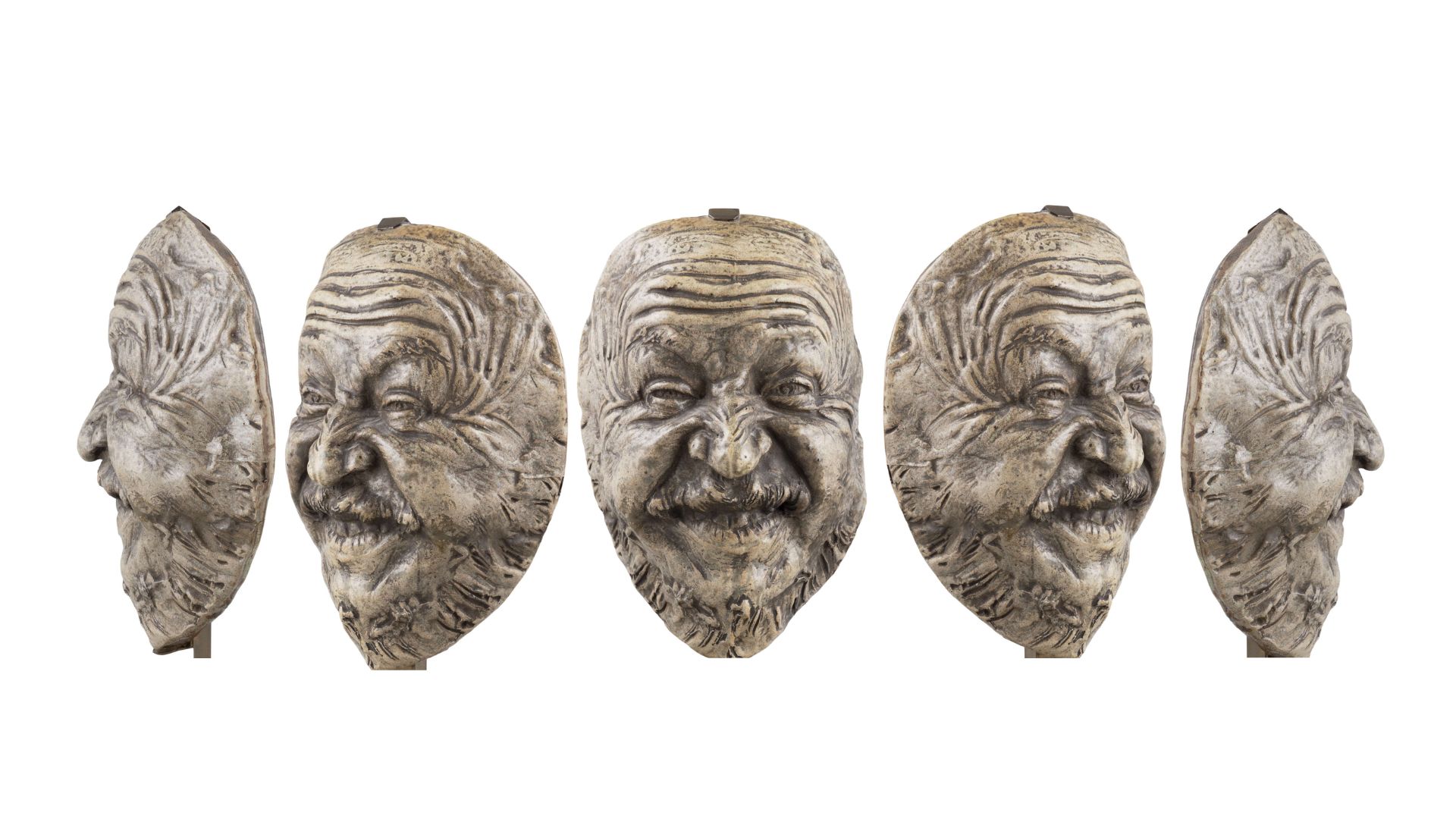
John ffrench was an instrumental figure in the design industry in Ireland and a distinguished pioneer of Irish studio pottery.


)%20(1).jpg)

%20(002).png)

%20(2).jpg)



%20(1200%20x%20768%20px)%20(2).png)
.png)

.png)



"I should declare my hand. I have a weakness for pictures that punch above their physical weight, and for artists who have been quietly underrated for too long. This pair is both. They are intimate enough to live with at close quarters and serious enough to repay any amount of looking. If the market has lately shown signs of catching up with eighteenth-century Irish painting and I think it has, these two small panels feel, to me, like exactly the sort of thing that will look obvious in twenty years’ time."
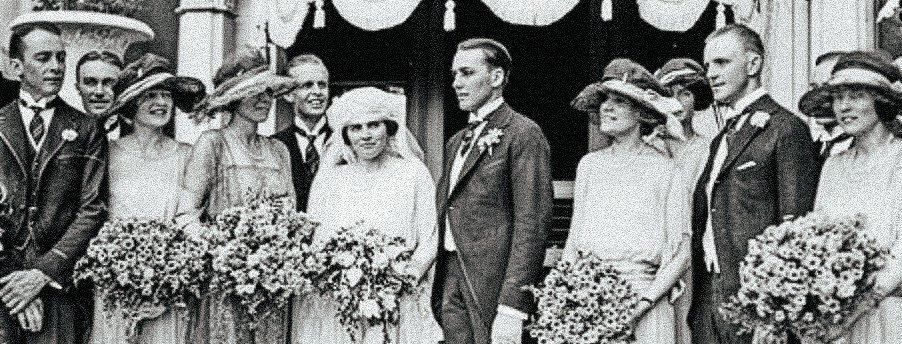

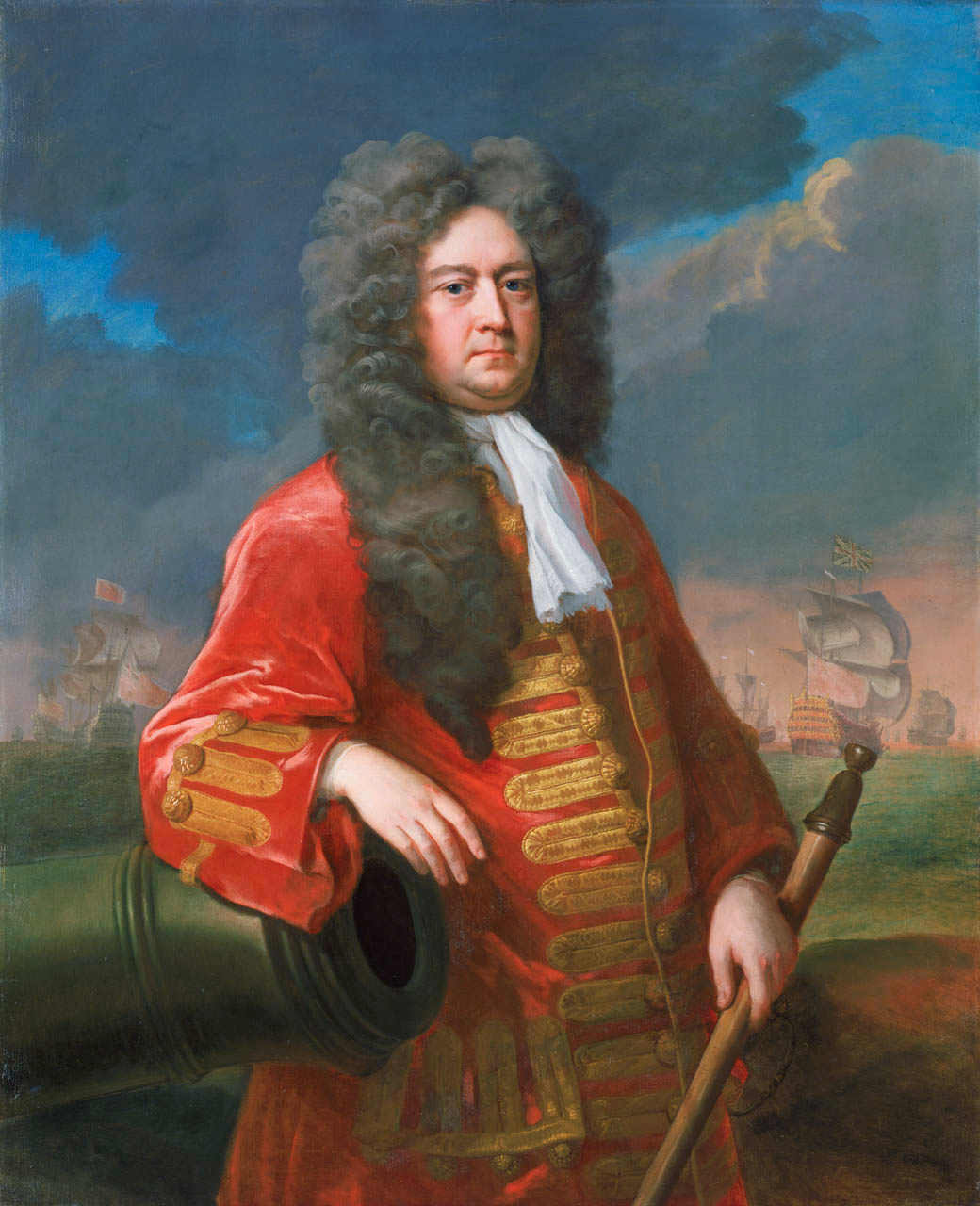


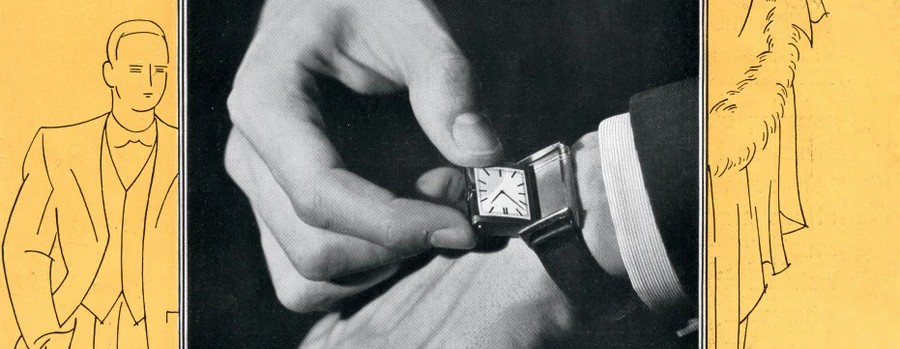


Adam’s is honoured to present works from the collection of Lord Rossmore in the upcoming Country House Collections auction at Howth Castle on 28th April. It is seldom that an influential Irish family collection that has survived through the generations comes to the open market.


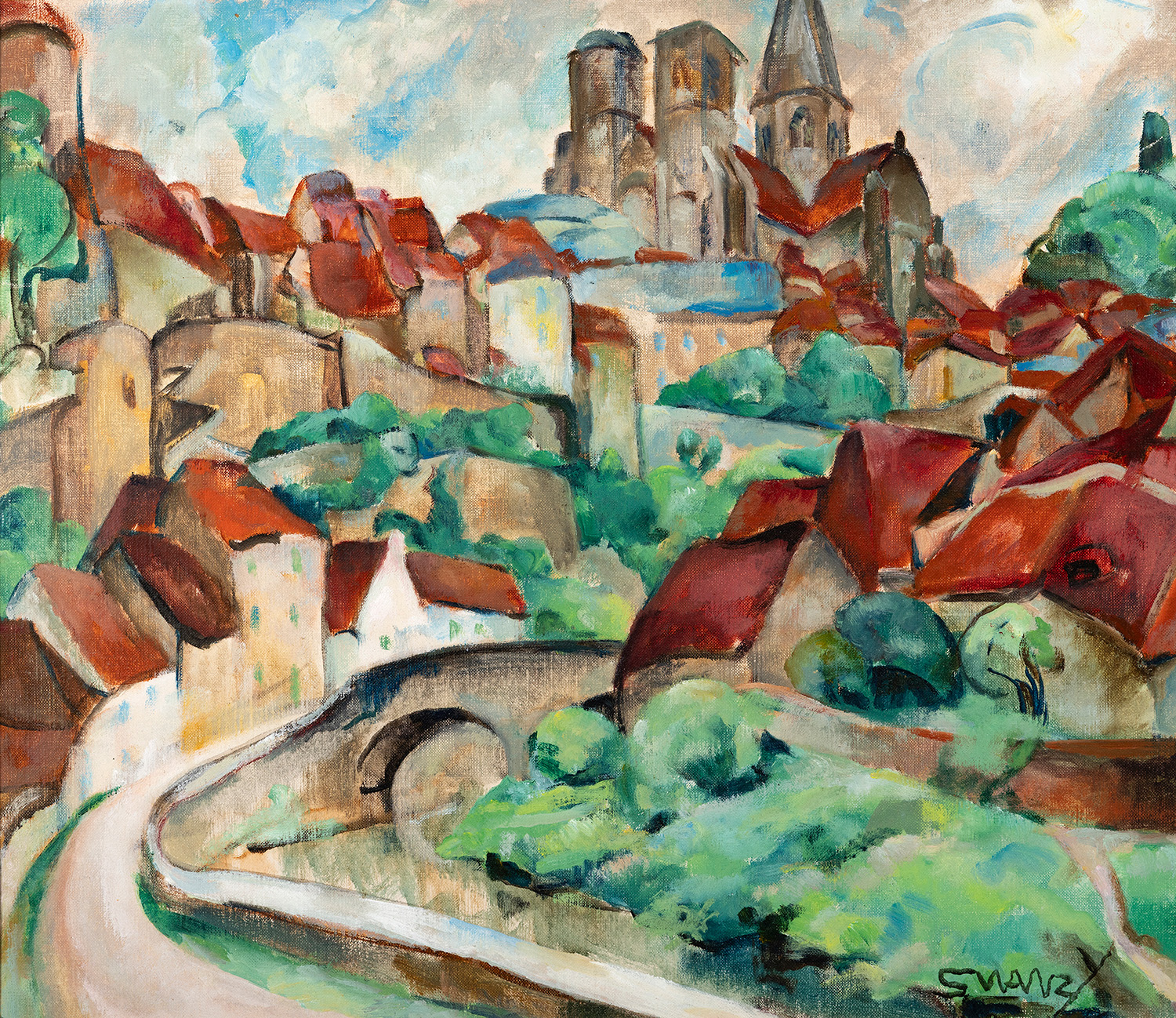
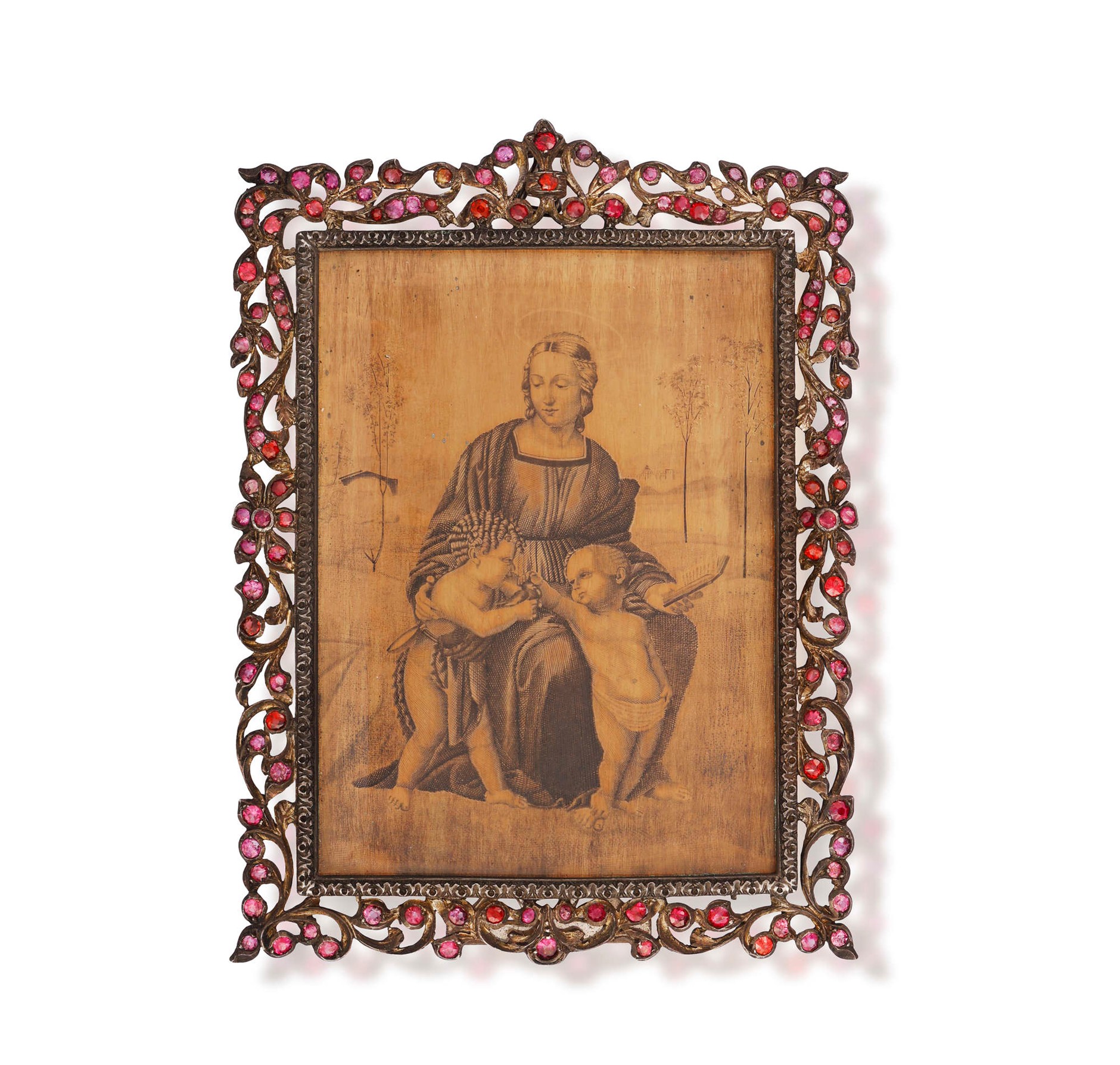

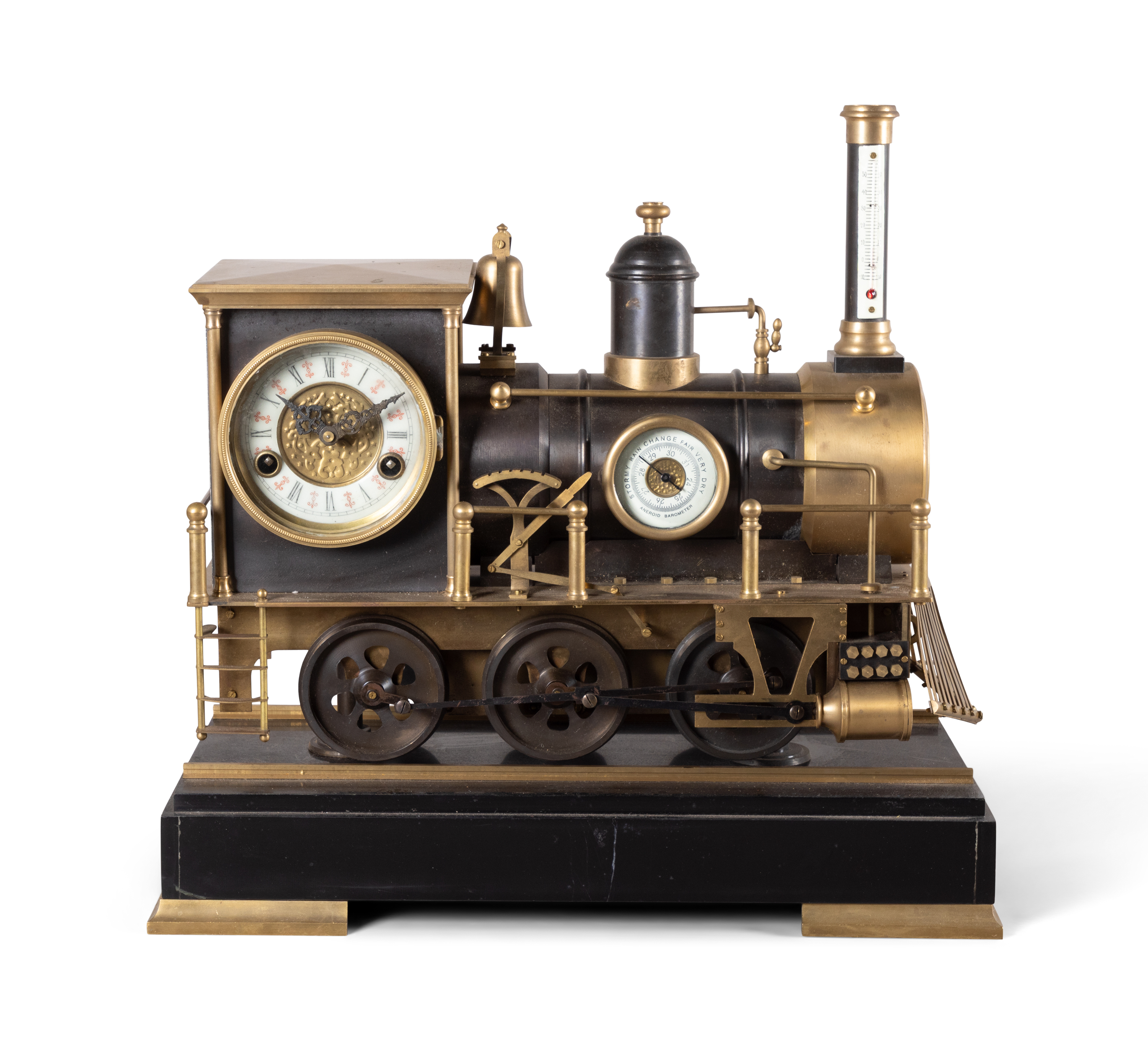
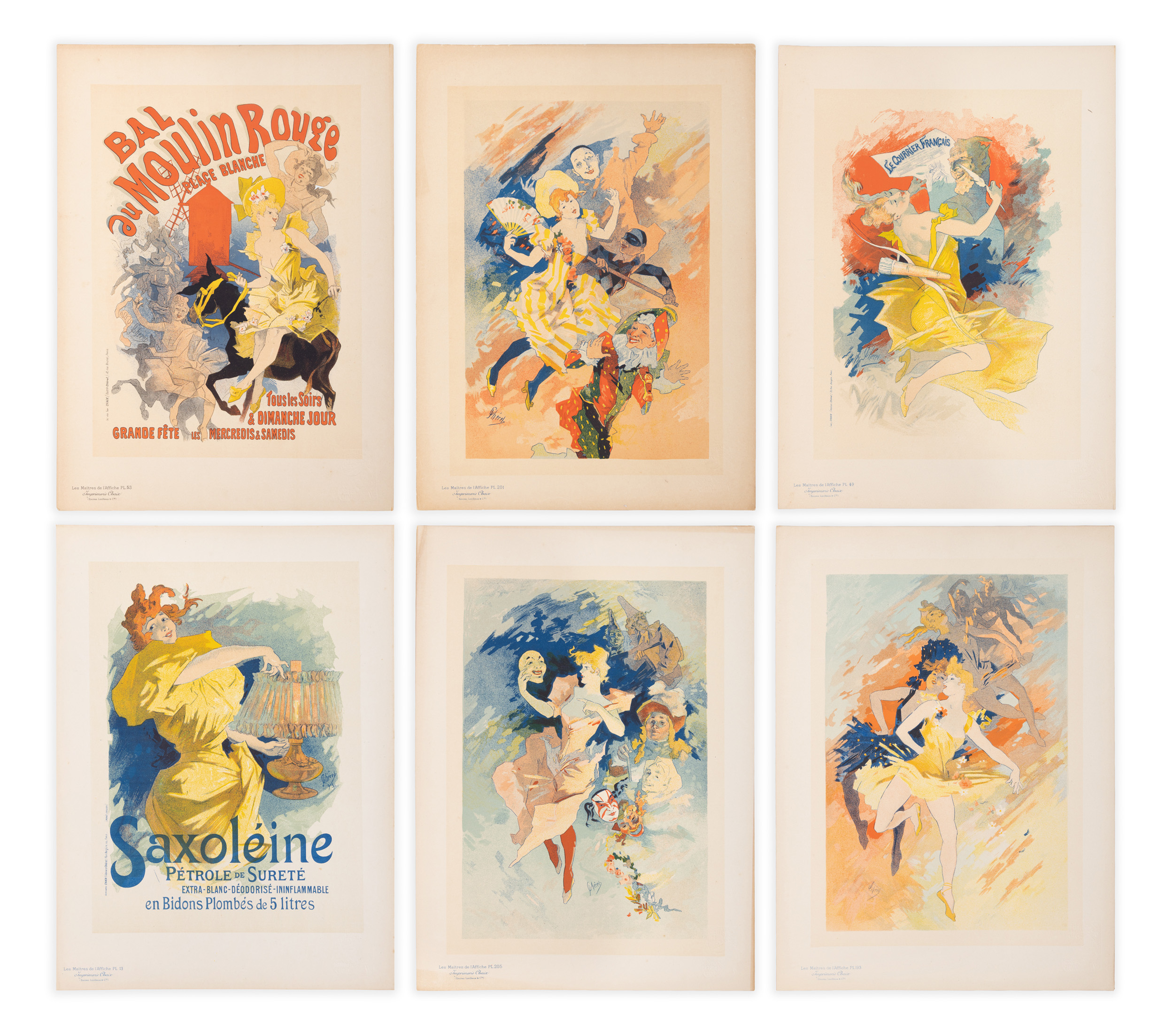

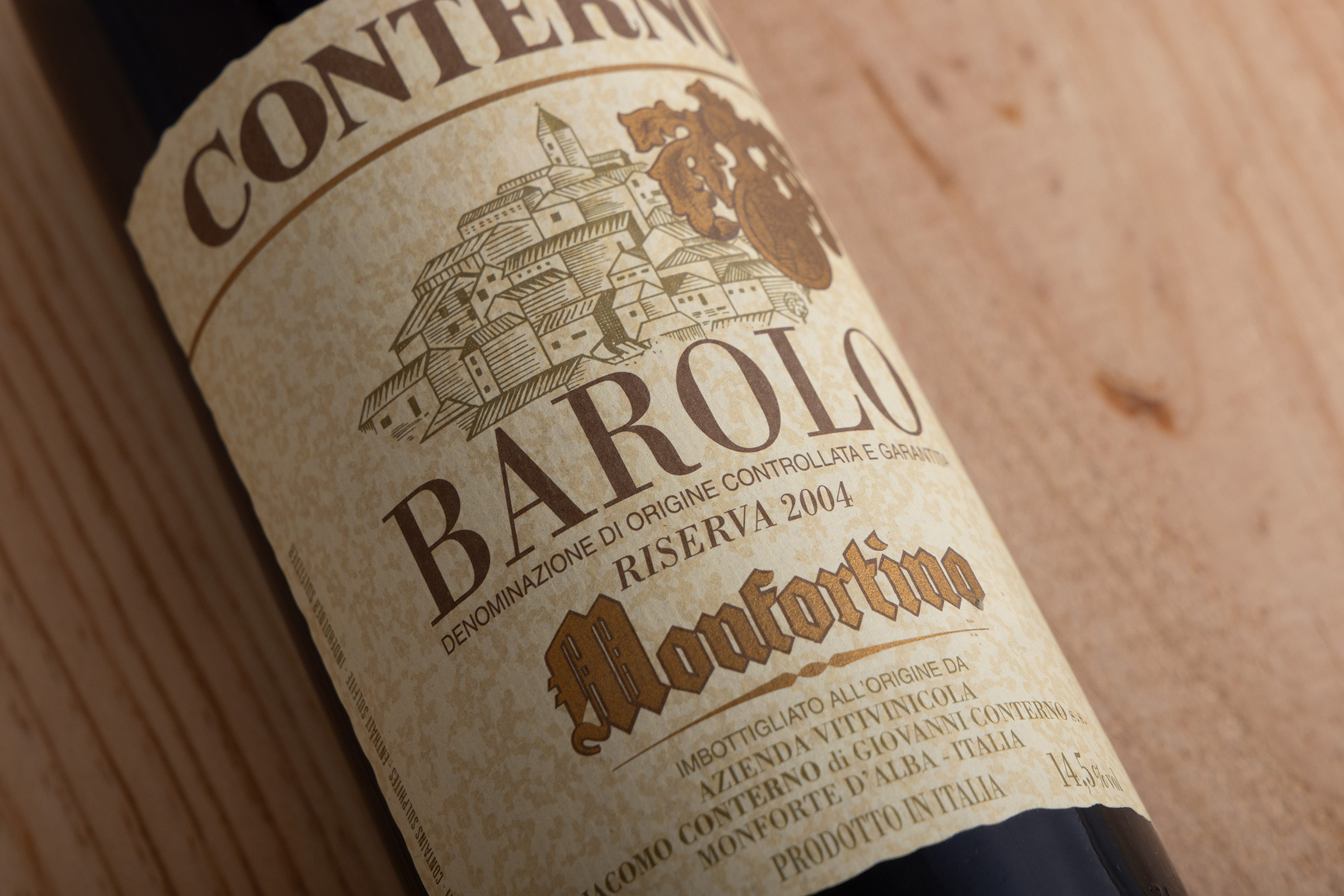

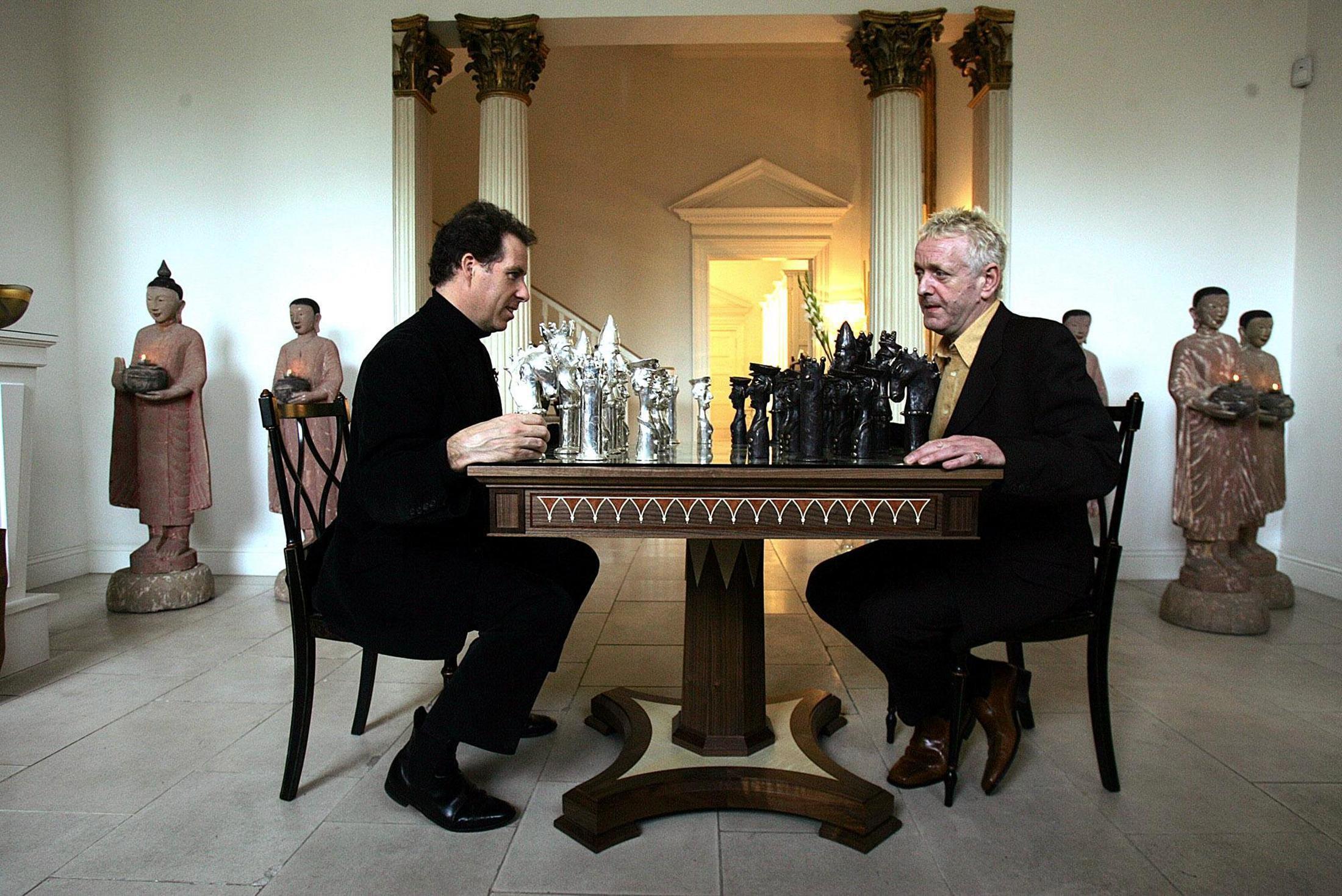
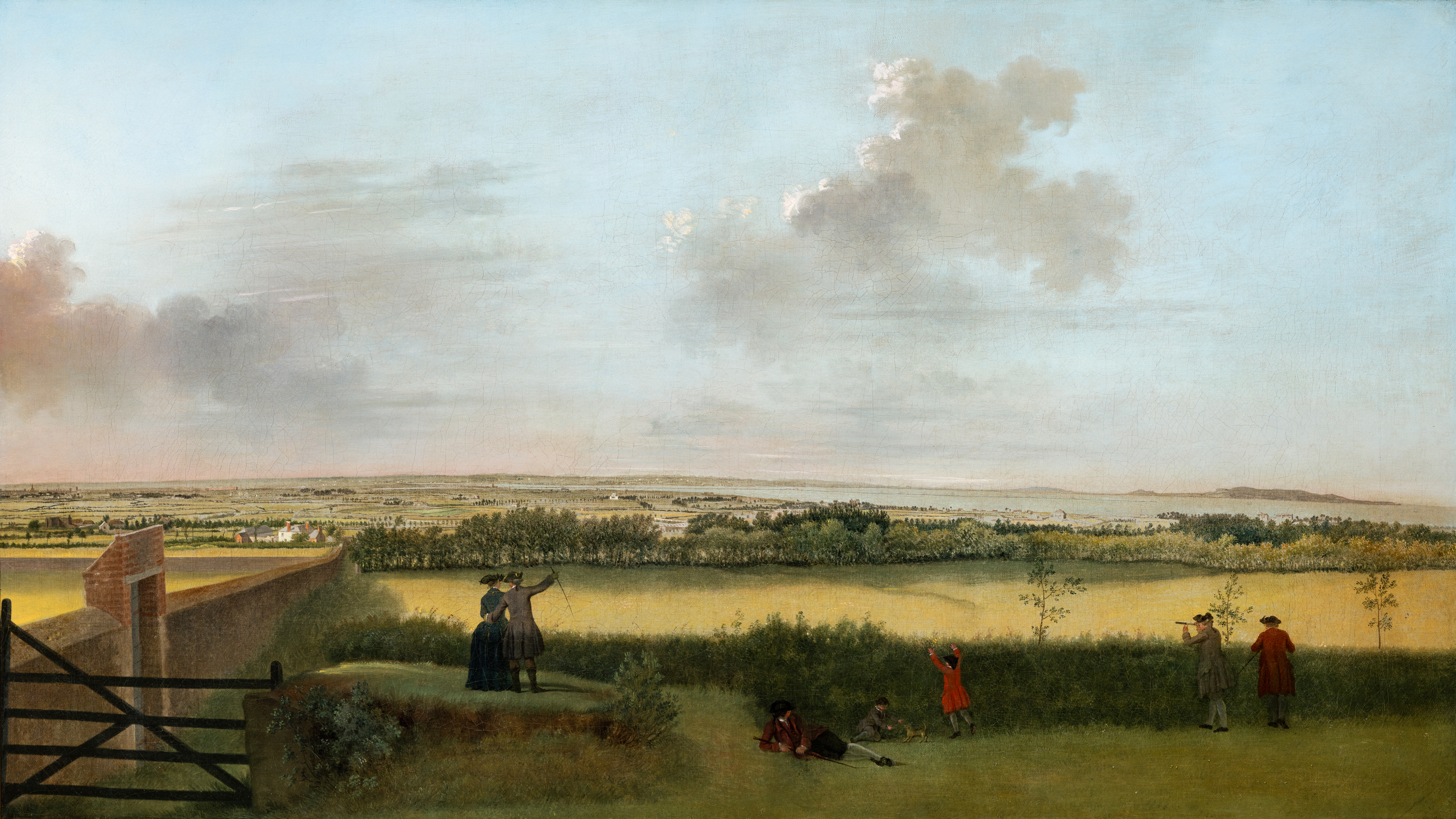
Works Sold at Adam’s Now in the Irish National Collection

A great opportunity to purchase both established and lesser-known artist’s work at an accessible price point, the Online Picture Auction is the first of many sales to be hosted at Adam’s in 2026. It is perfect for those looking to start a collection and the discerning collector alike.



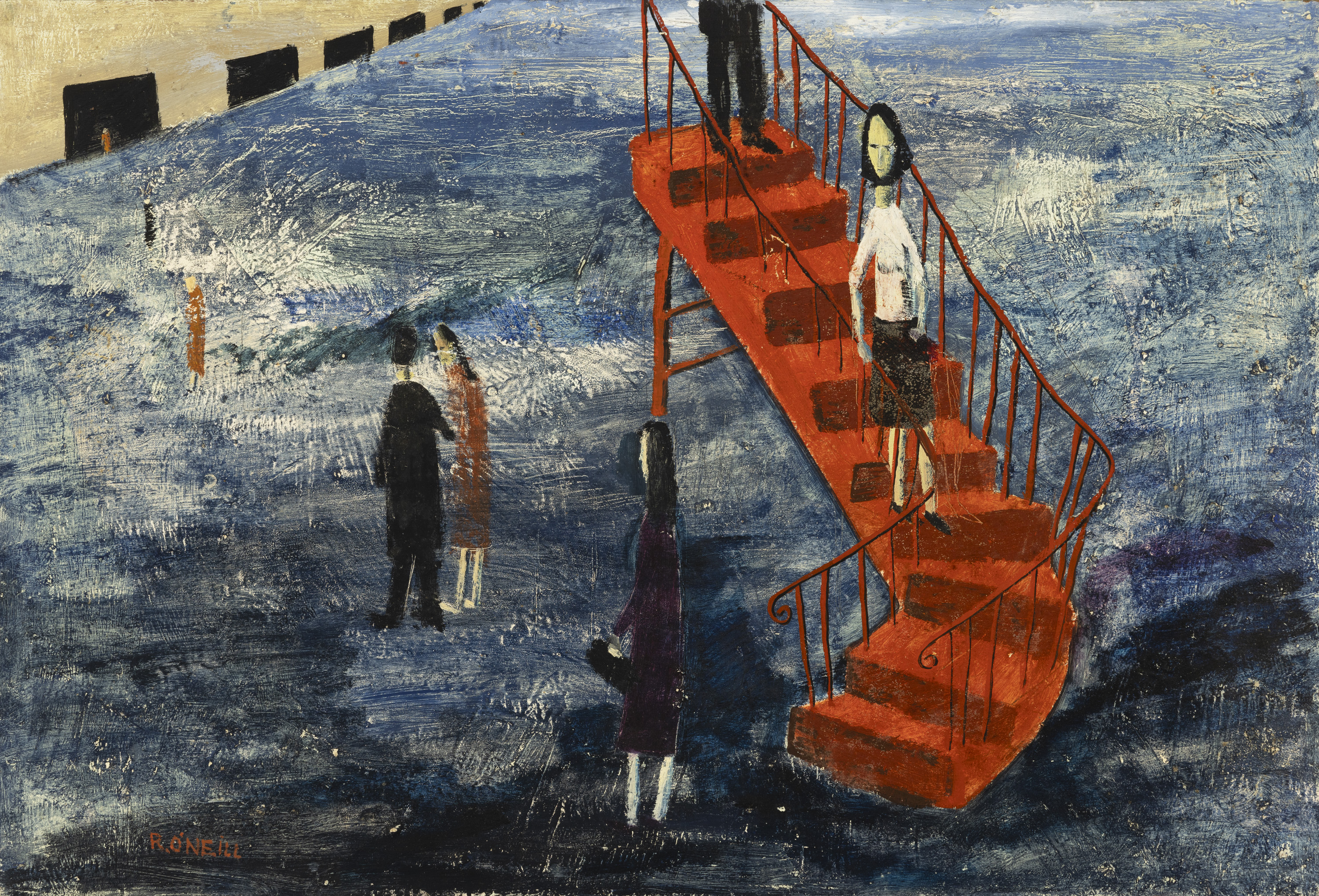
Through this article, let our expert Adam Pearson guiding you to the (re)discovery of the once established Irish painter Richard O’Neill.


Buying at Auction and the Role of Antiques in a Modern Home


Important Irish Art Auction Highlights

Oliver Dowling Collection by Aidan Dunne


2024 is a year in which Adam’s wants to recognise the key role buying antique furniture and furnishings at auction contributes greatly to the sustainable initiative. In 2019 the Environmental Protection Agency reported stark figures that each year in Ireland 1.2 million reusable bulky items, primarily furniture goes into landfill. Similar to the problem of ‘fast fashion’, the constant production and consumption of new items is leading to rapidly growing waste problem. We want to acknowledge those who are already buying second hand or antique furniture at auction and to encourage new buyers by highlighting the benefits of acquiring affordable, well-made quality items that are built to last.


James Adam & Sons Ltd, Fine Art Auctioneers and Valuers, 26 St. Stephen’s Green, Dublin 2,
D02 X665, Ireland


