
menu
Departments
.svg)
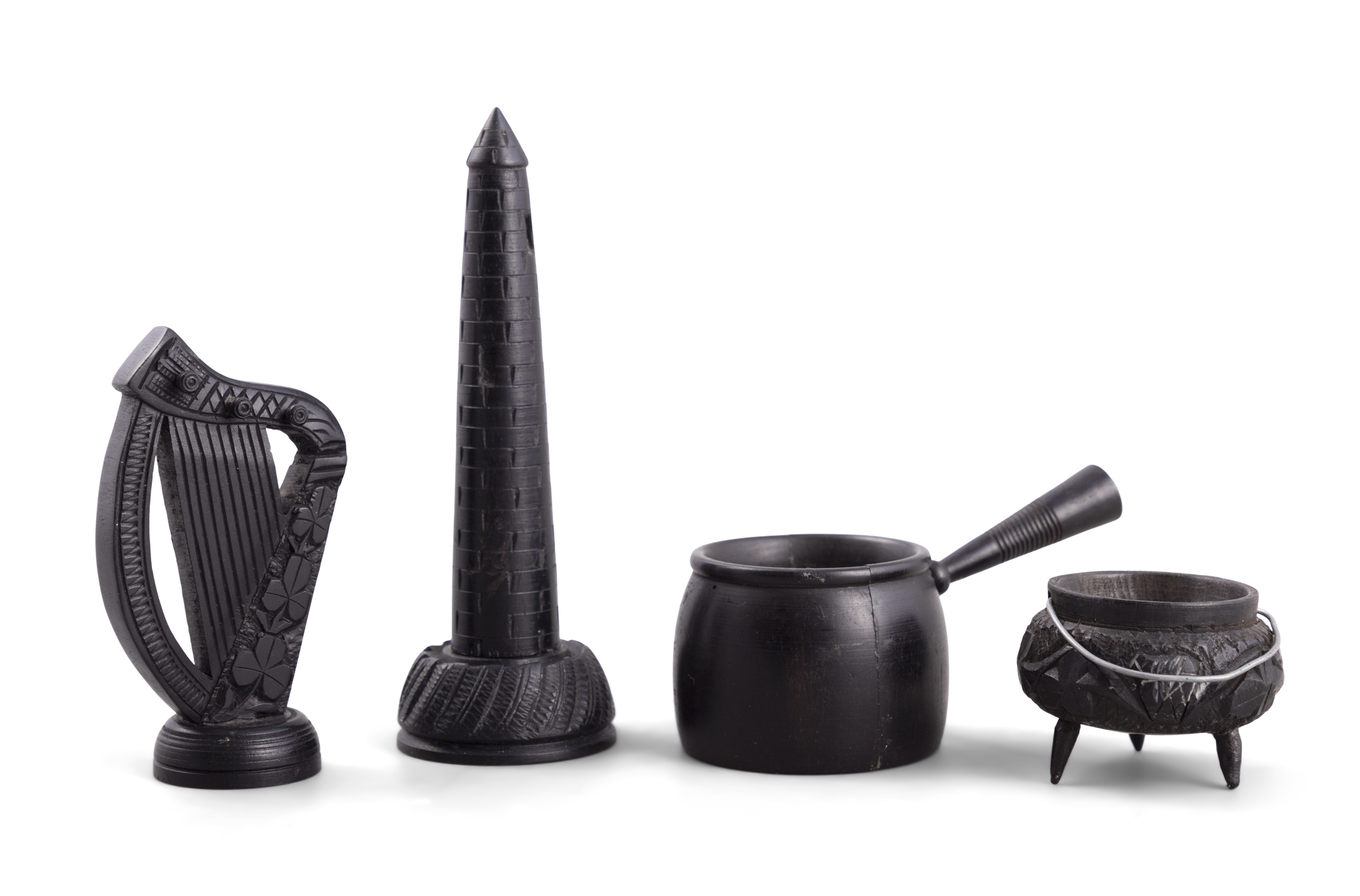

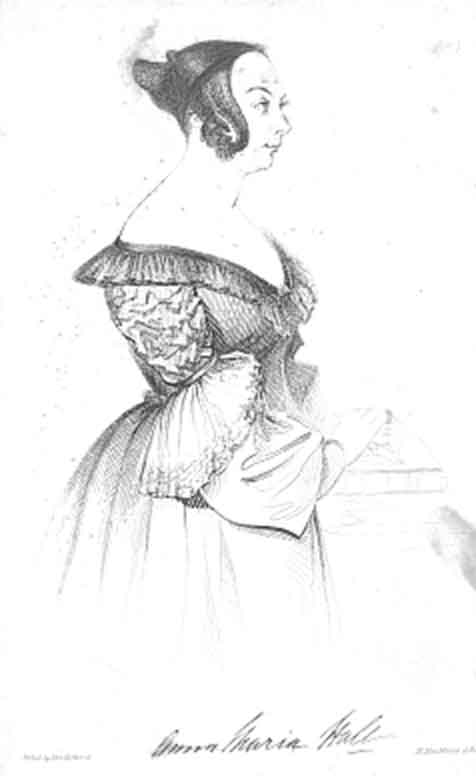
The Irish Vernacular crafts of bog oak carving and Killarney work marquetry exploded in the 19th century due to a combination of social and economic factors. The publication in 1841/1843 of an illustrated travelogue ‘Ireland: Its Scenery, Character, &c’ by Mr & Mrs S.C. Hall was an important influence as it neatly packaged Ireland as a must-see tourist destination complete with beautiful illustrations and handy itineraries. These steel cut engravings of heritage beauty spots such as Muckross Abbey, Glena Cottage, Ross Castle, Torc Waterfall were useful references for the design of keepsakes and offered a local Irish alternative to the very popular Tunbridge ware marquetry mementos produced in Kent at the time.
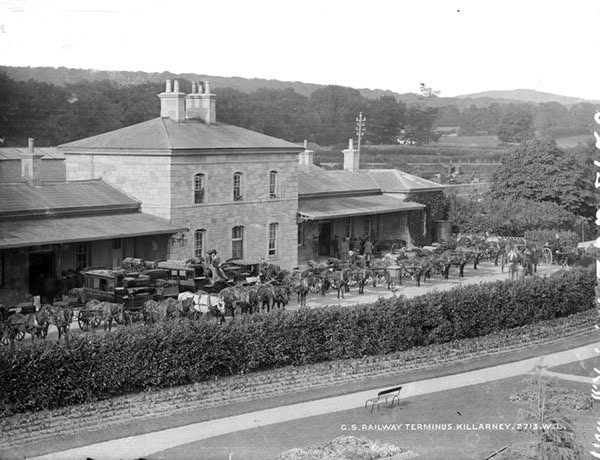
Killarney also enjoyed increased international tourism after the opening of the national railway in the 1850s. Notably, Queen Victoria (1819-1901) and Prince Albert (1819-1861) visited the town in August 1861 and were hosted by Lord Castlerosse (Later the 4th Earl of Kenmare). Following this successful Royal visit, likely one of the last prior to the Prince Consort’s untimely death in December 1861, the scenic landscape of County Kerry and its architectural heritage became an accessible alternative tourist destination for the holidaying aristocracy.
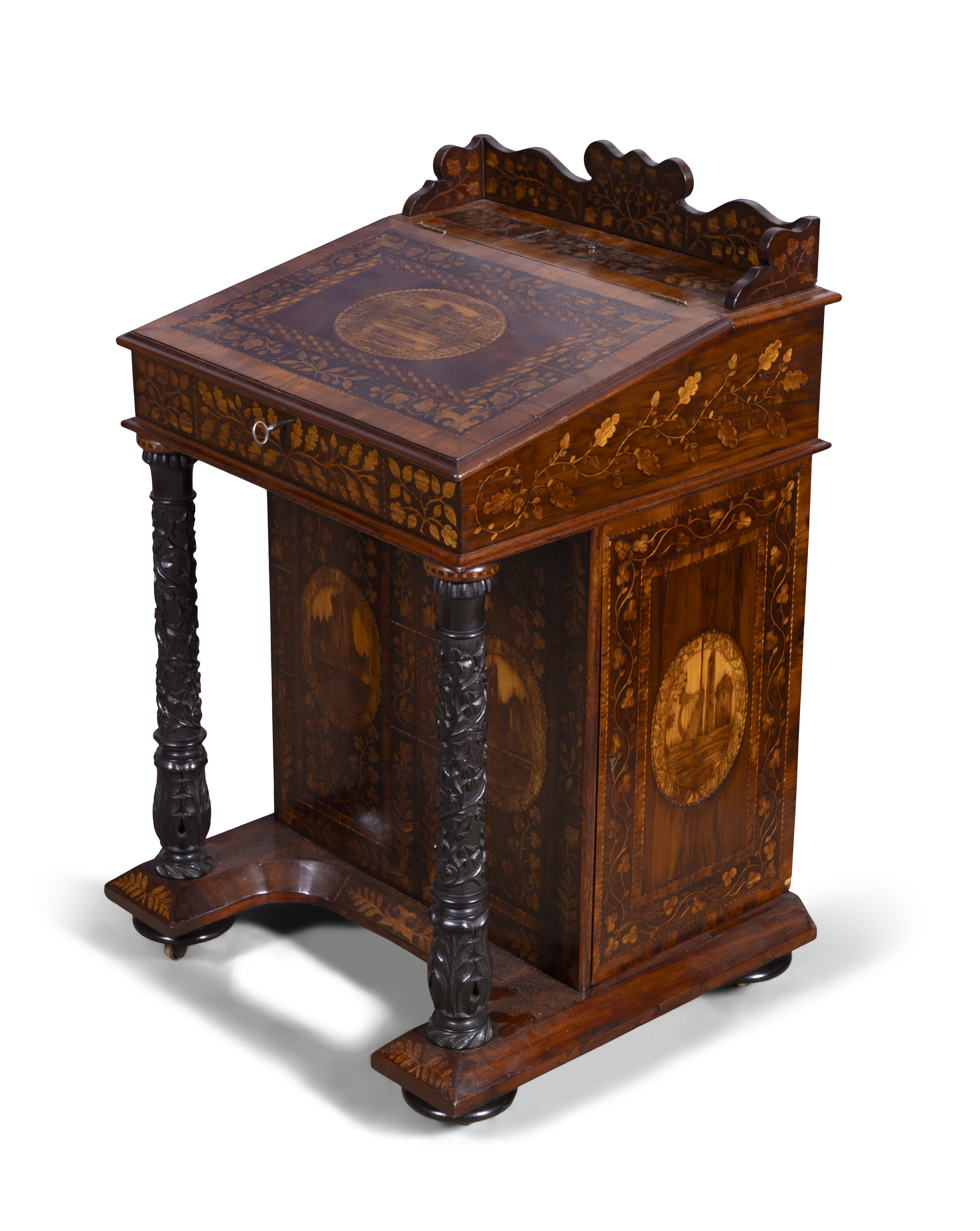
‘Killarney Work’ refers to marquetry inlaid furniture of arbutus wood and other local woods such as yew and holly. The rich warm-toned arbutus wood was readily available to the local Kerry craftsmen, proving much cheaper than imported mahogany and other exotic timber. Therefore, from the 1830s large cabinets, davenports, games-tables and trinket boxes appeared in bounty to respond to the growing tourist demand for souvenirs. Of particular renown were makers such as Jeremiah O’Connor and James Egan whose wares were shown at The Great Exhibition in London in 1851, the Irish Industrial Exhibition in Cork in 1852 and also The Great Industrial Exhibition in Dublin in 1853. Lord Castlerosse commissioned James Egan to make two large presentation pieces for the Queen for her 1861 visit. Records describe these as a profusely inlaid cabinet and desk with depictions of Ross Castle and Muckross Abbey and other local landmarks presented in oval panels, surrounded by trailing shamrocks, roses, thistles etc. It is worth noting the striking similarity between this description and the Davenport desk here presented (Lot 97)
Killarney was a real hotspot for souvenir crafts due to the scenic potential a holiday in the county offered, encompassing old native forestry, unspoiled beaches, mountains and waterfalls – not to mind the fascination of the inscrutable local Gaeilgeoirí ! However, the trade for bog oak certainly extended nationwide and Dublin in particular had a roaring trade of larger pieces, jewellery and treen trinkets. The interest in the craft’s decorative potential increased from the 1820s and accelerated further during the 1860s. This was in no small part due to the mourning jewellery craze of the mid Victorian era which popularised the use of Whitby jet. Bog oak was a perfect Irish alternative to jet, and so registered tradesmen sprang up all around the country including renowned makers such as John Neate (1796-1838), Cornelius Goggin (b.?-1865), Jeremiah Goggin (1914-1898) and Arthur Jones of St. Stephen’s Green to name a few.
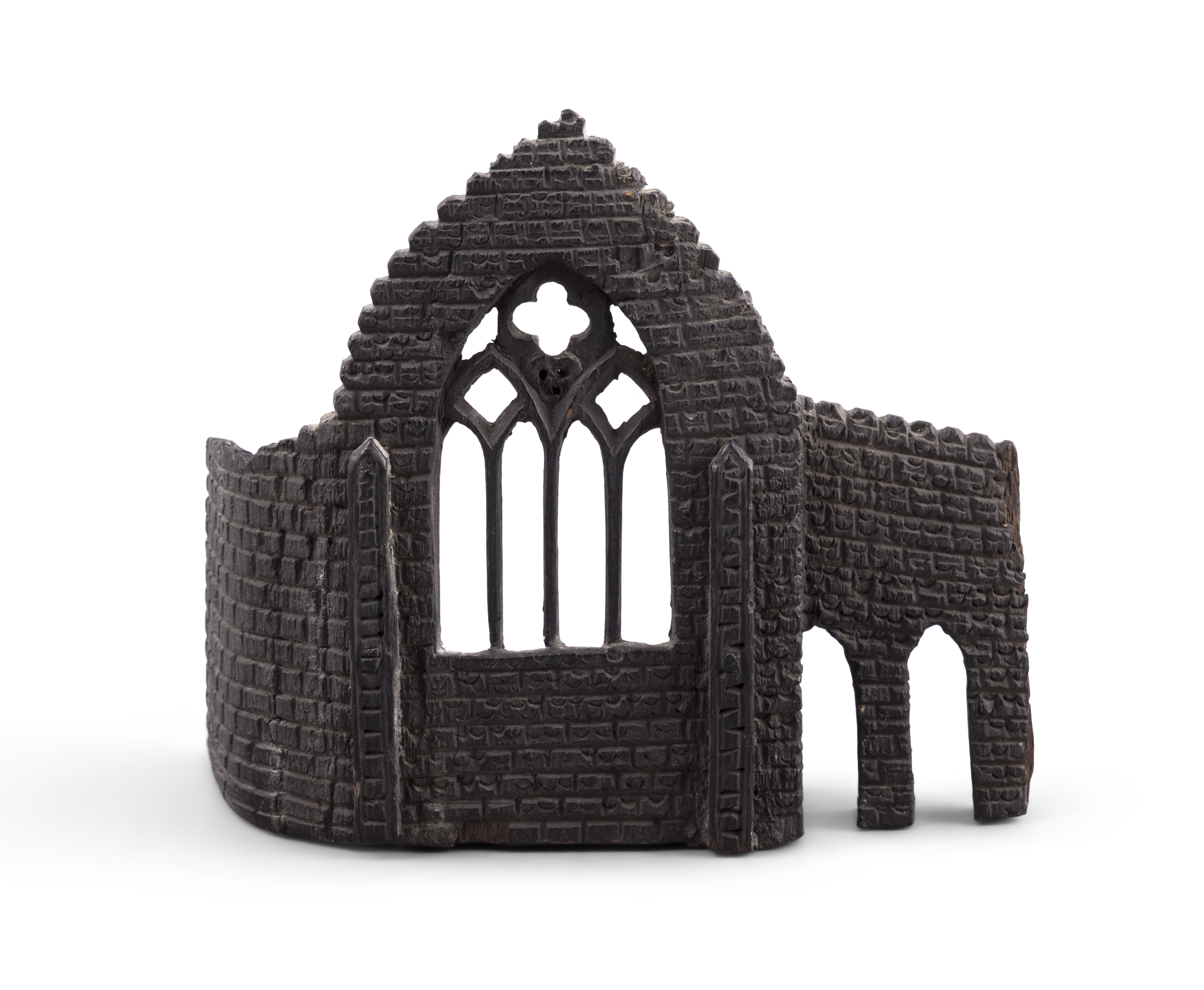
Quite aside from its uses in mourning jewellery, Bog oak became the ideal transfer for the nationalistic motifs of a country on the precipice of independence. As seen throughout this catalogue, imagery was favoured which promoted the national identity of Ireland as an established state with its own identifiable customs and symbols. The most common motifs include round towers, shamrocks, abbeys, Irish wolfhounds and harps, all which help perpetuate a national identity for Ireland’s fledgling tourist industry. There was a marked drop in the craft towards to end of the 19th century, though Henry Thompson of 12. Nassau Street was listed in the Dublin Directory as late as 1949. Examples of these crafts exist now as rare and valuable examples of Ireland’s early tourist industry and belong to that delicate juncture between the dying crafts of the late 18th and 19th century and the industrialisation of a nation.


.jpg)

.png)
.png)
.jpg)

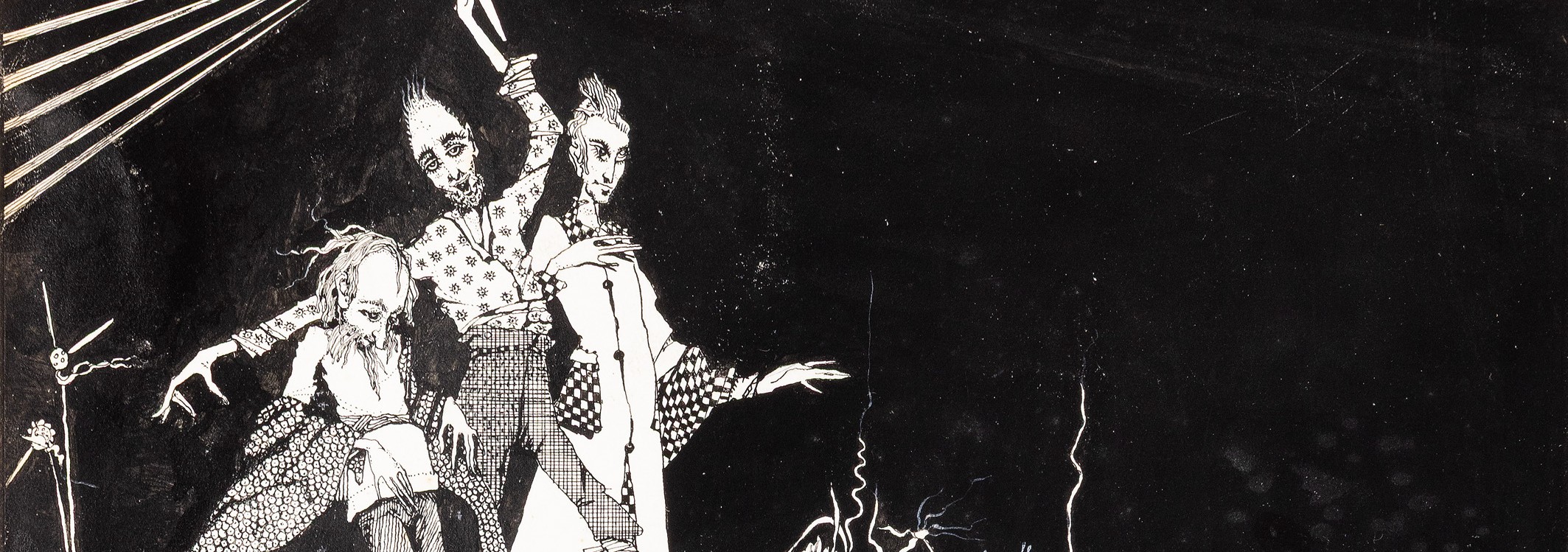
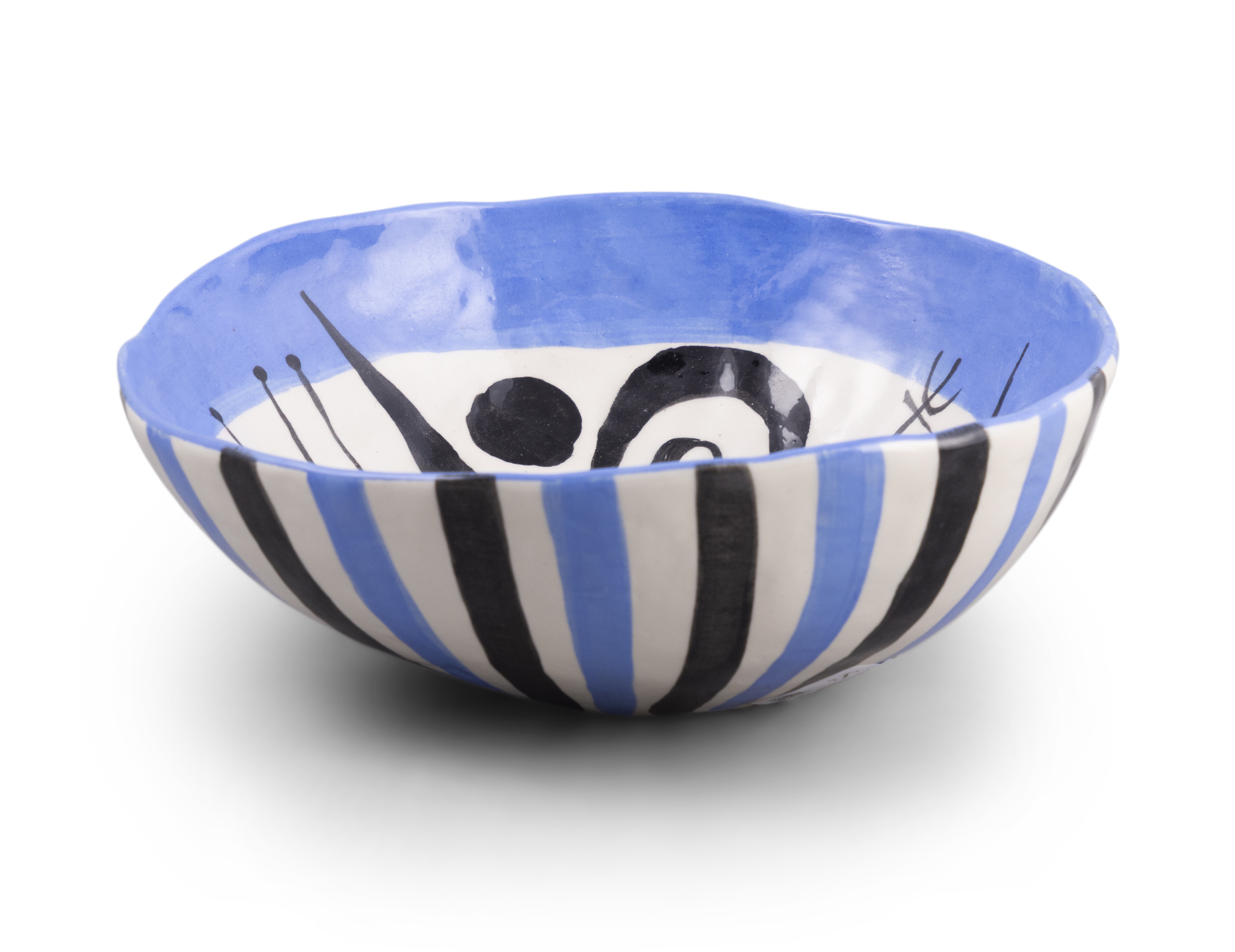
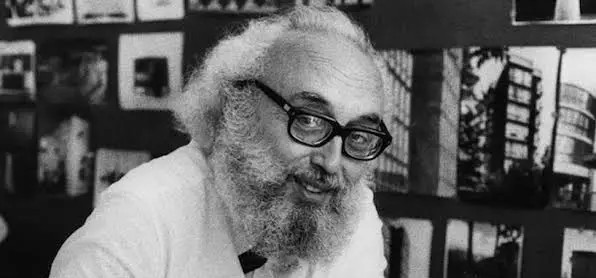
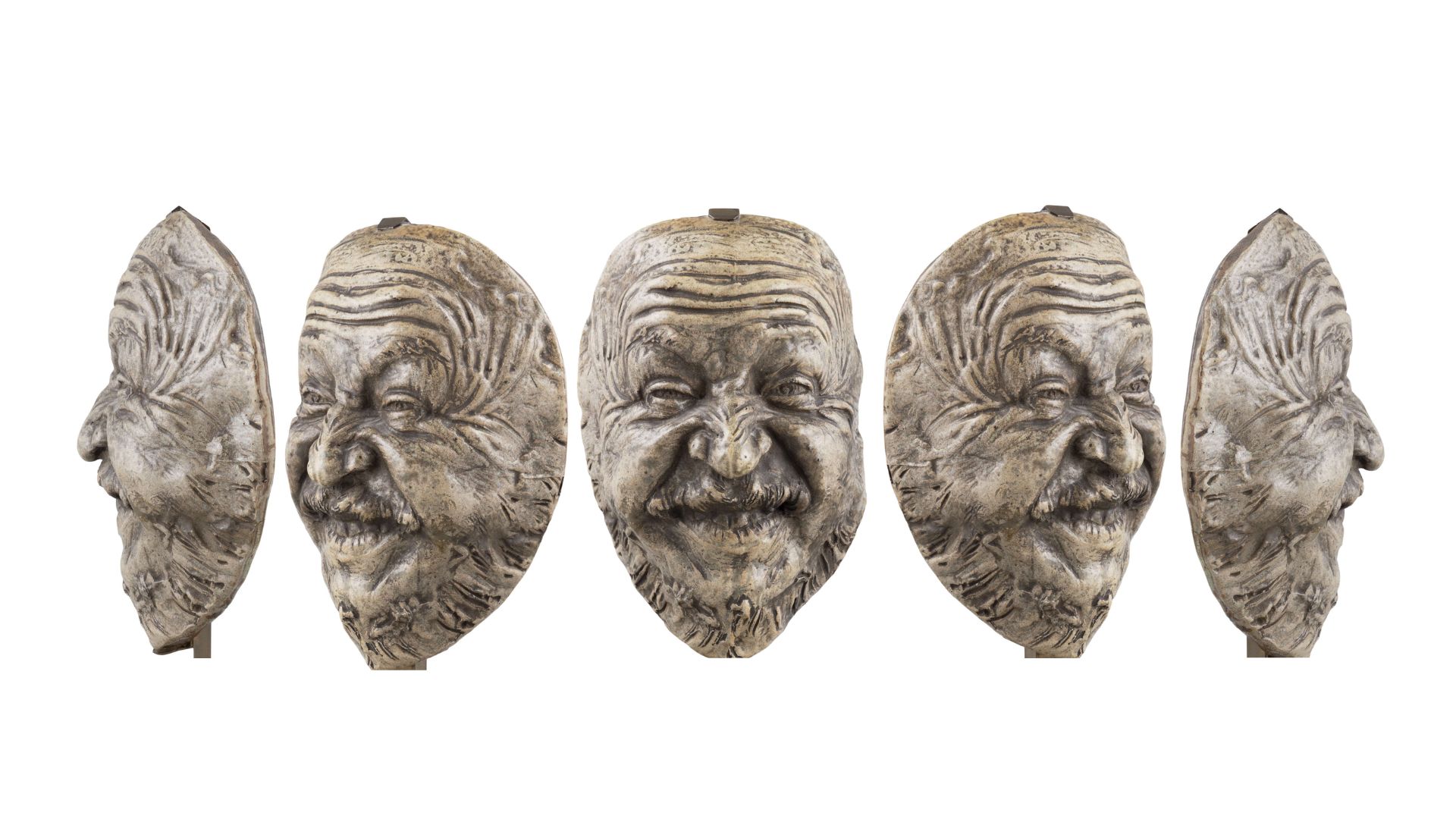
John ffrench was an instrumental figure in the design industry in Ireland and a distinguished pioneer of Irish studio pottery.

)%20(1).jpg)
%20(002).png)
%20(2).jpg)


%20(1200%20x%20768%20px)%20(2).png)
.png)

.png)

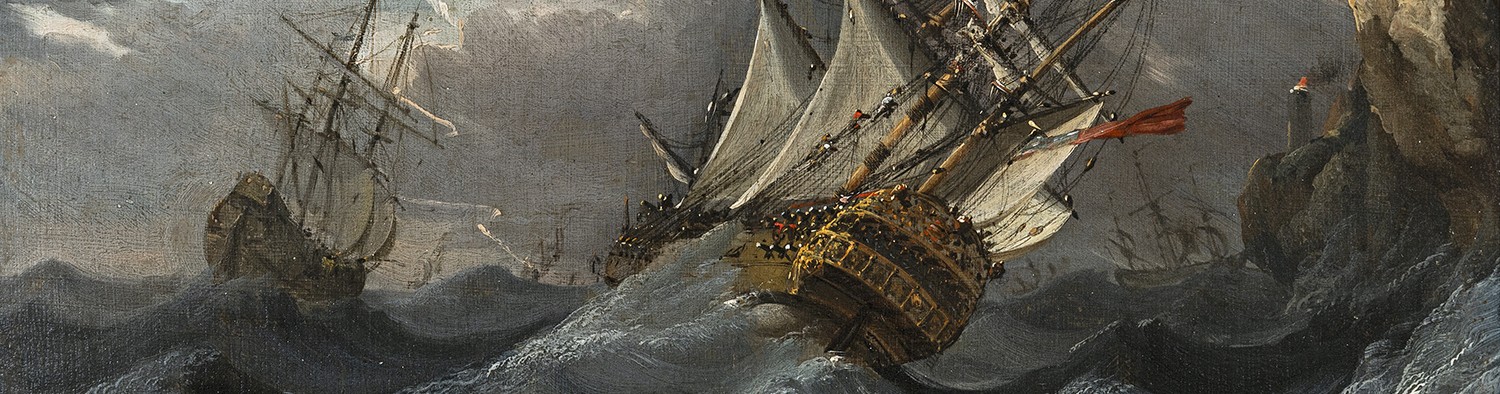
"I should declare my hand. I have a weakness for pictures that punch above their physical weight, and for artists who have been quietly underrated for too long. This pair is both. They are intimate enough to live with at close quarters and serious enough to repay any amount of looking. If the market has lately shown signs of catching up with eighteenth-century Irish painting and I think it has, these two small panels feel, to me, like exactly the sort of thing that will look obvious in twenty years’ time."
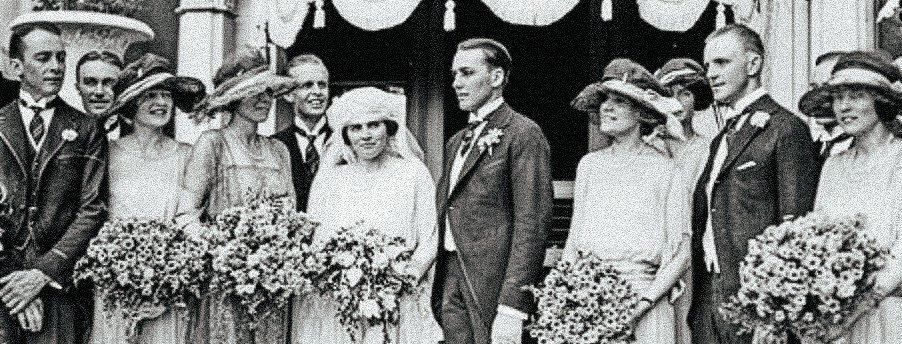
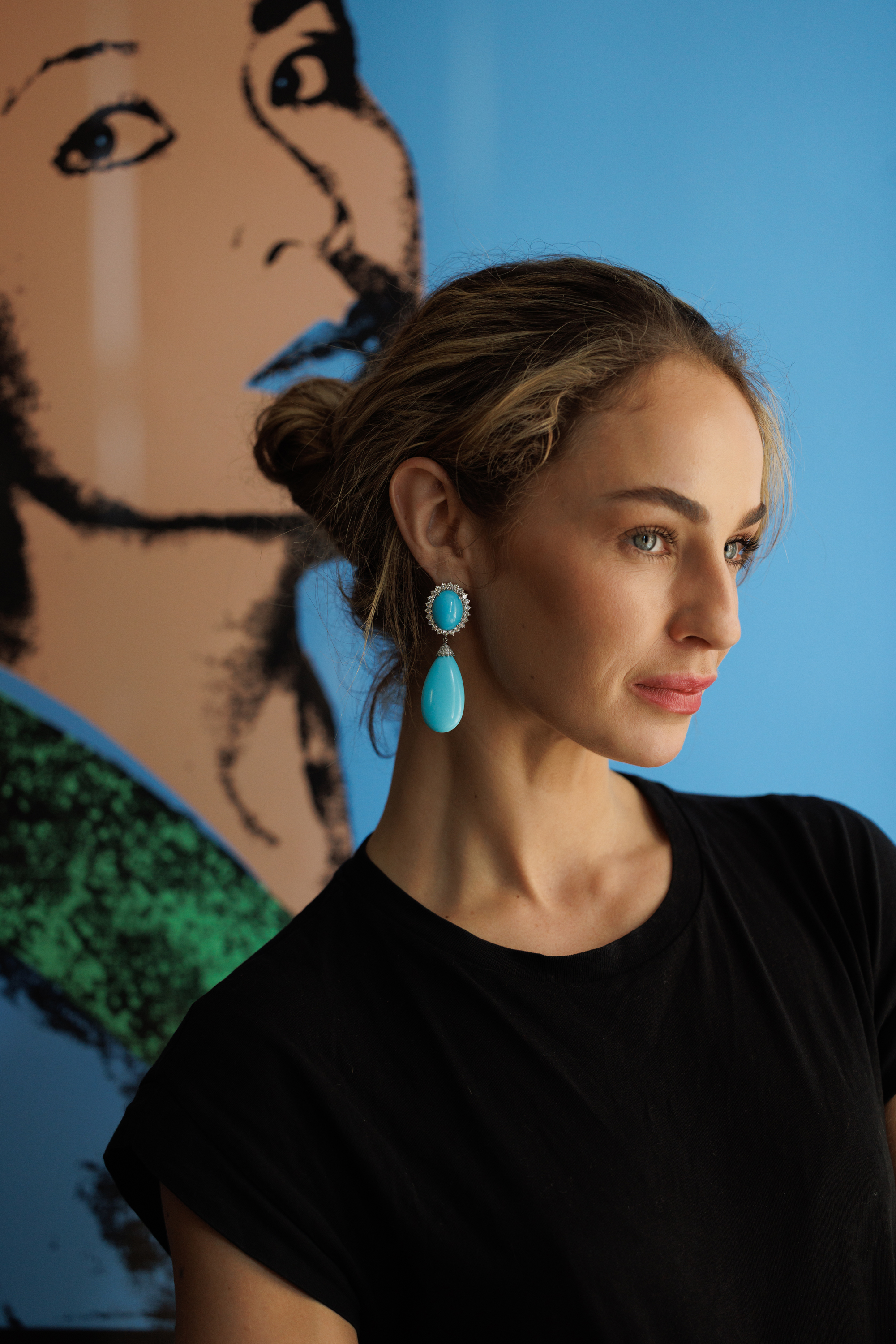
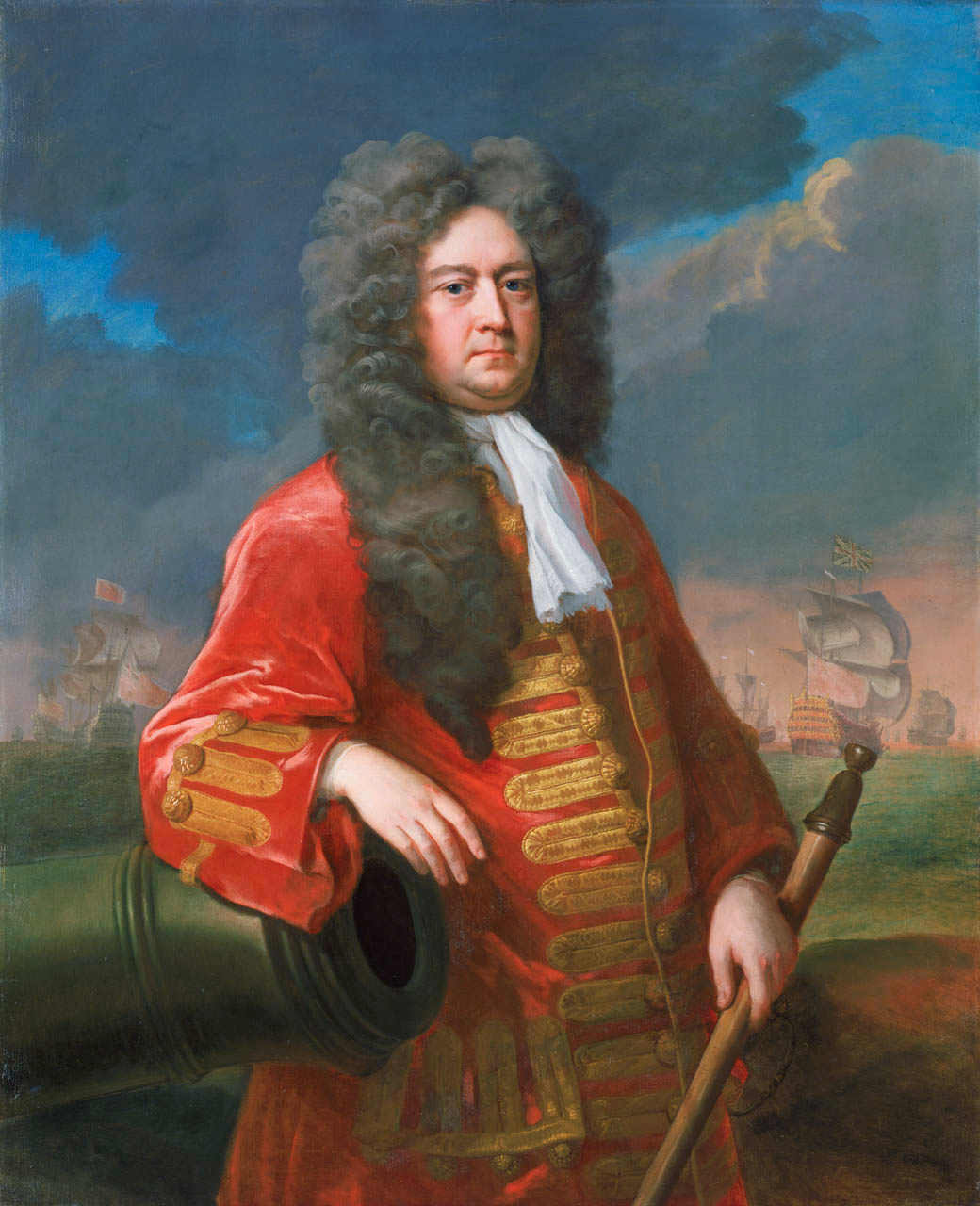


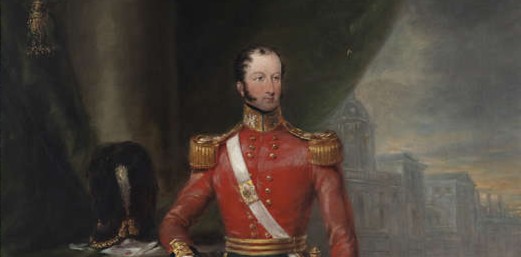
Adam’s is honoured to present works from the collection of Lord Rossmore in the upcoming Country House Collections auction at Howth Castle on 28th April. It is seldom that an influential Irish family collection that has survived through the generations comes to the open market.

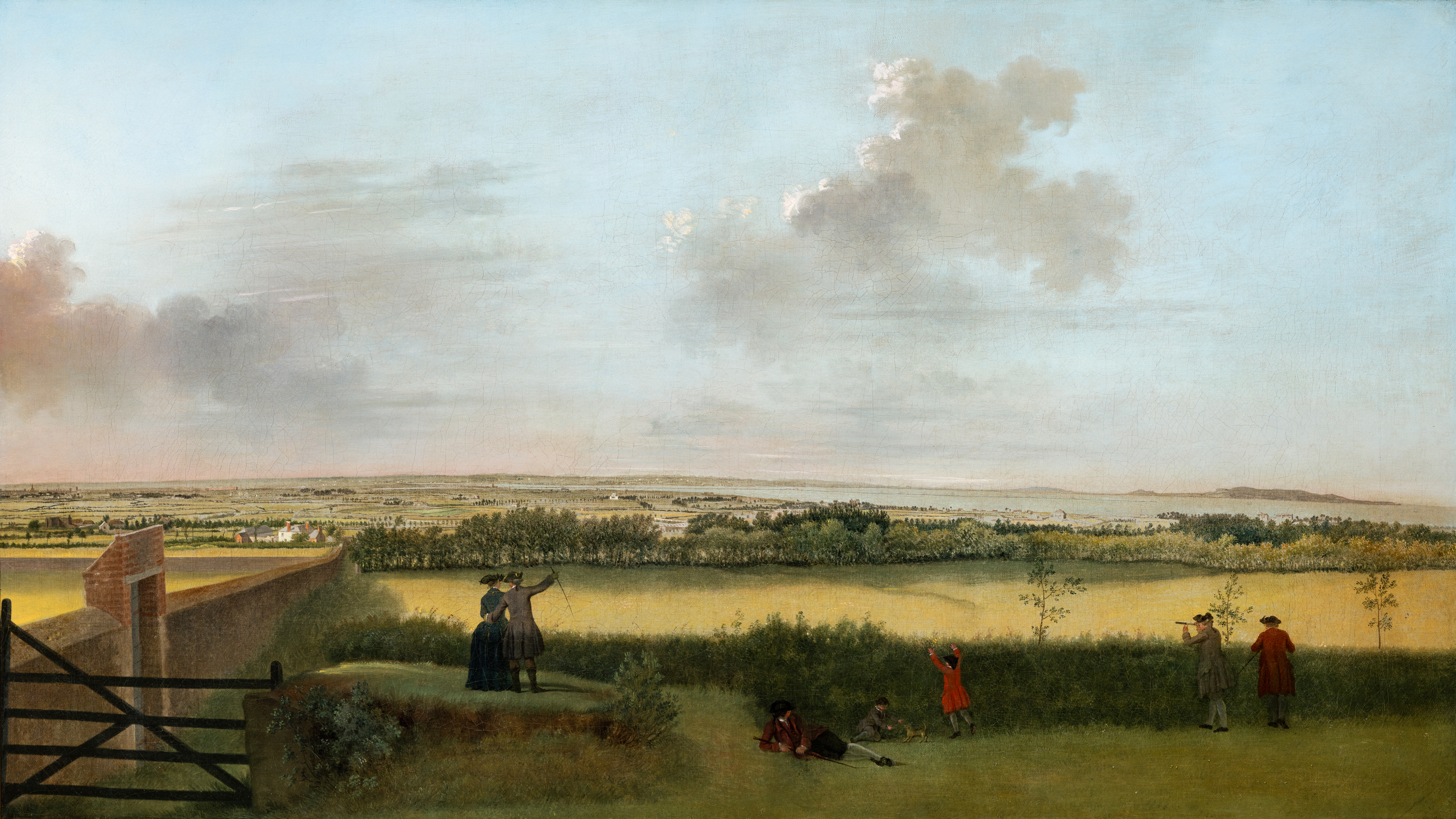
Works Sold at Adam’s Now in the Irish National Collection
A great opportunity to purchase both established and lesser-known artist’s work at an accessible price point, the Online Picture Auction is the first of many sales to be hosted at Adam’s in 2026. It is perfect for those looking to start a collection and the discerning collector alike.


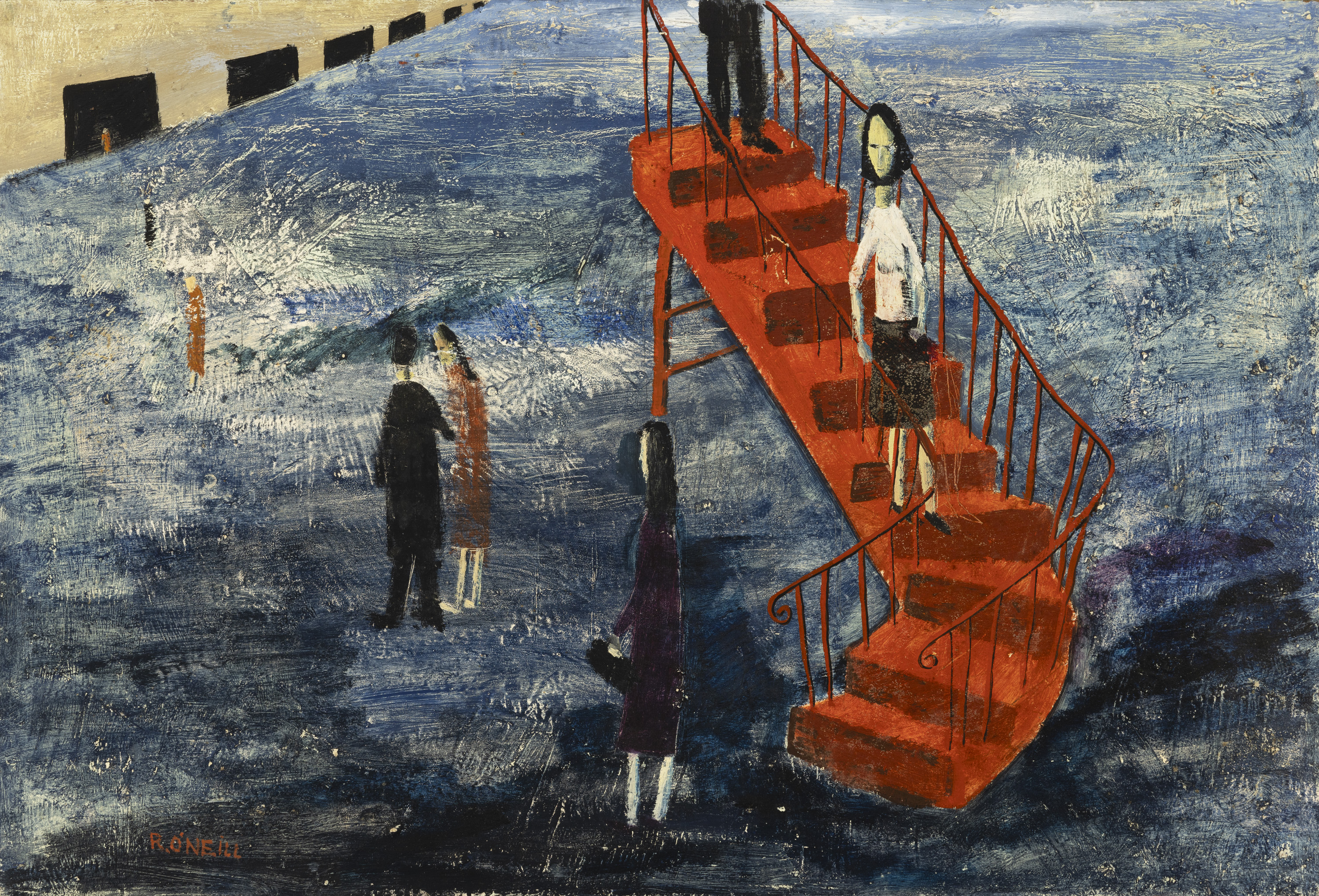
Through this article, let our expert Adam Pearson guiding you to the (re)discovery of the once established Irish painter Richard O’Neill.


Buying at Auction and the Role of Antiques in a Modern Home


Important Irish Art Auction Highlights

Oliver Dowling Collection by Aidan Dunne


2024 is a year in which Adam’s wants to recognise the key role buying antique furniture and furnishings at auction contributes greatly to the sustainable initiative. In 2019 the Environmental Protection Agency reported stark figures that each year in Ireland 1.2 million reusable bulky items, primarily furniture goes into landfill. Similar to the problem of ‘fast fashion’, the constant production and consumption of new items is leading to rapidly growing waste problem. We want to acknowledge those who are already buying second hand or antique furniture at auction and to encourage new buyers by highlighting the benefits of acquiring affordable, well-made quality items that are built to last.


James Adam & Sons Ltd, Fine Art Auctioneers and Valuers, 26 St. Stephen’s Green, Dublin 2,
D02 X665, Ireland


