
menu
Departments

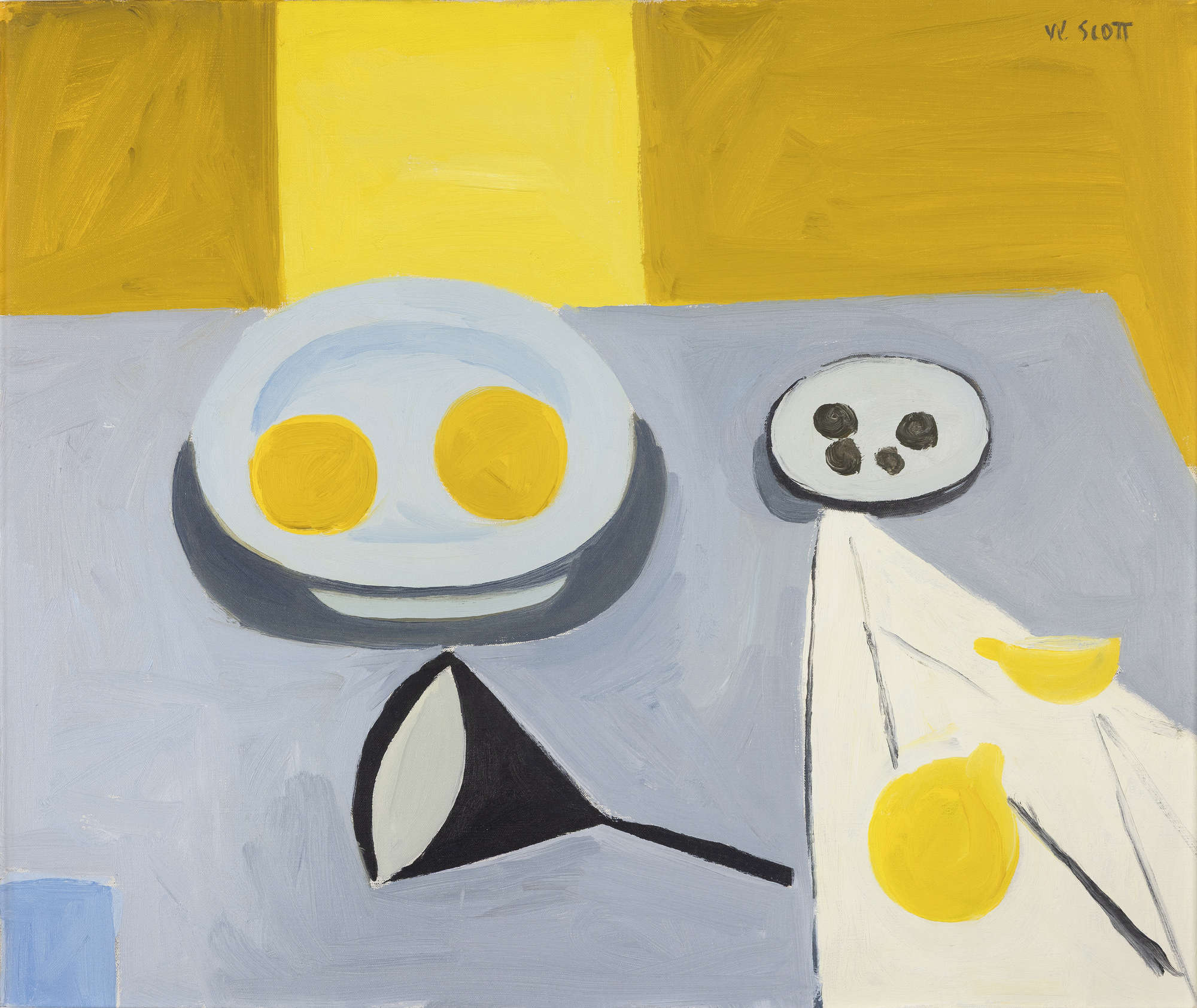

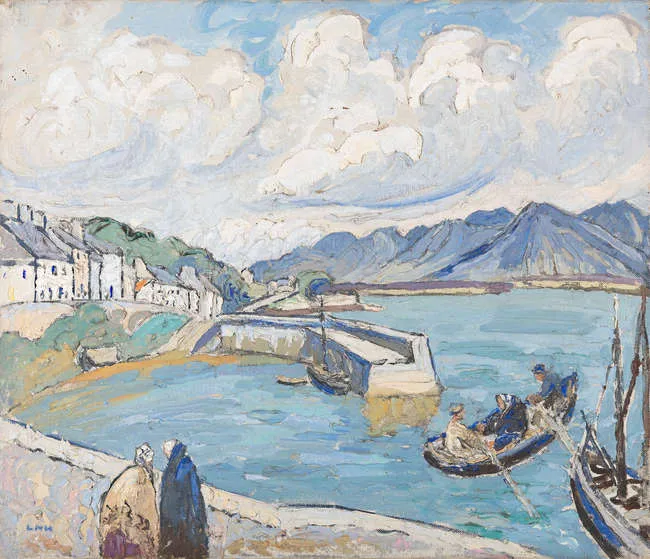
An outstanding work by the artist, made at a point when he had reached a point of real artistic maturity, and originality. William Scott was one of a select few painters whose main subject matter was still life. Others include Morandi, Braque, Chardin and one could add an artist who he also revered, Cezanne.
Daunting company, but he won the right to be considered on a par with them. As with, for example, great flower painters, what distinguishes them is that their nominal genre becomes a gateway into addressing a whole world rather than being a restriction.
He was born in Greenock, Scotland, but his father, from Enniskillen, yearned for home and the family settled back there. Sadly, his father perished while bravely attempting a house fire rescue.
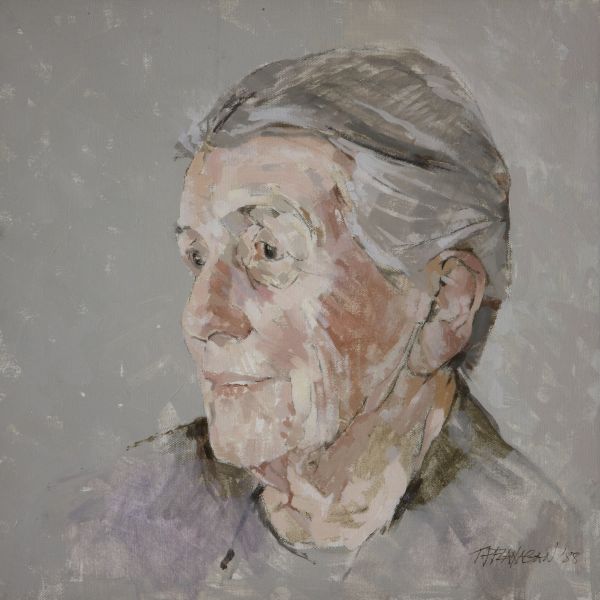
The young Scott was lucky enough to have the renowned Kathleen Bridle as an art teacher, and she encouraged him to go on to Belfast College of Art. He then won a scholarship to the Royal Academy School in London.
Until the latter half of the 1940s (he served with the Royal Engineers during WWII) there were flashes of brilliance in his work but he was nonethless an artist working towards finding his own voice, until things seemed to click into place and he produced a series of superb still lifes. Christopher Wood, Mark Rothko and subsequently Ben Nicholson were also important exemplars around this time.

Throughout his painting life, Scott veered between the poles of abstraction and representation, never fully committing to either as an absolute, always negotiating his own space in-between.
That is evident here in his superb management of the compositional plane, the extreme stylisation of motifs that are familiar enough to be instantly recognisable, and his mastery of emptiness - a hallmark of his work. Always open to development, he went on to explore and transcend the limits of the pictorial vocabulary he uses so confidently here, and establish himself as a tirelessly progressive artist.
Aidan Dunne, October 2026



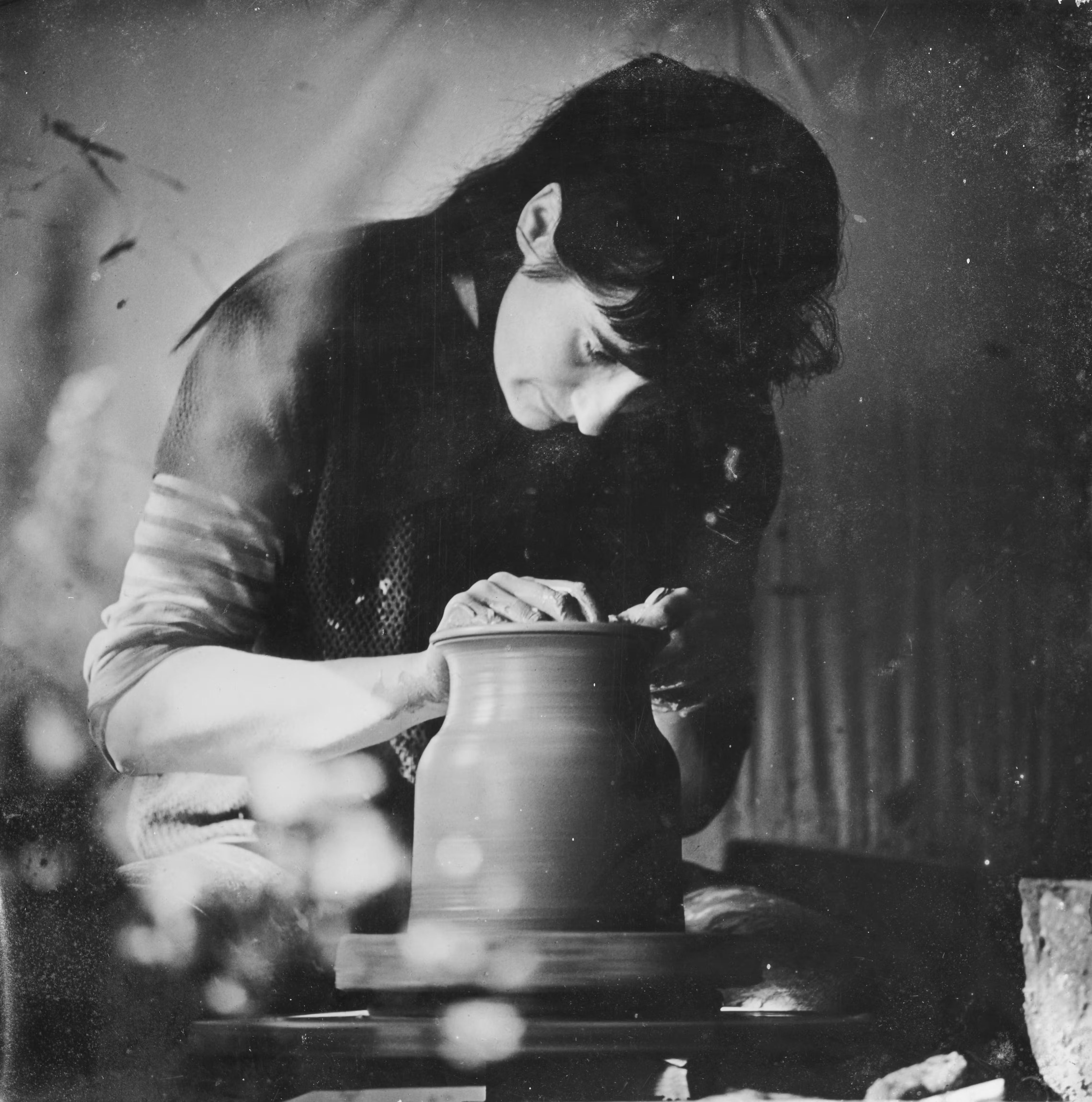

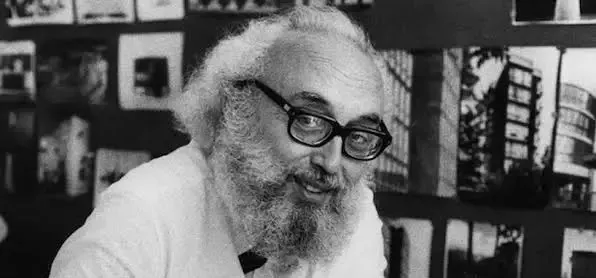
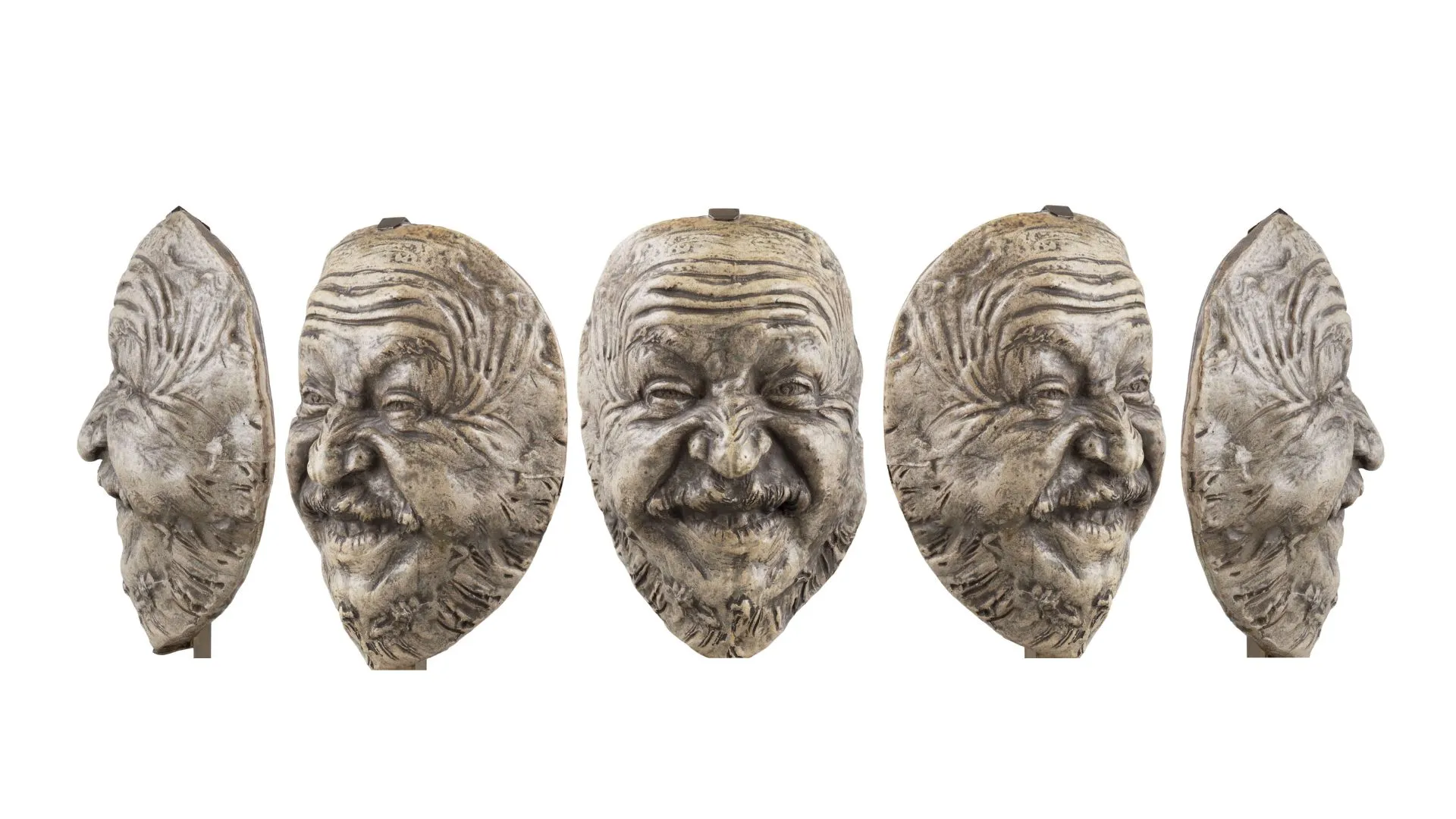
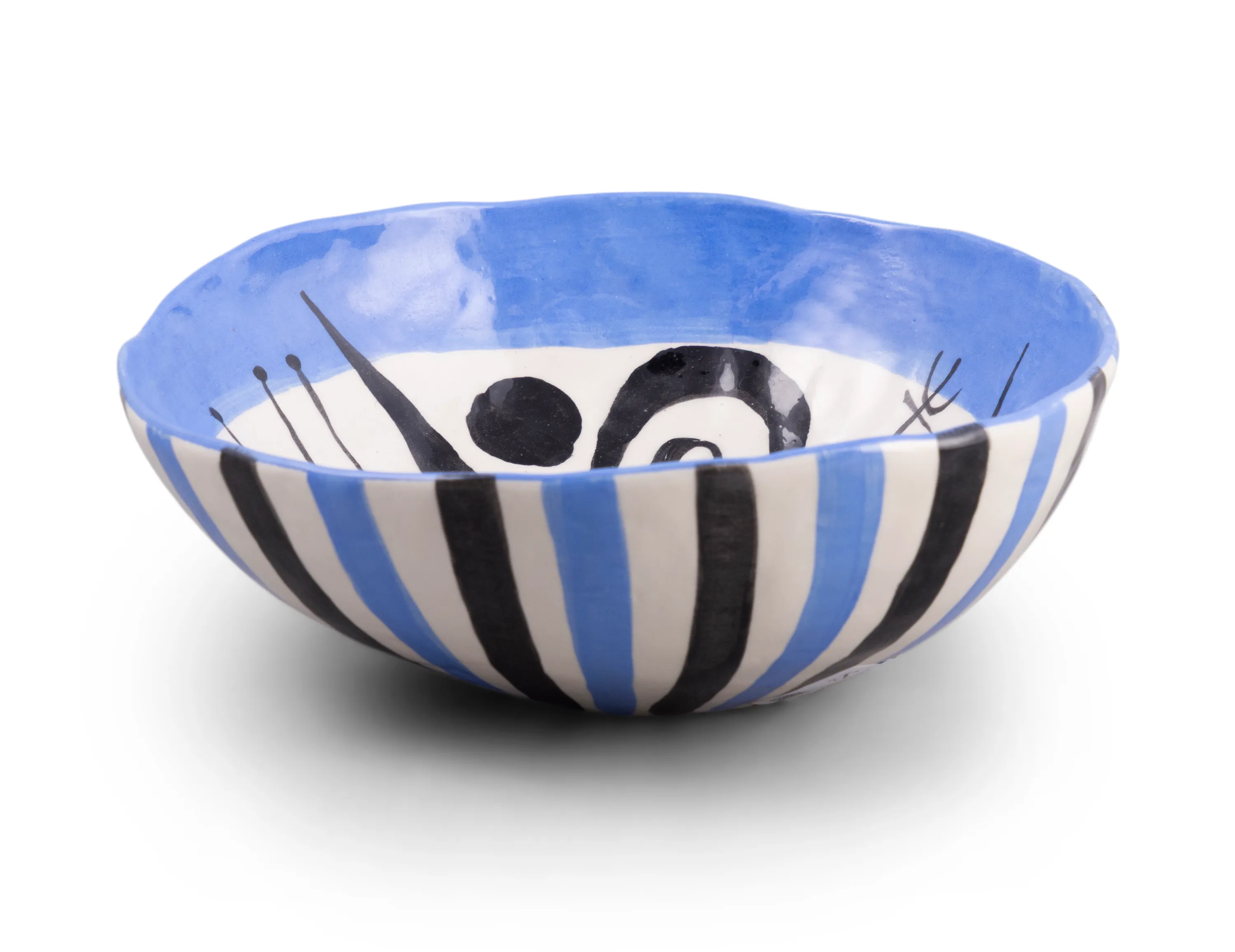
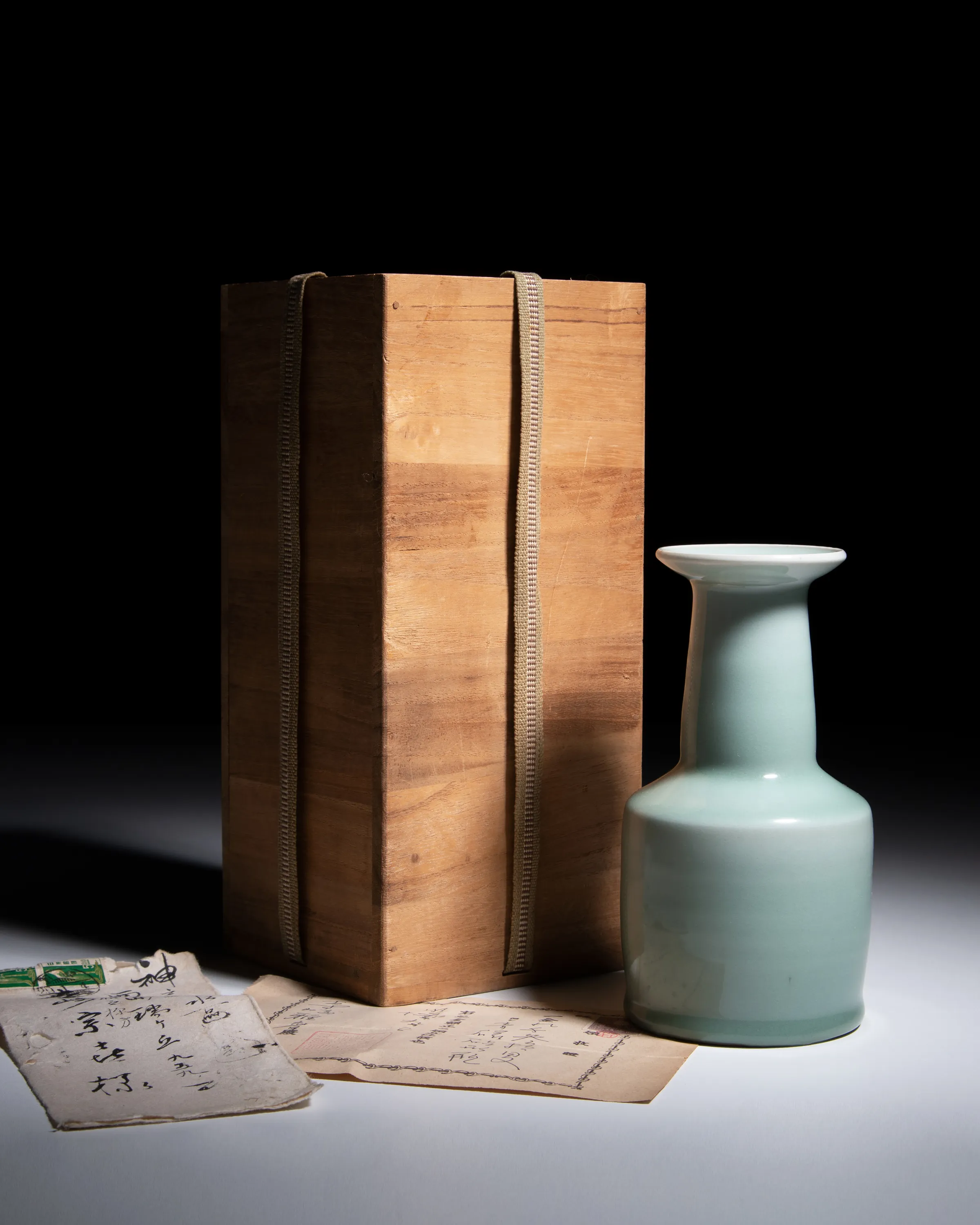
John ffrench was an instrumental figure in the design industry in Ireland and a distinguished pioneer of Irish studio pottery.

)%20(1).webp)



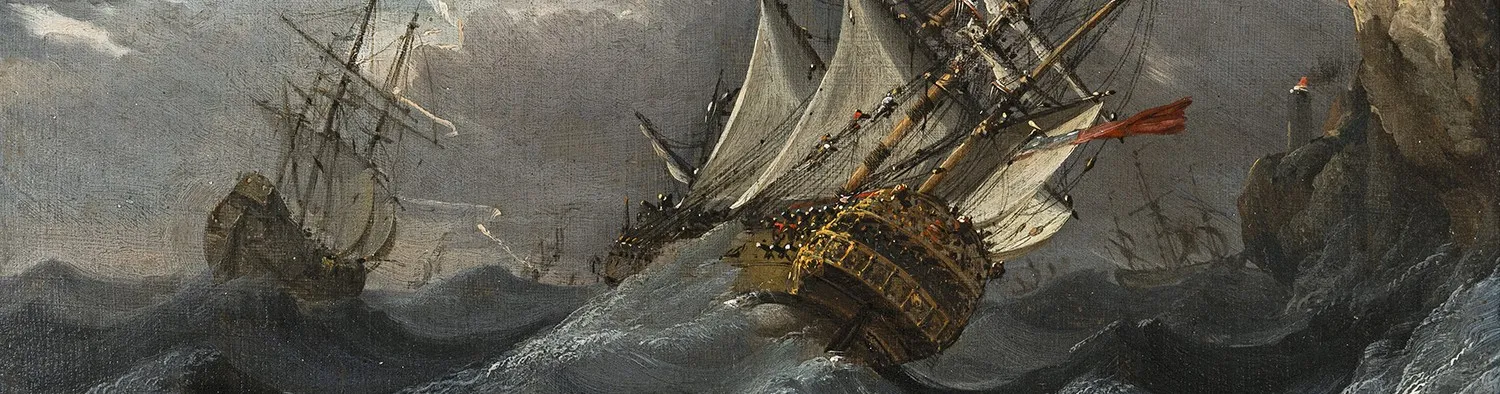
"I should declare my hand. I have a weakness for pictures that punch above their physical weight, and for artists who have been quietly underrated for too long. This pair is both. They are intimate enough to live with at close quarters and serious enough to repay any amount of looking. If the market has lately shown signs of catching up with eighteenth-century Irish painting and I think it has, these two small panels feel, to me, like exactly the sort of thing that will look obvious in twenty years’ time."
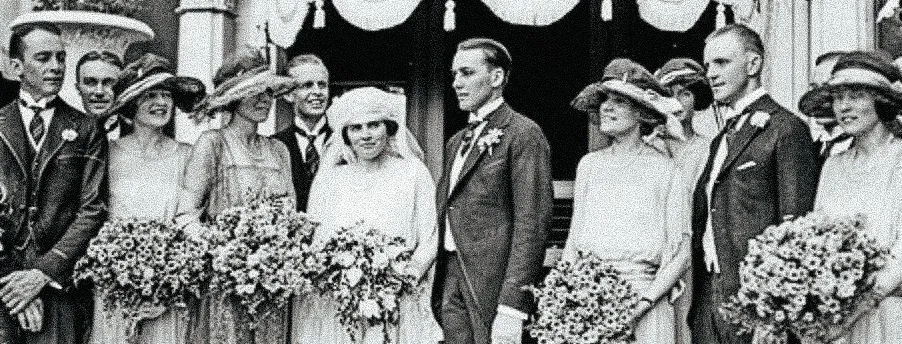
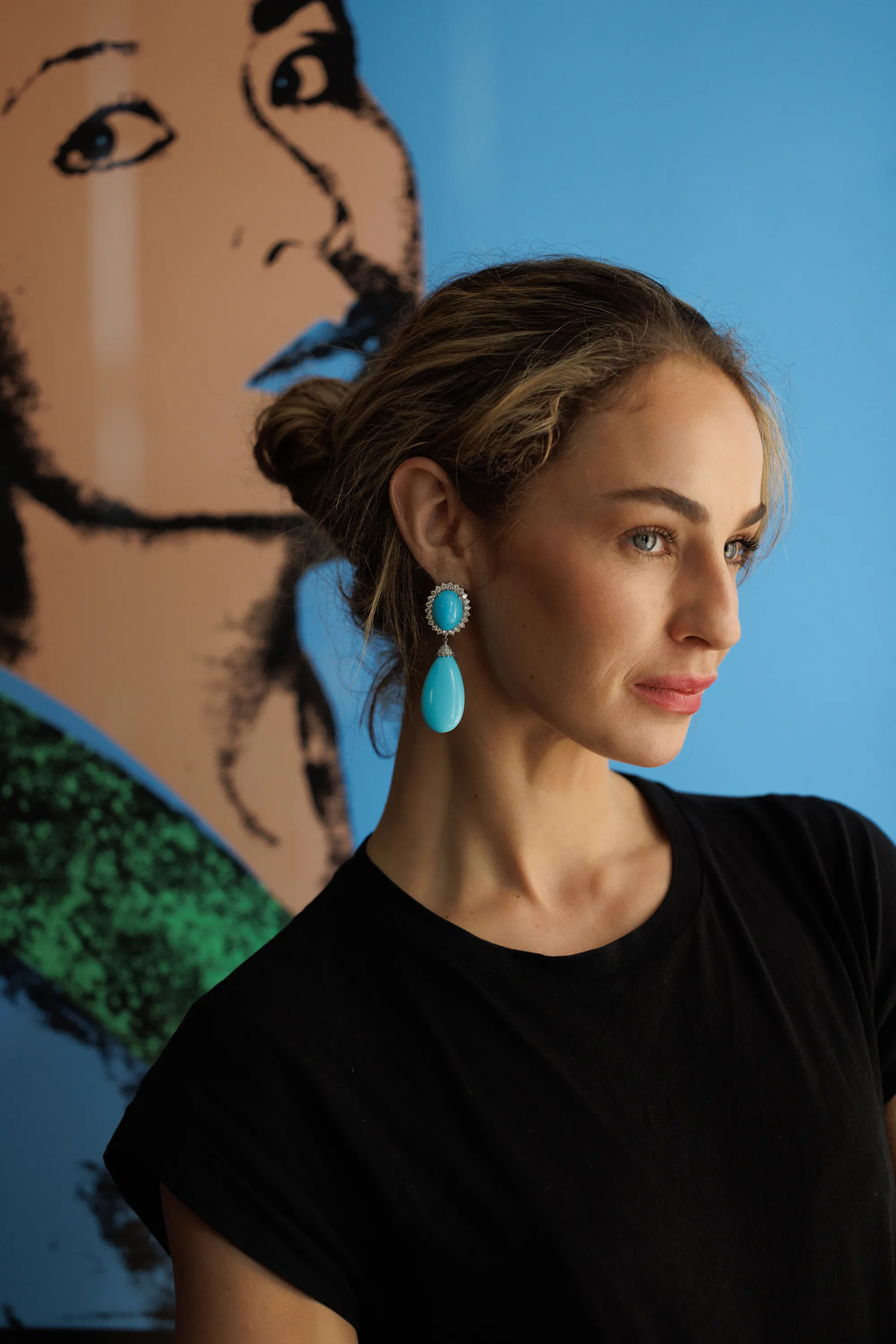
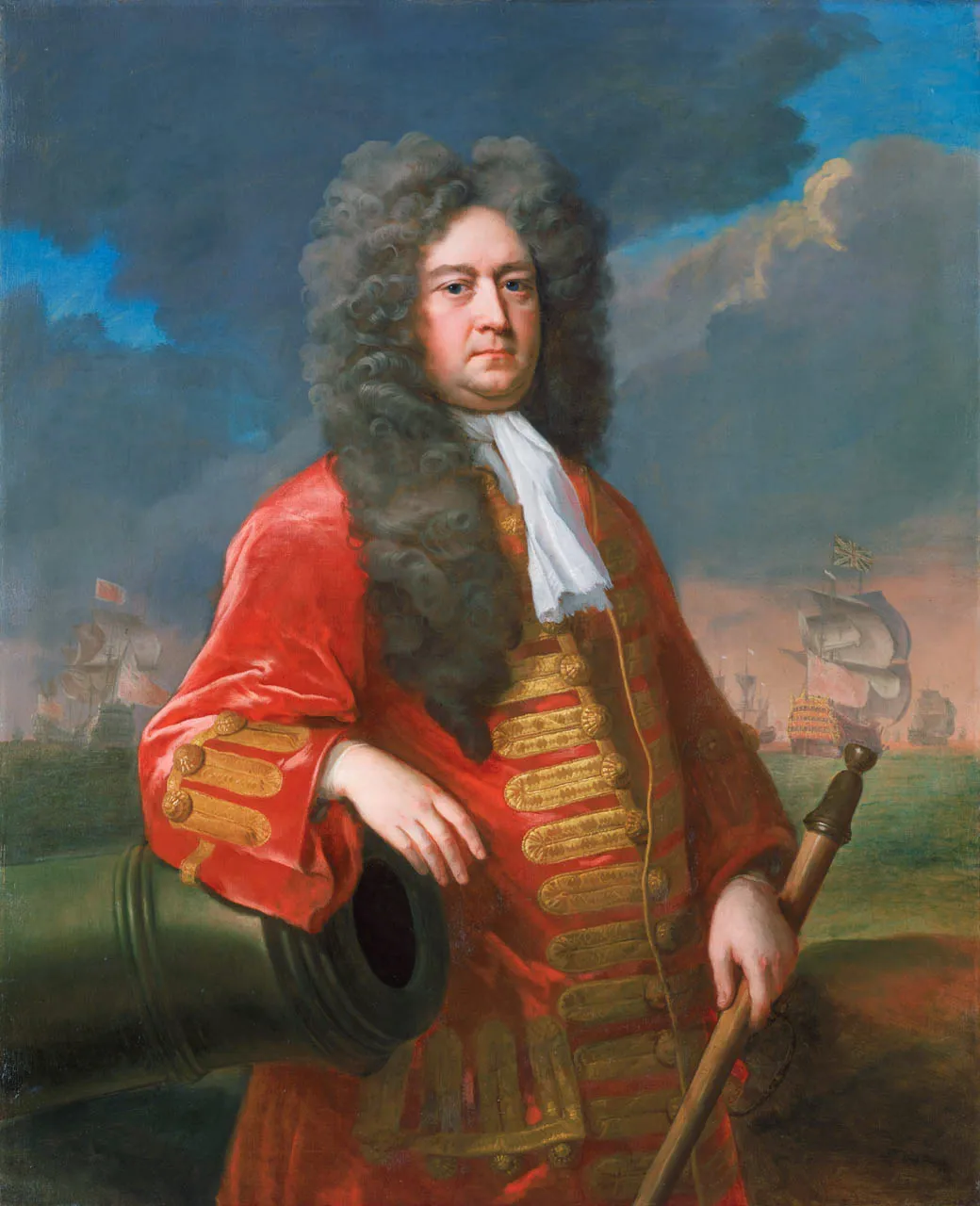
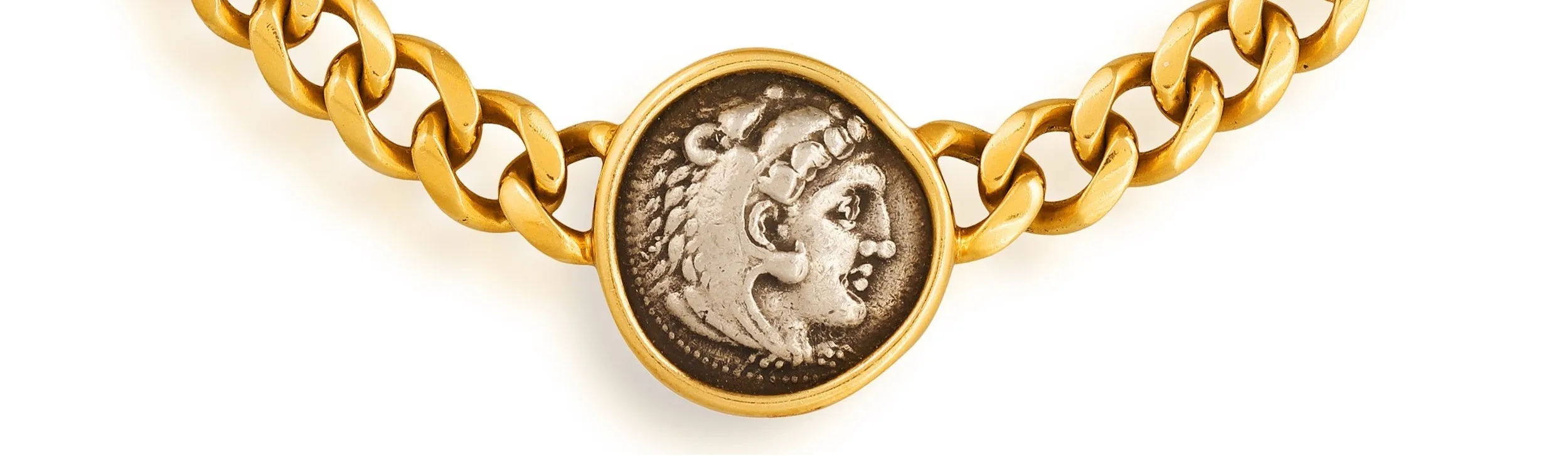
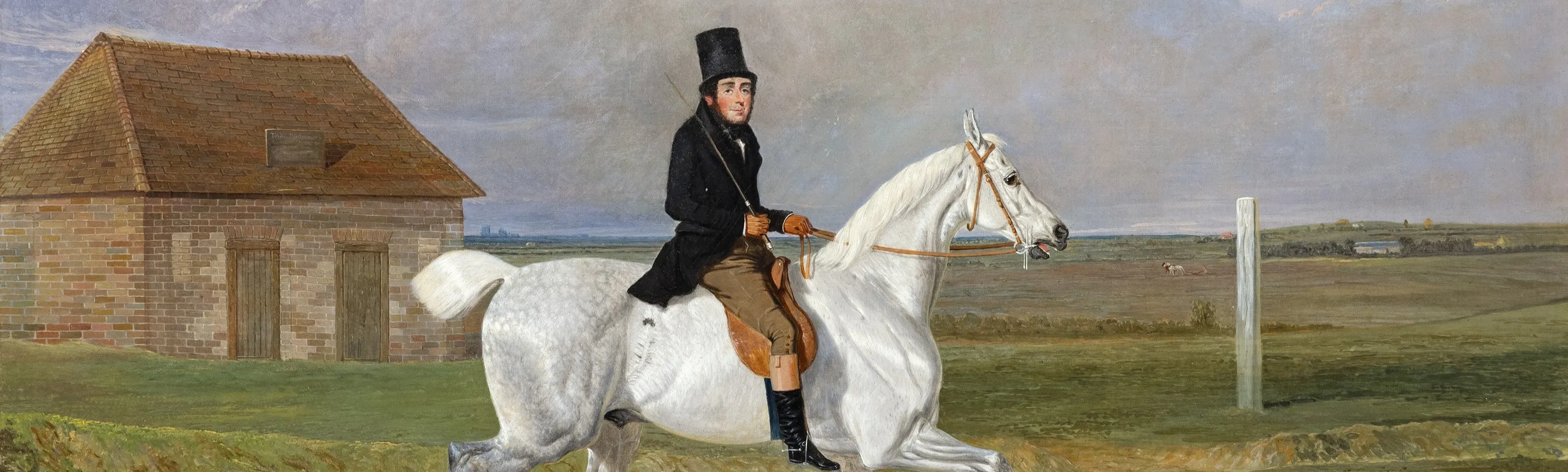
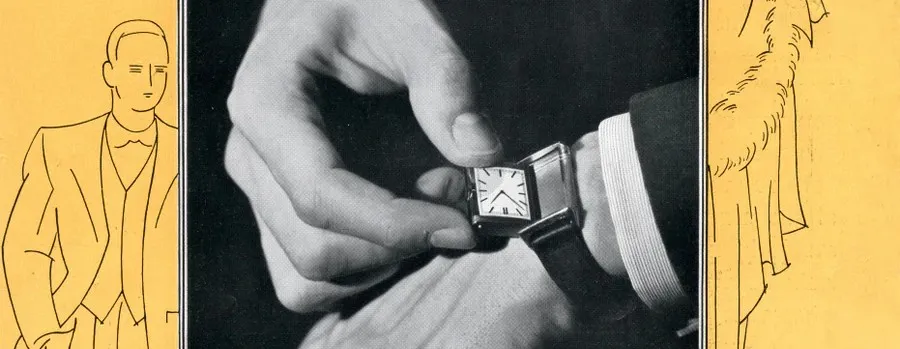
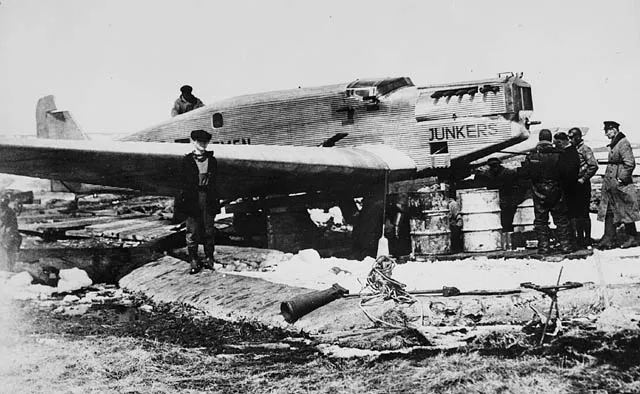
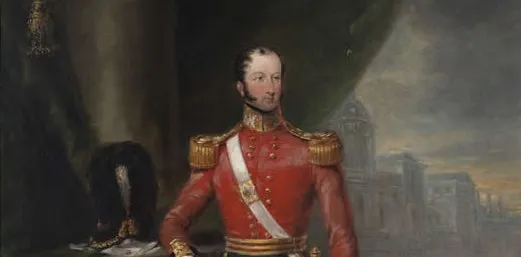
Adam’s is honoured to present works from the collection of Lord Rossmore in the upcoming Country House Collections auction at Howth Castle on 28th April. It is seldom that an influential Irish family collection that has survived through the generations comes to the open market.
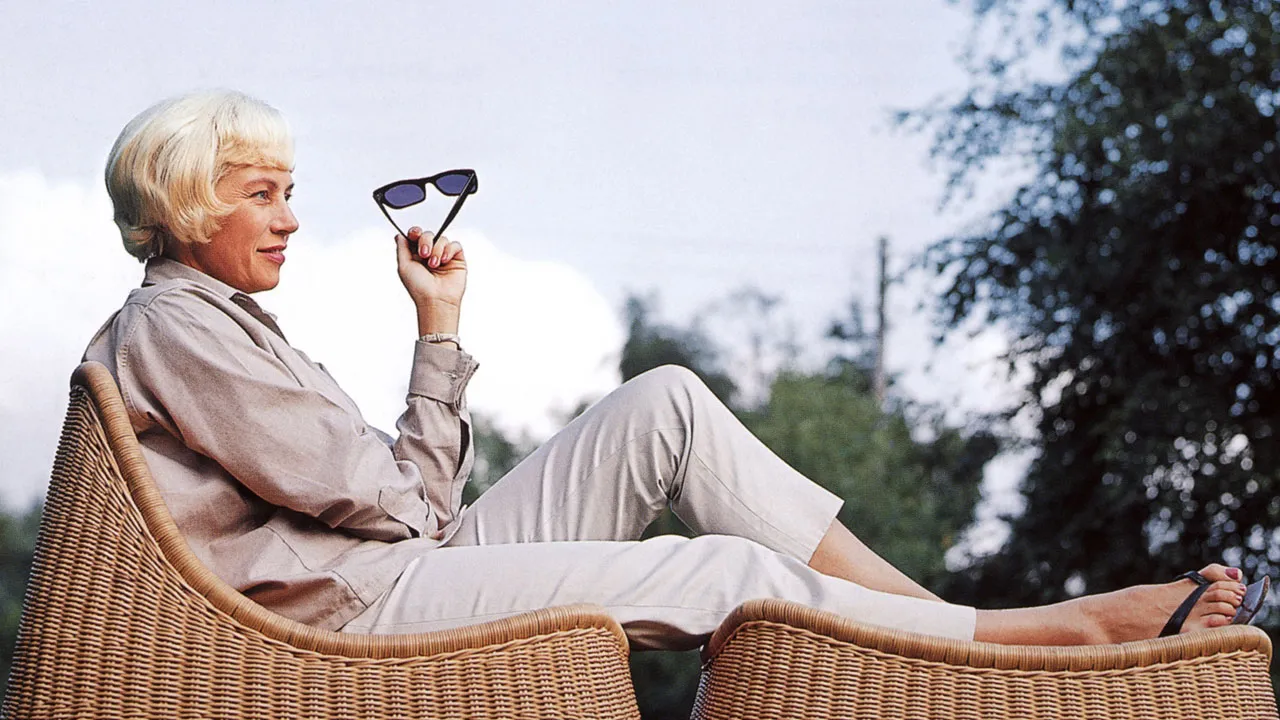

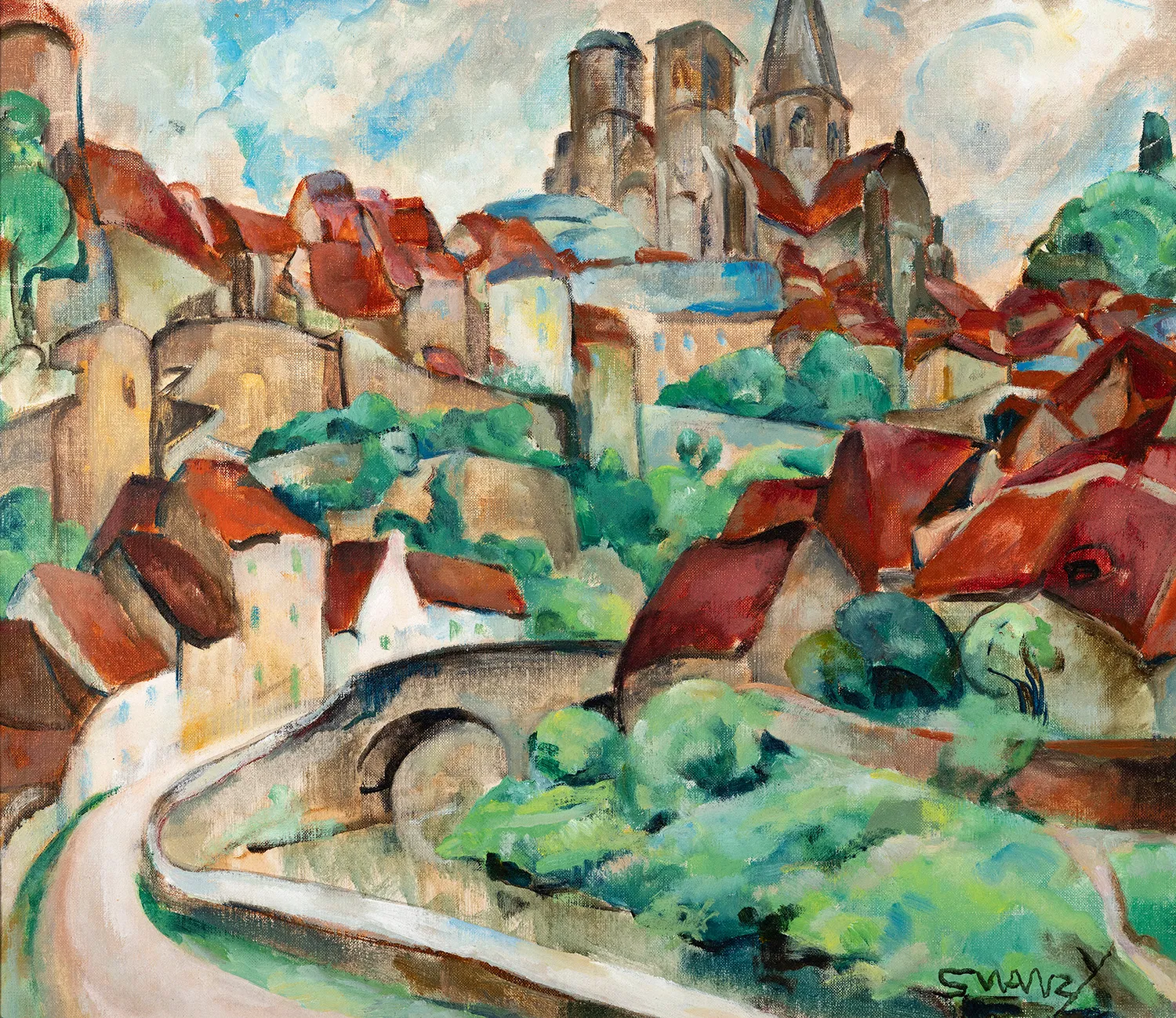
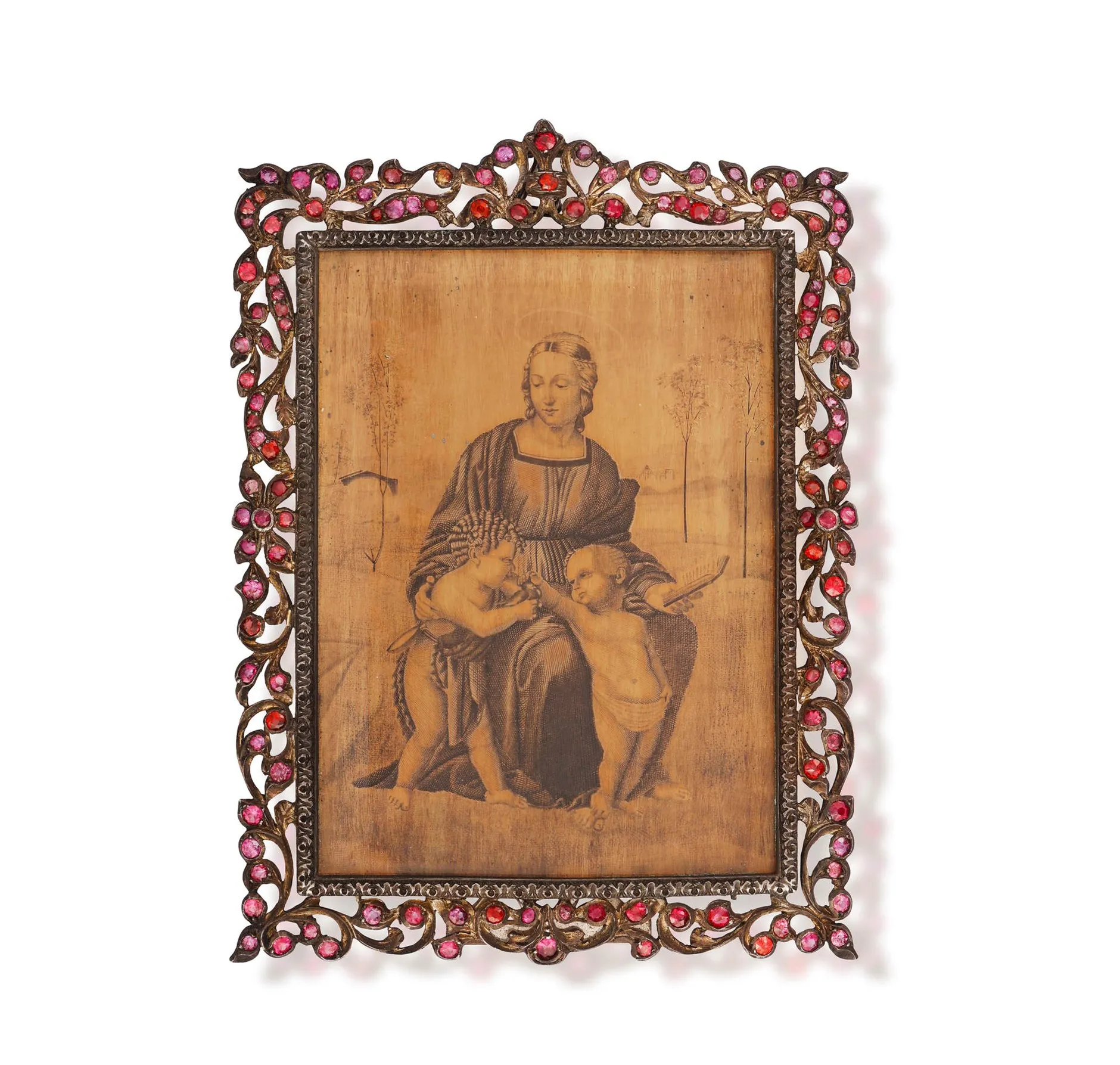

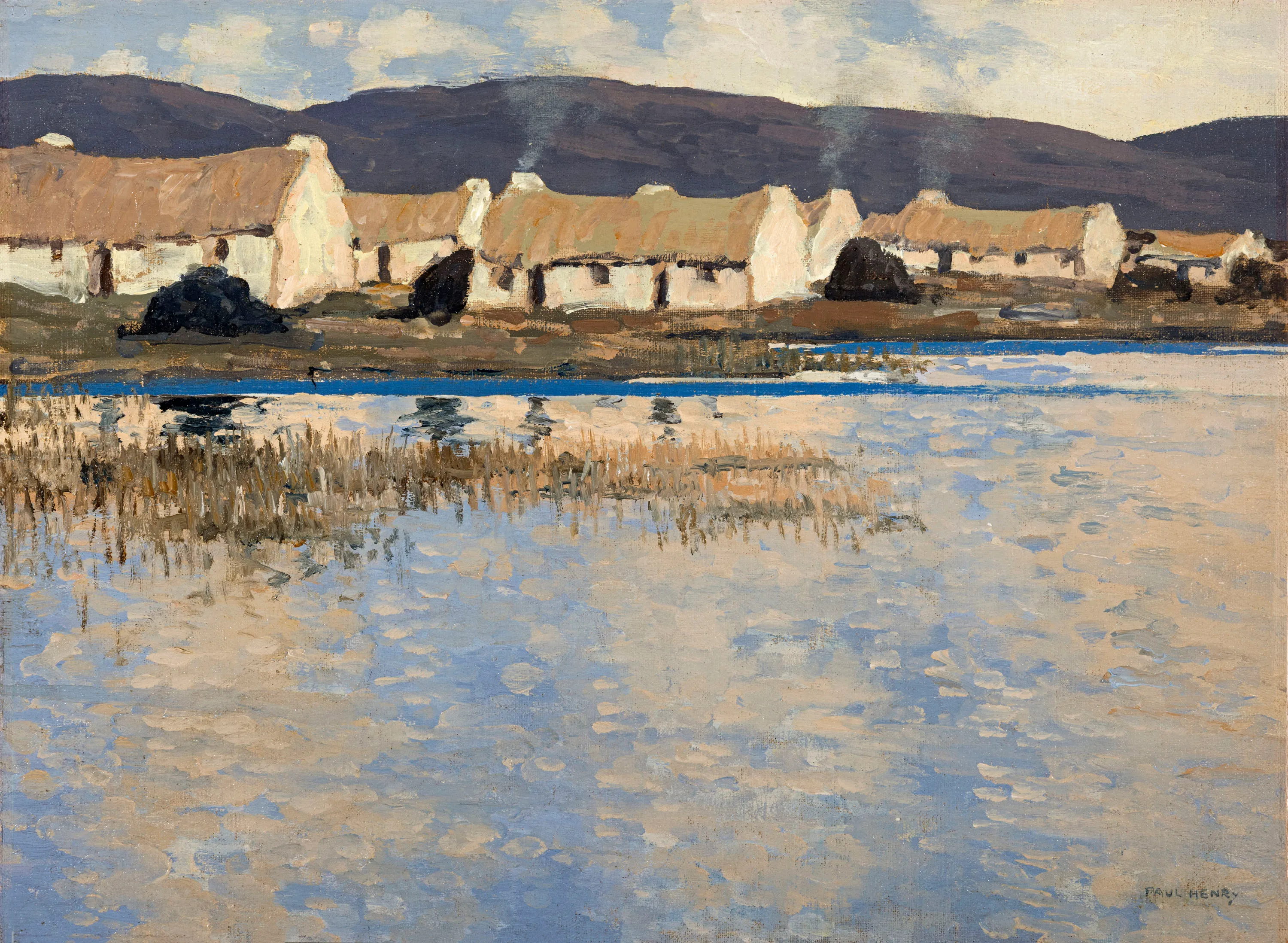
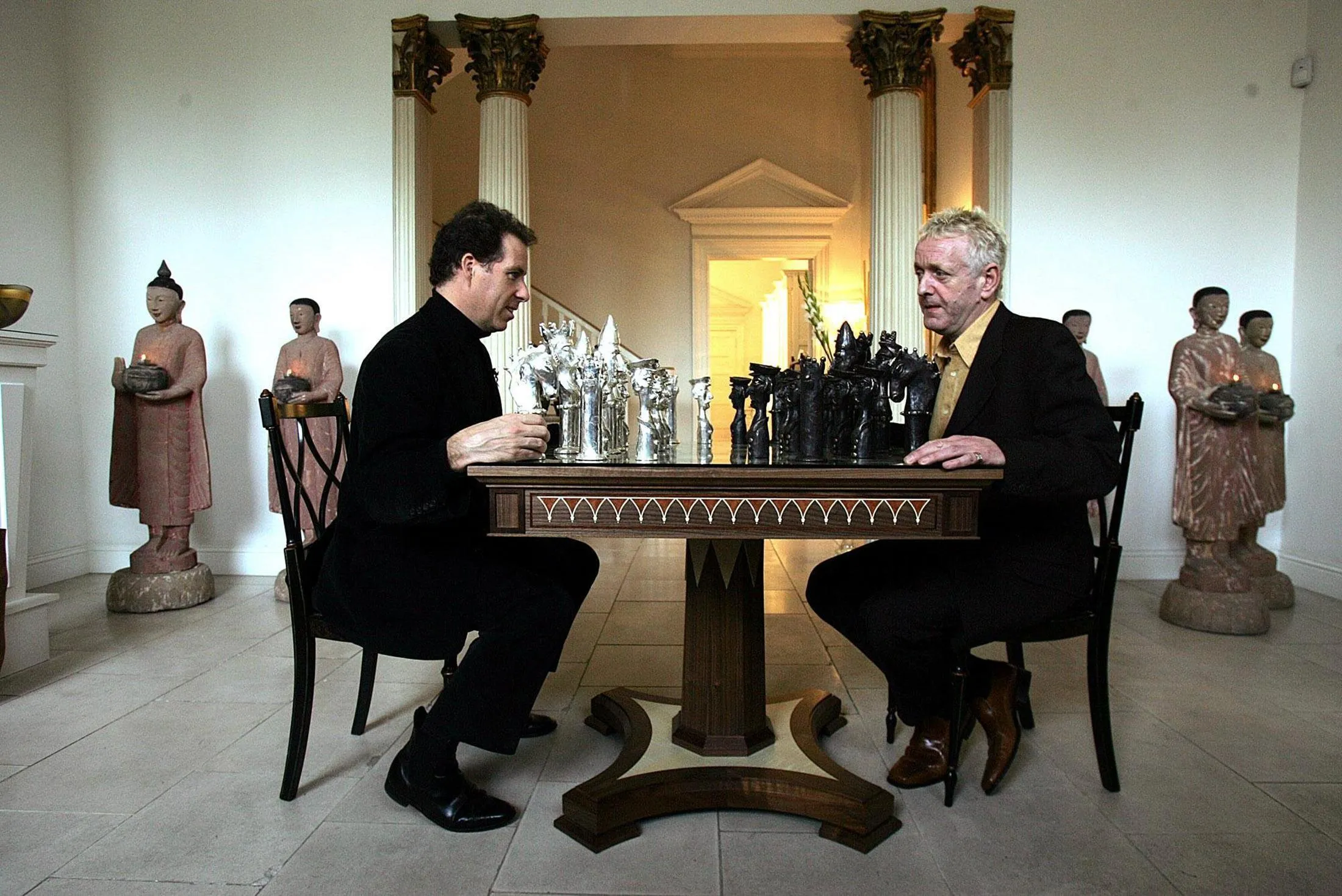
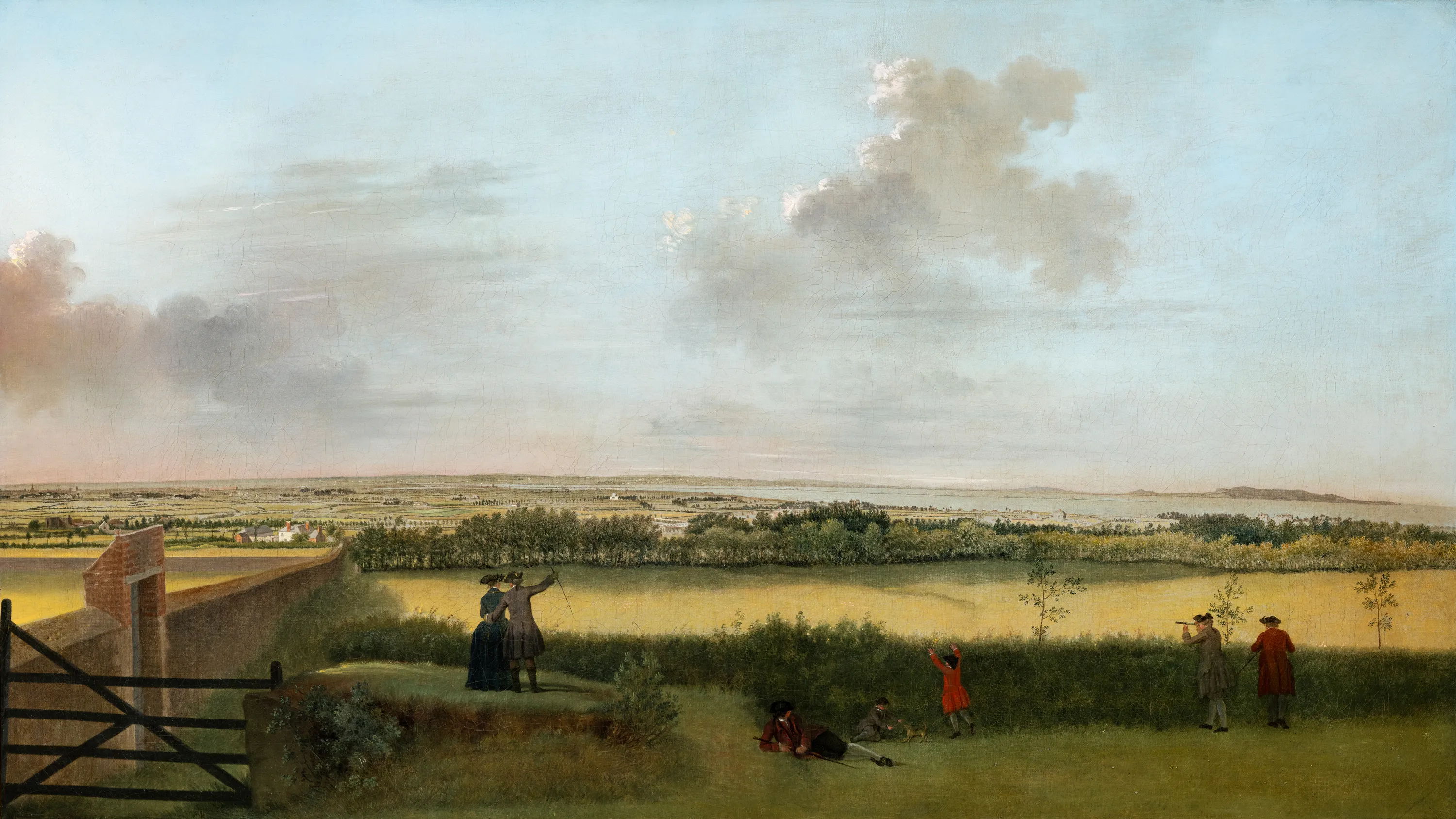
Works Sold at Adam’s Now in the Irish National Collection
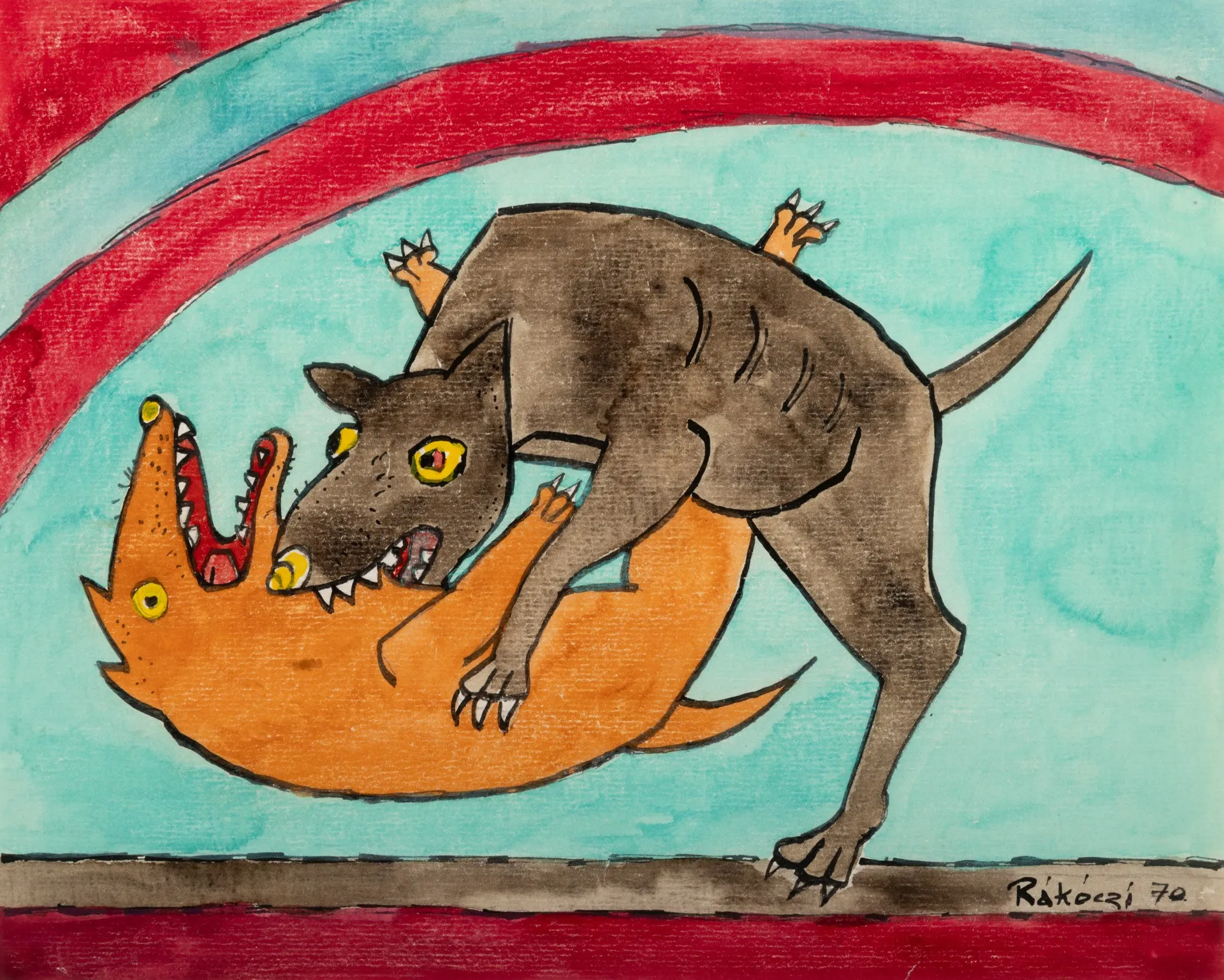
A great opportunity to purchase both established and lesser-known artist’s work at an accessible price point, the Online Picture Auction is the first of many sales to be hosted at Adam’s in 2026. It is perfect for those looking to start a collection and the discerning collector alike.

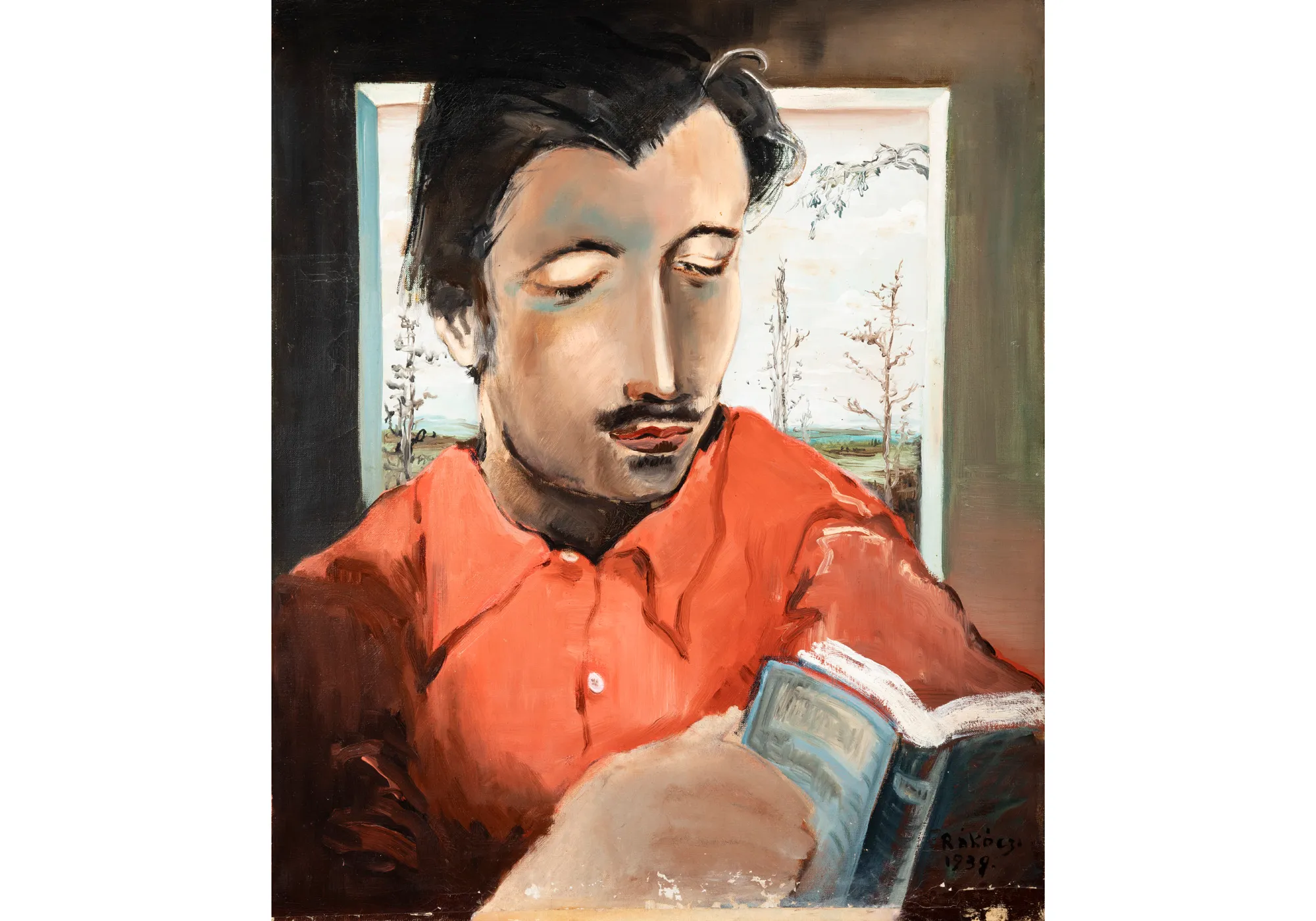
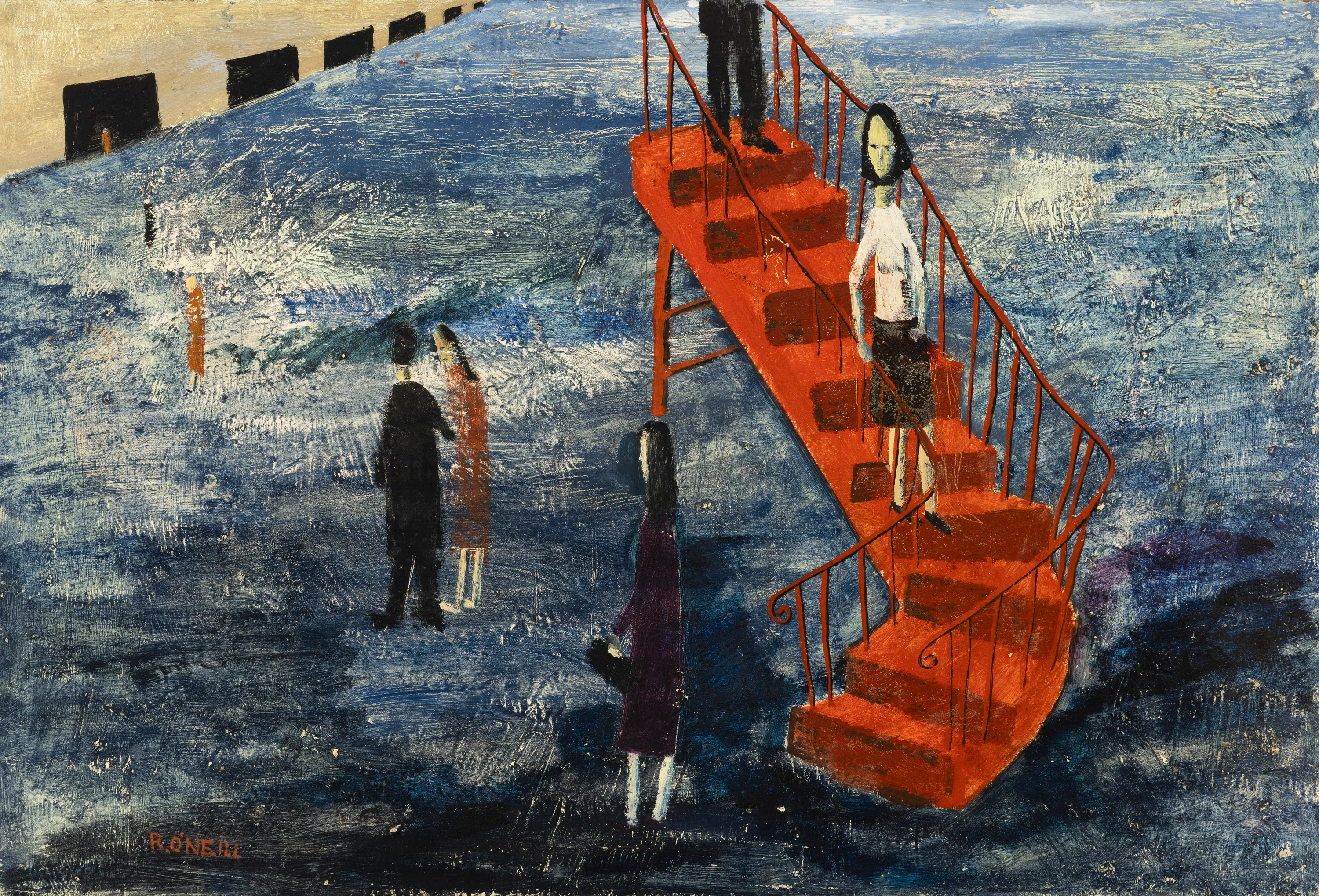
Through this article, let our expert Adam Pearson guiding you to the (re)discovery of the once established Irish painter Richard O’Neill.
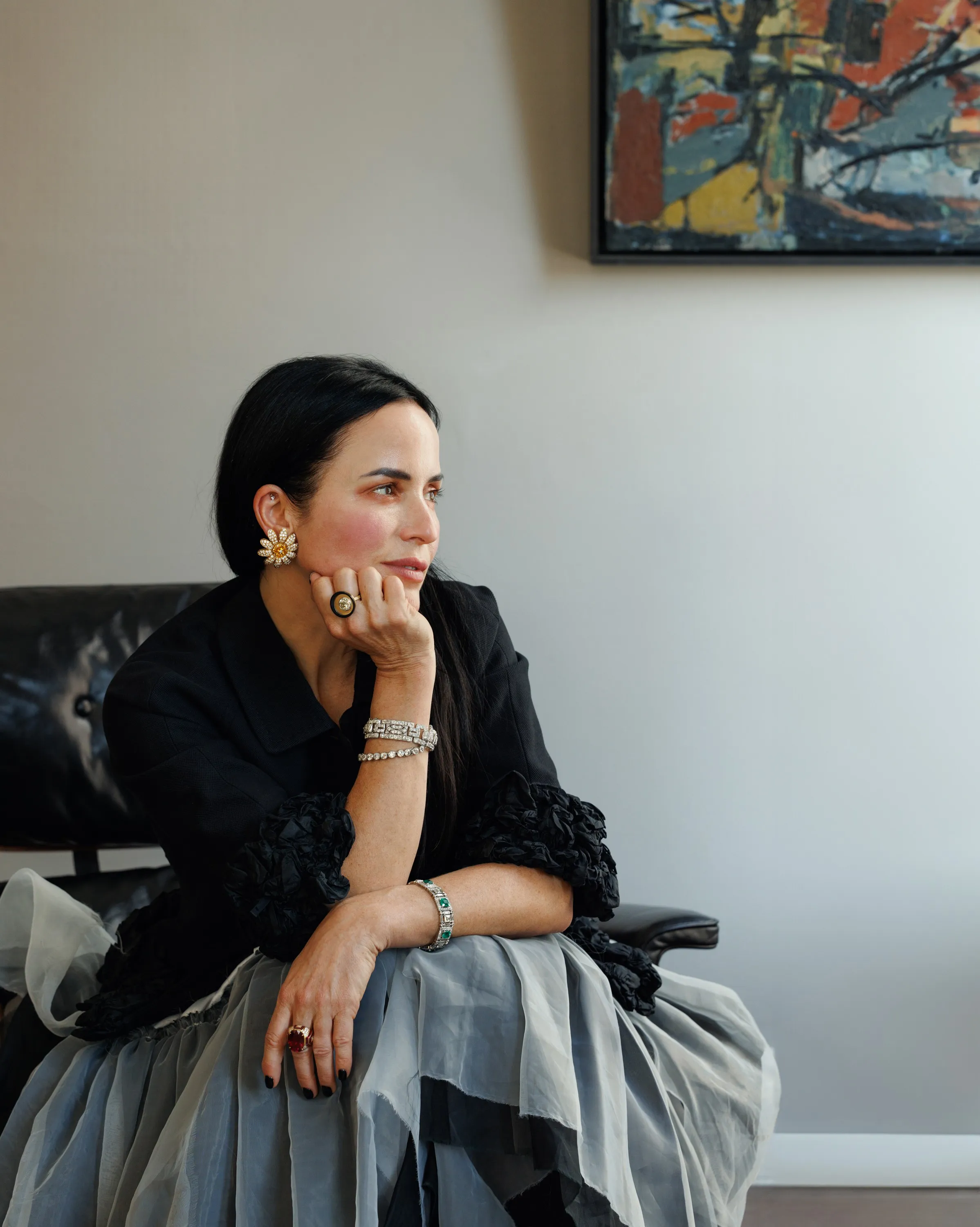
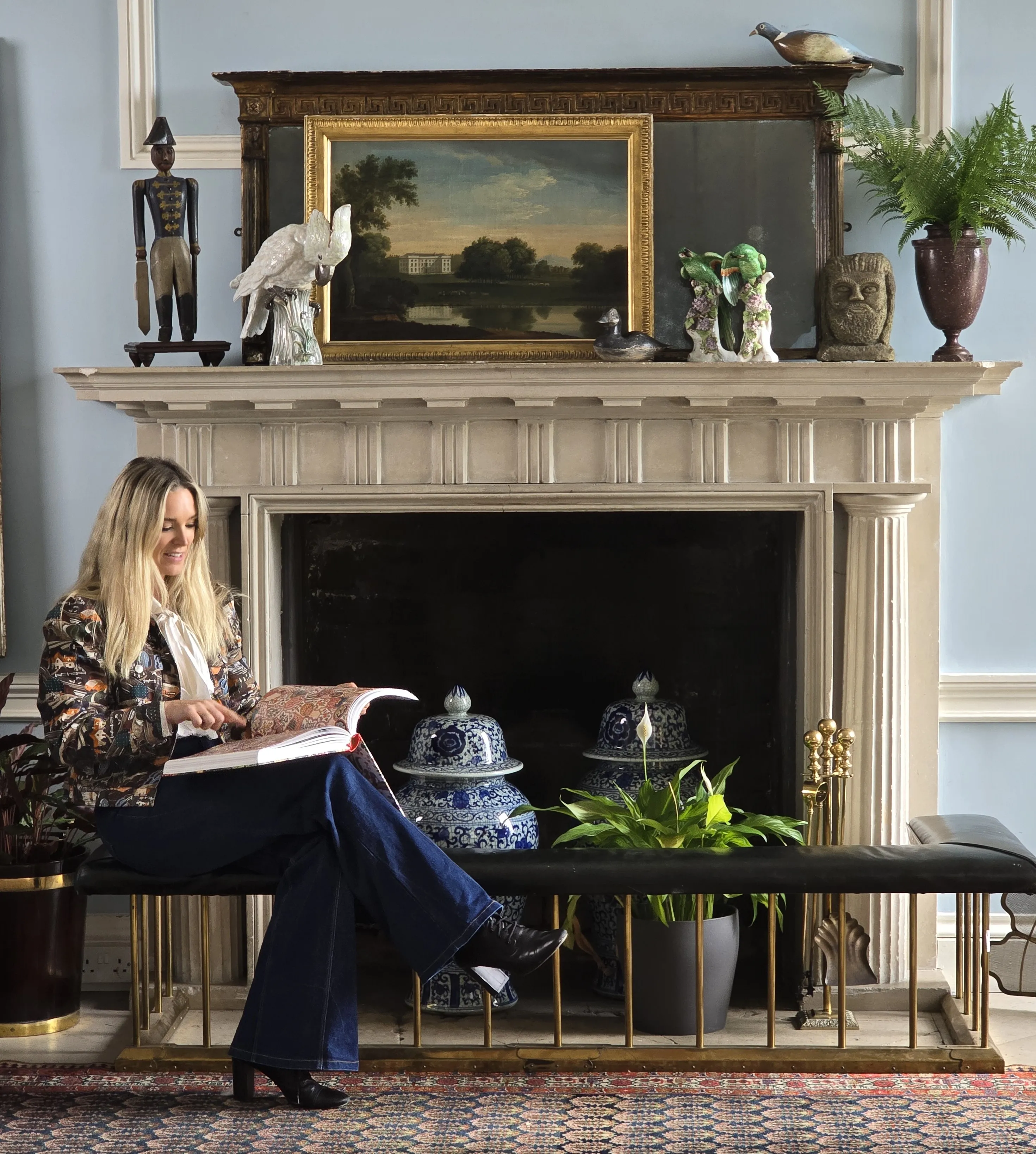
Buying at Auction and the Role of Antiques in a Modern Home
James Adam & Sons Ltd, Fine Art Auctioneers and Valuers, 26 St. Stephen’s Green, Dublin 2,
D02 X665, Ireland


