
menu
Departments
.svg)
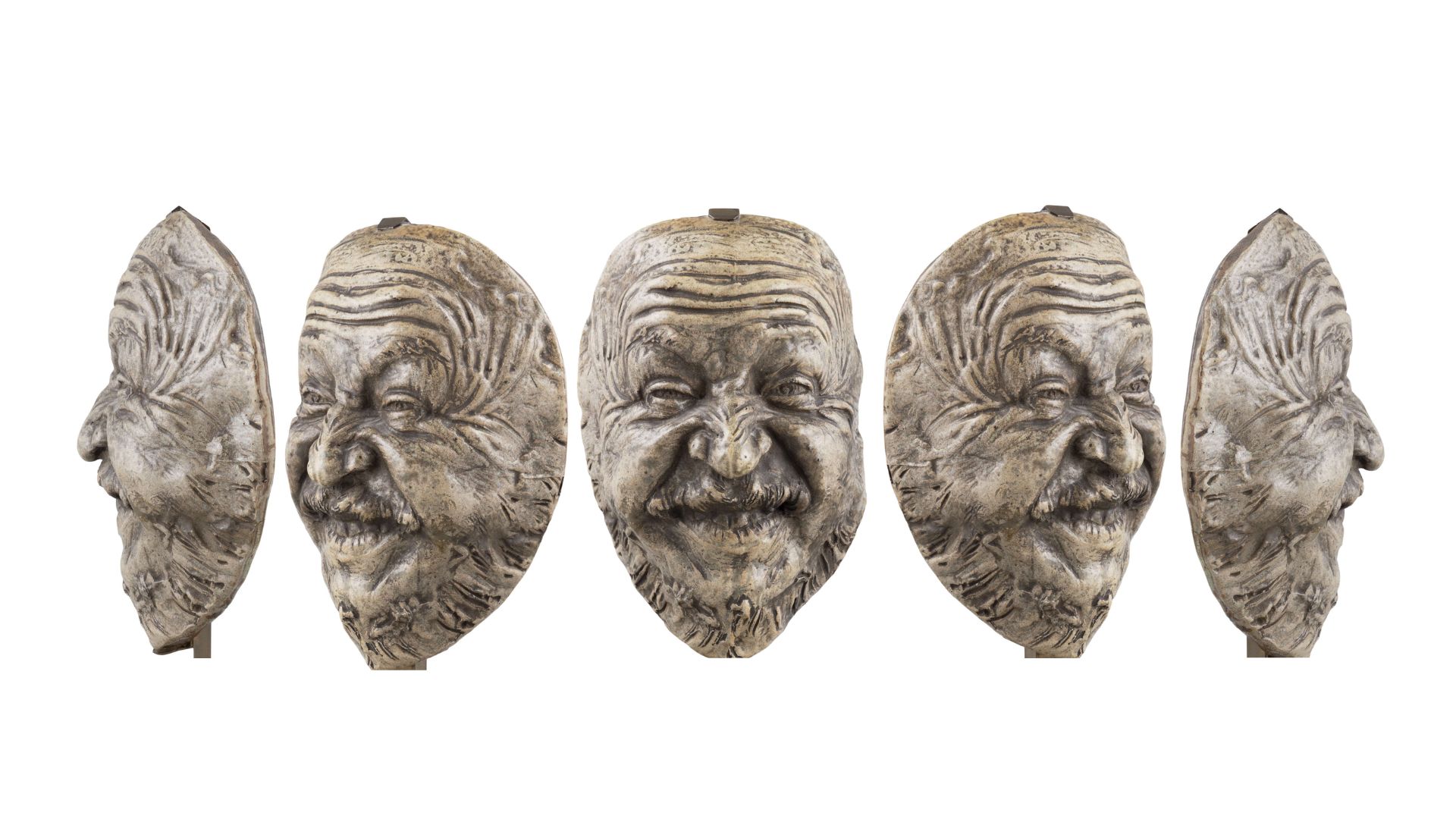

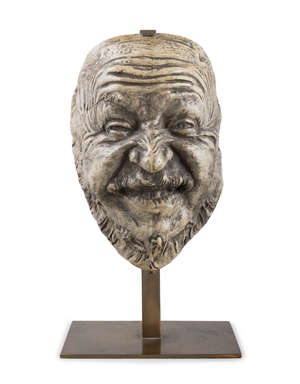
The Masque de rire (Laughing Mask) belongs to the remarkable series of expressive stoneware masks that the sculptor Jean-Joseph Carriès (1855-1894) created during the final years of his short career. This piece is featured in the Country House Collections auction on Tuesday, October 13th.
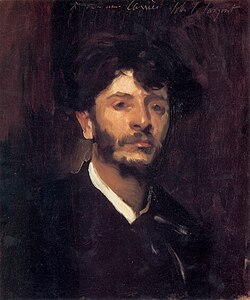
Carriès had a tough start in life and was orphaned at an early age, but this did not prevent him from establishing himself in Paris as one of the most original sculptors of the Symbolist generation. The Symbolist movement (late 19th century) prioritized expressing emotional experiences through symbolic imagery rather than through more explicit realism. When Carriès was only six years old, both of his parents died of tuberculosis, and Carriès spent the next seven years in a Roman Catholic orphanage in Lyon, France. When Carriès was thirteen, the Mother Superior at the orphanage noticed his gift for art and arranged an apprenticeship for him with the sculptor Pierre Vermare.
Initially celebrated for his intensely characterised portrait busts and figures of society's outcasts, Carriès became increasingly fascinated by ceramics after encountering Japanese art and stoneware. By the late 1880s he had largely abandoned conventional sculpture in favour of glazed stoneware, exploring the expressive possibilities of the human face with an unprecedented freedom.
This Masque de rire exemplifies Carriès' enduring fascination with character, personality and theatrical expression in his subjects. Modelled as a deeply wrinkled, bearded face animated by a broad, almost mischievous grin, the work balances caricature and psychological observation. Carriès modelled the face almost to the point of distortion: the exaggerated creases around the eyes, the hooked nose and compressed mouth transform ‘a smile’ into something more ambiguous. This ambiguity is at the heart of much of Carriès' art, where humour, fantasy and unease frequently coexist.
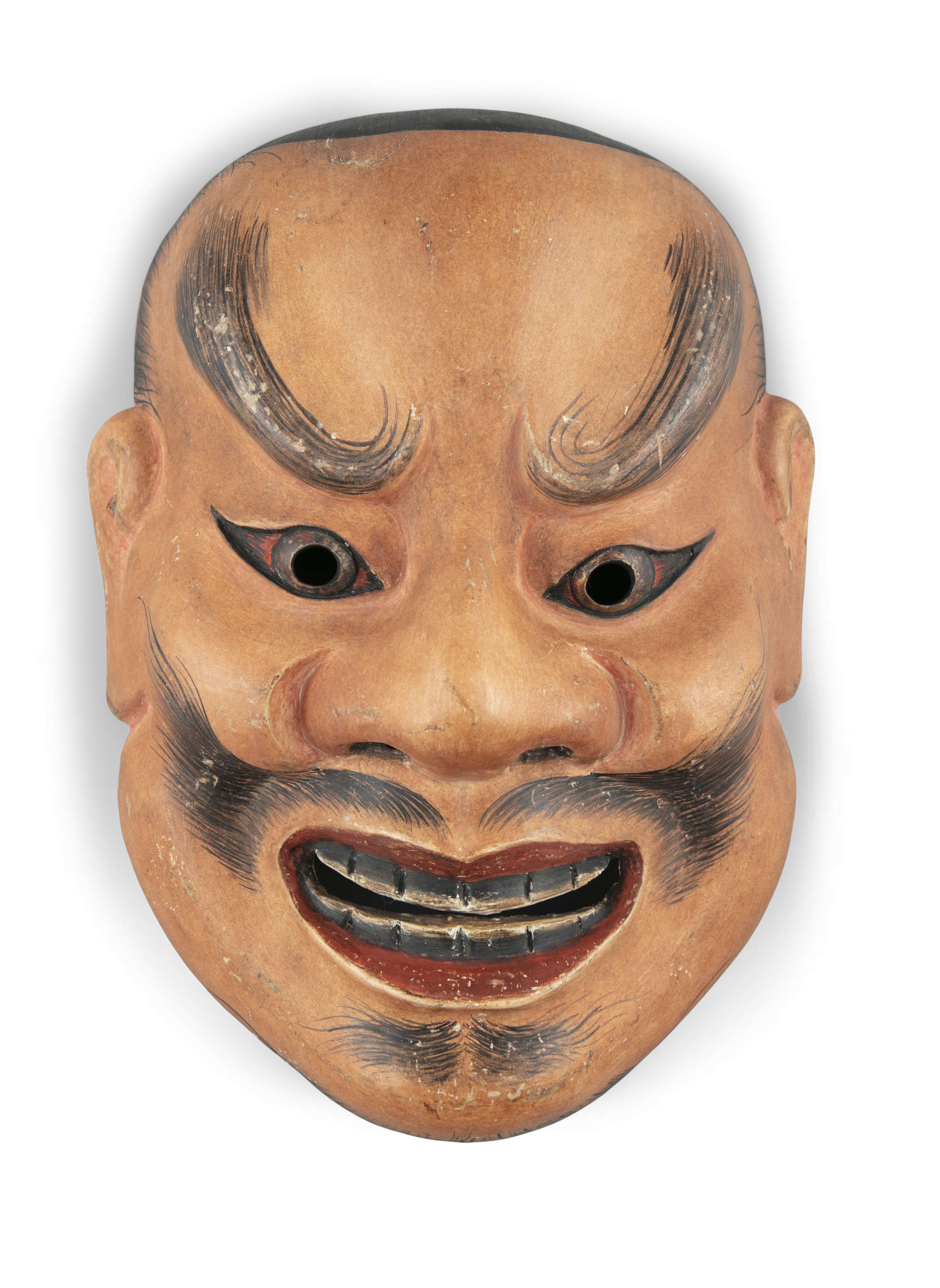
Carriès drew inspiration from a wide range of sources, including medieval gargoyles, Gothic sculpture and Japanese Noh masks. The Musée d'Orsay notes that his mask sculptures were also informed by an interesting physiognomy (judging a person’s character based on their physical facial features). Carriès was also influenced by the sculptor Franz Xaver Messerschmidt, whose celebrated "character heads" explore the extremes of human expression.
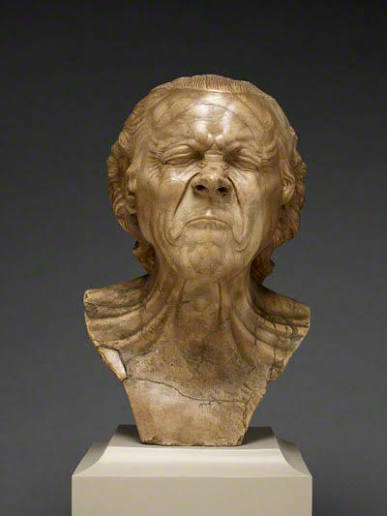
The Musée d'Orsay preserves several important examples of Carriès masks, including Masque d'horreur (c. 1891), a nightmarish visage with furrowed features and glaring eyes, and Masque (c. 1890),another stoneware head demonstrating Carriès' mastery of expressive modelling and experimental glazes. The museum's collection also includes works such as Faune (1893) and Le Grenouillard (c. 1891), further highlighting the artist's attraction to hybrid beings and fantastical imagery.
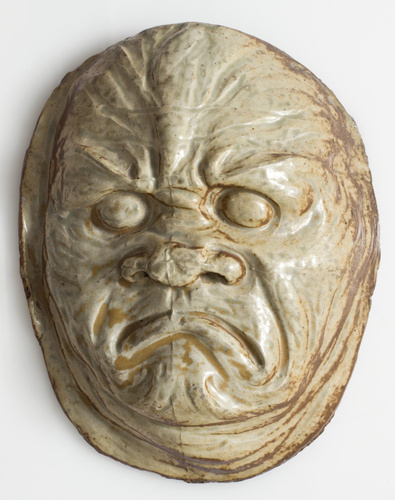
Unlike the more frightening examples of his work like Masque d'horreur, the present Masque de rire shows Carriès at his most playful. What sets Carriès’ work apart is his singular ability to transform clay into a complex portrait study. What is behind this laugh? Something joyful or sinister? Or is he just laughing at us as we try to figure him out.
Country House Collections at Townley Hall: Tuesday, October 13th.
.jpg)
.jpg)

.png)
.png)
.jpg)


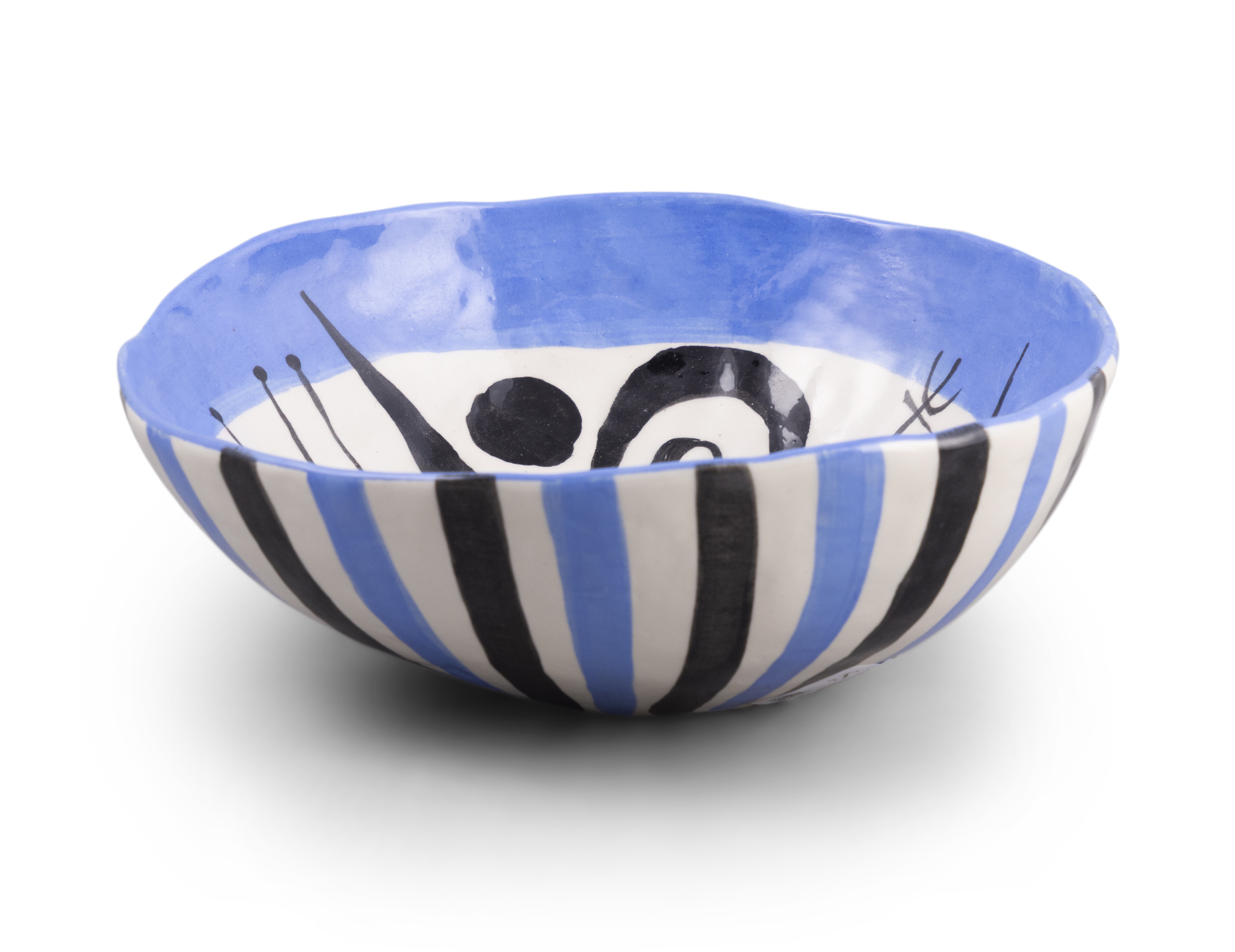
John ffrench was an instrumental figure in the design industry in Ireland and a distinguished pioneer of Irish studio pottery.

)%20(1).jpg)
%20(002).png)
%20(2).jpg)


%20(1200%20x%20768%20px)%20(2).png)
.png)

.png)

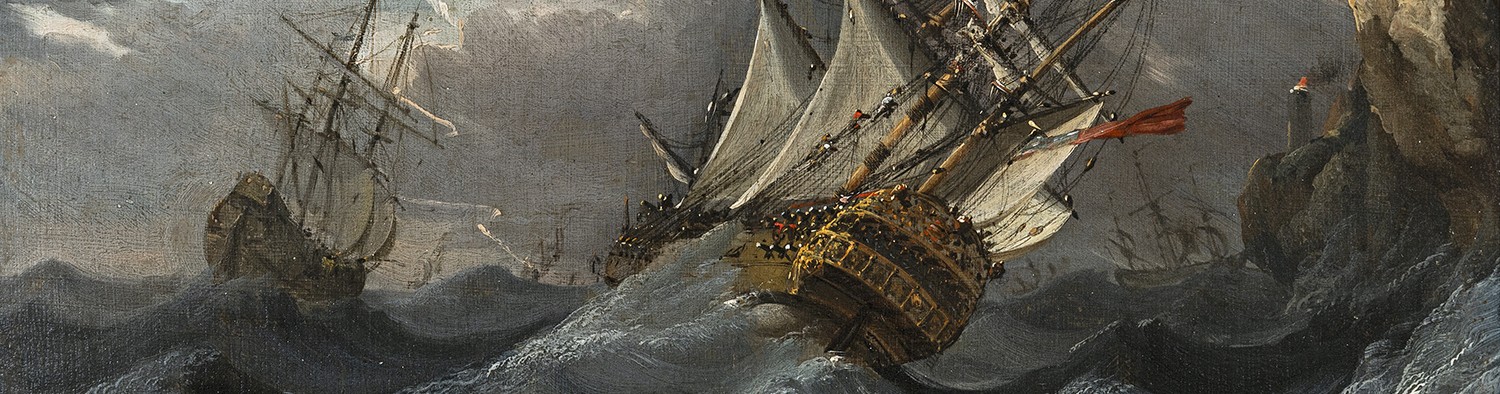
"I should declare my hand. I have a weakness for pictures that punch above their physical weight, and for artists who have been quietly underrated for too long. This pair is both. They are intimate enough to live with at close quarters and serious enough to repay any amount of looking. If the market has lately shown signs of catching up with eighteenth-century Irish painting and I think it has, these two small panels feel, to me, like exactly the sort of thing that will look obvious in twenty years’ time."
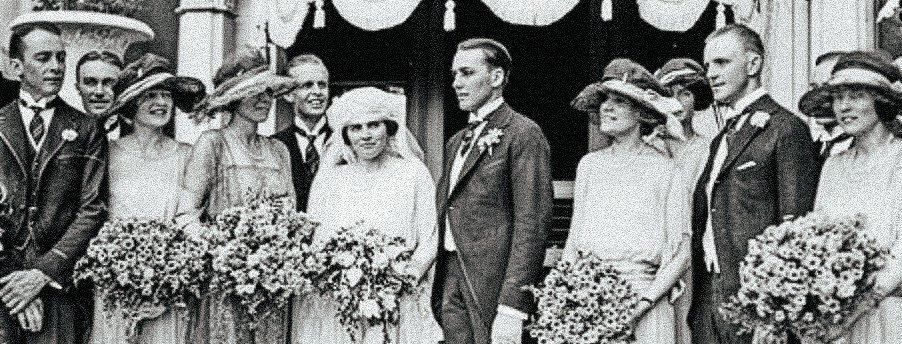




Adam’s is honoured to present works from the collection of Lord Rossmore in the upcoming Country House Collections auction at Howth Castle on 28th April. It is seldom that an influential Irish family collection that has survived through the generations comes to the open market.

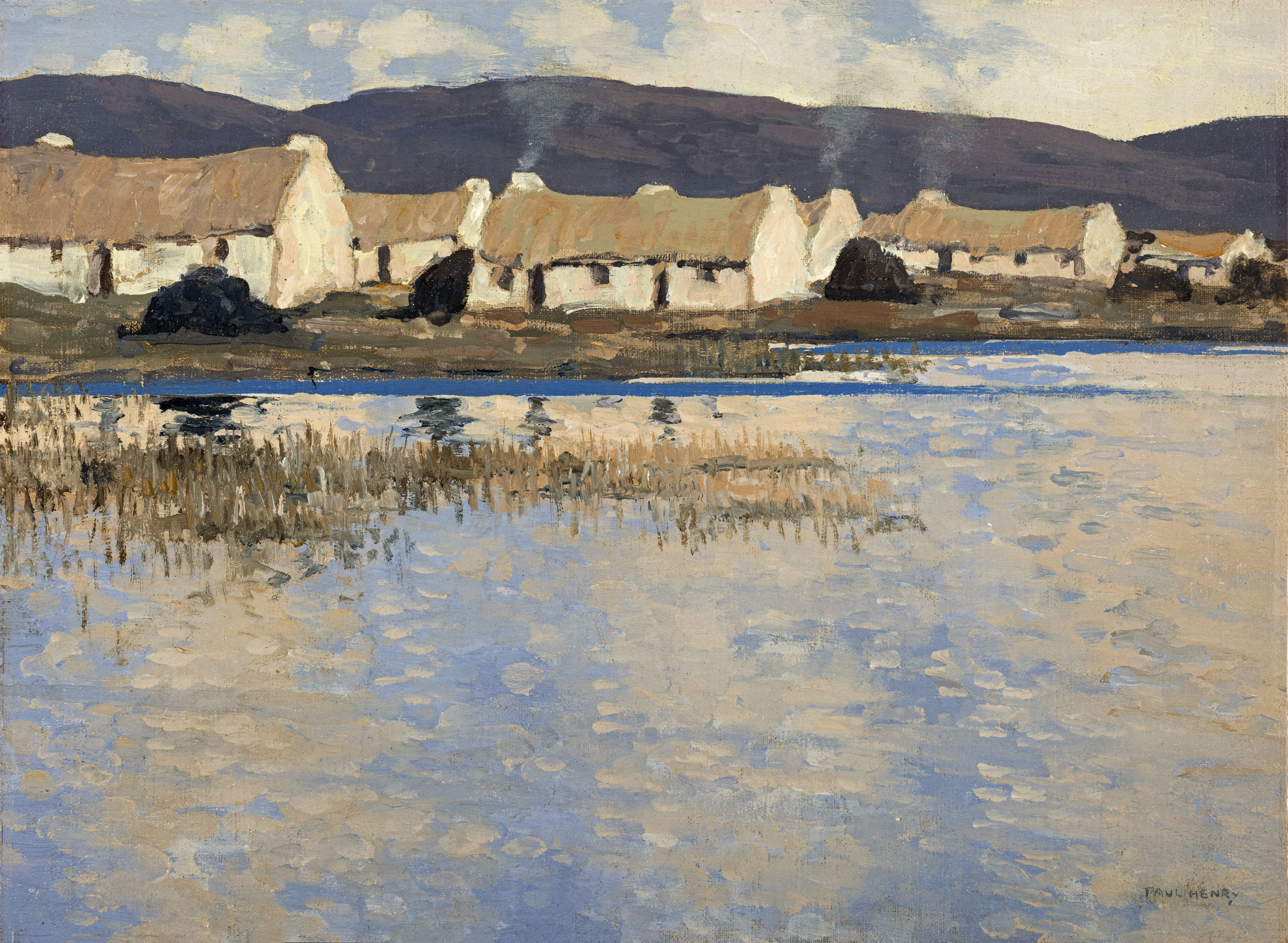
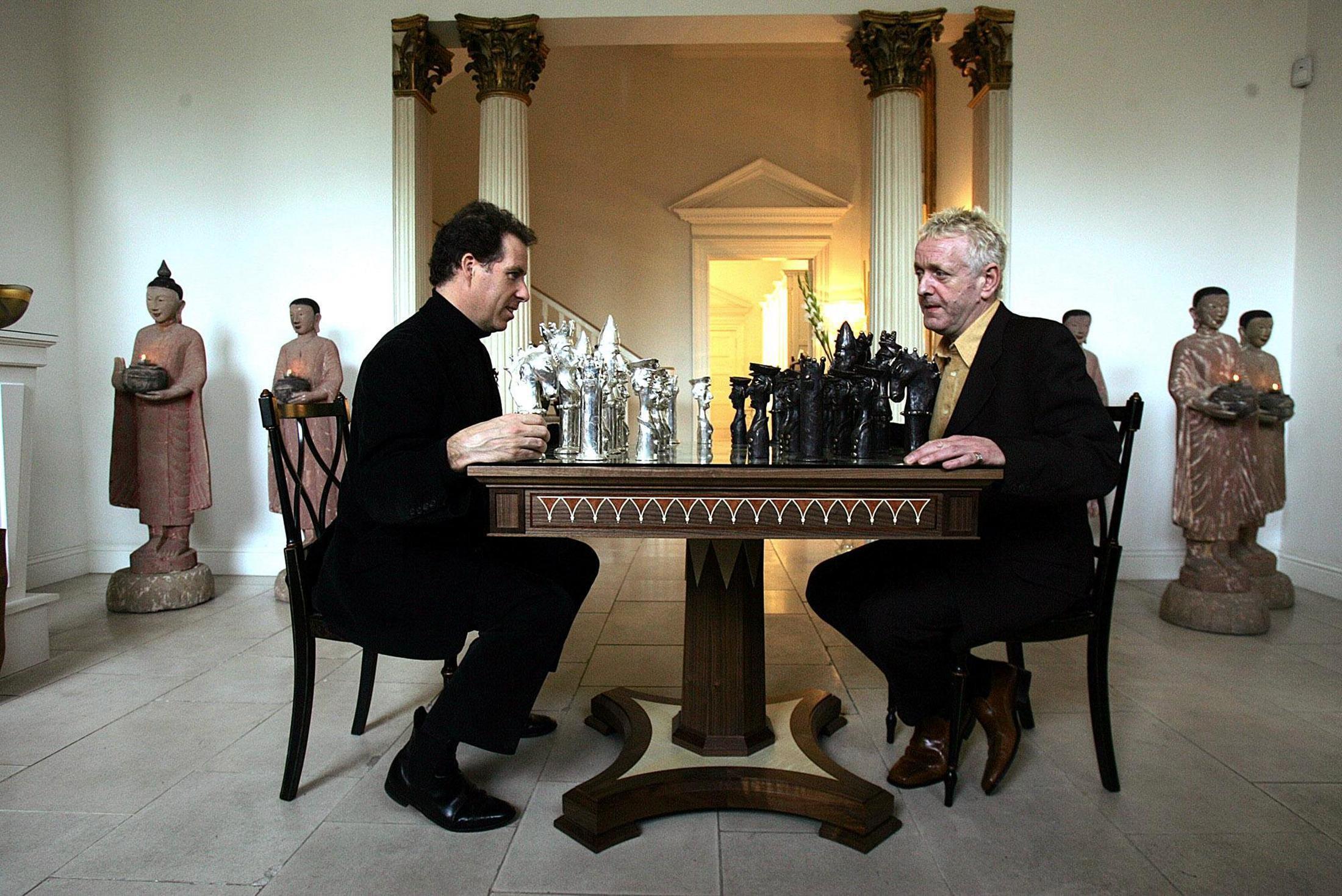
Works Sold at Adam’s Now in the Irish National Collection
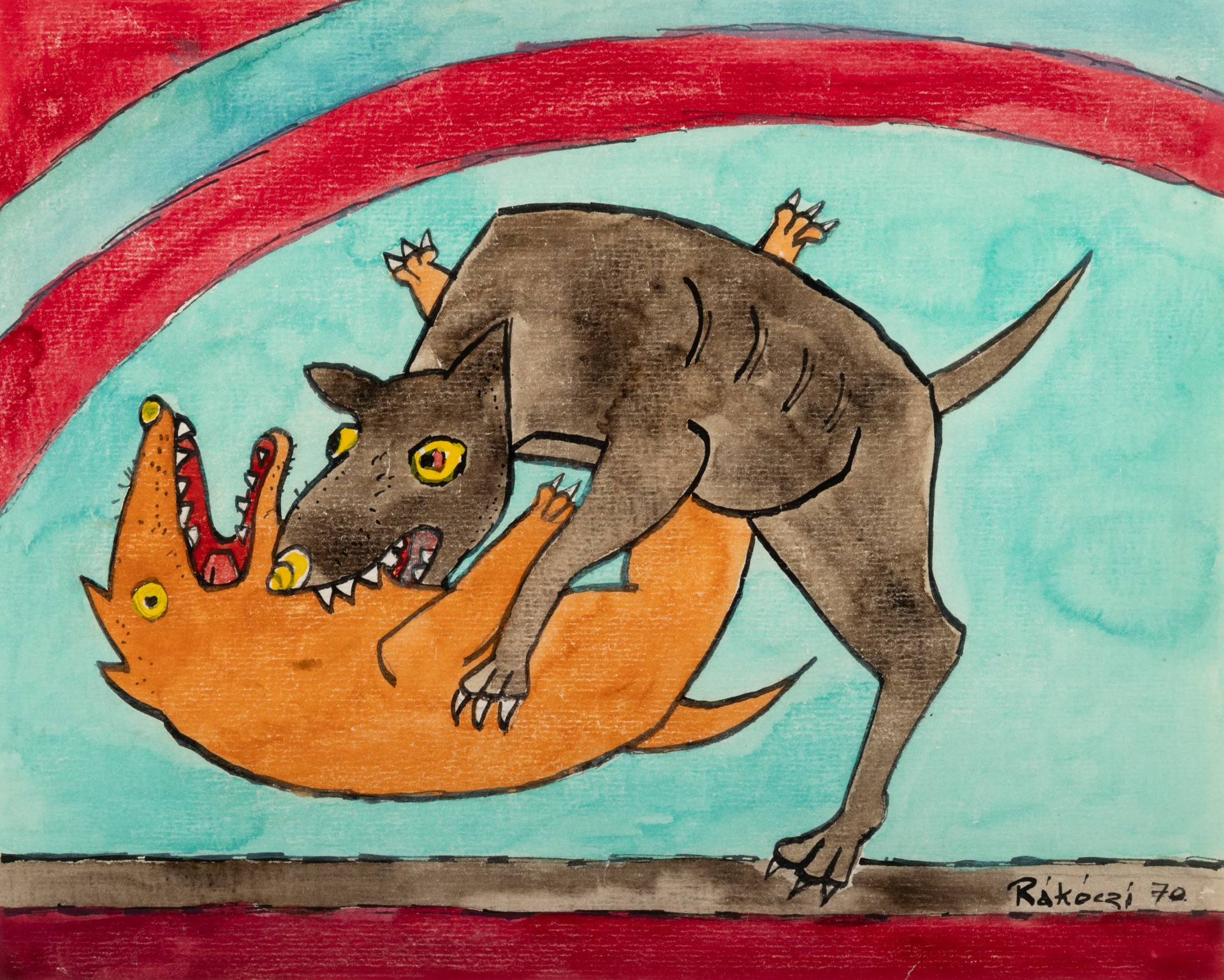
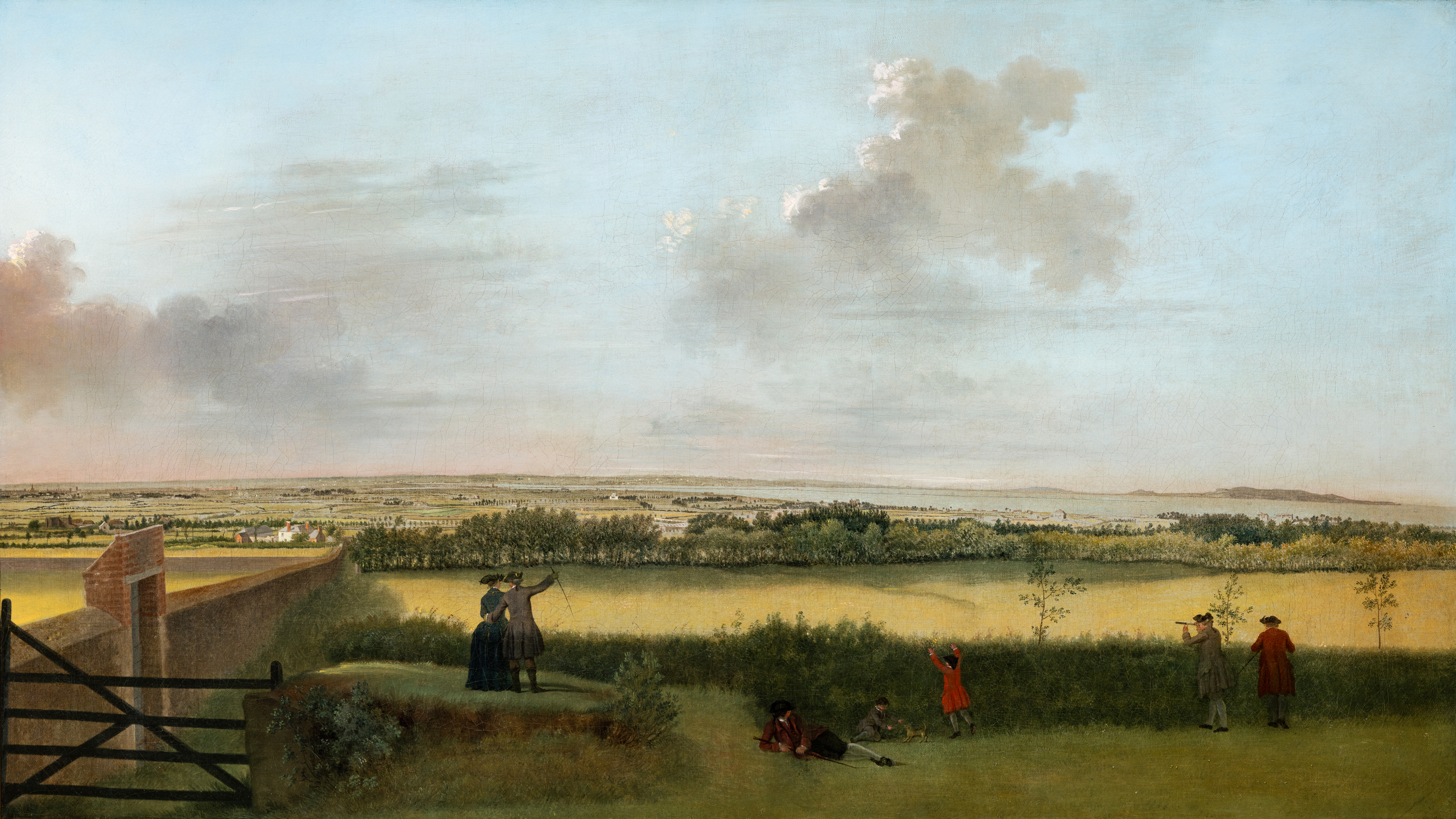
A great opportunity to purchase both established and lesser-known artist’s work at an accessible price point, the Online Picture Auction is the first of many sales to be hosted at Adam’s in 2026. It is perfect for those looking to start a collection and the discerning collector alike.


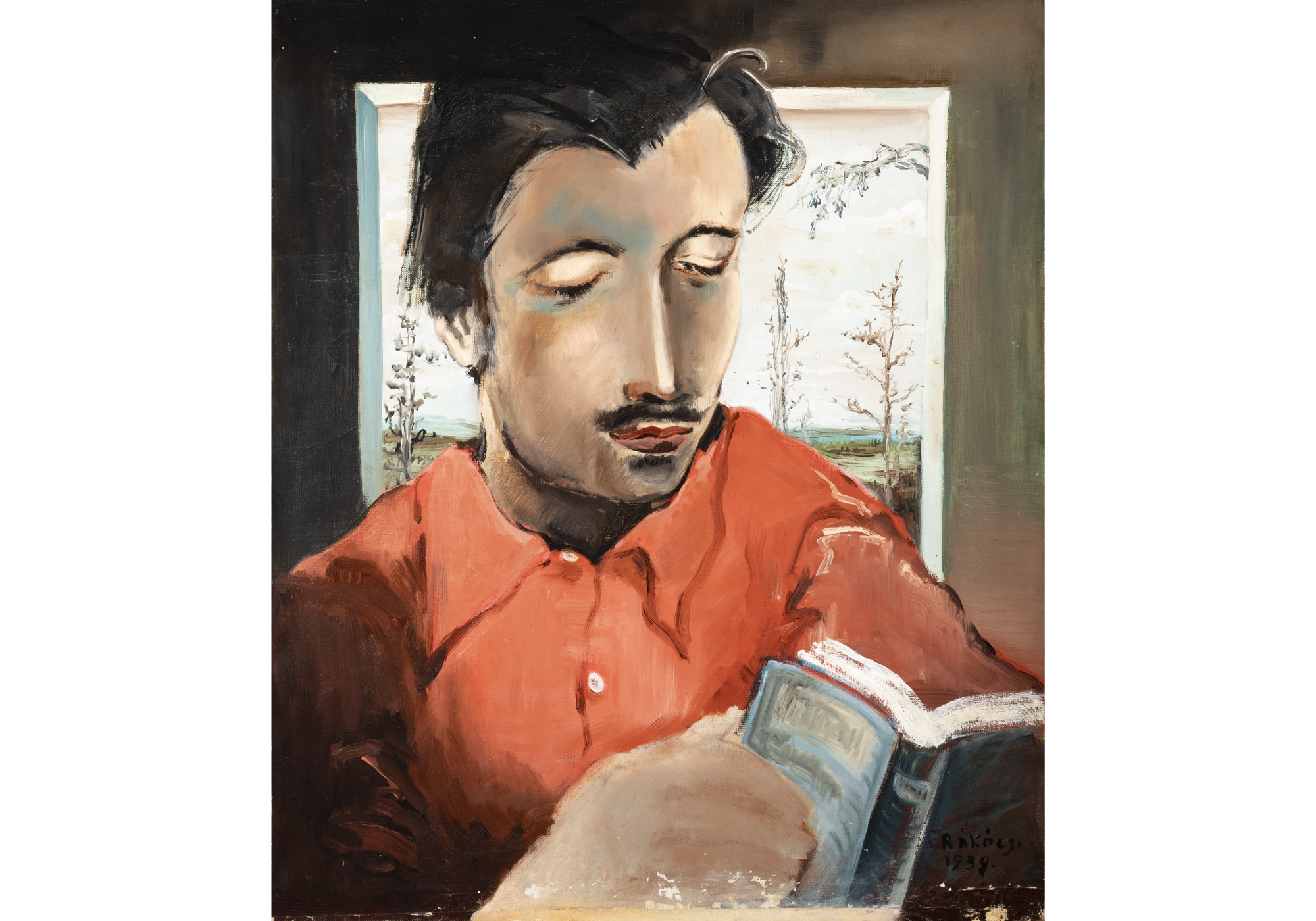
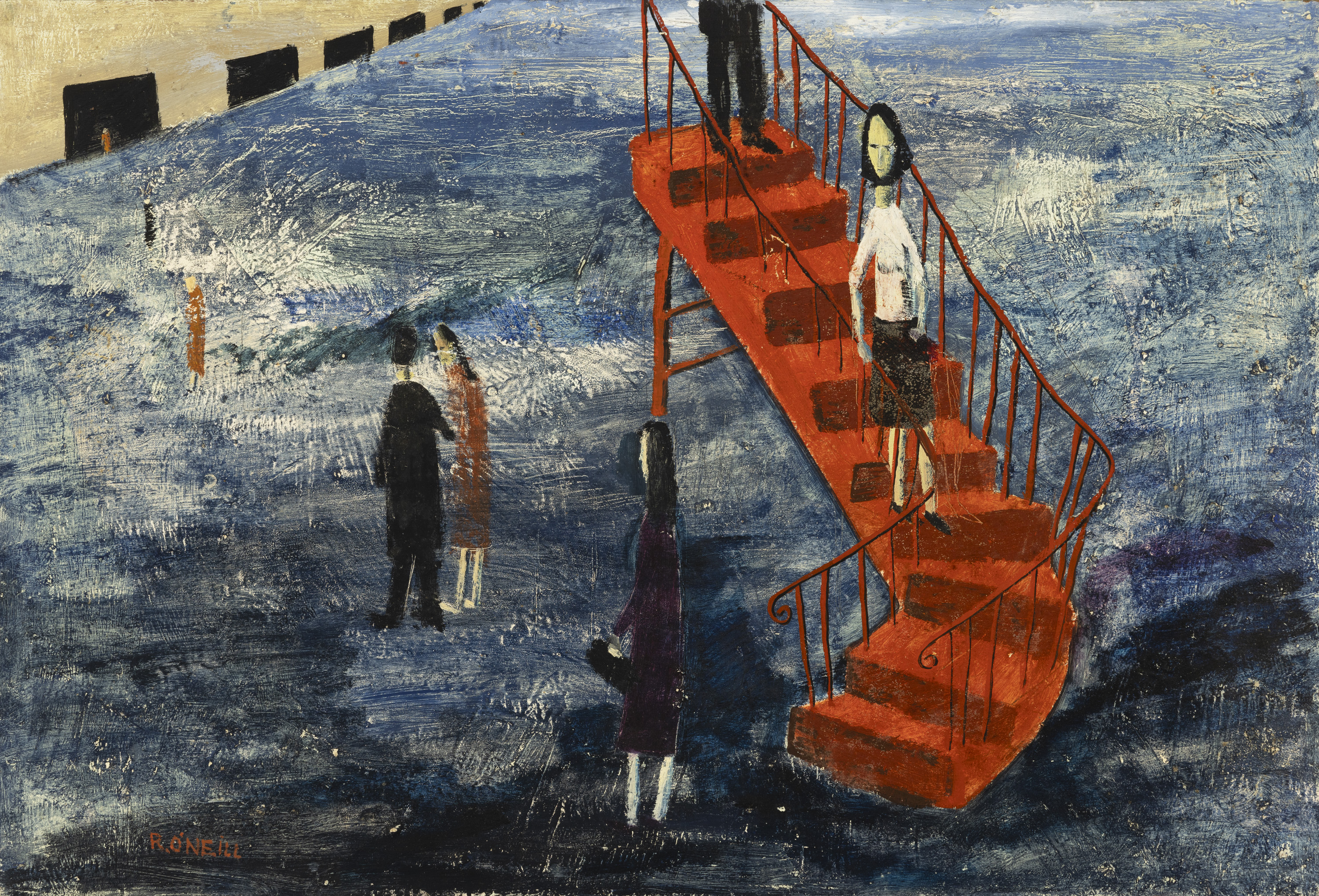
Through this article, let our expert Adam Pearson guiding you to the (re)discovery of the once established Irish painter Richard O’Neill.


Buying at Auction and the Role of Antiques in a Modern Home


Important Irish Art Auction Highlights

Oliver Dowling Collection by Aidan Dunne


2024 is a year in which Adam’s wants to recognise the key role buying antique furniture and furnishings at auction contributes greatly to the sustainable initiative. In 2019 the Environmental Protection Agency reported stark figures that each year in Ireland 1.2 million reusable bulky items, primarily furniture goes into landfill. Similar to the problem of ‘fast fashion’, the constant production and consumption of new items is leading to rapidly growing waste problem. We want to acknowledge those who are already buying second hand or antique furniture at auction and to encourage new buyers by highlighting the benefits of acquiring affordable, well-made quality items that are built to last.


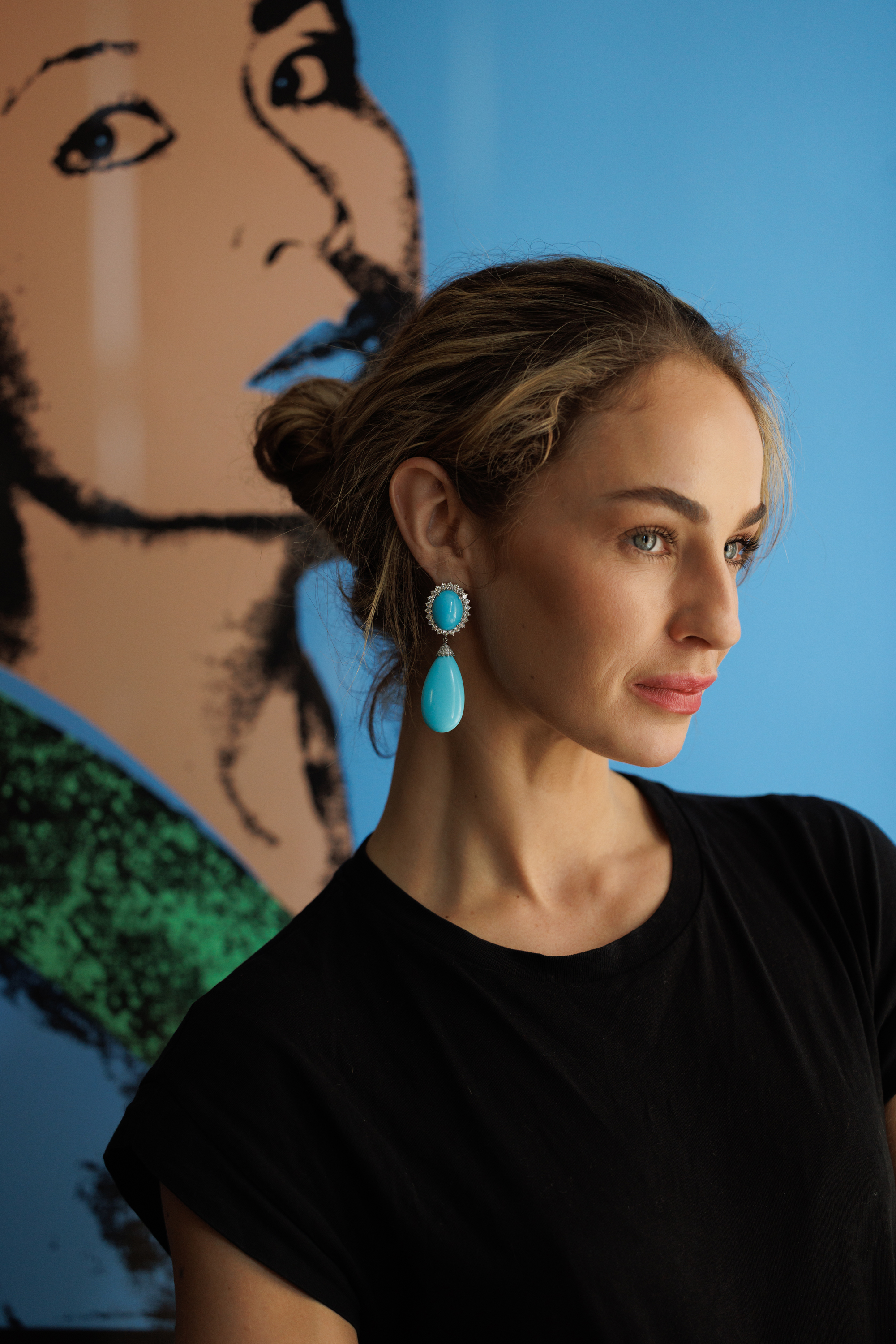
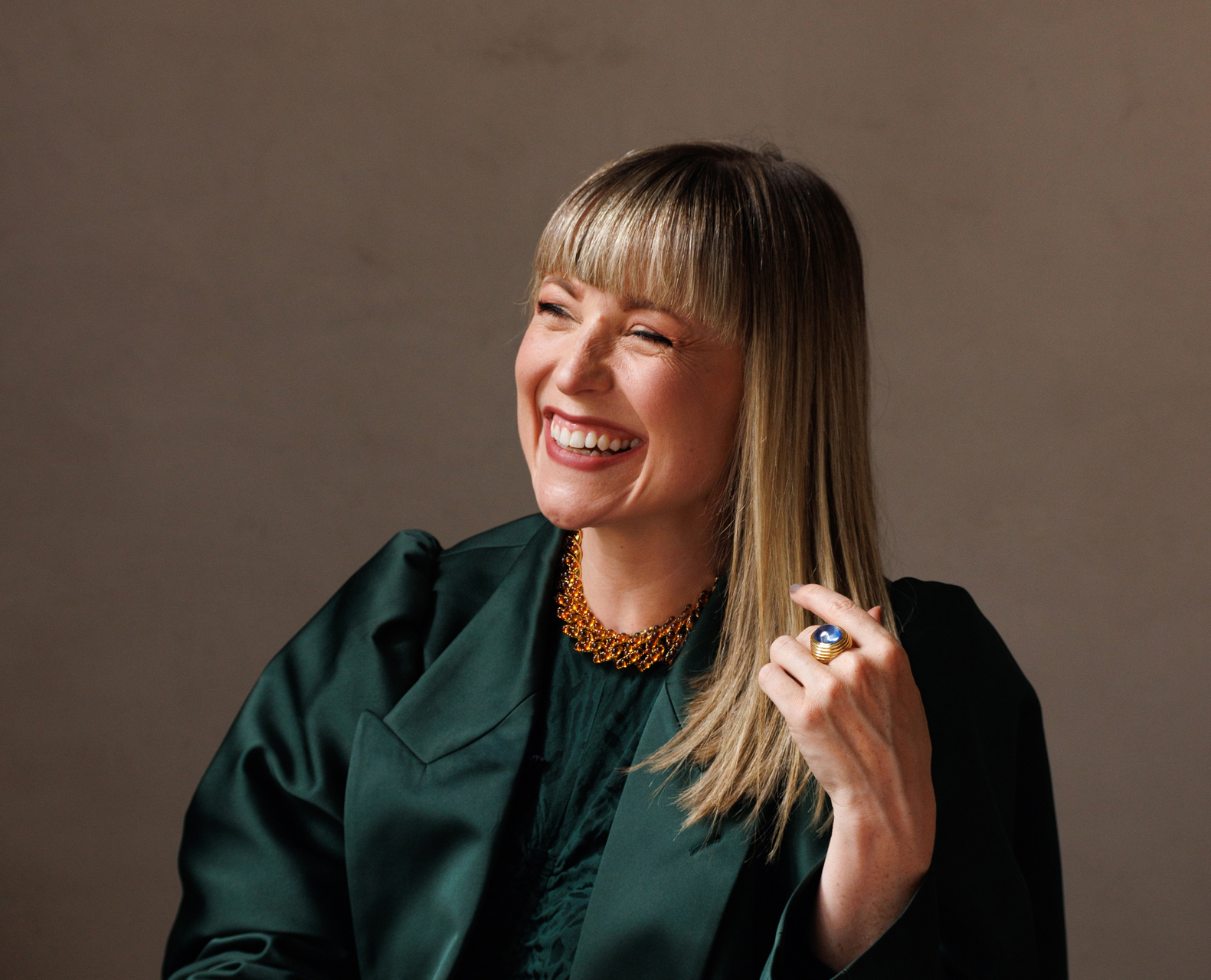
Irish author, recipe creator and lifestyle influencer, Indy Parsons, selects her favourite pieces from our upcoming Fine Jewellery & Watches auction

James Adam & Sons Ltd, Fine Art Auctioneers and Valuers, 26 St. Stephen’s Green, Dublin 2,
D02 X665, Ireland


