
menu
Departments
.svg)
.jpg)

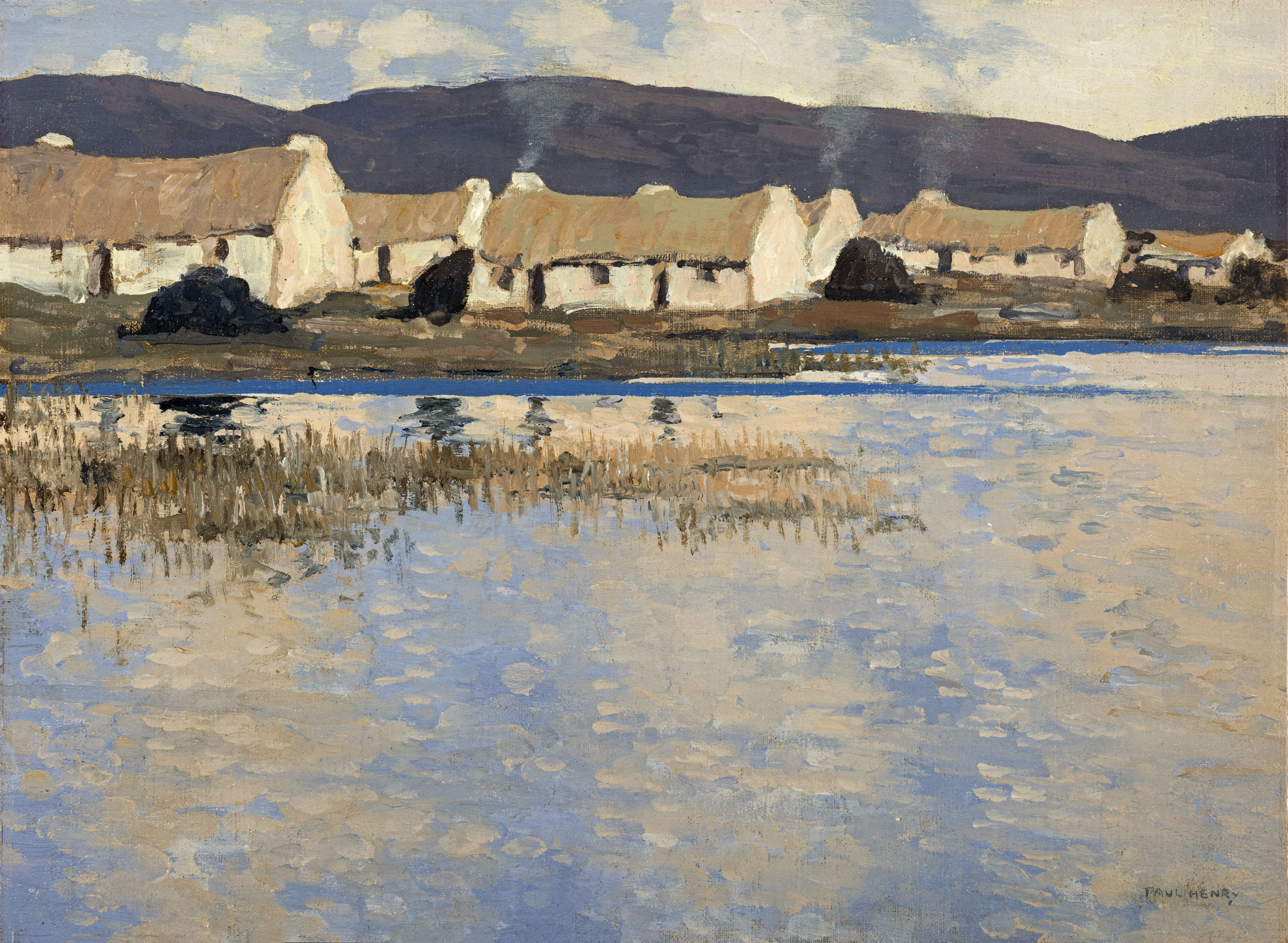
This striking landscape, painted in 1929, is a particularly evocative example of Paul Henry’s mature vision of the West of Ireland. The great pyramidal mass of Errigal rises above a cluster of whitewashed cottages, its monumental simplicity set against a broad, atmospheric sky. Henry has reduced the landscape to a sequence of closely related greys, browns, creams and off-whites, creating an unusually austere and contemplative image.
The sepia monochromatic conception is especially significant in its rarity. Henry’s debt to James McNeill Whistler was profound: having travelled to Paris in 1898, he studied at the Académie Julian before attending Whistler’s Académie Carmen. Whistler’s insistence upon tonal harmony, restraint and the subordination of local colour to mood left a lasting impression on the younger artist. In Henry’s landscapes this influence is frequently apparent in the restricted palette and quiet gradations of tone; here, almost the entire scene is held together by subtle tonal relationships rather than strong contrasts of colour. As Dr S. B. Kennedy has observed of Henry’s work, the Whistlerian influence is particularly apparent in his muted tones and limited palettes.
The choice of subject is equally pertinent. By the late 1920s Henry’s simplified images of the western landscape had become closely associated with the visual construction of Irish national identity. His landscapes of cottages, mountains and bogland were widely reproduced in tourism and government publications, helping to establish an idealised image of rural Ireland. The present work, a painting of cottages beneath Mount Errigal was selected as the frontispiece to the 1932 Saorstát Éireann: Irish Free State Official Handbook, edited by Bulmer Hobson.
Hobson himself is a fascinating figure in the history of the period. Born in Belfast in 1883 into a Quaker family, he became deeply involved in the Gaelic revival and advanced Irish nationalism. He joined the Gaelic League and GAA, helped establish the Dungannon Clubs, and in 1909, with Constance Markievicz, founded Na Fianna Éireann. He was subsequently a leading member of the Irish Republican Brotherhood and secretary of the Irish Volunteers’ provisional executive, and was instrumental in the organisation of the Howth gun-running in 1914. He nevertheless opposed the Easter Rising, favouring a defensive strategy and guerrilla warfare, and his political career effectively ended after 1916.
Thereafter Hobson reinvented himself as a publisher, writer and civil servant. He worked in book publishing in Dublin and, from 1924, served in the Office of the Revenue Commissioners of the Irish Free State. He retained a strong interest in Irish cultural and economic development, supporting the arts and helping to foster the cultural milieu surrounding the Gate Theatre. In 1932 he edited the lavish Saorstát Éireann: Irish Free State Official Handbook, a substantial survey of the new state containing contributions on Irish history, literature, agriculture, industry, architecture and culture, illustrated with works by leading Irish artists including Henry, Seán Keating, John Keating, Seán O’Sullivan, Maurice MacGonigal and Harry Kernoff.
The association between Hobson and Henry is therefore particularly resonant. This was not simply a private acquisition by a prominent nationalist figure: the painting subsequently entered the visual narrative of the newly established Irish state through Hobson’s 1932 publication. Its restrained palette, monumental landscape and deliberately timeless rural subject combine to make it both a fine example of Henry’s Whistlerian aesthetic and an important document of the cultural imagination of Ireland in the first decade after independence.

.jpg)

.png)
.png)
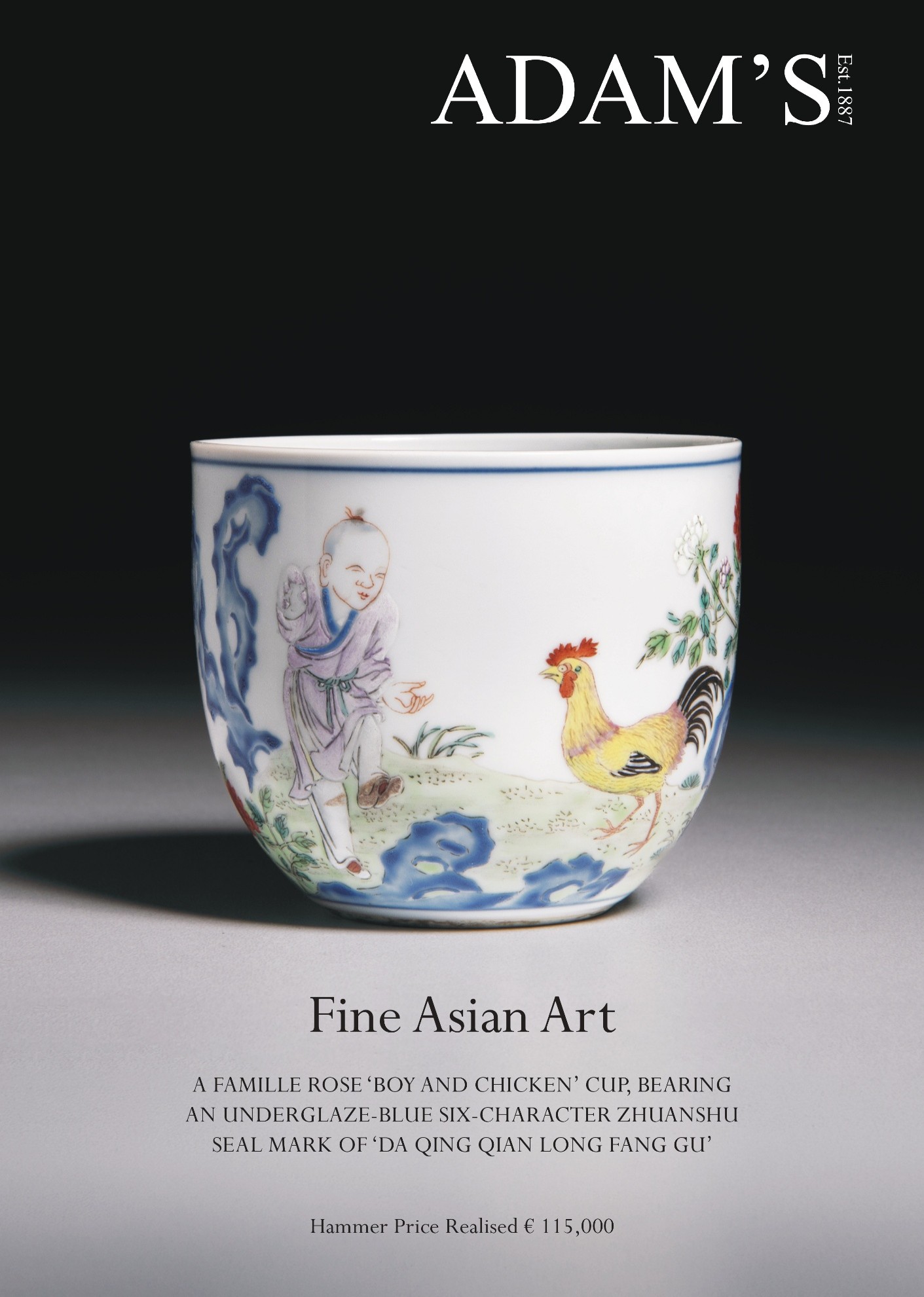

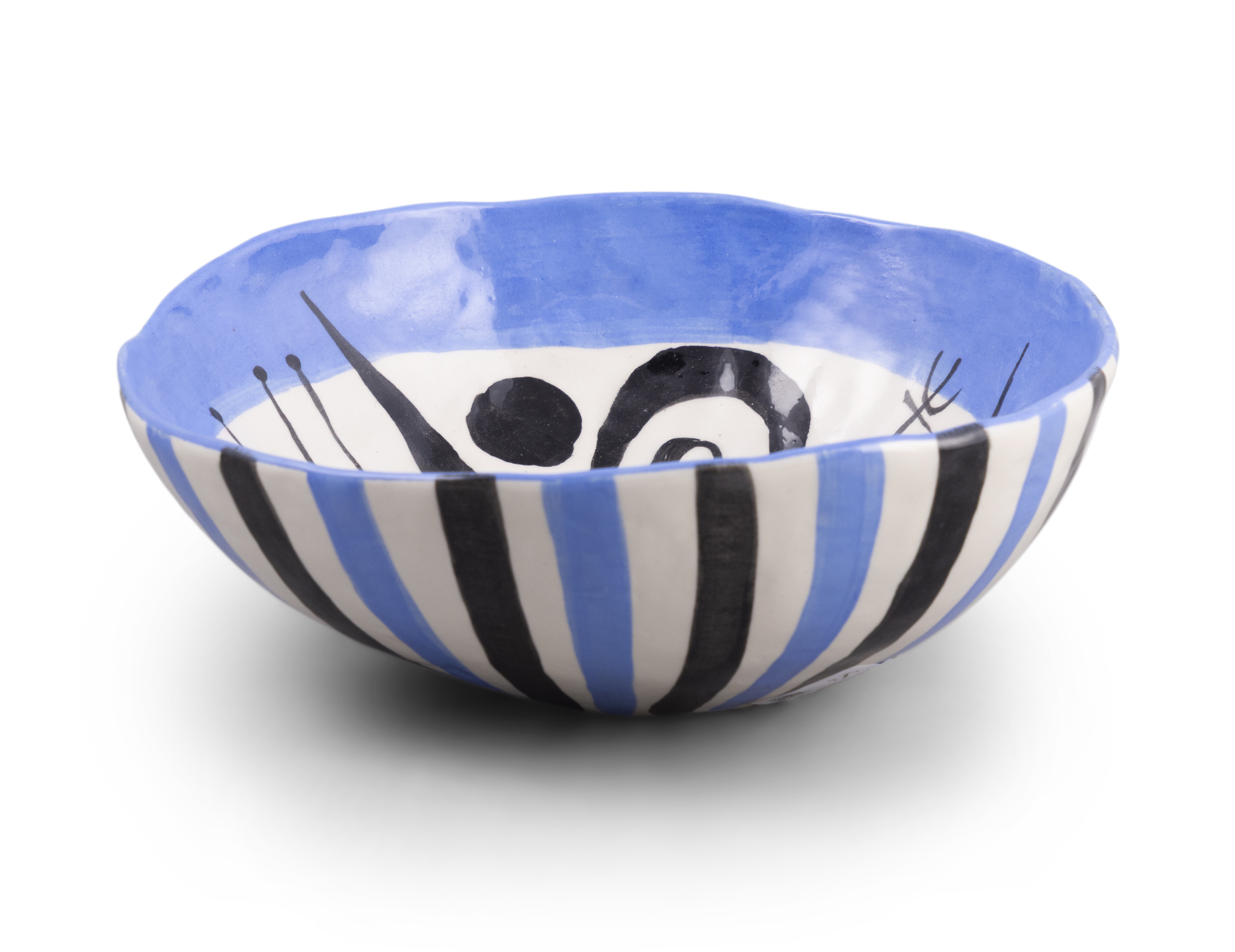
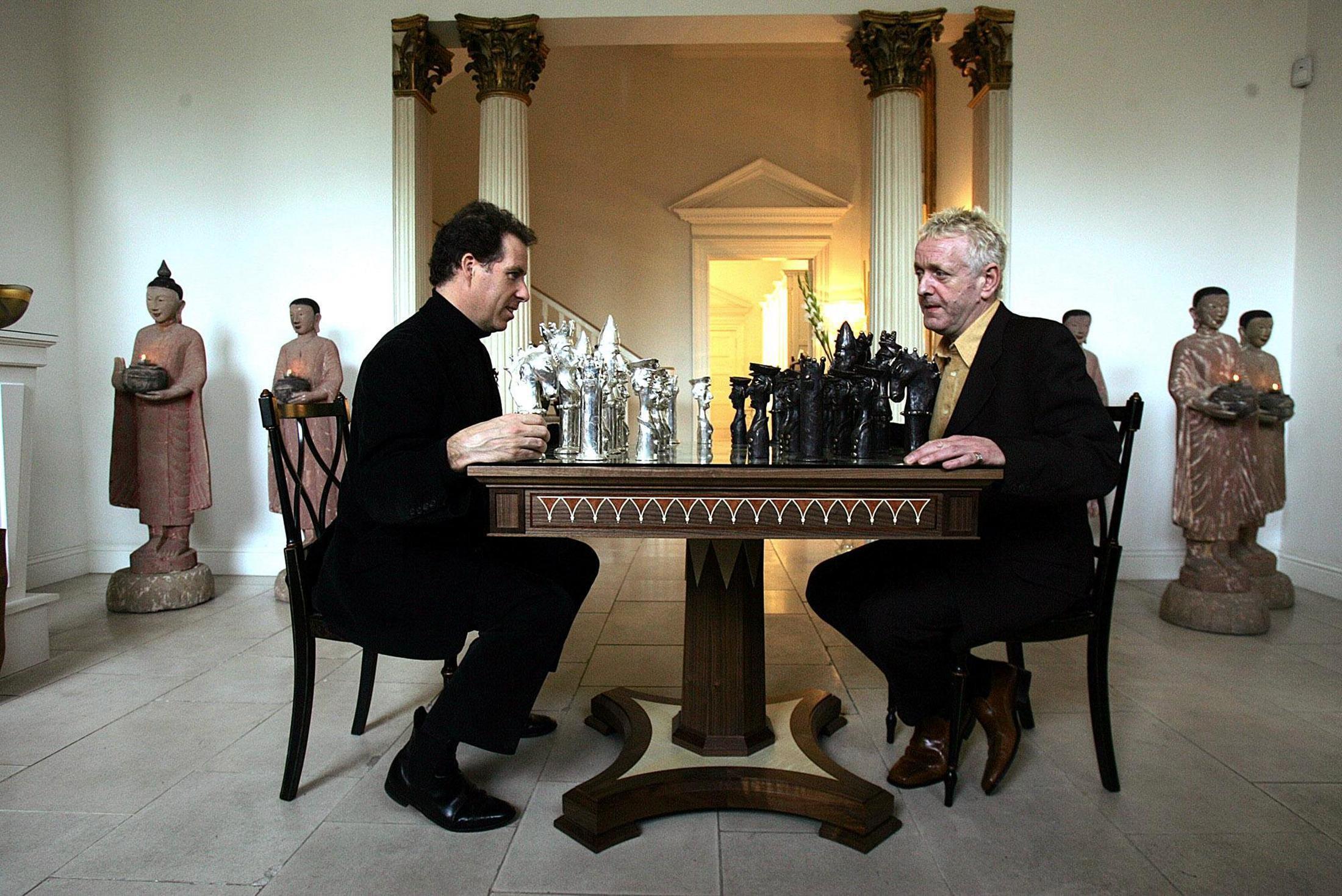
John ffrench was an instrumental figure in the design industry in Ireland and a distinguished pioneer of Irish studio pottery.

)%20(1).jpg)
%20(002).png)
%20(2).jpg)


%20(1200%20x%20768%20px)%20(2).png)
.png)

.png)

"I should declare my hand. I have a weakness for pictures that punch above their physical weight, and for artists who have been quietly underrated for too long. This pair is both. They are intimate enough to live with at close quarters and serious enough to repay any amount of looking. If the market has lately shown signs of catching up with eighteenth-century Irish painting and I think it has, these two small panels feel, to me, like exactly the sort of thing that will look obvious in twenty years’ time."
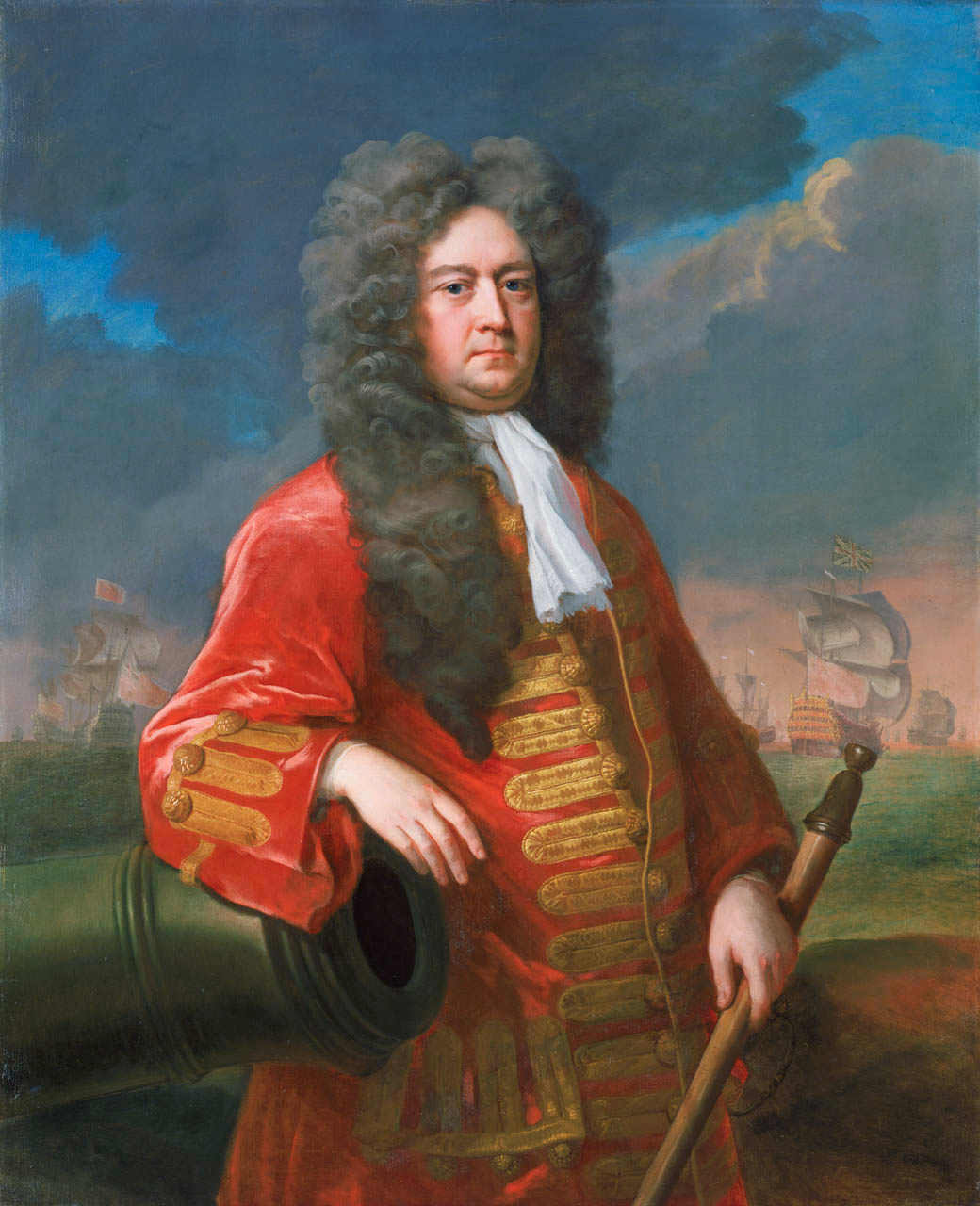


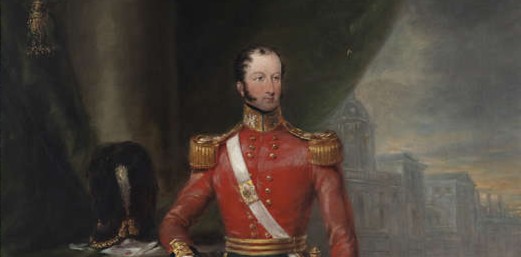
Adam’s is honoured to present works from the collection of Lord Rossmore in the upcoming Country House Collections auction at Howth Castle on 28th April. It is seldom that an influential Irish family collection that has survived through the generations comes to the open market.
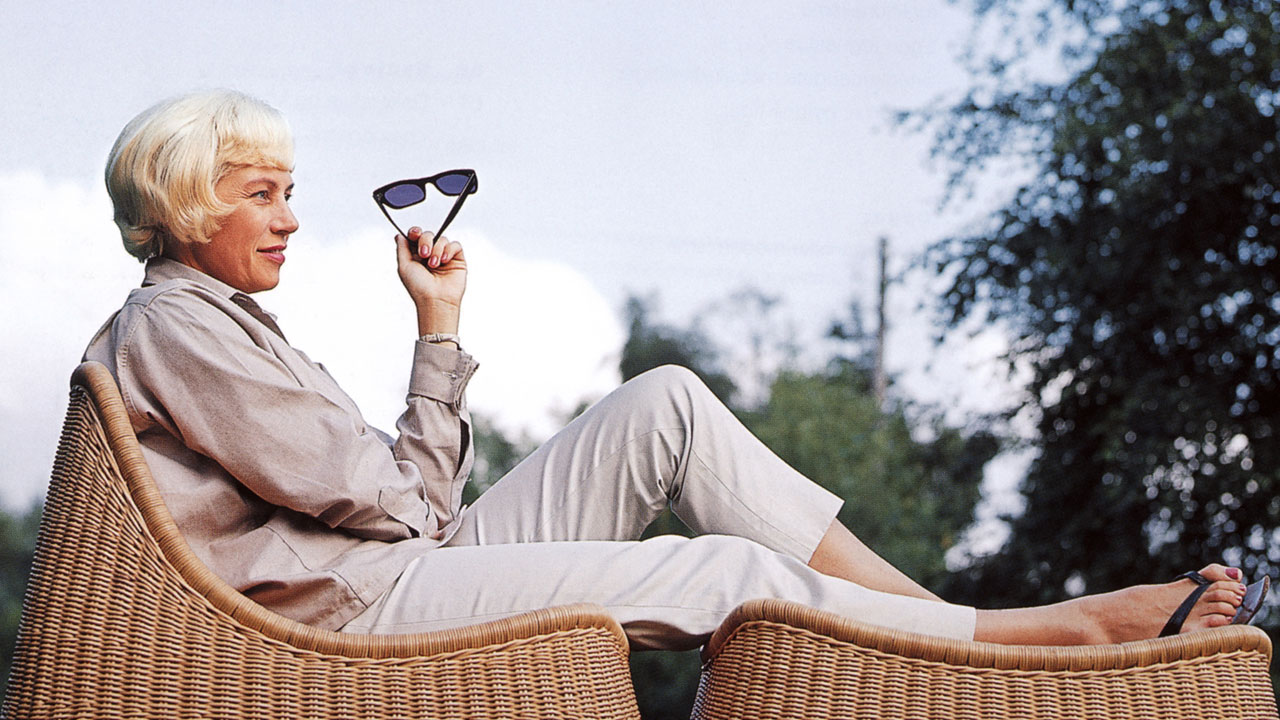

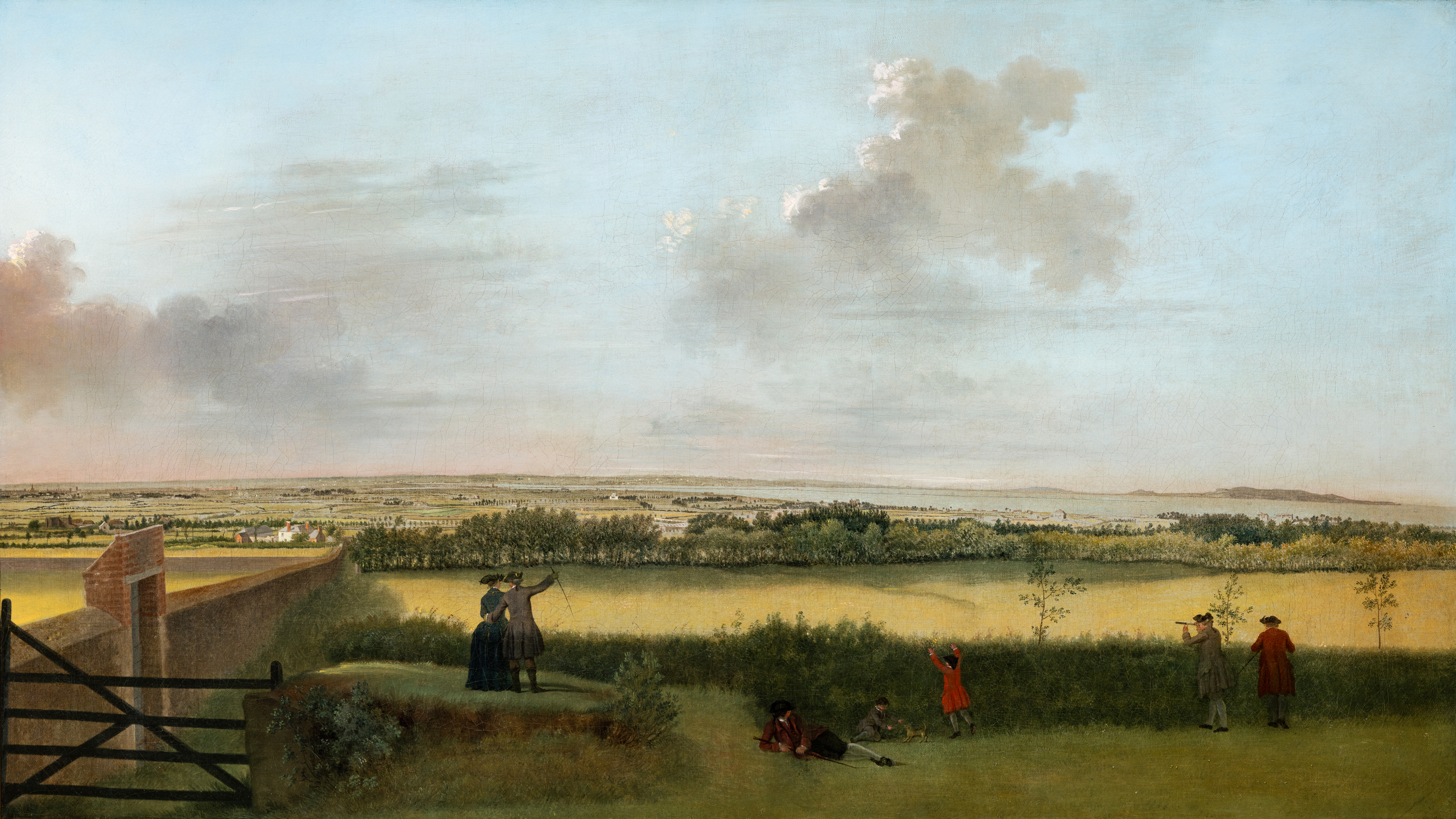
Works Sold at Adam’s Now in the Irish National Collection
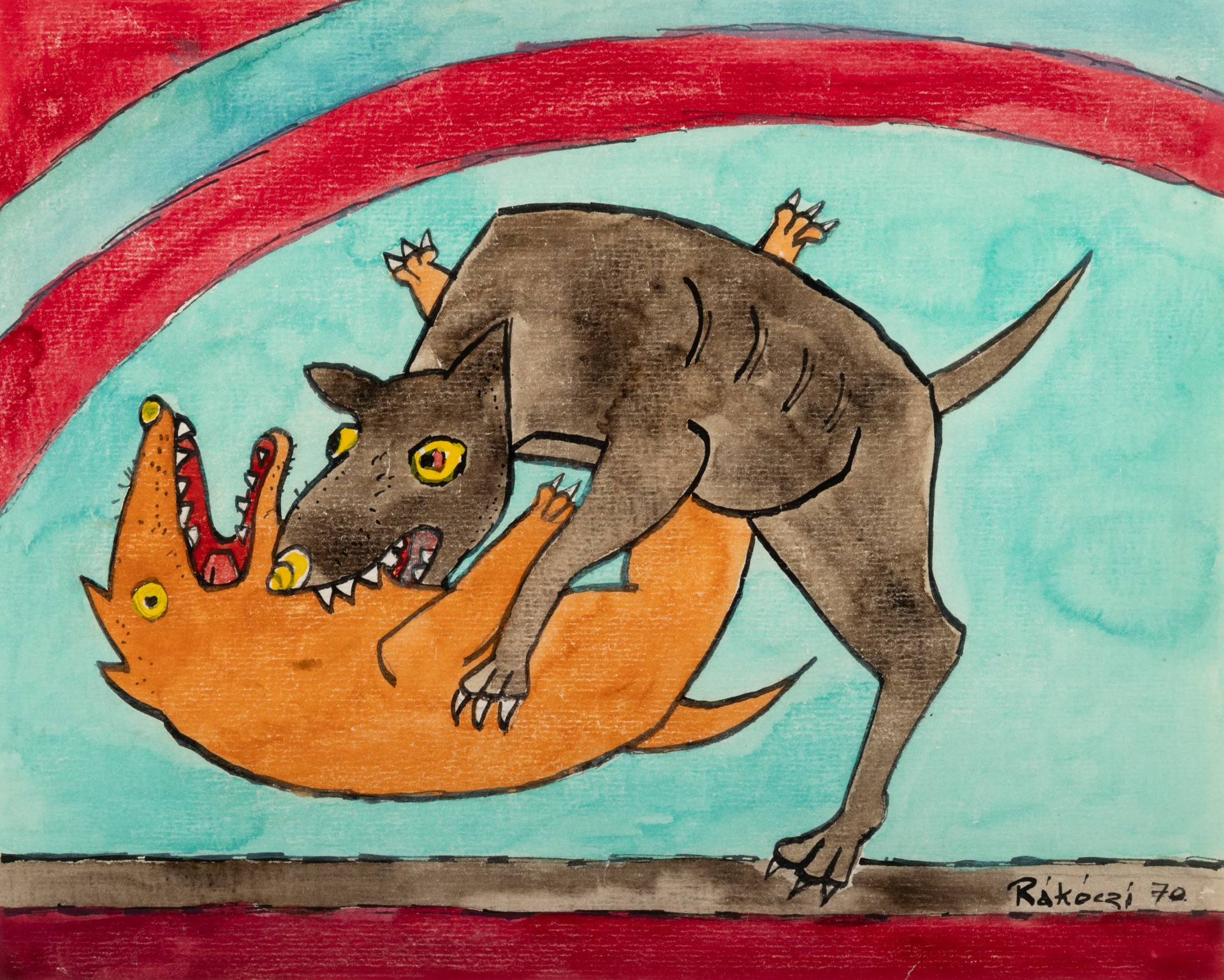
A great opportunity to purchase both established and lesser-known artist’s work at an accessible price point, the Online Picture Auction is the first of many sales to be hosted at Adam’s in 2026. It is perfect for those looking to start a collection and the discerning collector alike.


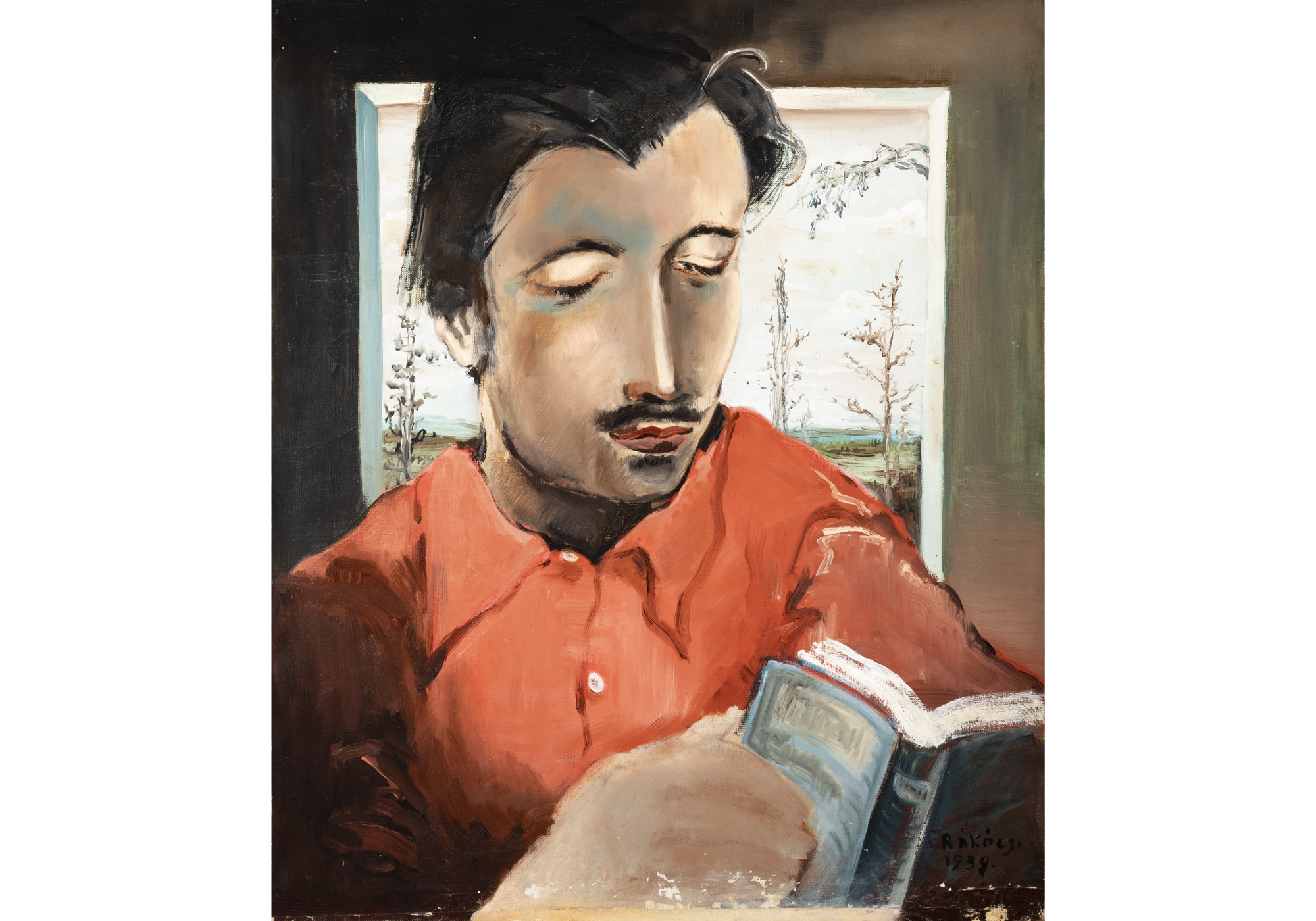
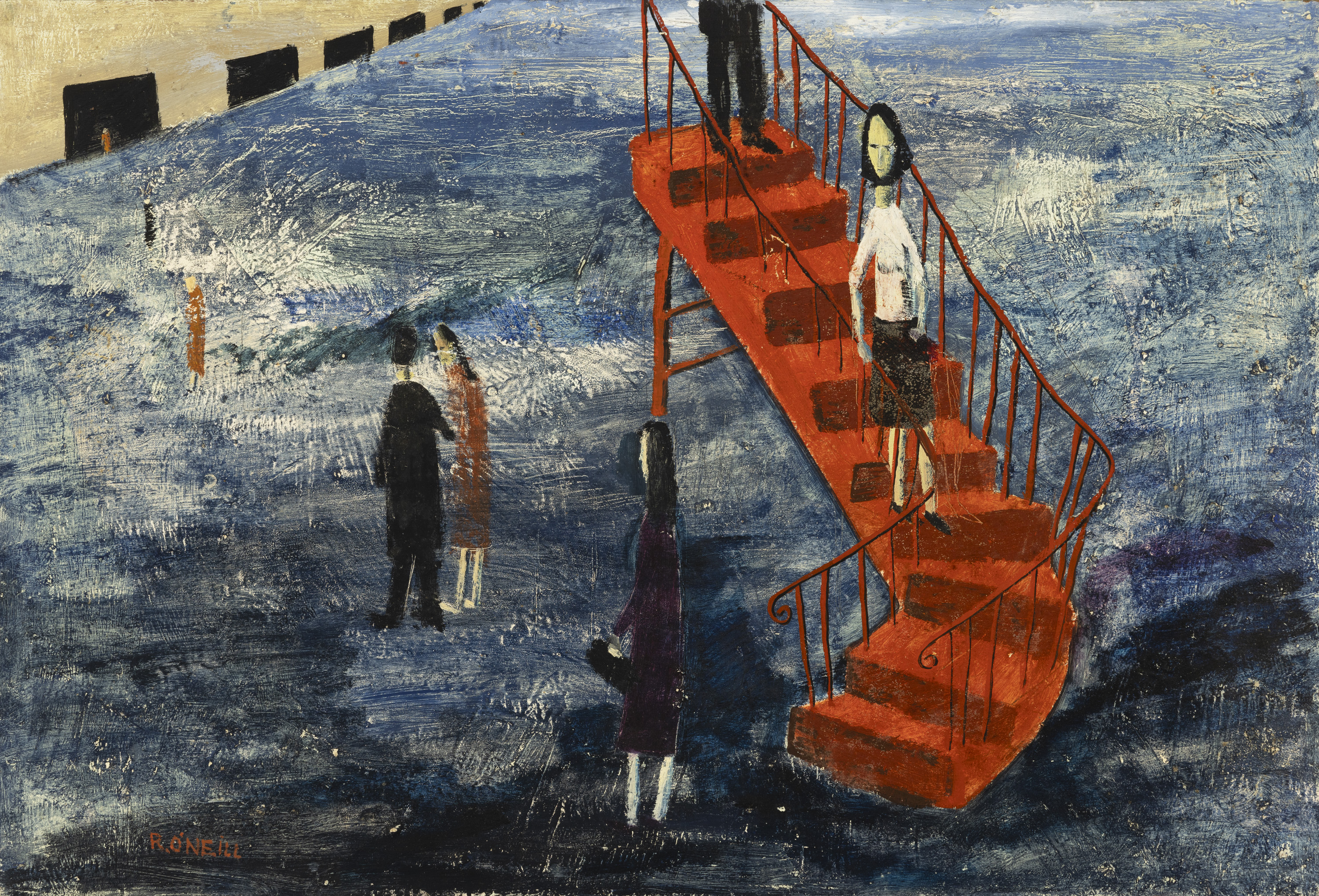
Through this article, let our expert Adam Pearson guiding you to the (re)discovery of the once established Irish painter Richard O’Neill.


Buying at Auction and the Role of Antiques in a Modern Home


Important Irish Art Auction Highlights

Oliver Dowling Collection by Aidan Dunne


James Adam & Sons Ltd, Fine Art Auctioneers and Valuers, 26 St. Stephen’s Green, Dublin 2,
D02 X665, Ireland


