
menu
Departments
.svg)
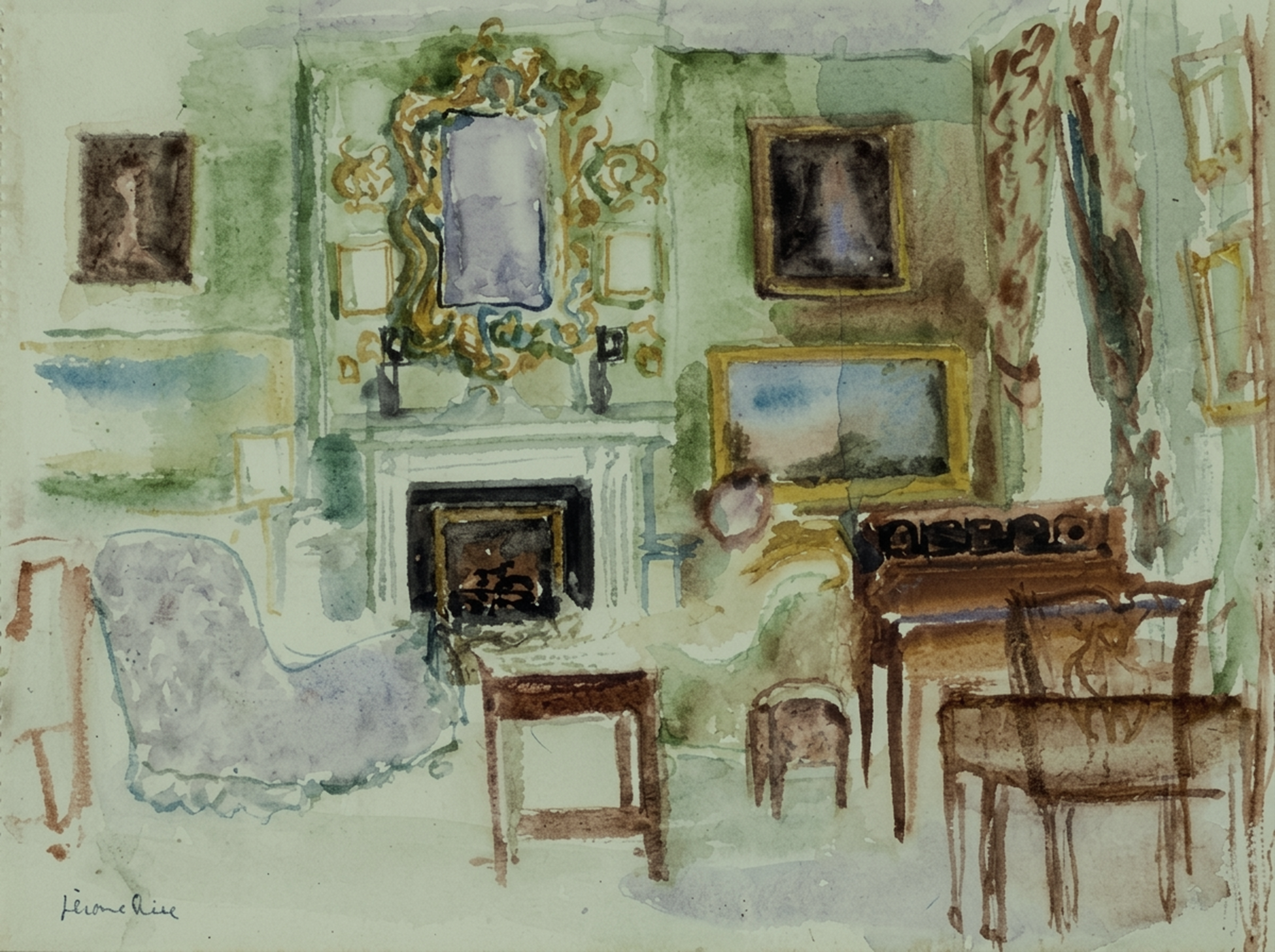

Hamwood House is one of the last surviving Georgian houses occupied by the same family since its completion by Charles Hamilton I in 1777.
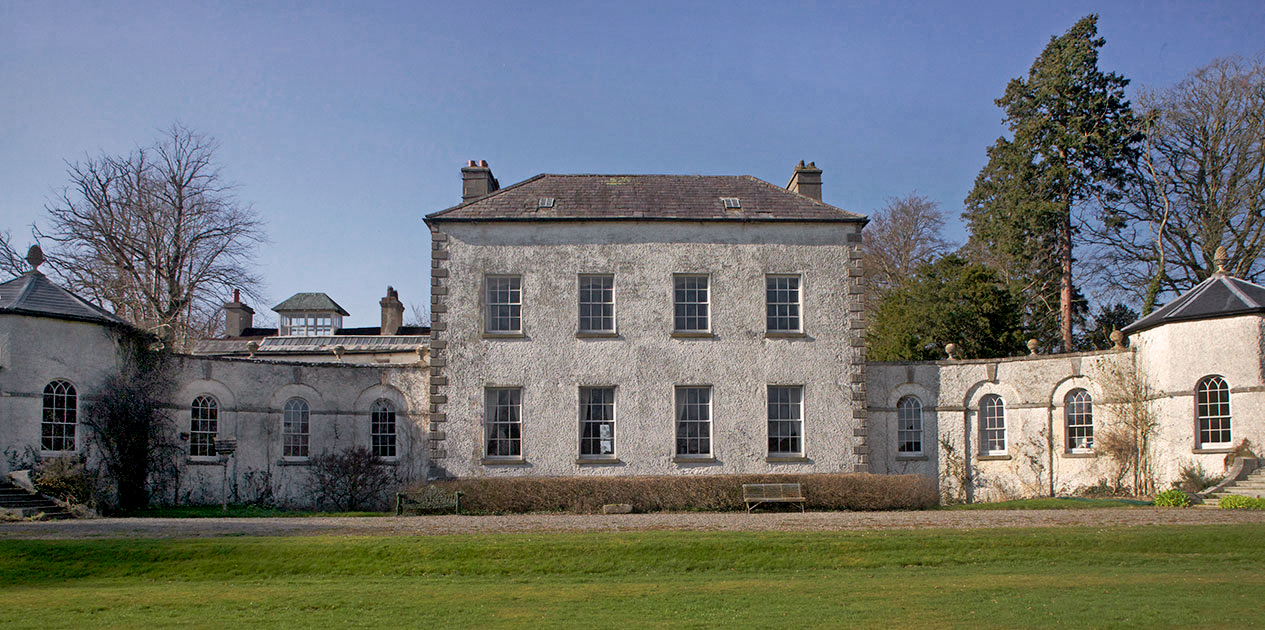
Charles Hamilton, acted as land agent for the Dukes of Leinster whose principal seat, Carton House, is located nearby. In recognition of his service, the Duke presented him with the impressive granite steps leading to the pavilion entrances. Successive generations of the family acted as the Leinsters' agents until the present owner's father, Charles Hamilton, retired in the 1970s.
Remarkable for its grandeur, gardens and history, Hamwood has been home to seven generations of the family over nearly 250 years. The house and its twelve acres of gardens bear the imprint of each generation, while its walls have witnessed countless historical events and notable personalities.
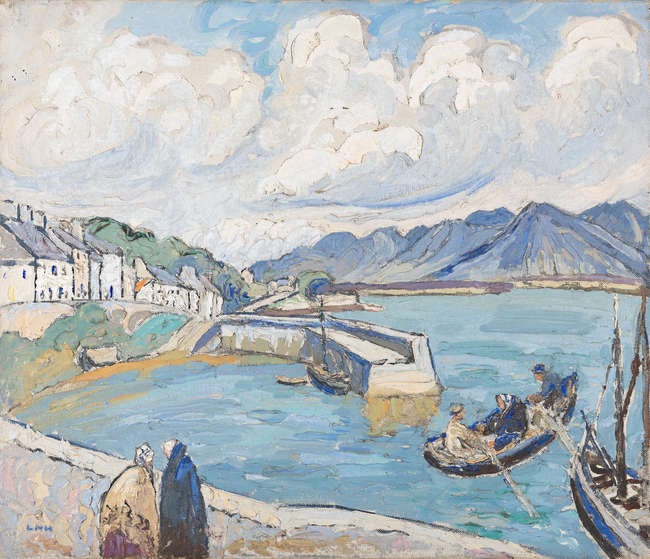
Today, the house is perhaps best recognised as the childhood home of celebrated Irish painters Letitia Marion Hamilton (1878-1964) and Eva Hamilton (1876-1960). However, the estate was a backdrop to many generations of Hamiltons with artistic flair and design know-how before the sisters were born. Most notably, Marianne-Caroline Hamilton (née Tighe)(1777-1861) of Rosanna, Co. Wicklow and of Woodstock, Co. Kilkenny. She married Charles Hamilton II (1772-1857) in 1801 and was chiefly responsible for the interiors of the house which was particularly à la mode with the tastes of the period.
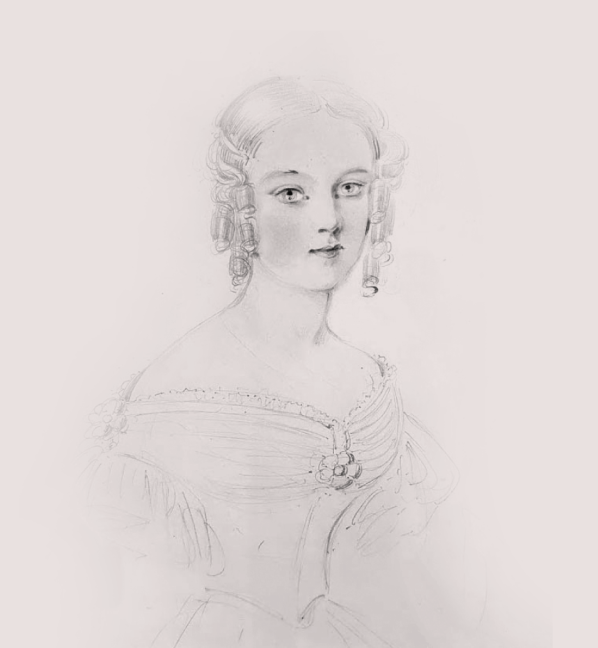
Caroline Hamilton (1777-1861)
Born in the same year Hamwood was built, Caroline Hamilton was an accomplished artist, writer and collector. After marrying Charles Hamilton II in 1801, she played a central role in furnishing and decorating the house while raising their six children.
Educated partly in London, she studied drawing under John Spilsbury and later Maria Spilsbury. Following her family's permanent return to Ireland in 1795, she developed a distinctive talent for pencil drawings depicting Irish society, often with a satirical eye on religion, education andthe ruling classes.
Lots 228 and 230 are believed to be by Caroline's hand. Lot 228, a pencil portrait of a lady, and the penwork decoration on the writing desk offered as Lot 230 have long been attributed to her by the Hamilton family.
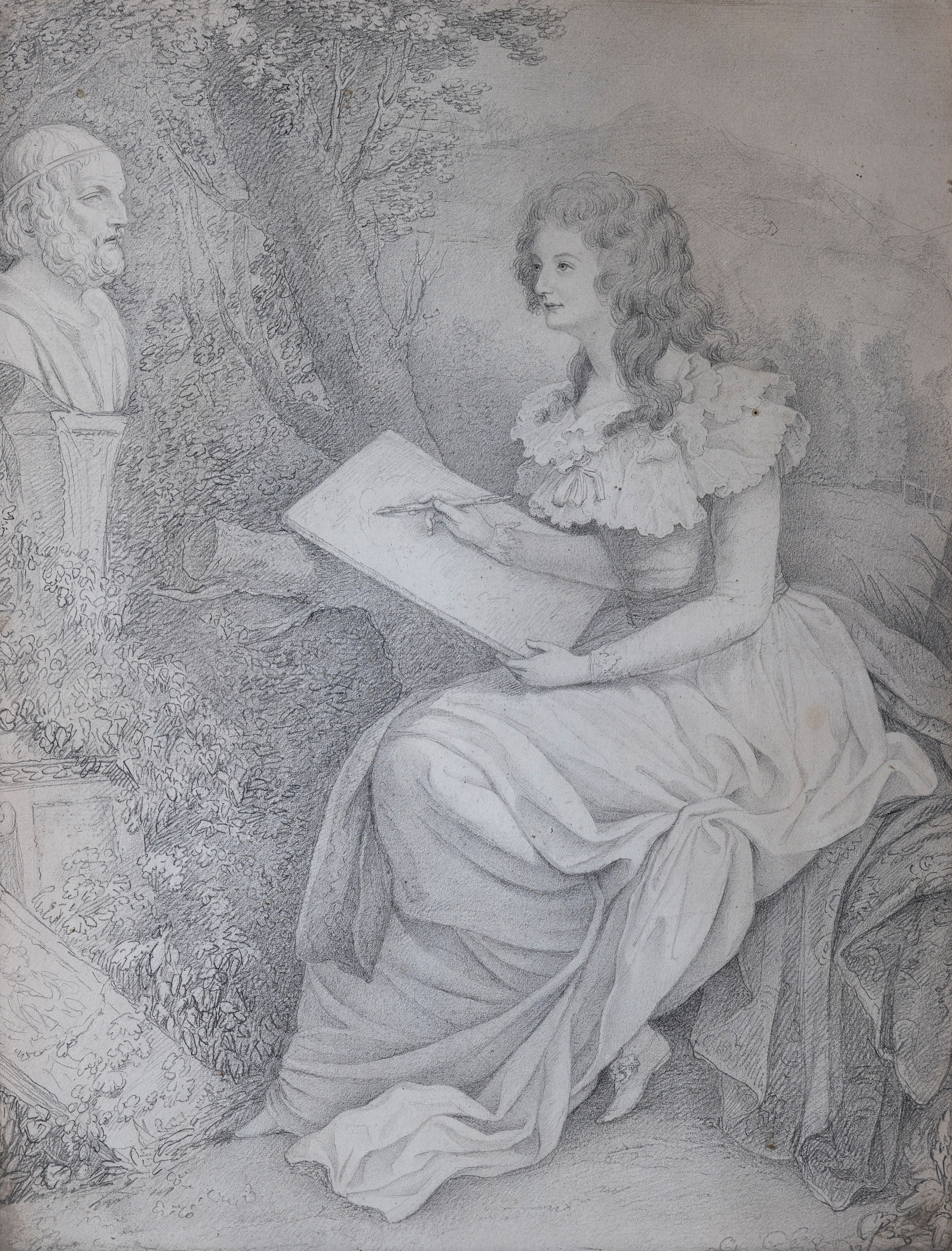
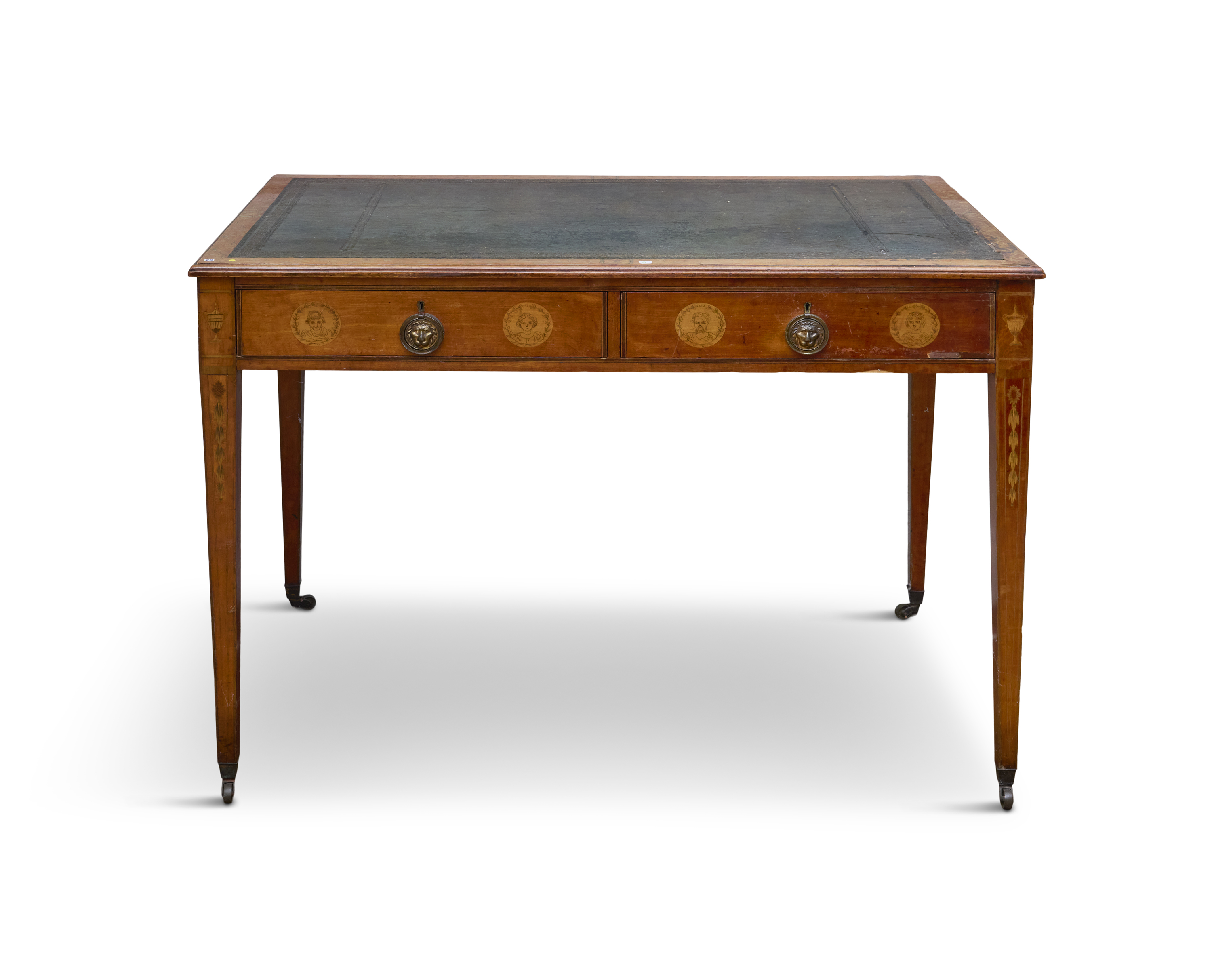
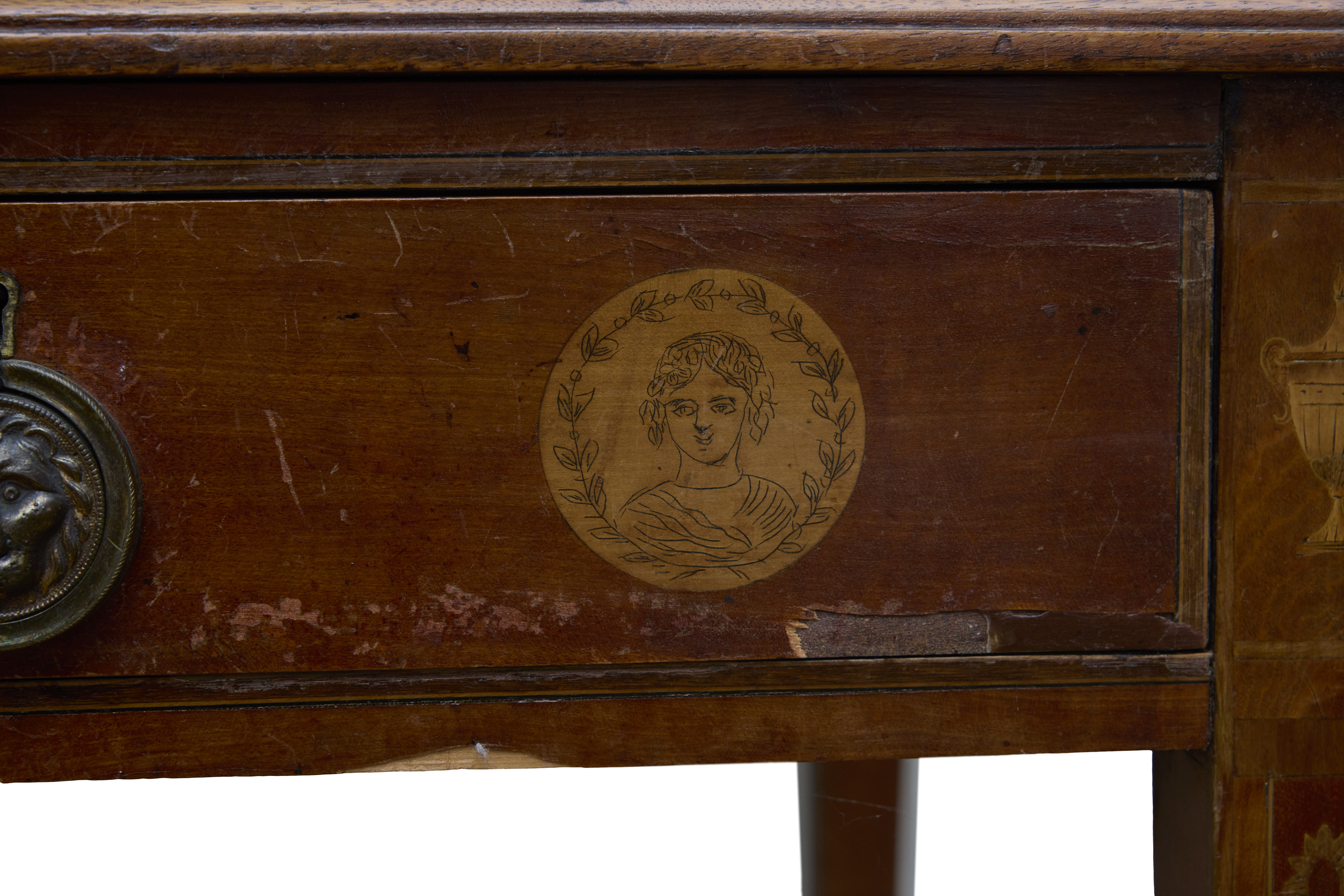
Alongside her artistic pursuits, Caroline devoted herself to the development of Hamwood House and its gardens and became an accomplished writer. Her memoirs remain an important record of Irish life in the early nineteenth century. Through her cousin Sarah Ponsonby, one of the celebrated Ladies of Llangollen, she inherited diaries and papers later published as part of the Hamwood Papers, now held in the National Library of Ireland. Carolinewas also a cousin of the poet Mary Tighe, best known for Psyche. Her great-granddaughters, Eva and Letitia Hamilton, would continue the family's artistic tradition and become among the most prominent women painters of their generation.

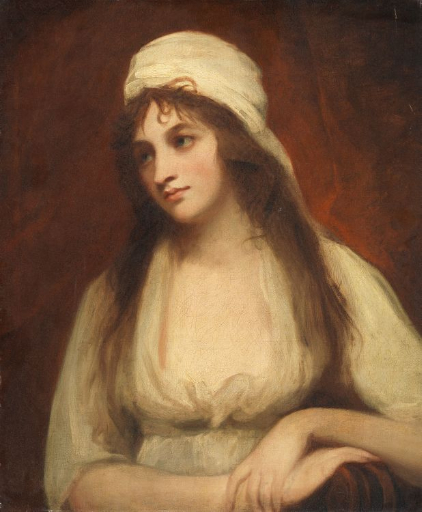
The Hamilton Sisters of Hamwood
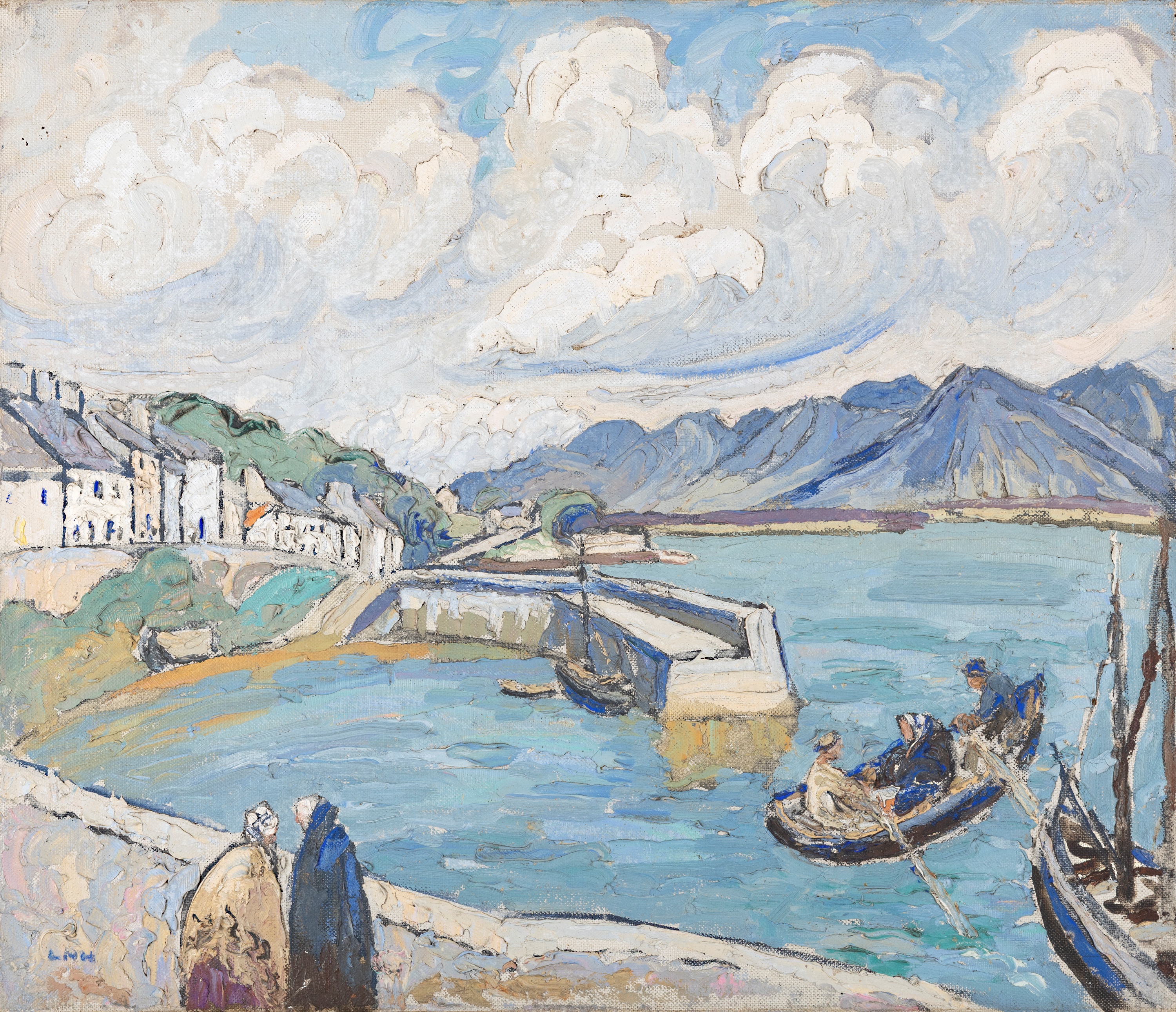
Raised at Hamwood House, County Meath, sisters Eva Henrietta Hamilton (1876-1960) and Letitia Marion Hamilton (1878-1964) became two of Ireland's most accomplished women artists at a time when the profession remained largely male-dominated.
Eva studied under Sir William Orpen at the Dublin Metropolitan School of Art (now NCAD) and later at the Slade School in London. A gifted portraitist, she later turned to landscape painting and remained active in Irish artistic circles, serving as President of the Society of Dublin Painters in 1948.
Letitia, one of Ireland's foremost landscape painters, was a founding member of the Society of Dublin Painters alongside Jack B. Yeats, Paul Henry and Mary Swanzy. Extensive travel across Europe shaped her artistic vision, while the outbreak of war in 1939 led her to focus almost exclusively on Irish landscapes. Her richly textured impasto paintings earned international recognition, culminating in a bronze medal at the 1948 Olympic Games.
The Hamwood Mirror
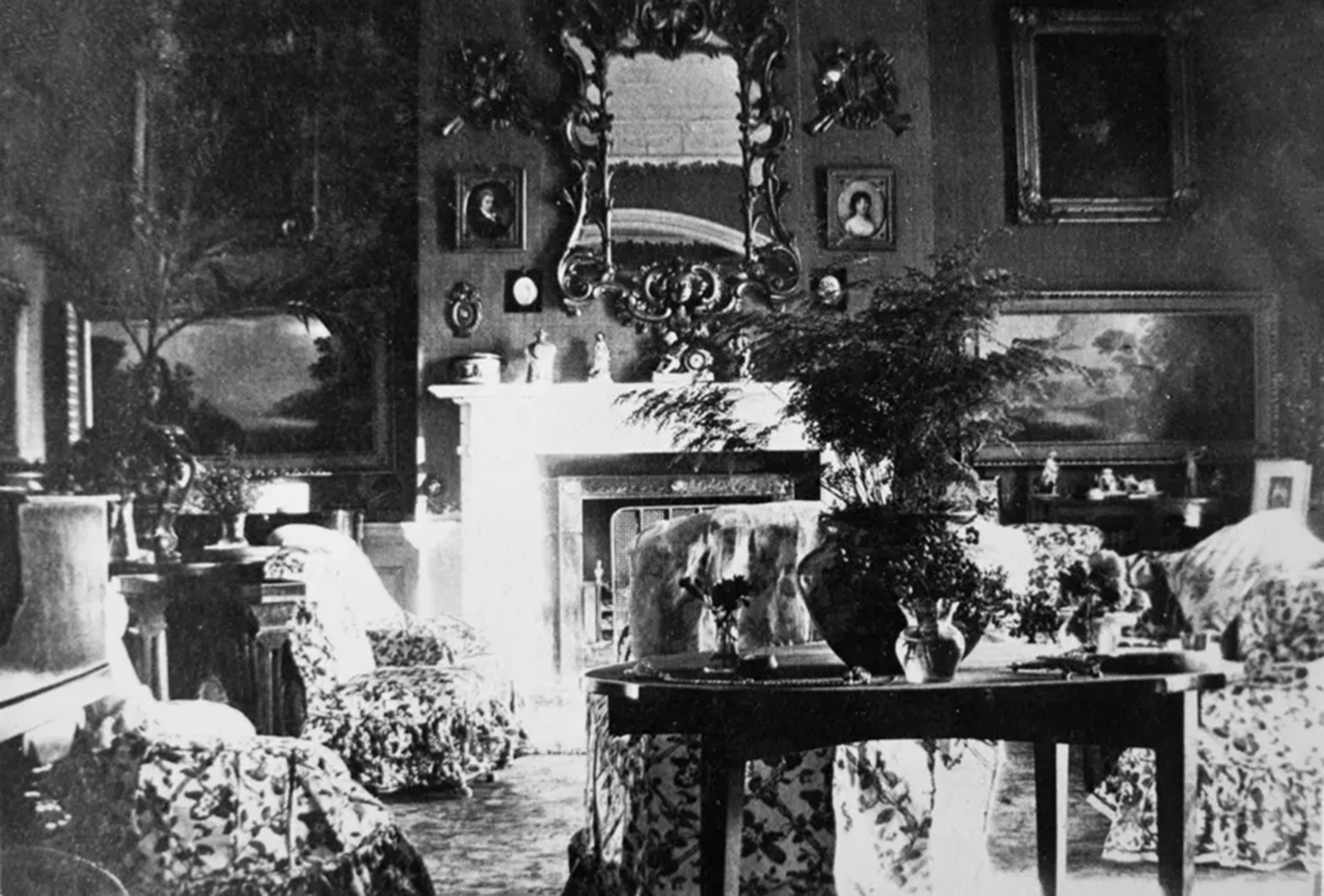
There is a strong artistic legacy closely tied to Hamwood and the collection offered in this sale. The highlight of this collection is a magnificent George III giltwood mirror which predates Caroline Hamilton’s arrival at Hamwood, by about 36 years and has remained in the property ever since and so it is a very rare example of Hamwood’s original furnishings dating to the completion of the property by Charles Hamilton I (1738-1818).
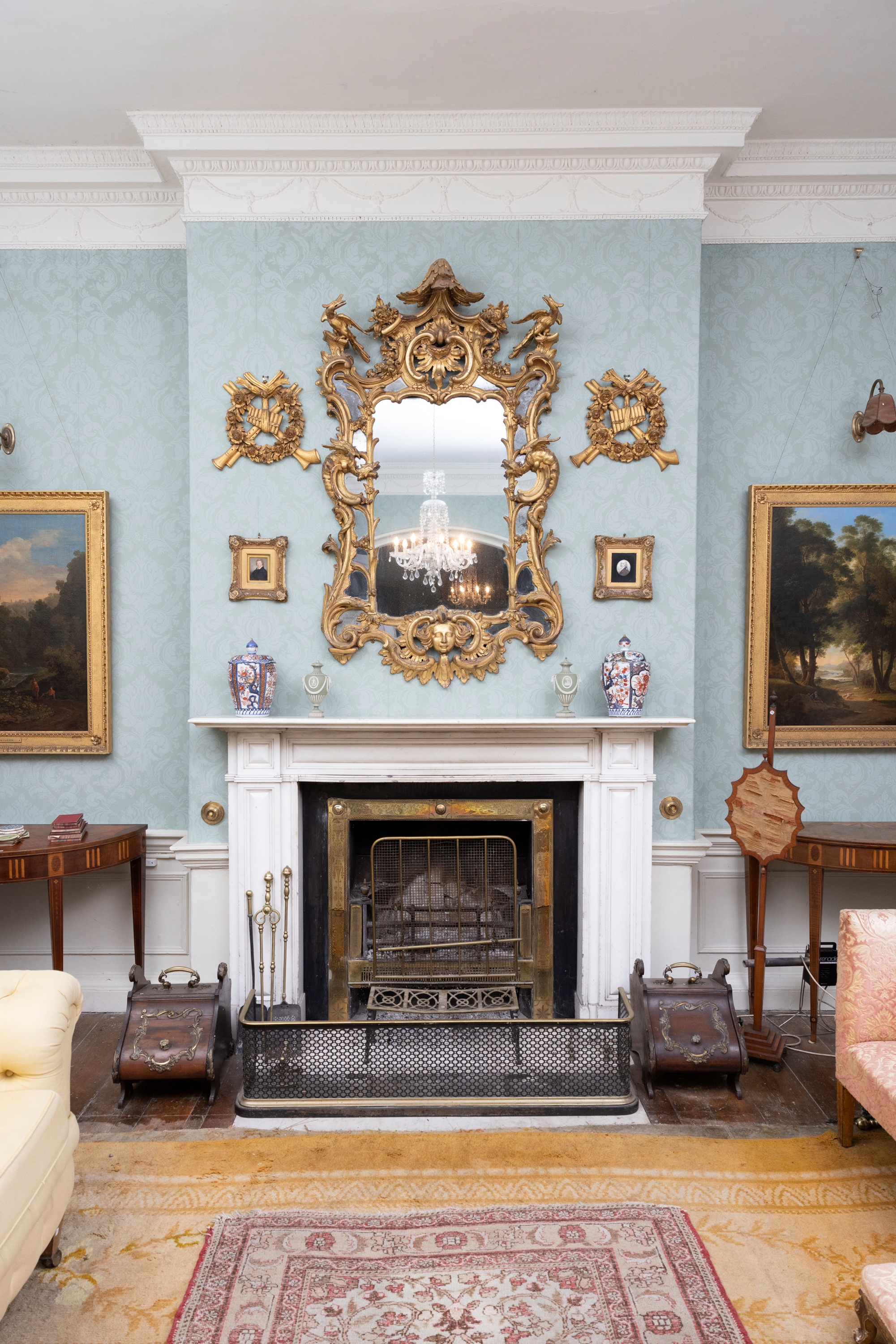
The mirror is a fantastic example of the style popular in the George III period. Sometimes colloquially referred to as ‘Chinese Chippendale’, the frame is profusely carved in a confluence of C-scrolls, rockwork and leaf fronds, centred by an angelic mask to base and flanked on either side by wyverns, the shoulders providing perch to a pair of ho-ho birds and centre crest surmounted by a canopy of distinctly Eastern design. It should be noted that The Knight of Glin presents the exact mirror, reproduced in colour photograph in his essential text ‘Irish Furniture’ and notes a similarity to a design by Pierre-Edmé Babel in his ‘New Book of Ornaments’ in 1752, making particular comparison to the use of wyverns. Carver Matthias Lock’s (c.1710-1765) earliest publication ‘Six Sconces’ published at the earlier date of 1744 boasts a title page design of a mirror with wyverns perched at each side of the frame in much the same manner. Lock has been described as ‘A Master of the Rocaille’ and though often overshadowed by contemporaneous carver Thomas Chippendale, there has been much supported and also contested reports that he worked in Chippendale’s workshops for a time. Certainly, the books published under his own name, namely ‘Six Sconces’ (1744), ‘A New Book of Ornaments’ (1768), and A New Book of Pier Frames, Ovals, Girandoles, Tables, etc. (1769) helped to preserve his legacy as a master carver and designer in his own right.
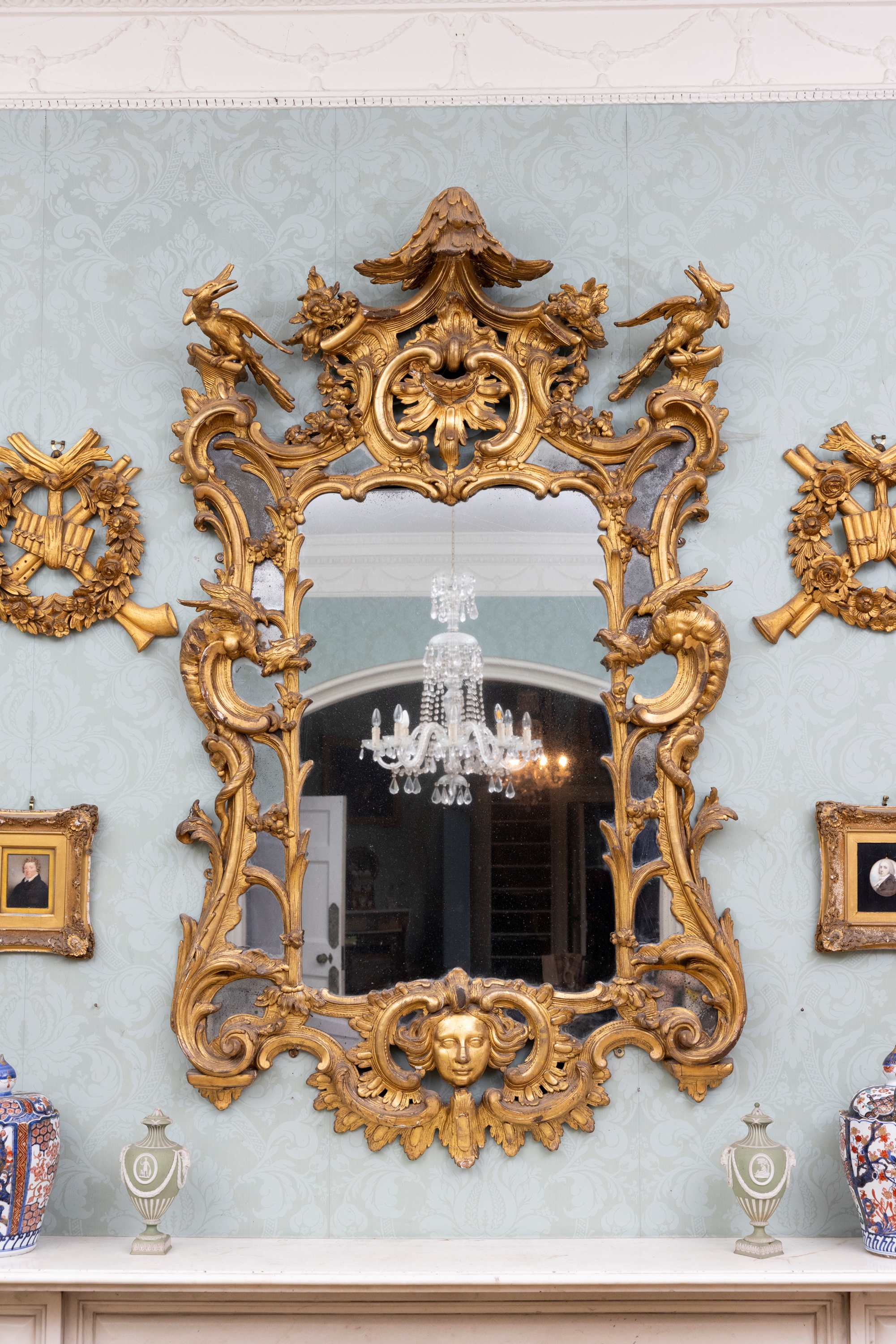
Ireland, prior to the devastating effects of the Act of Union in 1800, was a bustling network of guilds, encompassing cabinetmakers,glass cutters, silversmiths, goldsmiths, bookbinders and so on. The skills ofthe tradespeople working in Dublin in particular rivalled the very best available in London and other cities on the Continent. It is highly likely that the construction of this mirror was undertaken by an Irish carver using the designs published in the aforementioned publications, as a commission from Charles Hamilton I for the adornment of the recently completed Hamwood House. Certainly, the rich ornament of the mirror, encompassing both Classical and Oriental elements and the prolific use of robust C-scrolls is in keeping with the work of the finest established Irish carvers of the period.
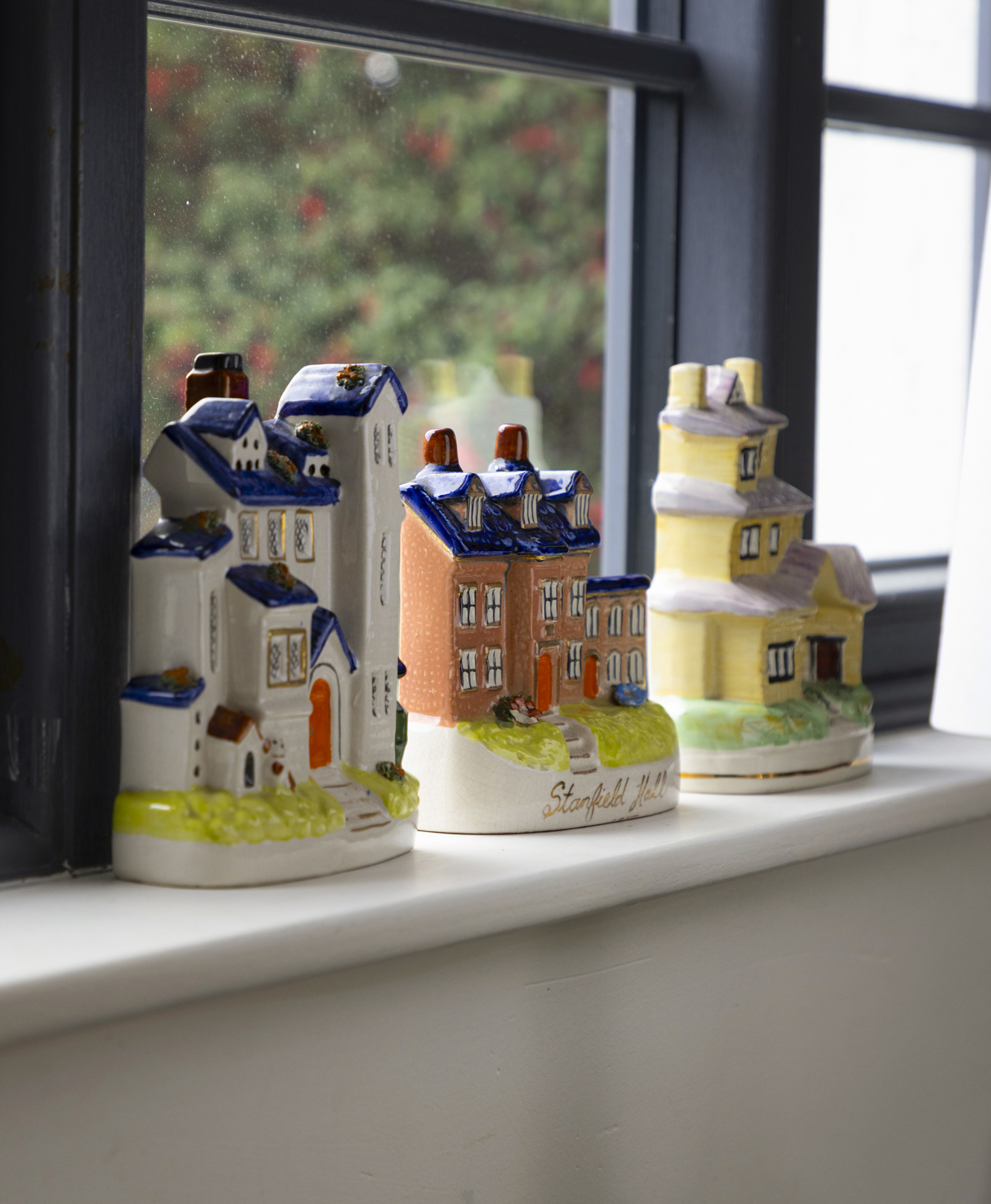
A number of pieces from the Hamwood will be offered in the upcoming Country House Collections at Townley Hall auction on October 13th.
Viewing will take place at Townley Hall, County Louth, 10th-12th October
Auction will take place at Adam's Saleroom, 26 St Stephen's Green, Dublin 2
View the catalogue online here


.png)
.png)
.jpg)

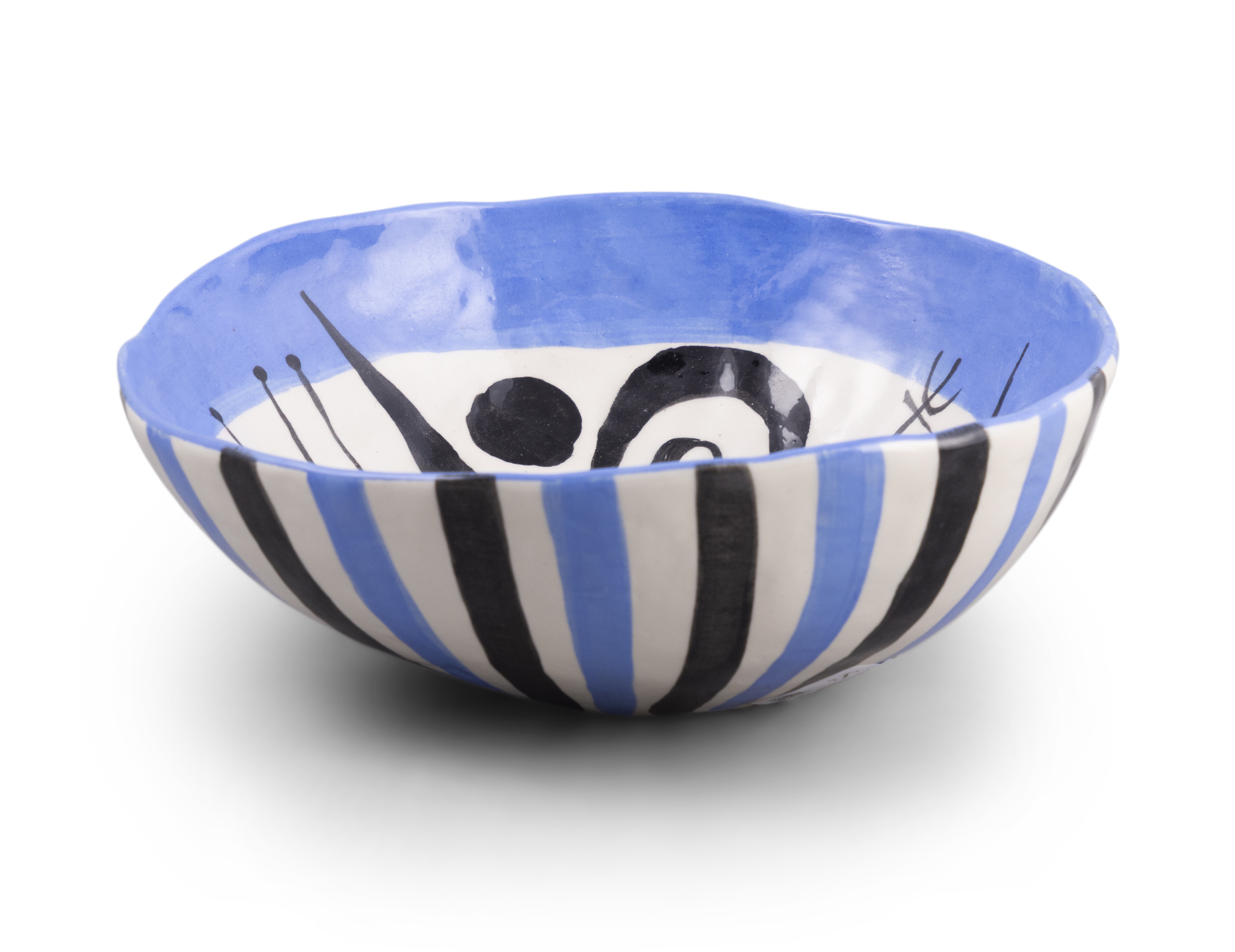
John ffrench was an instrumental figure in the design industry in Ireland and a distinguished pioneer of Irish studio pottery.

)%20(1).jpg)
%20(002).png)
%20(2).jpg)


%20(1200%20x%20768%20px)%20(2).png)
.png)

.png)

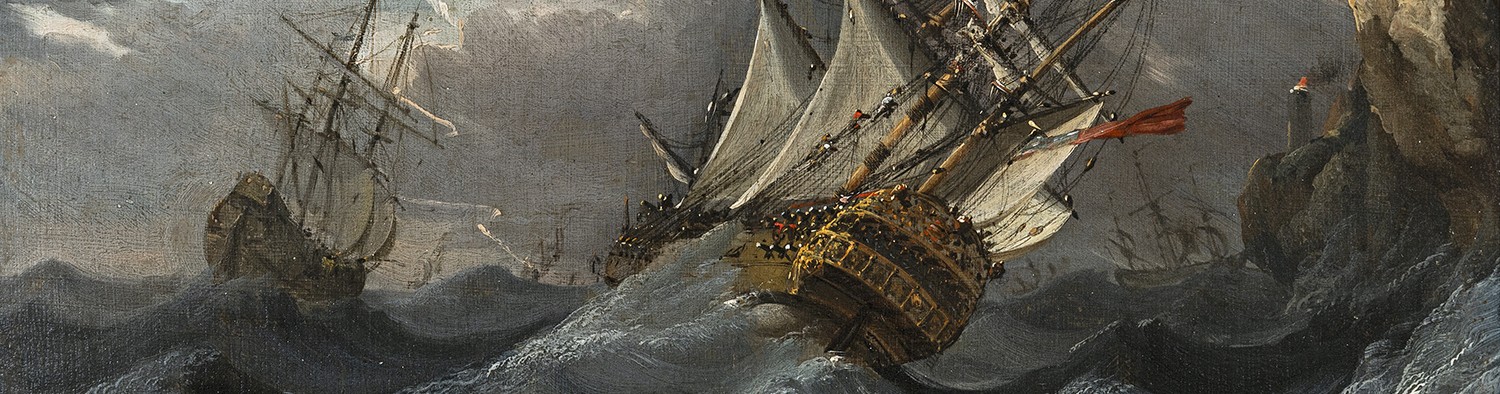
"I should declare my hand. I have a weakness for pictures that punch above their physical weight, and for artists who have been quietly underrated for too long. This pair is both. They are intimate enough to live with at close quarters and serious enough to repay any amount of looking. If the market has lately shown signs of catching up with eighteenth-century Irish painting and I think it has, these two small panels feel, to me, like exactly the sort of thing that will look obvious in twenty years’ time."


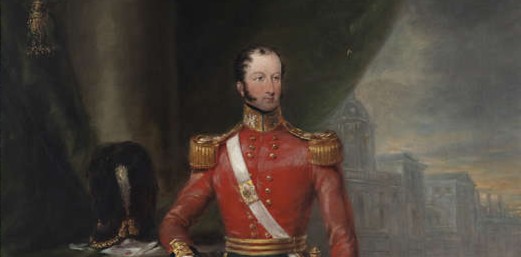
Adam’s is honoured to present works from the collection of Lord Rossmore in the upcoming Country House Collections auction at Howth Castle on 28th April. It is seldom that an influential Irish family collection that has survived through the generations comes to the open market.

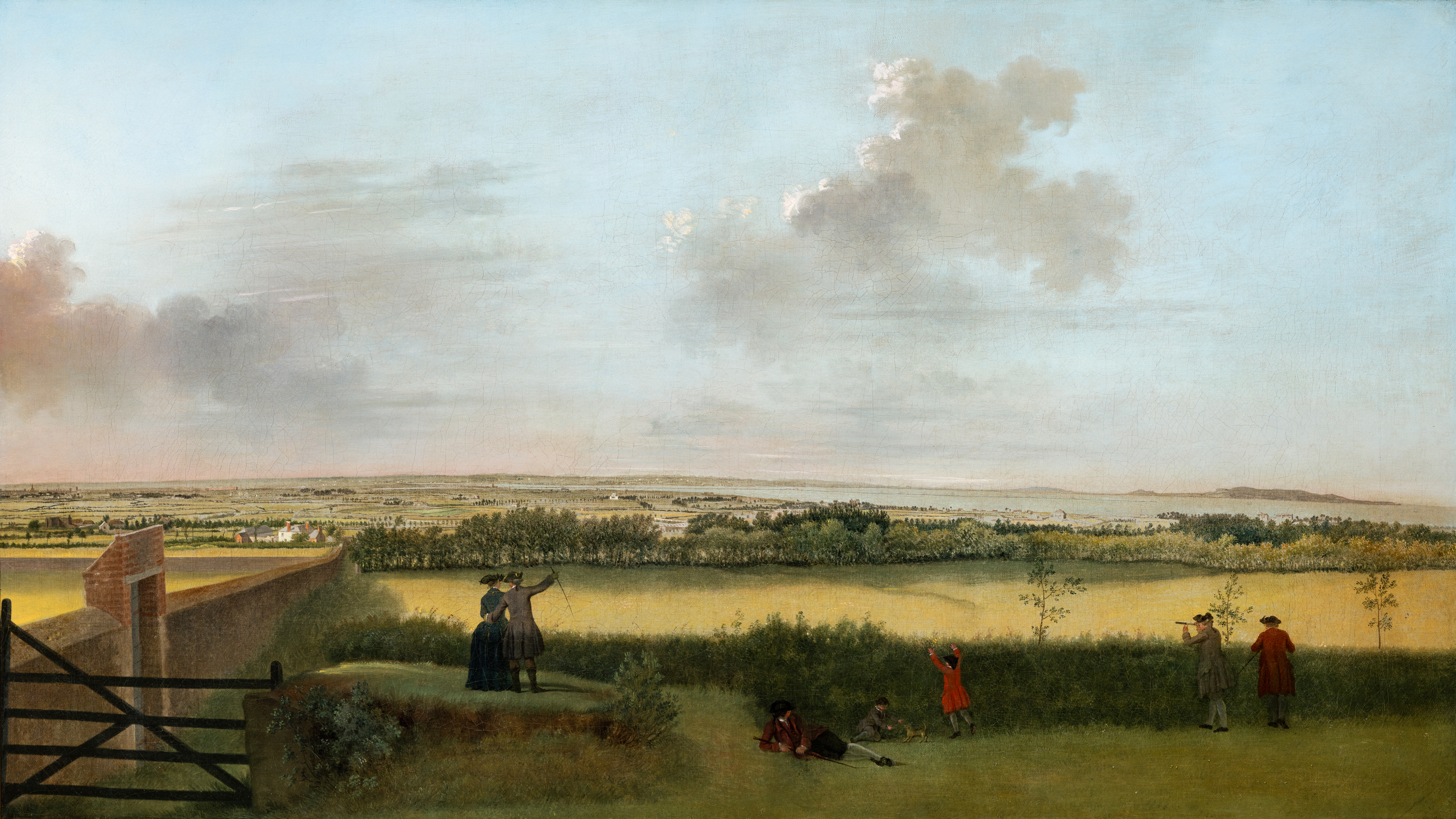
Works Sold at Adam’s Now in the Irish National Collection
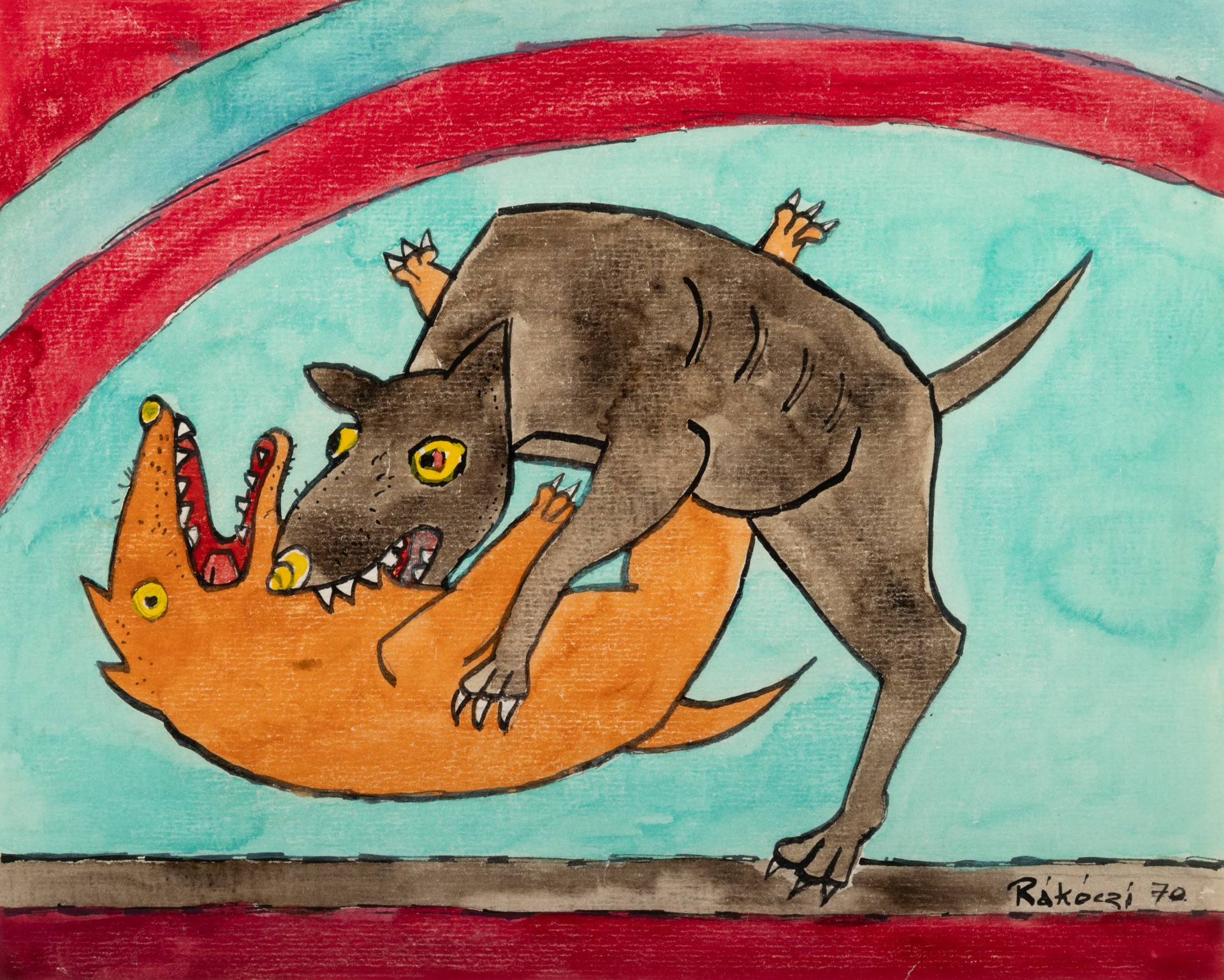
A great opportunity to purchase both established and lesser-known artist’s work at an accessible price point, the Online Picture Auction is the first of many sales to be hosted at Adam’s in 2026. It is perfect for those looking to start a collection and the discerning collector alike.


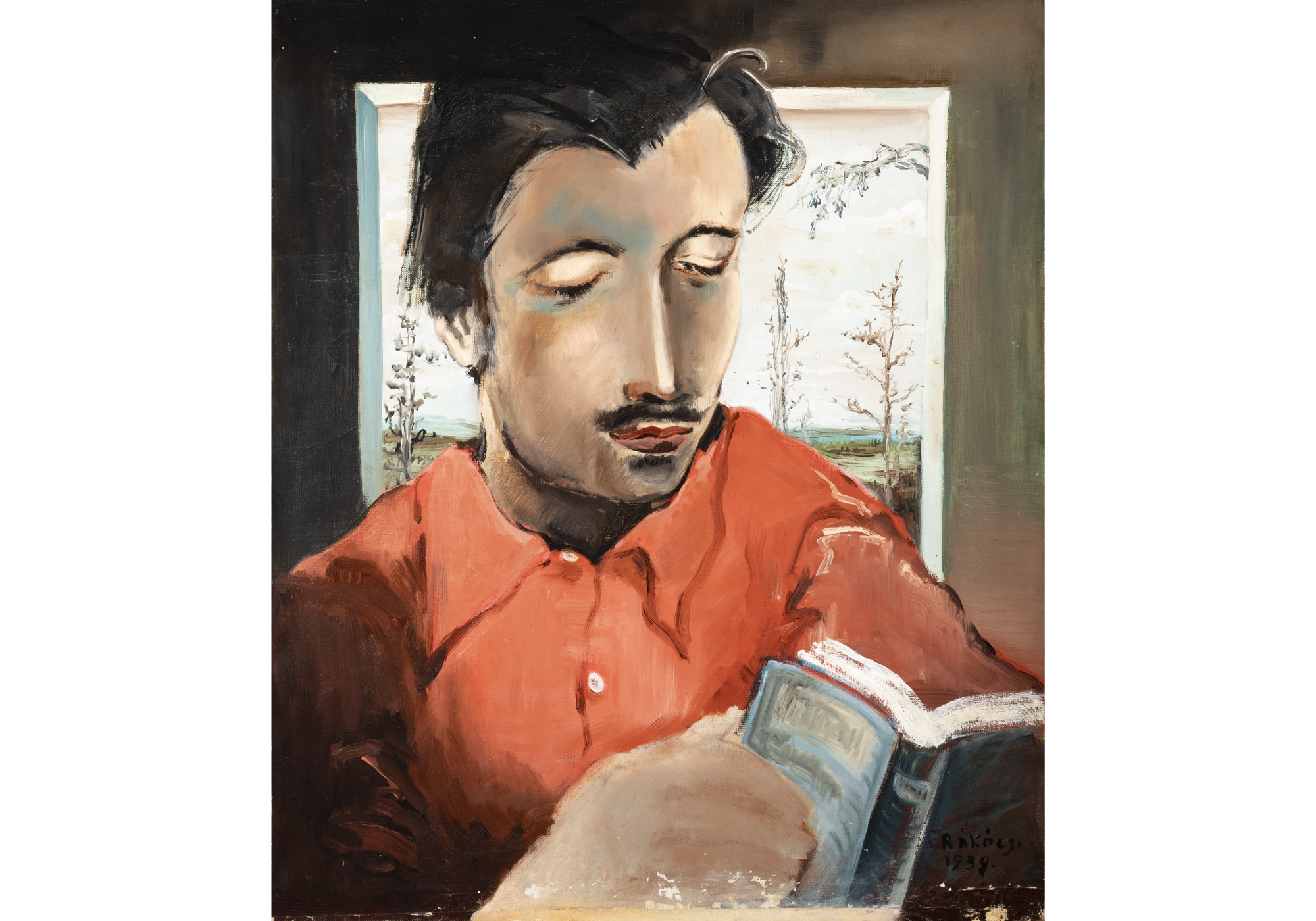
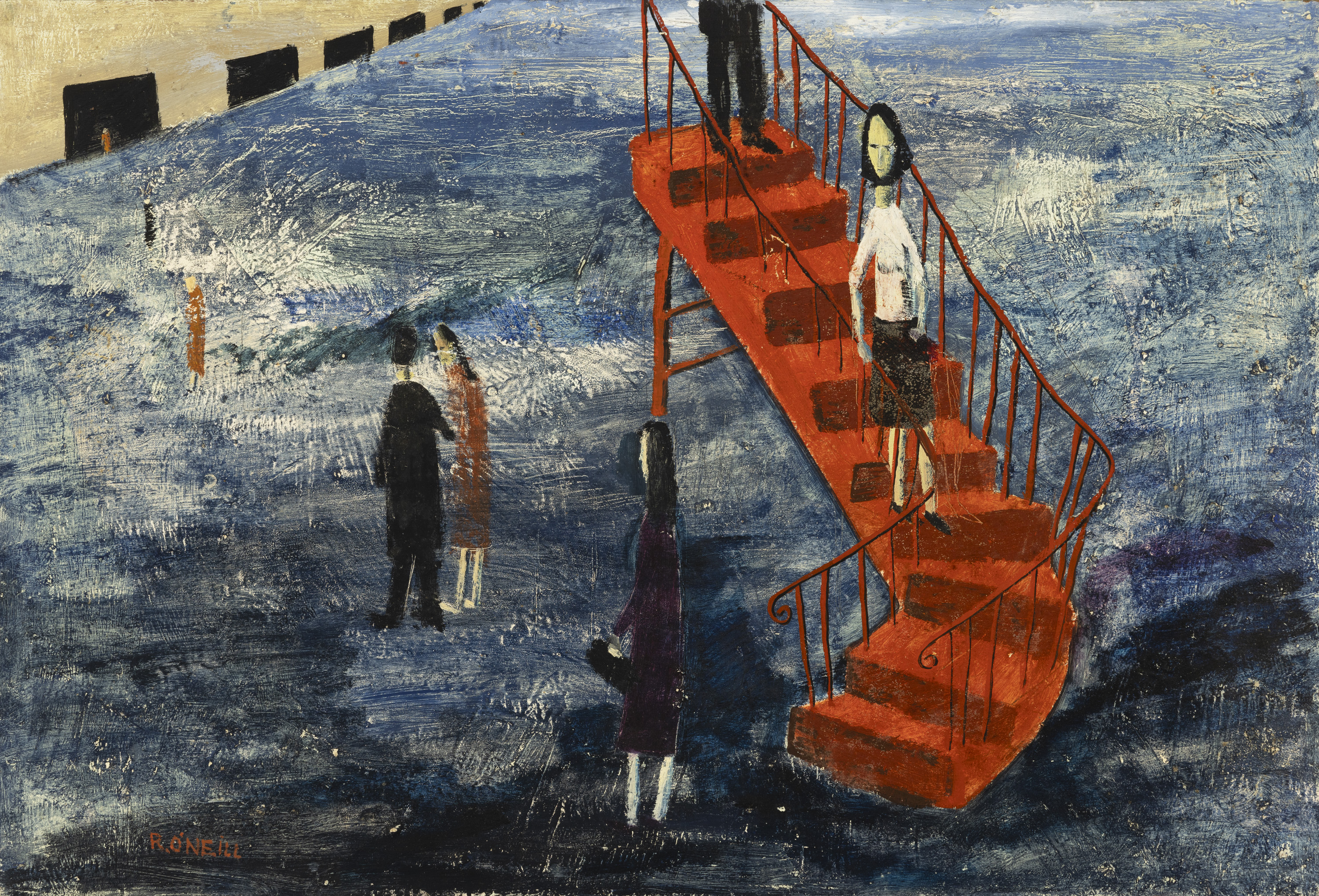
Through this article, let our expert Adam Pearson guiding you to the (re)discovery of the once established Irish painter Richard O’Neill.


Buying at Auction and the Role of Antiques in a Modern Home


Important Irish Art Auction Highlights

Oliver Dowling Collection by Aidan Dunne


2024 is a year in which Adam’s wants to recognise the key role buying antique furniture and furnishings at auction contributes greatly to the sustainable initiative. In 2019 the Environmental Protection Agency reported stark figures that each year in Ireland 1.2 million reusable bulky items, primarily furniture goes into landfill. Similar to the problem of ‘fast fashion’, the constant production and consumption of new items is leading to rapidly growing waste problem. We want to acknowledge those who are already buying second hand or antique furniture at auction and to encourage new buyers by highlighting the benefits of acquiring affordable, well-made quality items that are built to last.


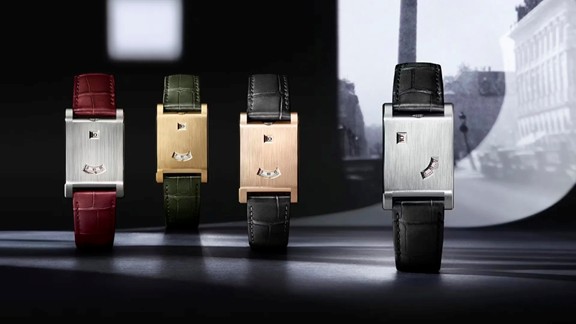
Irish author, recipe creator and lifestyle influencer, Indy Parsons, selects her favourite pieces from our upcoming Fine Jewellery & Watches auction


James Adam & Sons Ltd, Fine Art Auctioneers and Valuers, 26 St. Stephen’s Green, Dublin 2,
D02 X665, Ireland


