
menu
Departments


ALHAMBRA COLLECTION
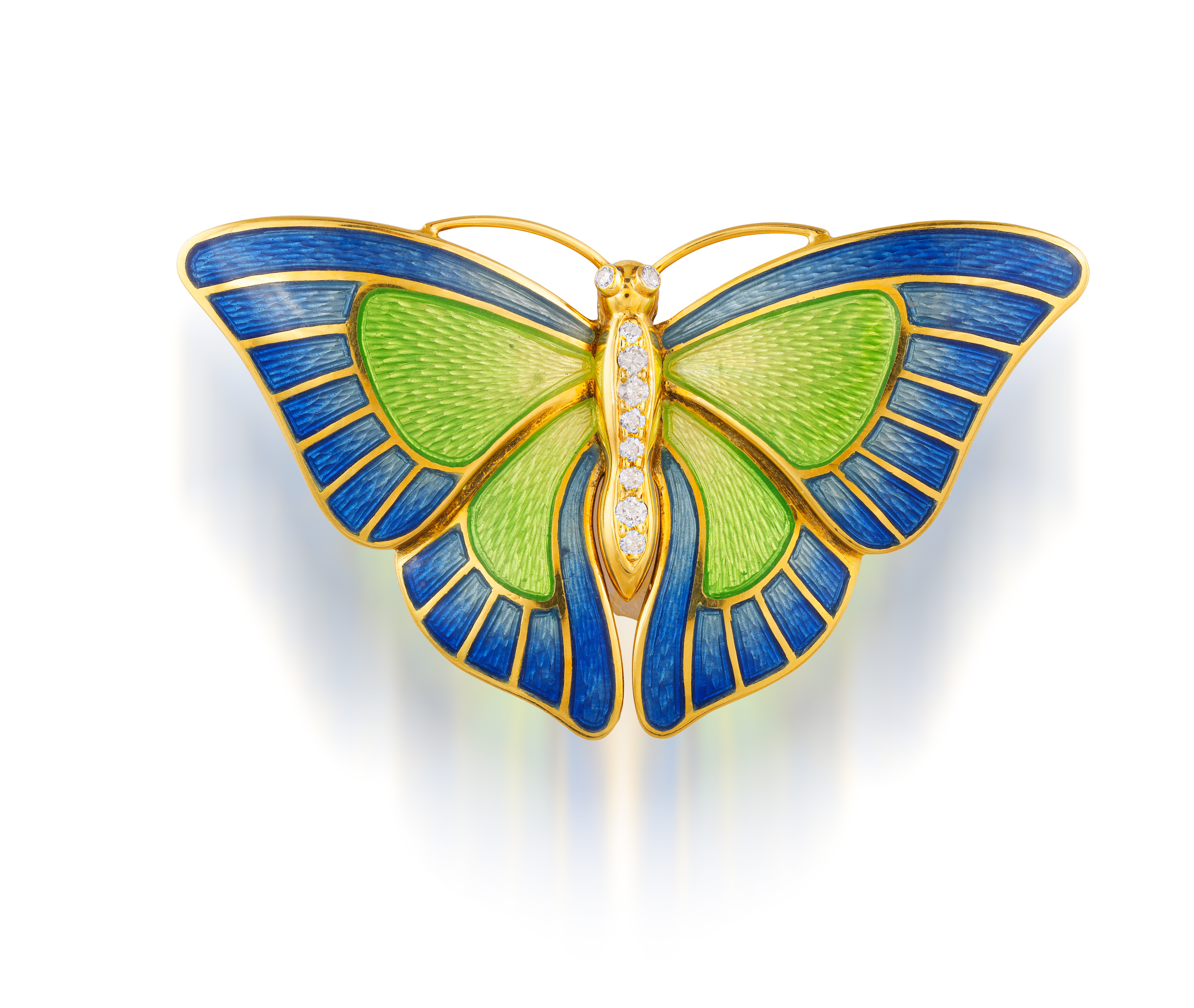
A symbol of good fortune, the four-leaf clover first appeared in the Maison's archives as early as 1906, adorning select creations over the years alongside other talismans and auspicious charms.
The motif held personal meaning for Jacques Arpels, nephew of the founding couple, who was known to gather four-leaf clovers from his own garden and present them to his staff as tokens of luck. ‘To be lucky, you have to believe in luck,’ he would say.
This enduring motif gave rise, in 1968, to the Alhambra, which has since become the instantly recognisable signature of the House of Van Cleef & Arpels and is arguably one of its most popular and wearable designs.
Its name pays homage to the Alhambra Palace in Granada, whose intricate Moorish decoration includes quatrefoil forms echoed in the collection’s familiar clover motif.

Flowers and clovers had long featured in the jeweller's vocabulary, but the clean, simple line of the Alhambra sautoir marked a defining moment in the history of style, both for Van Cleef & Arpels and for fine jewellery as a whole.
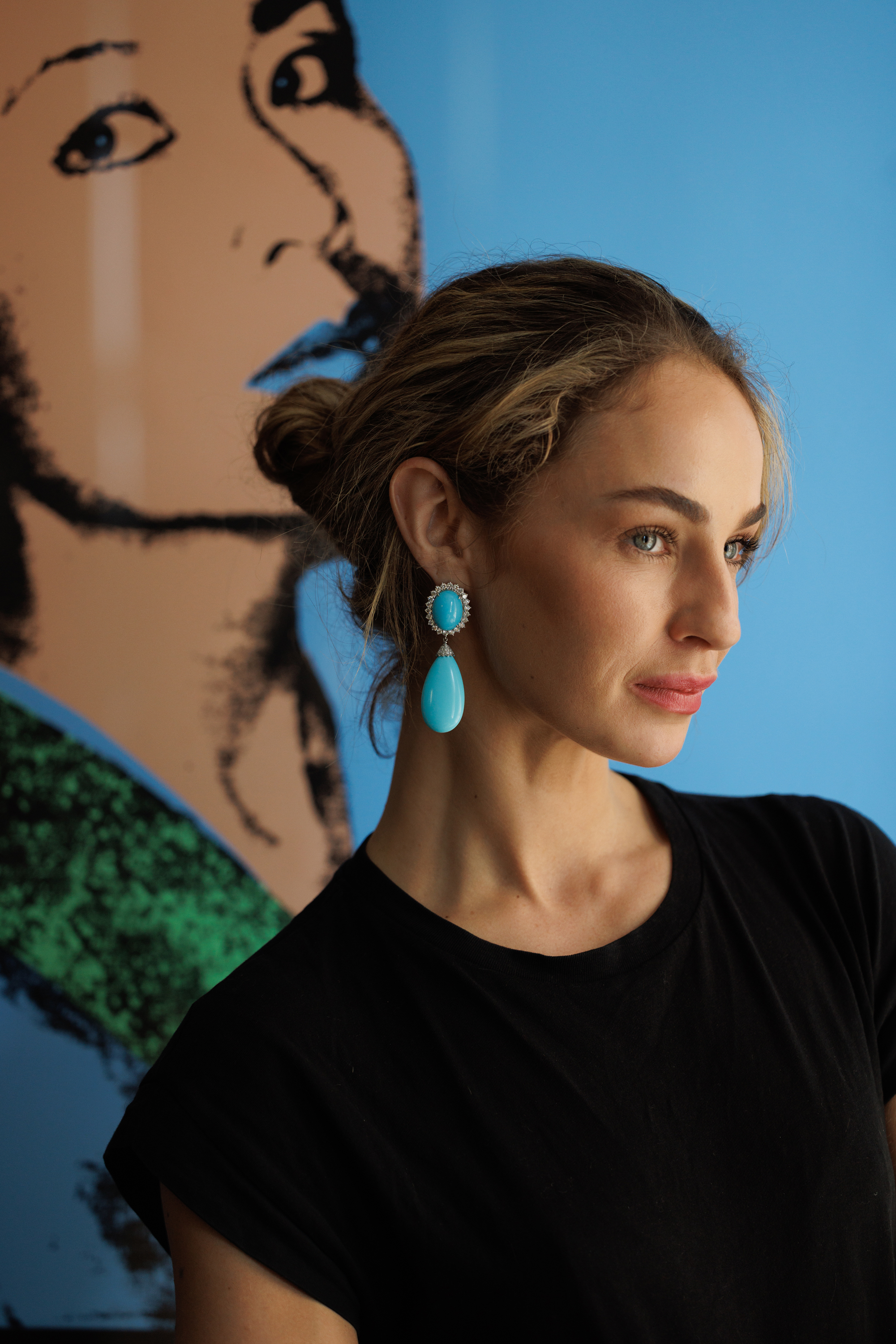
Delicate, sophisticated and quietly luxurious, the collection is built around a slender gold chain carrying a succession of four-leaf motifs, each bordered with the House's characteristic beaded gold edge and framing a hard stone or organic material chosen from nature's finest: onyx, malachite, carnelian, lapis lazuli, tiger's eye and coral among them.
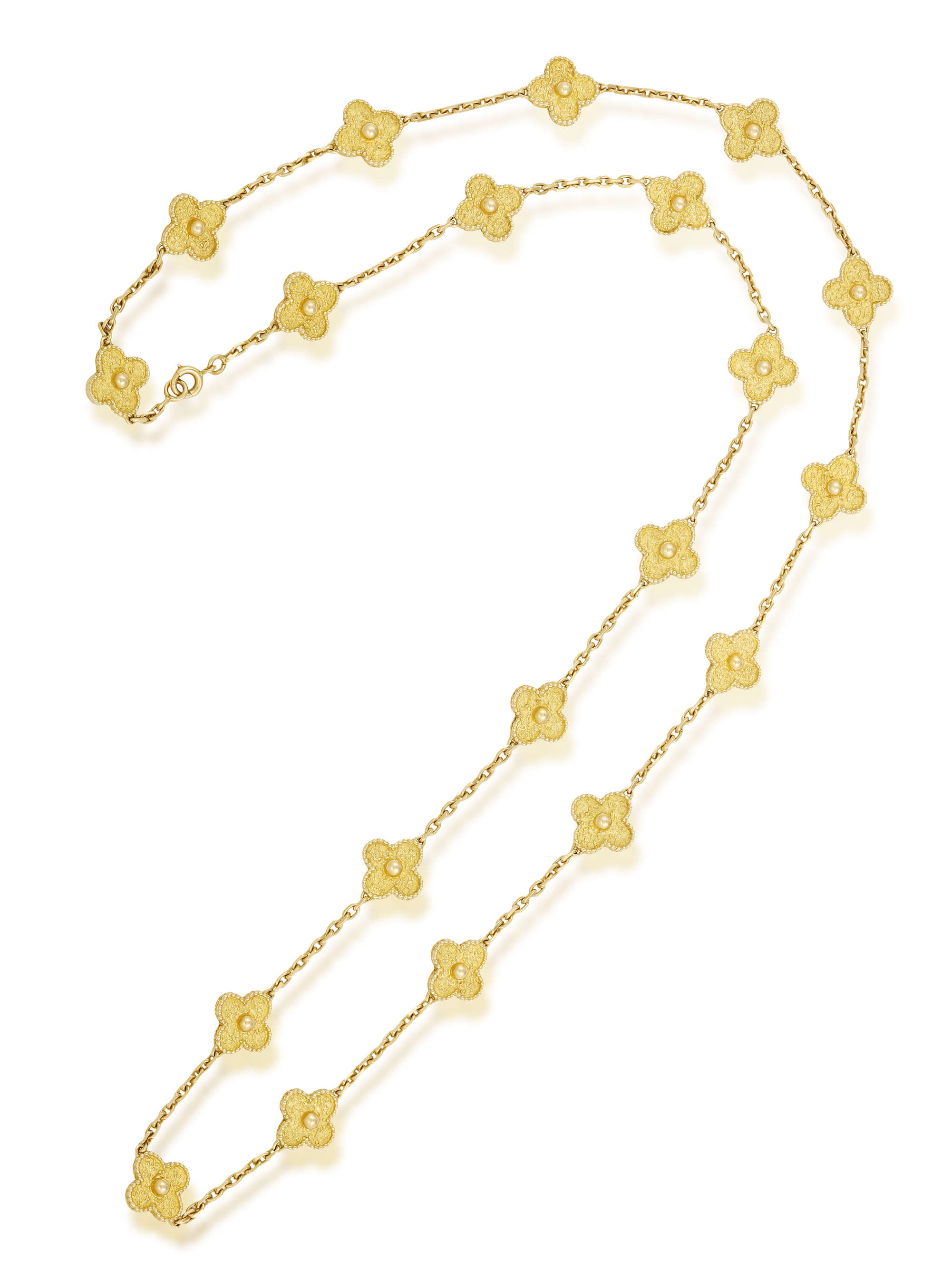
Every motif passes through the hands of the Maison's lapidaries, jewellers, stone-setters and polishers, whose combined skill gives the Alhambra its characteristic fluidity and ease.
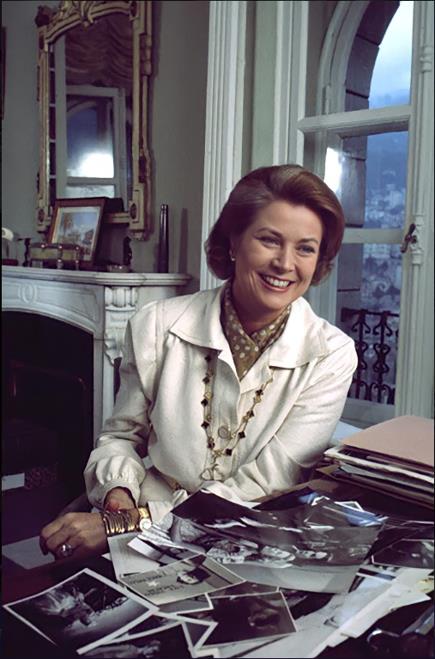
The collection has attracted many devoted patrons, none more illustrious than Princess Grace of Monaco, the former Grace Kelly. A favoured muse of the House and owner of a remarkable collection of Van Cleef & Arpels jewels, she kept three Alhambra sautoirs in her everyday jewellery box.
Of all the materials used by the House, malachite holds a special place. Prized since antiquity: ground into pigment by the ancient Egyptians, worn as a protective talisman across Europe and chosen as the stone of the Tsars for the celebrated Malachite Room of the Winter Palace; it has long been associated with protection, renewal and good fortune.
The original malachite edition was reportedly limited to just 100 pieces owing to the scarcity of suitable material, and the stone remains as scarce today as it was then. Material of the uniform colour, fine banding and structural soundness required for jewellery is difficult to source, and the House continues to offer malachite Alhambra pieces only intermittently. Models in this material are not always available, which only adds to their desirability among collectors.




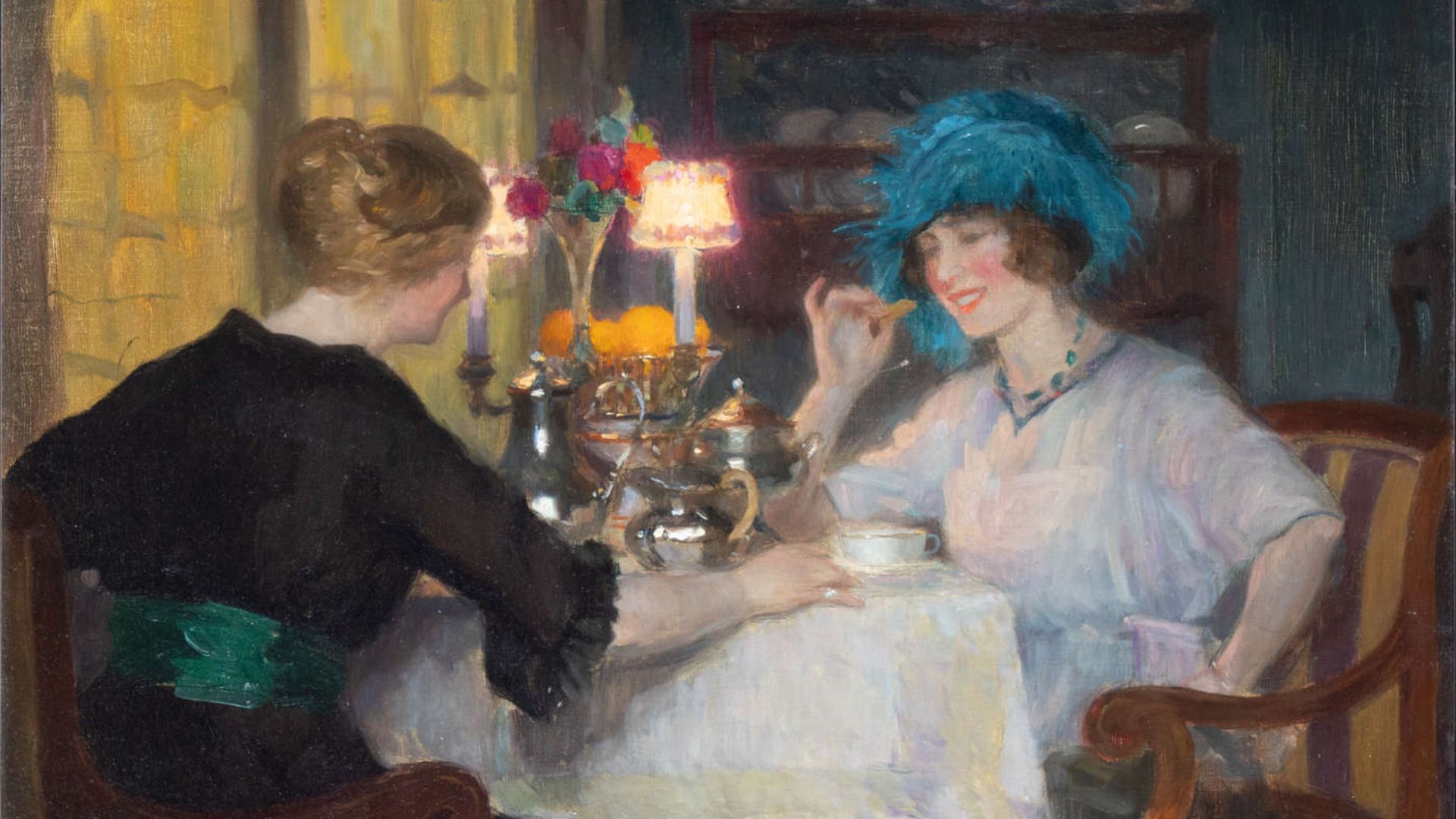
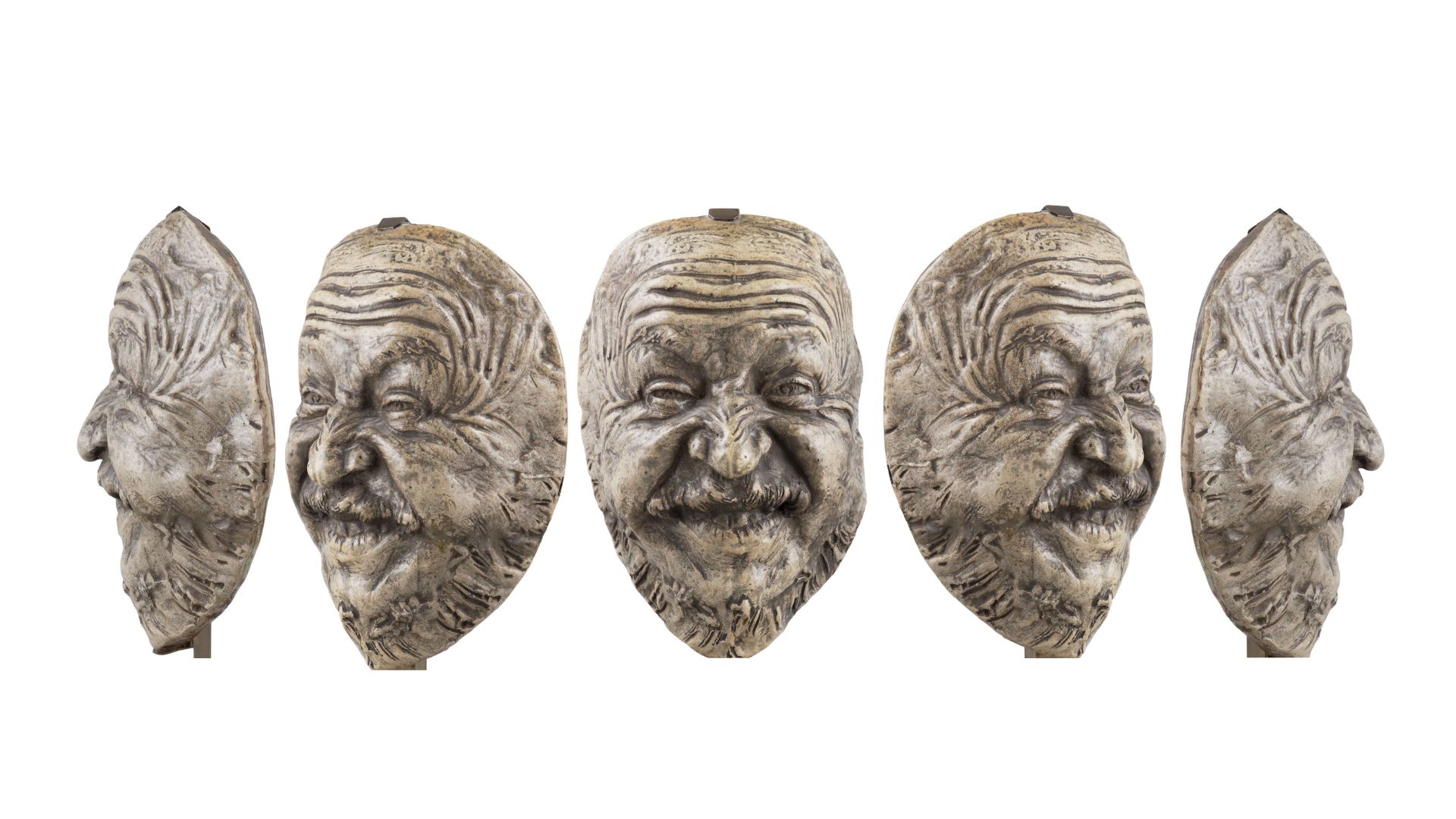
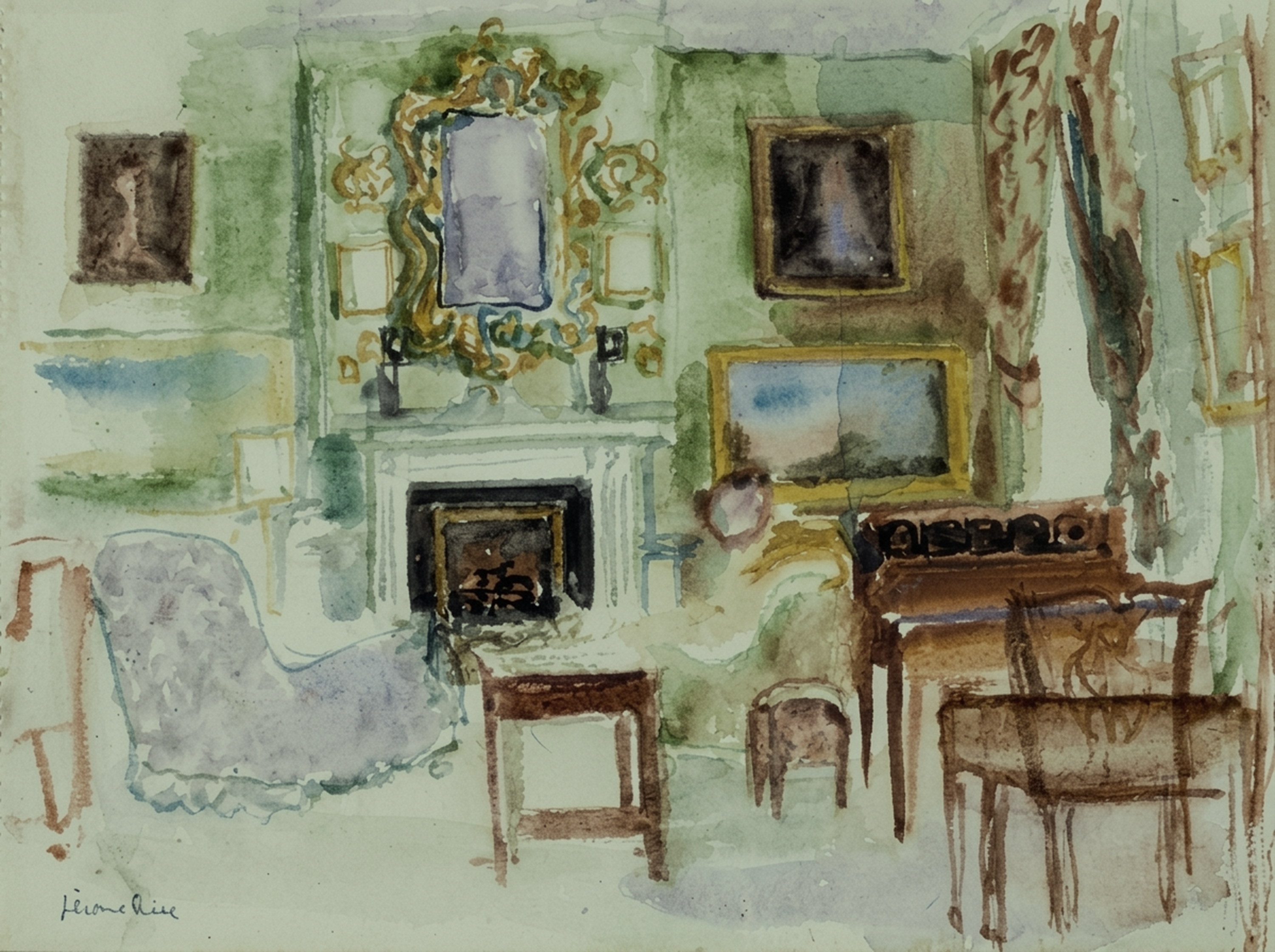
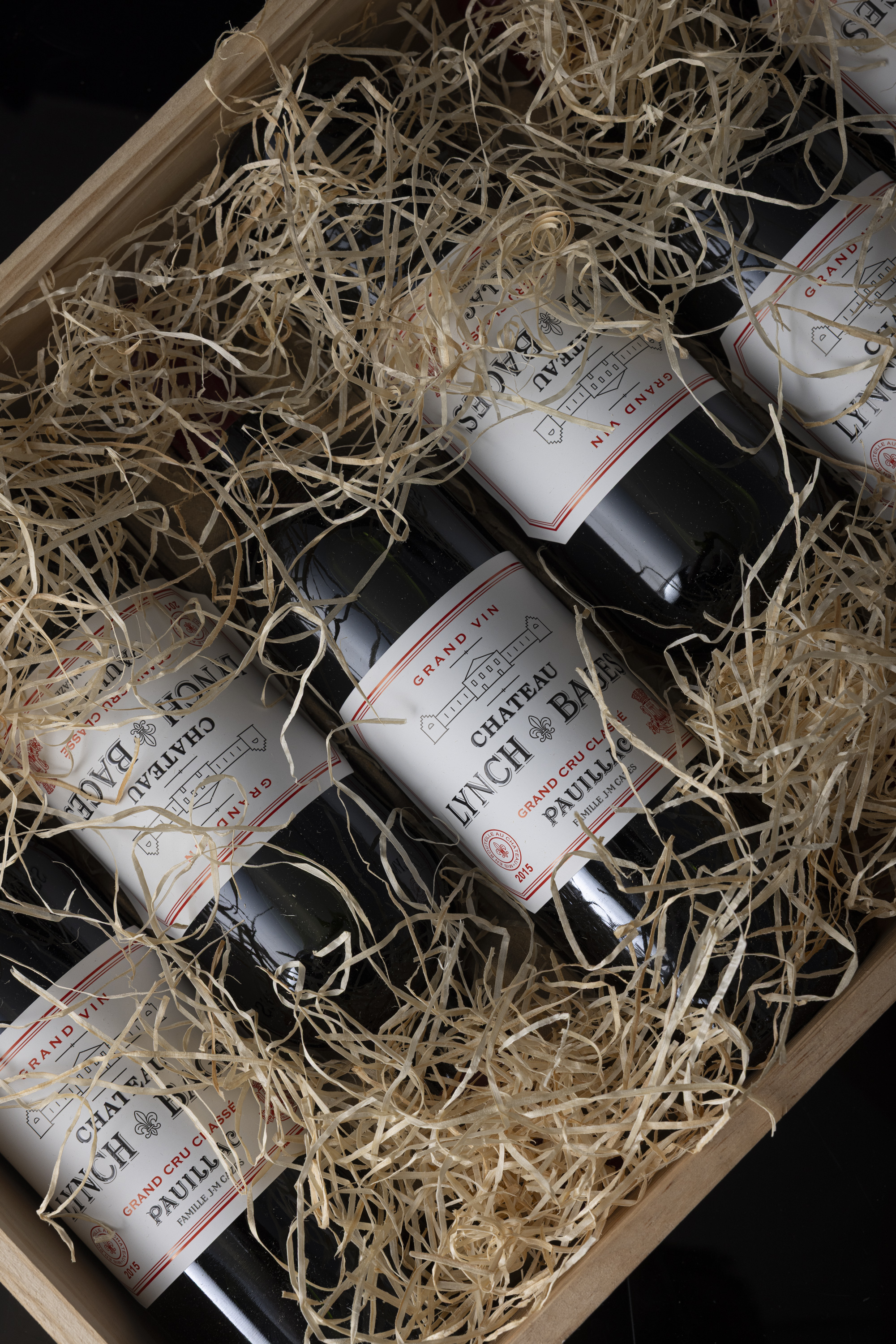





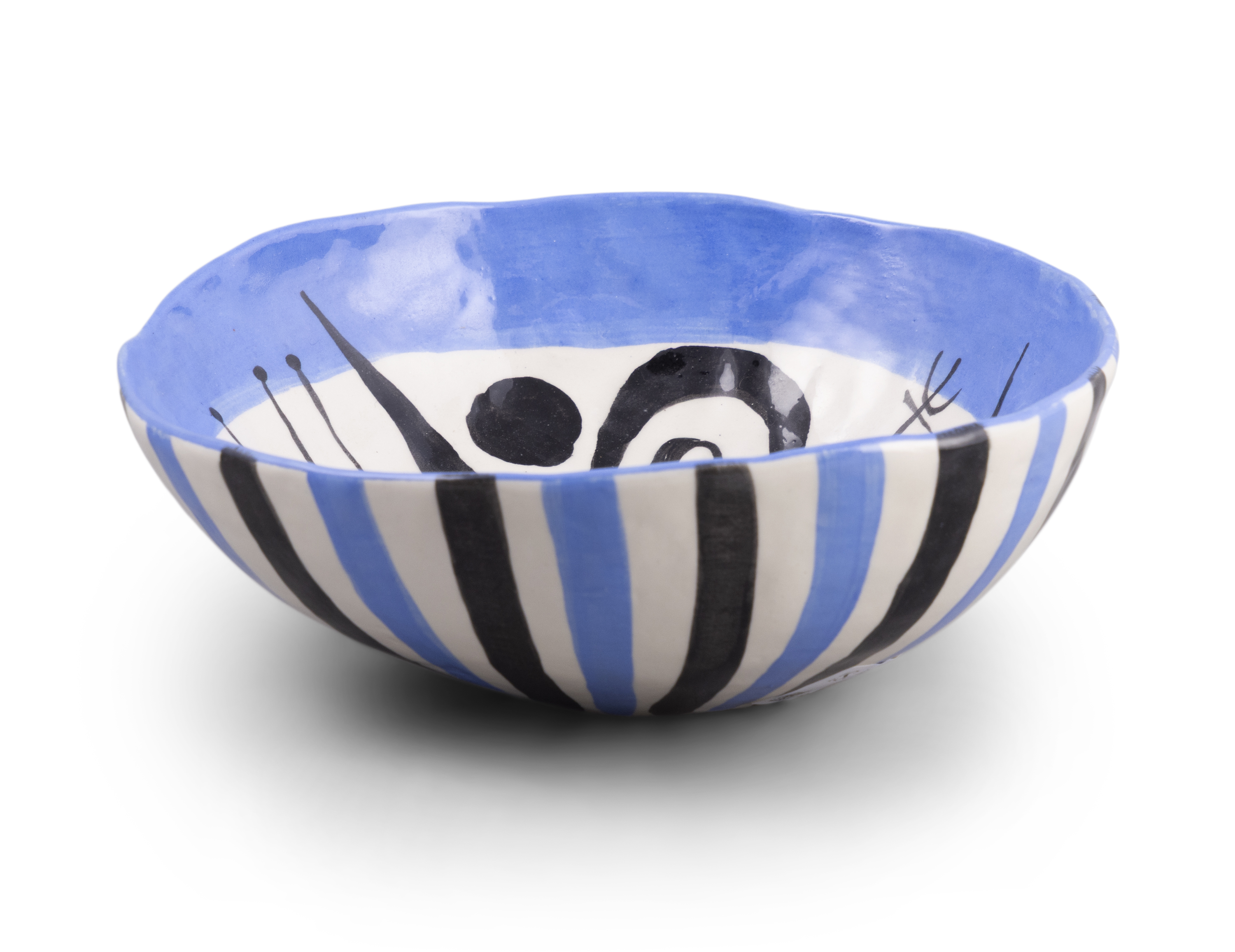
John ffrench was an instrumental figure in the design industry in Ireland and a distinguished pioneer of Irish studio pottery.

)%20(1).jpg)


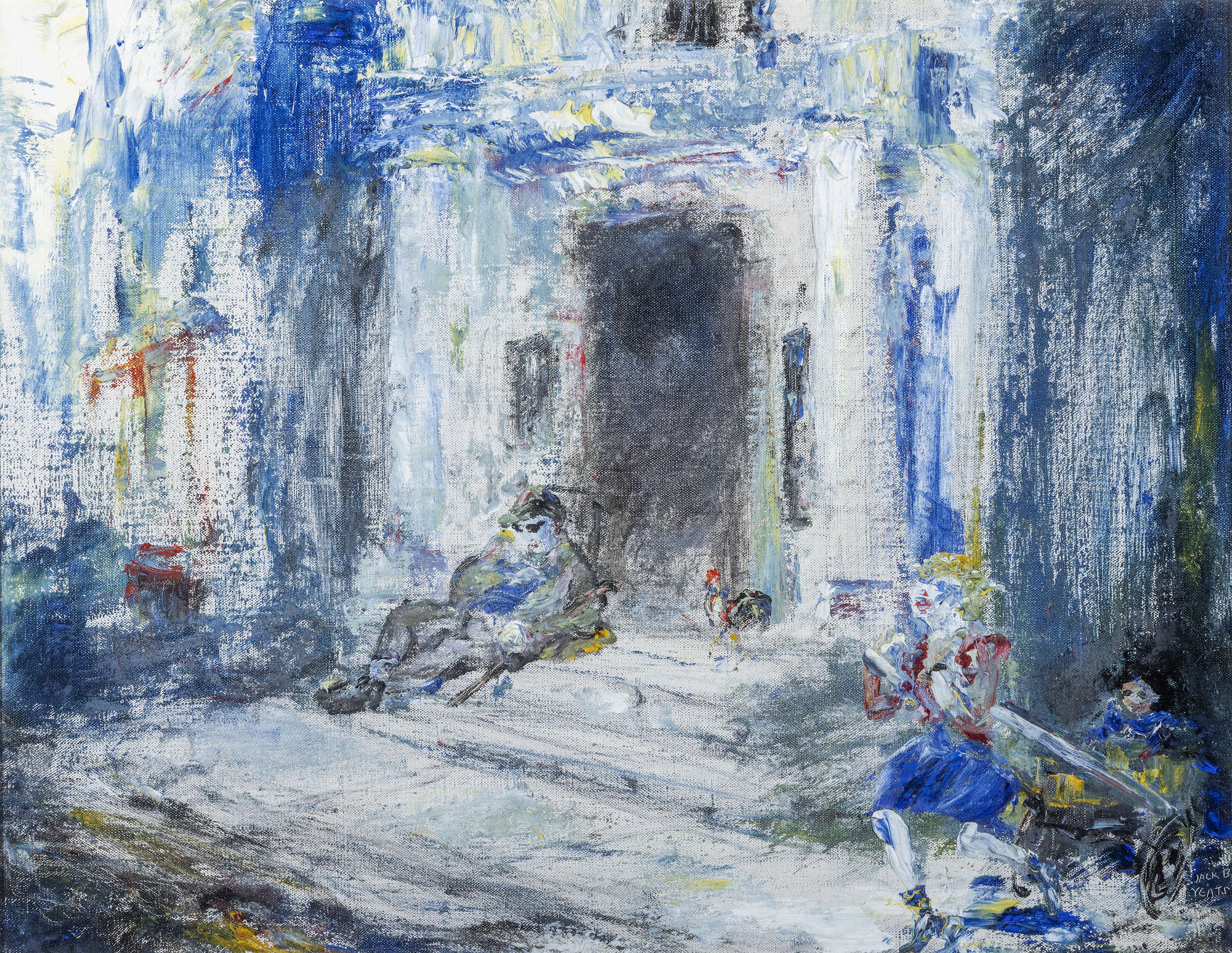



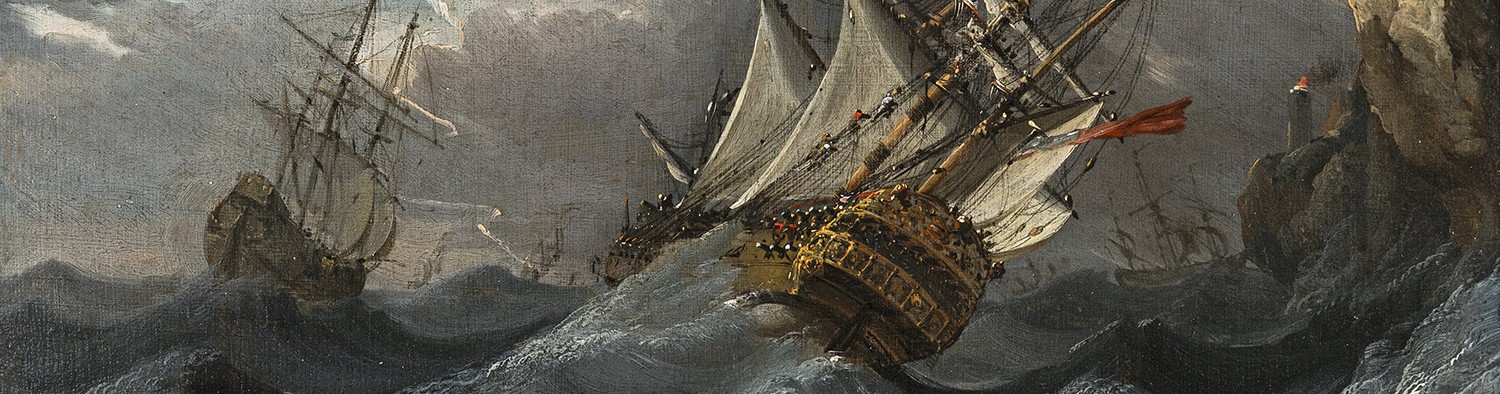
"I should declare my hand. I have a weakness for pictures that punch above their physical weight, and for artists who have been quietly underrated for too long. This pair is both. They are intimate enough to live with at close quarters and serious enough to repay any amount of looking. If the market has lately shown signs of catching up with eighteenth-century Irish painting and I think it has, these two small panels feel, to me, like exactly the sort of thing that will look obvious in twenty years’ time."
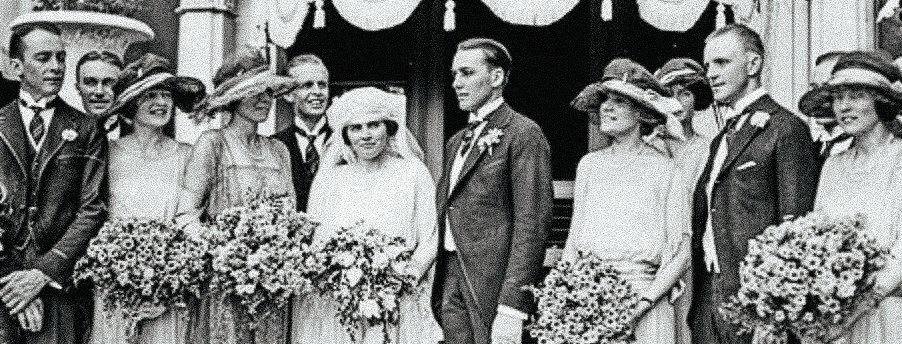
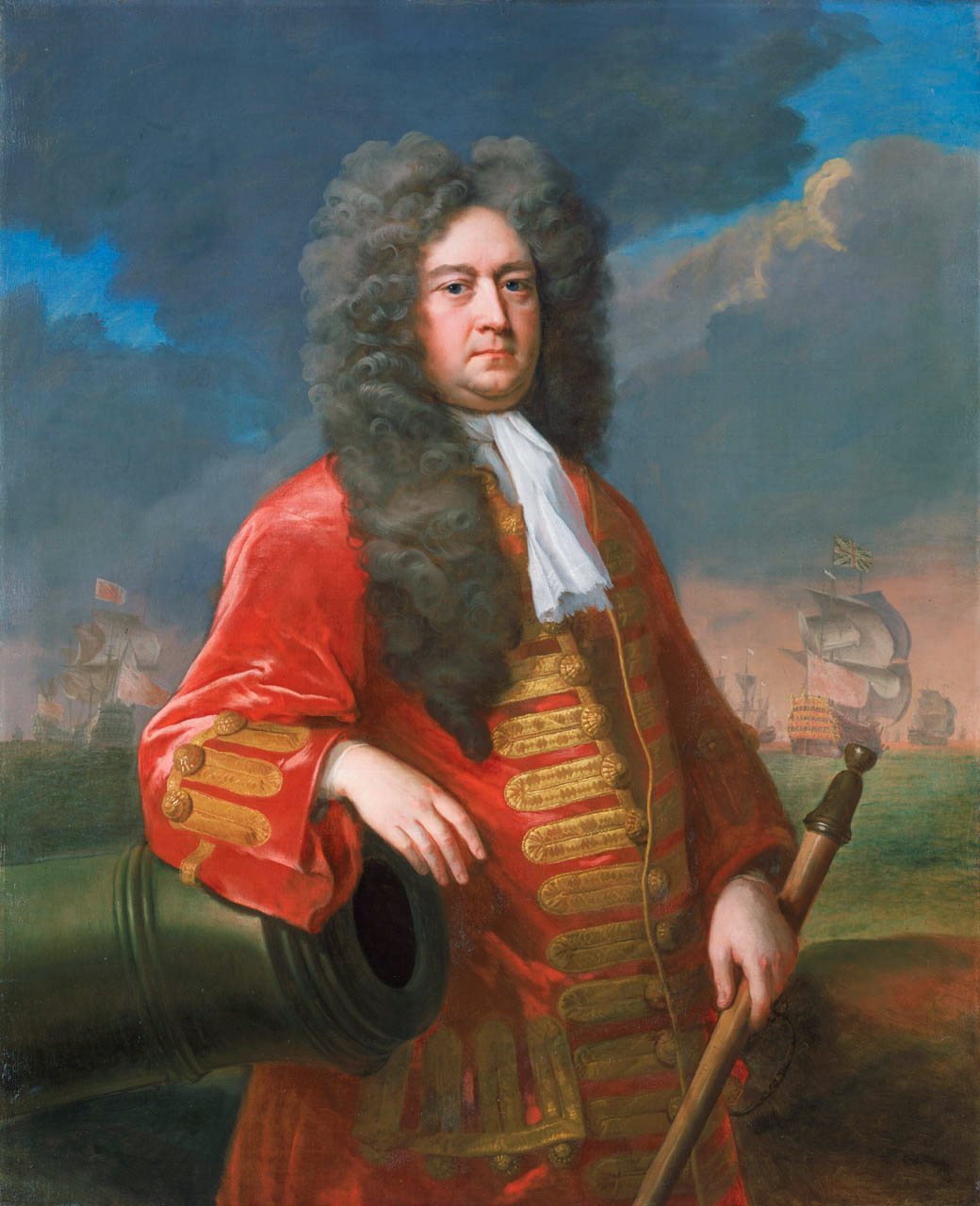




Adam’s is honoured to present works from the collection of Lord Rossmore in the upcoming Country House Collections auction at Howth Castle on 28th April. It is seldom that an influential Irish family collection that has survived through the generations comes to the open market.
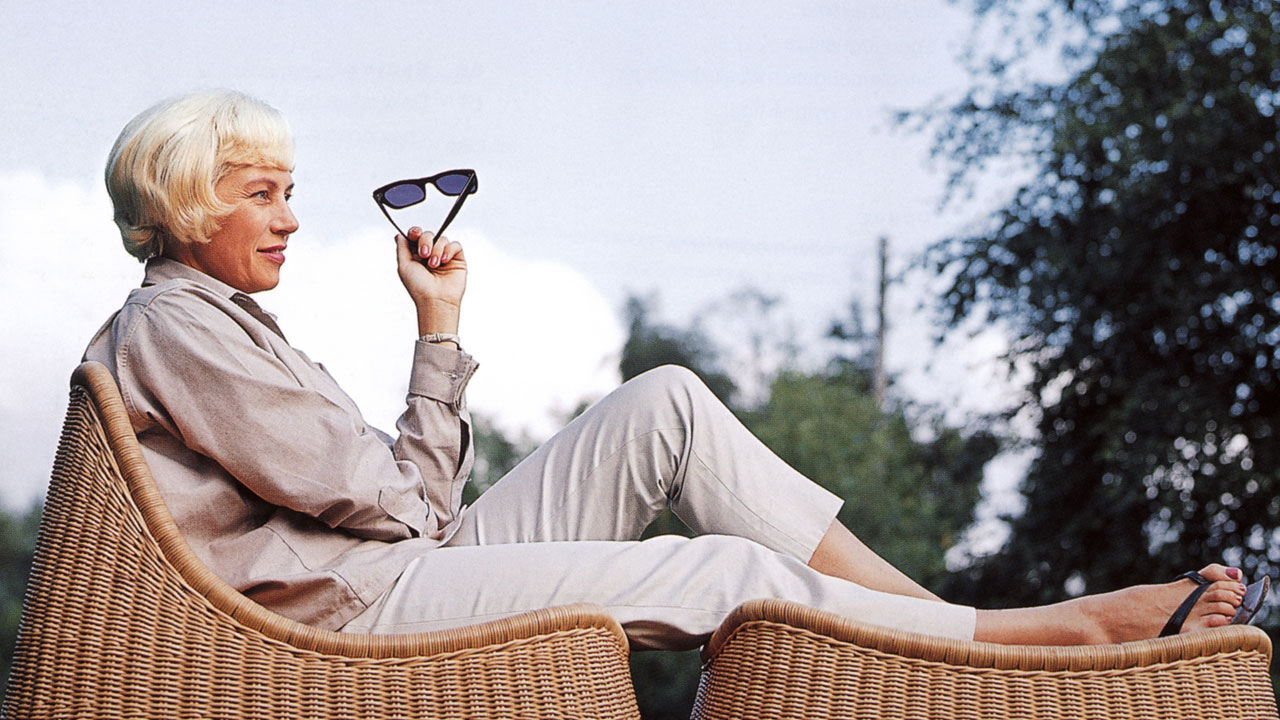

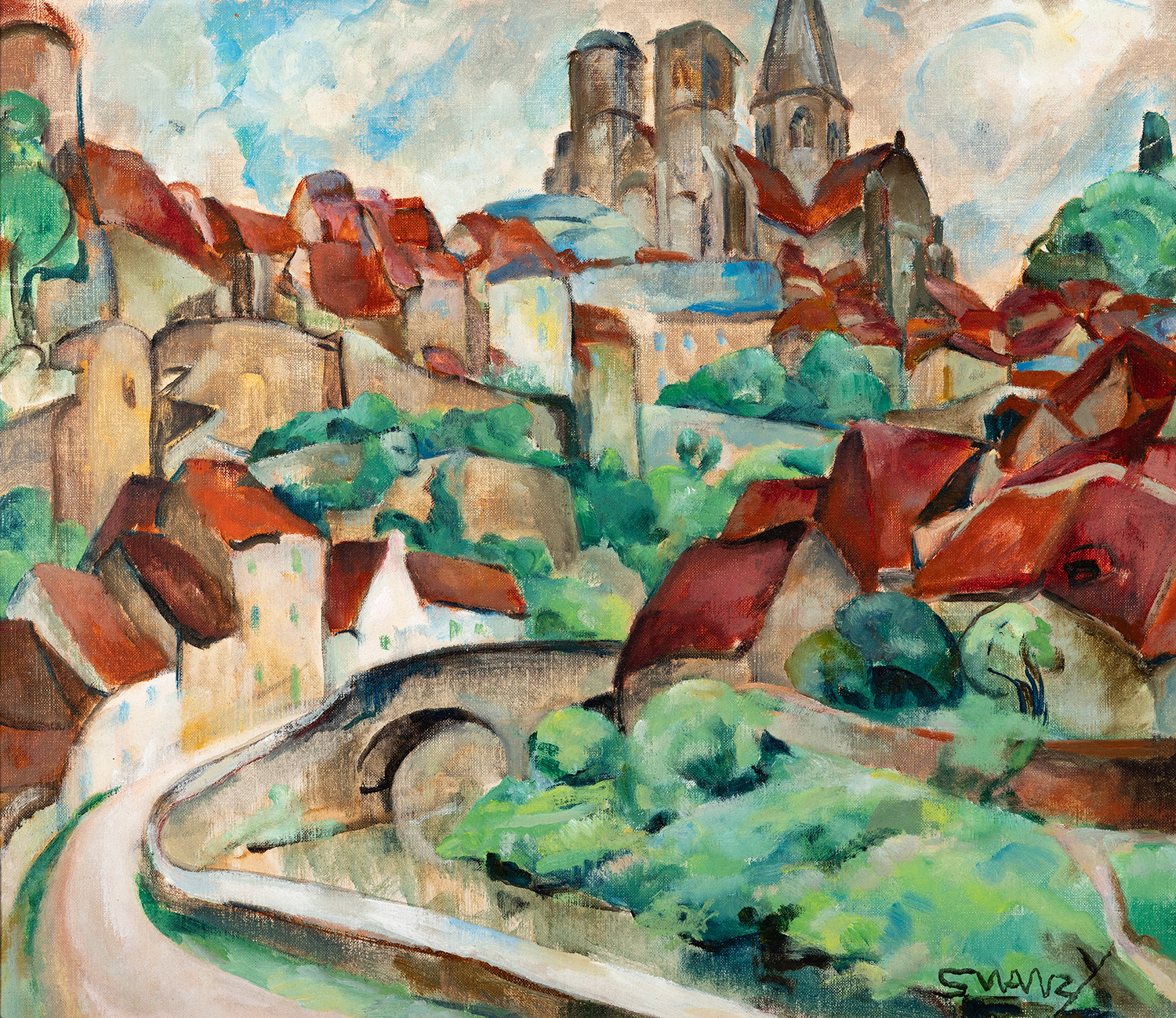
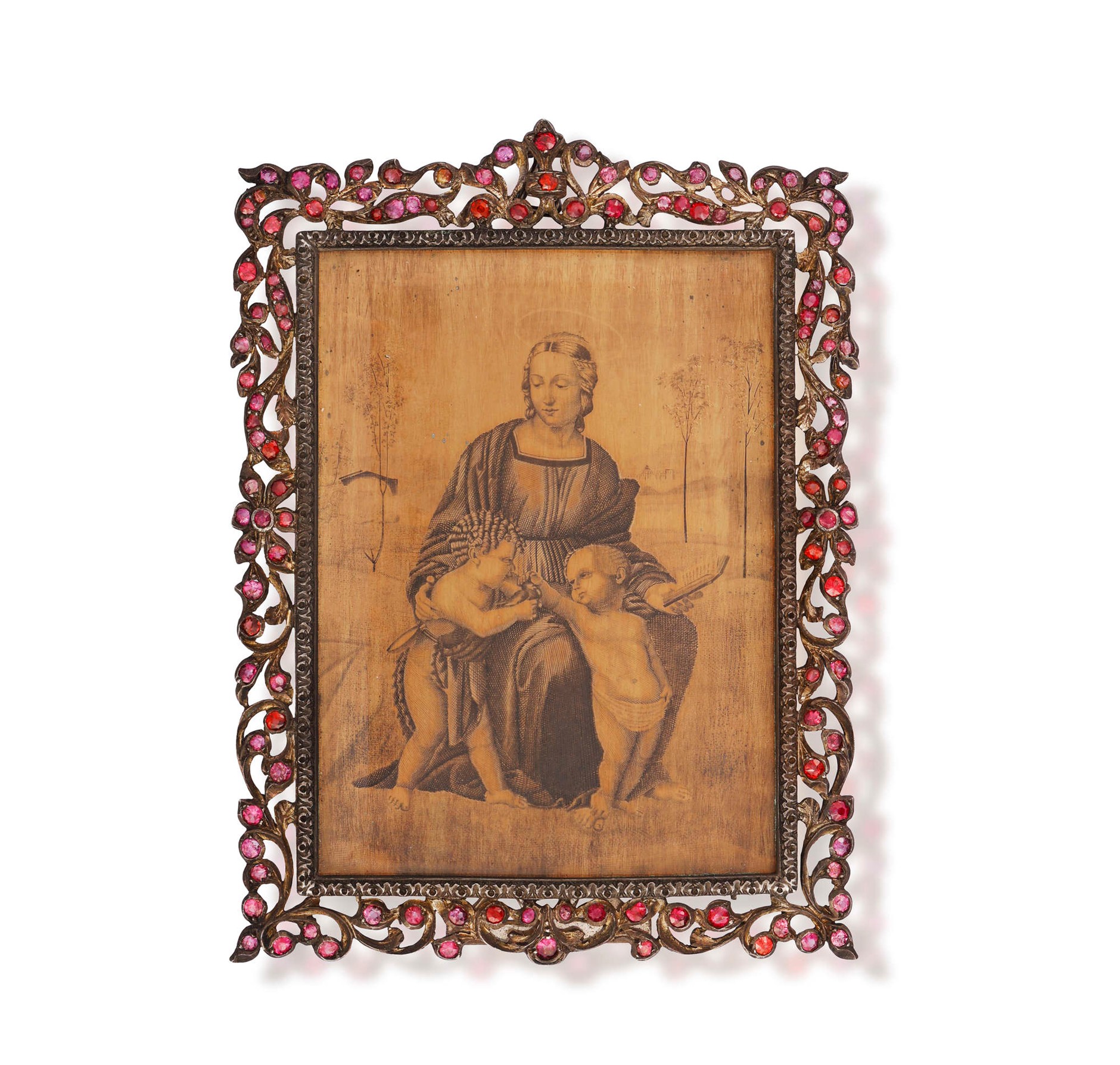
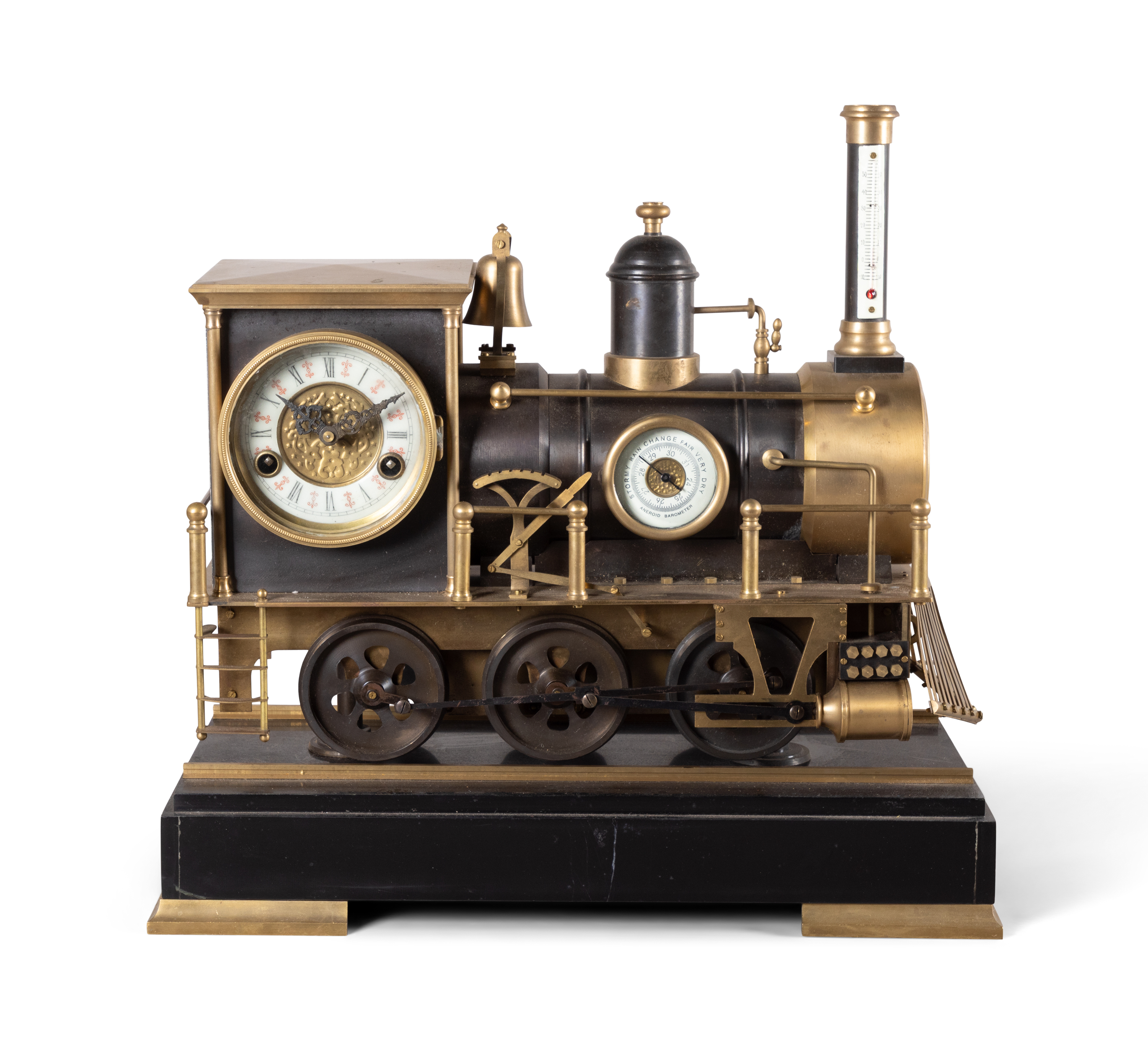

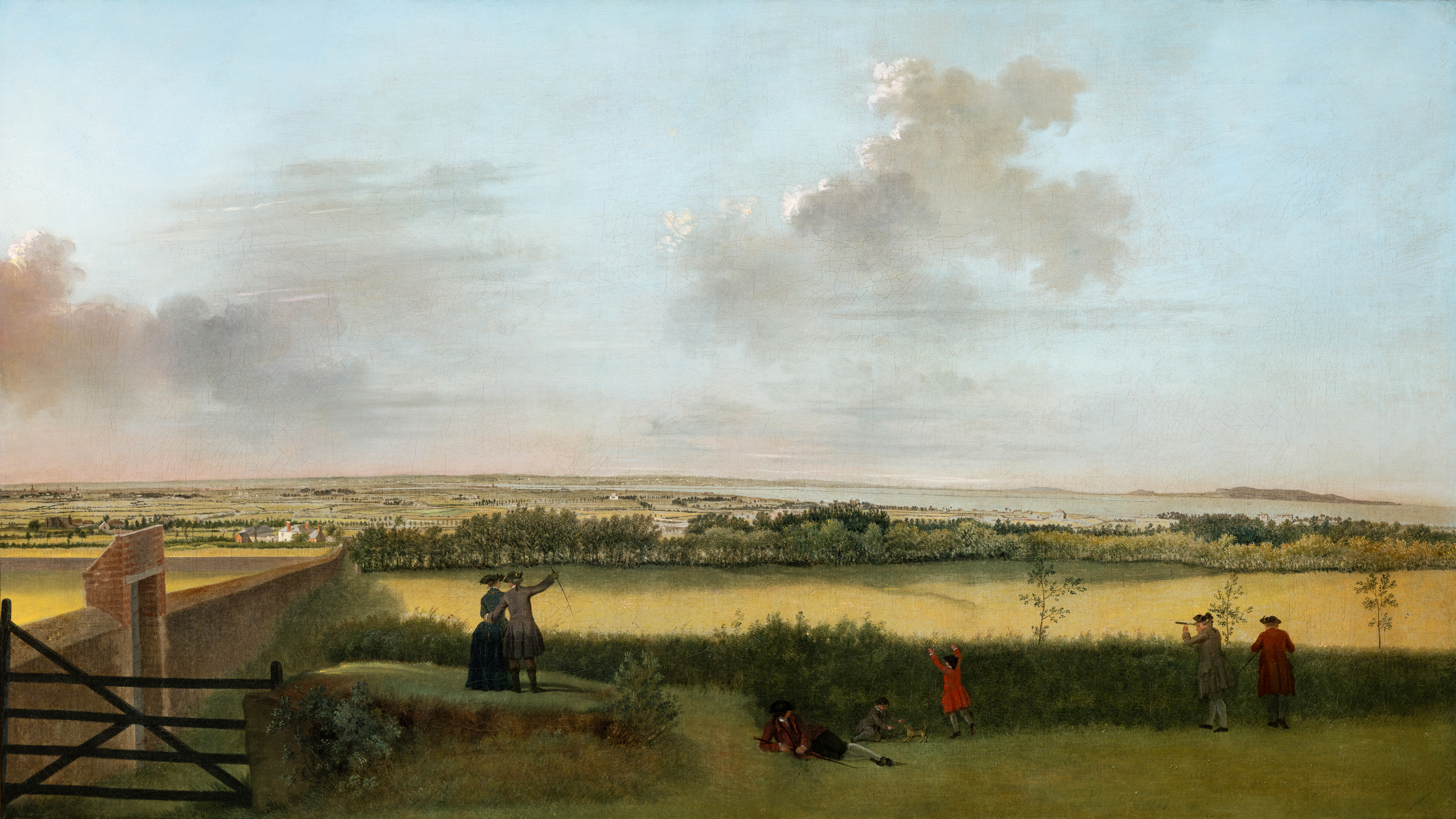
Works Sold at Adam’s Now in the Irish National Collection
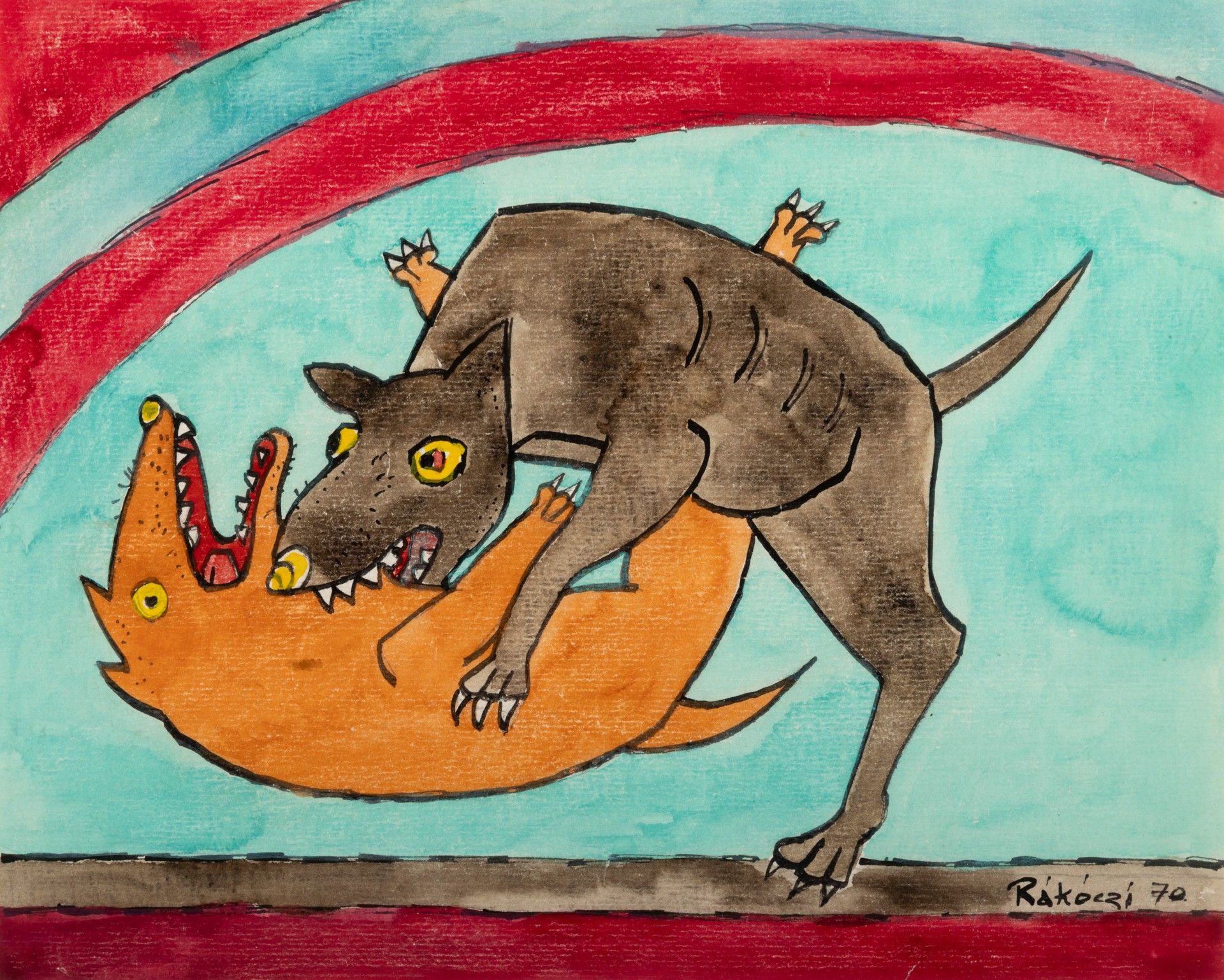
A great opportunity to purchase both established and lesser-known artist’s work at an accessible price point, the Online Picture Auction is the first of many sales to be hosted at Adam’s in 2026. It is perfect for those looking to start a collection and the discerning collector alike.


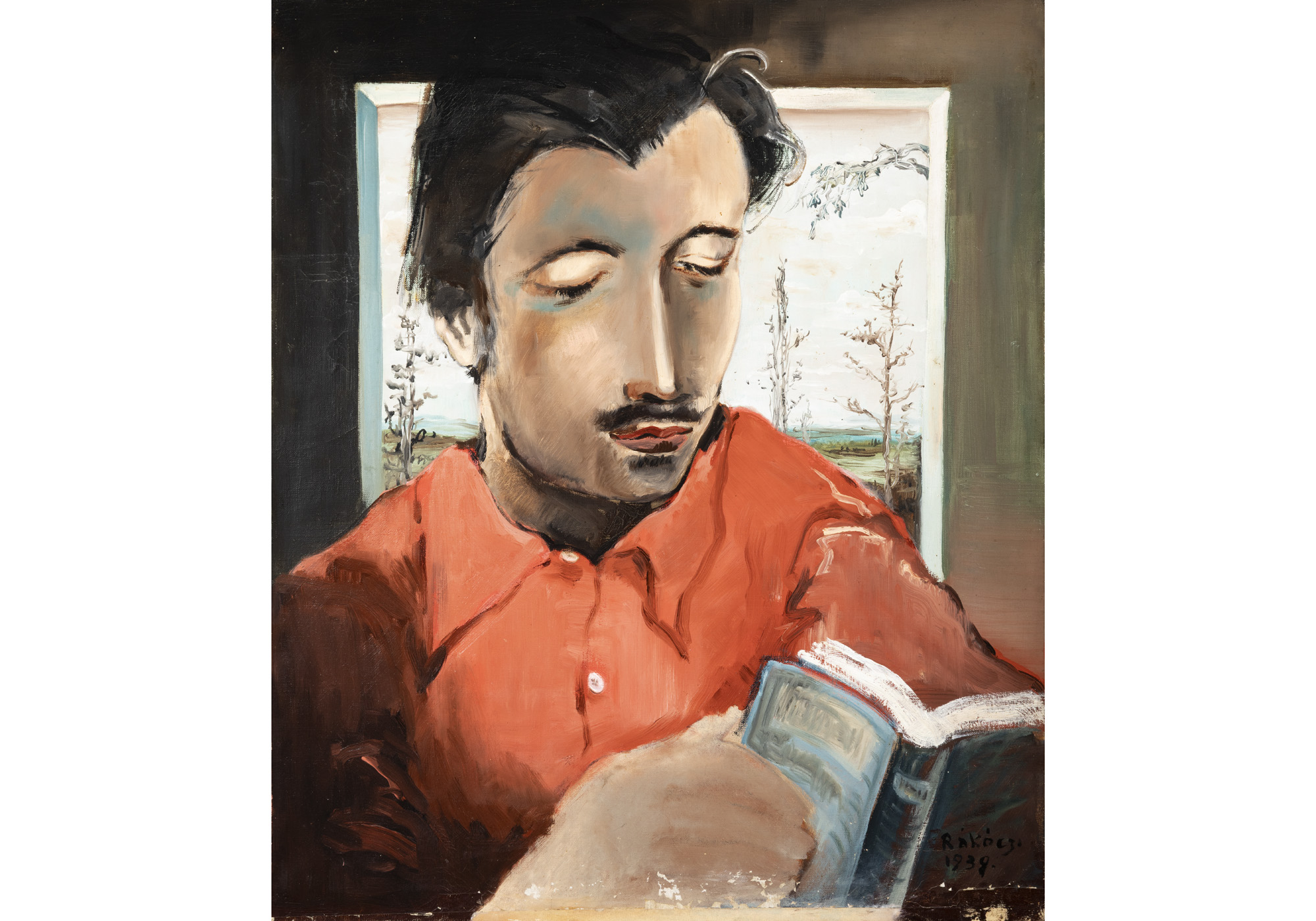
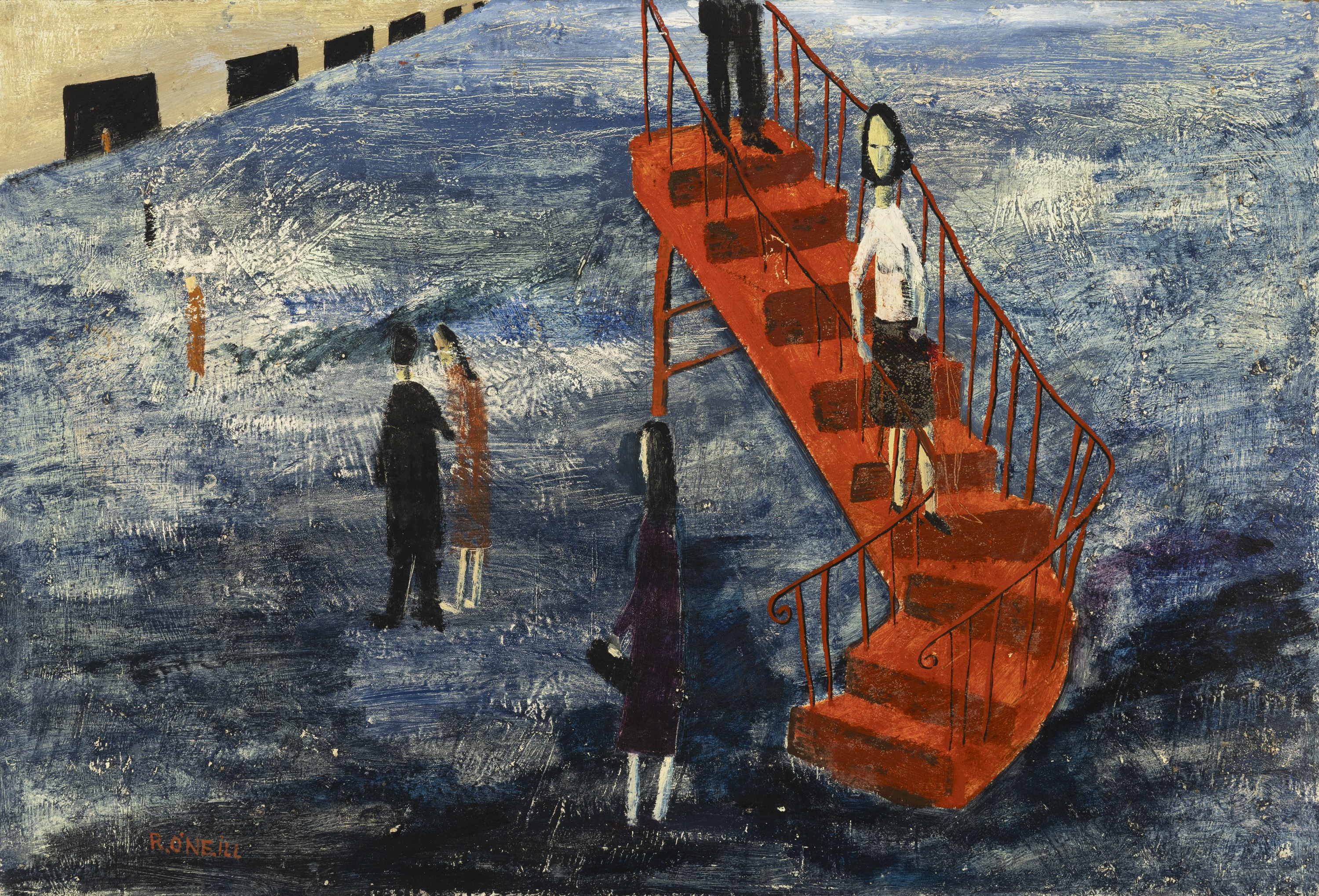
Through this article, let our expert Adam Pearson guiding you to the (re)discovery of the once established Irish painter Richard O’Neill.


Buying at Auction and the Role of Antiques in a Modern Home


Important Irish Art Auction Highlights

Oliver Dowling Collection by Aidan Dunne


James Adam & Sons Ltd, Fine Art Auctioneers and Valuers, 26 St. Stephen’s Green, Dublin 2,
D02 X665, Ireland


