
menu
Departments



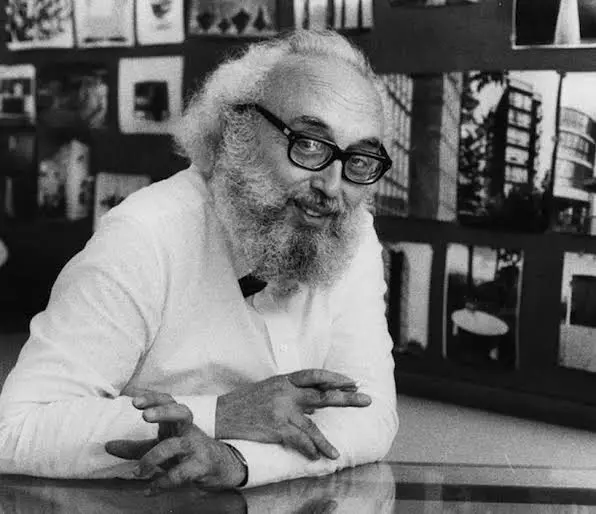
Angelo Mangiarotti was one of Italy’s most distinctive architects and designers of the post-war period.
Born in Milan in 1921, he studied architecture at the Politecnico di Milano, graduating in 1948. He later worked in the United States, where he encountered the work of leading modernists including Frank Lloyd Wright, before returning to Milan and establishing his own architectural and design practice. Throughout his career, Mangiarotti was fascinated by the relationship between form, material and gravity.
This interest is particularly evident in his marble furniture. Rather than treating stone simply as a luxurious surface, Mangiarotti allowed the material itself to dictate the character and construction of his designs. Marble, with its considerable weight, natural veining and inherent permanence, became both the structure and the decoration.
His circular marble side tables are among the most elegant expressions of this philosophy. Their simplicity can initially appear almost effortless: a perfectly proportioned circular top supported by a sculptural base. Yet beneath this apparent simplicity is a sophisticated understanding of balance and construction. Mangiarotti frequently explored ways of joining elements through gravity and interlocking forms, avoiding unnecessary mechanical fixings and allowing the weight of the stone to become an integral part of the design.
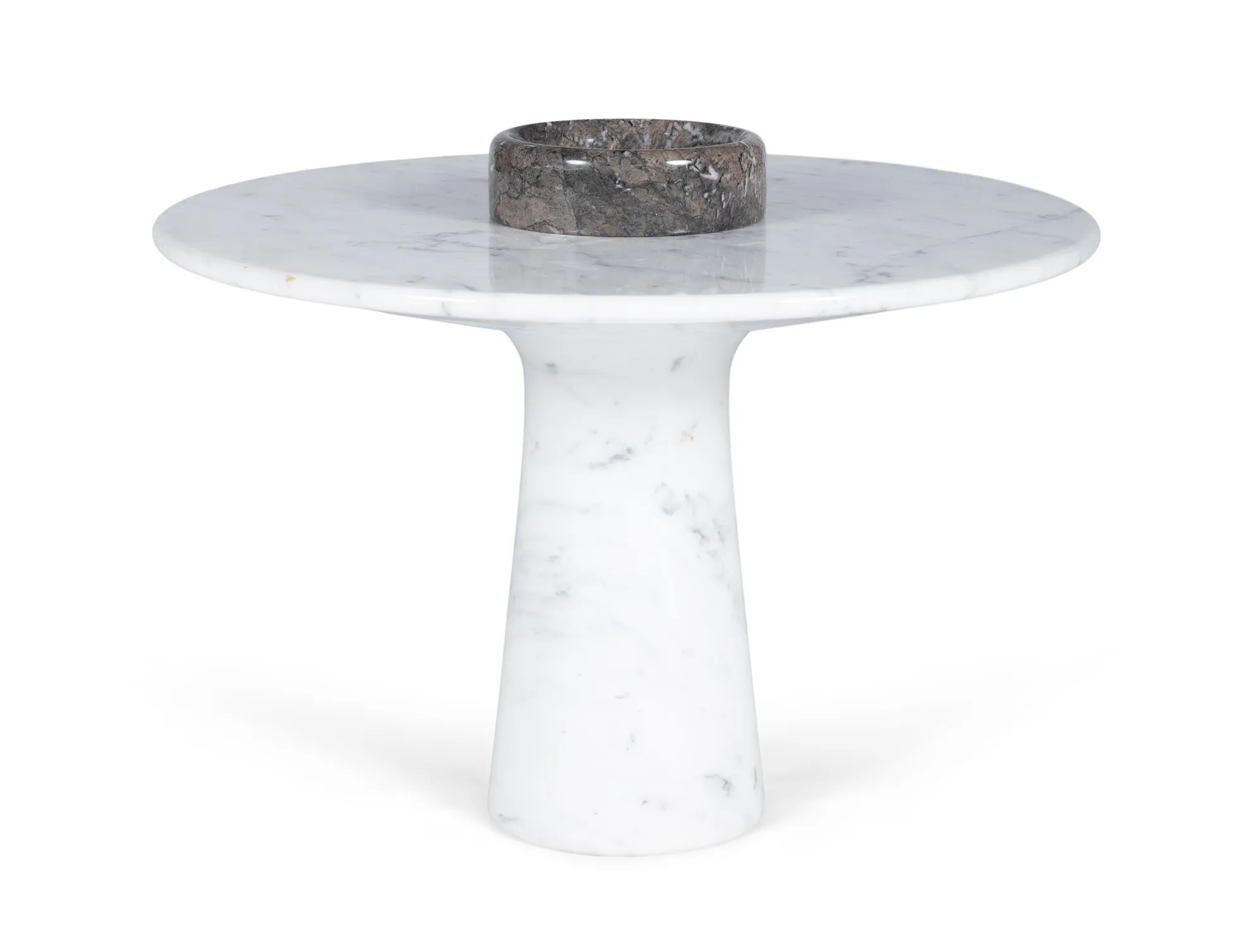
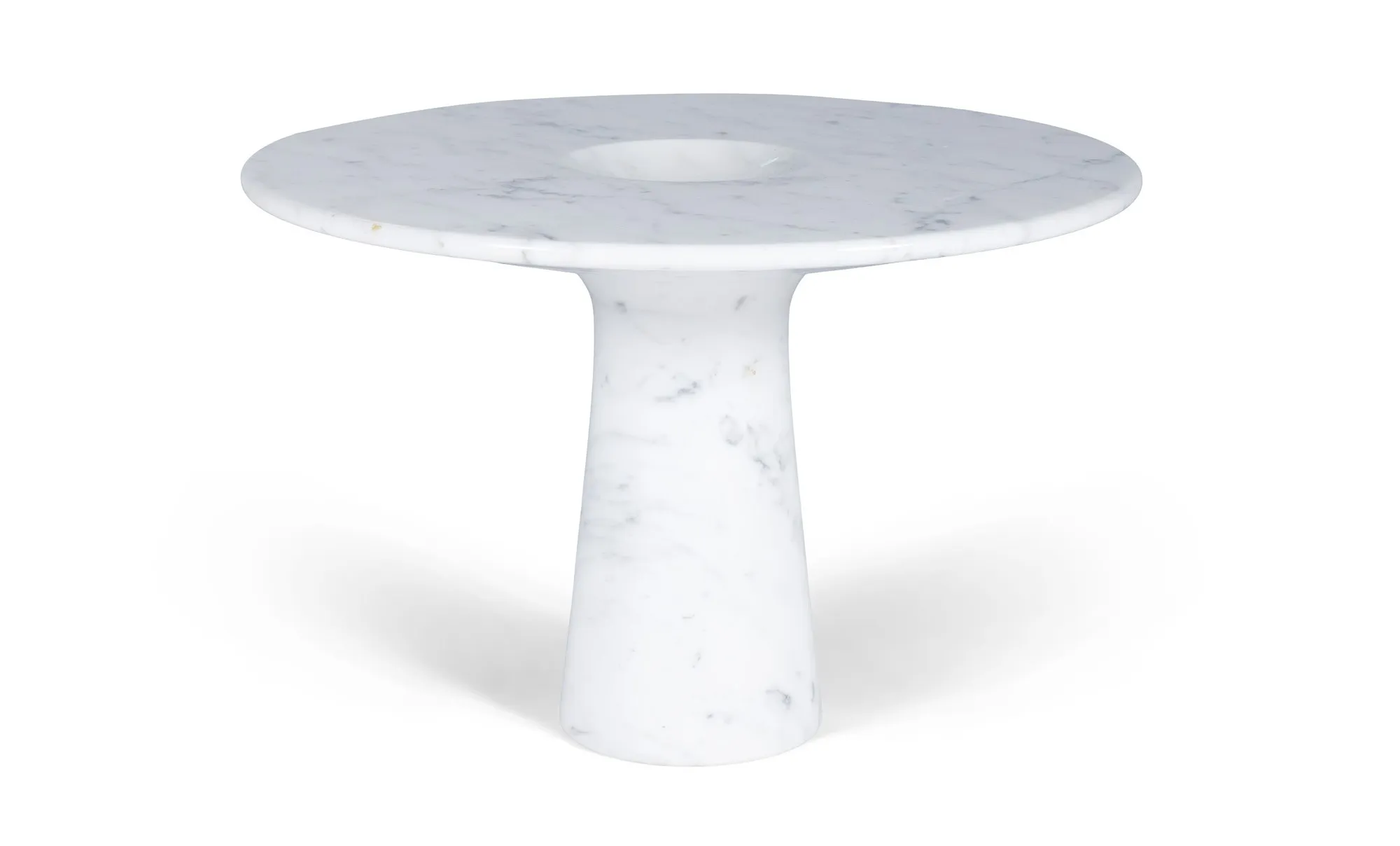
The circular form gives these tables a particular versatility. Without a front or back, they can be viewed from every angle, while the contrast between the smooth, geometric silhouette and the individual pattern of the marble makes each piece unique. The veining becomes almost a form of abstract drawing across the surface.
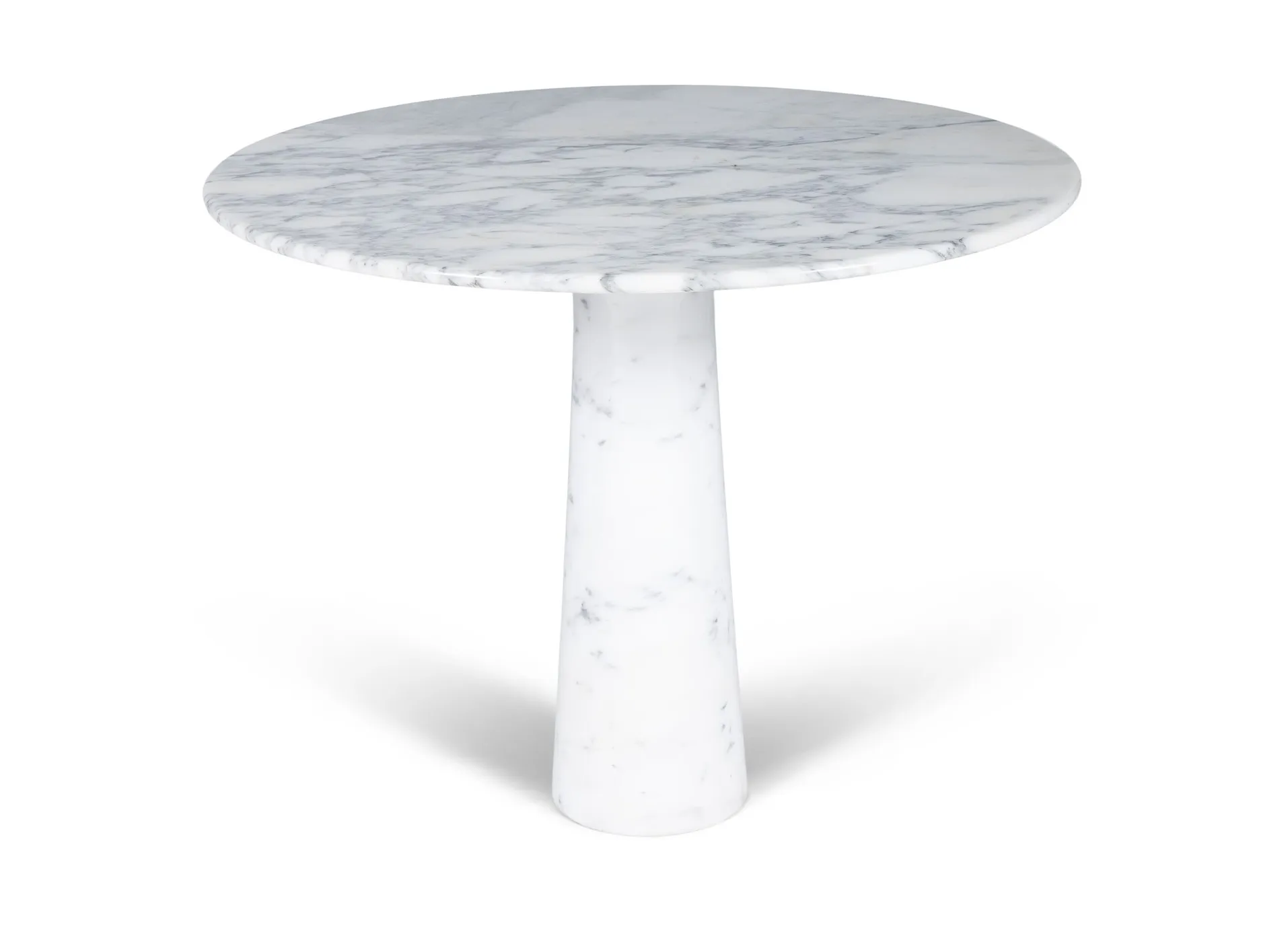
For Mangiarotti, marble was therefore much more than a material of prestige. It was something to be understood, respected and allowed to express its own qualities. His tables combine architectural discipline with an almost sculptural sensibility, demonstrating how a functional object can possess the presence of a work of art.
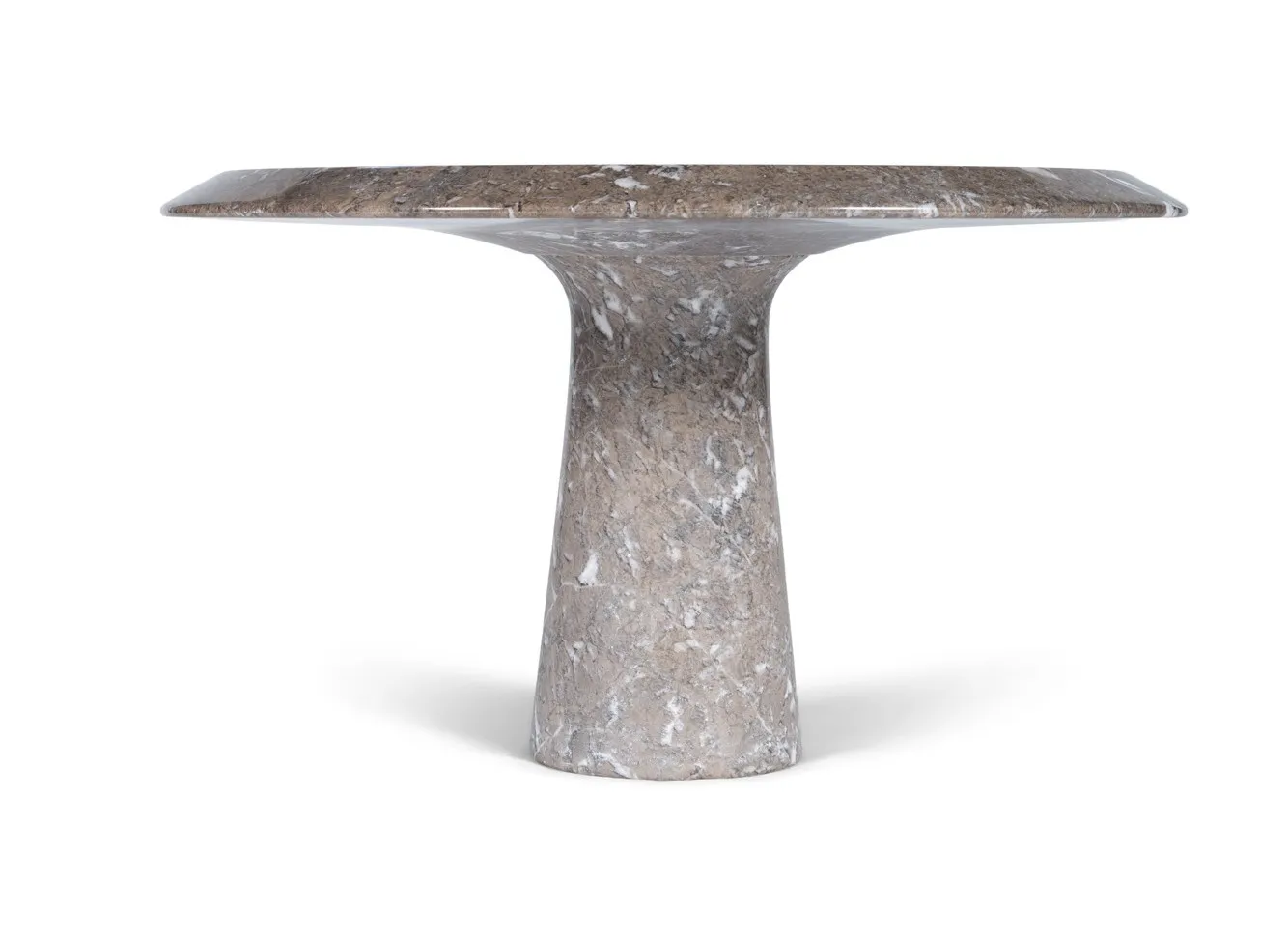
These pieces will be in our upcoming Mid-Century Modern Auction taking place on Tuesday 20th October.
Catalogue coming very soon.


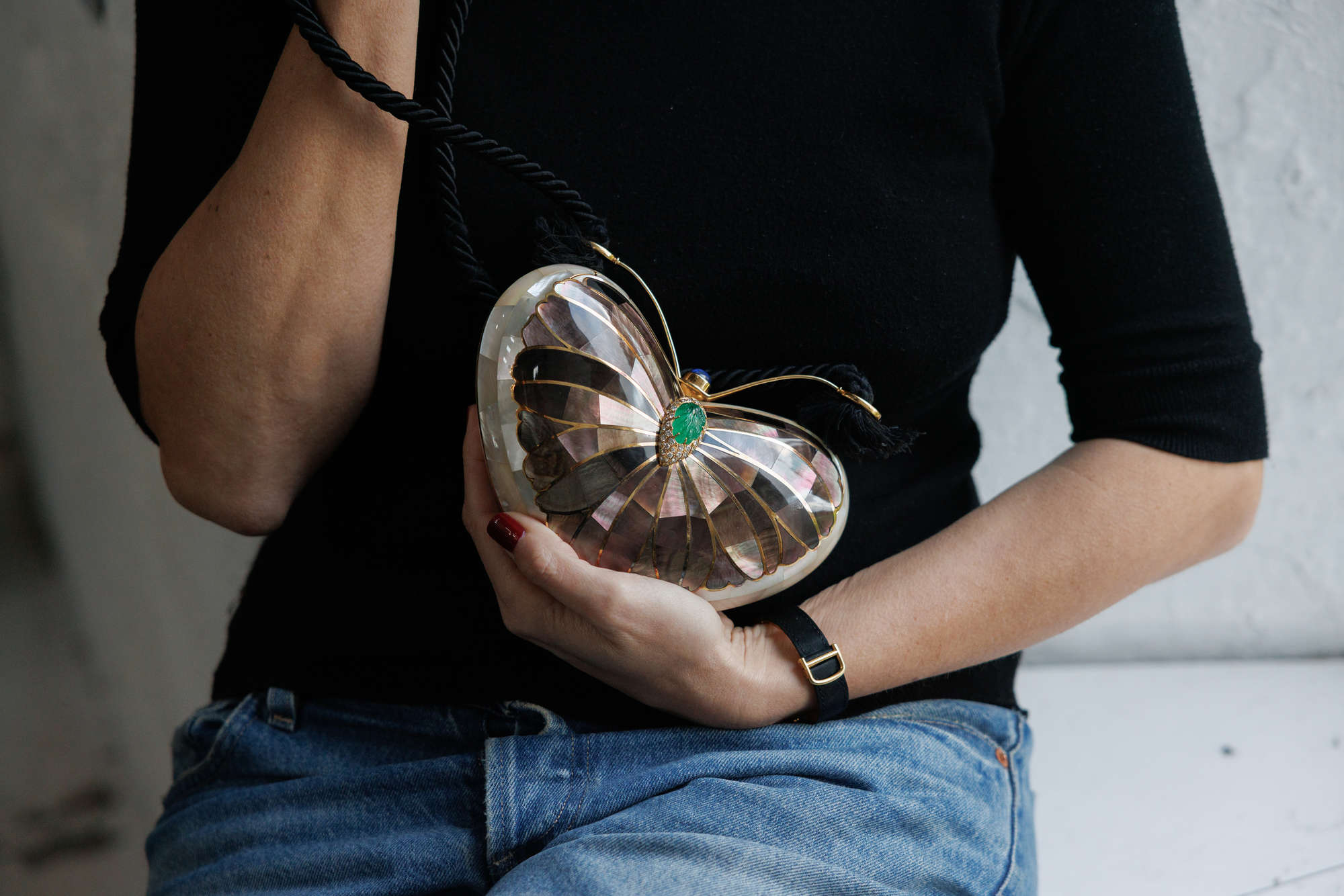

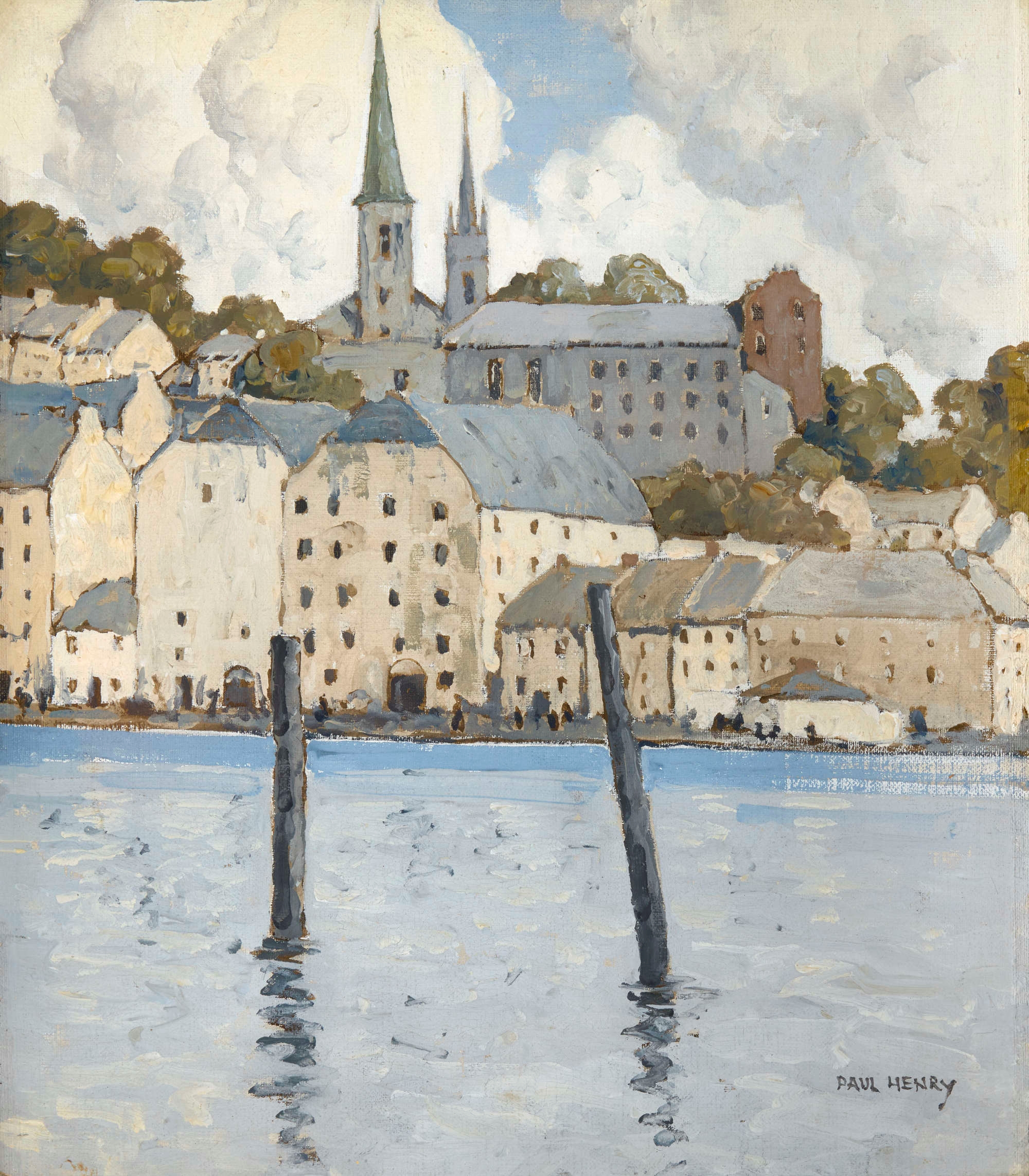






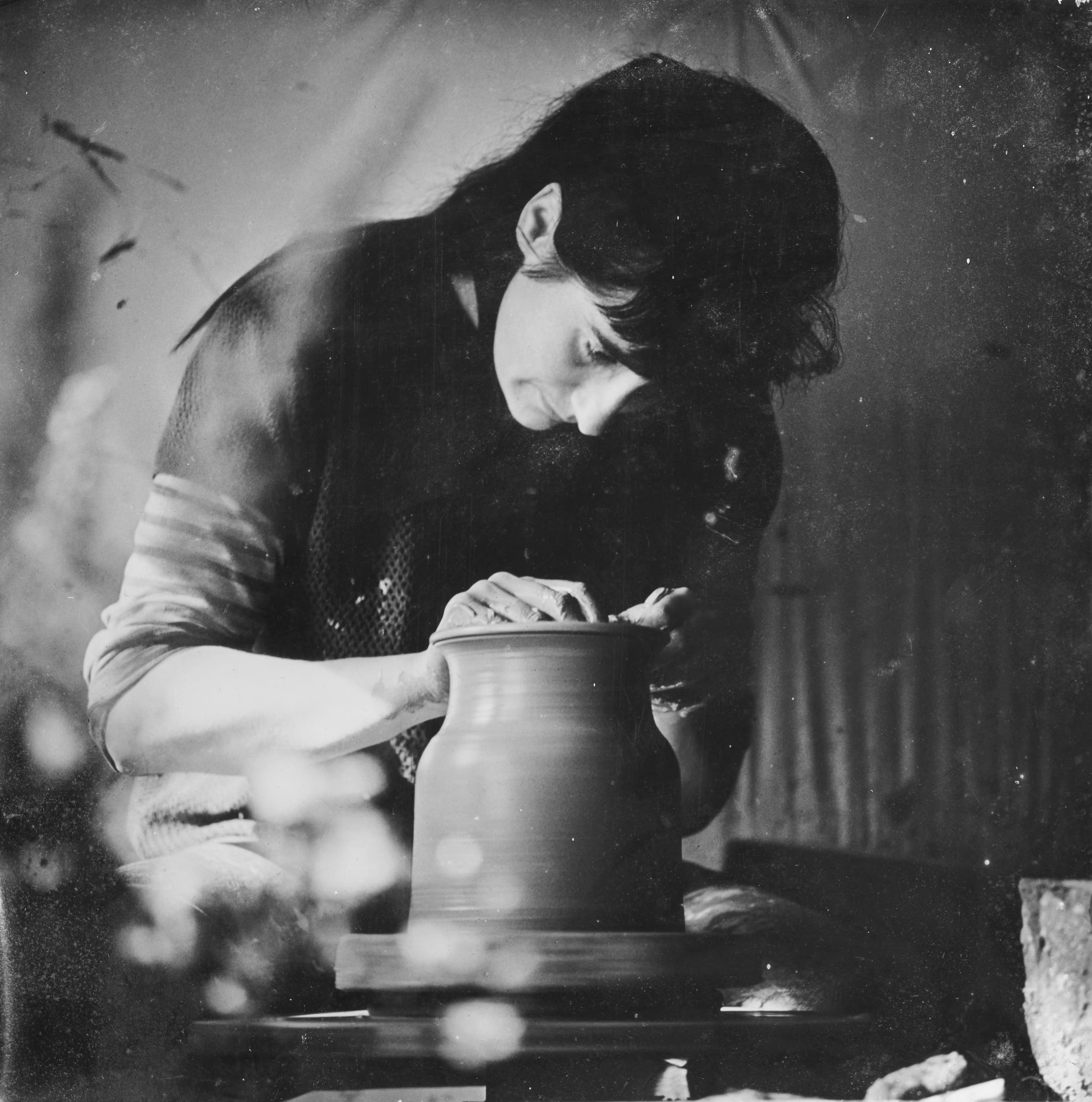


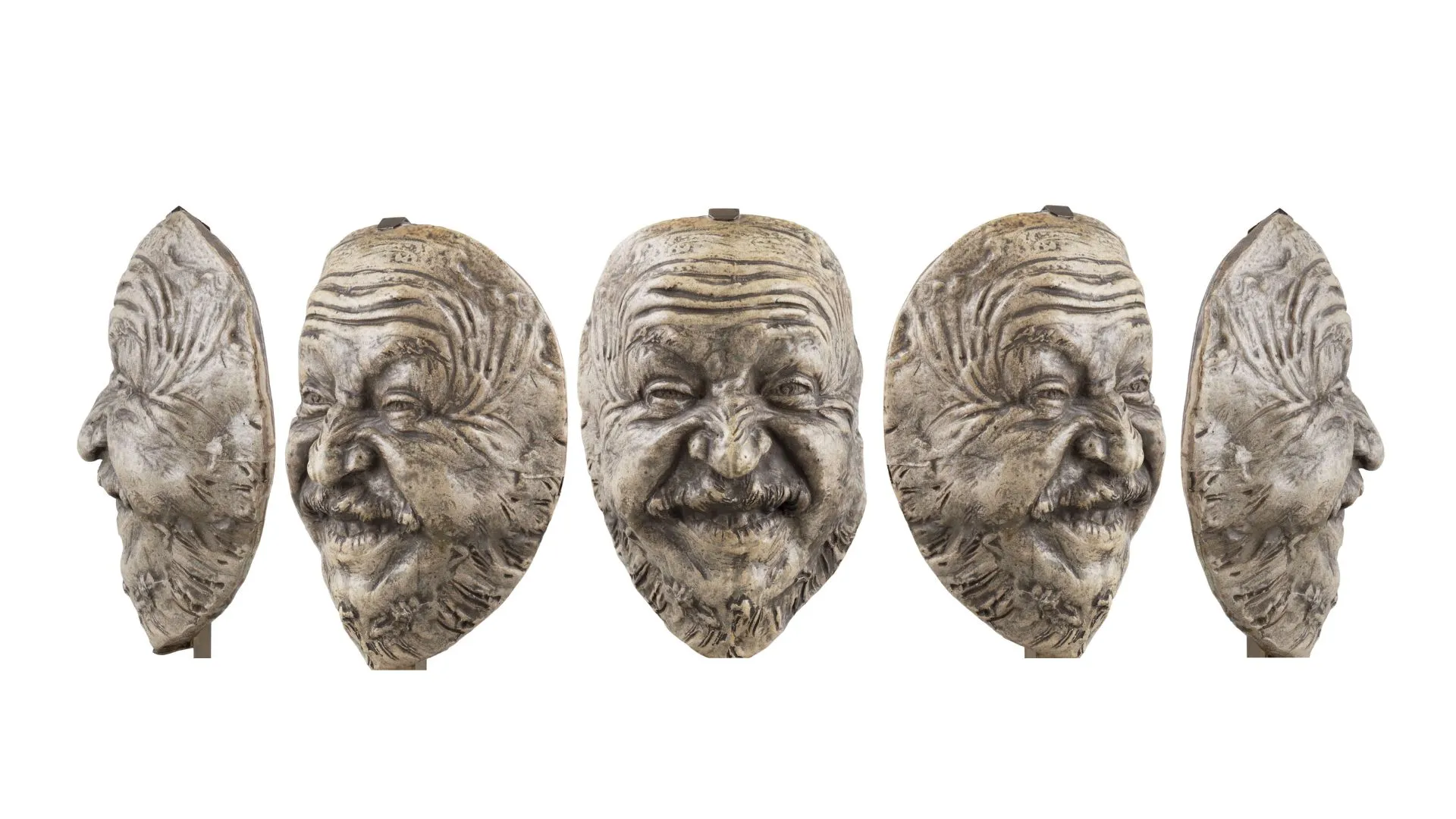









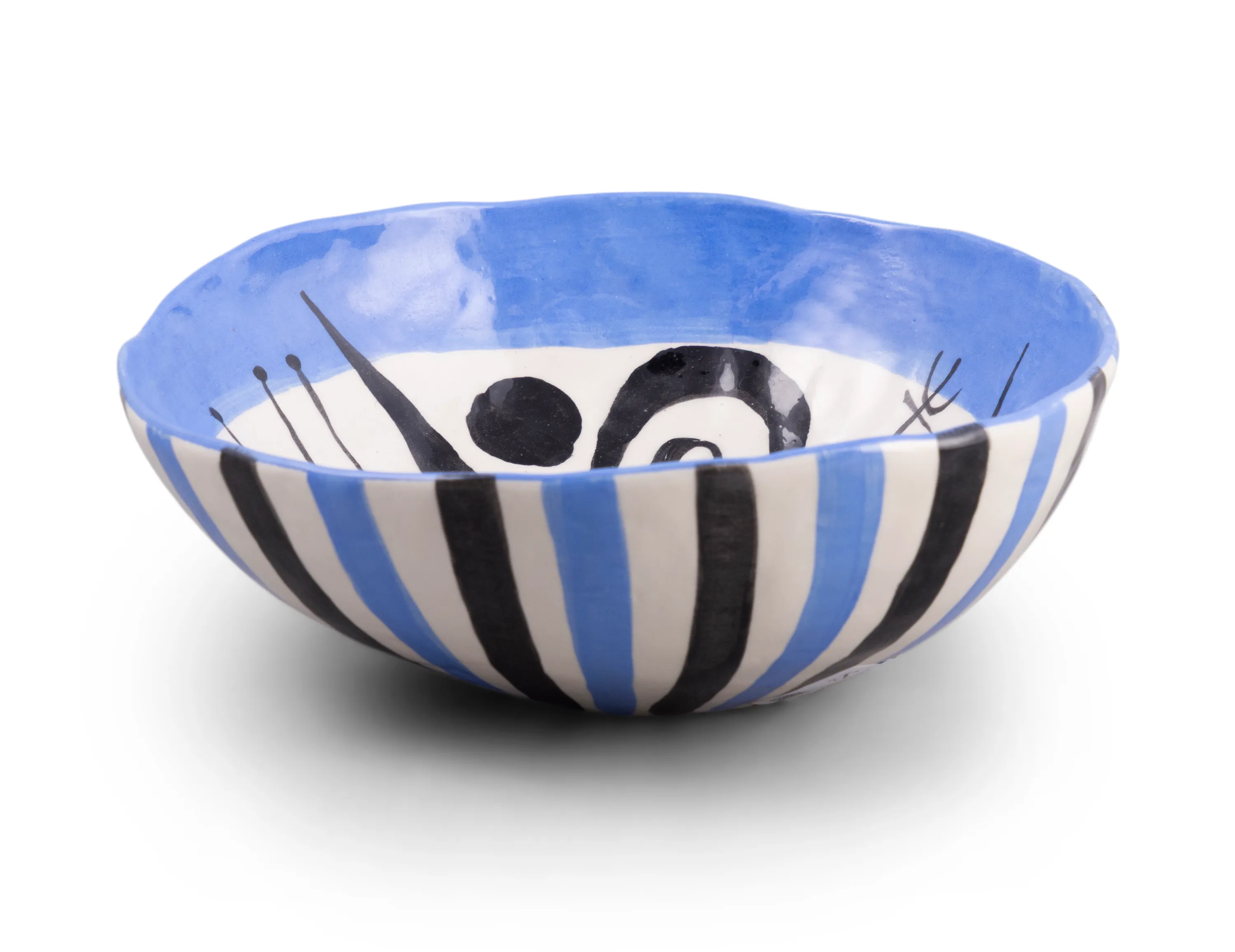
John ffrench was an instrumental figure in the design industry in Ireland and a distinguished pioneer of Irish studio pottery.


)%20(1).webp)









"I should declare my hand. I have a weakness for pictures that punch above their physical weight, and for artists who have been quietly underrated for too long. This pair is both. They are intimate enough to live with at close quarters and serious enough to repay any amount of looking. If the market has lately shown signs of catching up with eighteenth-century Irish painting and I think it has, these two small panels feel, to me, like exactly the sort of thing that will look obvious in twenty years’ time."
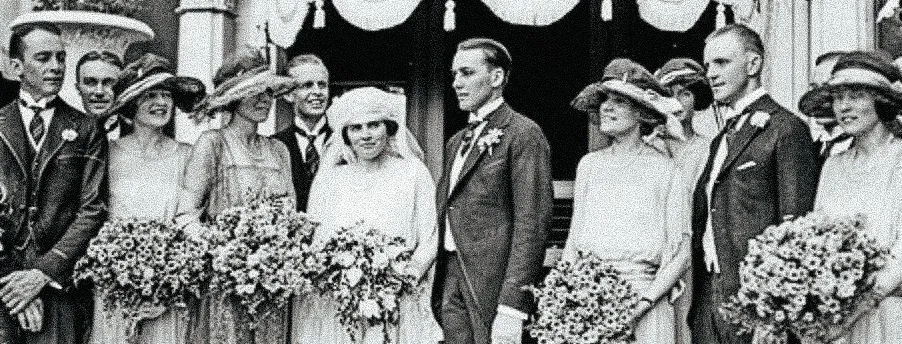

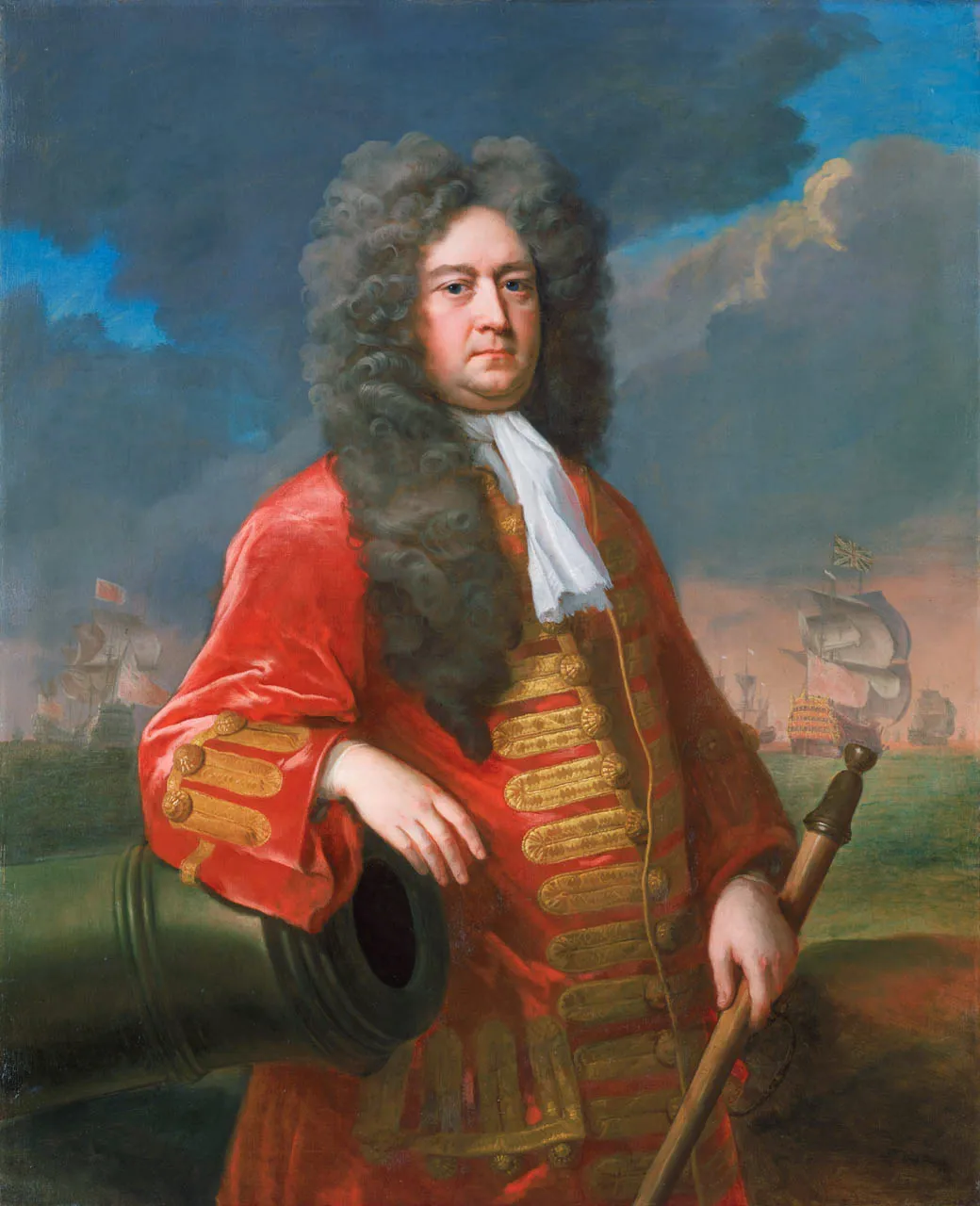
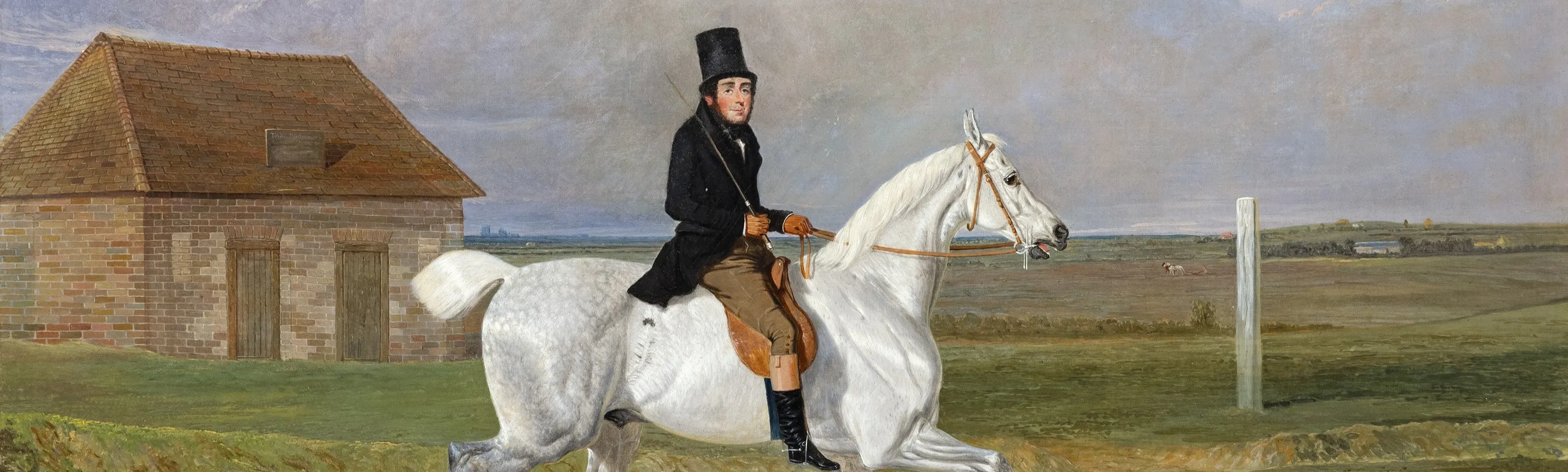
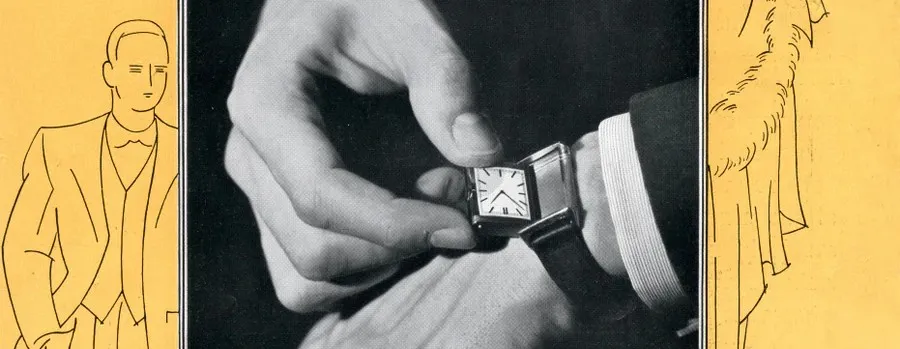


Adam’s is honoured to present works from the collection of Lord Rossmore in the upcoming Country House Collections auction at Howth Castle on 28th April. It is seldom that an influential Irish family collection that has survived through the generations comes to the open market.


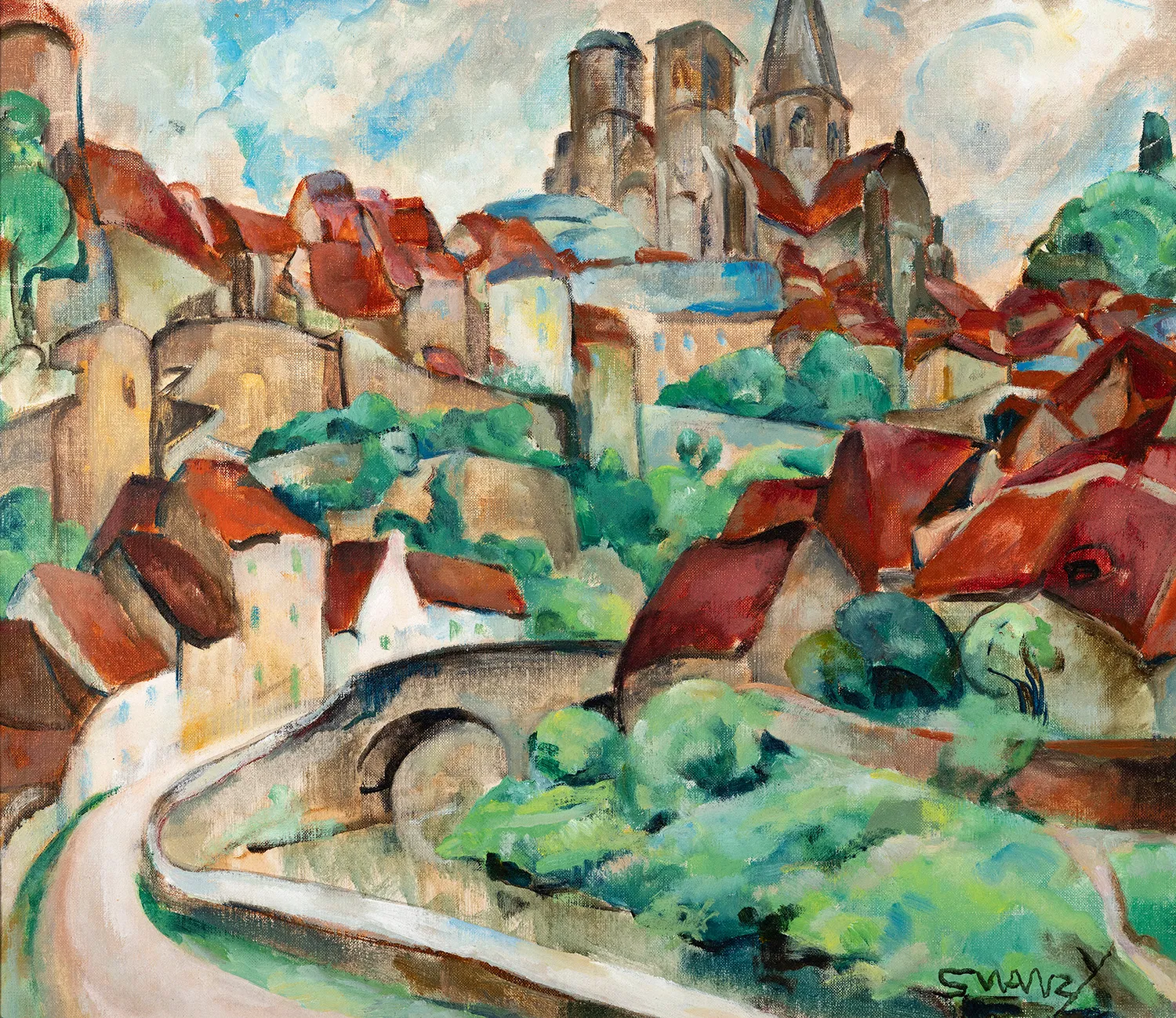
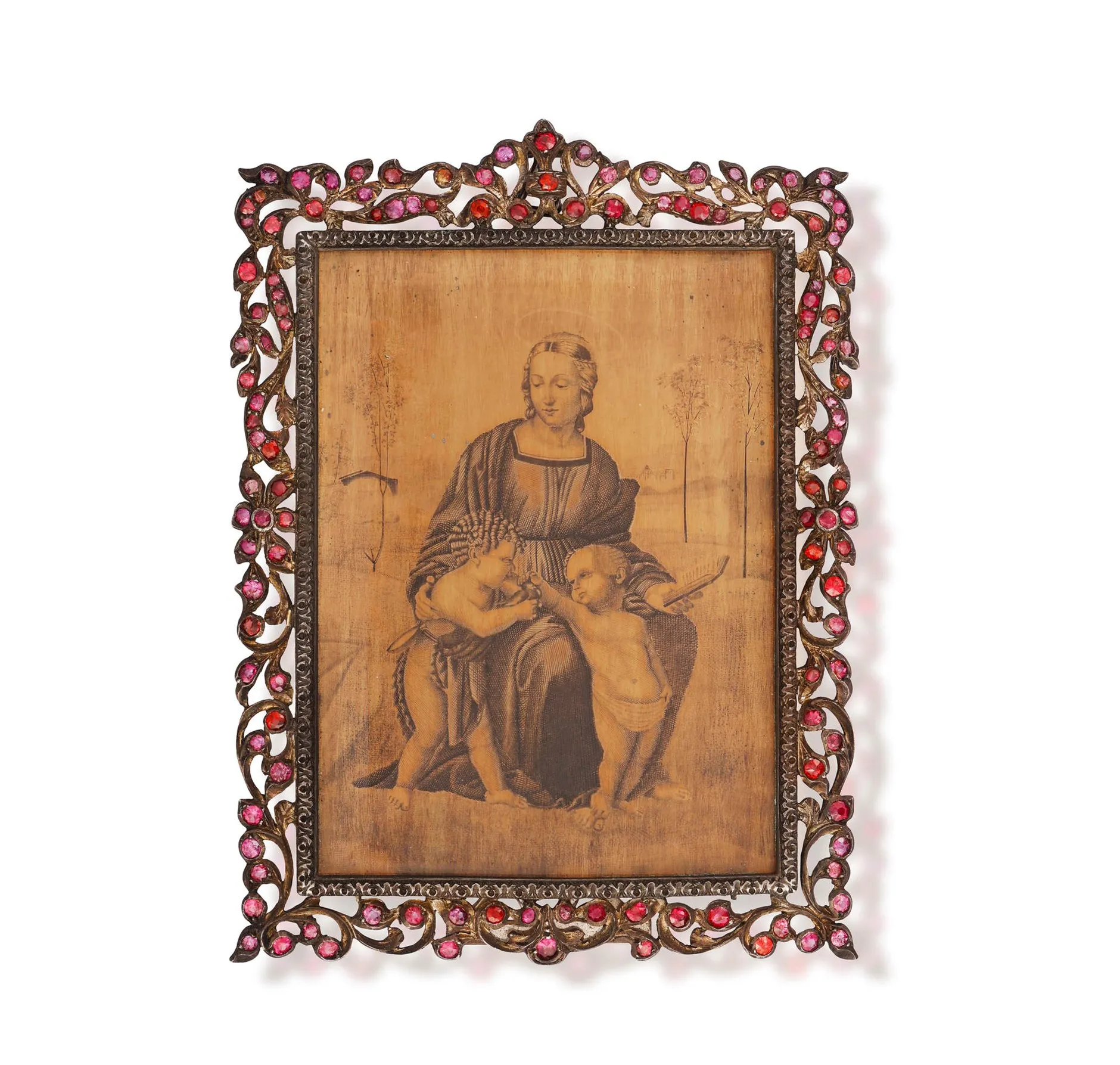

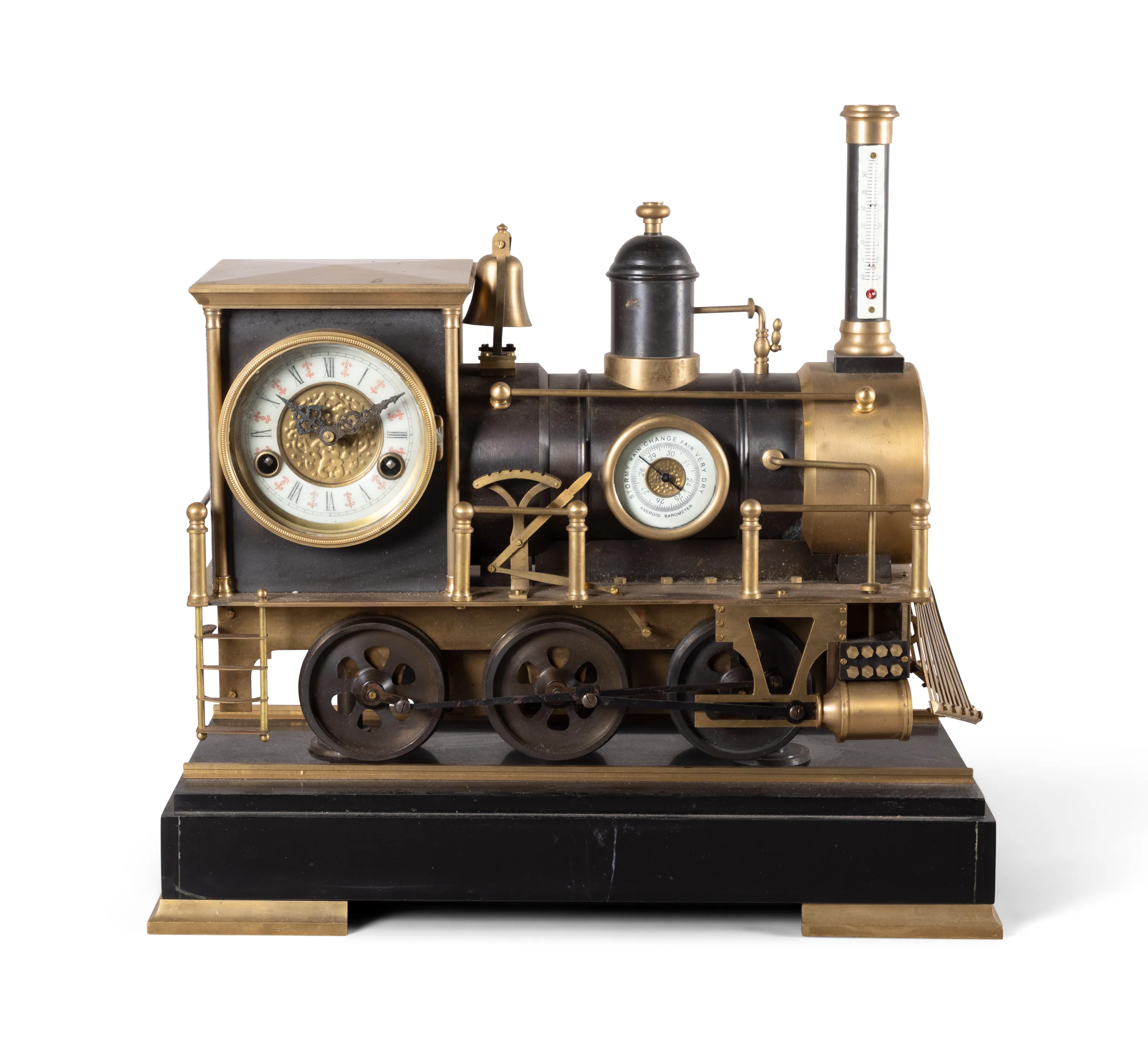
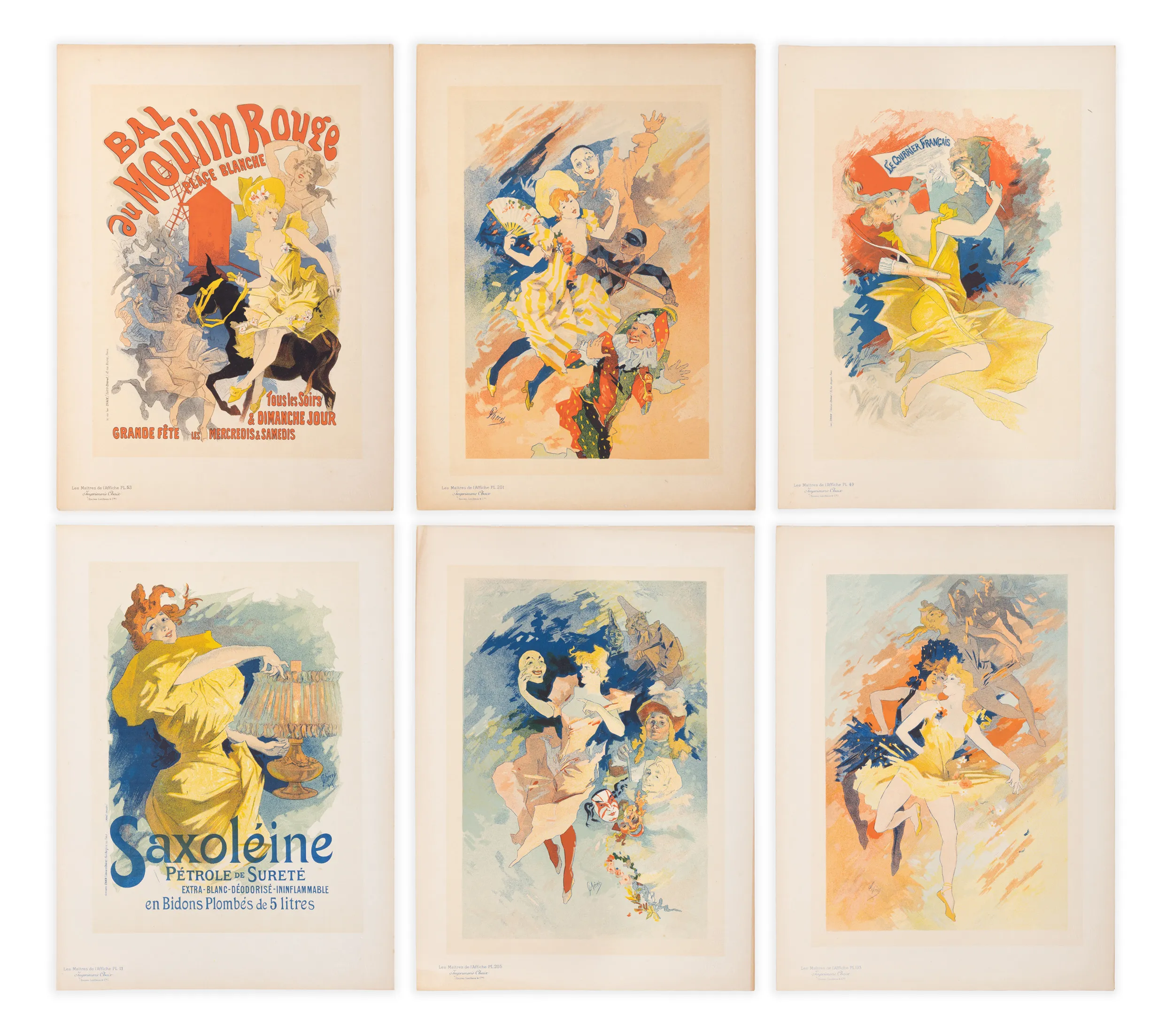

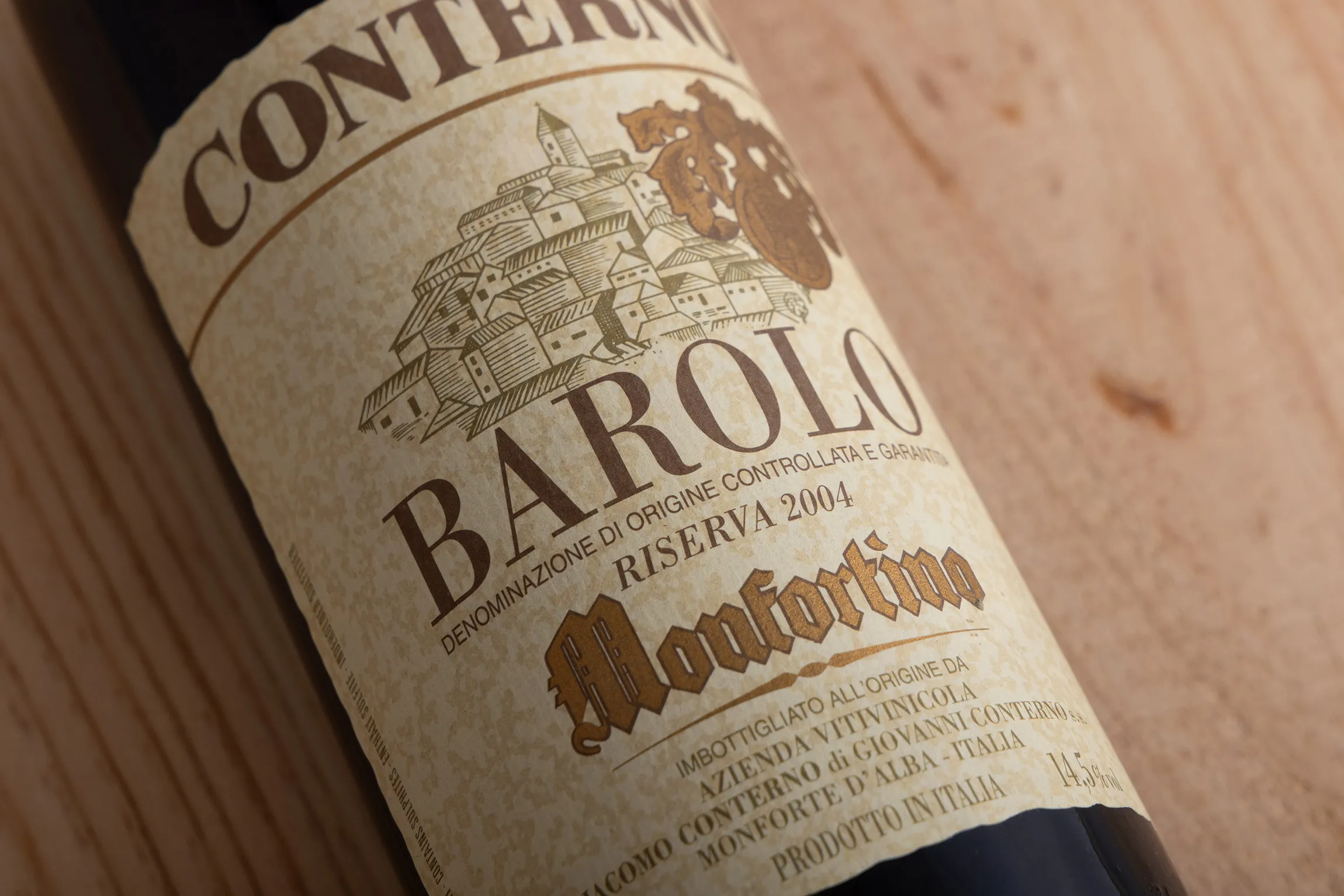
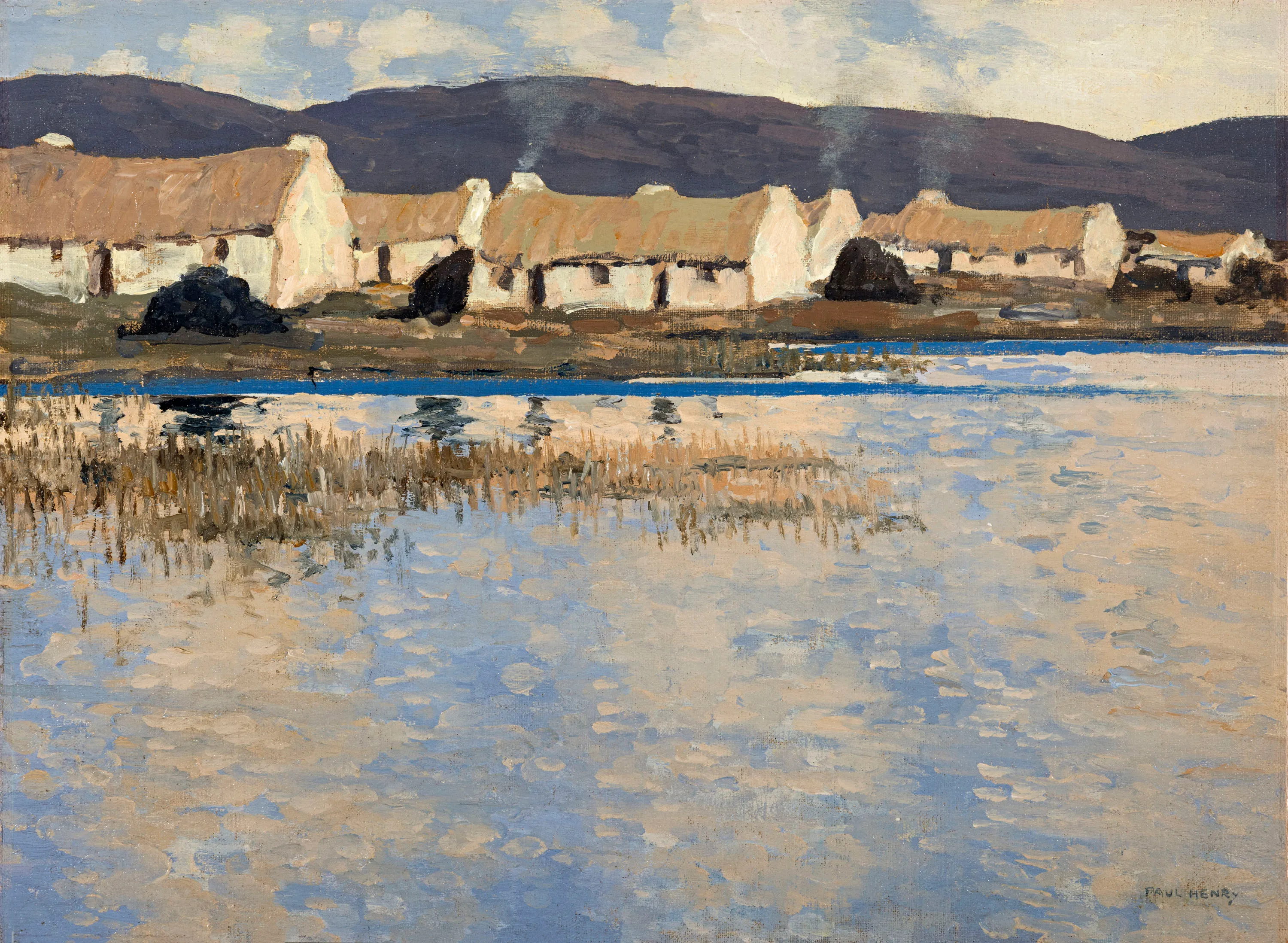
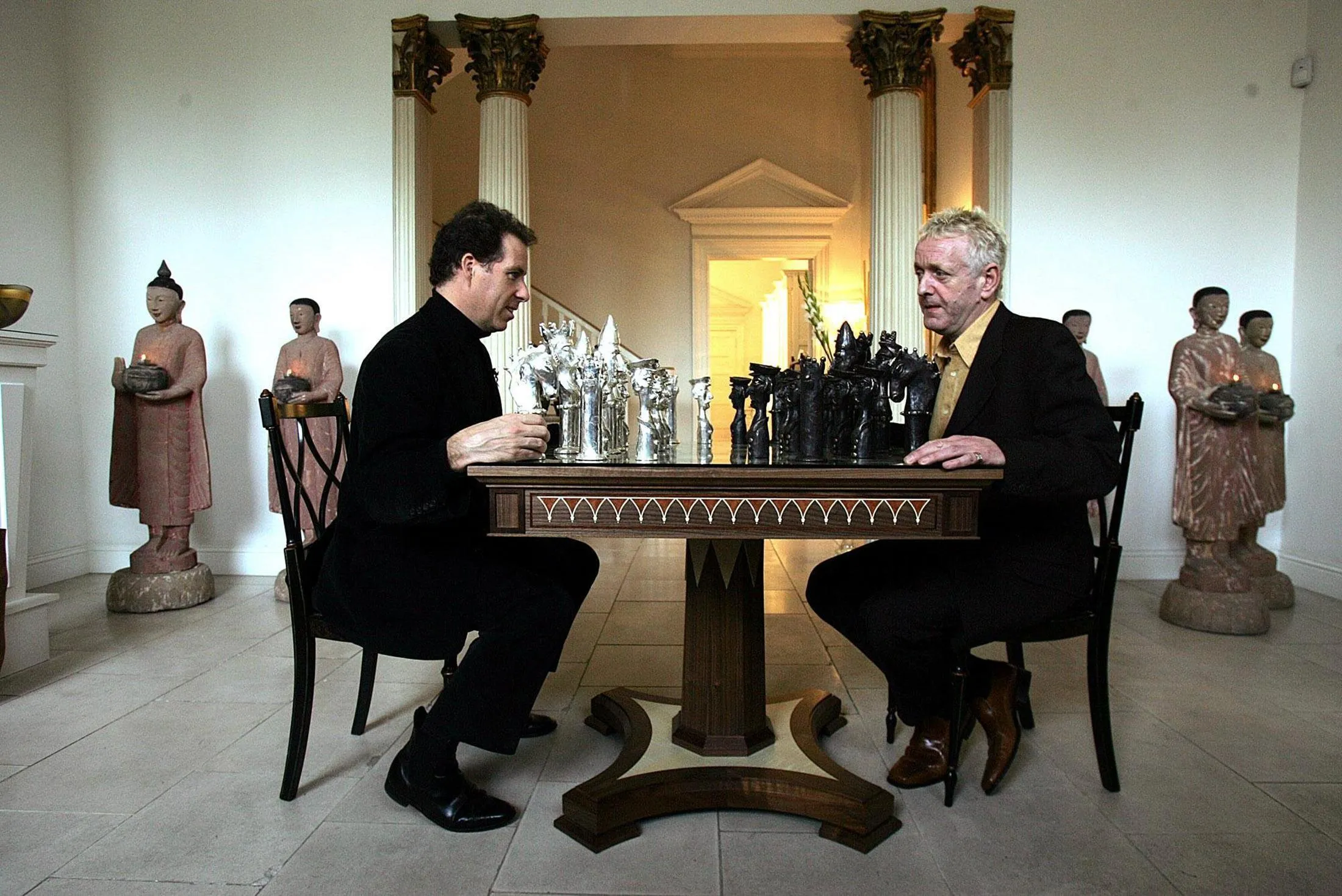
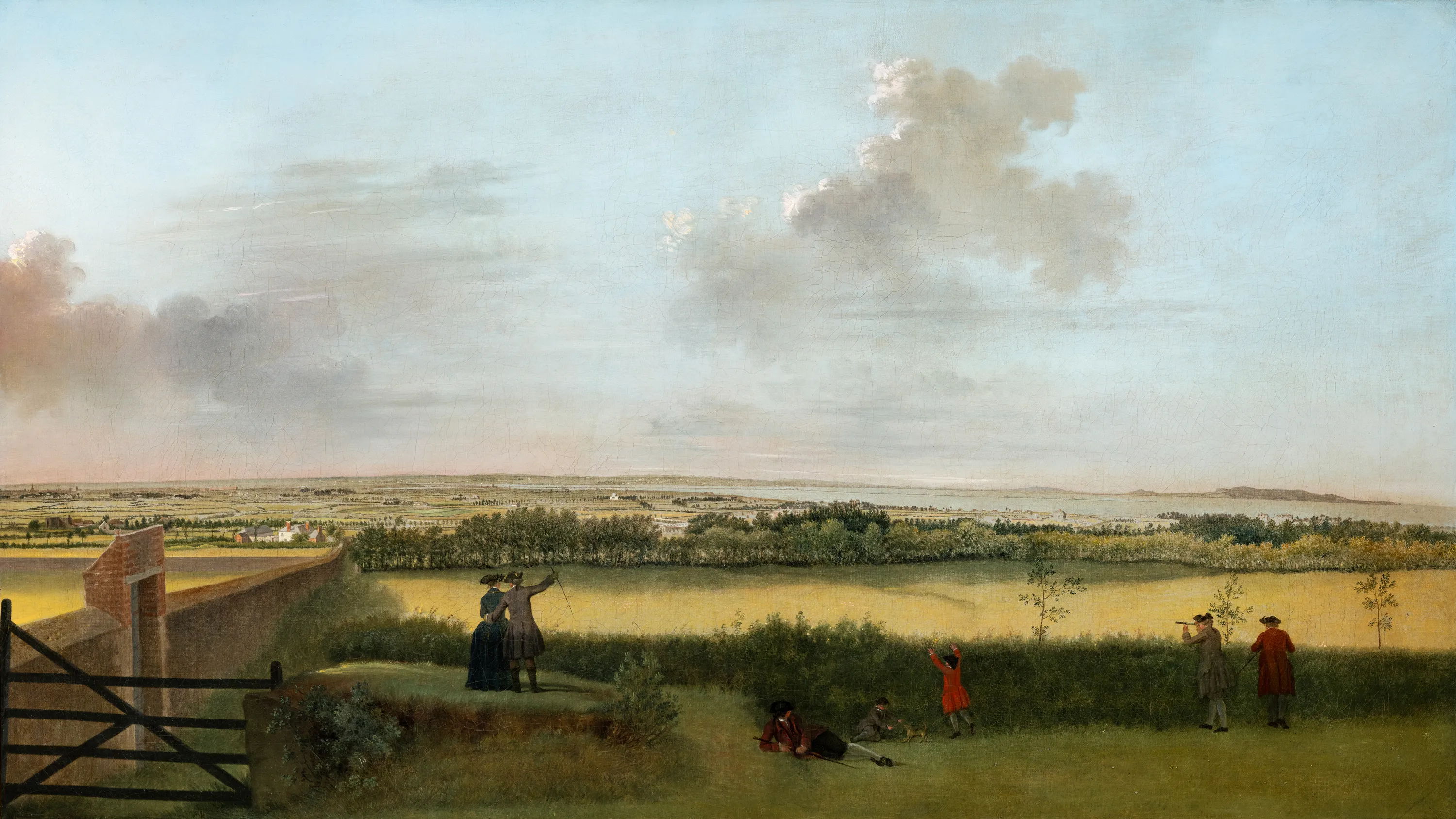
Works Sold at Adam’s Now in the Irish National Collection

A great opportunity to purchase both established and lesser-known artist’s work at an accessible price point, the Online Picture Auction is the first of many sales to be hosted at Adam’s in 2026. It is perfect for those looking to start a collection and the discerning collector alike.


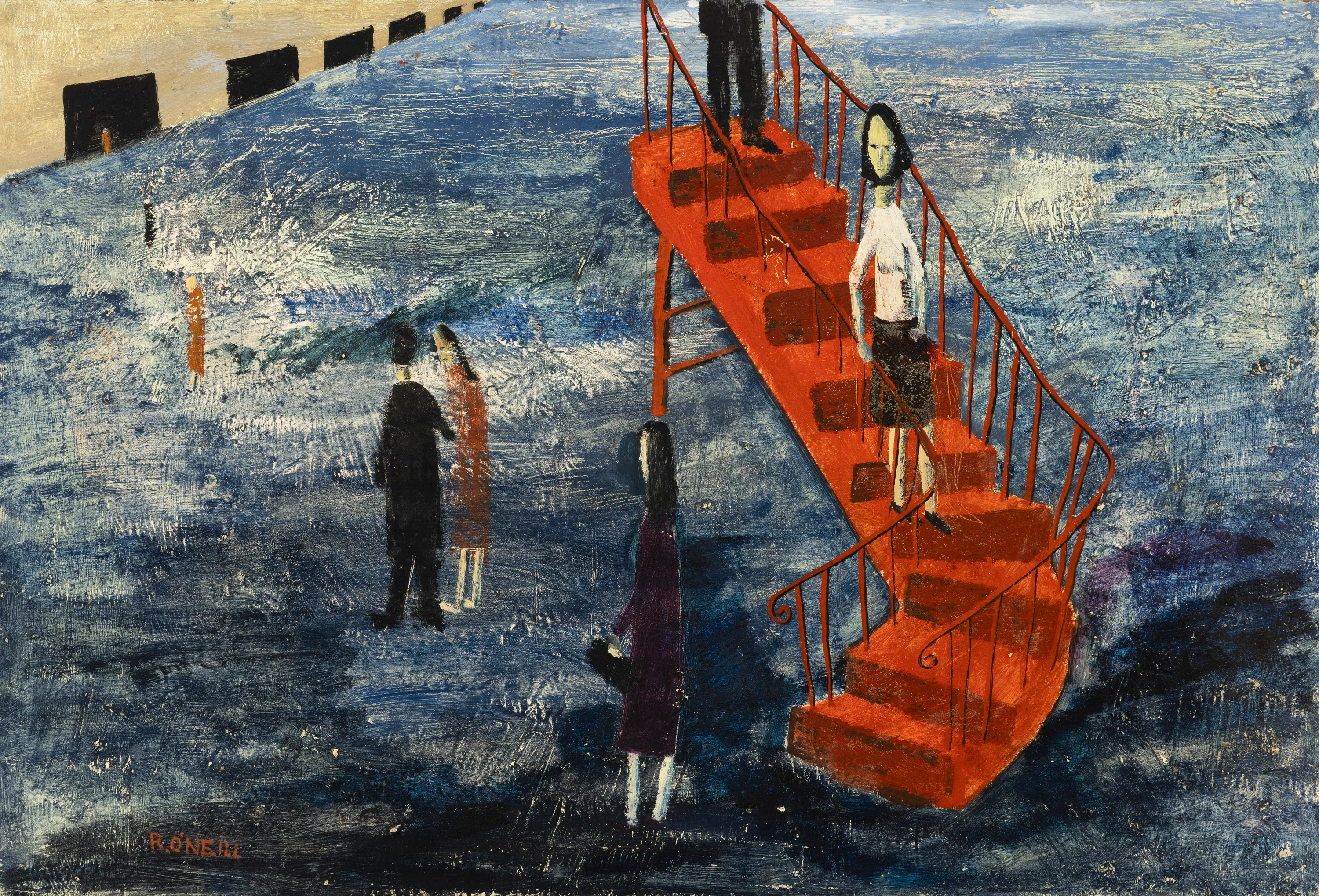
Through this article, let our expert Adam Pearson guiding you to the (re)discovery of the once established Irish painter Richard O’Neill.

James Adam & Sons Ltd, Fine Art Auctioneers and Valuers, 26 St. Stephen’s Green, Dublin 2,
D02 X665, Ireland


