
menu
Departments

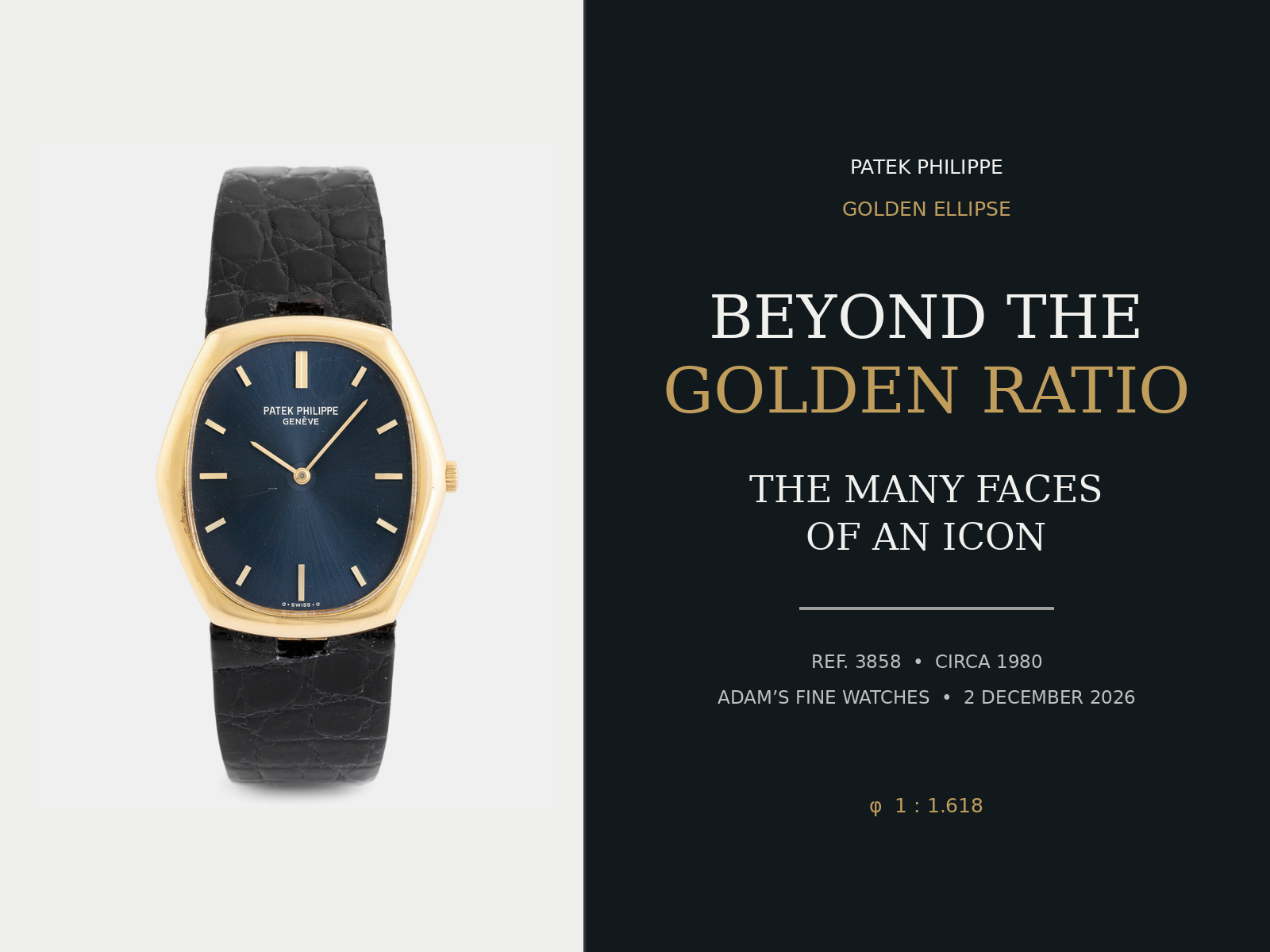

A Design based on the Golden Ratio

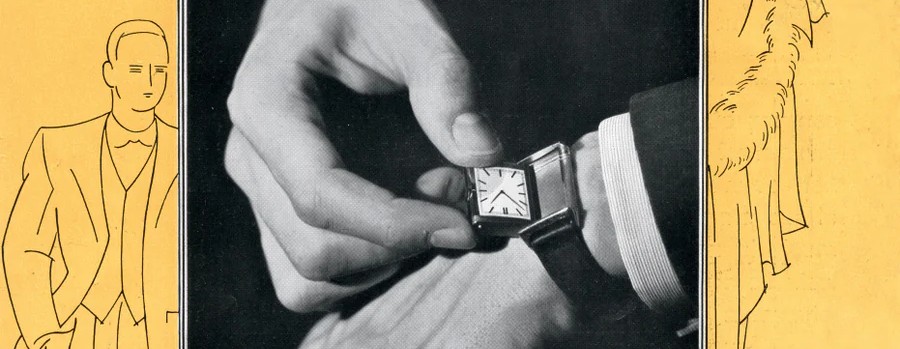
When Patek Philippe introduced the Golden Ellipse in 1968, the watch immediately stood apart from the traditional round designs that had long dominated watch making.
Its distinctive shape was neither quite rectangular nor completely oval. Instead, its proportions were based on the golden ratio - approximately 1:1.618 - a mathematical relationship associated for centuries with harmony and balance in art and architecture.
The result was a watch of remarkable simplicity. With softly curved lines, a slender case and minimalist dial, the Golden Ellipse allowed proportion itself to become the central element of the design.
The earliest references were powered by manually wound movements, helping Patek Philippe preserve the exceptionally thin profile that became one of the defining characteristics of the collection.
An Evolving Collection

The Golden Ellipse was never limited to a single case shape or mechanical formula.
Over the following decades, Patek Philippe explored the concept through an extraordinary variety of proportions, materials and designs. The collection expanded from the restrained shape of the original reference 3548 into smaller, larger, more elongated and increasingly unconventional interpretations.
Its mechanical architecture evolved too. In 1977, Patek Philippe introduced the ultra-thin automatic calibre 240 to the Golden Ellipse. Thanks to its integrated micro-rotor, the movement offered automatic winding while maintaining the slim profile that was essential to the character of the collection.
Looking across the history of the Golden Ellipse, the breadth of the designs is striking. Some references stayed close to the original formula, while others transformed it almost completely, demonstrating how flexible the underlying idea could be.
The Ref.3858: A More Radical Ellipse
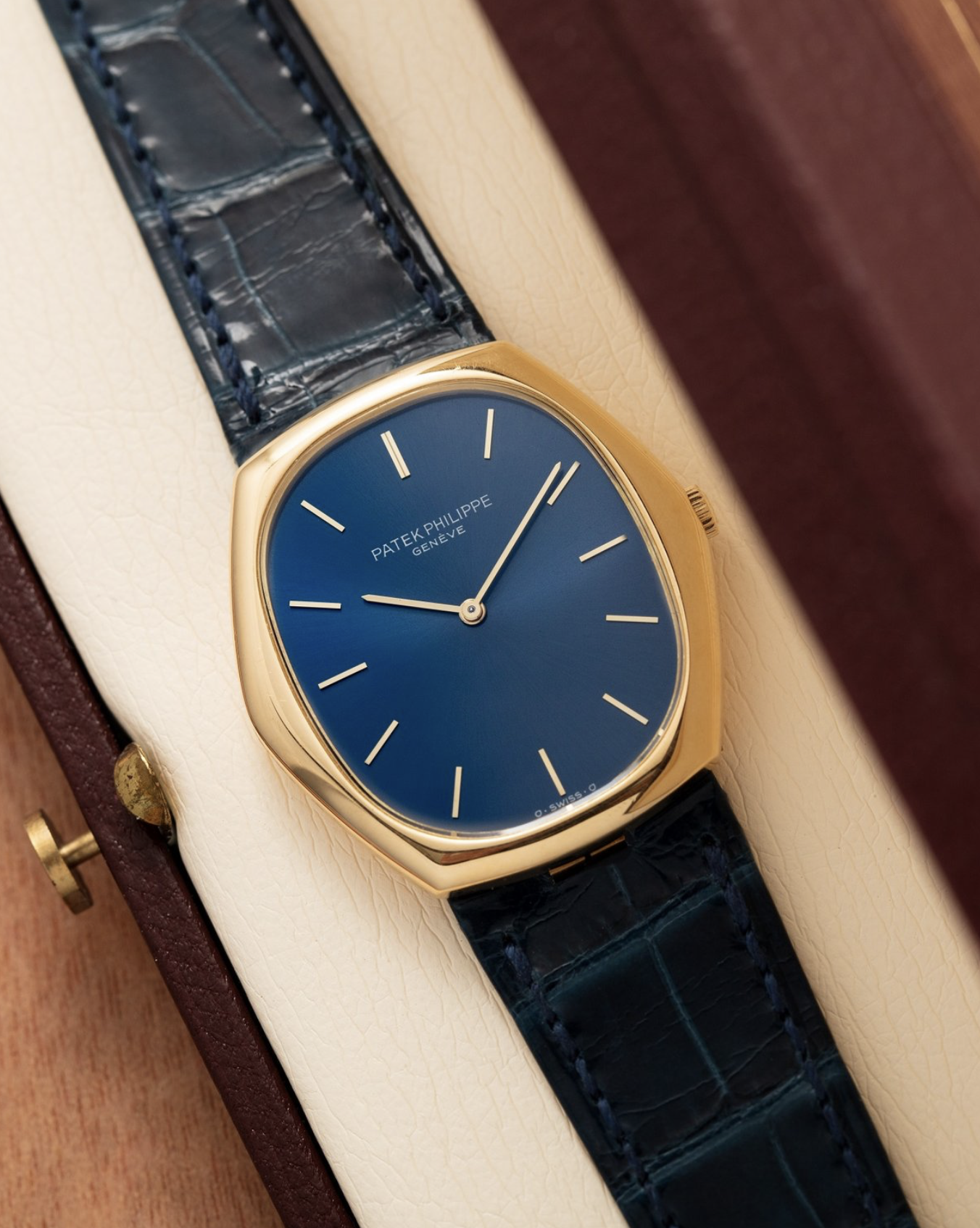
Among these more unusual interpretations is the reference 3858, dating from 1979.
While still unmistakably part of the Golden Ellipse family, its case moves far beyond the restrained geometry of the classic models. More elongated, fluid and almost organic in form, its sweeping gold contours can even recall the silhouette of a manta ray with its wings extended.
Inside is the manually wound calibre 215, preserving the slim construction associated with the earlier Golden Ellipse models.
The same attention to design extends to the smallest details. Even the gold buckle echoes the distinctive contours of the case, creating a visual continuity between the watch and its strap.
The reference 3858 perfectly illustrates the creative freedom that existed within the Golden Ellipse collection. What began in 1968 as an exercise in mathematical proportion became, over time, a platform for Patek Philippe to experiment with movement, scale and form.
This distinctive Patek Philippe Golden Ellipse reference 3858 will be offered in Adam’s Fine Watches auction on December 2nd, 2026.
Catalogue coming soon.


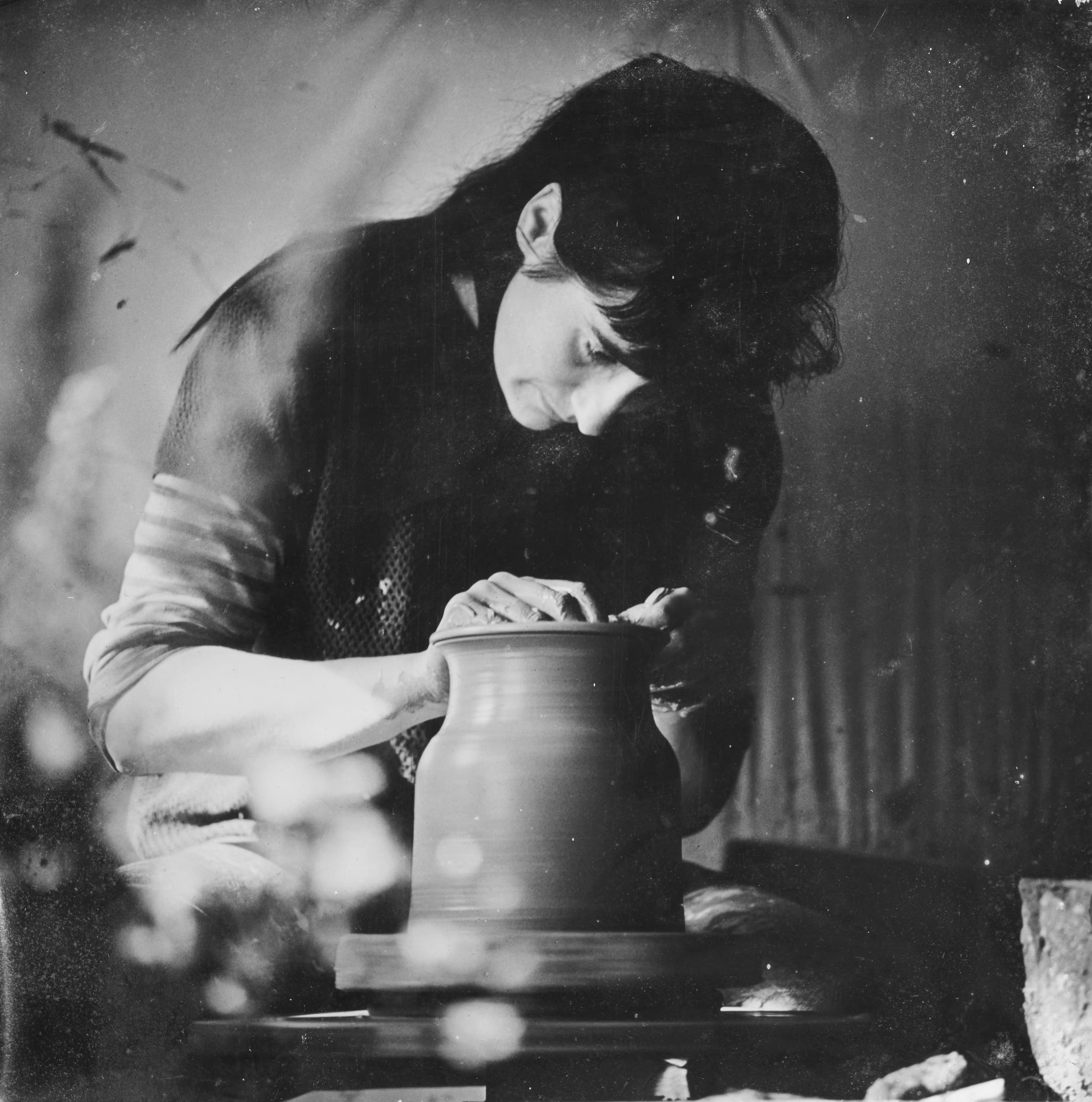




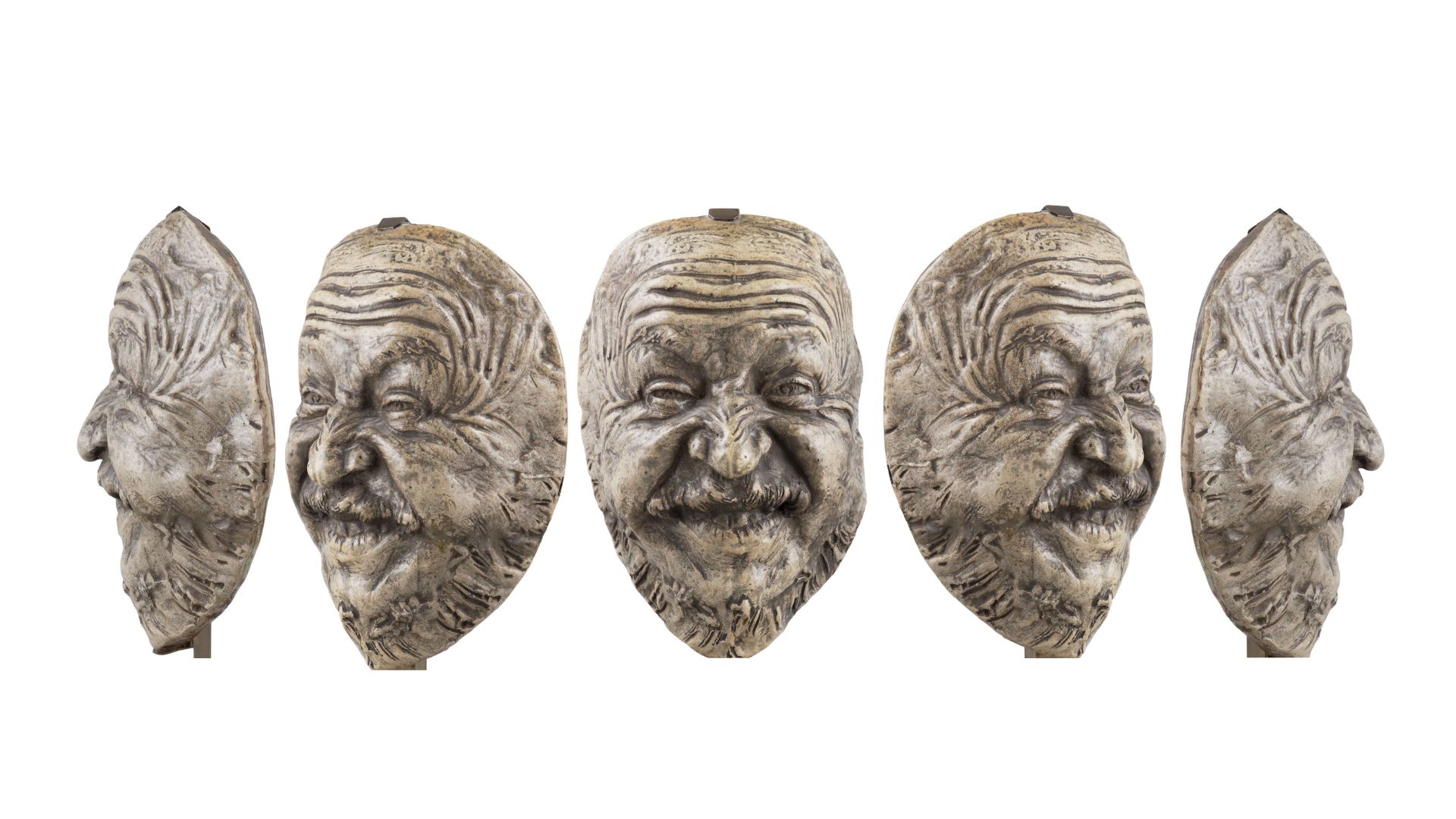











John ffrench was an instrumental figure in the design industry in Ireland and a distinguished pioneer of Irish studio pottery.


)%20(1).jpg)











"I should declare my hand. I have a weakness for pictures that punch above their physical weight, and for artists who have been quietly underrated for too long. This pair is both. They are intimate enough to live with at close quarters and serious enough to repay any amount of looking. If the market has lately shown signs of catching up with eighteenth-century Irish painting and I think it has, these two small panels feel, to me, like exactly the sort of thing that will look obvious in twenty years’ time."





Adam’s is honoured to present works from the collection of Lord Rossmore in the upcoming Country House Collections auction at Howth Castle on 28th April. It is seldom that an influential Irish family collection that has survived through the generations comes to the open market.





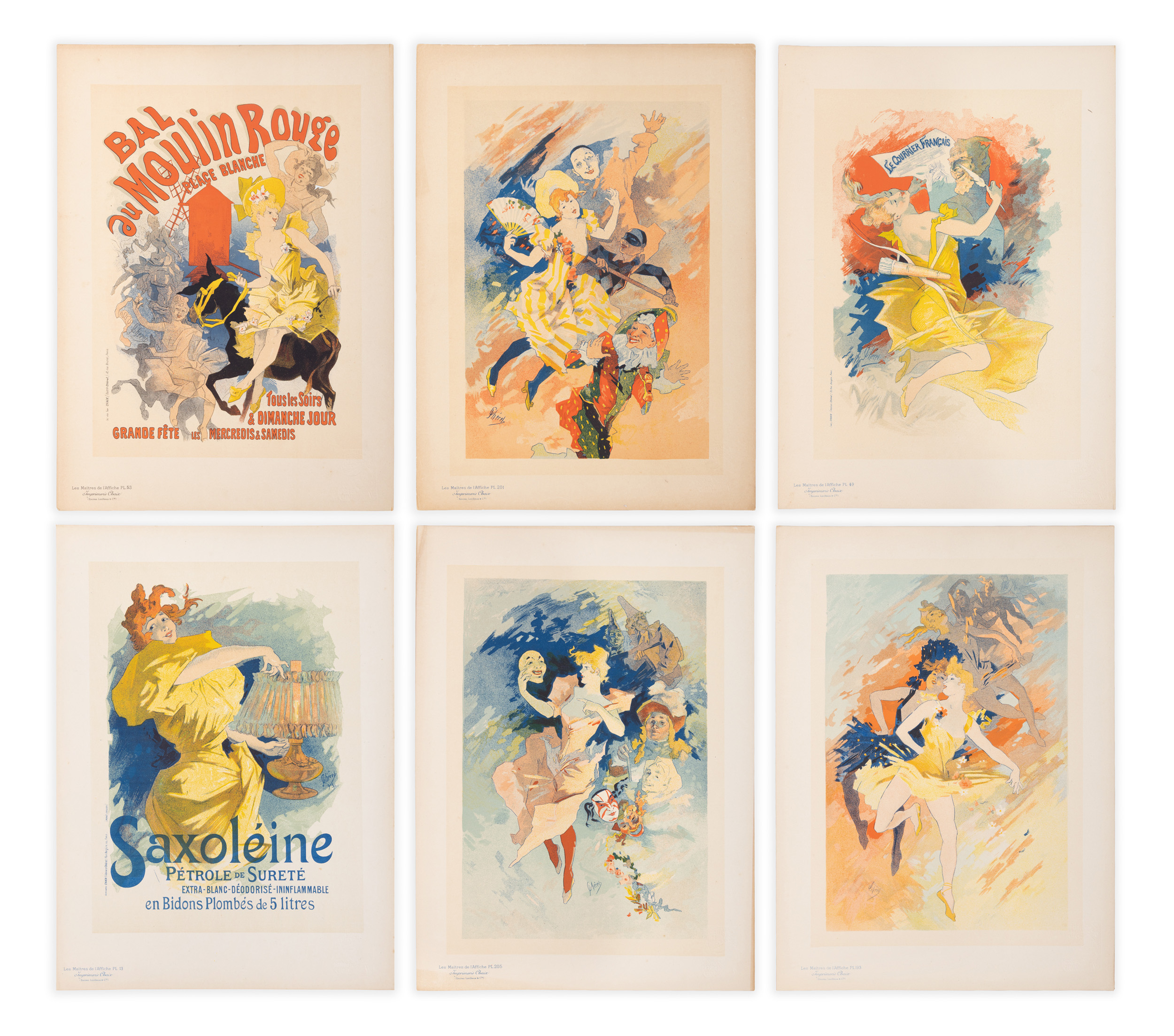


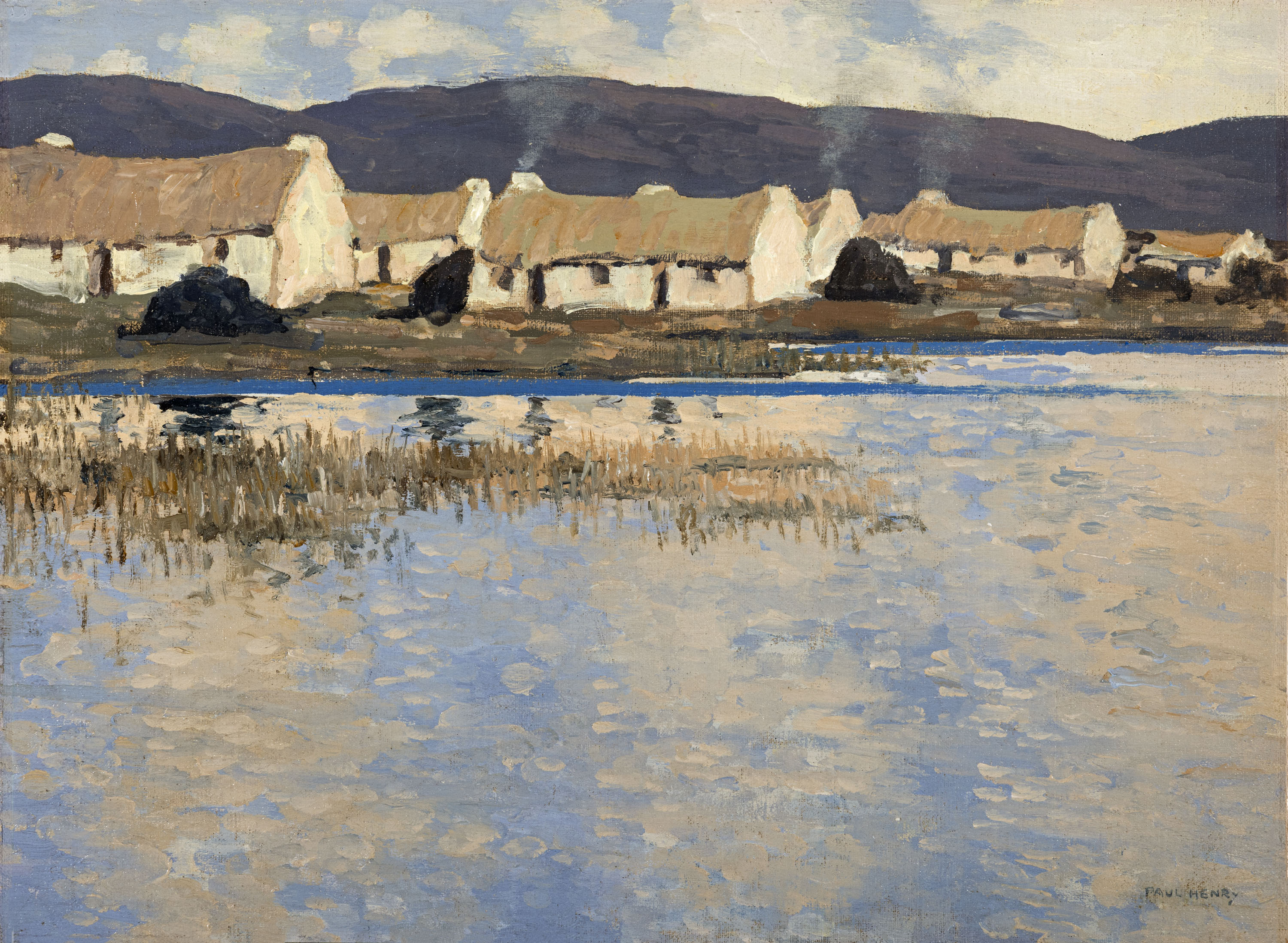
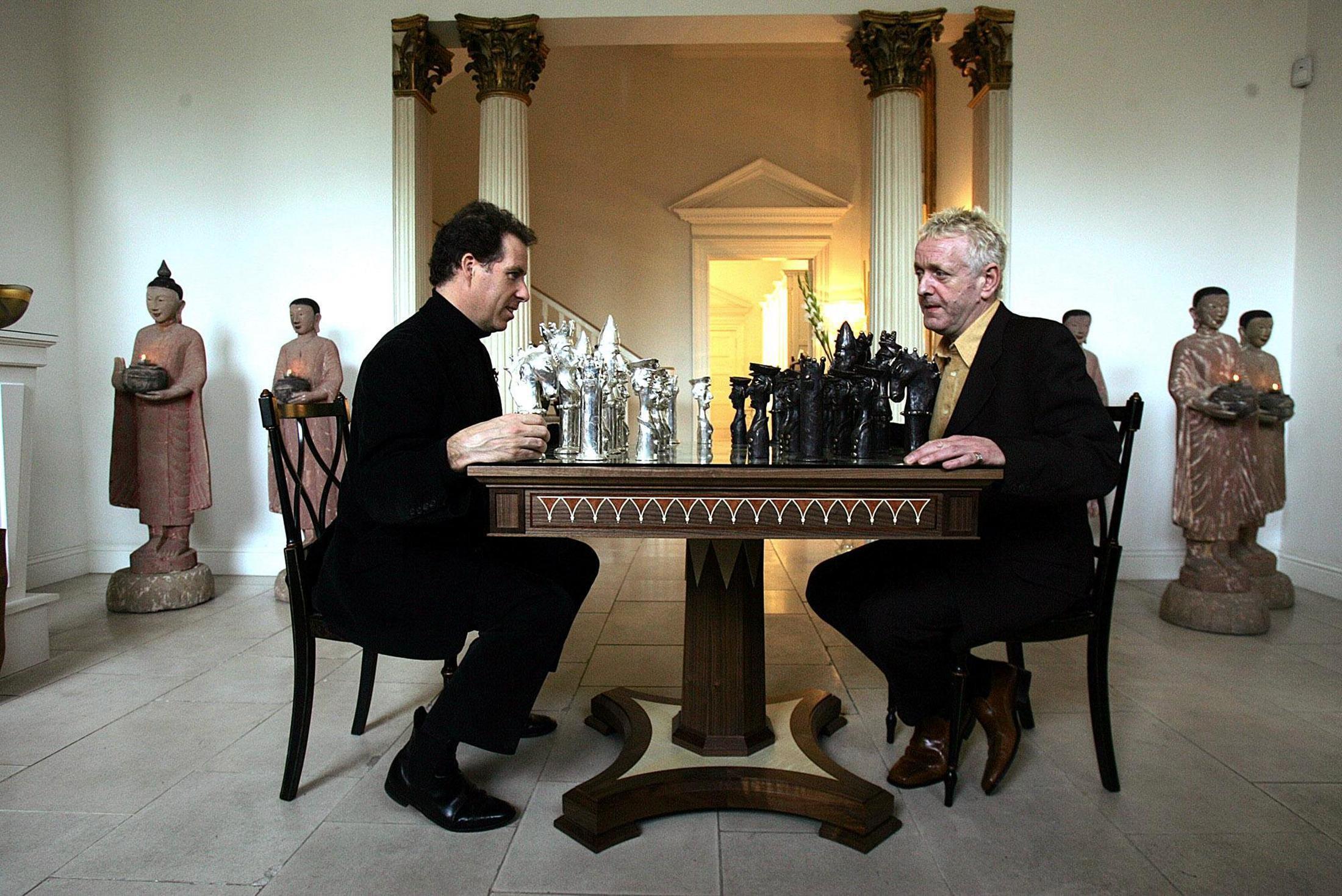
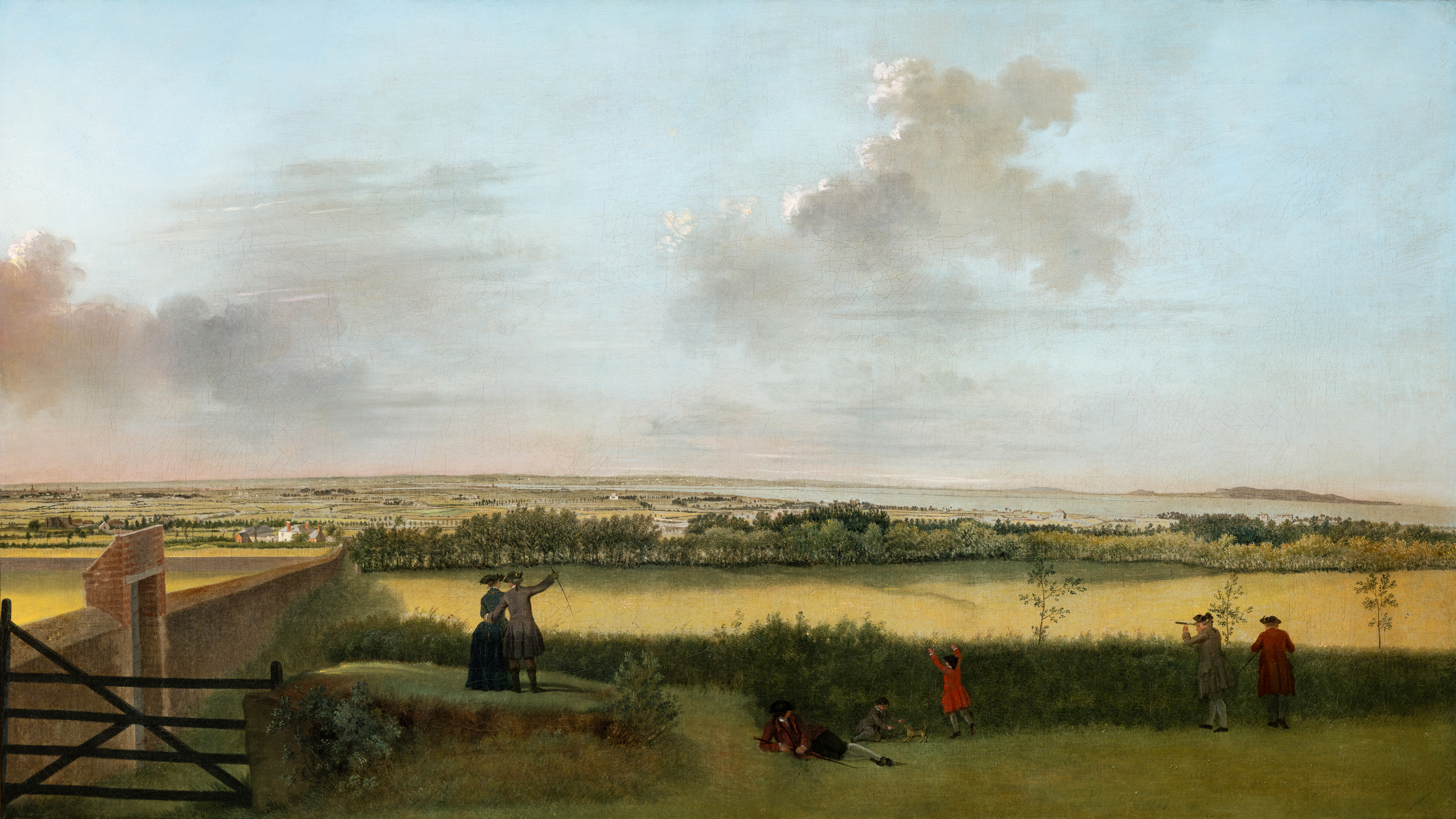
Works Sold at Adam’s Now in the Irish National Collection

A great opportunity to purchase both established and lesser-known artist’s work at an accessible price point, the Online Picture Auction is the first of many sales to be hosted at Adam’s in 2026. It is perfect for those looking to start a collection and the discerning collector alike.




Through this article, let our expert Adam Pearson guiding you to the (re)discovery of the once established Irish painter Richard O’Neill.


Buying at Auction and the Role of Antiques in a Modern Home


James Adam & Sons Ltd, Fine Art Auctioneers and Valuers, 26 St. Stephen’s Green, Dublin 2,
D02 X665, Ireland


