
menu
Departments
.svg)
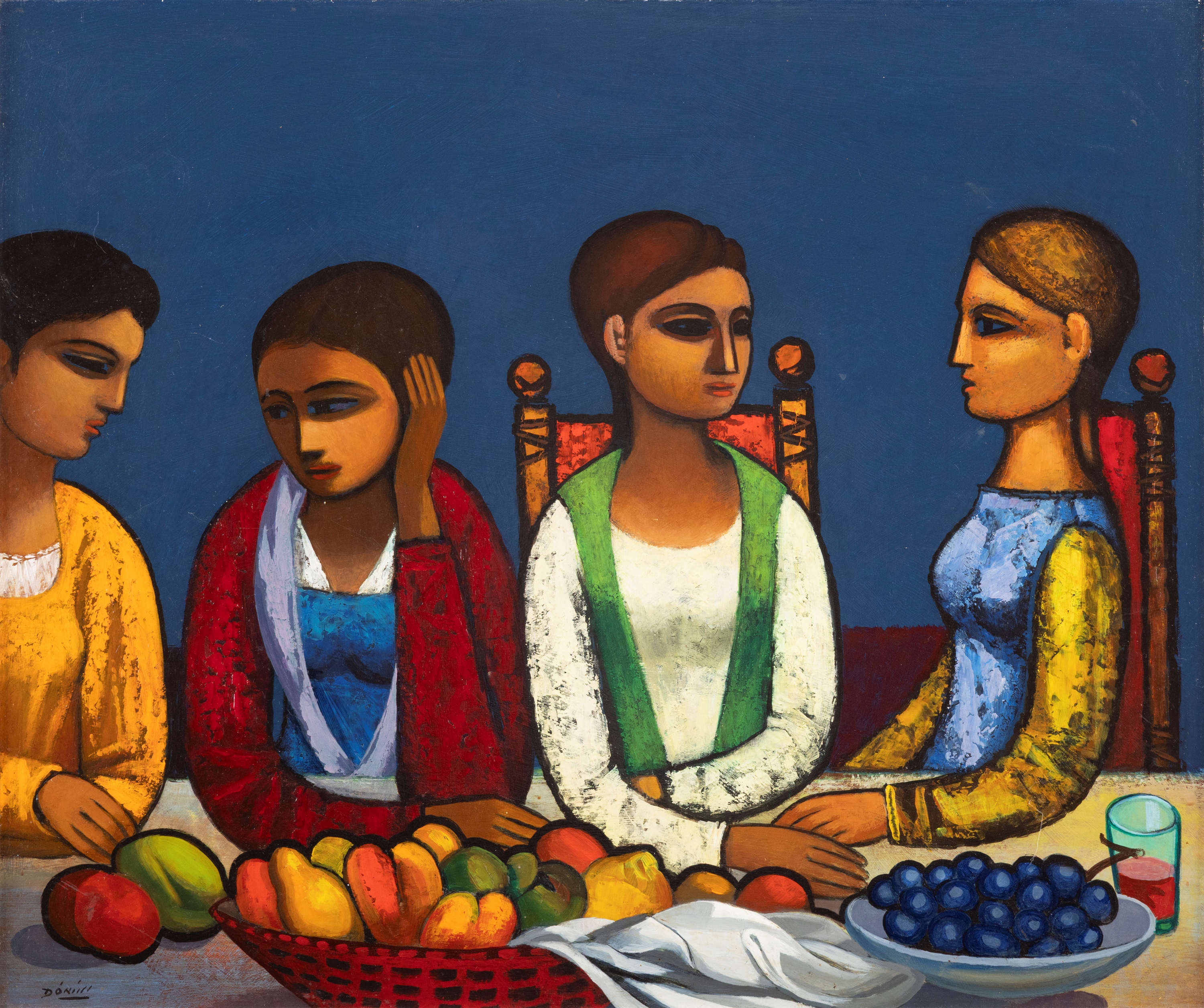

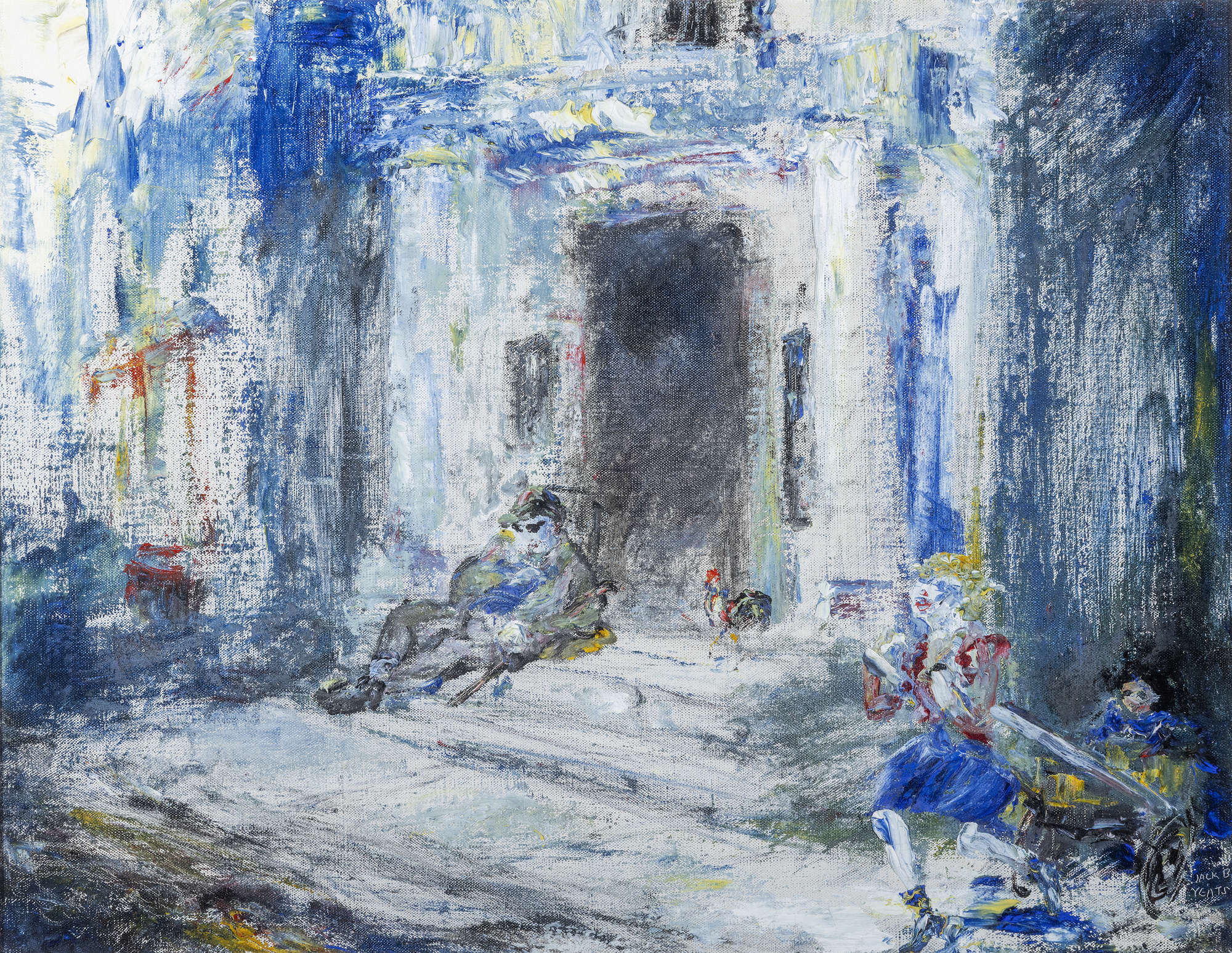
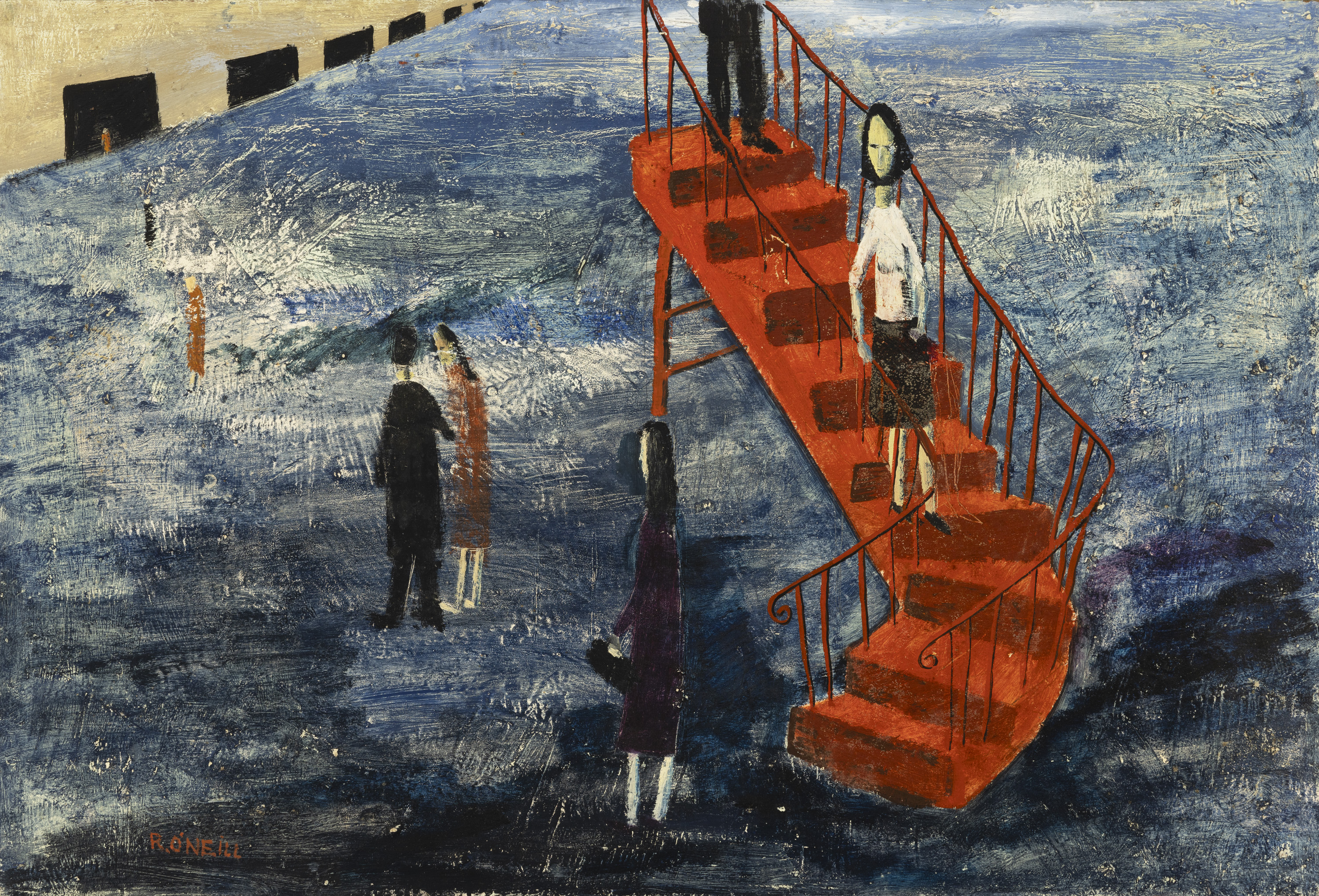
Against an atmospheric blue ground, the women in this reverie make up two pairs, each couple absorbed in thoughtful, intimate conversation. The rhythmic lushness of the fruit spread along the foreground is echoed in the curvature of colourfully attired figures and accented by the rigour of the vertical accents they create, emphasised by the straight-backed dining chairs. There’s pleasure in the scene but also an element of gravity and mystery. The mood recalls one of Daniel O’Neill’s best known works, Place du Tertre, a late-night scene in which people converse quietly around tables outdoors at a Montmartre cafe.
Born in Belfast, the son of an electrician, O’Neill followed his father into the trade, working for the corporation’s transport department and the shipyards. But even in his early teens he was drawn to art, studying books in the library and attending night classes at technical college. At work he opted for night shifts, painting during daylight. When he was taken up by the painter and muralist Sidney Smith and befriended Gerard Dillon, it was as if he had found a doorway into a whole new world of possibility. In fact, his work never lost the sense of magic and enchantment that art offered him.
It’s not surprising that he was enraptured with the bohemian setting of the Latin Quarter in Paris when he went to stay in Montmartre in 1948. Imaginatively and artistically, he always seemed to inhabit this realm of emotional intensity and passionate creativity. He had a natural instinct for simplified, stylised imagery, innate compositional ability, and an eye for drama (he was commissioned by the Abbey to design the set for a 1957 production of Synge’s Playboy). Strong colour became increasingly important as he aged. Noticeably, there is often a wistful, yearning quality to the people in his work, who exude a sense of brooding inner life, just as there was a certain melancholy to the artist himself. Tall, handsome and striking in appearance - following his French sojourn he took to wearing a fedora and a black cloak about town - he was a dreamy romantic at heart.
One of a small group of Northern Irish artists who played a pivotal role in 20th century Irish art as it moved towards modernity, O’Neill is represented in numerous public and private collections.
Aidan Dunne, August 2026
Lot 73, Important Irish Art Auction, Wednesday 23rd September at 6pm


.png)
.png)
.jpg)

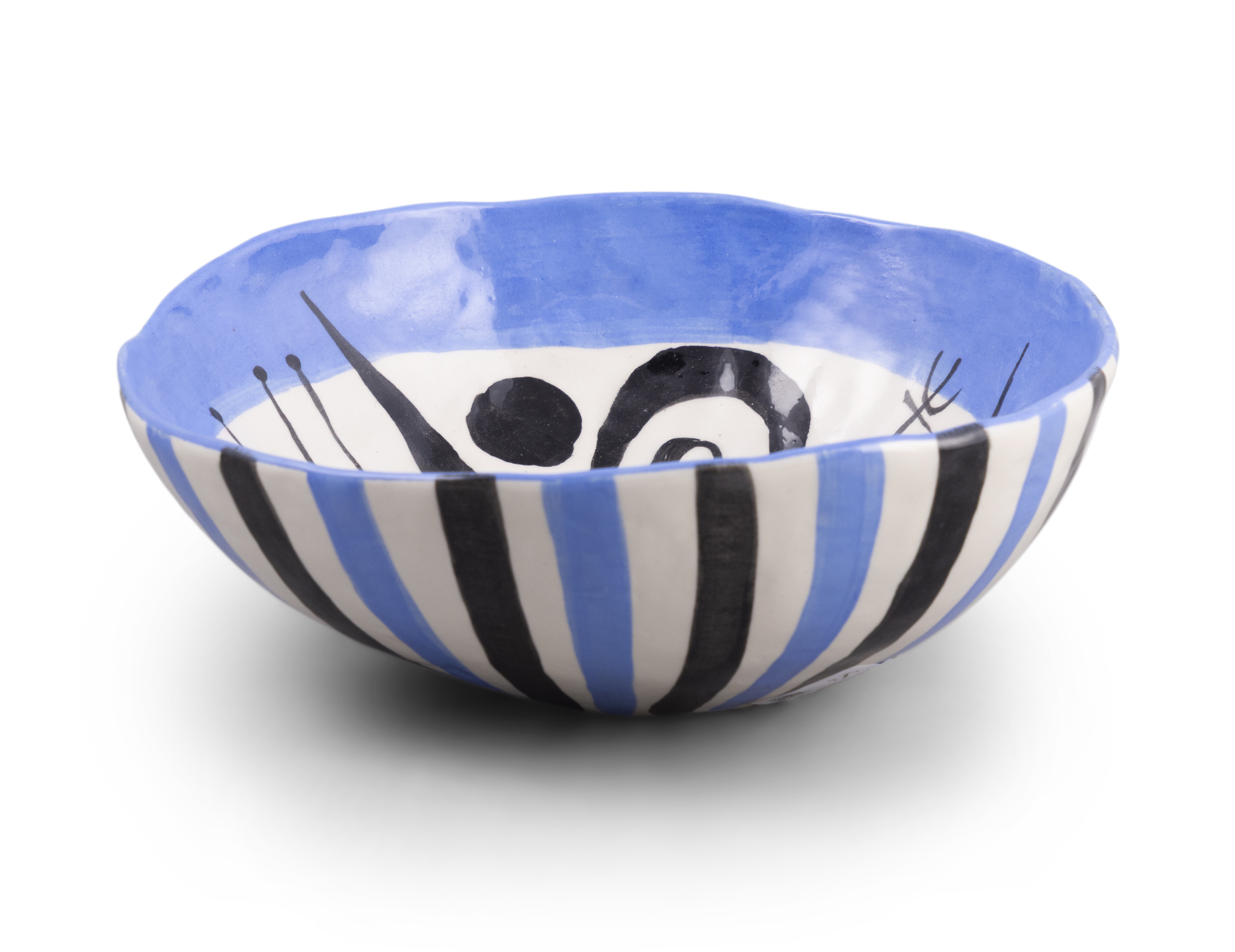
John ffrench was an instrumental figure in the design industry in Ireland and a distinguished pioneer of Irish studio pottery.

)%20(1).jpg)
%20(002).png)
%20(2).jpg)


%20(1200%20x%20768%20px)%20(2).png)
.png)

.png)

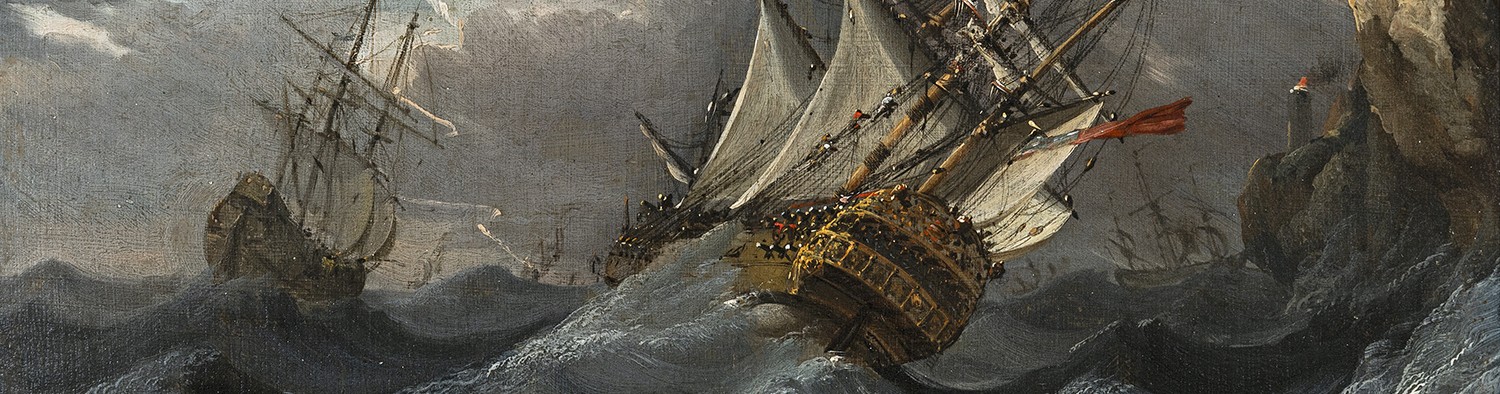
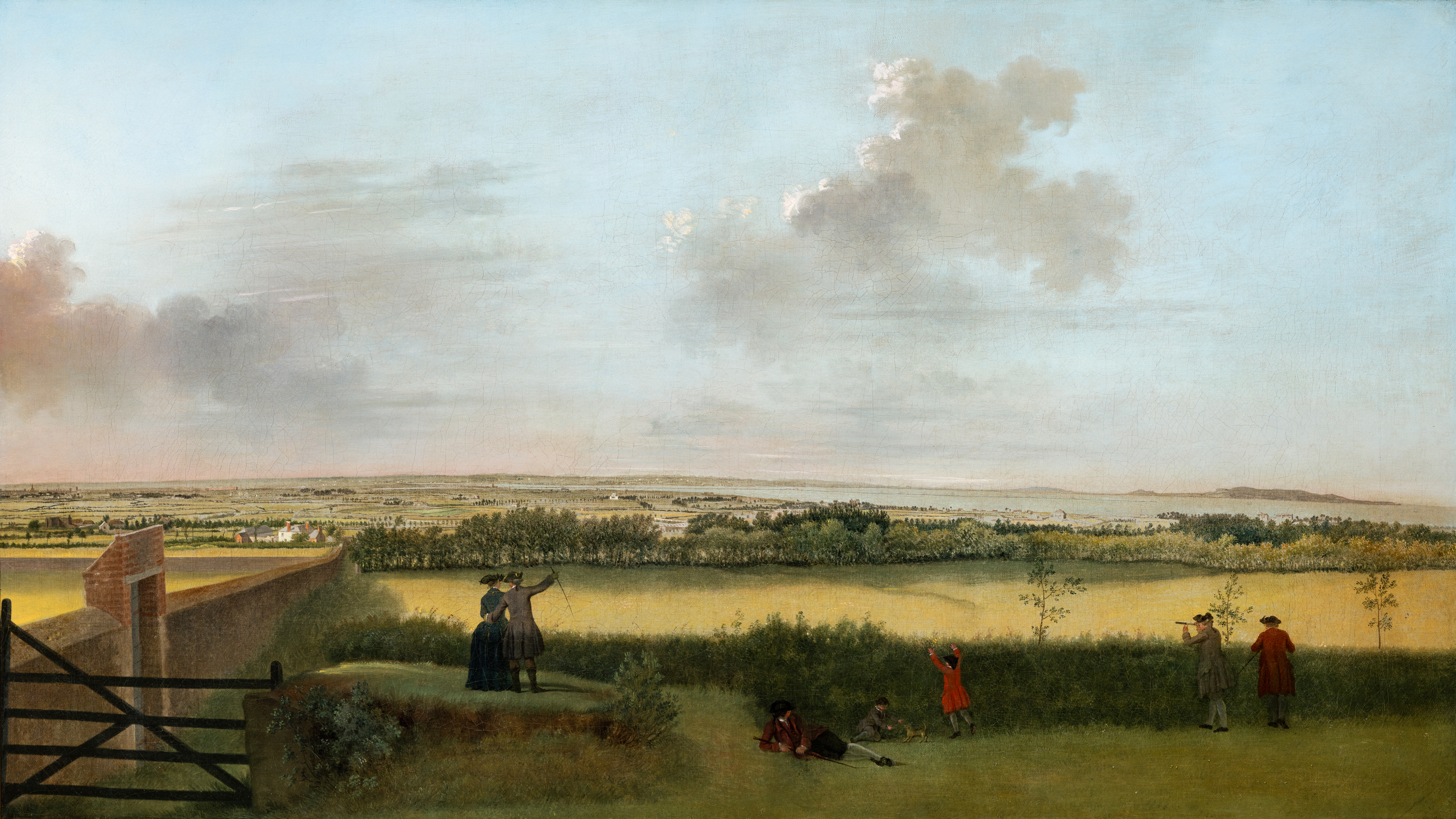
"I should declare my hand. I have a weakness for pictures that punch above their physical weight, and for artists who have been quietly underrated for too long. This pair is both. They are intimate enough to live with at close quarters and serious enough to repay any amount of looking. If the market has lately shown signs of catching up with eighteenth-century Irish painting and I think it has, these two small panels feel, to me, like exactly the sort of thing that will look obvious in twenty years’ time."
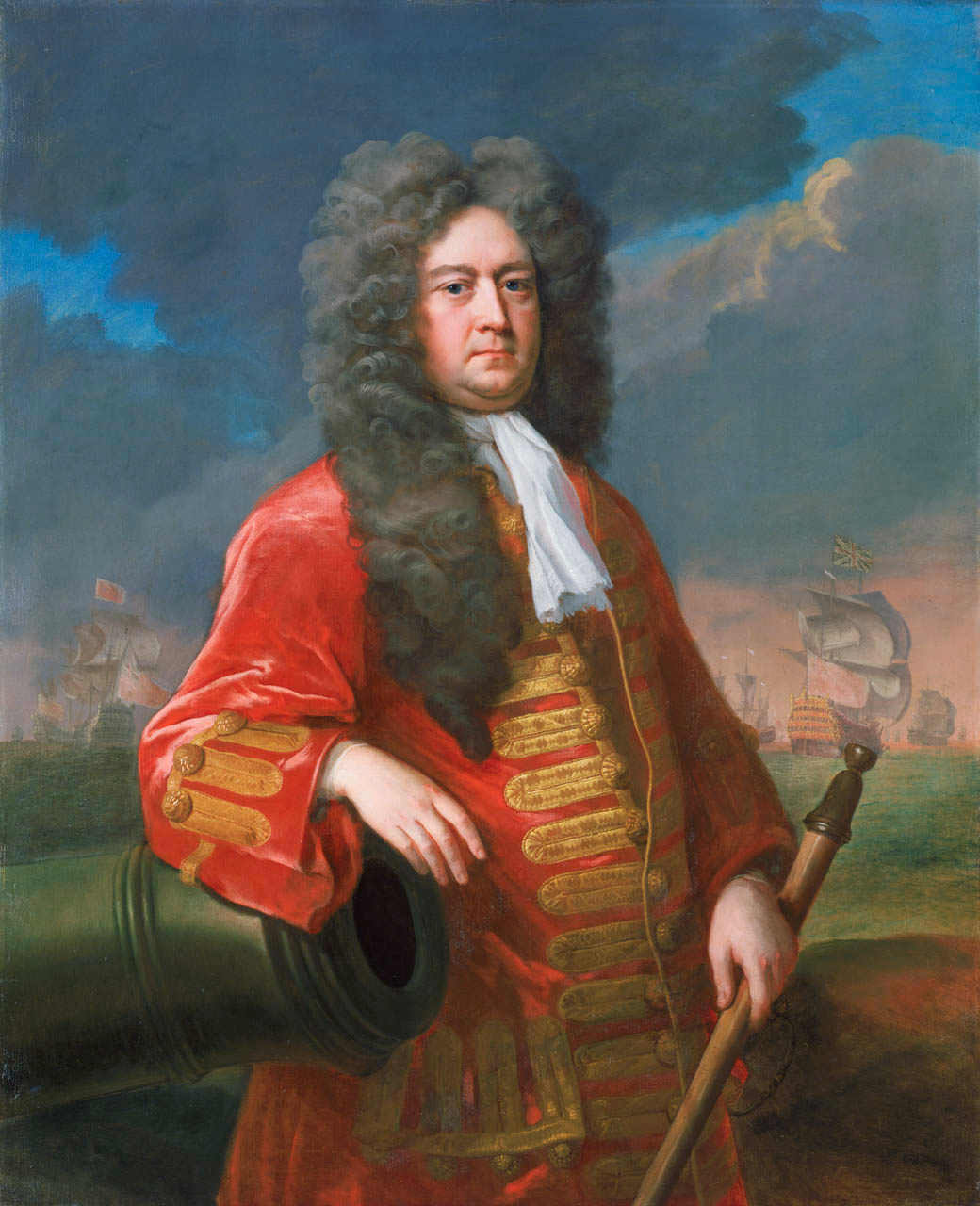




Adam’s is honoured to present works from the collection of Lord Rossmore in the upcoming Country House Collections auction at Howth Castle on 28th April. It is seldom that an influential Irish family collection that has survived through the generations comes to the open market.



Works Sold at Adam’s Now in the Irish National Collection
A great opportunity to purchase both established and lesser-known artist’s work at an accessible price point, the Online Picture Auction is the first of many sales to be hosted at Adam’s in 2026. It is perfect for those looking to start a collection and the discerning collector alike.


Through this article, let our expert Adam Pearson guiding you to the (re)discovery of the once established Irish painter Richard O’Neill.


Buying at Auction and the Role of Antiques in a Modern Home


Important Irish Art Auction Highlights

Oliver Dowling Collection by Aidan Dunne


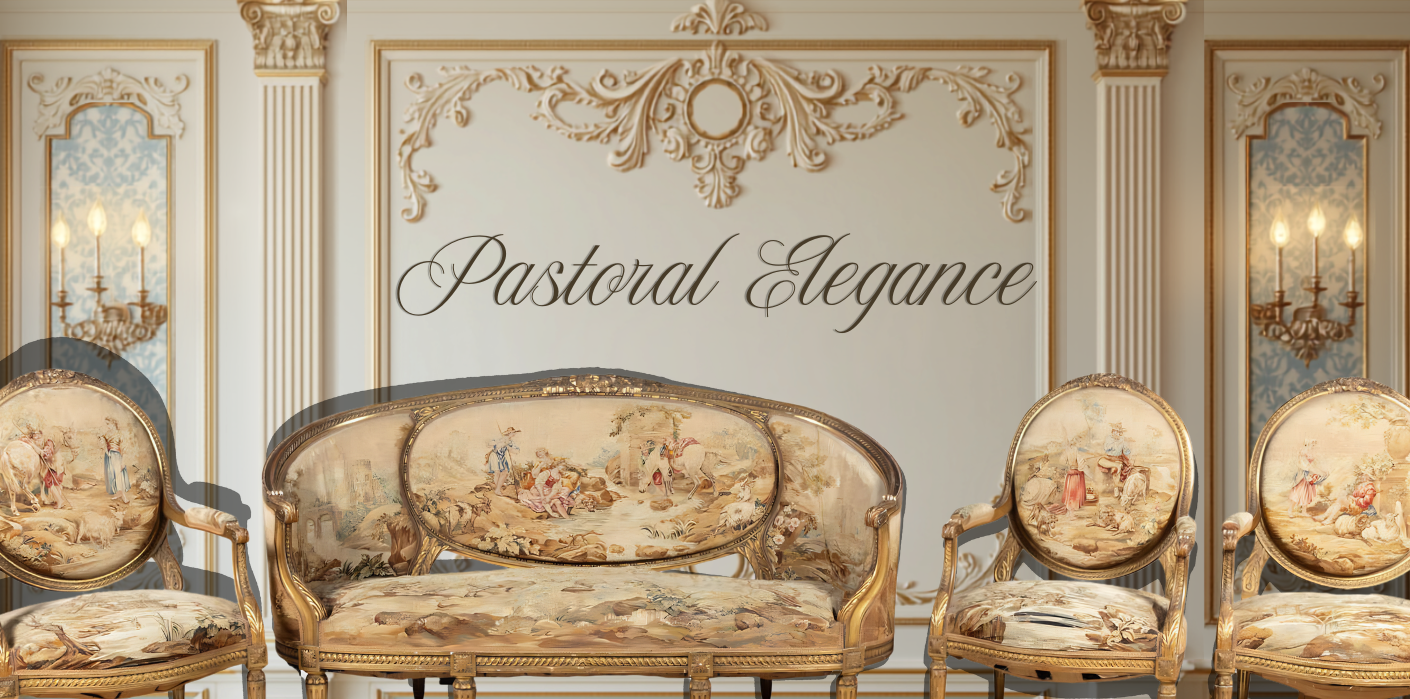
2024 is a year in which Adam’s wants to recognise the key role buying antique furniture and furnishings at auction contributes greatly to the sustainable initiative. In 2019 the Environmental Protection Agency reported stark figures that each year in Ireland 1.2 million reusable bulky items, primarily furniture goes into landfill. Similar to the problem of ‘fast fashion’, the constant production and consumption of new items is leading to rapidly growing waste problem. We want to acknowledge those who are already buying second hand or antique furniture at auction and to encourage new buyers by highlighting the benefits of acquiring affordable, well-made quality items that are built to last.


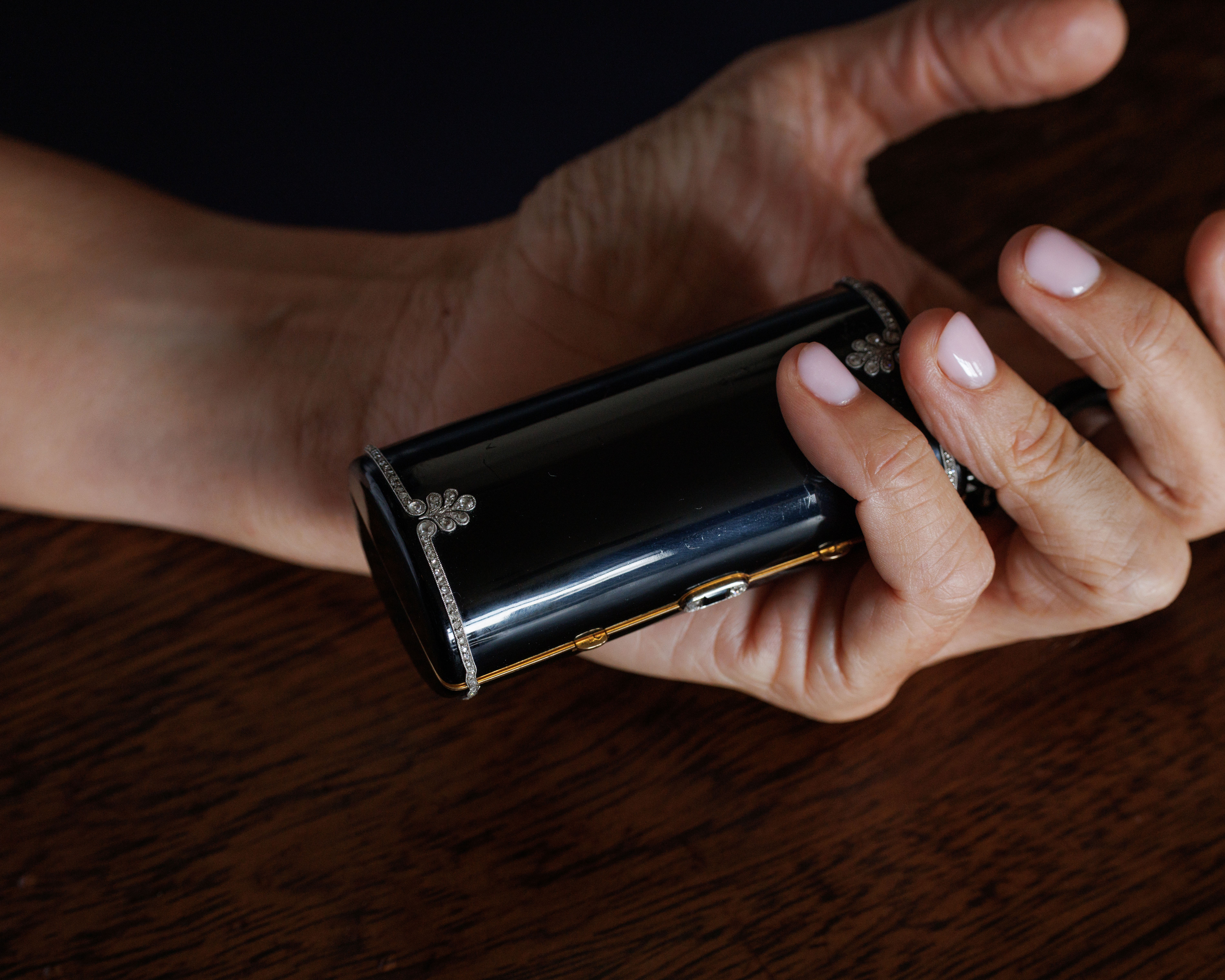
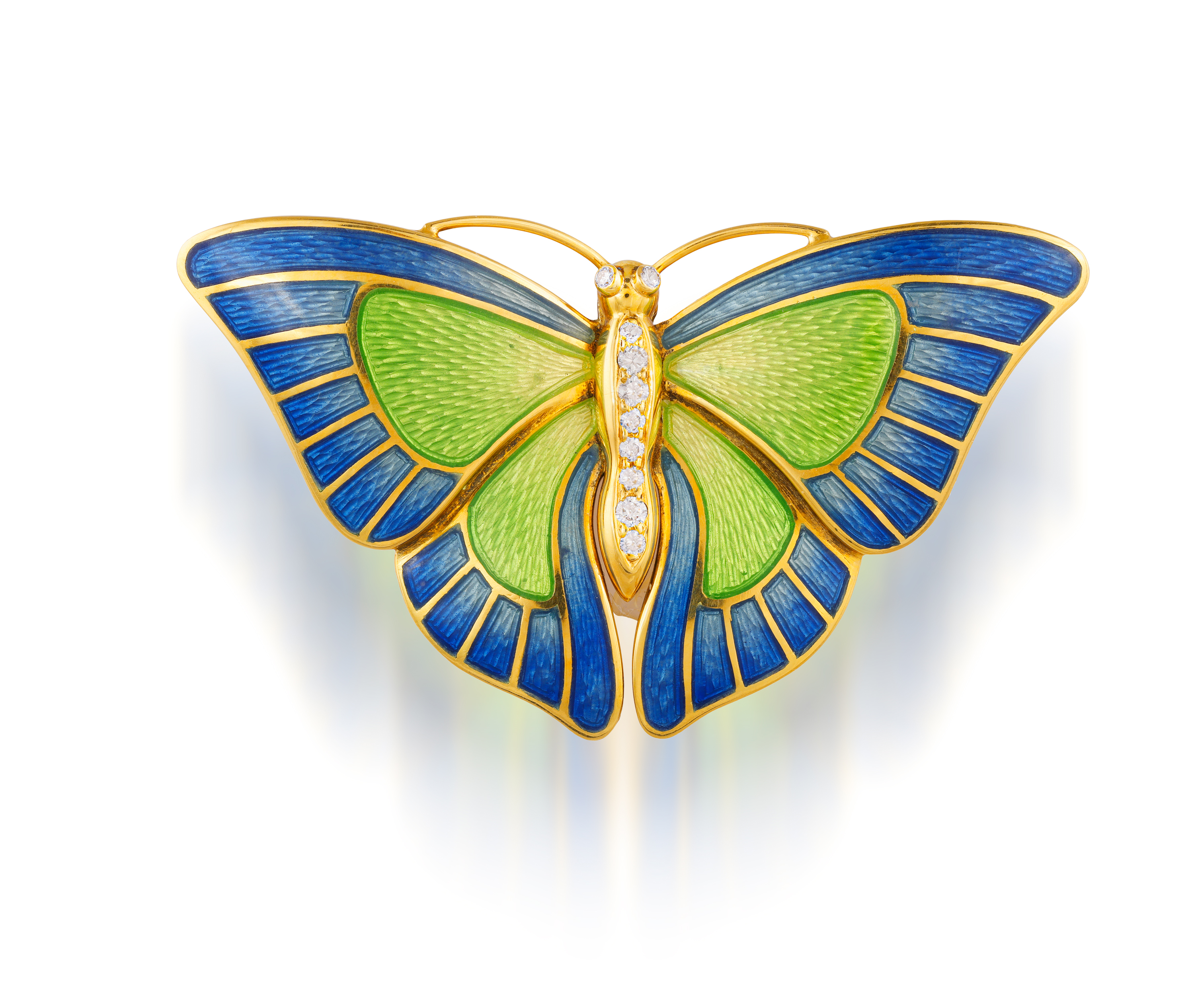
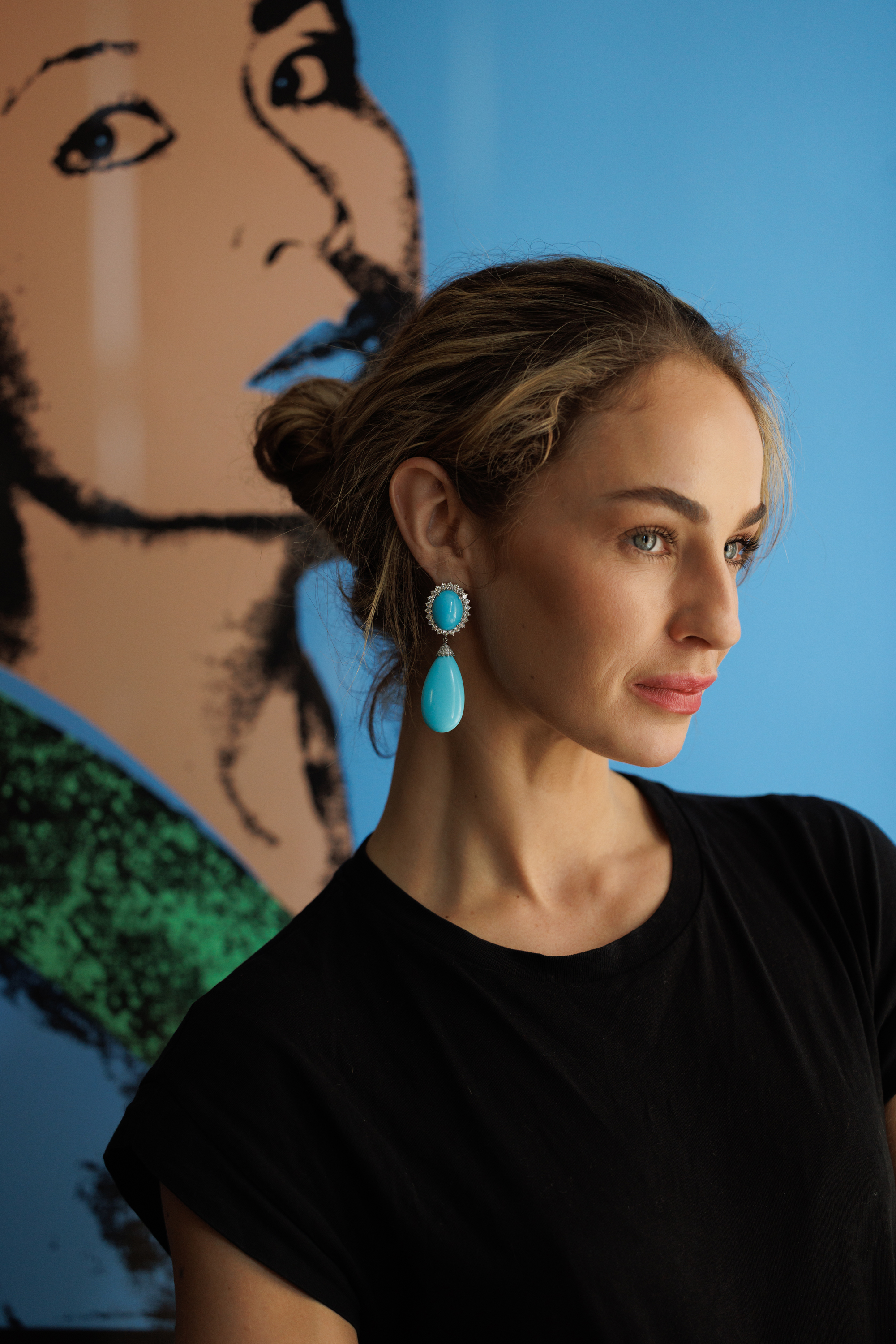
Irish author, recipe creator and lifestyle influencer, Indy Parsons, selects her favourite pieces from our upcoming Fine Jewellery & Watches auction


James Adam & Sons Ltd, Fine Art Auctioneers and Valuers, 26 St. Stephen’s Green, Dublin 2,
D02 X665, Ireland


