
menu
Departments
.svg)

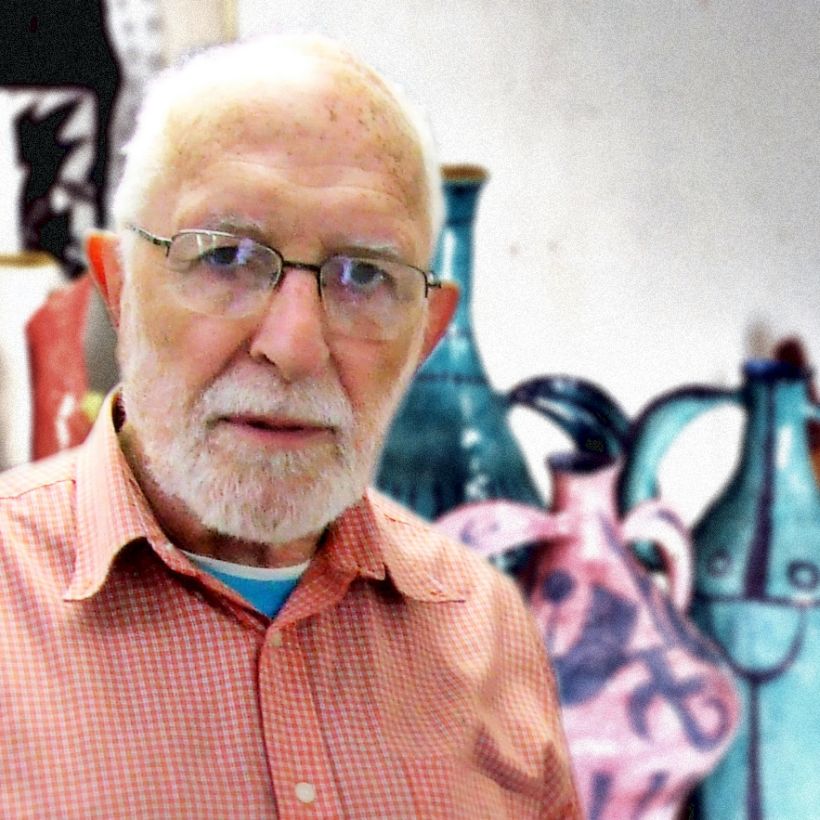
John ffrench (1928 - 2010)
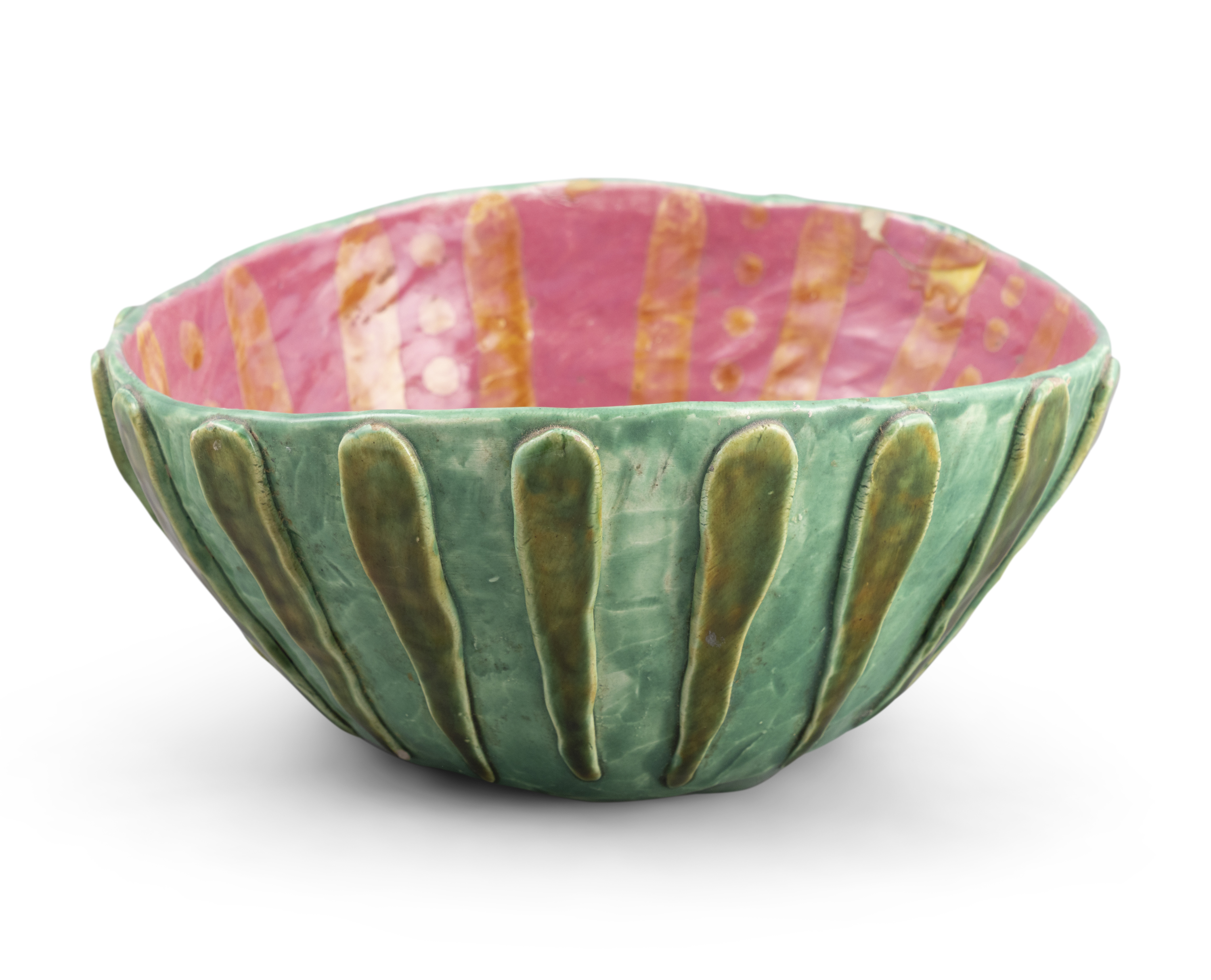
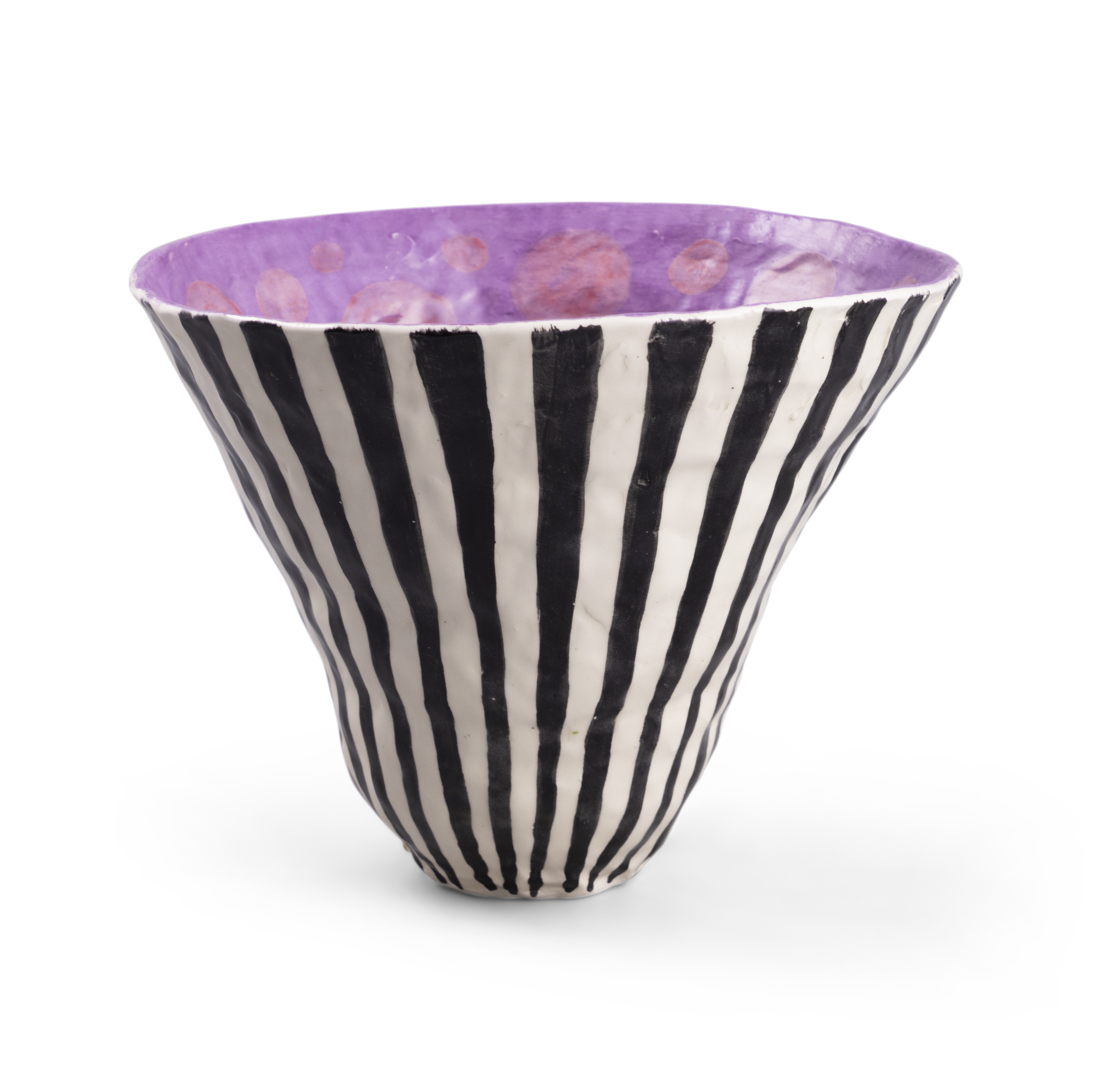
ffrench’s method of creating his pots was unique to the practice in Ireland, he preferred to hand build rather than shaping them on a potter’s wheel. This resulted in unusual and irregularly shaped objects which were sculptural in form. ffrench embraced the asymmetry and his designs did not follow a standardised tradition.
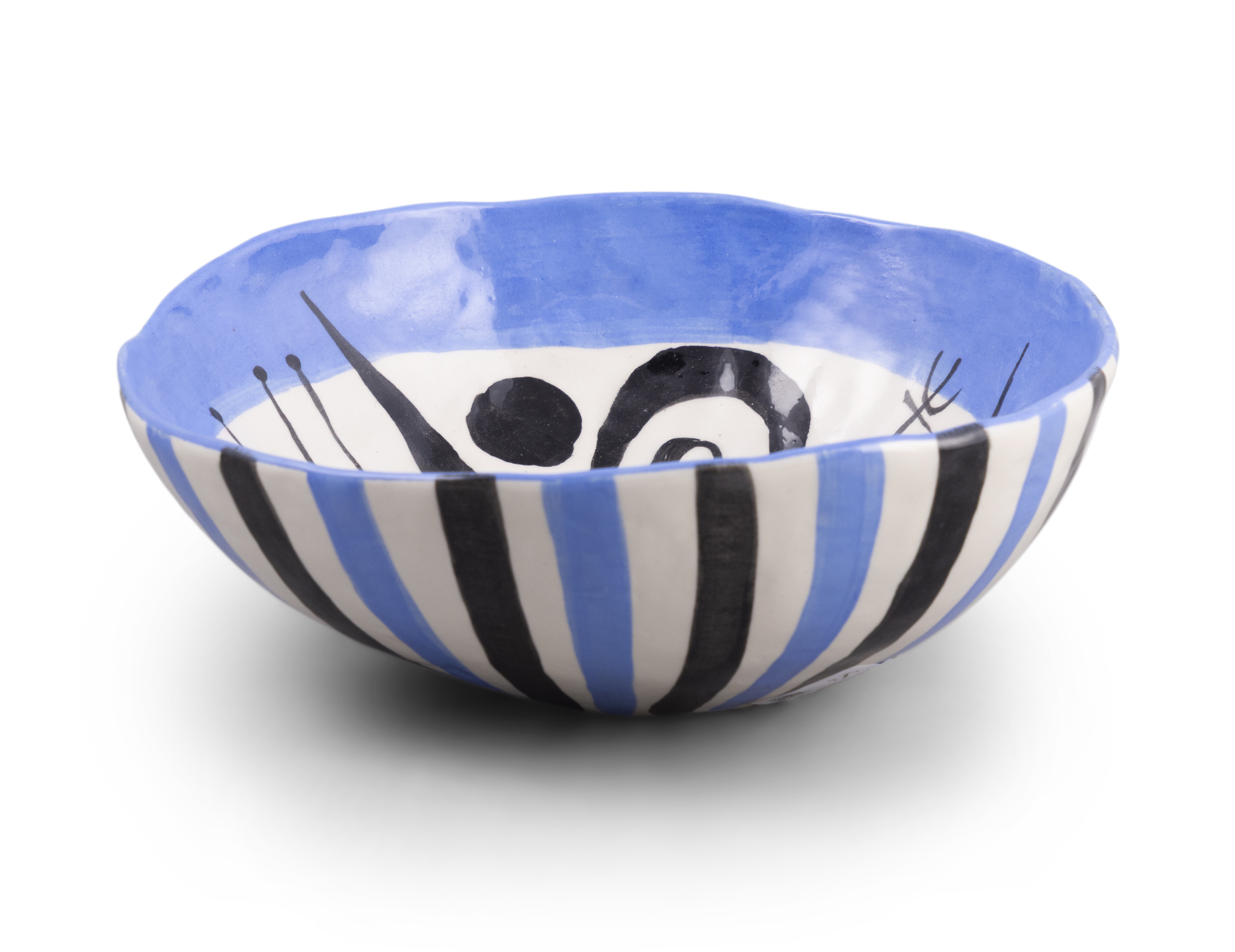
His palette was vibrant and playful incorporating fluid lines, spiral and zoomorphic shapes in the designs. There are clear influences of Matisse in his bird imagery, which was also drawn from the landscape around his childhood home, Castleffrench in Ballinasloe, Galway. Or the work of Joan Miro, particularly evident in a blue and blackstriped bowl (Lot 135 in the Irish Vernacular auction) illustrated below.
John ffrench’s work was exhibited by The Victor Waddington Gallery in Dublin; his work was viewed as ‘art pottery’ and displayed in asimilar manner to other artworks in the gallery. In 1957 he travelled to India, spending three years there visiting different regions and exploring the diverse range of stylistic traditions of craft and folk art. He was introduced to calligraphy and textile art and held a position as folk-art collector for the Design centre of West Bengal.
Following the publication of the report ‘Design in Ireland’ (known as the Scandinavian Report as it was conducted by six Nordic design experts) commission by the Irish Export Board which critiqued the distinct lack of connection between Irish artists and industrial manufacturing, the Irish Government set up an initiative to improve the status and quality of craft in Ireland.This led to the creation of the Kilkenny Studios and a re-imagining of design education in Ireland.
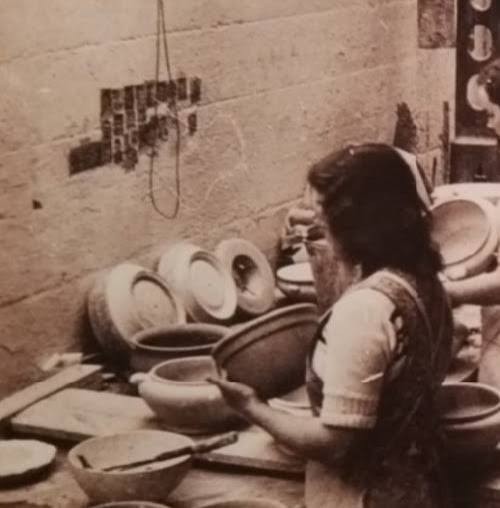
Separately ffrench was invited to set up the studio within Arklow Pottery (1962–69), whose main production up to that point was earthenware. They favoured designs which were identifiably Irish, and looked to two important periods in Irish art, Celtic and Georgian period. The hand-painted wares produced by ffrench were in stark contrast to these earlier styles. His first range from the studio comprised tableware and vessels, all hand-painted by him in bold designs and modern colour palettes. Within a month of starting work in the studio, an exhibition was held in Hiberian Hotel on Dawson Street. Before it opened the entire show had been bought by John McGuire who ran the department store Brown Thomas.
During his time with Arklow pottery he made a huge variety ofobjects, including wall panels, collages, tiles and sculptural pieces. He also developed, what would become a signature design, his bird pendants. These distinctive u-shaped two dimensional sculptures were painted in myriad ofcolours, often with textured punch design to one side. He incorporated the bird motif into candlesticks and wall panels.
In 1969 ffrench and his wife Primm moved to Stockbridge Massachusetts both taking teaching jobs at Monument Mountain Regional High School. Primm was the department supervisor as well as teaching painting and drawing while John taught ceramics. They both remained there until their retirement in 1992. While working full-time they also set up their own ceramic studio in their house in 1971. Dolphin studio located in the basement of their home was a combination of a workshop and craft store and it also went on to hold evening courses inceramics.
The studio ran until their return to Ireland in 1993, when they bought a farmhouse in Kinvara, Co. Galway. Moving back to his native Galway was of great importance to John, re-establishing the connection with the landscape. He converted an out-building into a studio and produced a consistent flow of pottery over the next decade or so. His work was added to the collection of National Museum and a retrospective, the first of its kind, was organised by the Crafts Council of Ireland in 2007, showcasing his prolific output and his profound contribution to Irish design.
A number of ceramic piece by ffrench are for sale in the Irish Vernacular Auction. This is an online-only auction, bidding is open now and will close on 7th September from 11am.


.jpg)

.png)
.png)
.jpg)


)%20(1).jpg)
%20(002).png)
%20(2).jpg)


%20(1200%20x%20768%20px)%20(2).png)
.png)

.png)

"I should declare my hand. I have a weakness for pictures that punch above their physical weight, and for artists who have been quietly underrated for too long. This pair is both. They are intimate enough to live with at close quarters and serious enough to repay any amount of looking. If the market has lately shown signs of catching up with eighteenth-century Irish painting and I think it has, these two small panels feel, to me, like exactly the sort of thing that will look obvious in twenty years’ time."



Adam’s is honoured to present works from the collection of Lord Rossmore in the upcoming Country House Collections auction at Howth Castle on 28th April. It is seldom that an influential Irish family collection that has survived through the generations comes to the open market.

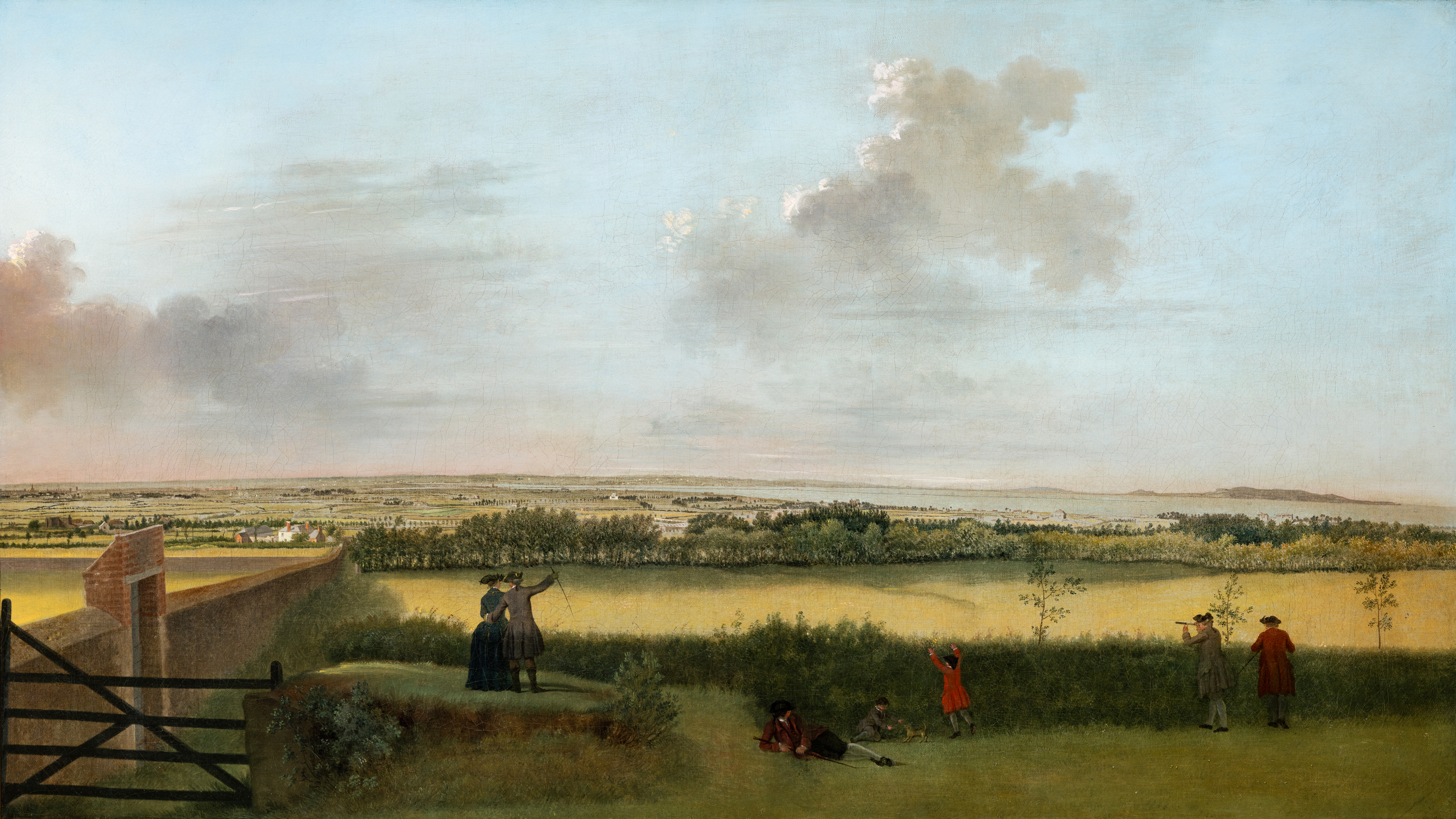
Works Sold at Adam’s Now in the Irish National Collection
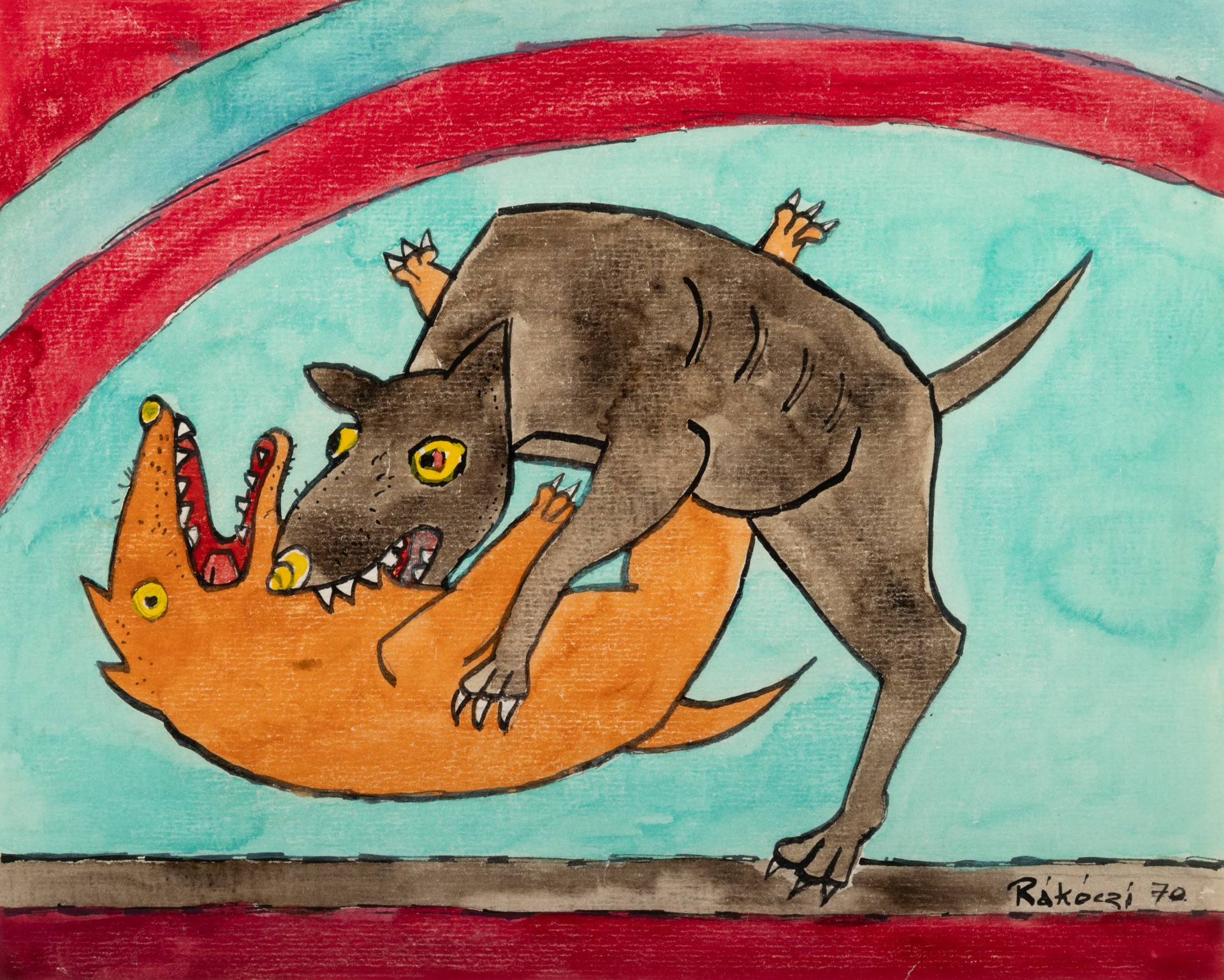
A great opportunity to purchase both established and lesser-known artist’s work at an accessible price point, the Online Picture Auction is the first of many sales to be hosted at Adam’s in 2026. It is perfect for those looking to start a collection and the discerning collector alike.

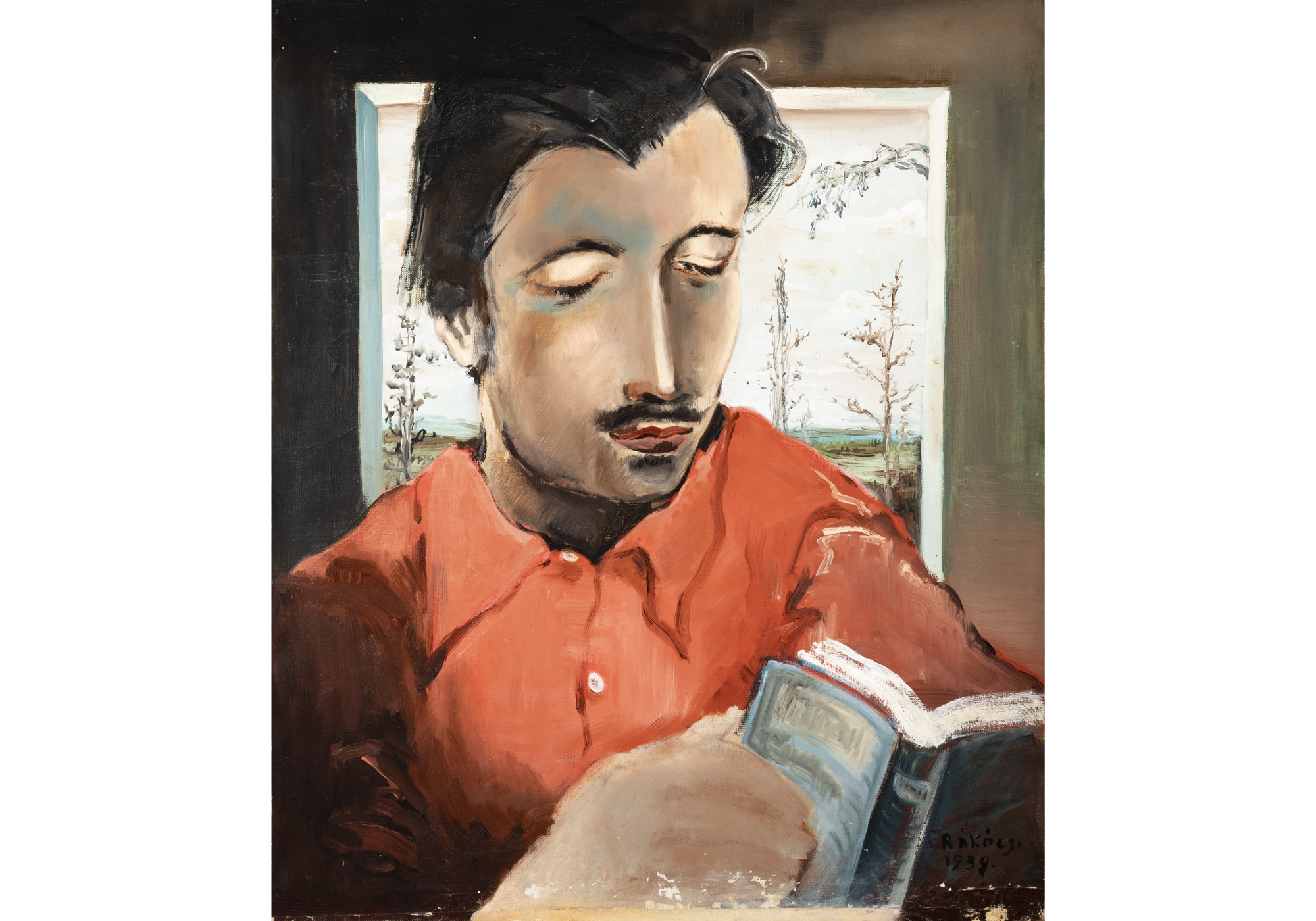
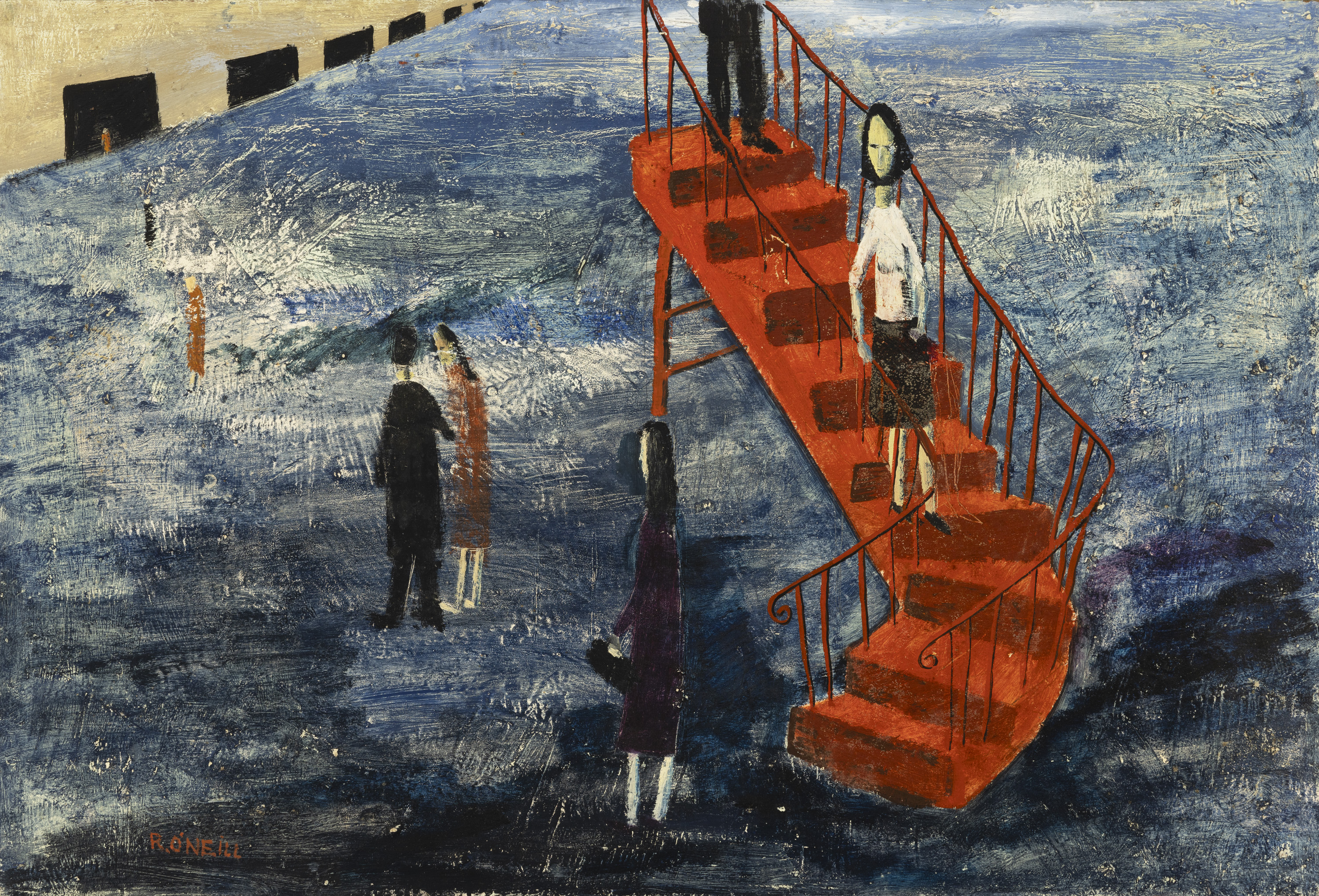
Through this article, let our expert Adam Pearson guiding you to the (re)discovery of the once established Irish painter Richard O’Neill.


Buying at Auction and the Role of Antiques in a Modern Home


Important Irish Art Auction Highlights

Oliver Dowling Collection by Aidan Dunne


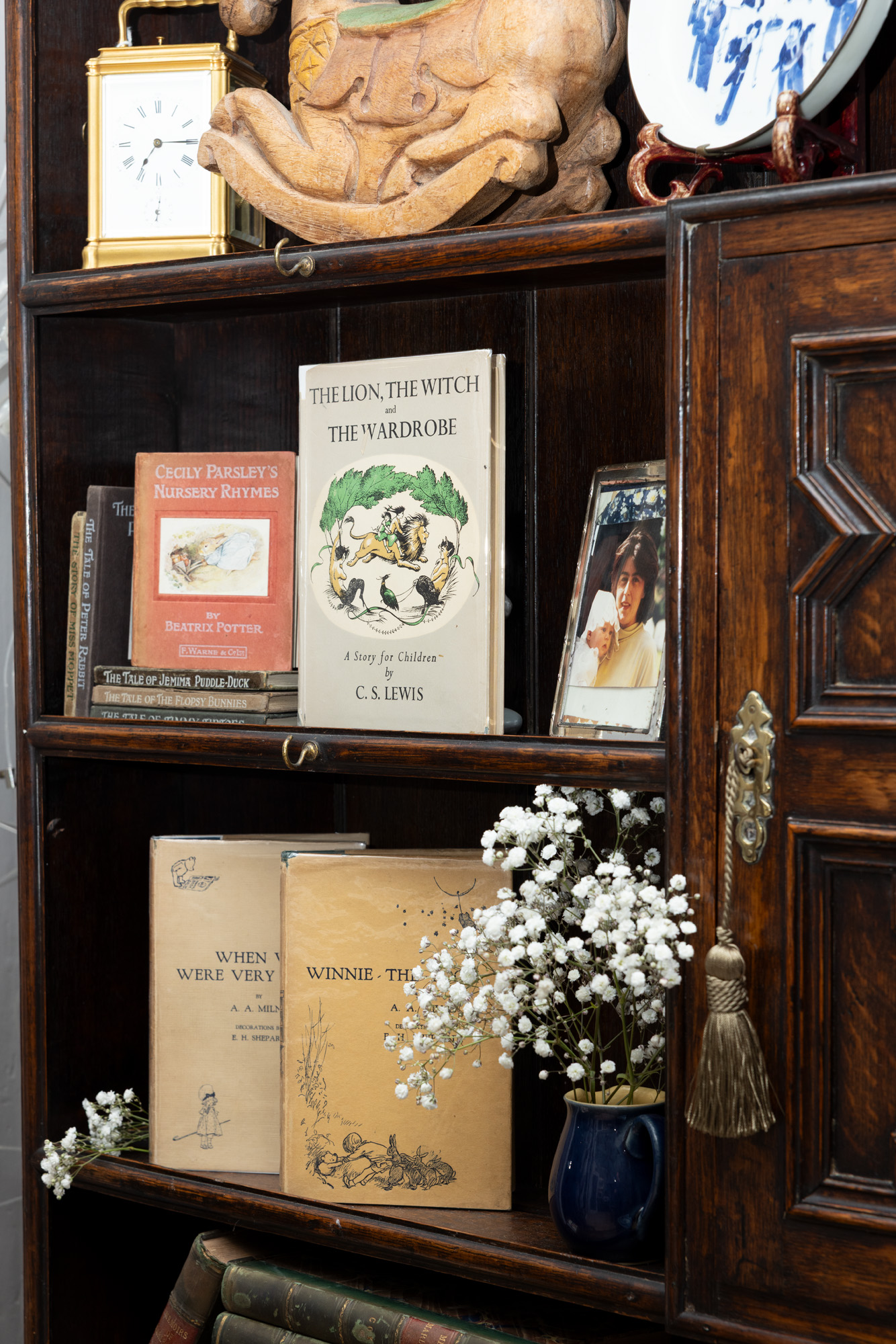
2024 is a year in which Adam’s wants to recognise the key role buying antique furniture and furnishings at auction contributes greatly to the sustainable initiative. In 2019 the Environmental Protection Agency reported stark figures that each year in Ireland 1.2 million reusable bulky items, primarily furniture goes into landfill. Similar to the problem of ‘fast fashion’, the constant production and consumption of new items is leading to rapidly growing waste problem. We want to acknowledge those who are already buying second hand or antique furniture at auction and to encourage new buyers by highlighting the benefits of acquiring affordable, well-made quality items that are built to last.


James Adam & Sons Ltd, Fine Art Auctioneers and Valuers, 26 St. Stephen’s Green, Dublin 2,
D02 X665, Ireland


