
menu
Departments

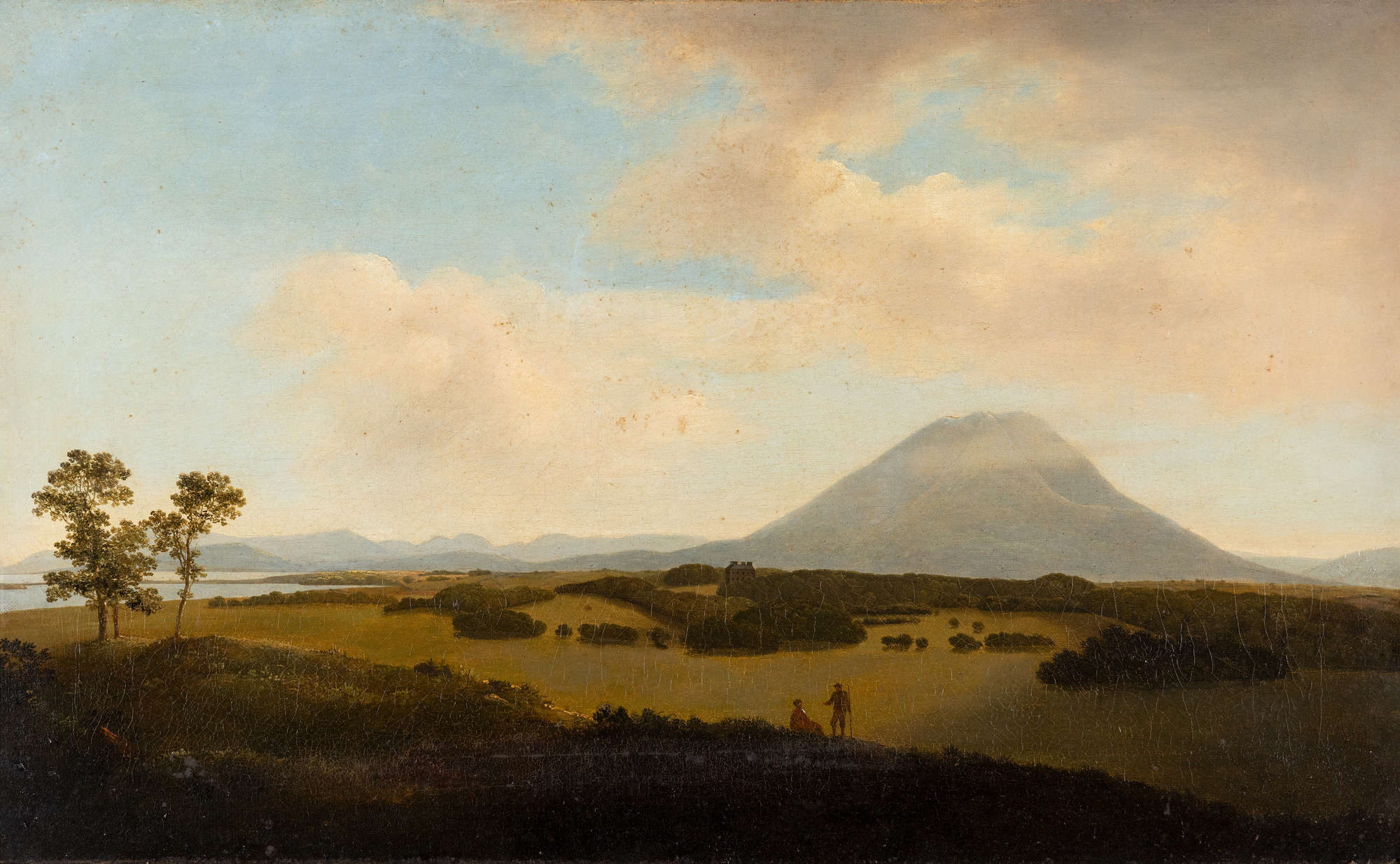

Ireland’s premier 19th century landscape painter James Arthur O’Connor remains as vital today as he did when he first began his artistic career over two hundred years ago. The majority of his work at the time appealed to the fledgling middle classes which has translated into an accessible and unifying oeuvre in today’s market. He was born circa 1792 at 15. Aston’s Quay, Dublin 2 to William O’Connor, a Dublin based print seller and engraver.
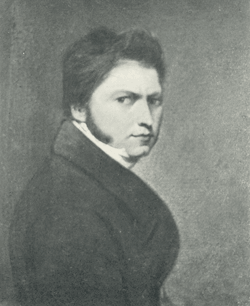
The young artist had some introduction to the engraving business through his father as evidenced by his own attempts at etchings earlier in his career, notably publishing a series featuring scenes of Dublin in 1810 to some success further enhanced by a stint of training in London in 1813 with fellow young Irish artists Francis Danby (1793-1861) and George Petrie (1790-1866). O’Connor eventually made the difficult decision to return home to Ireland to care for his now orphaned siblings and exhibited frequently with the Hibernian Society of Artists to general success.
In 1818-1819 he completed a number of beautifully executed topographical views of the West of Ireland and the seats of gentry there including Westport House commissioned by the Marquis of Sligo, and the Ballinrobe series commissioned by the Kenny family. O'Connor's drawing en plein air of Mount Browne the seat of the Rt. Honourable Dennis Browne is a unique record of the topography of this, then remote county (fig.). It is most likely in this period that this view of Enniscoe house was completed, alongside a second, previously unseen view in a private collection (fig.).
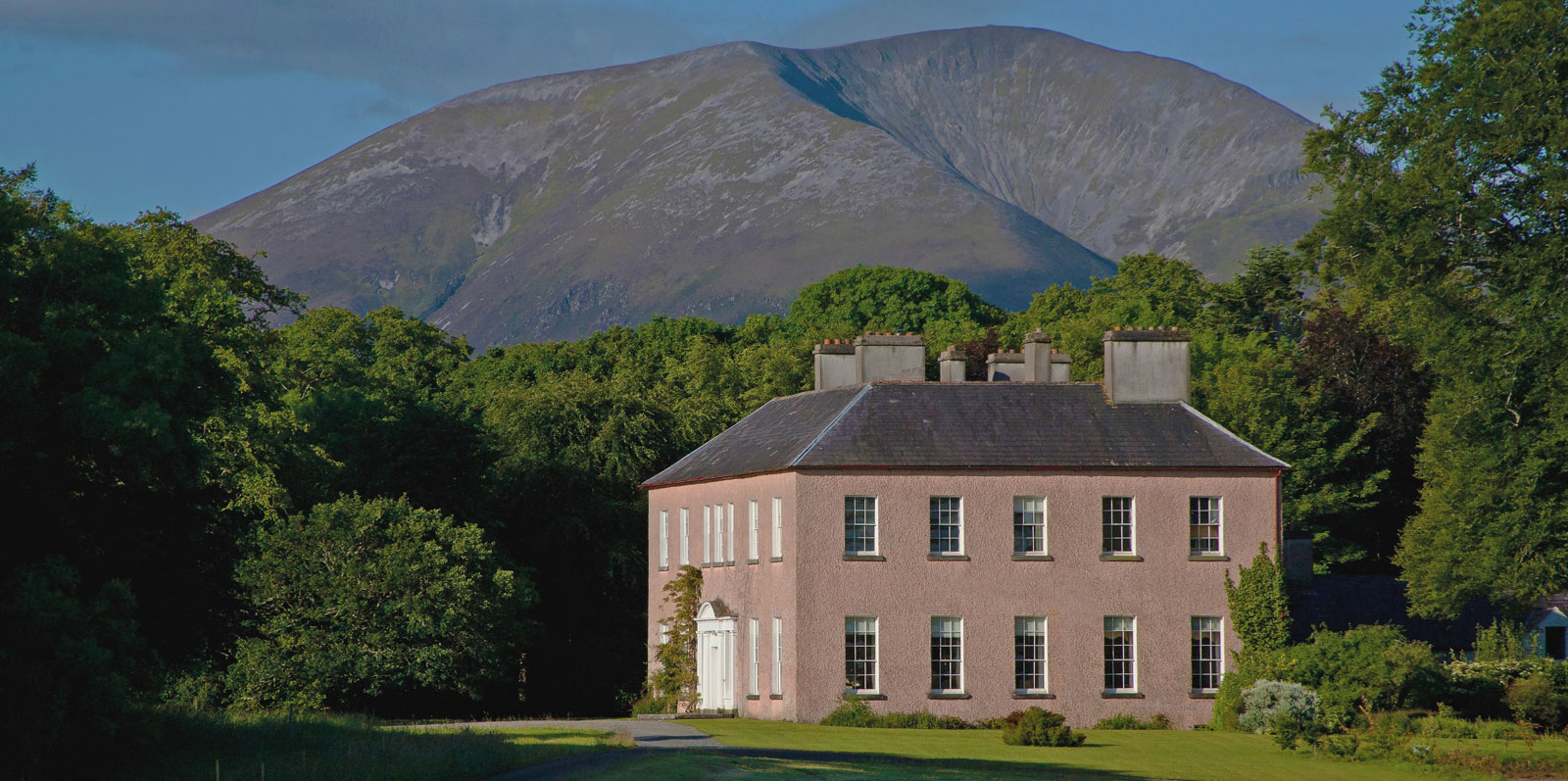
Enniscoe House was built in the mid 18th century to replace a fortified dwelling which had been constructed by Francis Jackson (c.1630-1678) with land awarded to him as Captain of Dragoons in Cromwell’s army. His descendent George Jackson I (1717-1789) constructed the current Enniscoe House as a three story, five bay fortified house. This house was clad in a Georgian wrapper in the 1790s by his son George Jackson II (1761-1805) in keeping with the fashions of the time. It was this adapted version of the house which O’Connor would have encountered during his period of patronage in County Mayo. Madeline was sadly orphaned at the age of six and consequently brought up by her aunt Catherine Eglantine Blair (d. 1847) who married Matthew Fortescue (1791-1845) of Stephenstown House, Co. Louth.
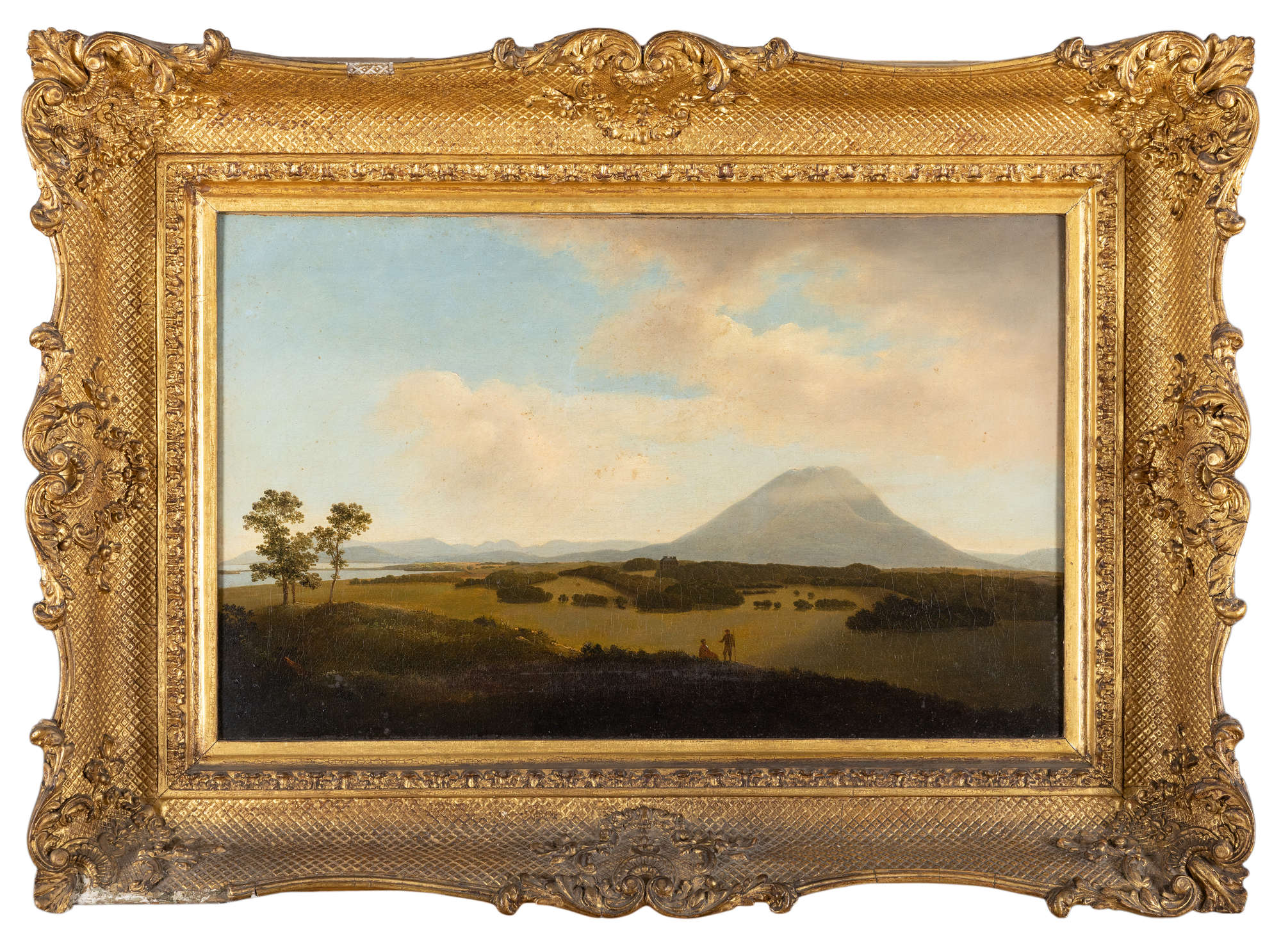
This demesne painting is understood therefore to have travelled to Stephenstown House with Madeline after the premature passing of her parents Colonel William Jackson (1787-1822) and Jane Louise Blair (d. 1817) of Blair Castle, Ayrshire. In 1834 Madeline was married to Mervyn Pratt (1807-1890) of Cabra Castle, Co. Cavan and at this point claimed her inheritance from the paternal family who had settled in Enniscoe, thus commencing the residency of Pratts who continued to reside in the property until the 1950s.
O’Connor’s rare topographical commissions were of a taste inherited from the legacy of Irish artistic stalwarts such as William Ashford (1746-1824), Thomas Roberts (c.1748-1778) and George Barret (c.1730-1784) as well as those earlier, ethereal, almost mythical landscapes of Claude Lorraine (1600-1682). The purpose of such a commission was to depict the estate as a cultivated and perfectly proportioned paradise in a sweeping landscape, often aided by a higher vantage point to infer the idea of a natural order within the civilised 18th century society.

In contrast to his later Picturesque and Romantic works, this unencumbered, softly sunlit landscape breathes very deeply with little man-made clutter. The vastness of the wider Nephin range of mountains is further accentuated by the shadows of the foreground and the two small rambling figures. It is worth noting that the form of Enniscoe House itself is almost an incidental addition, buried in the dark foliage of the estate’s hedges and seamlessly blending into the majestic surroundings of Co. Mayo.
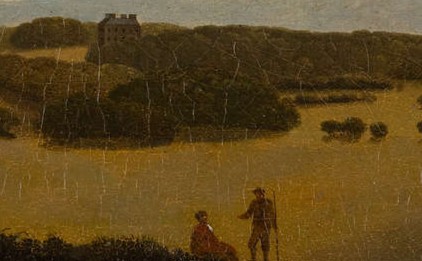
This is in contrast to the second aforementioned view which features the house much more prominently but lacks the overall harmony this piece exudes. Here the viewer’s attention is drawn instead to the to the uncommonly steep, almost Vesuvian backdrop of Nephin, the top of which is shrouded in a faint halo of cloud reminiscent of Continental scenes of the Neapolitan landscape. Beside this a pale, silvery blue strip indicates the waters of Lough Conn.
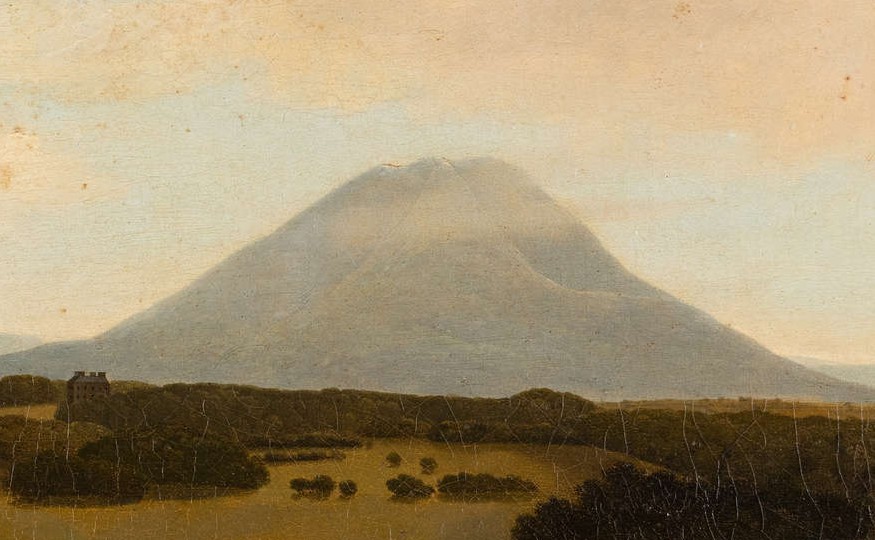
The effect conjures mythical connotations, extending far outside of the local powers who may have commissioned it. The name Nephin is derived from the Old Irish ‘Neamh-Fionn’ or Fionn’s Paradise, associating it with the legend of Fenian hero Fionn Mac Cumhaill. In the shadow of Nephin sits Lough Conn and Lough Cullen, so named in honour of Fionn’s hounds Conn and Cullen who on their master’s orders hunted a wild boar across the West of Ireland.
The hounds pursued the boar for days, rebuffed by a mysterious water which stemmed from the pig’s frenzied escape tracks. The water grew and grew to such a size that the hounds could not overcome it and one by one they drowned in the boar’s wake – leaving the bodies of water we today call Lough Conn and Lough Cullen. It is this mythical quality we see reflected in O’Connor’s painting here presented and which echoes the mastery of Lorrain’s luminous Italianate landscapes. There are few comparable scenes outside of the Westport House and The National Gallery’s Collection which espouse O’Connor’s talent in this area.




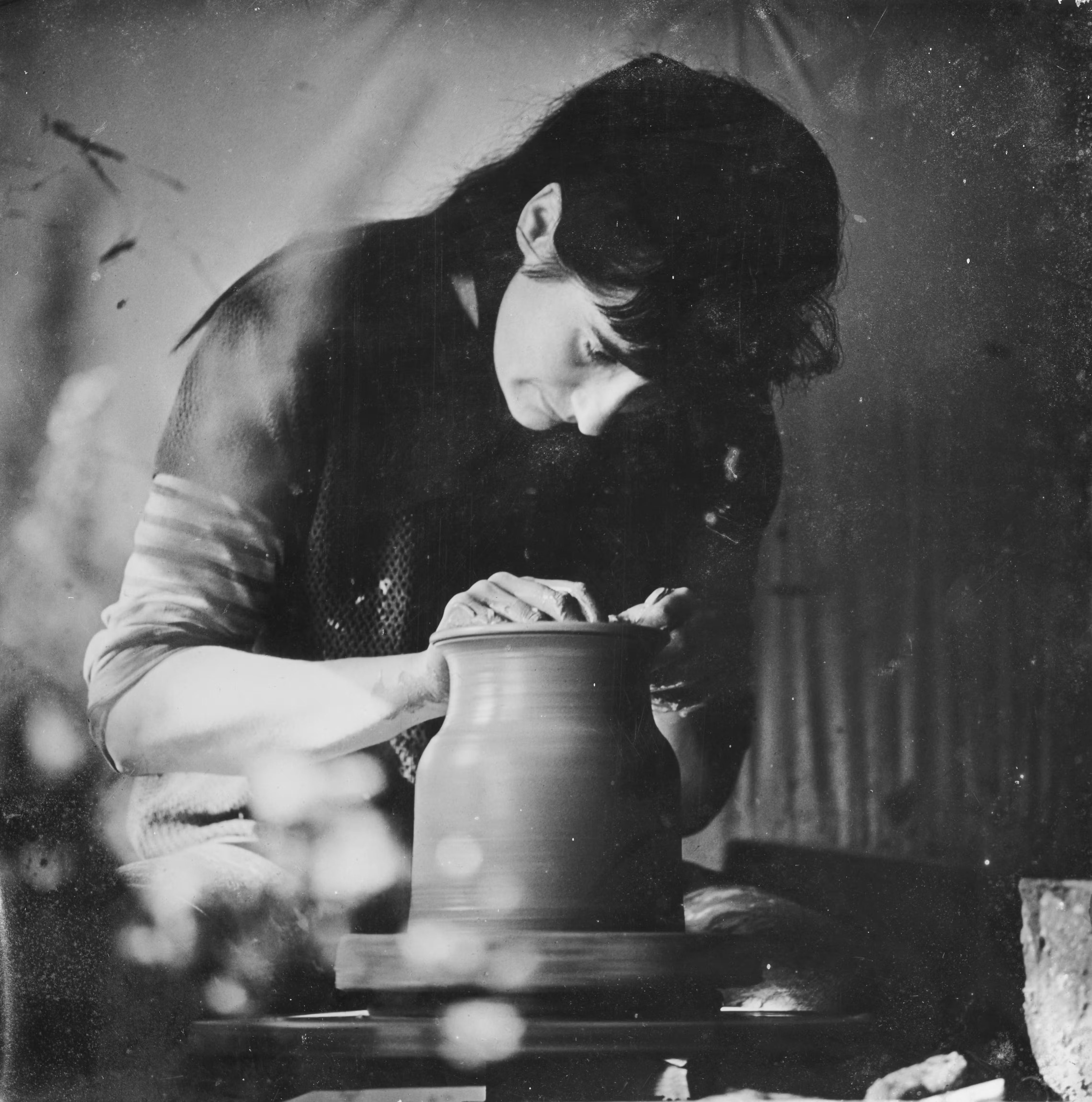
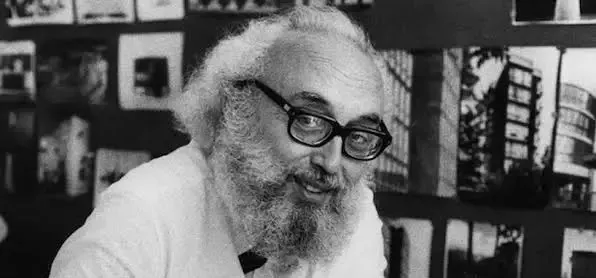
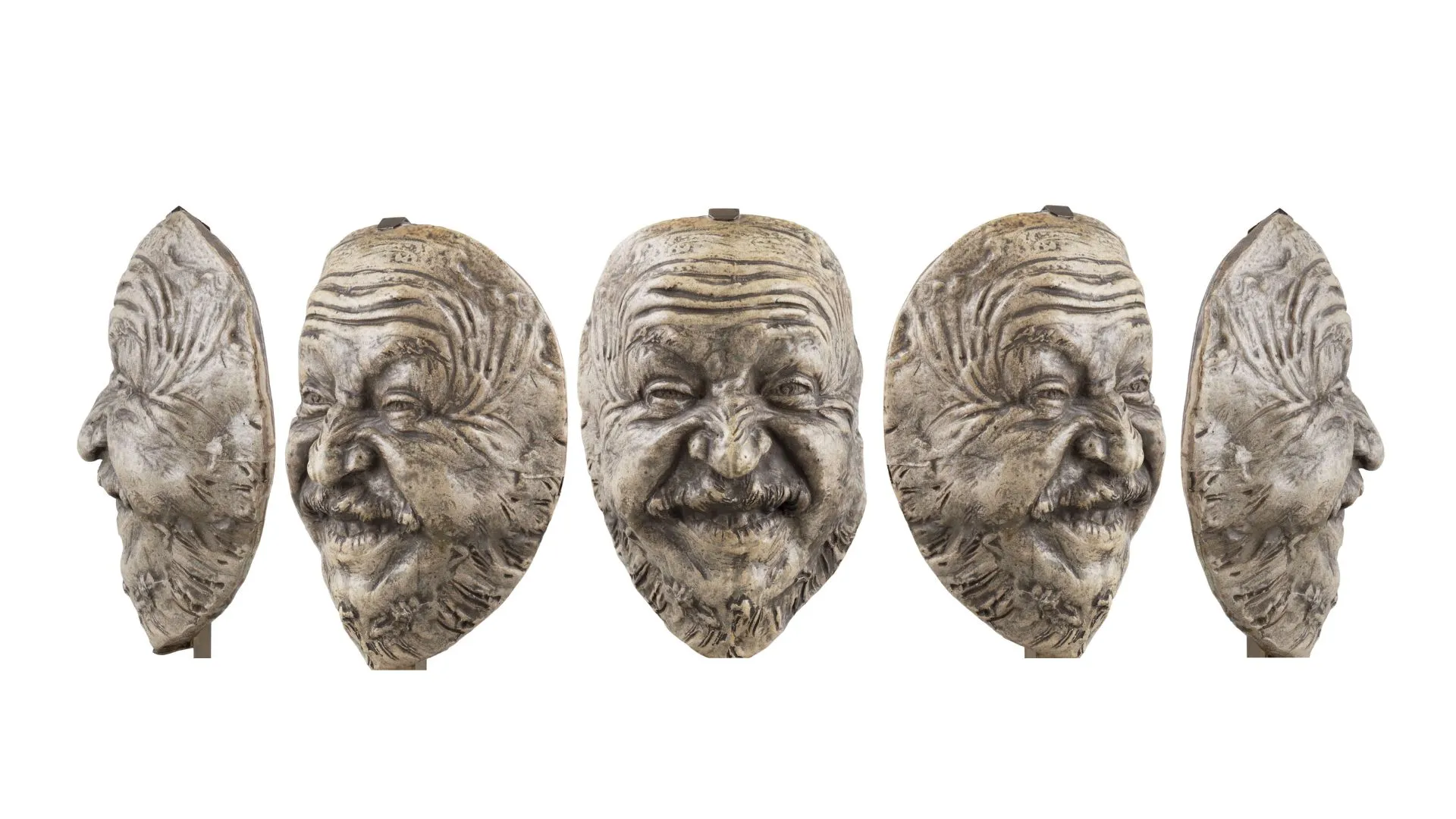

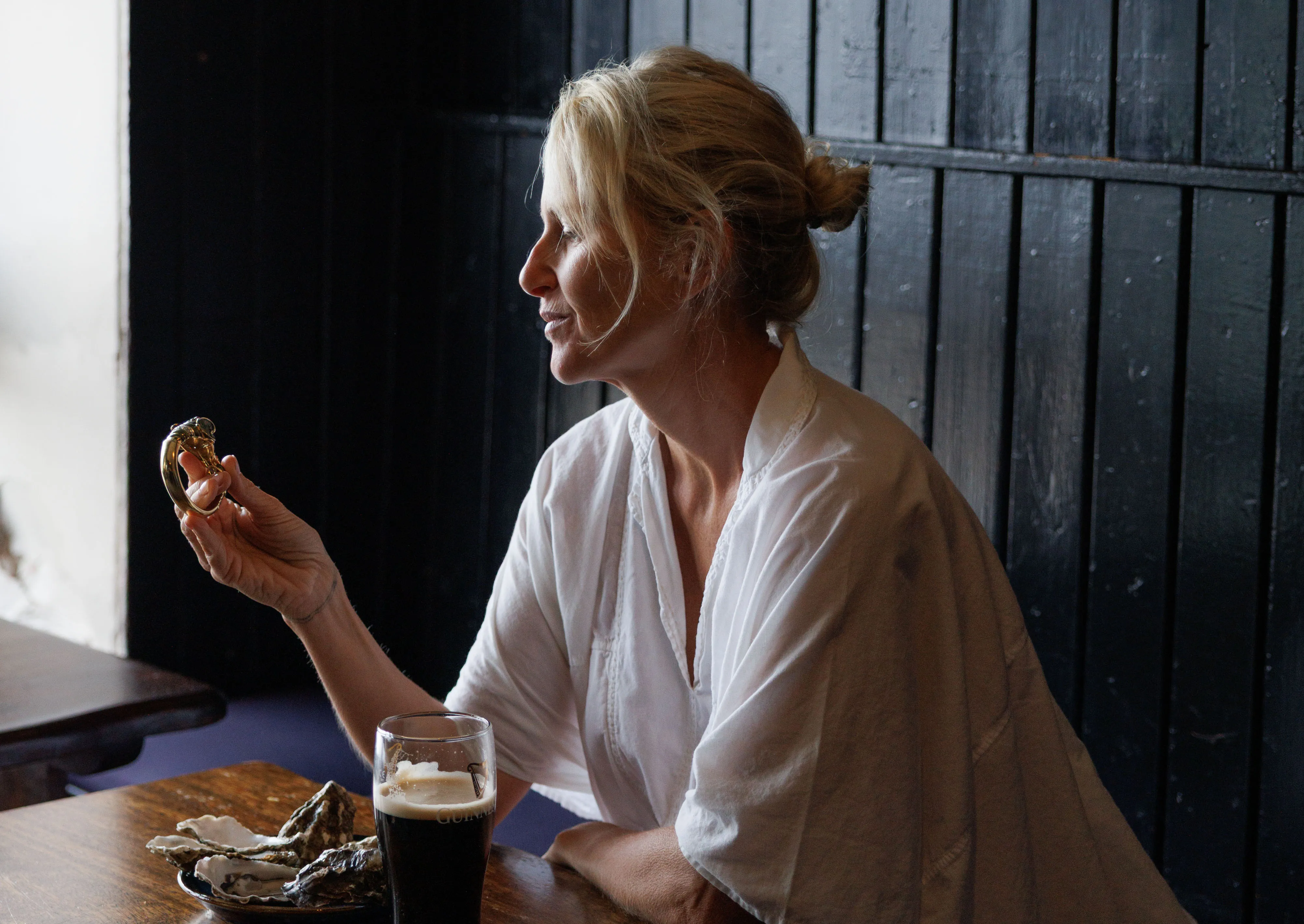
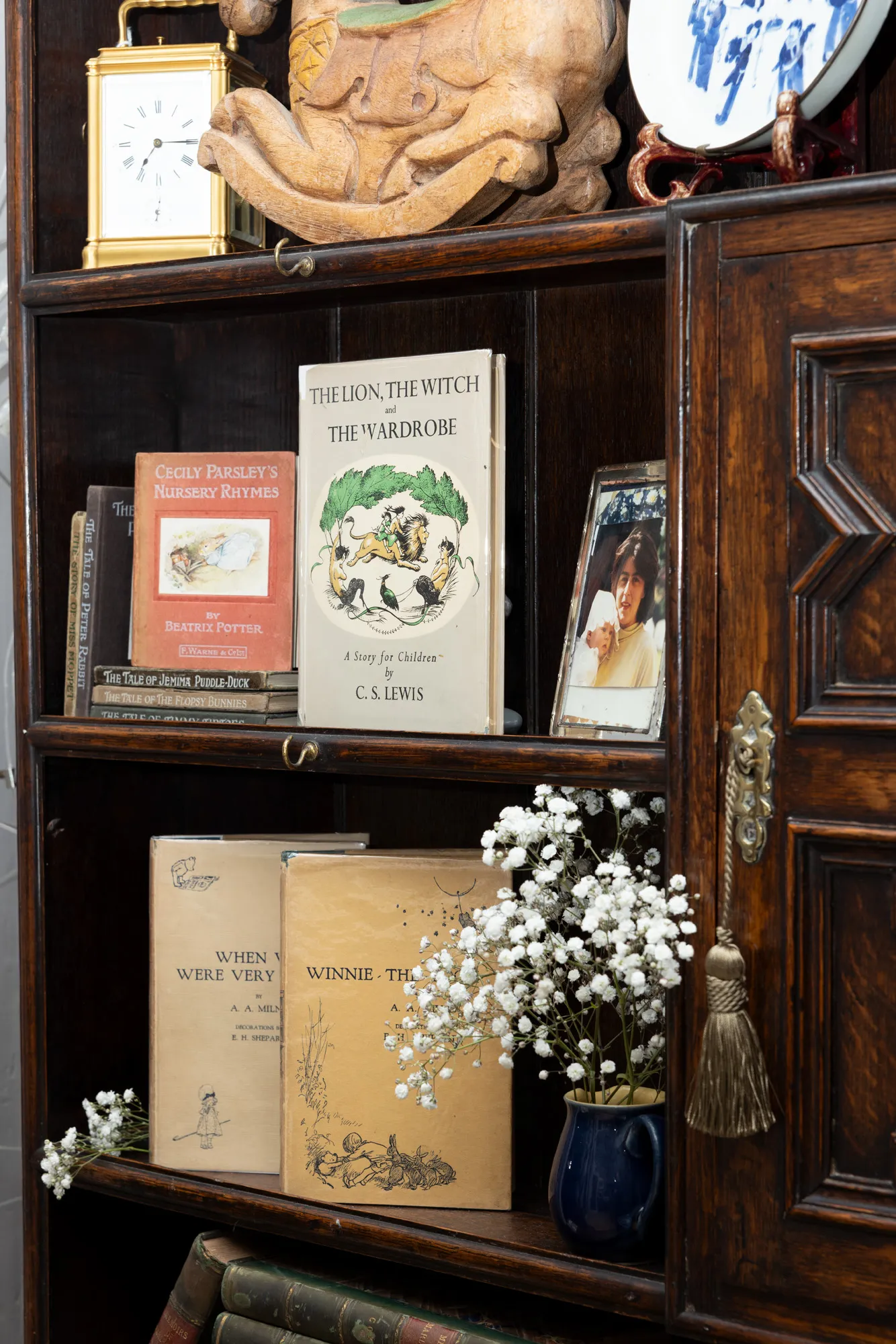
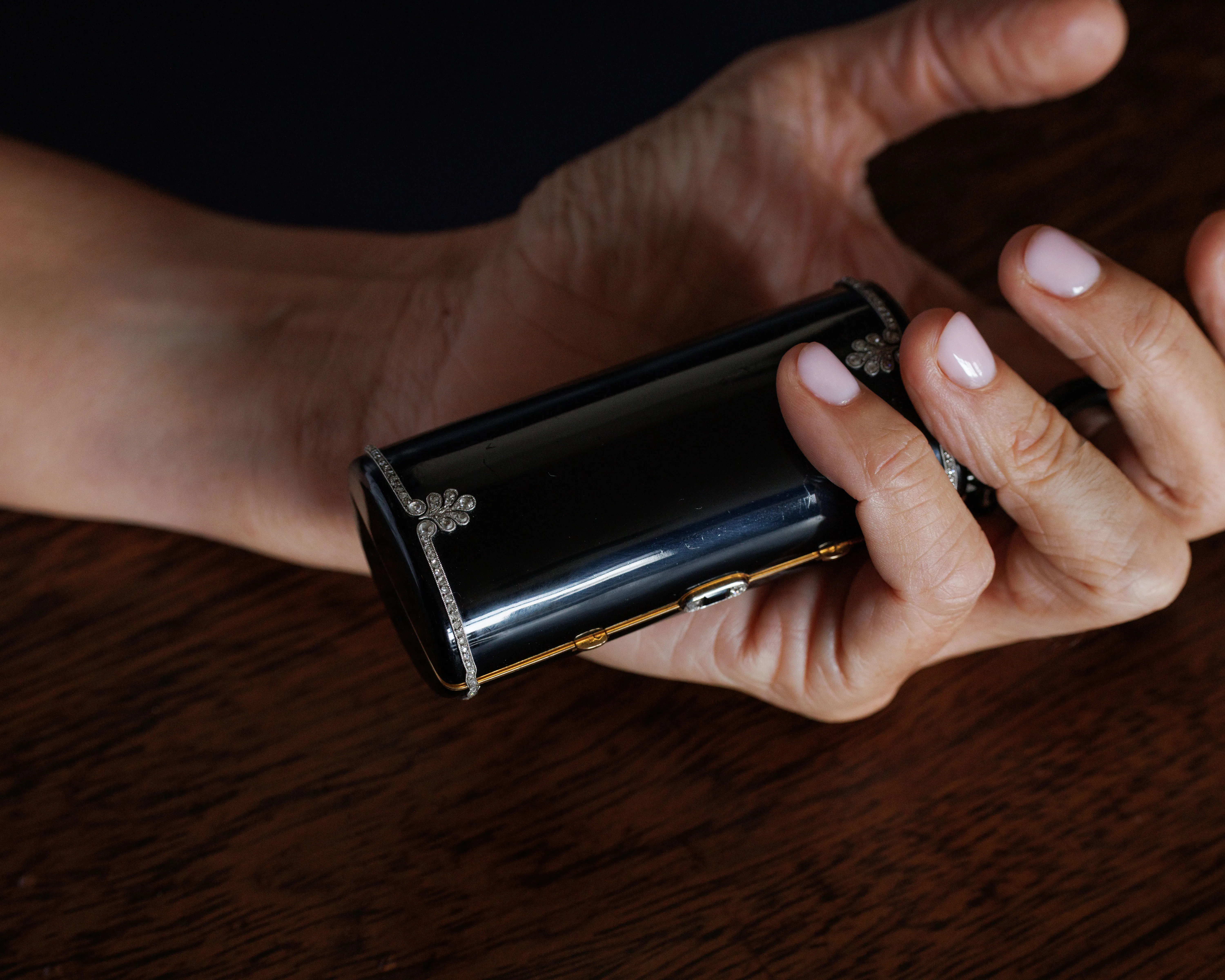
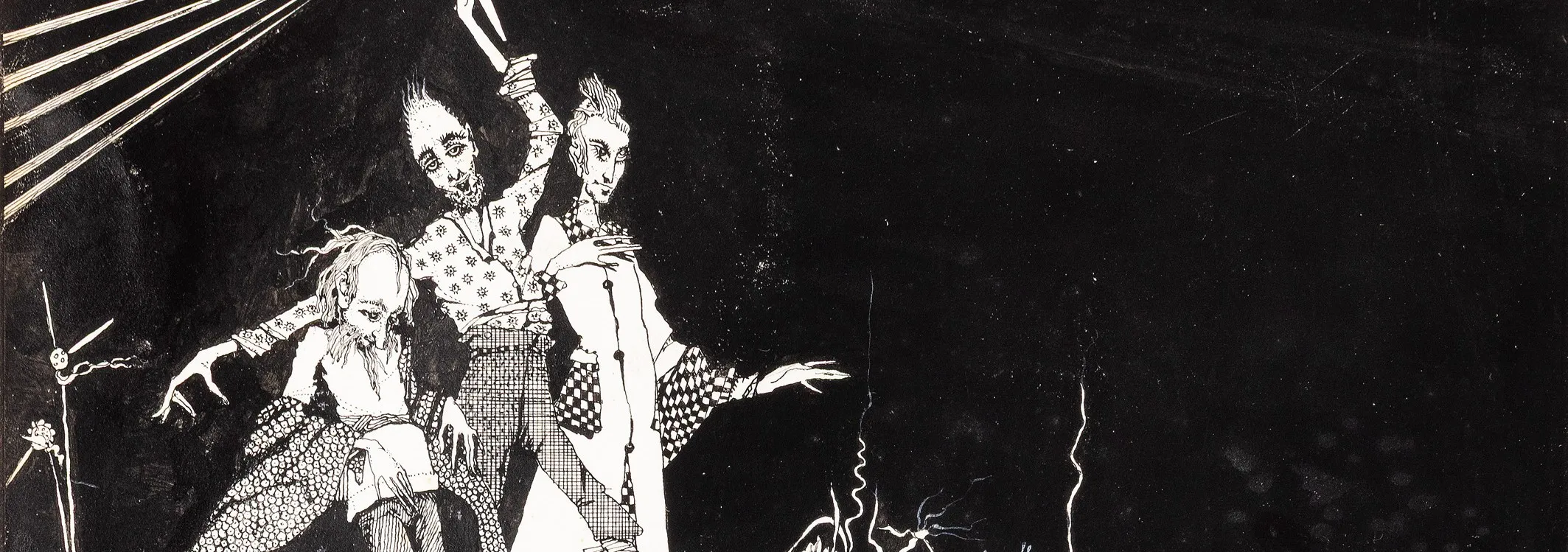
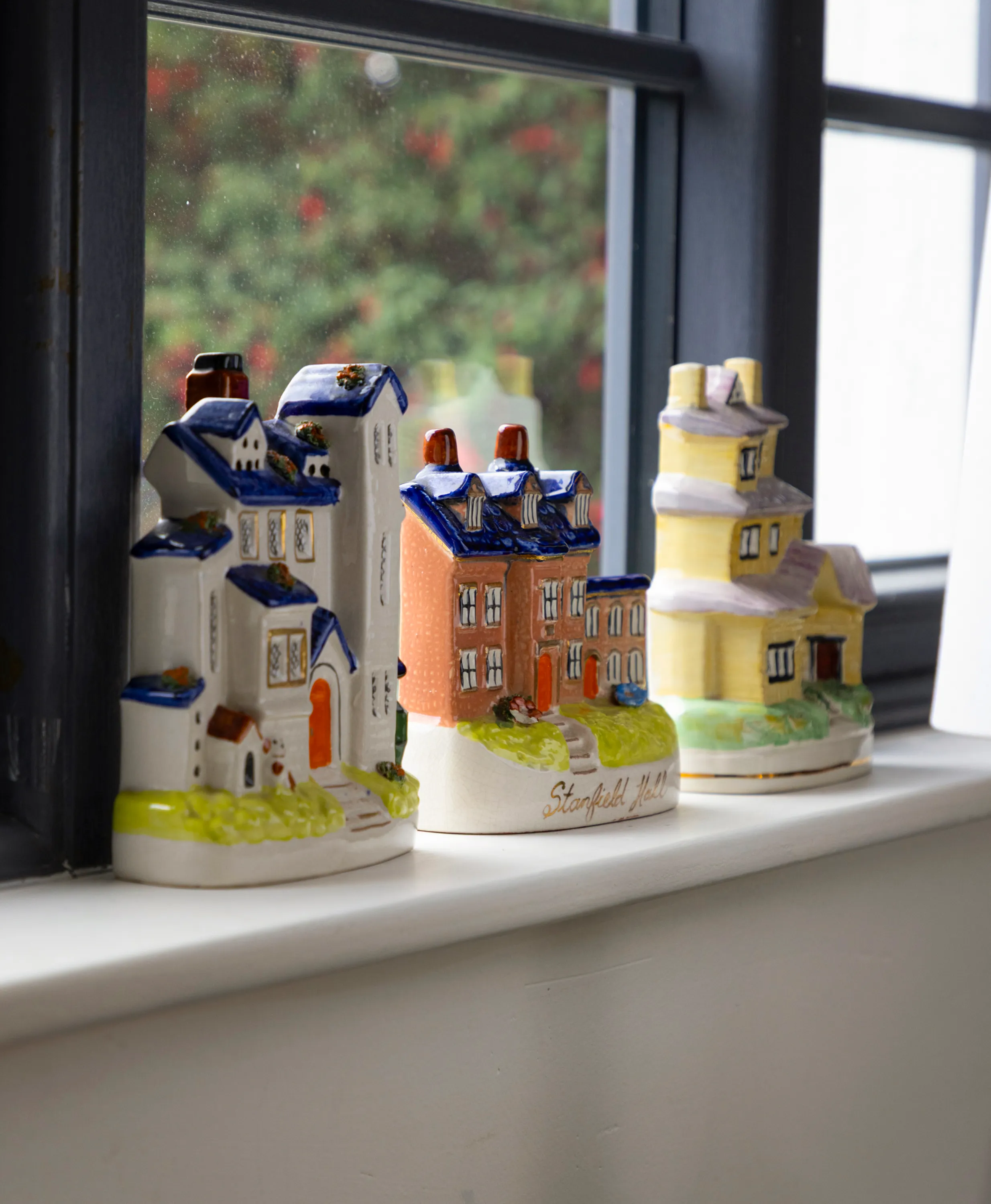
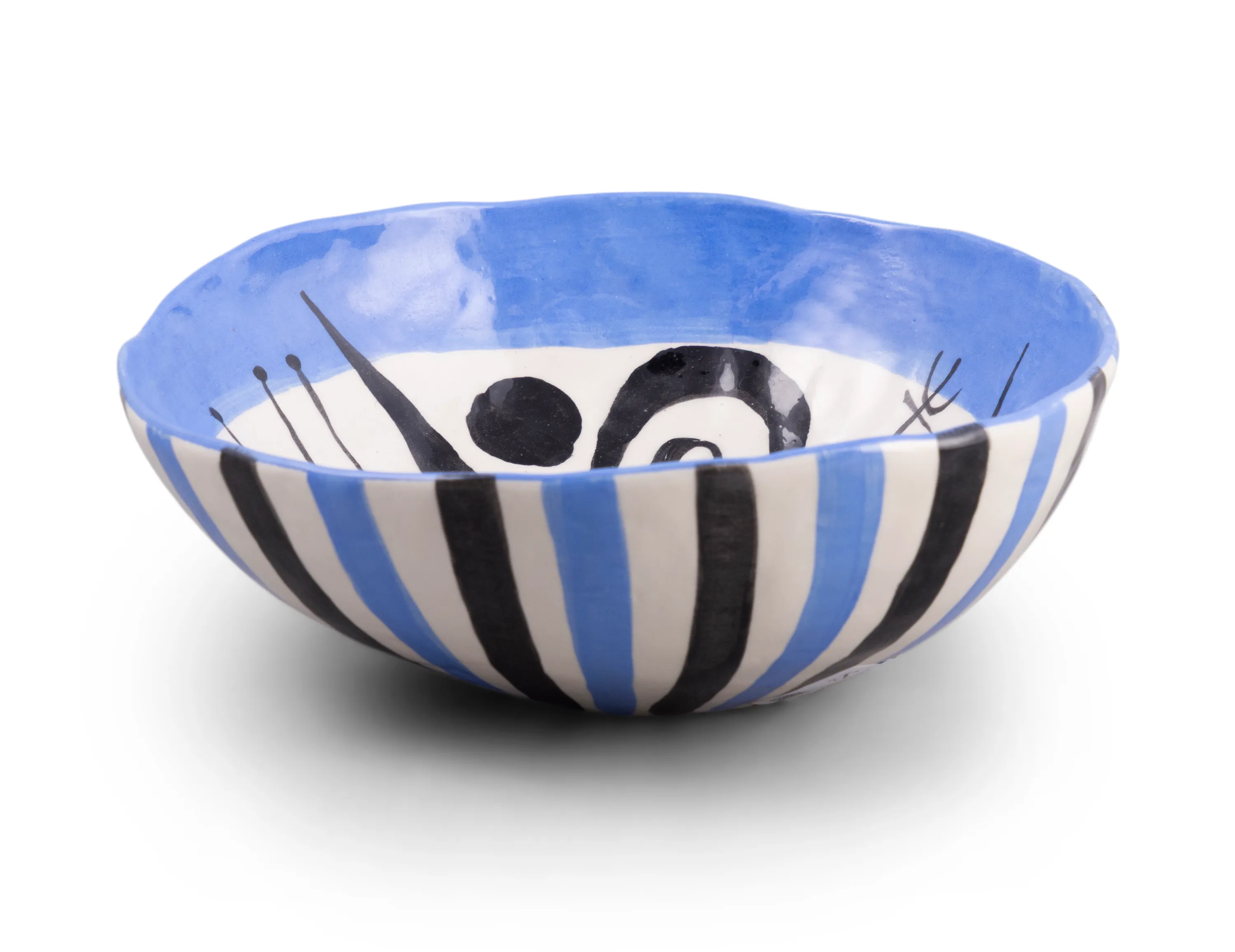
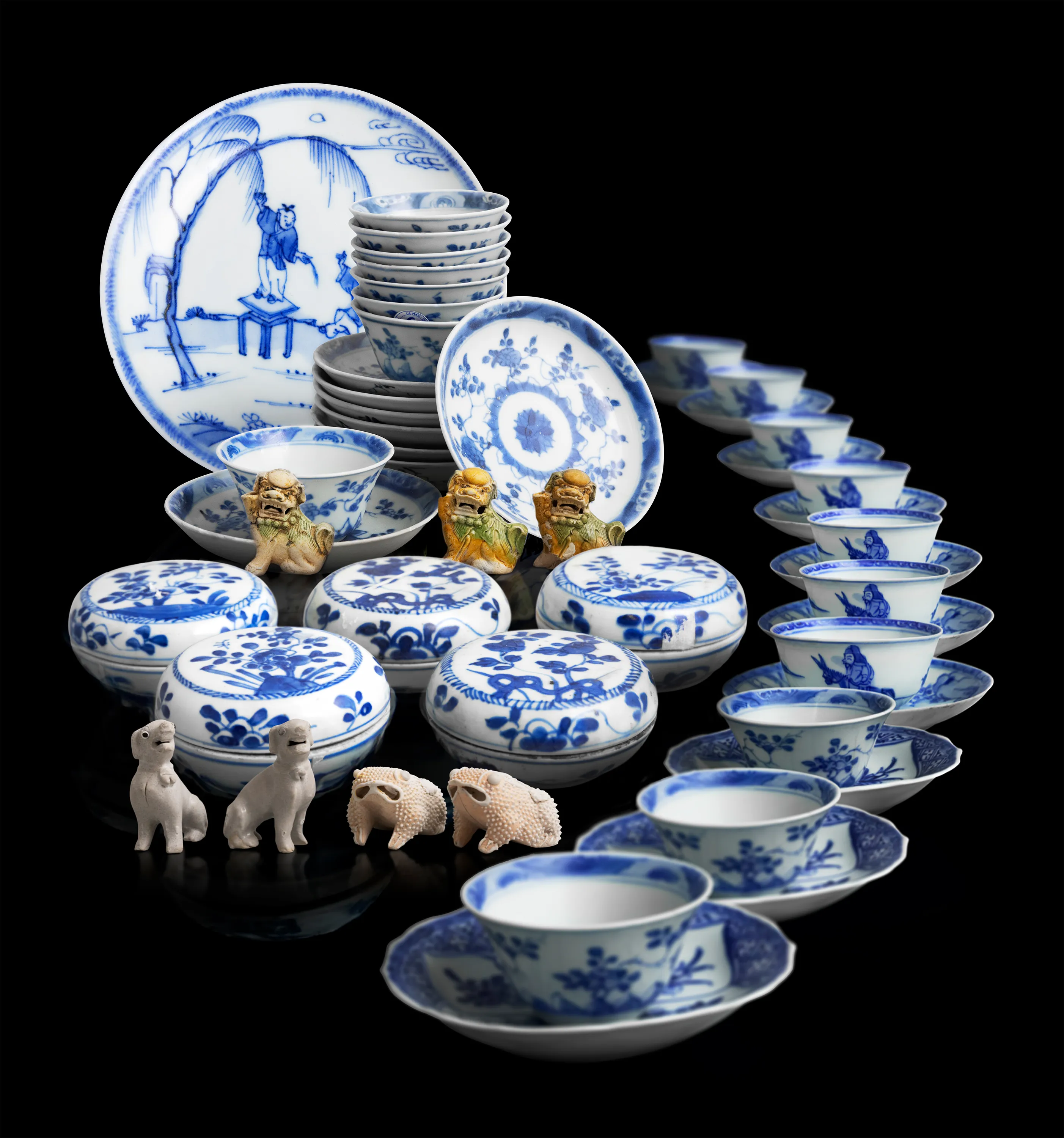
John ffrench was an instrumental figure in the design industry in Ireland and a distinguished pioneer of Irish studio pottery.

)%20(1).webp)





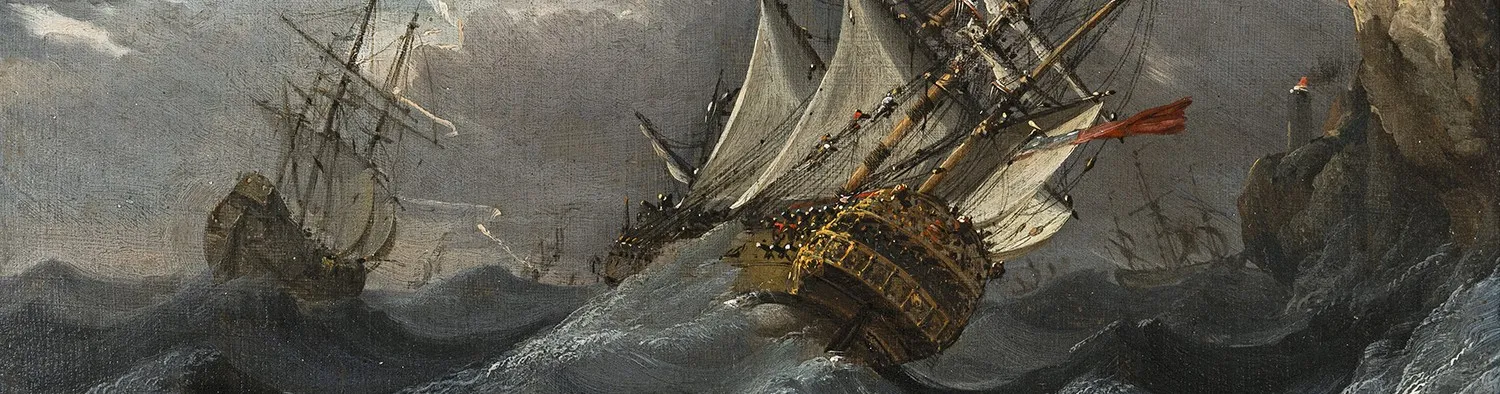
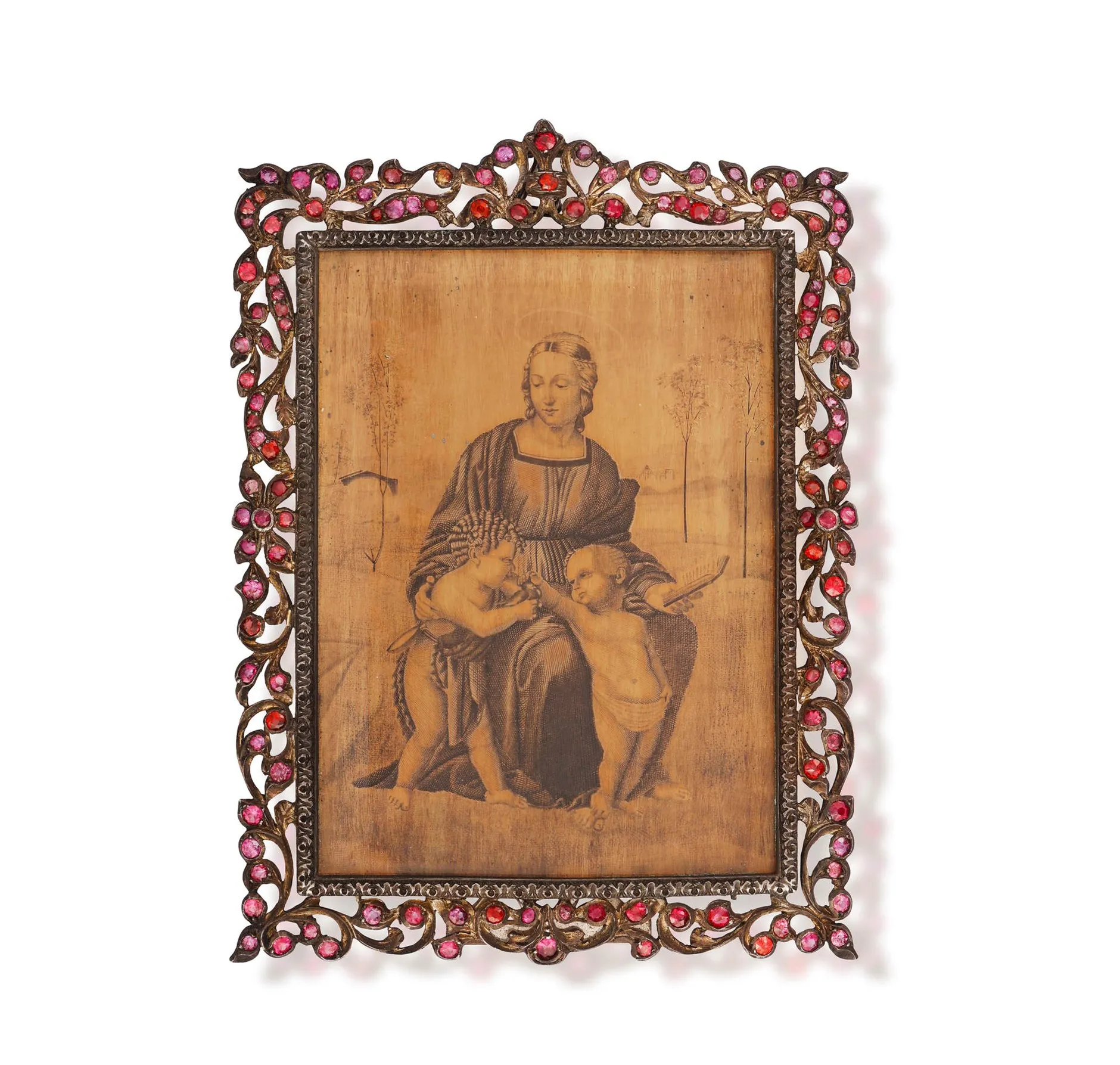
"I should declare my hand. I have a weakness for pictures that punch above their physical weight, and for artists who have been quietly underrated for too long. This pair is both. They are intimate enough to live with at close quarters and serious enough to repay any amount of looking. If the market has lately shown signs of catching up with eighteenth-century Irish painting and I think it has, these two small panels feel, to me, like exactly the sort of thing that will look obvious in twenty years’ time."
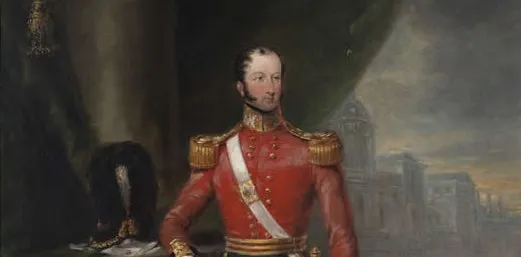
Adam’s is honoured to present works from the collection of Lord Rossmore in the upcoming Country House Collections auction at Howth Castle on 28th April. It is seldom that an influential Irish family collection that has survived through the generations comes to the open market.


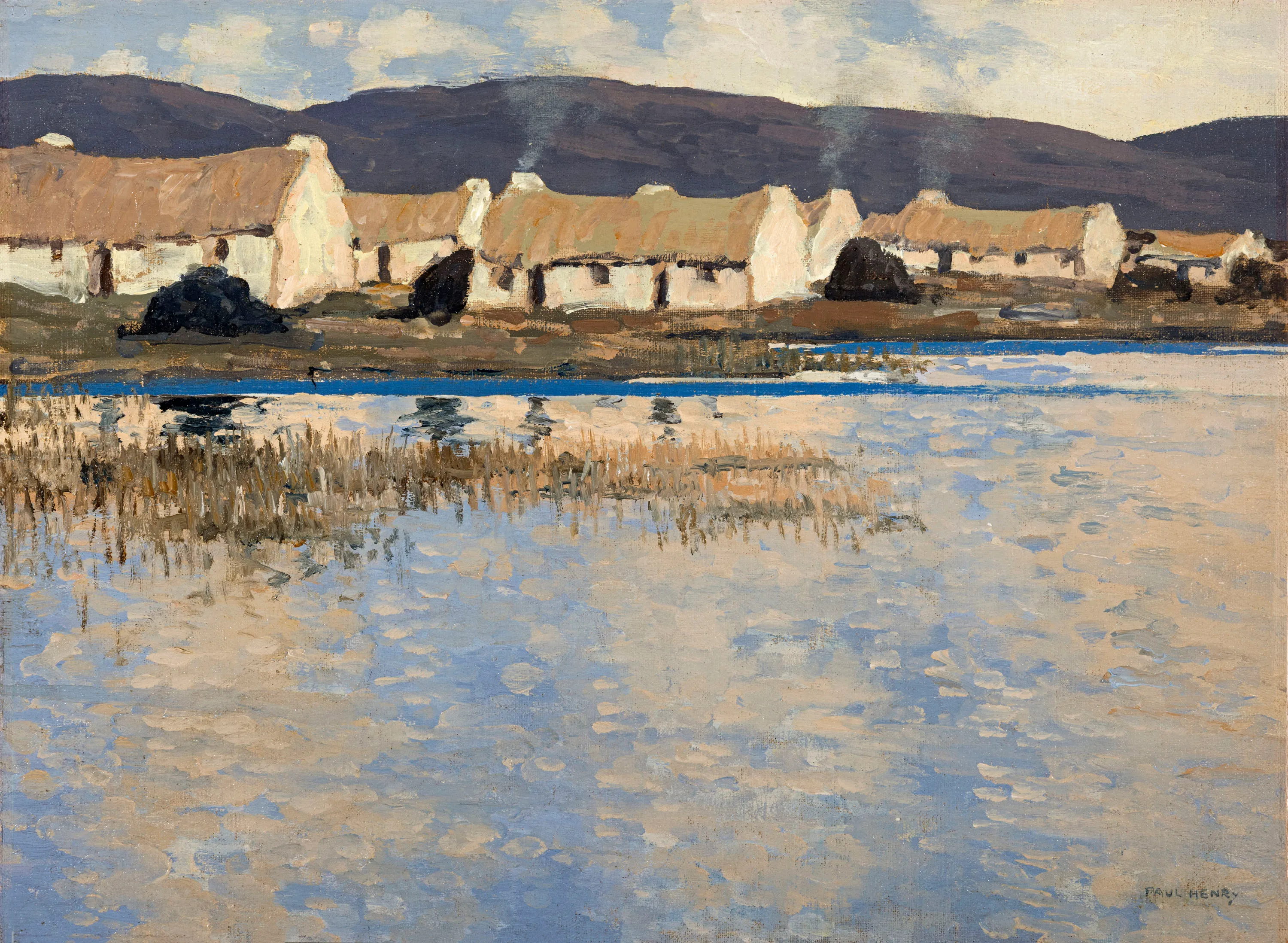
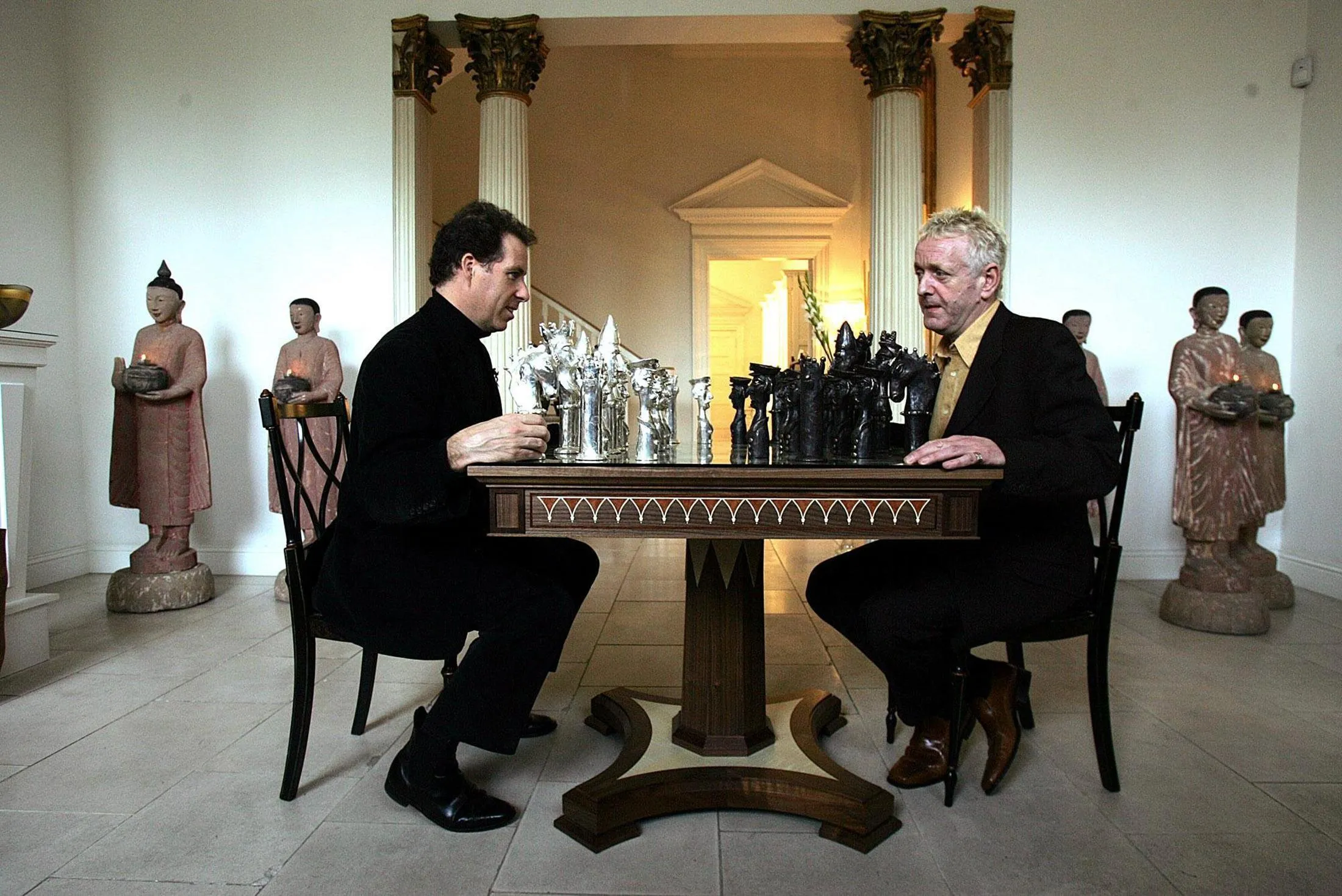
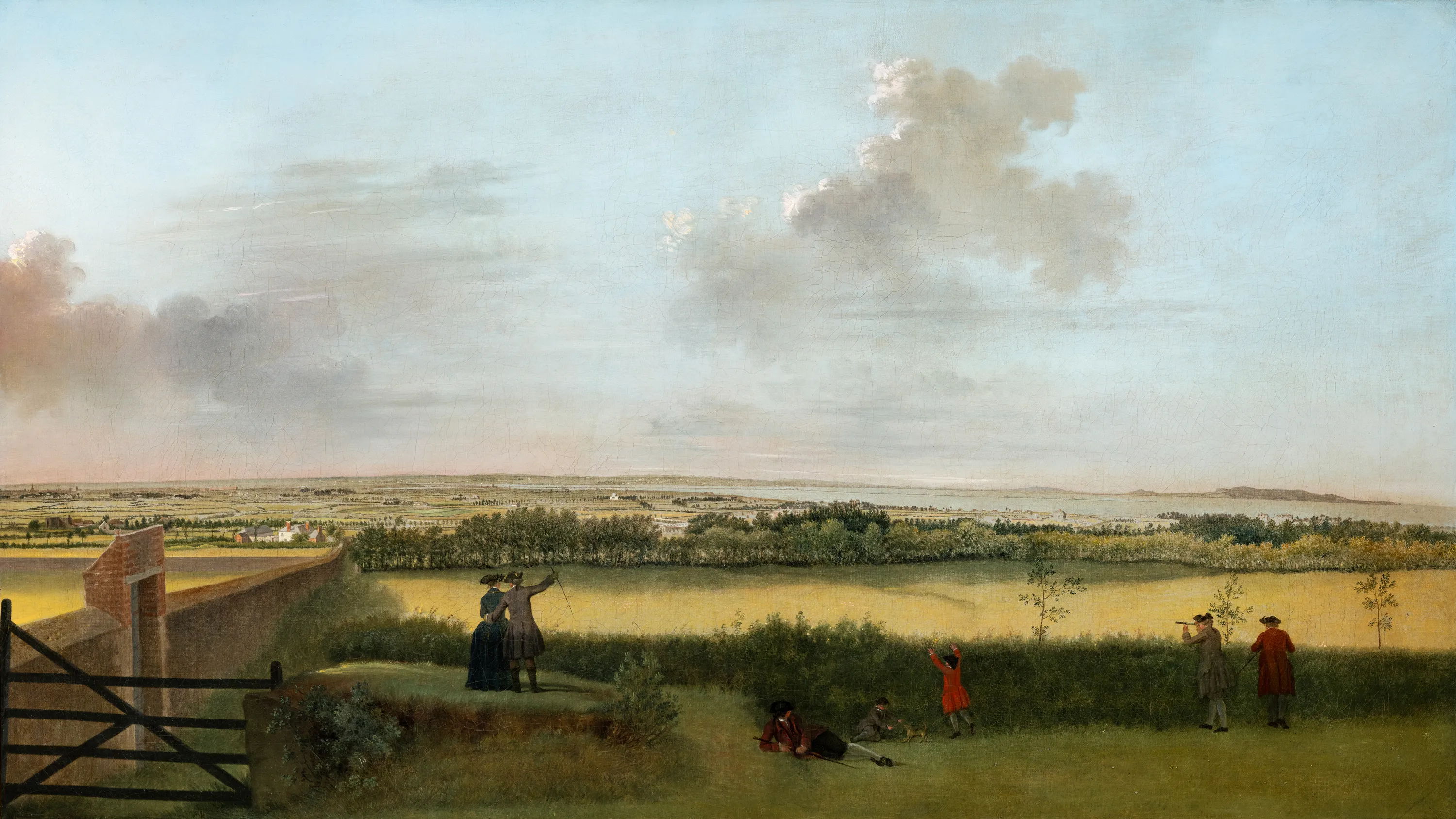
Works Sold at Adam’s Now in the Irish National Collection
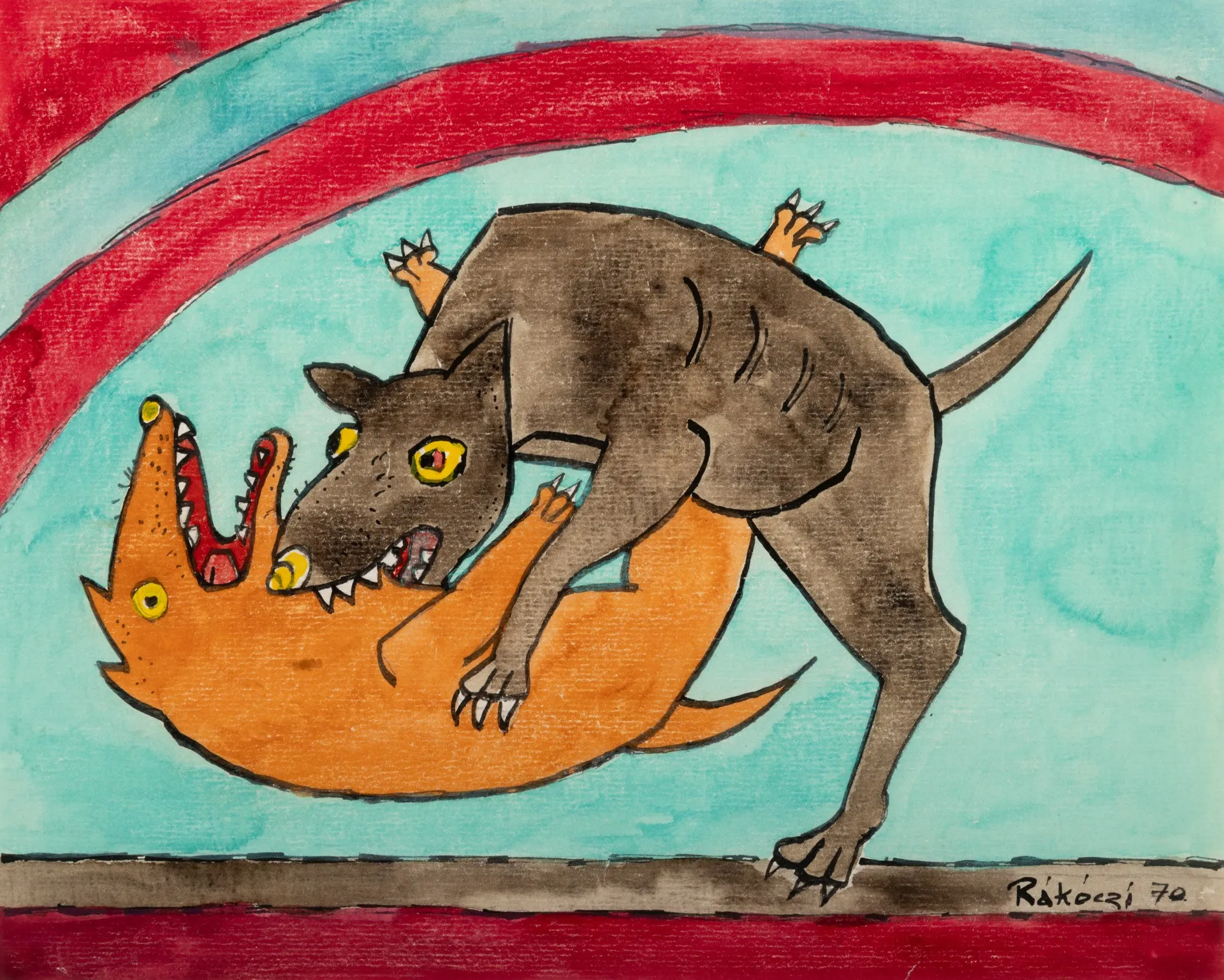
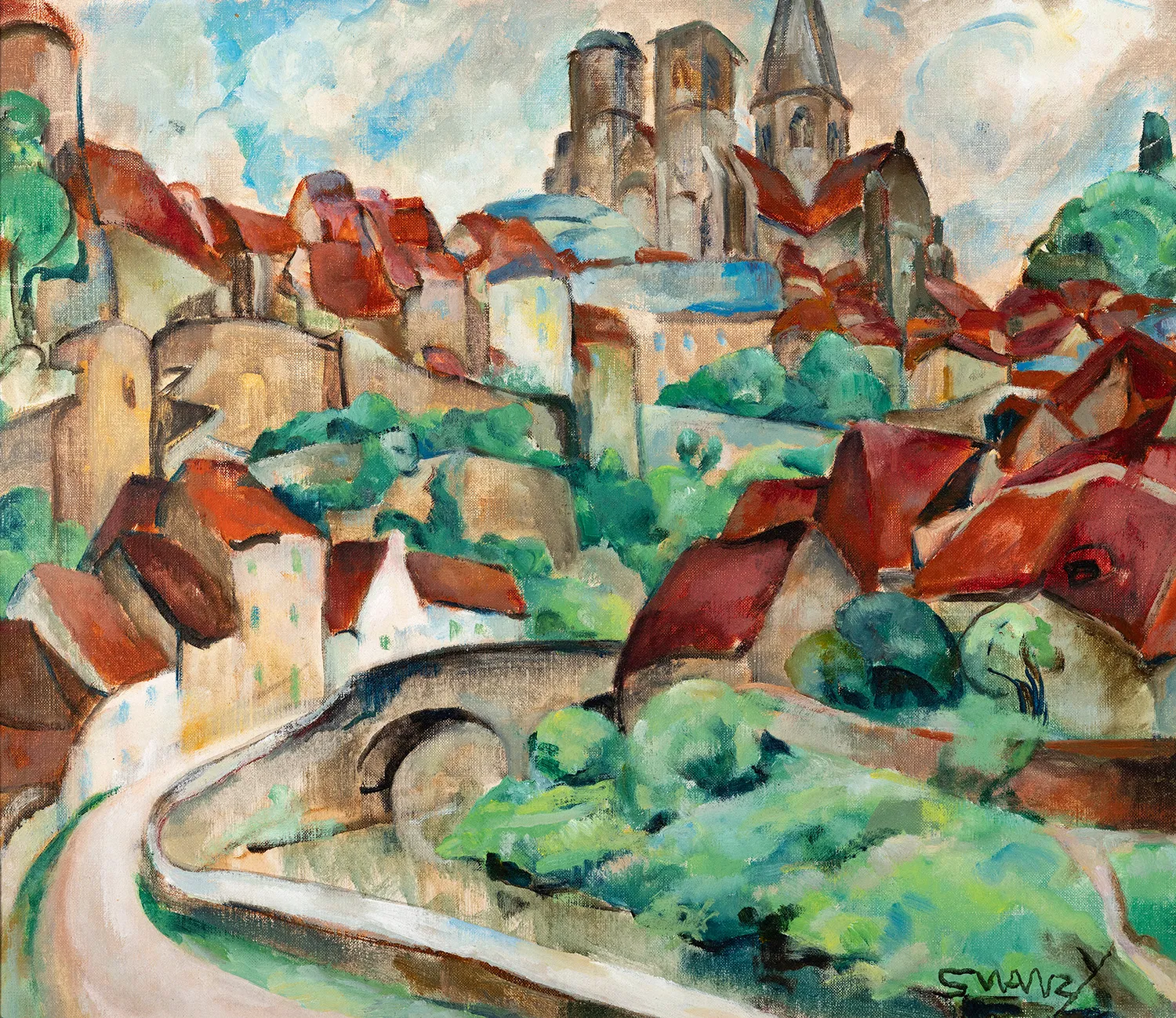
A great opportunity to purchase both established and lesser-known artist’s work at an accessible price point, the Online Picture Auction is the first of many sales to be hosted at Adam’s in 2026. It is perfect for those looking to start a collection and the discerning collector alike.

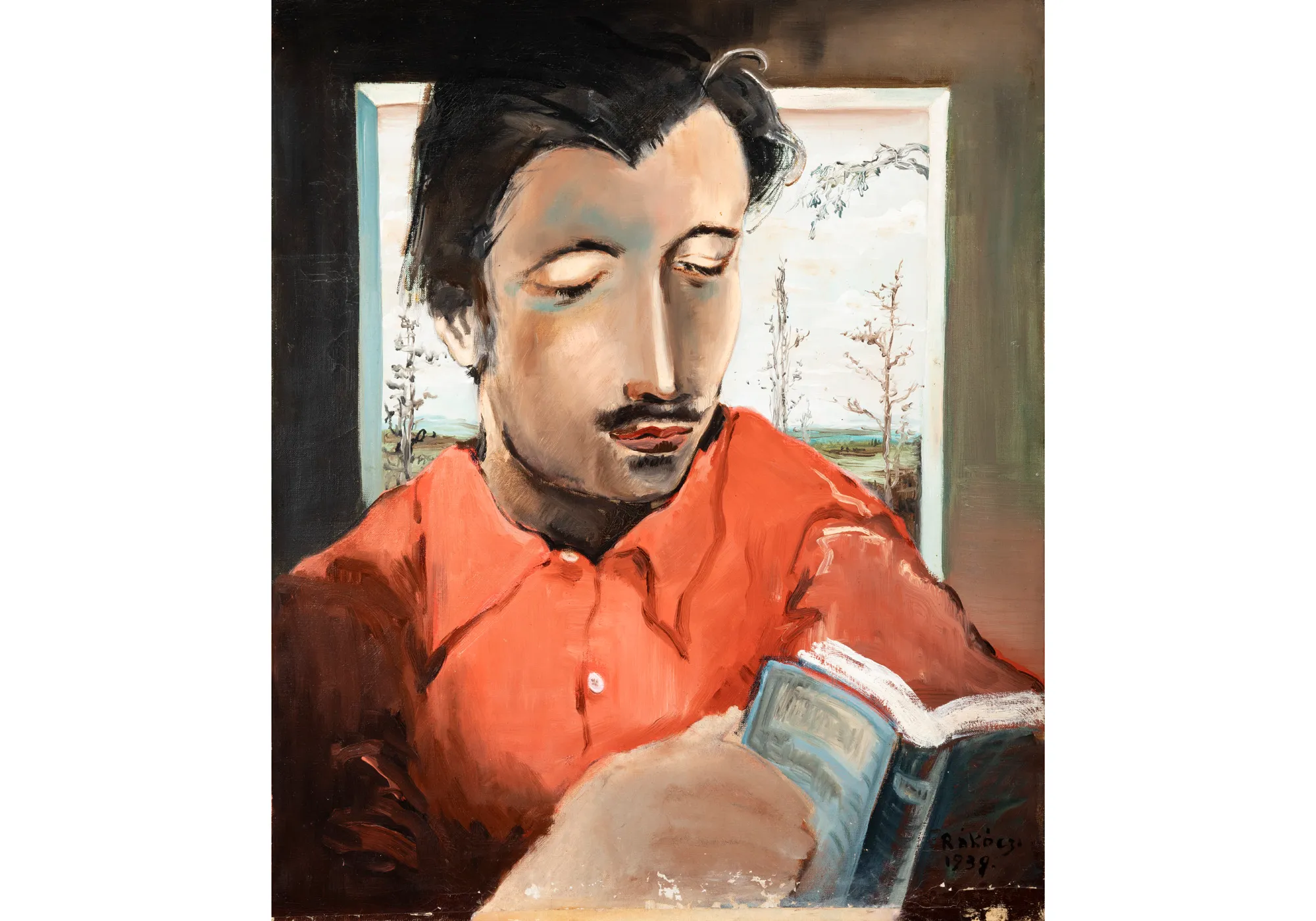
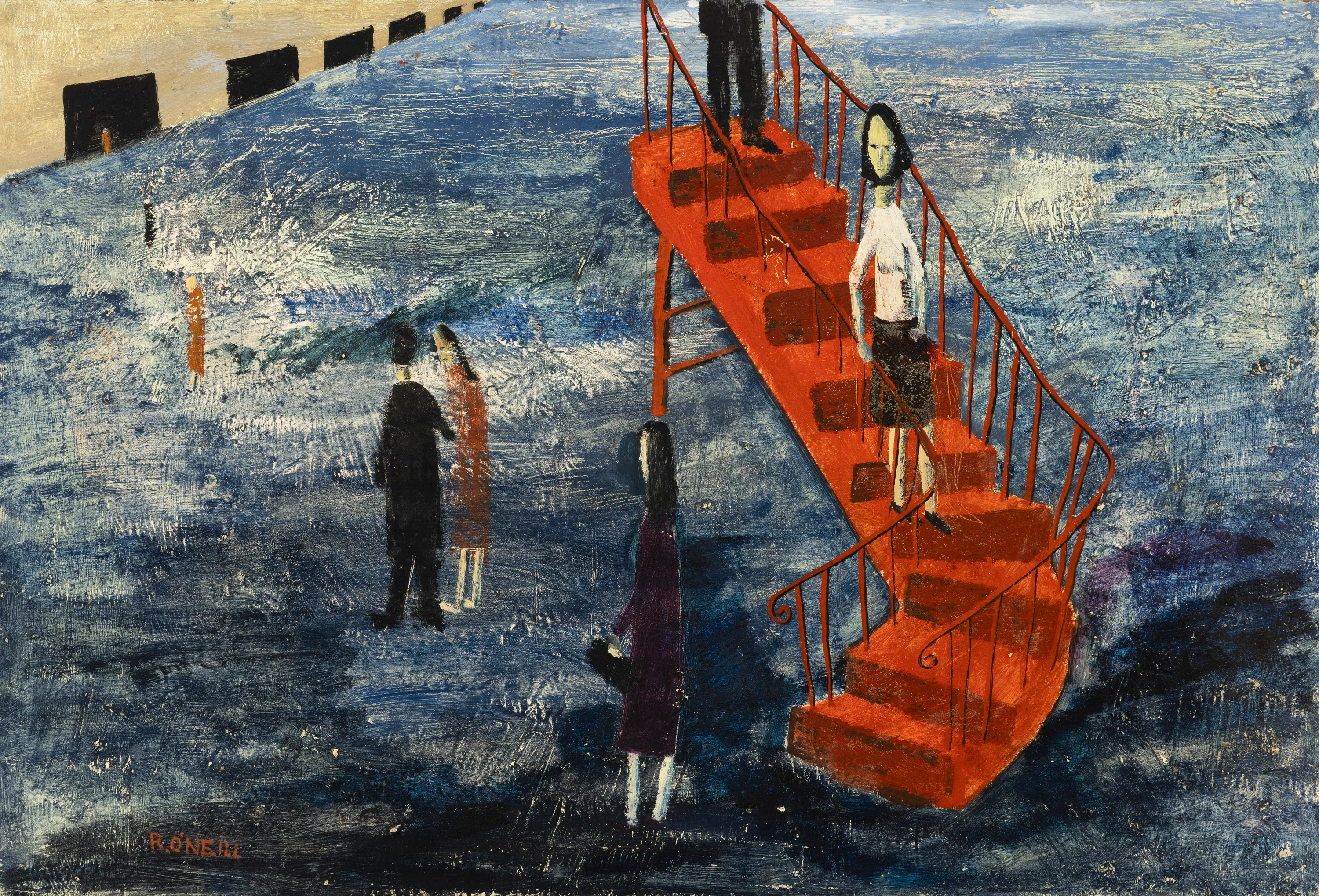
Through this article, let our expert Adam Pearson guiding you to the (re)discovery of the once established Irish painter Richard O’Neill.
James Adam & Sons Ltd, Fine Art Auctioneers and Valuers, 26 St. Stephen’s Green, Dublin 2,
D02 X665, Ireland


