
menu
Departments

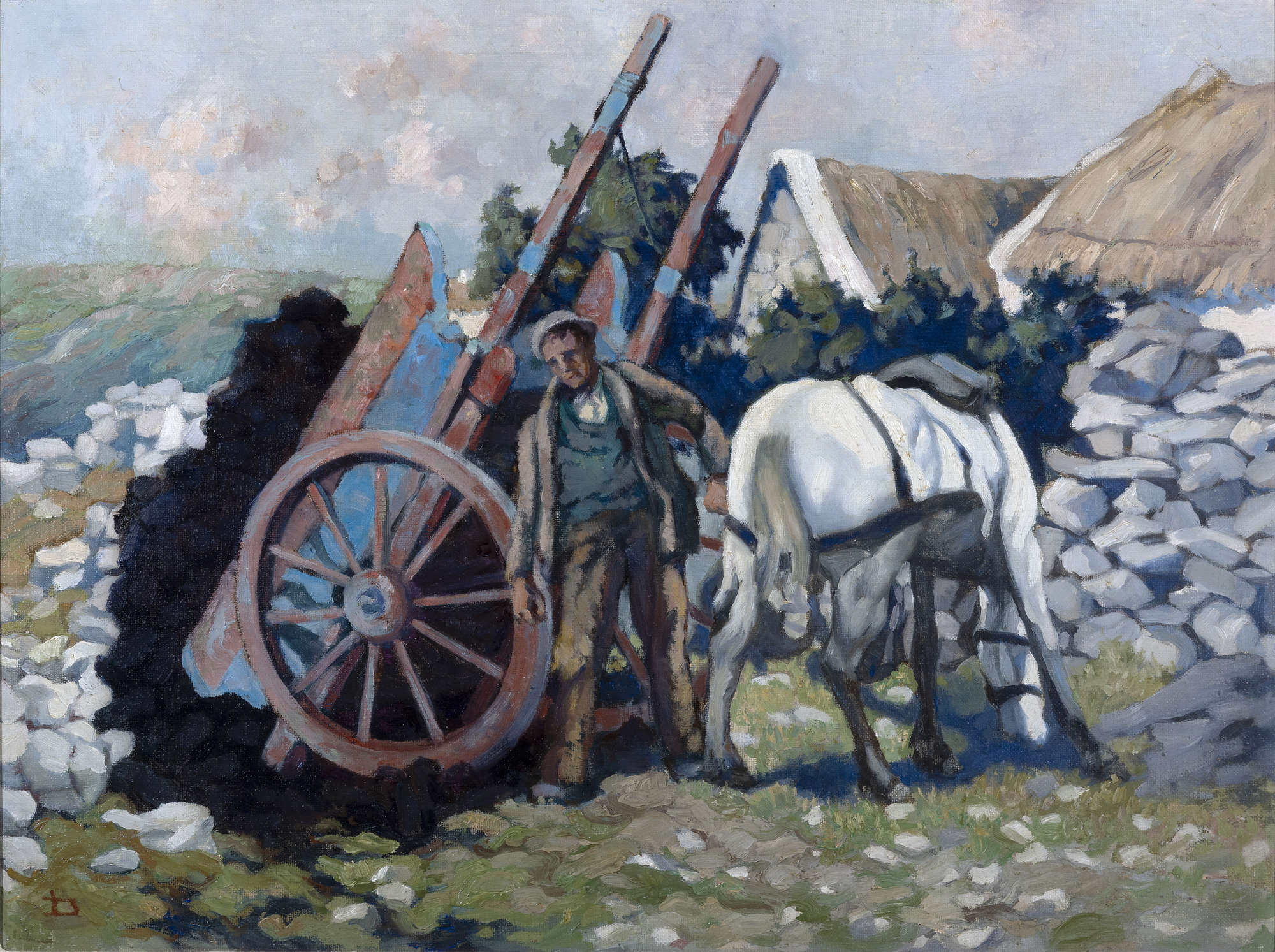

Lilian Lucy Davidson was born to a large Church of Ireland family in Bray, Co. Wicklow in 1879. Katherine Cahill in her 1999 biographical essay for the Irish Arts Review notes that Davidson likely attended the Bray Industrial Exhibition in 1893 and was recorded as prize-winner in the Dublin Metropolitan School of Art in 1895. Her artistic acumen secured her a scholarship to the Royal Dublin Society and free studentship for the DMSA in 1899 – a feat which could not have come at a better time as her father died that same year and their already inadequate finances were further strained. The young artist clearly excelled amongst her peers as she was commissioned by Switzer & Co to draw costumes for their department store. In contrast to her female contemporaries her continued work as a painter and designer remained rooted somewhat in the rather unidealistic necessity of earning her keep. Therefore, Davidson maintained a job as an art teacher from her home in Earlsfort Terrace and hosted lessons at various schools across Dublin and surrounding counties with a reportedly inexhaustible ardour.
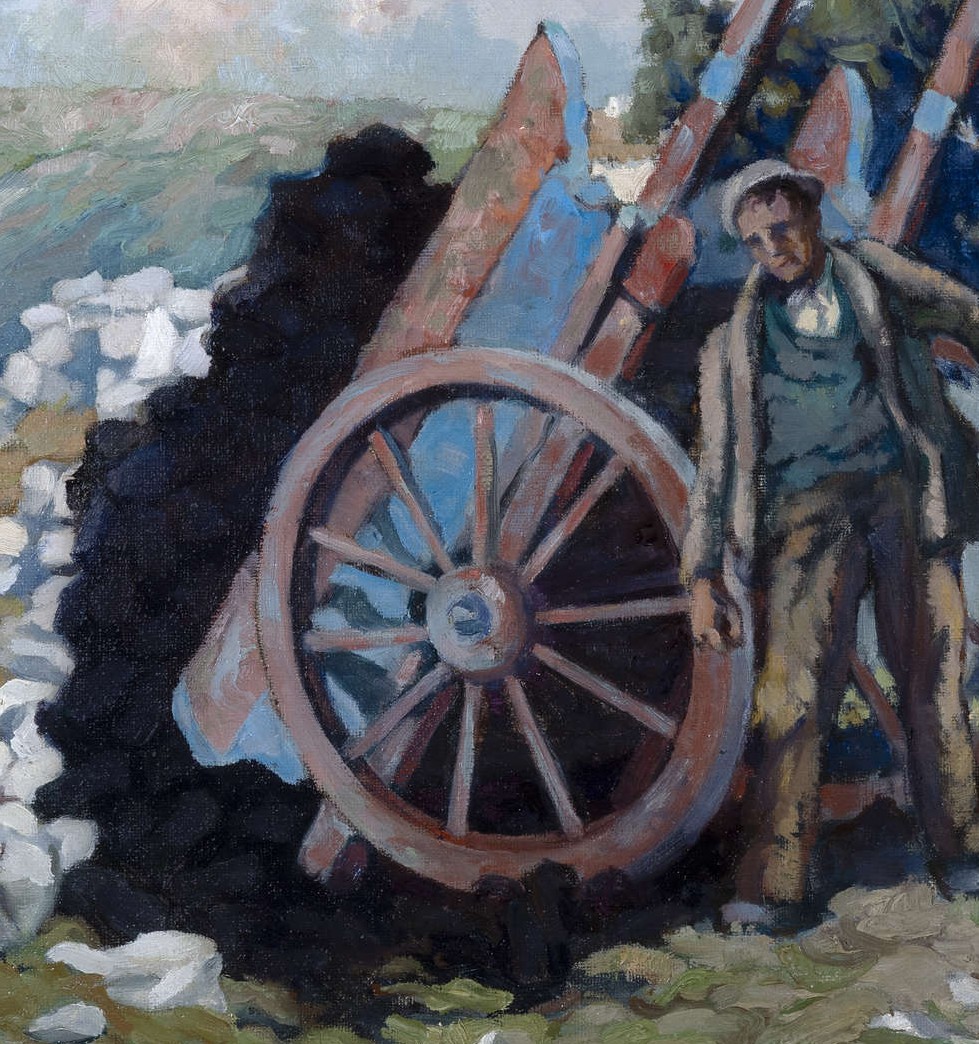
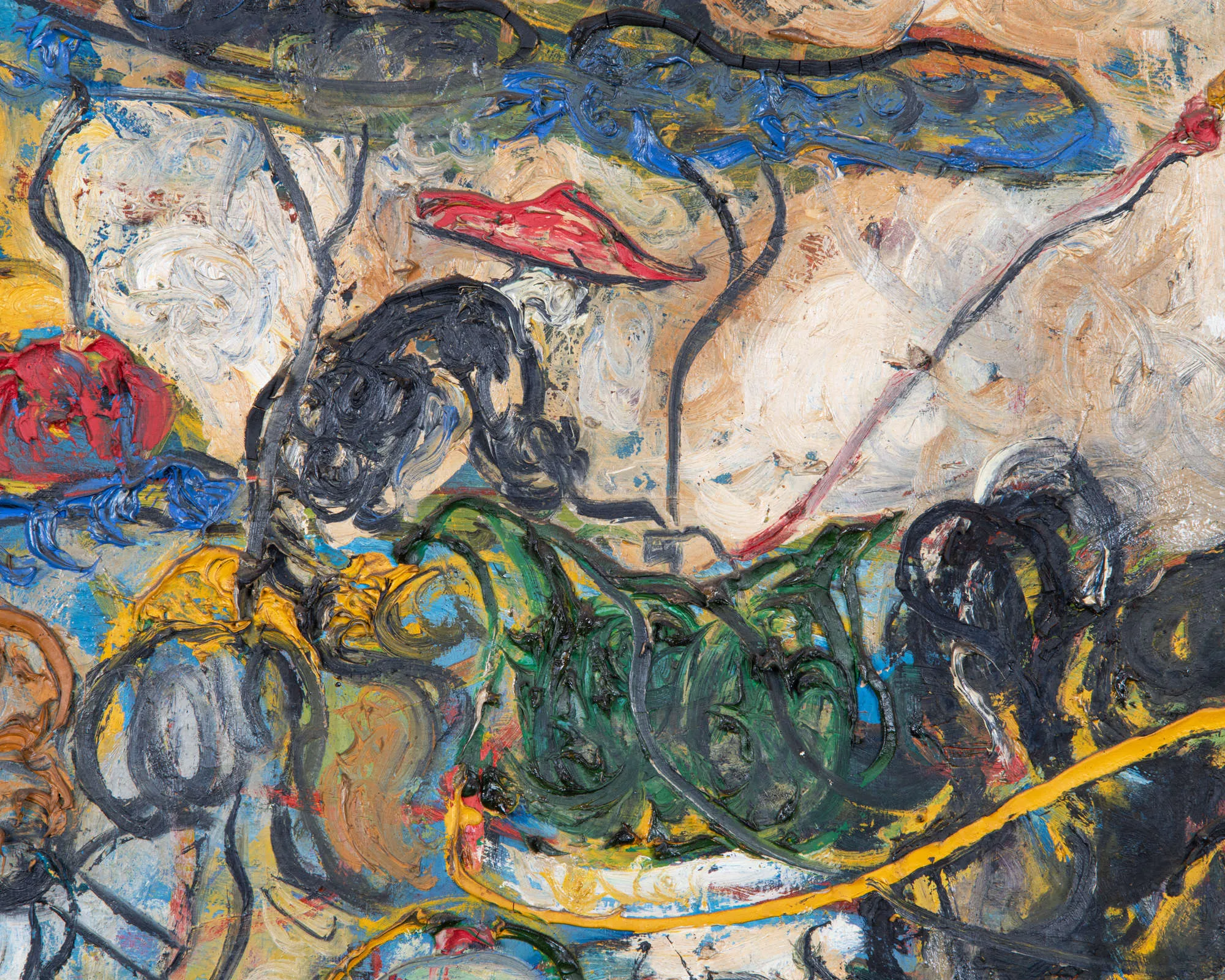
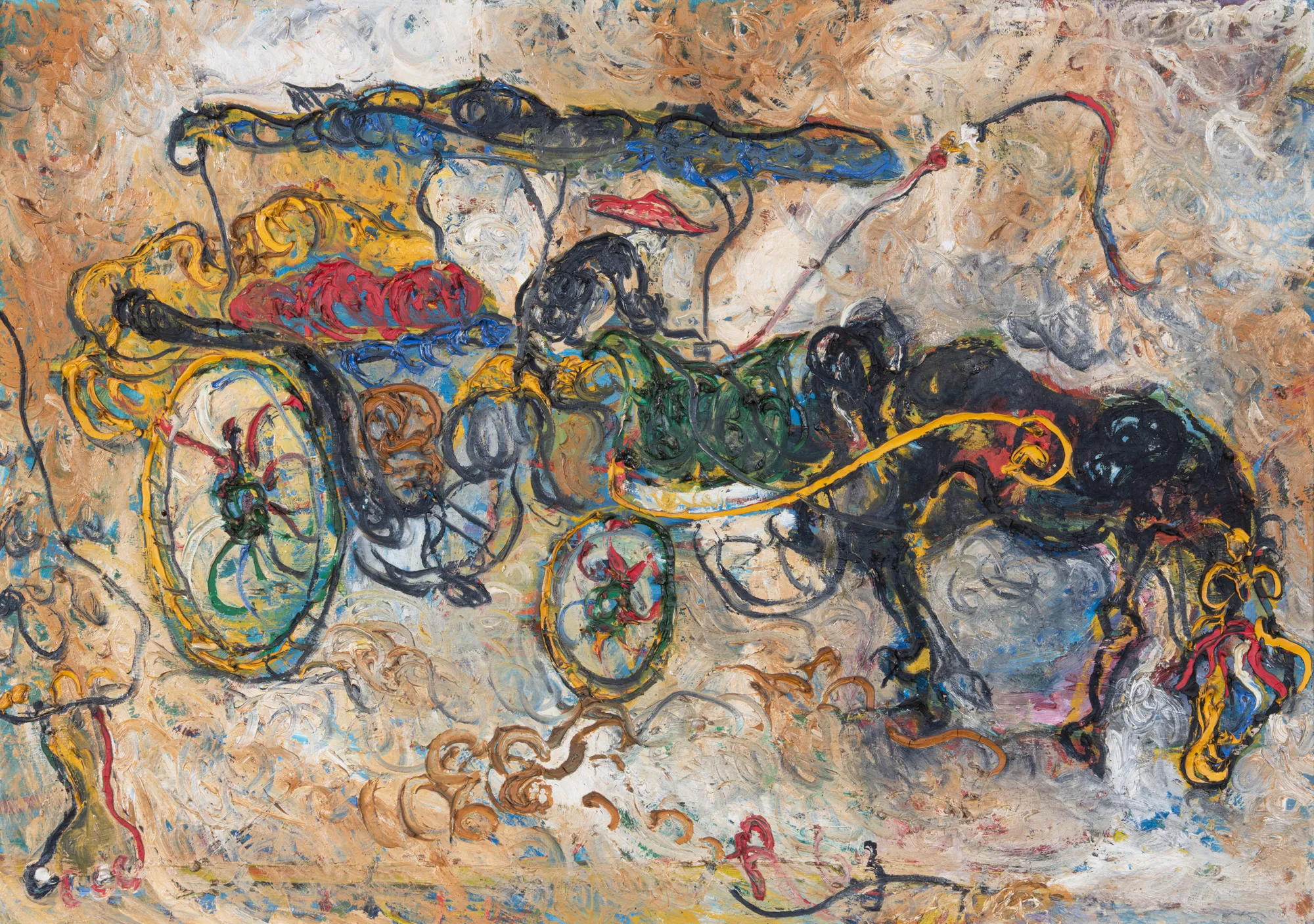
Davidson was acknowledged as an avid theatre enthusiast and wrote a number of plays under the pseudonym Ulick Burke. The most successful of which ‘Bride’ was directed by Hilton Edwards and designed by Micheál Mac Liammóir for the Gate Theatre in 1931. She was also associated with the Torch Theatre Company in the 1930s and designed sets and programmes for various productions on Capel Street. Davidson’s natural predilection for set design can be identified in her treatment of the labouring body in When Day is Done here presented. The landscape is theatrically bisected by an upturned turf-cart, the handles of which pierce the sky, almost disappearing out of frame.
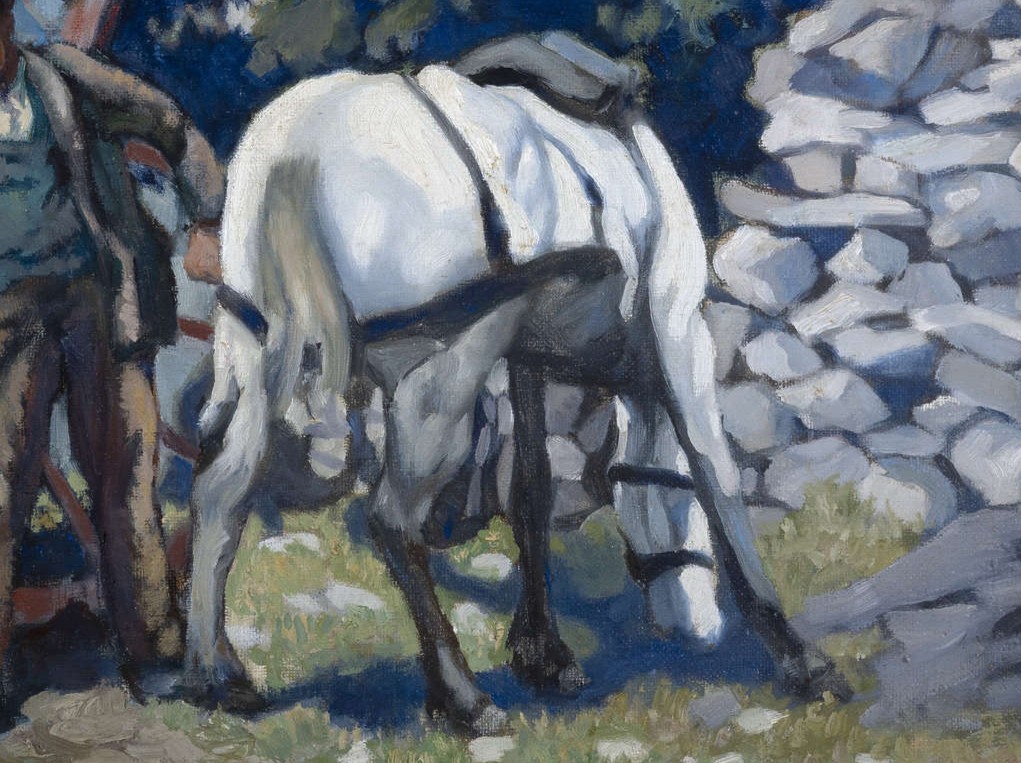
The natural resources of turf, limestone, water-reeds and clouds create a sense of the elemental, and this is centred by the figures of cart-driver and the carthorse, both faithfully depicted in candid disarray, a result of careful blocking. The man is dishevelled and depicted with a wide stance, evidently mid-step and somewhat back-bent after a long day’s toil. The horse’s full length is obscured as it eagerly grazes in the short grass, tail flicking inattentively in the direction of the viewer. The artist’s approach is not necessarily to flatter but she impresses upon us the strength and the solidity of the figures and in doing so acknowledges the dignity of labour by positioning both figures centre-stage.
Davidson remained in Ireland and did not have the benefit of sojourns to the continent until the 1920s. Therefore, her artistic practice was not exposed to the Modernist movement which can be seen in the work of her contemporaries Jellett, Hone and Swanzy who spent extended periods studying abroad. The impact of her later travels cannot be understated however, and we can clearly see the influence of French Realism masters Honoré Daumier (1808-1879) and particularly Jean-François Millet (1814-1875) in her solid linework, weighty handling and of course in the mundanity of her subject.

The artist’s pictures frequently feature the stooped and laboured figures of everyday working class people such as fishermen, farmers, market folk and exasperated mothers swatting at their apron tugging children. Naturally the bulwark bodies of Millet’s field labourers are recalled, as is the work of her contemporary Jack Butler Yeats RHA (1871-1957) with whom she shared a deep empathy for the working class. Cahill notes one such example where the artist includes a self-portrait amongst the crowd in her picture The Country Races indicating a high level of empathy and a kinship despite her genteel Church of Ireland upbringing1. Davidson never married or had any children, but she was remembered by her generations of students who remarked fondly upon the enterprising spirit and empathy of ‘'The Dave'’.
1Cahill, Katherine, Irish Arts Review: Yearbook 1999 / Volume 15, p.36



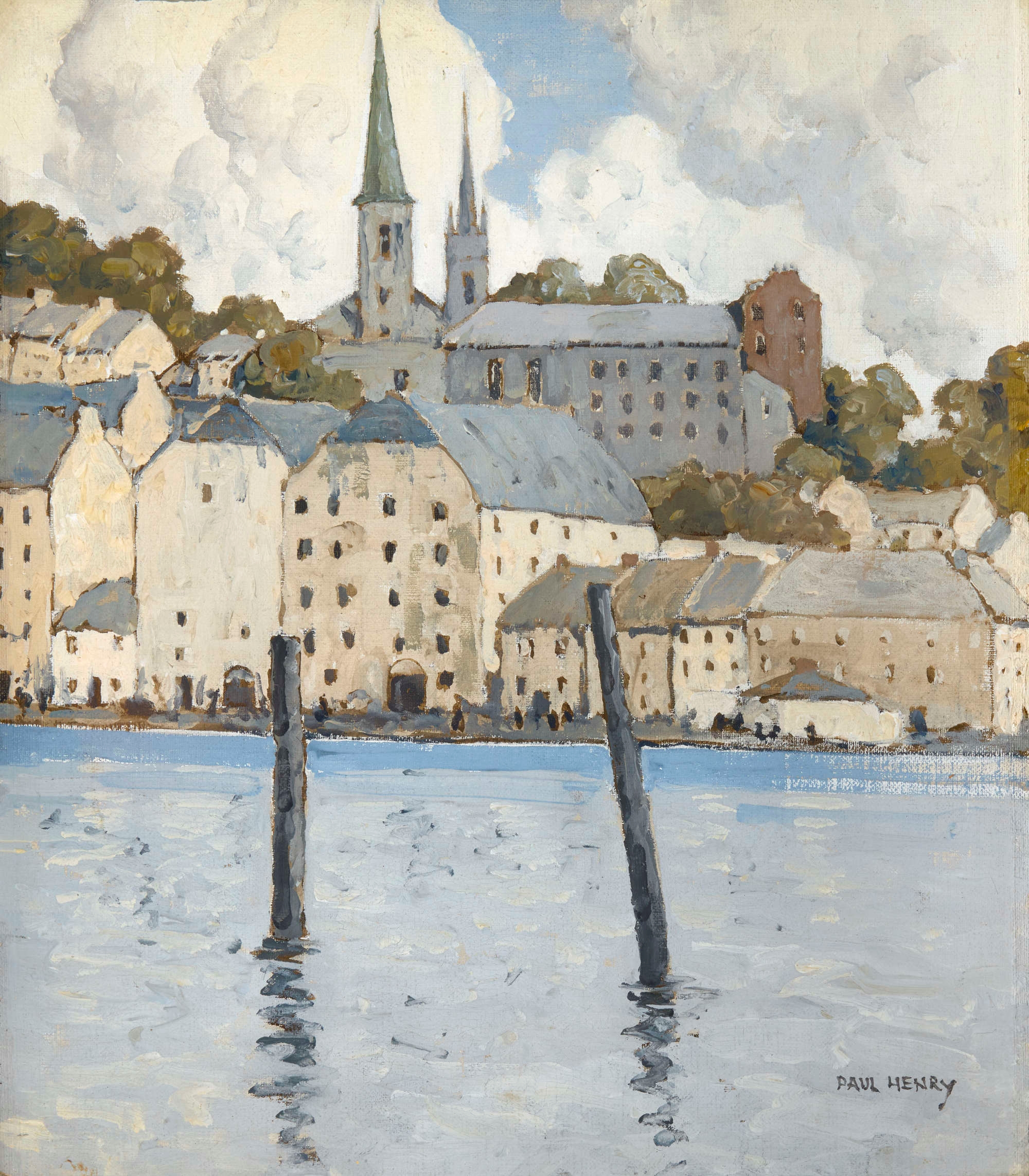



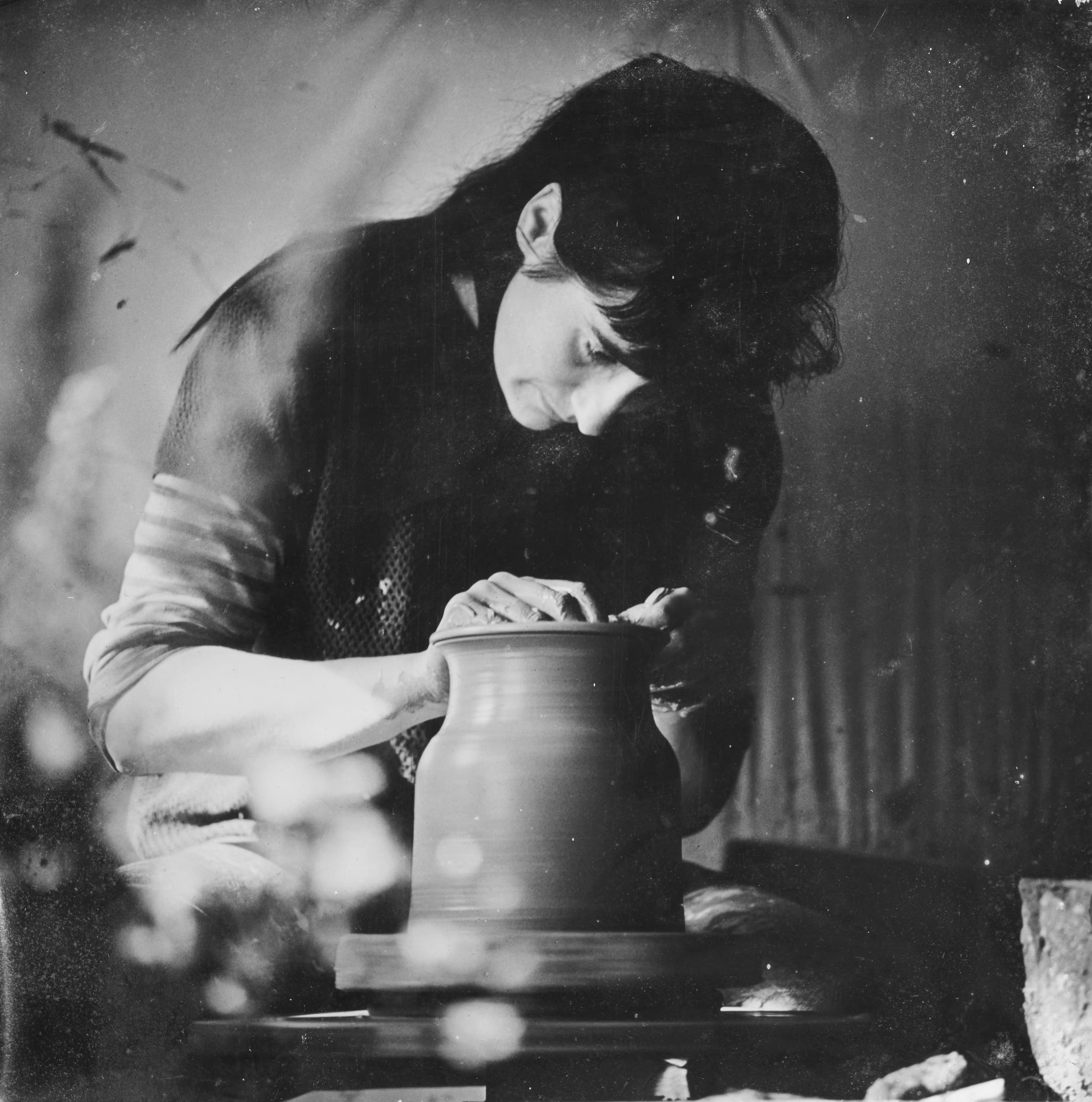

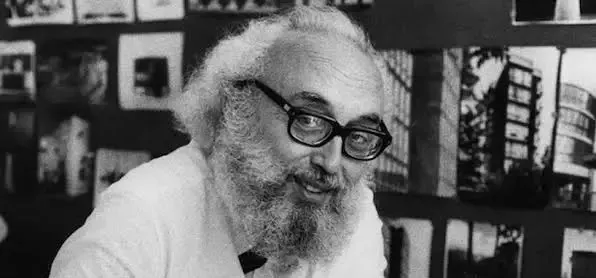
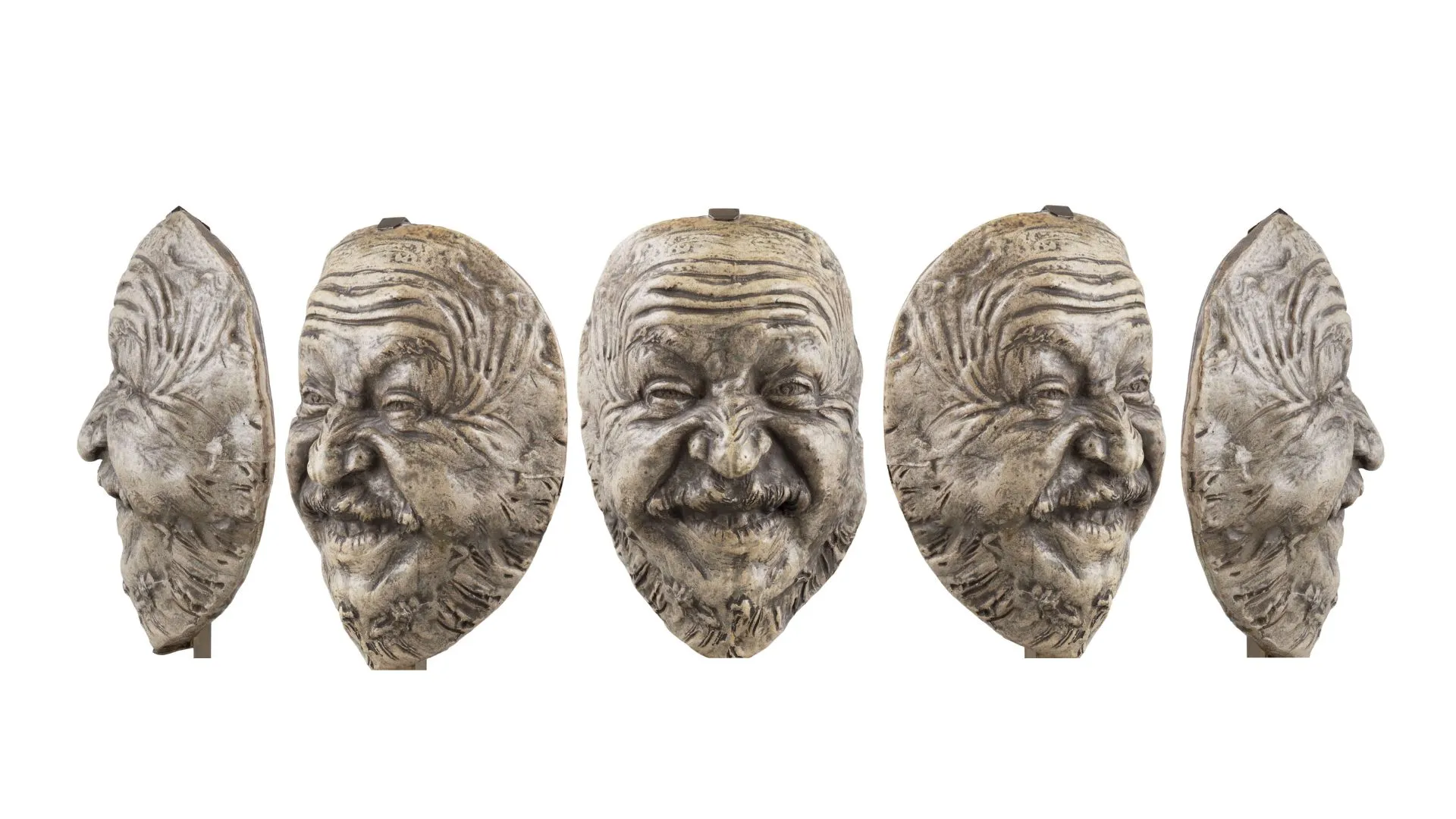

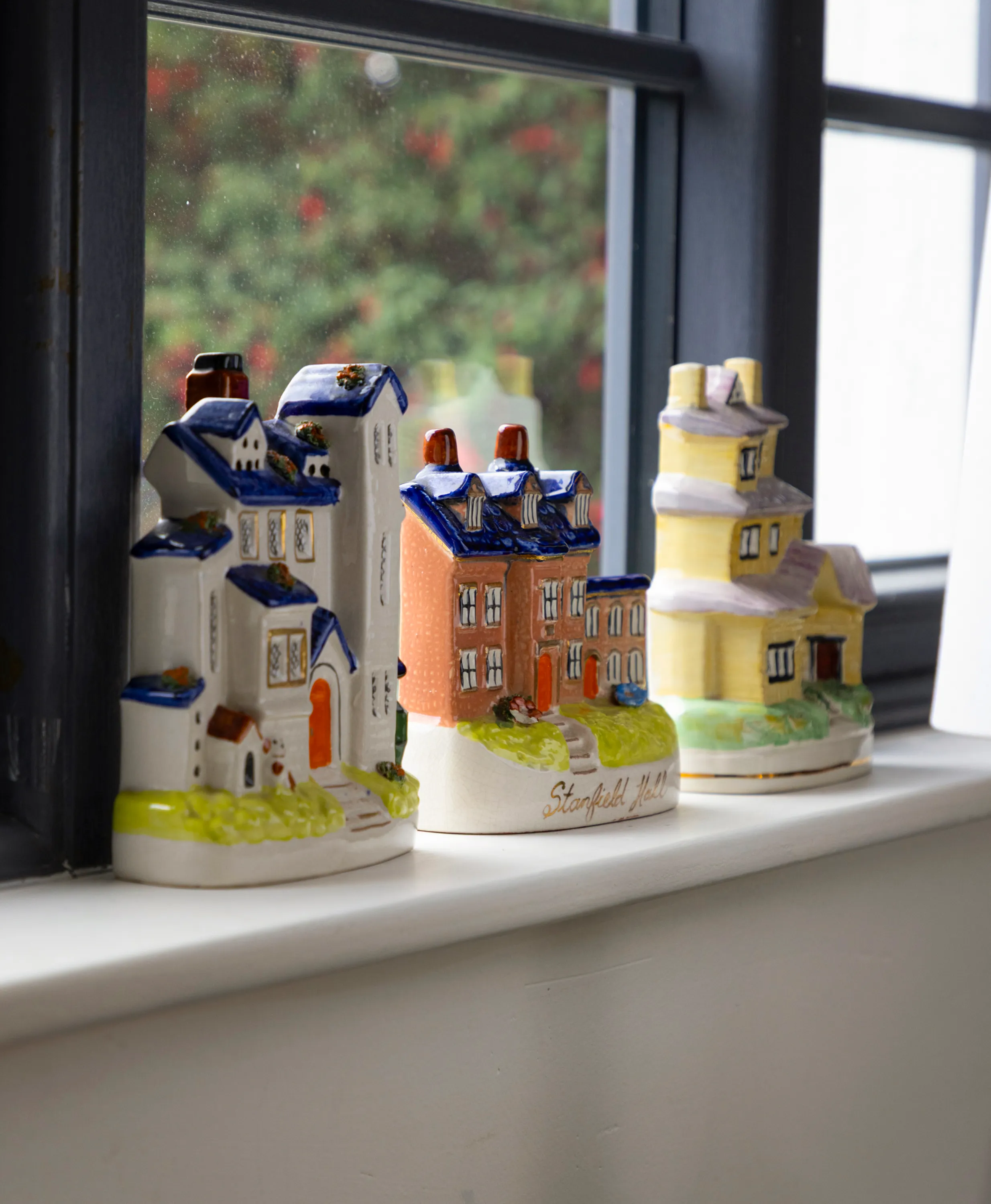
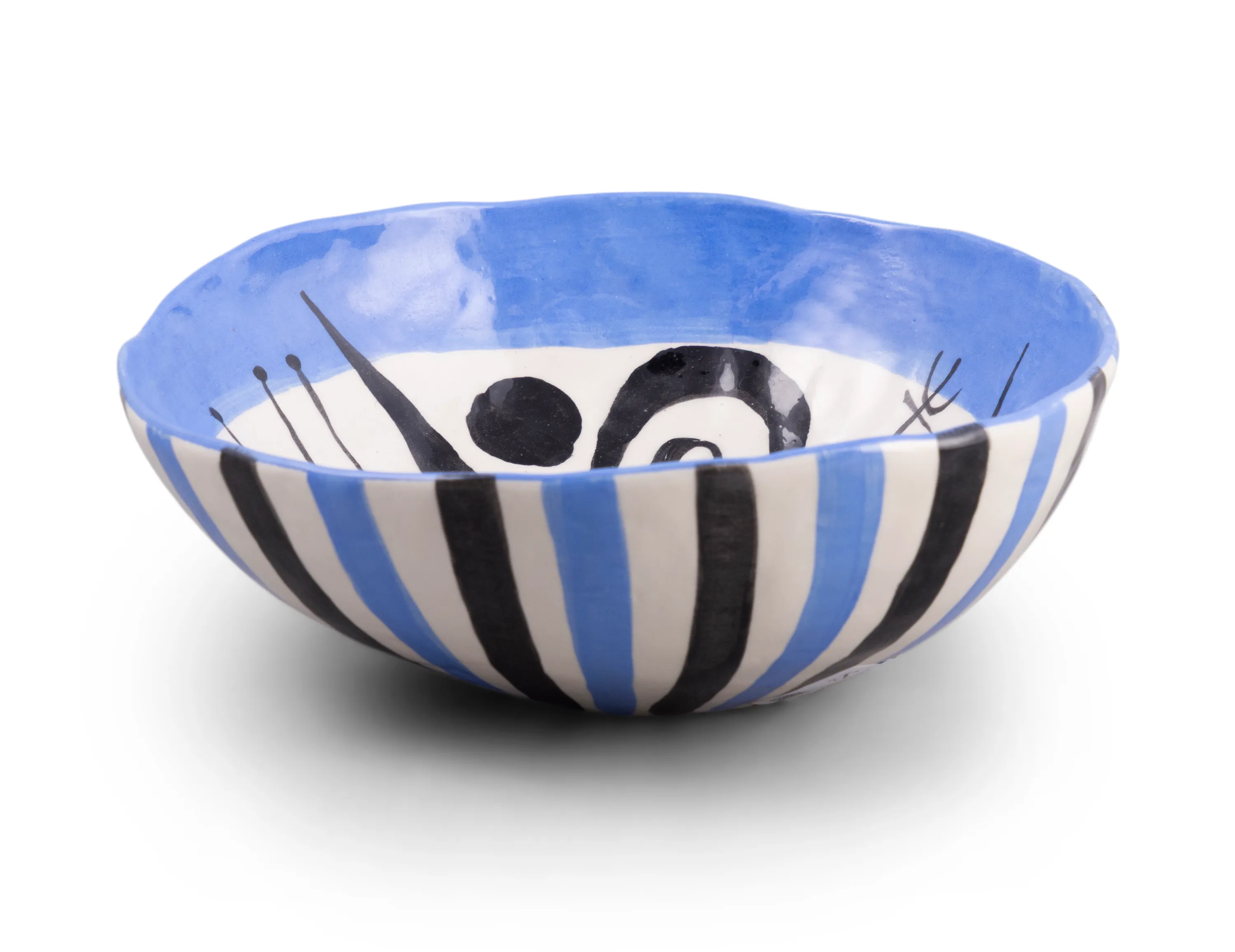
John ffrench was an instrumental figure in the design industry in Ireland and a distinguished pioneer of Irish studio pottery.

)%20(1).webp)







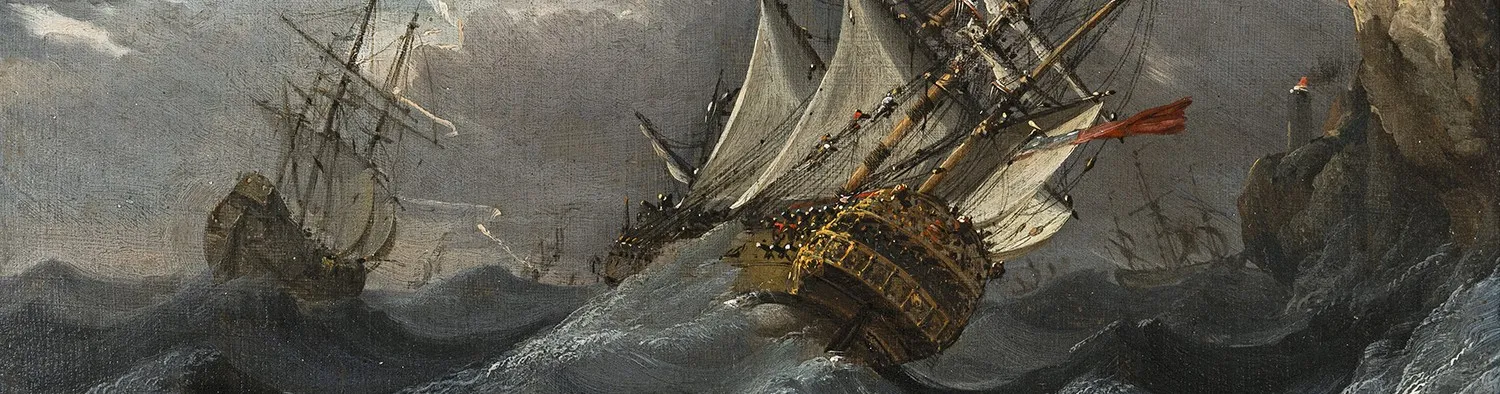
"I should declare my hand. I have a weakness for pictures that punch above their physical weight, and for artists who have been quietly underrated for too long. This pair is both. They are intimate enough to live with at close quarters and serious enough to repay any amount of looking. If the market has lately shown signs of catching up with eighteenth-century Irish painting and I think it has, these two small panels feel, to me, like exactly the sort of thing that will look obvious in twenty years’ time."
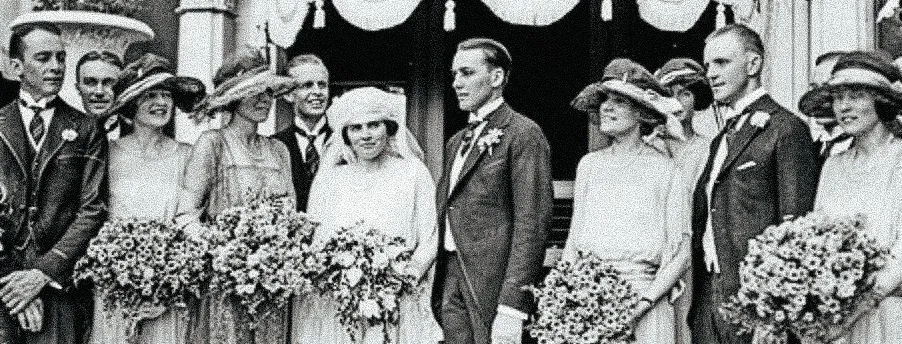
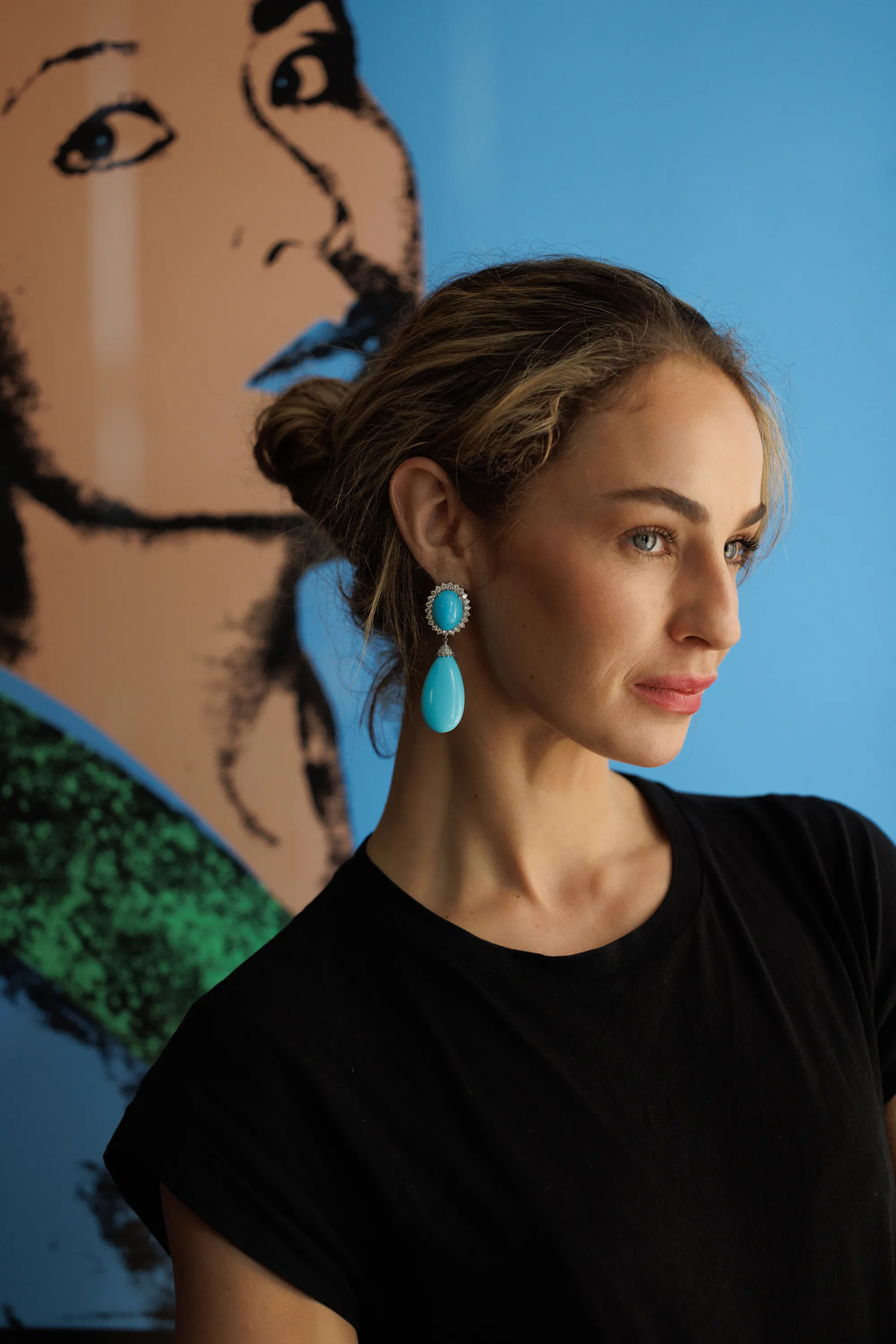
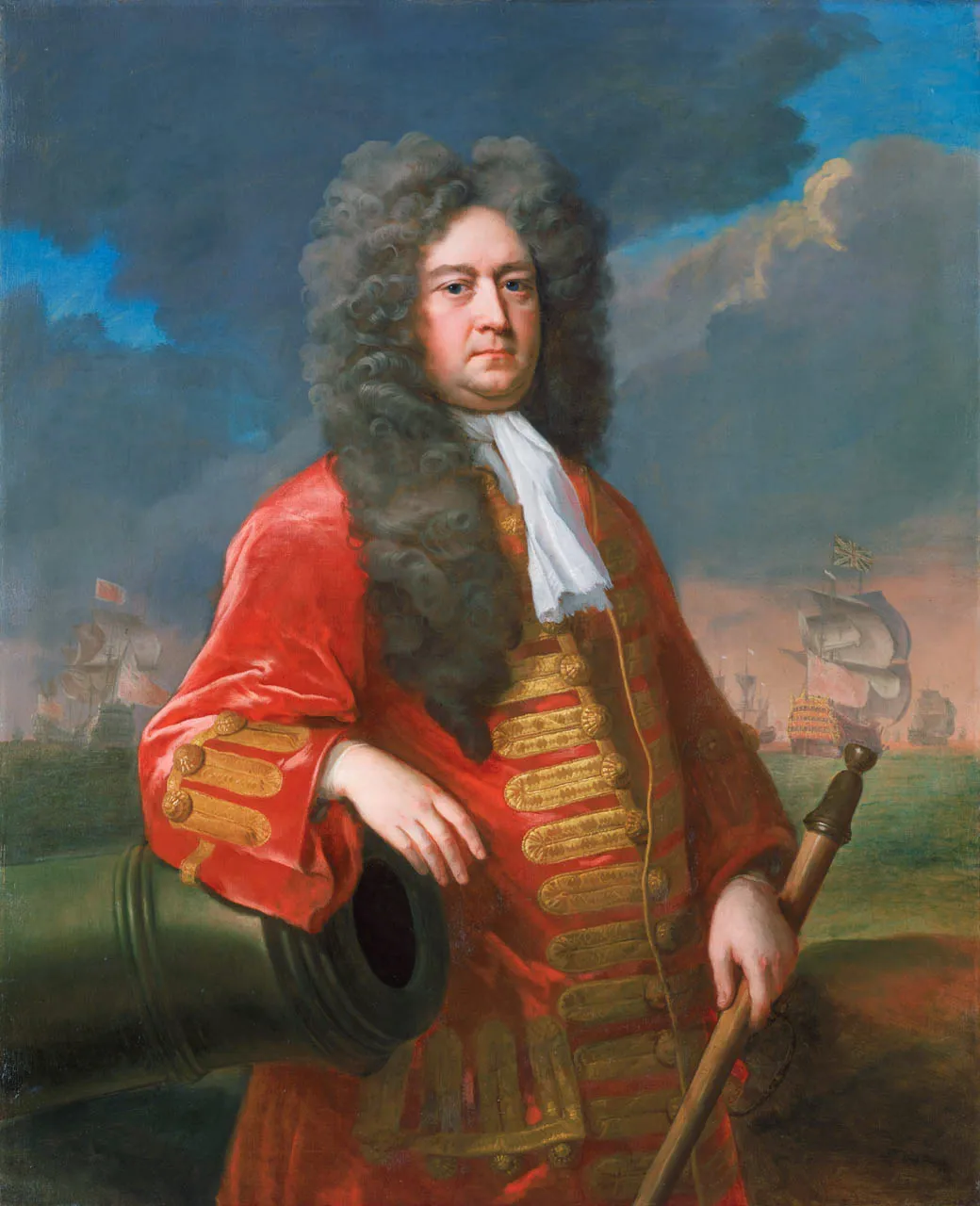

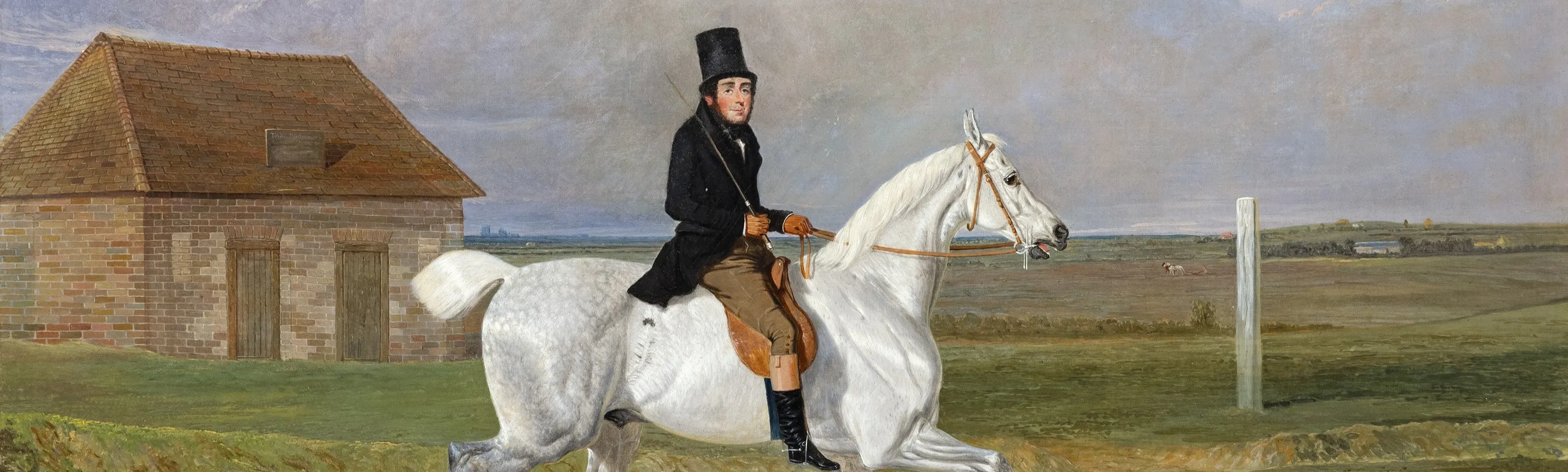
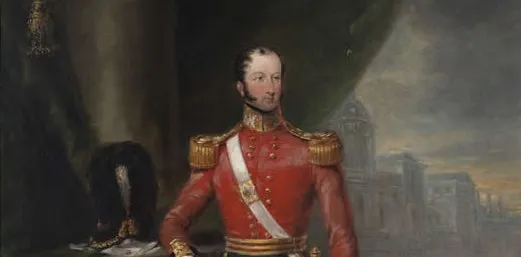
Adam’s is honoured to present works from the collection of Lord Rossmore in the upcoming Country House Collections auction at Howth Castle on 28th April. It is seldom that an influential Irish family collection that has survived through the generations comes to the open market.

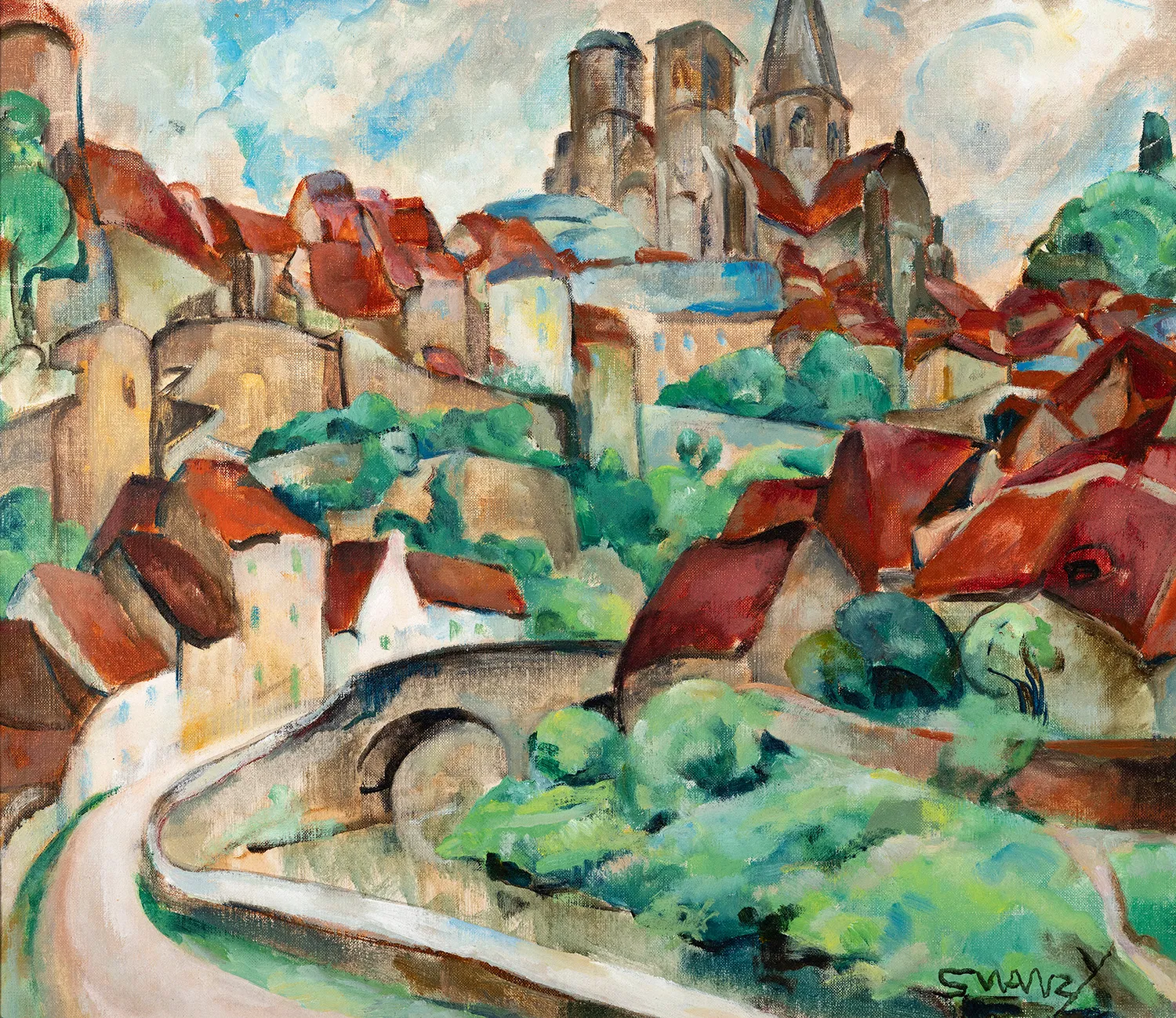
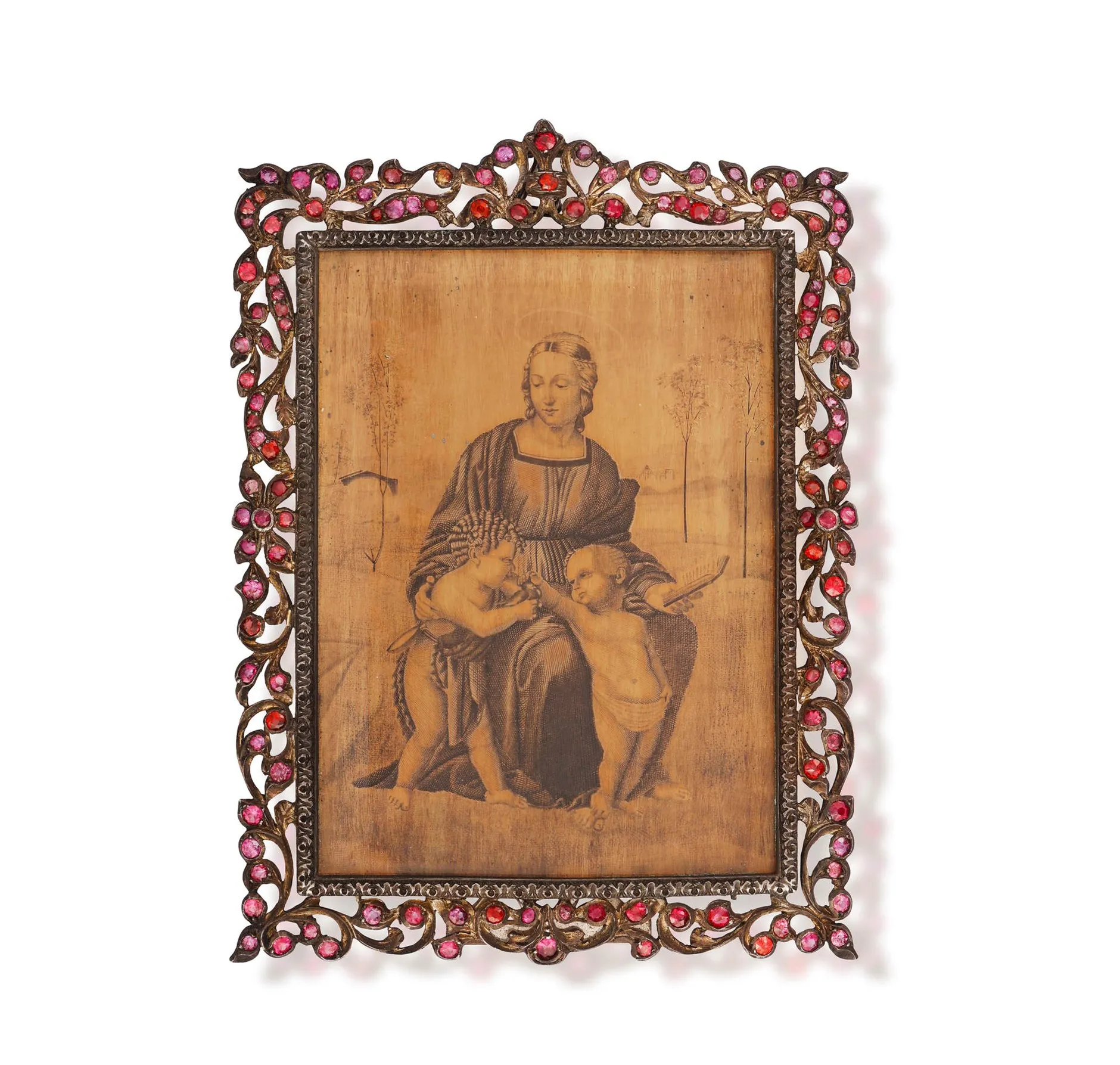

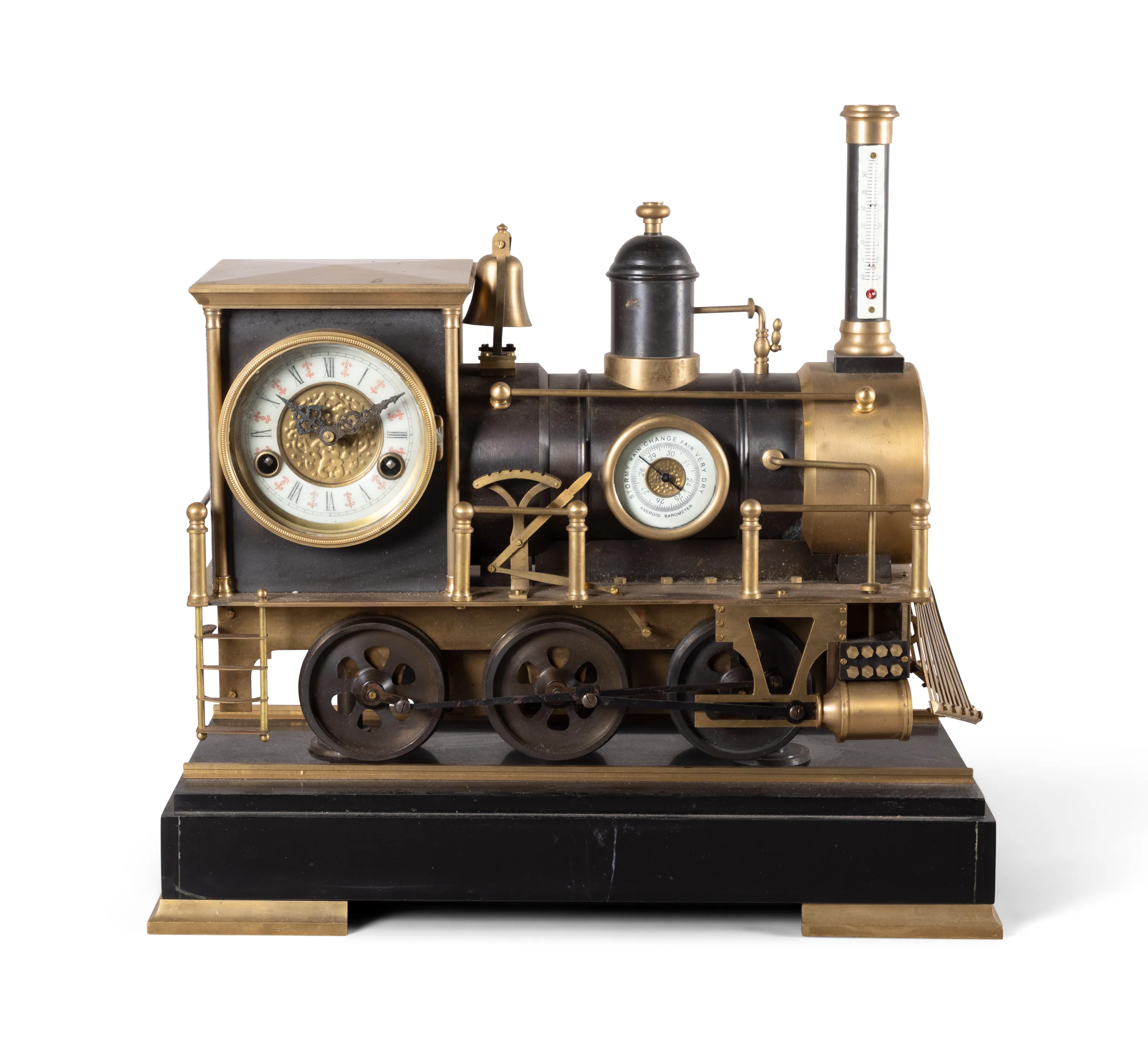

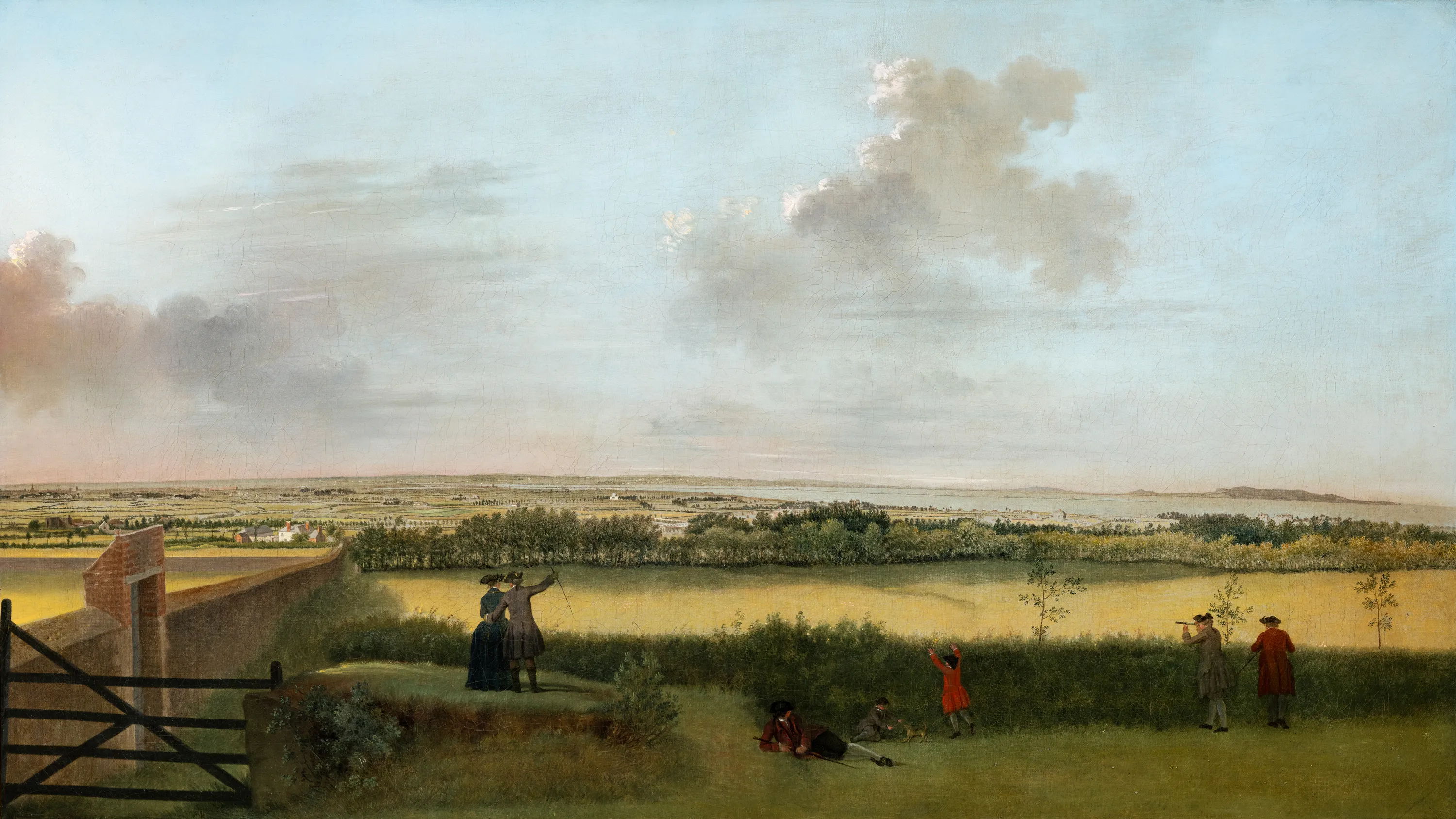
Works Sold at Adam’s Now in the Irish National Collection
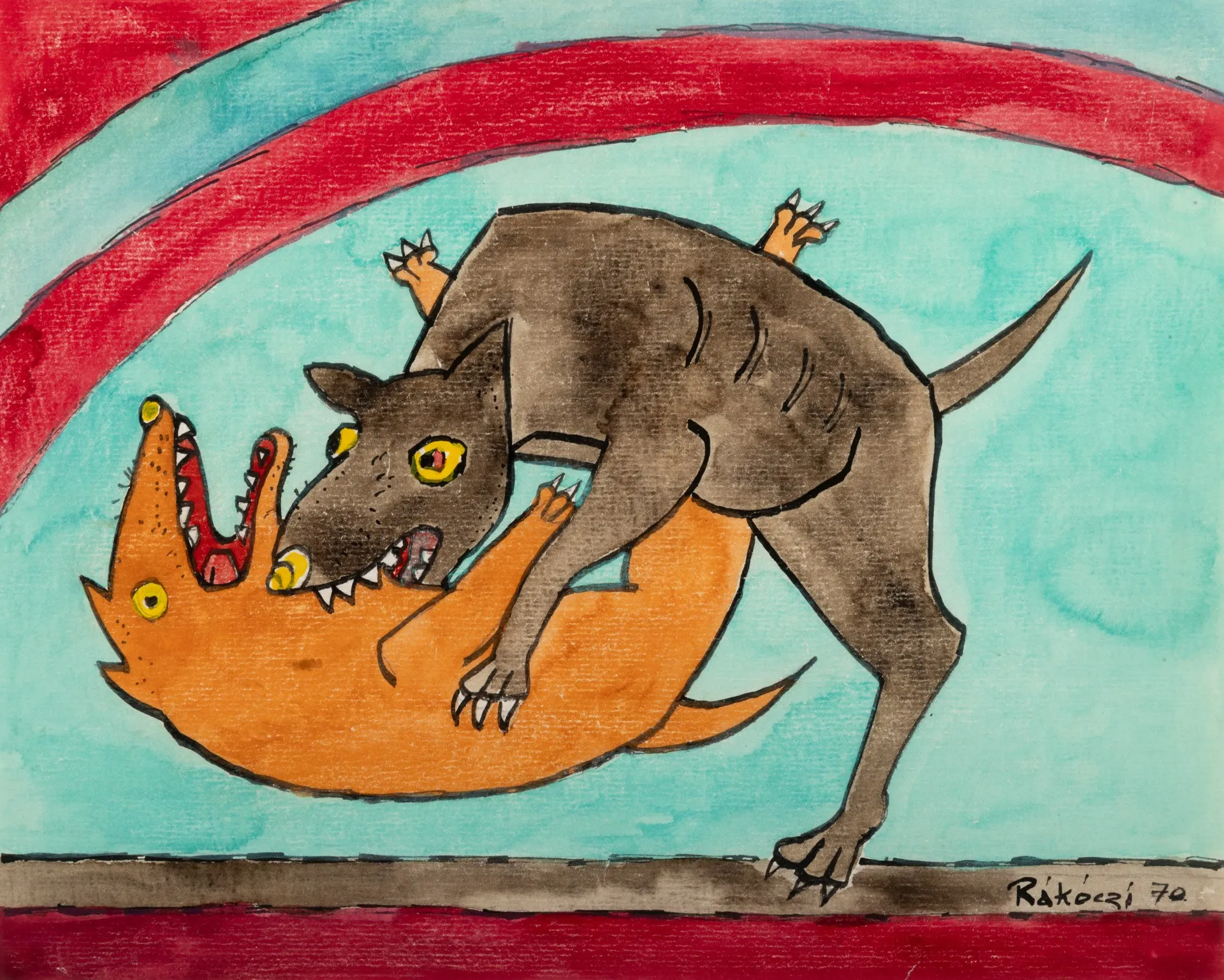
A great opportunity to purchase both established and lesser-known artist’s work at an accessible price point, the Online Picture Auction is the first of many sales to be hosted at Adam’s in 2026. It is perfect for those looking to start a collection and the discerning collector alike.

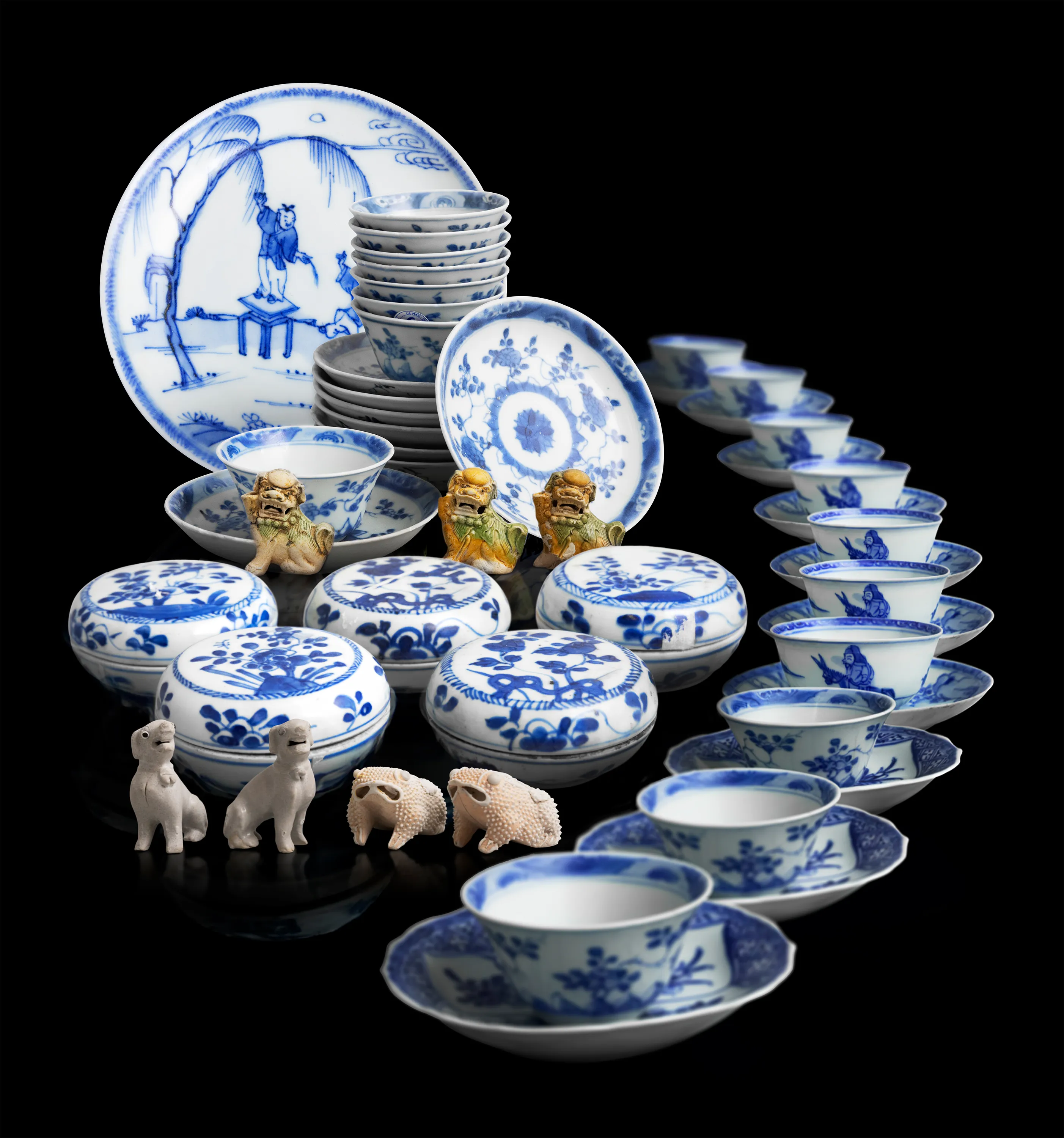
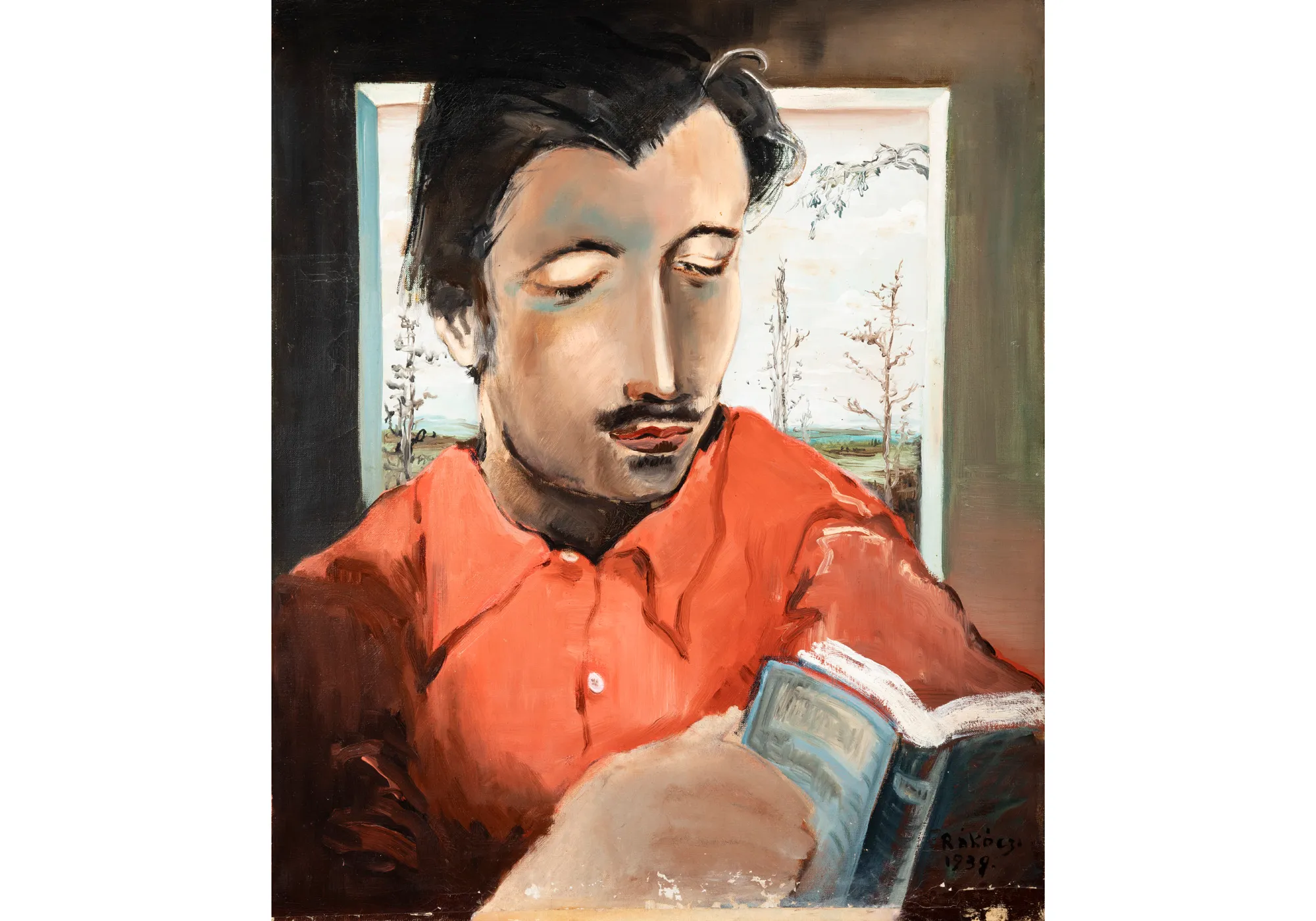
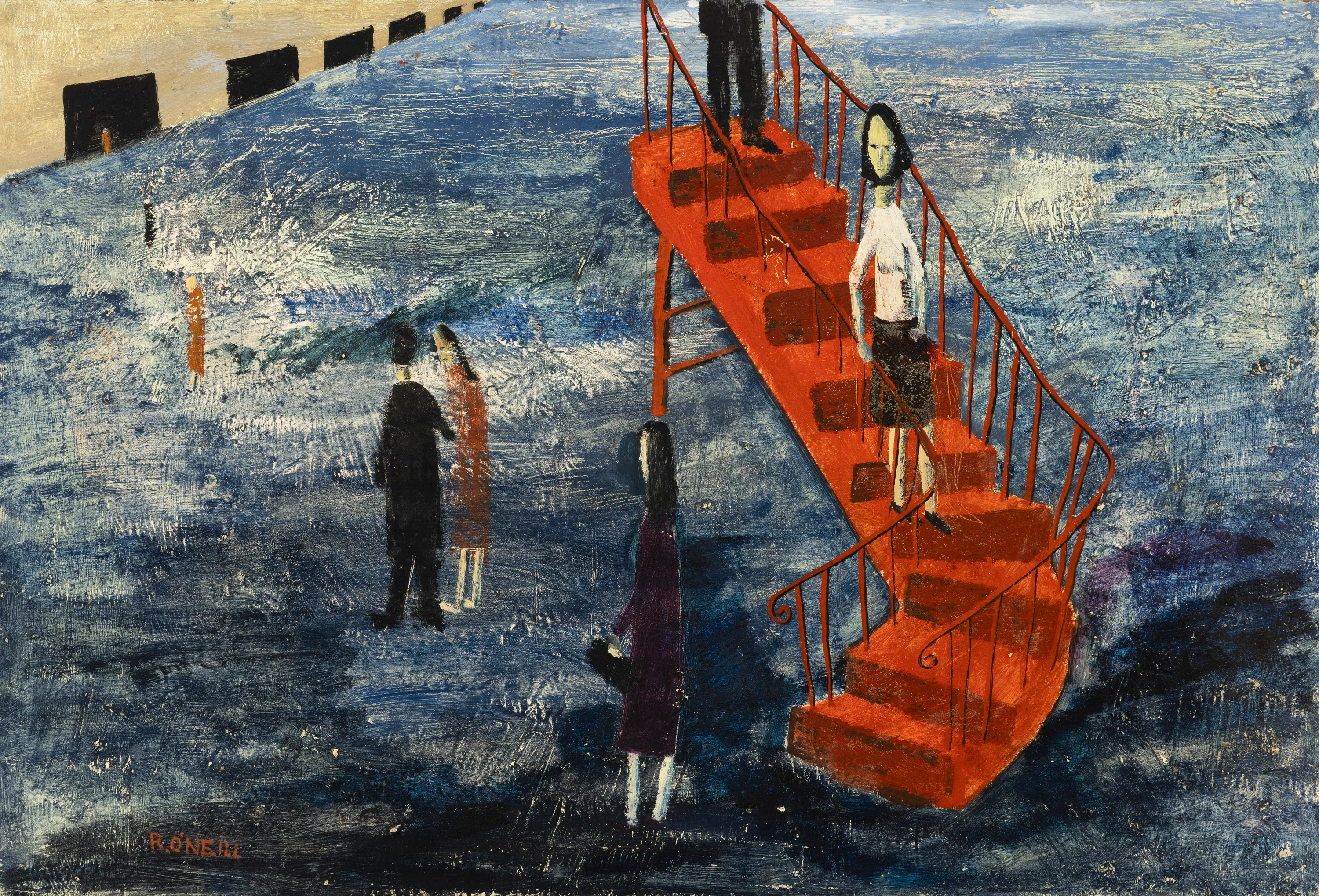
Through this article, let our expert Adam Pearson guiding you to the (re)discovery of the once established Irish painter Richard O’Neill.
James Adam & Sons Ltd, Fine Art Auctioneers and Valuers, 26 St. Stephen’s Green, Dublin 2,
D02 X665, Ireland


