
menu
Departments
.svg)


The extraordinary light phenomenon Aurora Borealis serves as the primary inspiration for the mythology of Scottish bloodstone, which imagined the Northern Lights as a great celestial battle fought between the faeries or ‘Nimble Folk’ of ancient times. Celtic tradition stated that the faeries fought in the heavens, causing lights to flash red and green across the night sky. Meanwhile, in their violence, they spilt eachother’s blood which pooled and fell in droplets to the earth, spattering the stones and resulting in the speckled red and green mineral we see before us - ‘Bloodstone’.
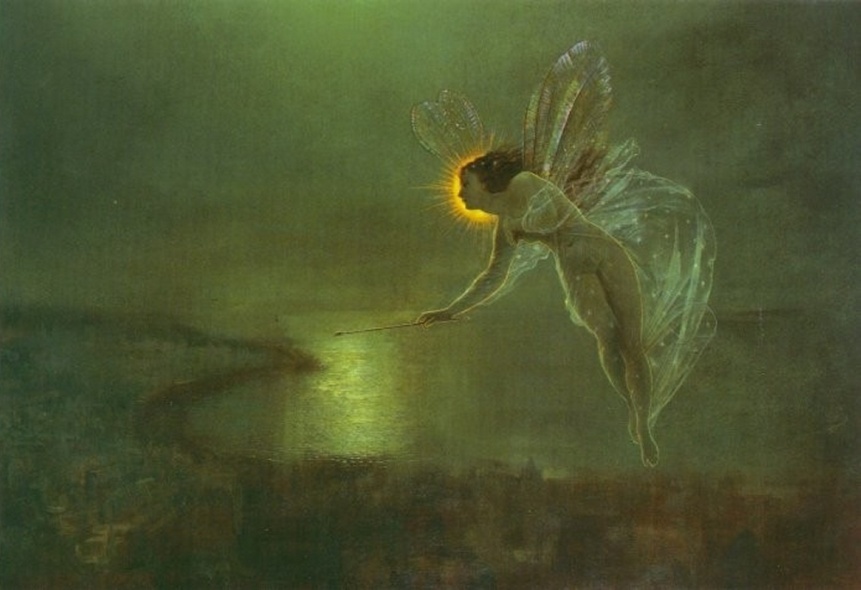
Heliotrope, otherwise colloquially referred to as ‘Bloodstone’ is a lesser-known mineral of the chalcedony family. While it has been mined all over the world, this particular specimen likely came from the long since closed quarries on the Isle of Rùm off the Hebrides in Northern Scotland.

This site has been extracted since Mesolithic period but most recently saw a resurgence in popularity in the 19th century when the decorative industries reconsidered its potential. It was used most commonly in fobs, watches, jewellery and Bloodstone is coveted for its dark green, often opaque colour which is speckled throughout with distinctive ‘blood red’ spots caused by an iron oxide which inspired its name. Bloodstone has been mined on a larger scale from the Ural Mountains in Russia, the Deccan Traps in Gujarat, India and the mountains of Minas Gerais, Brazil. Due to its decorative potential is has been much favoured by Luxury brands and highly regarded artisans such as Fabergé and Rolex.
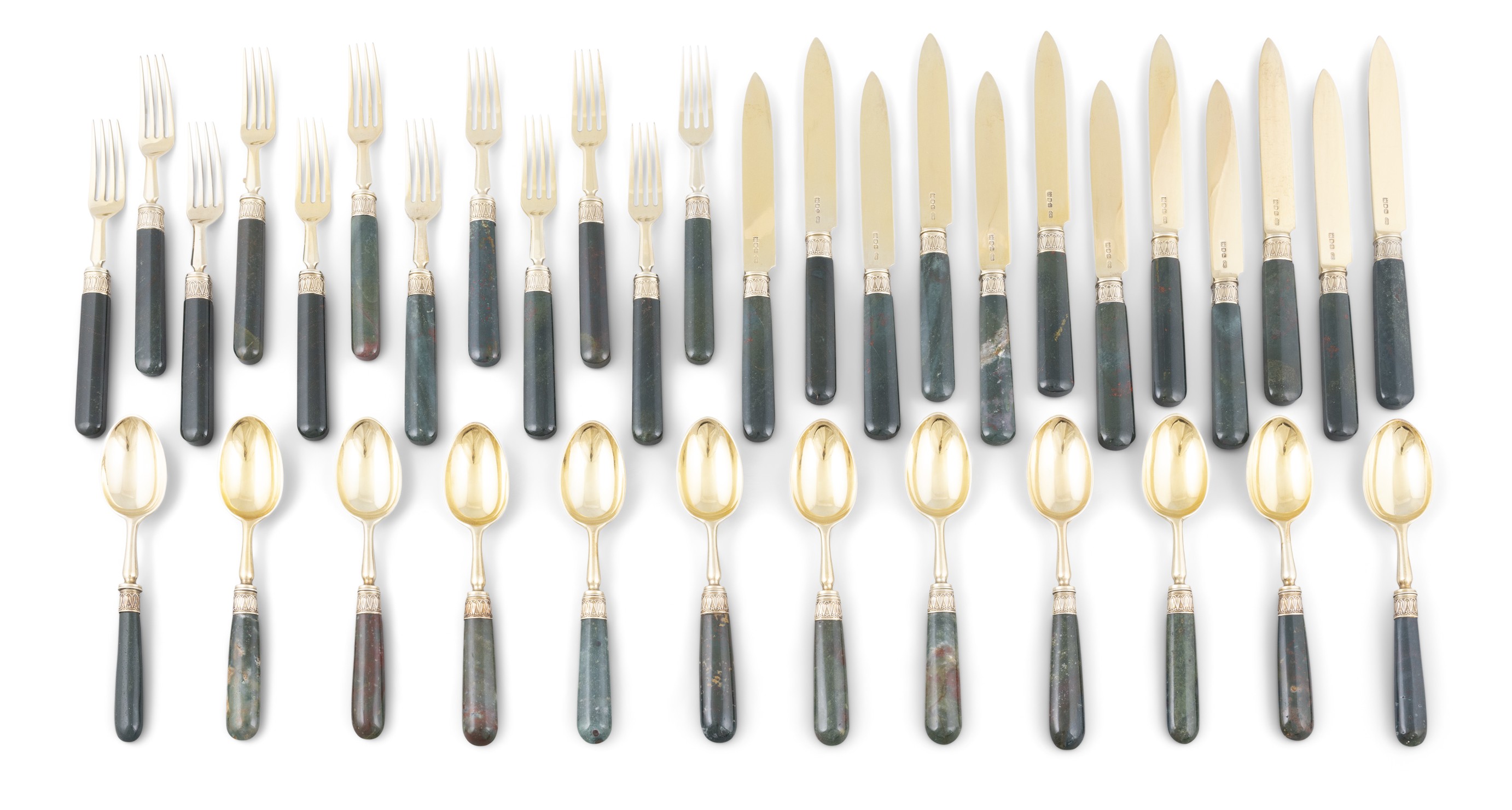
The dessert service here presented is a particularly beautiful example, the bloodstone specimens chosen and carved to present a service of consistent saturation and patination throughout. The natural diversity of the stone is perfectly highlighted by the gentle symmetry of the stylised leaf ferrules in the aesthetic of the Arts and Crafts movement.
Lot 51 in our Upcoming Country House Collections Auction on View at Townley Hall, Co. Louth
Viewing 10th - 12th October
Auction at Adam's Salerooms, Dublin, 13th October
View the catalogue here

.jpg)

.png)
.png)
.jpg)

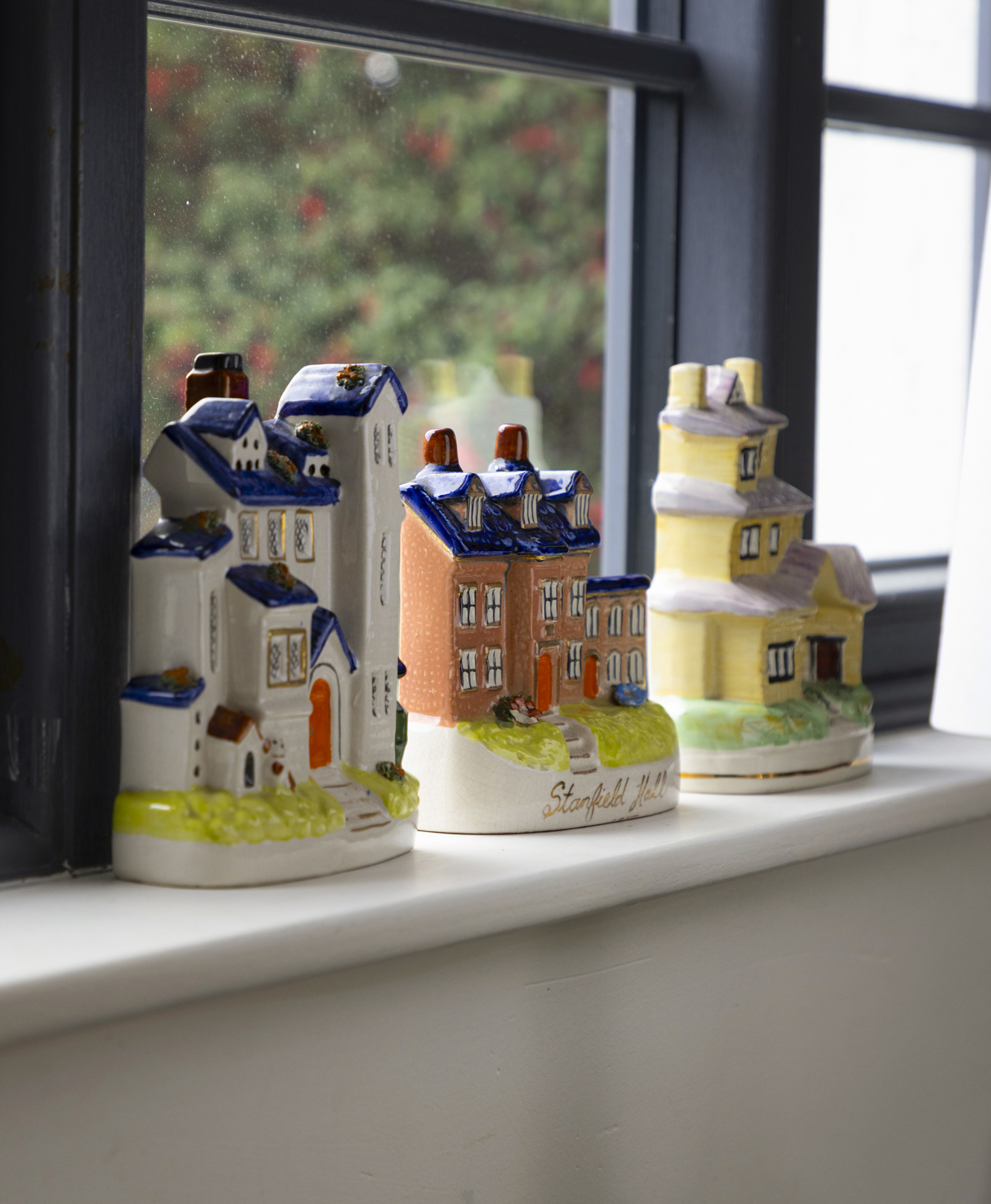
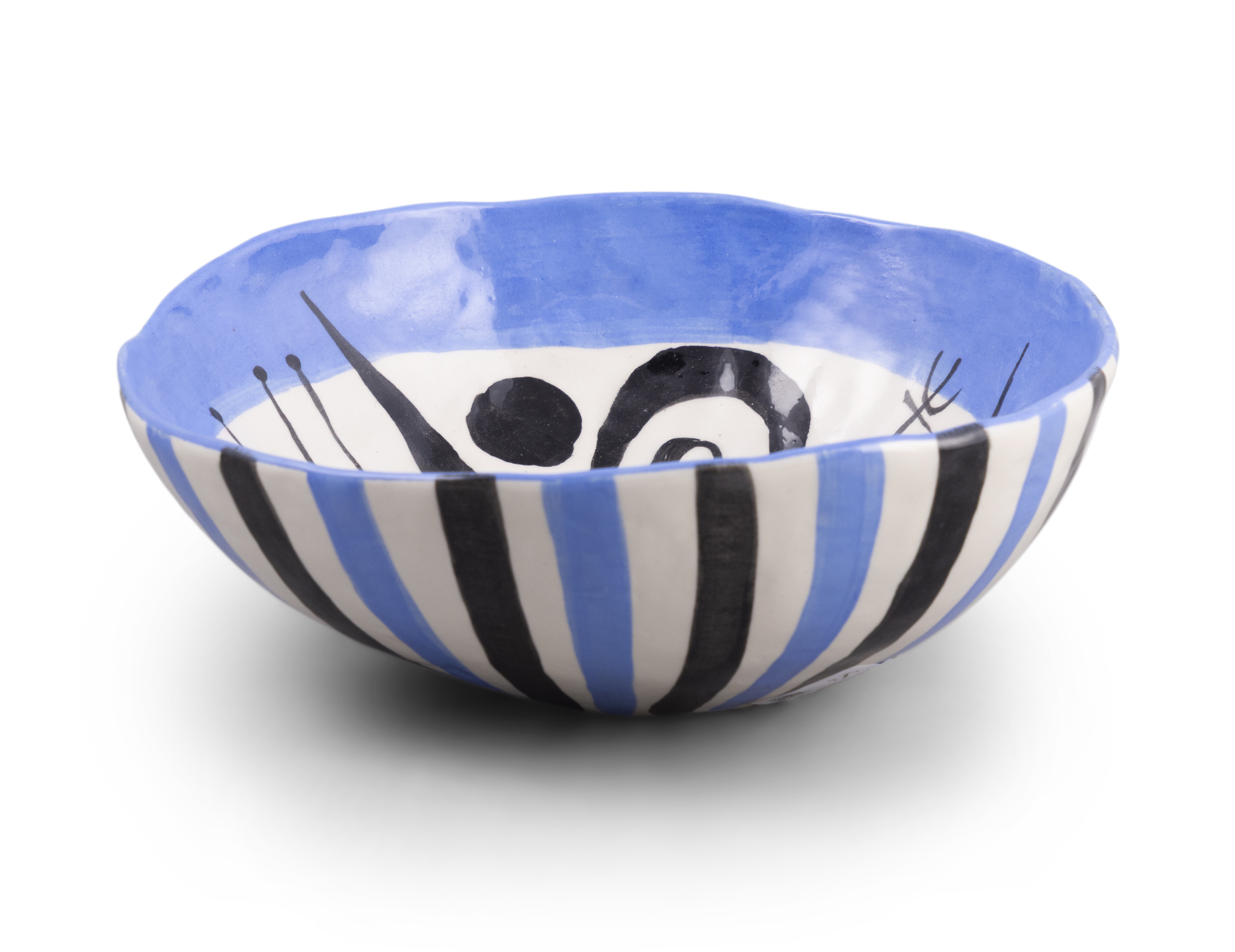
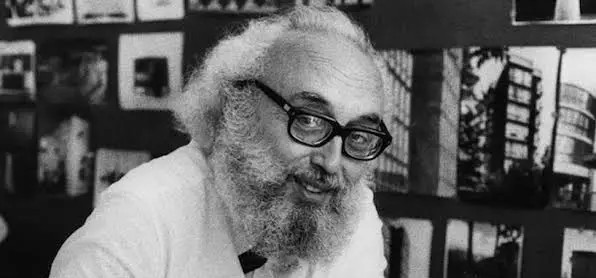
John ffrench was an instrumental figure in the design industry in Ireland and a distinguished pioneer of Irish studio pottery.

)%20(1).jpg)
%20(002).png)
%20(2).jpg)


%20(1200%20x%20768%20px)%20(2).png)
.png)

.png)

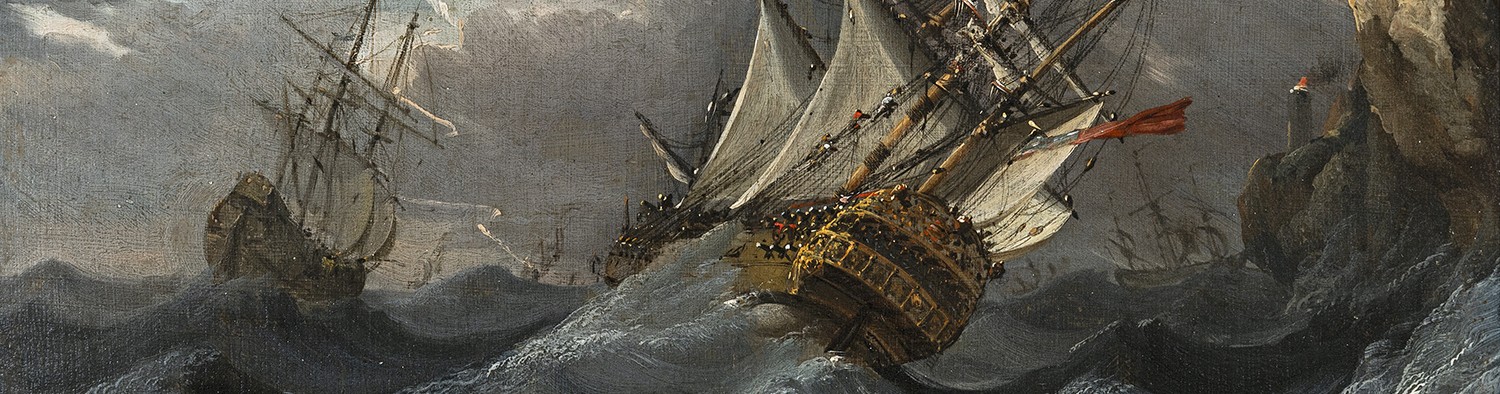
"I should declare my hand. I have a weakness for pictures that punch above their physical weight, and for artists who have been quietly underrated for too long. This pair is both. They are intimate enough to live with at close quarters and serious enough to repay any amount of looking. If the market has lately shown signs of catching up with eighteenth-century Irish painting and I think it has, these two small panels feel, to me, like exactly the sort of thing that will look obvious in twenty years’ time."
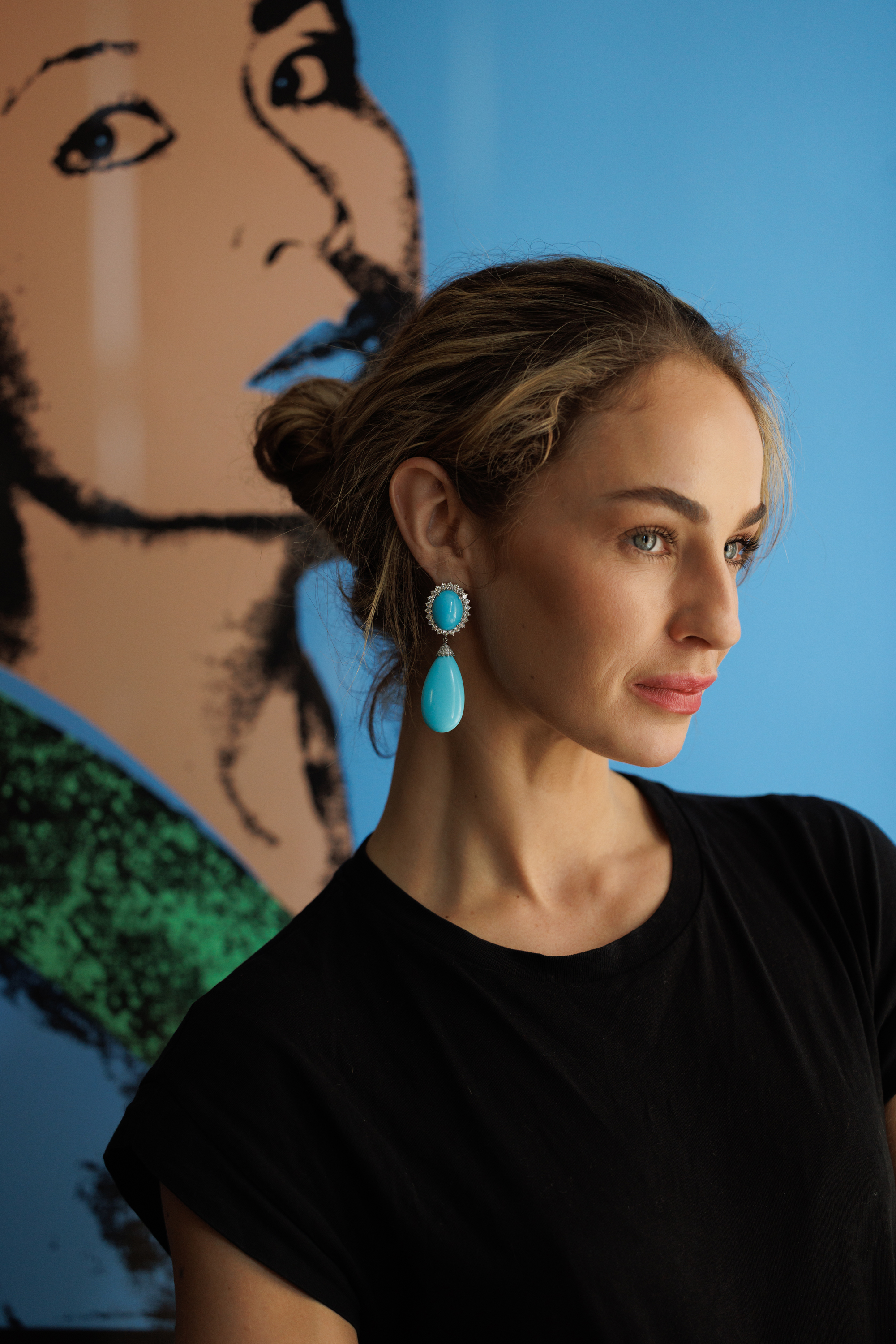
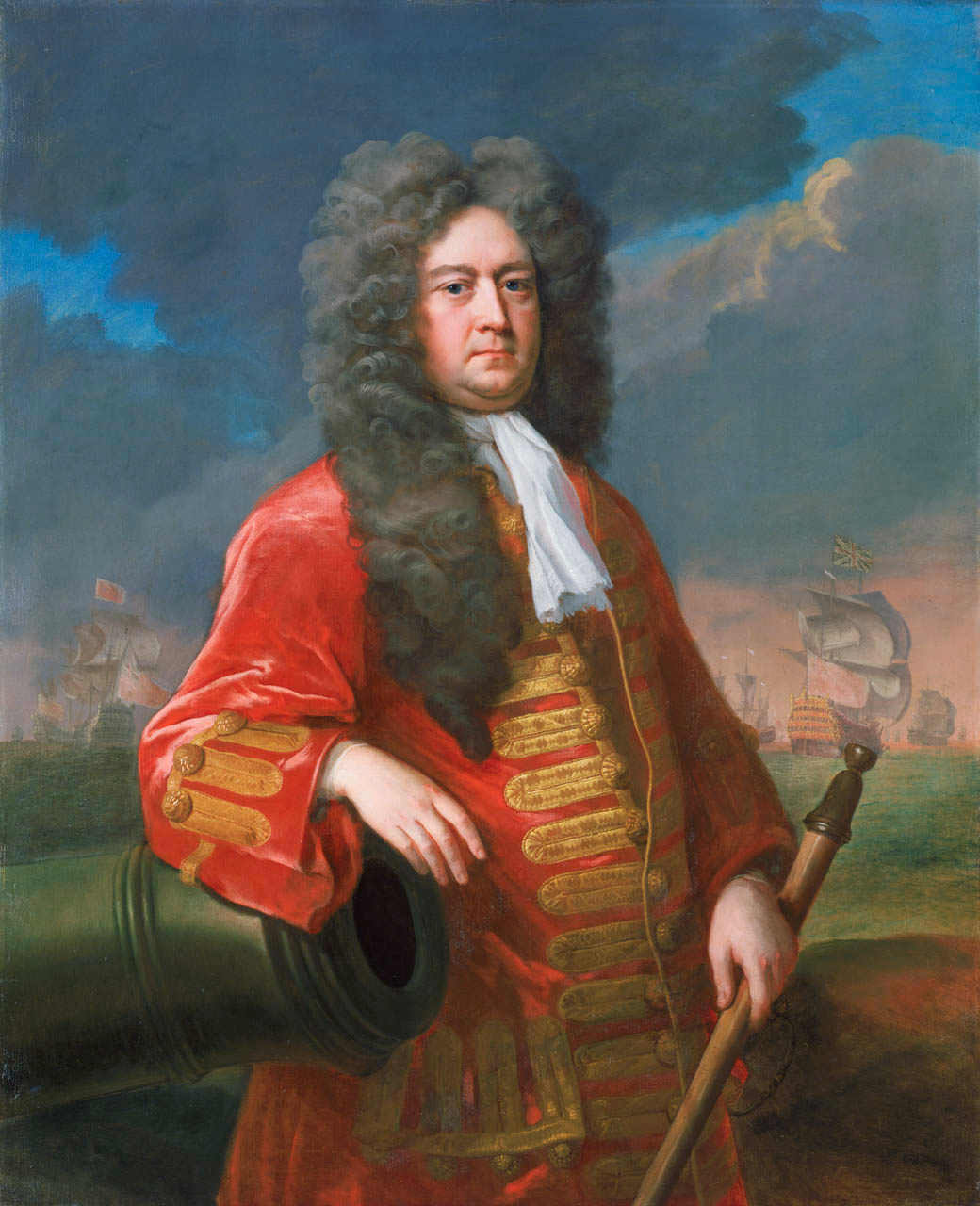



Adam’s is honoured to present works from the collection of Lord Rossmore in the upcoming Country House Collections auction at Howth Castle on 28th April. It is seldom that an influential Irish family collection that has survived through the generations comes to the open market.

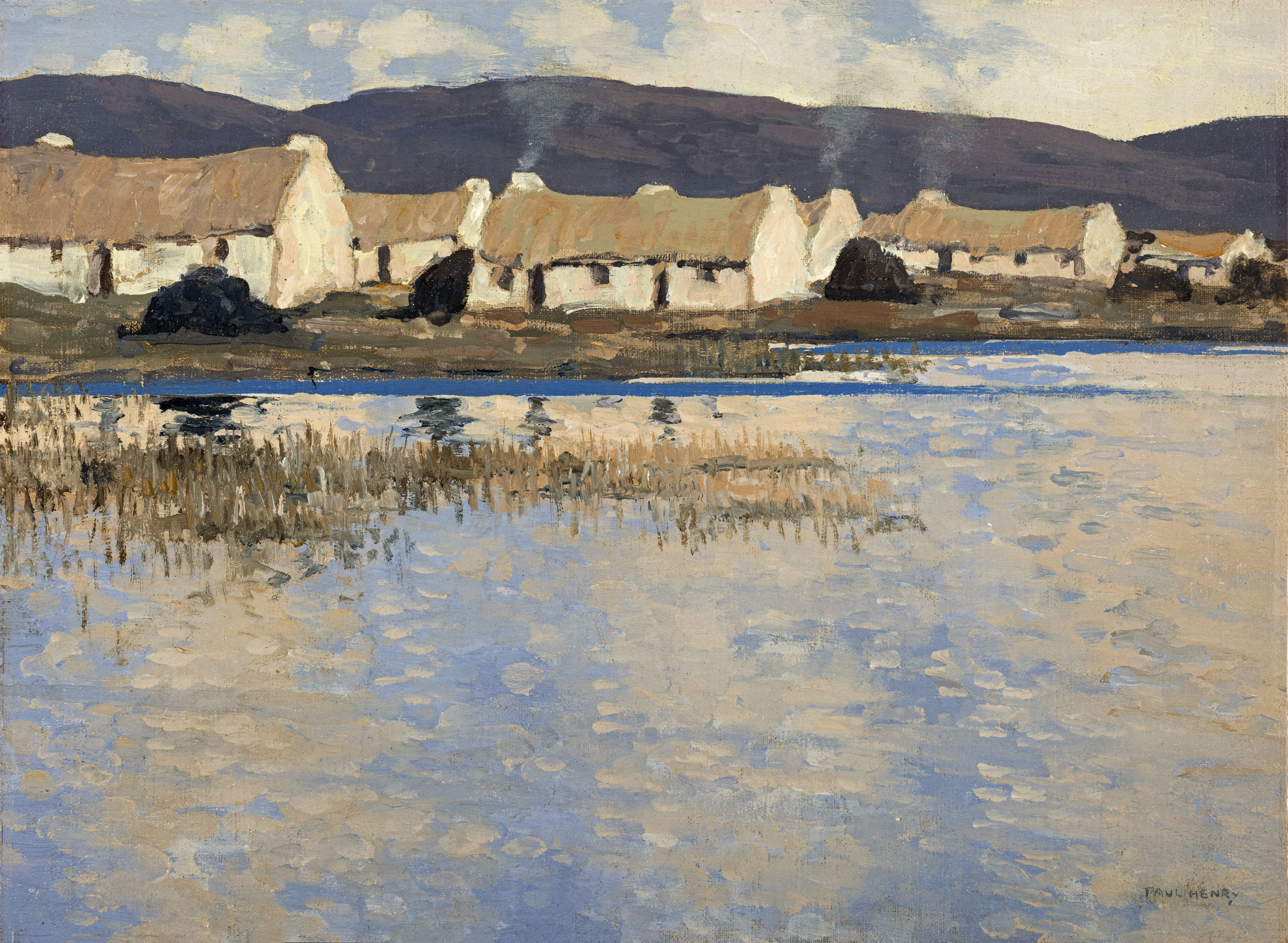
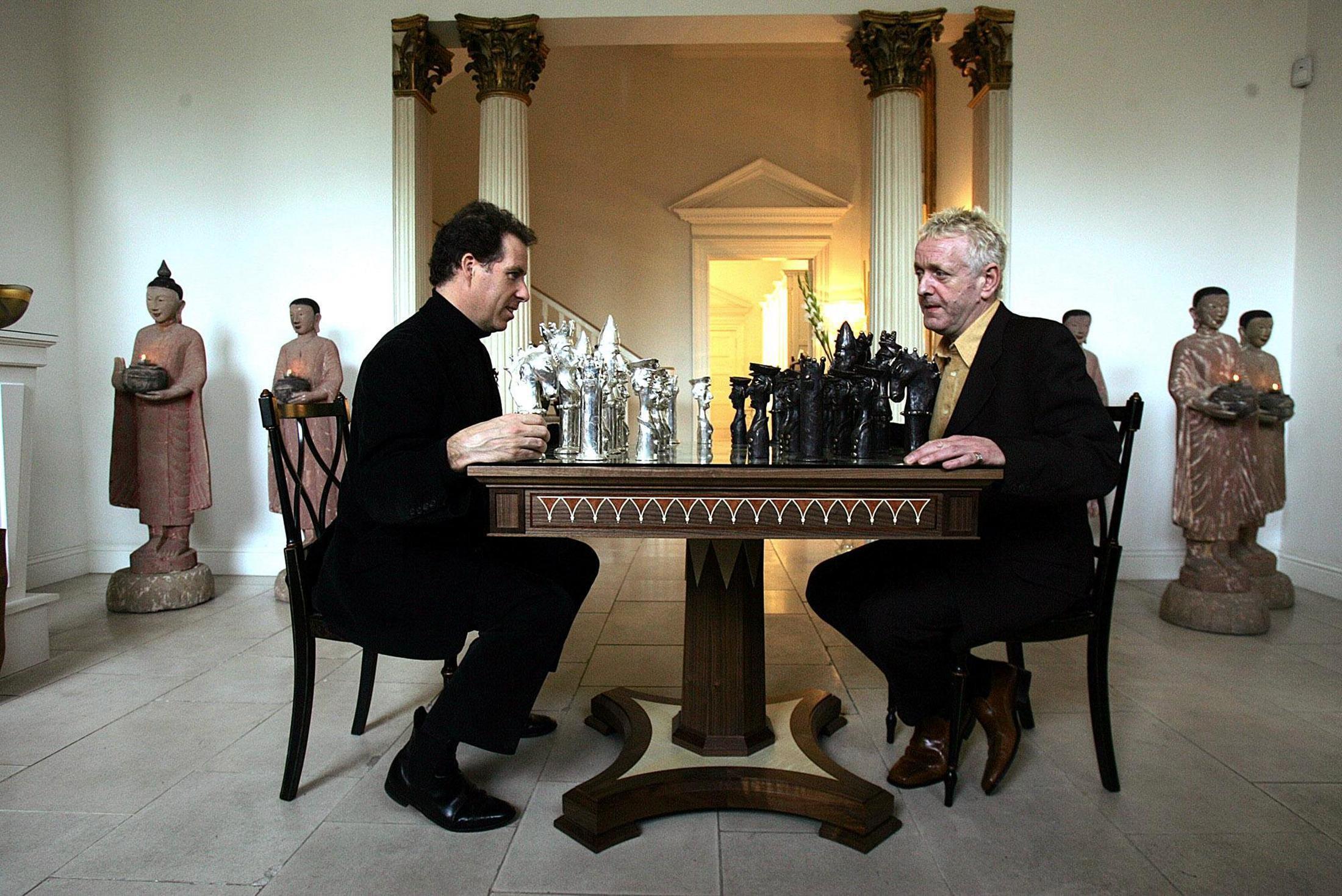
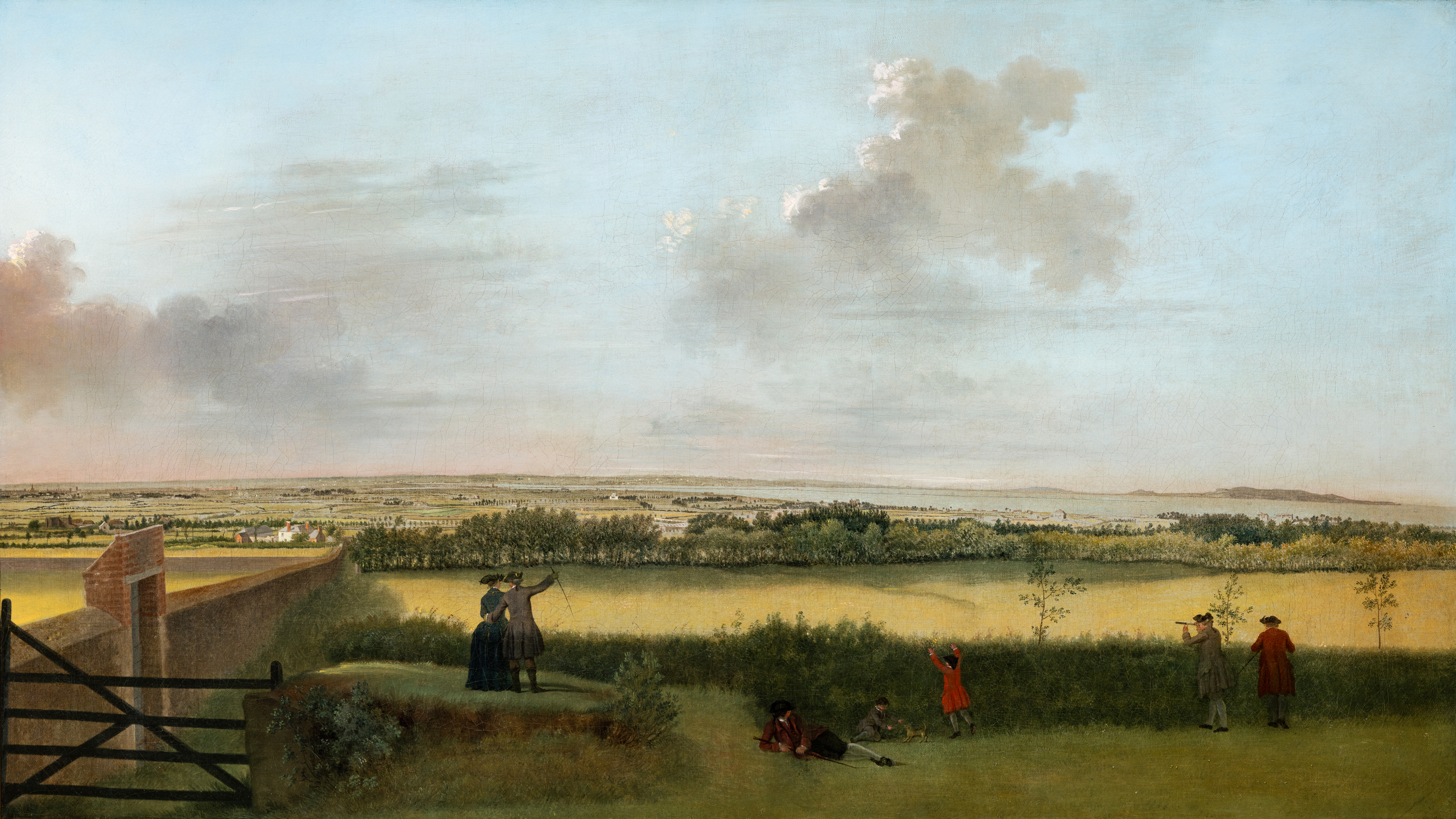
Works Sold at Adam’s Now in the Irish National Collection
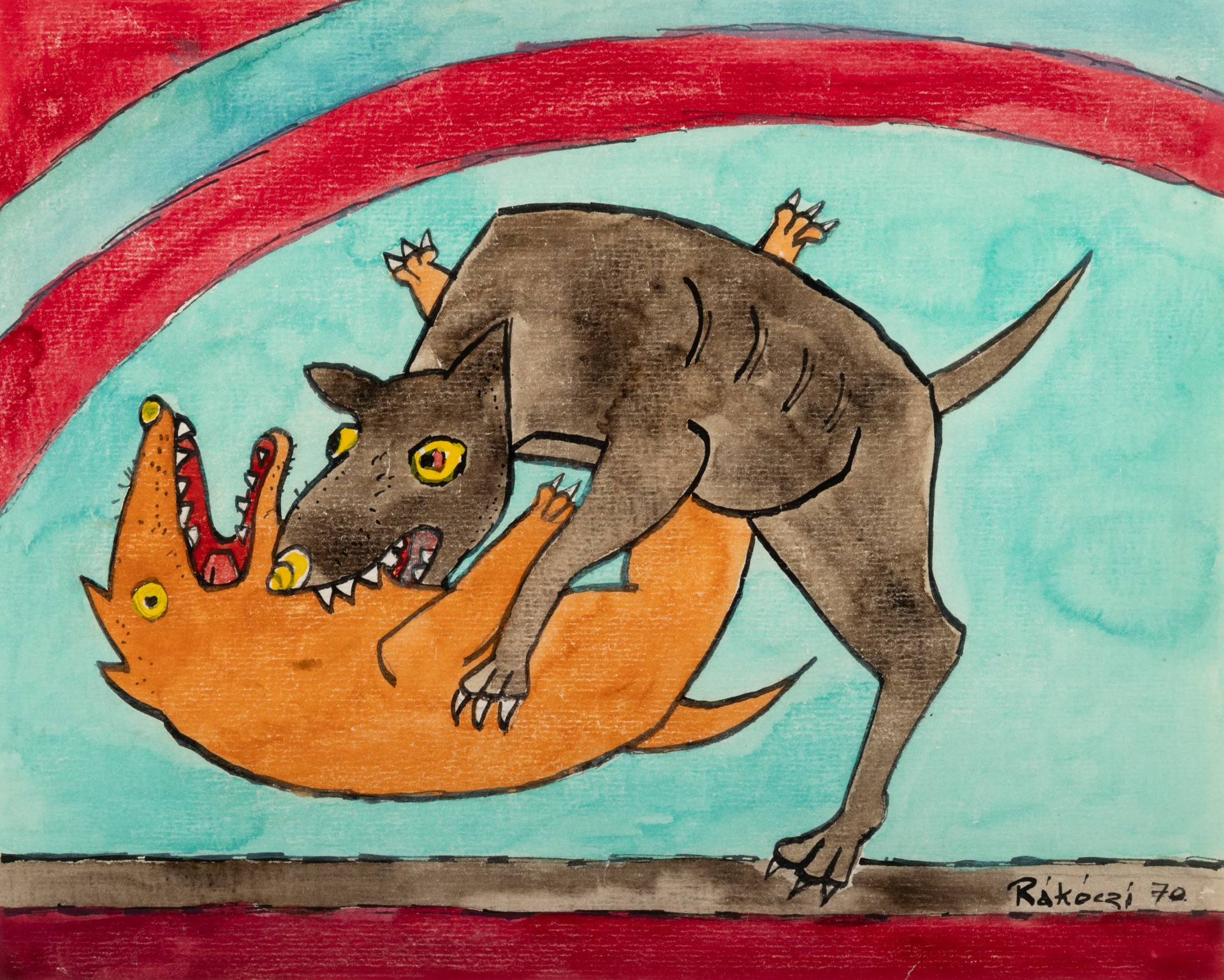
A great opportunity to purchase both established and lesser-known artist’s work at an accessible price point, the Online Picture Auction is the first of many sales to be hosted at Adam’s in 2026. It is perfect for those looking to start a collection and the discerning collector alike.


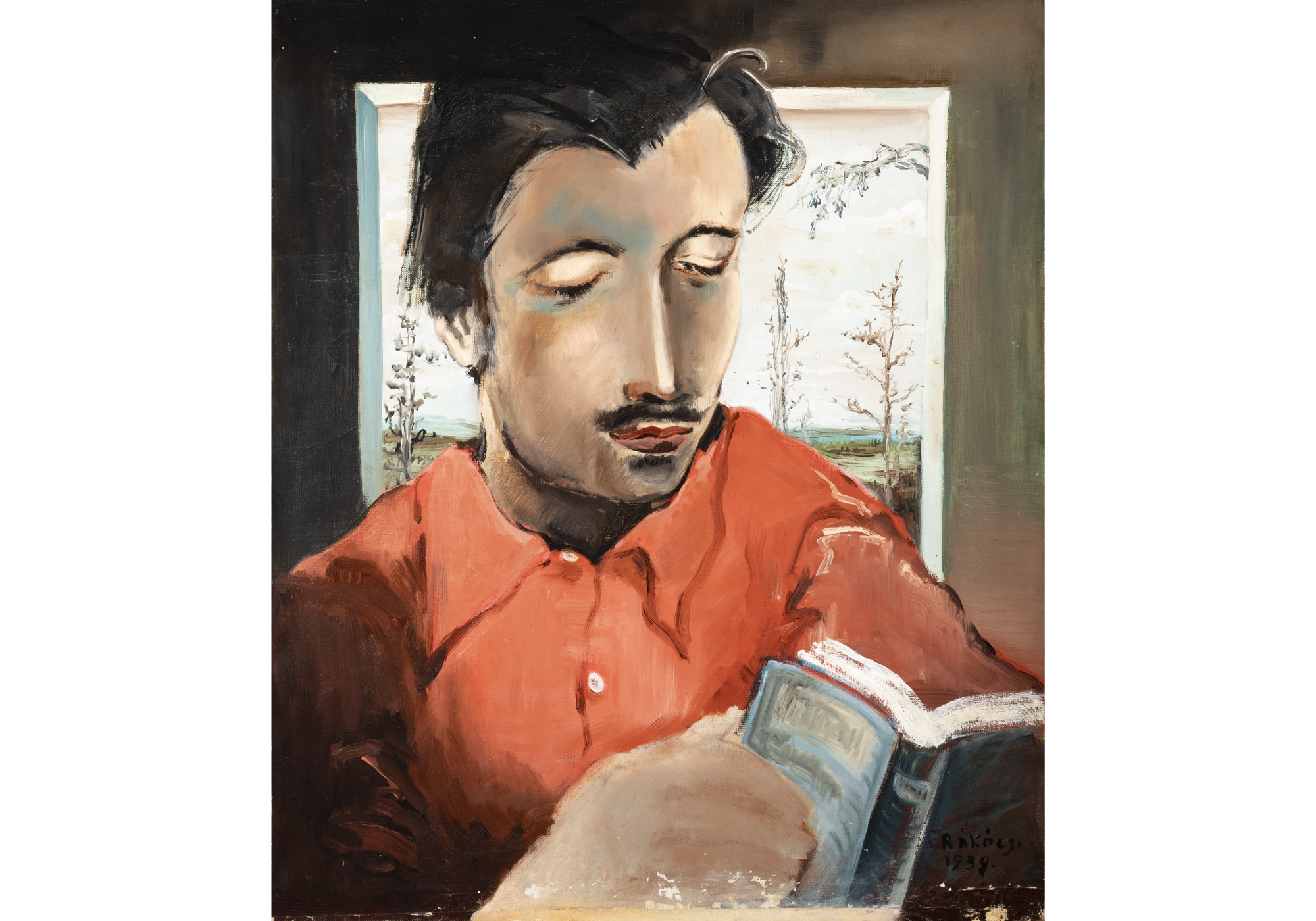
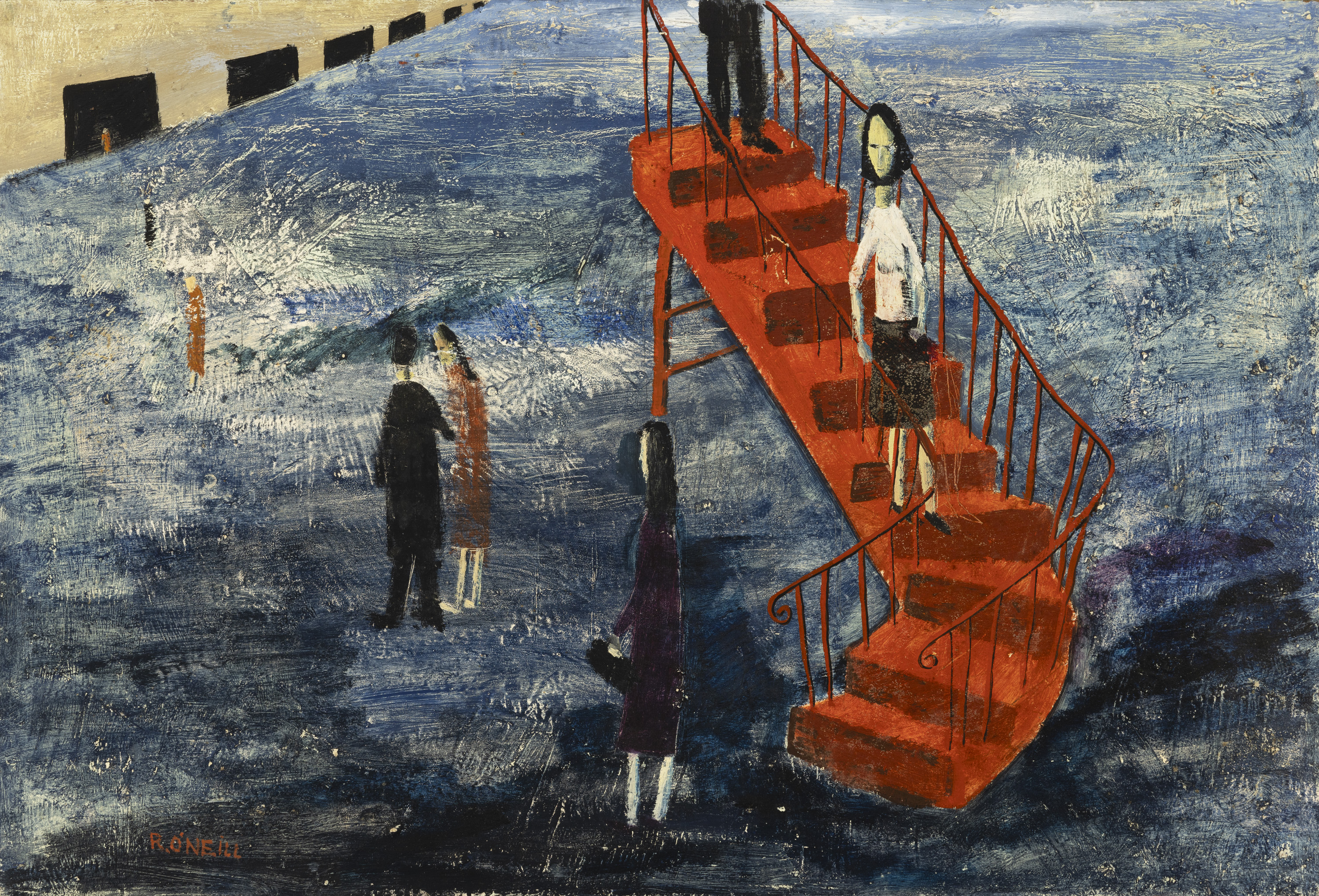
Through this article, let our expert Adam Pearson guiding you to the (re)discovery of the once established Irish painter Richard O’Neill.


Buying at Auction and the Role of Antiques in a Modern Home


Important Irish Art Auction Highlights

Oliver Dowling Collection by Aidan Dunne


2024 is a year in which Adam’s wants to recognise the key role buying antique furniture and furnishings at auction contributes greatly to the sustainable initiative. In 2019 the Environmental Protection Agency reported stark figures that each year in Ireland 1.2 million reusable bulky items, primarily furniture goes into landfill. Similar to the problem of ‘fast fashion’, the constant production and consumption of new items is leading to rapidly growing waste problem. We want to acknowledge those who are already buying second hand or antique furniture at auction and to encourage new buyers by highlighting the benefits of acquiring affordable, well-made quality items that are built to last.


James Adam & Sons Ltd, Fine Art Auctioneers and Valuers, 26 St. Stephen’s Green, Dublin 2,
D02 X665, Ireland


