
menu
Departments
.svg)
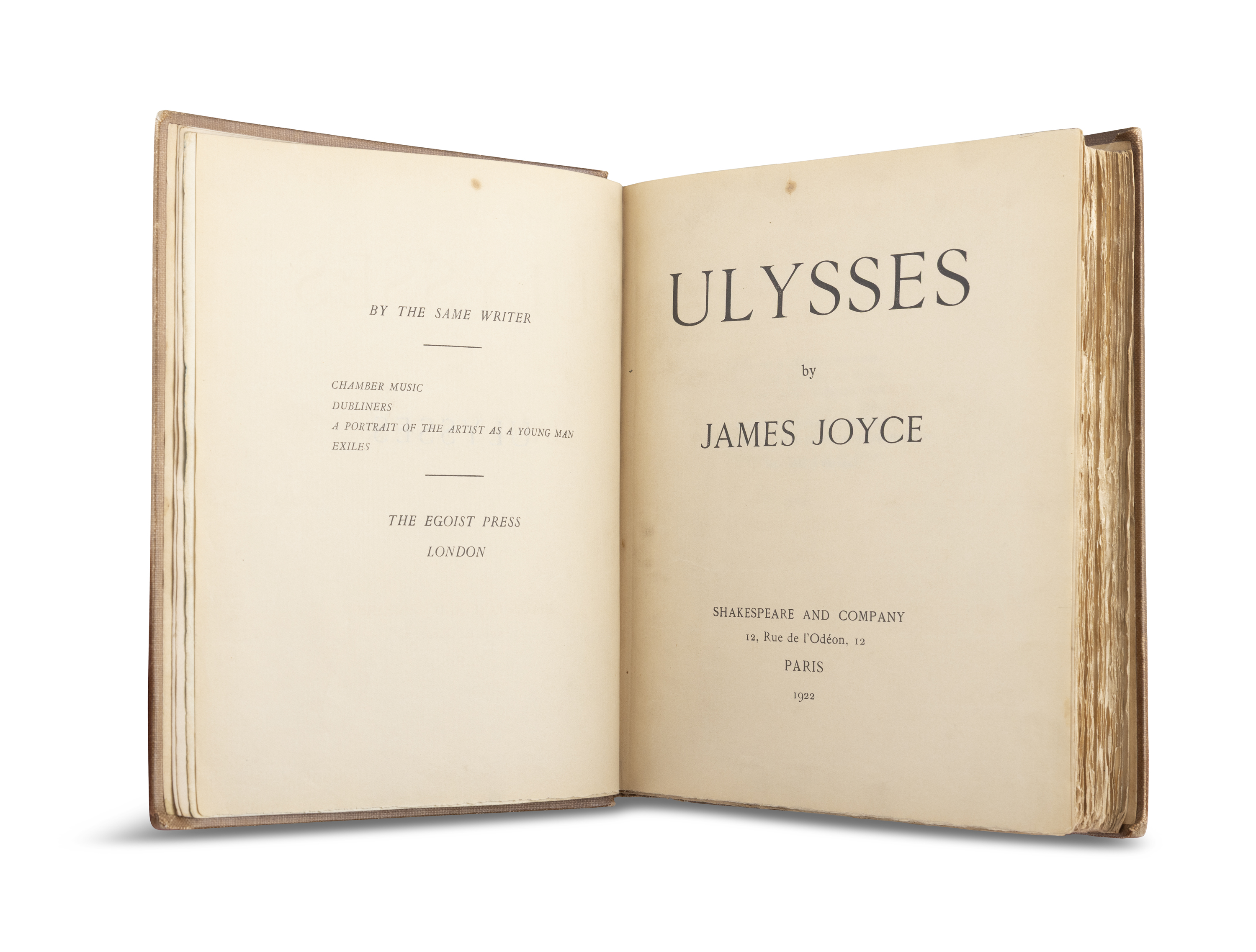

[Ulysses] is my contribution, and in it I have tried to lift Irish prose to the level of international masterpieces to give a full representation of the Irish genius, and my hope is that it will rank among the important books of the world - Joyce on Ulysses
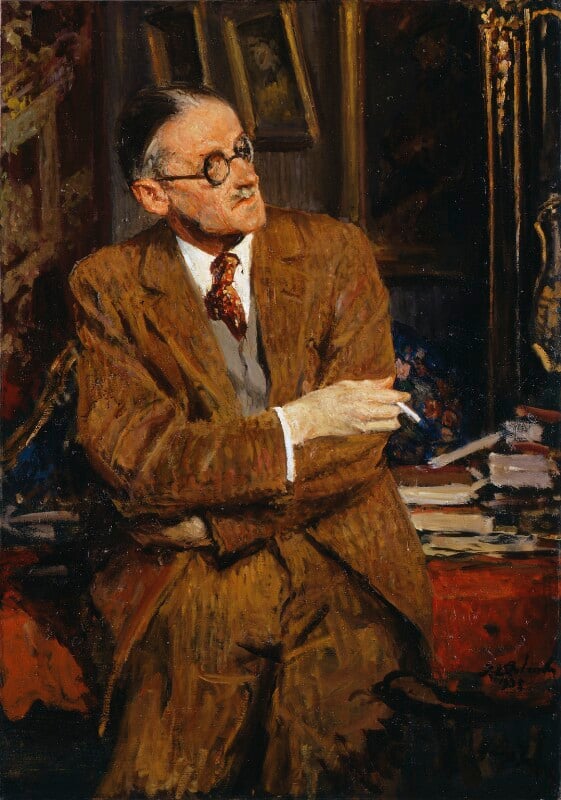
Hailed as an extraordinary act of genius and a masterwork of Modernism, the publication of Ulysses transformed the literary landscape forever.
The recasting of Homer’s epic follows two ordinary Dubliners, Leopold Bloom and Stephen Dedalus, through the city during an ordinary day. The work rebels against the conventions of literature and pushes the limits of language through famously complex and challenging stream-of-consciousness narrative.
But in Ulysses I have tried to see life clearly, I think, and as a whole…, it has taken me half a lifetime to reach the neces-sary equilibrium to express it - Joyce on Ulysses
Following the legal difficulties surrounding its publication and the censorship restrictions imposed upon it, Joyce turned to his close friend Sylvia Beach, founder of the legendary Parisian bookshop Shakespeare and Company. Beach regarded Joyce as her intellectual hero and undertook the enormous task of publishing Ulysses herself.
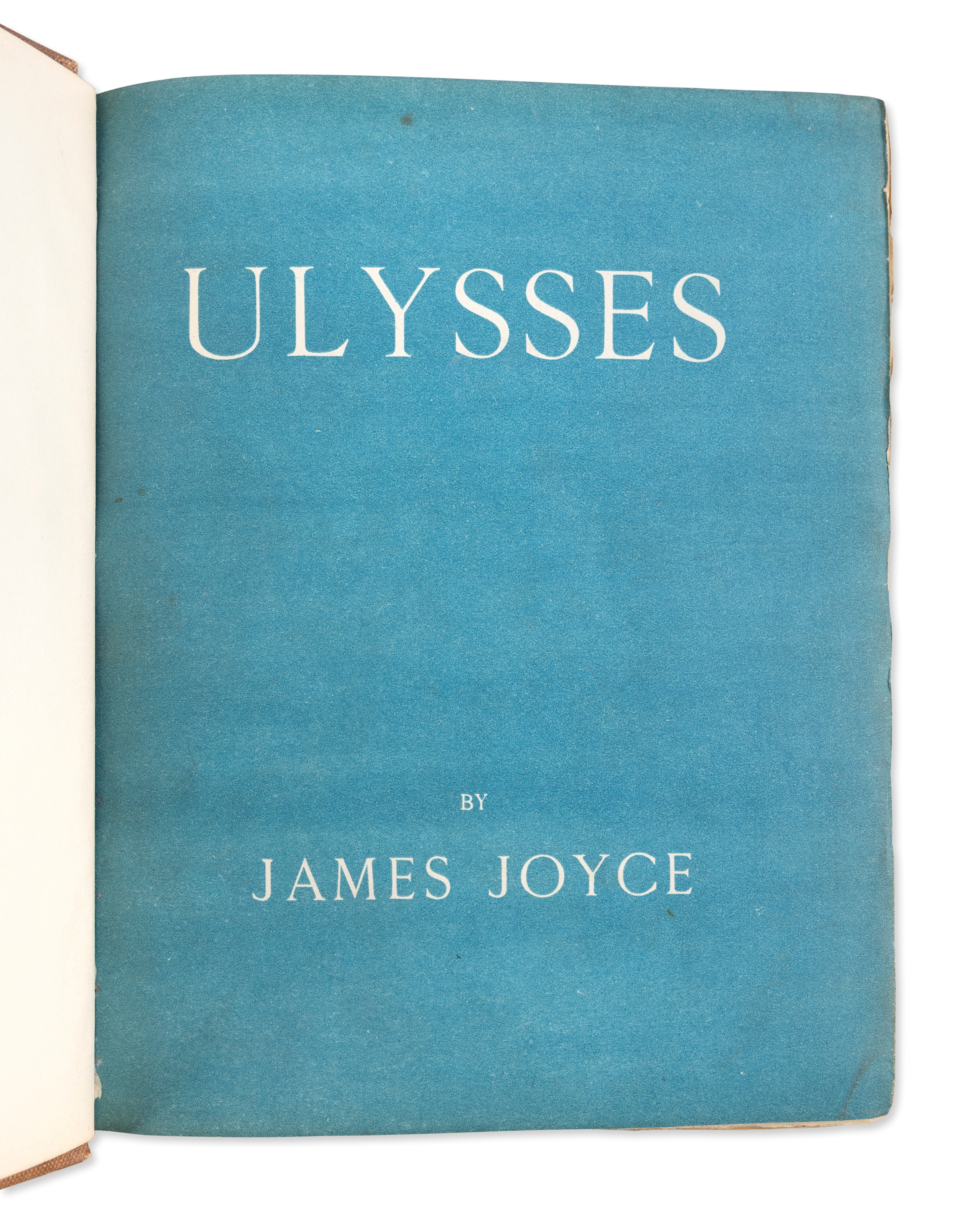
The publication was fraught with difficulties. Production was repeatedly complicated by Joyce’s exacting demands, his continual rewriting (nearly one third of the book was added at the proof stage) as well as his chronic financial difficulties from extravagant spending. The costs placed a considerable burden on Shakespeare and Company, yet Beach remained committed to bringing the work into print. This commitment extended to the smallest details. Even the distinctive blue of the book’s covers was of particular importance to Joyce.
[it was] bound in the Greek colours – white letters on a blue field – that [Joyce] considered lucky for him and suggesting the myth of Greece and Homer, the white island rising from the sea. (Richard Ellman).
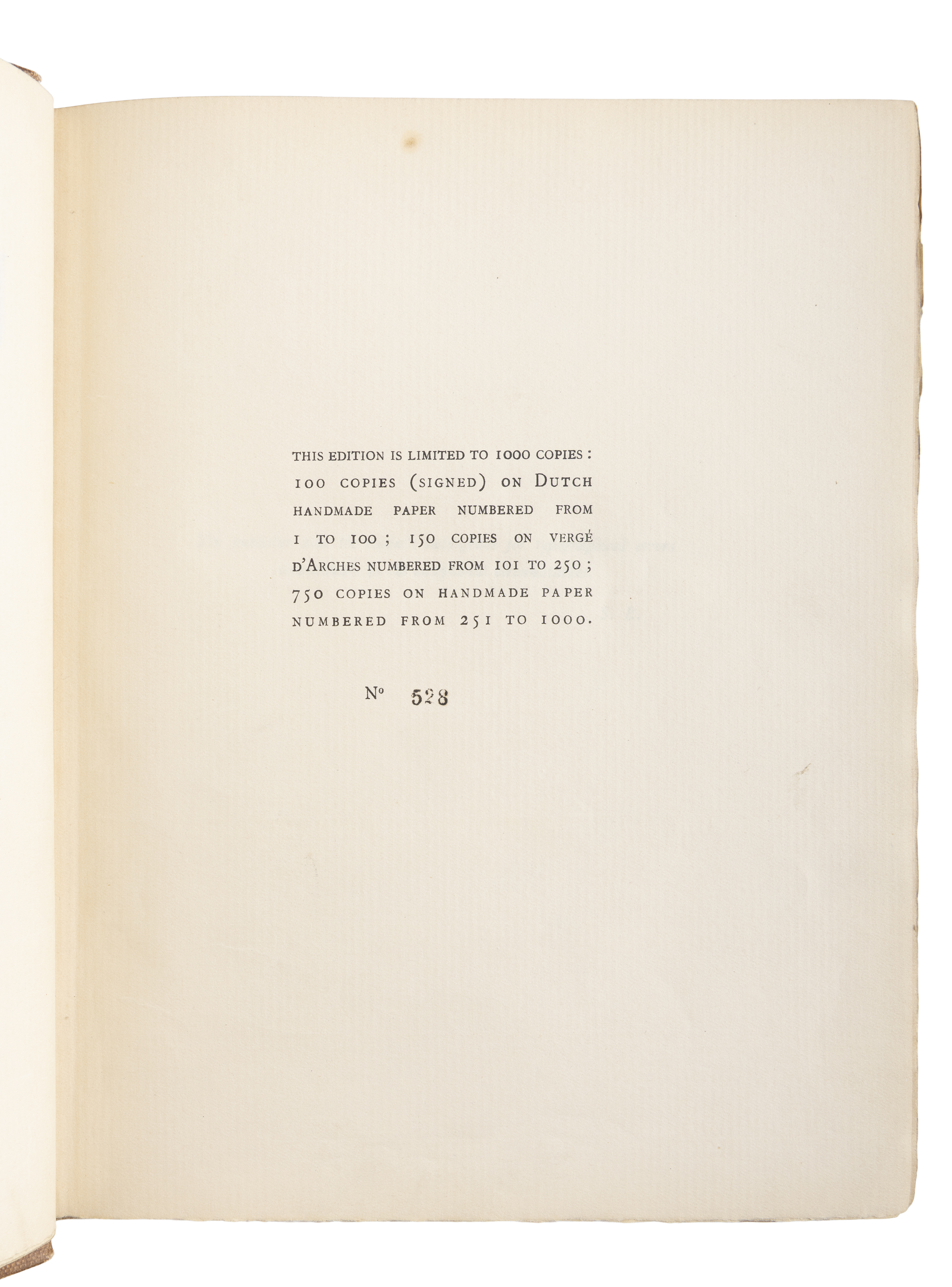
The first edition of Ulysses was finally published on 2 February 1922, Joyce’s fortieth birthday, in an edition of 1,000 copies. It immediately became a literary sensation. All 1,000 copies of the first edition were sold within a month.
A second impression of this first edition (also known as the first English edition) was quickly organised and published a mere eight months later. The circumstances of this first English edition are fascinating in its own right. It was financed by Joyce’s patron and friend, activist and editor Harriet Shaw Weaver (who would later become Joyce’s literary executor) and published by John Rodker for the Egoist Press in October 1922. Only 2,000 copies were printed, 500 of which were reportedly seized and burned by the U.S. customs as it was still considered ‘an assault on human decency’.
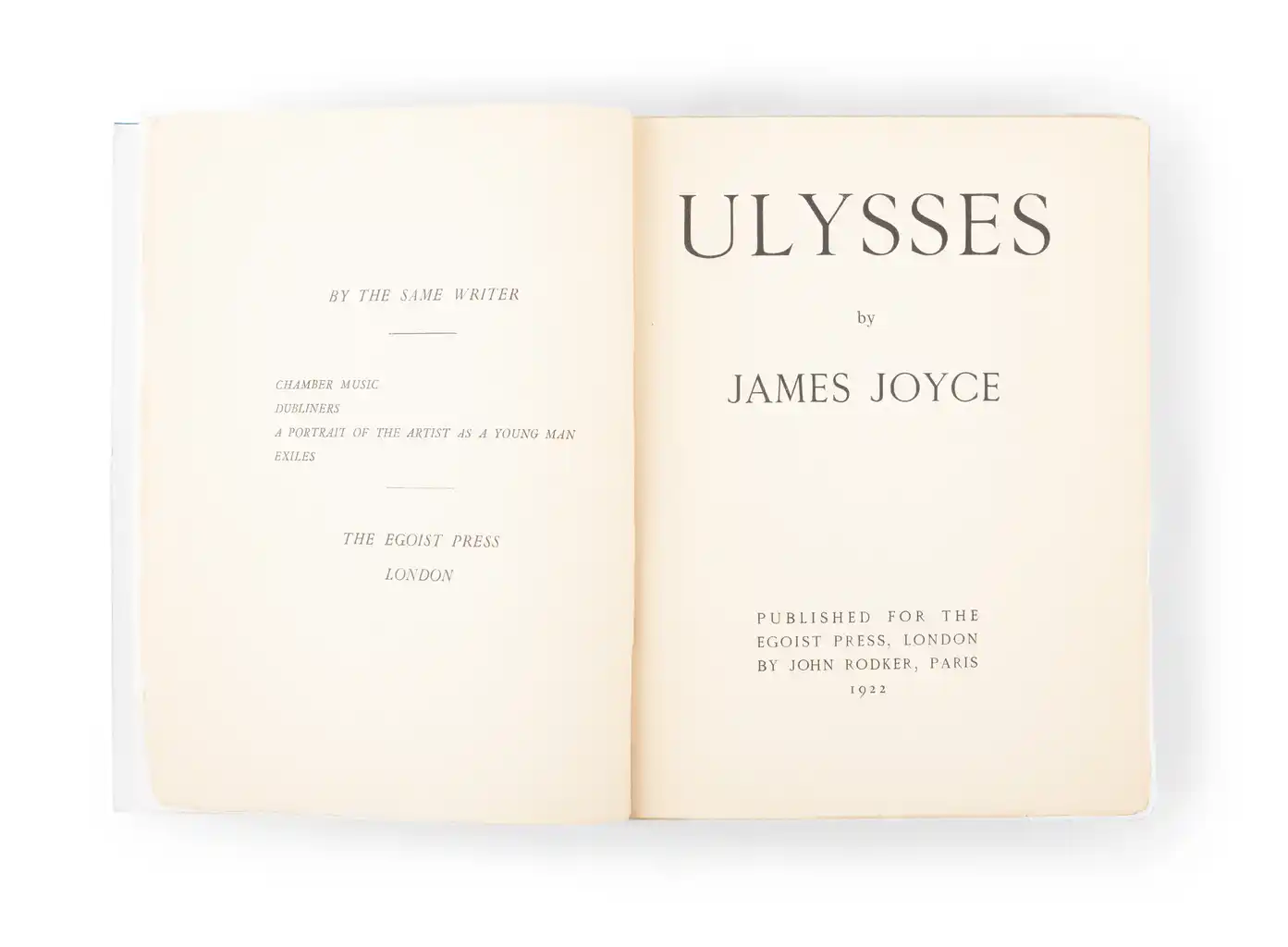
Ulysses was not published in the United States until 1934 and still suffered censorship challenges around the world well into the 1950s. For many years, the James Joyce Tower in Sandycove, Dublin was the only place where the work could be purchased in Ireland. The publication history of Ulysses is filled with complexities, controversy, censorship, legal battles, pirated editions and smuggling. The story of how it came into print is shrouded in notoriety and is just as fascinating as the celebrated text itself.
I’ve put in so many enigmas and puzzles that it will keep the professors busy for centuries arguing over what I meant, and that is the only way of insuring one’s immortality - Joyce on Ulysses
Ulysses, 1st edition, Paris: Shakespeare and Company, 1922, no. 528 & Ulysses, 1st English edition, Egoist Press in October 1922, no. 1669 will be offered in Adam’s Rare Books & Manuscripts sale in February 2027.


.jpg)

.png)
.png)
.jpg)

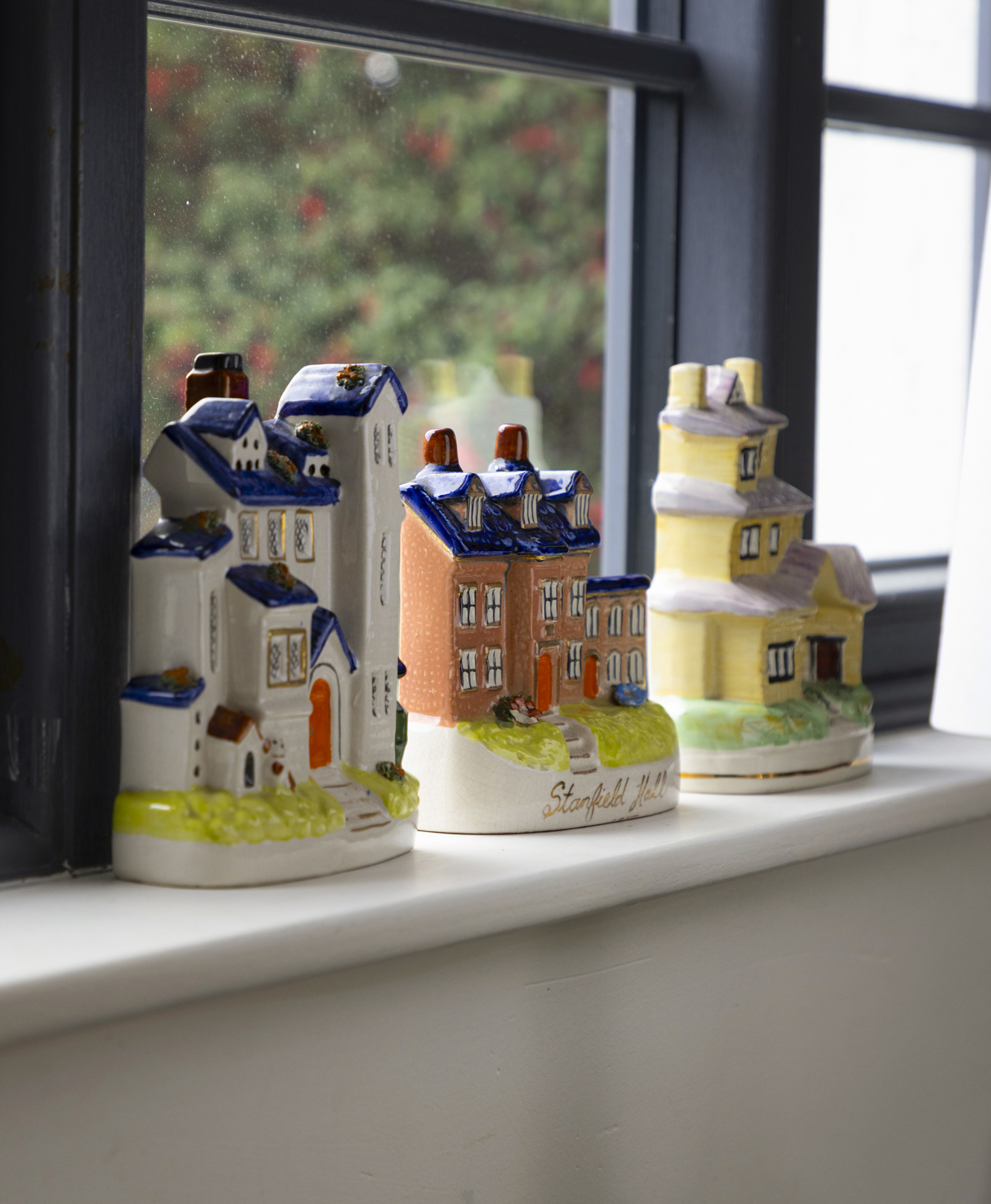
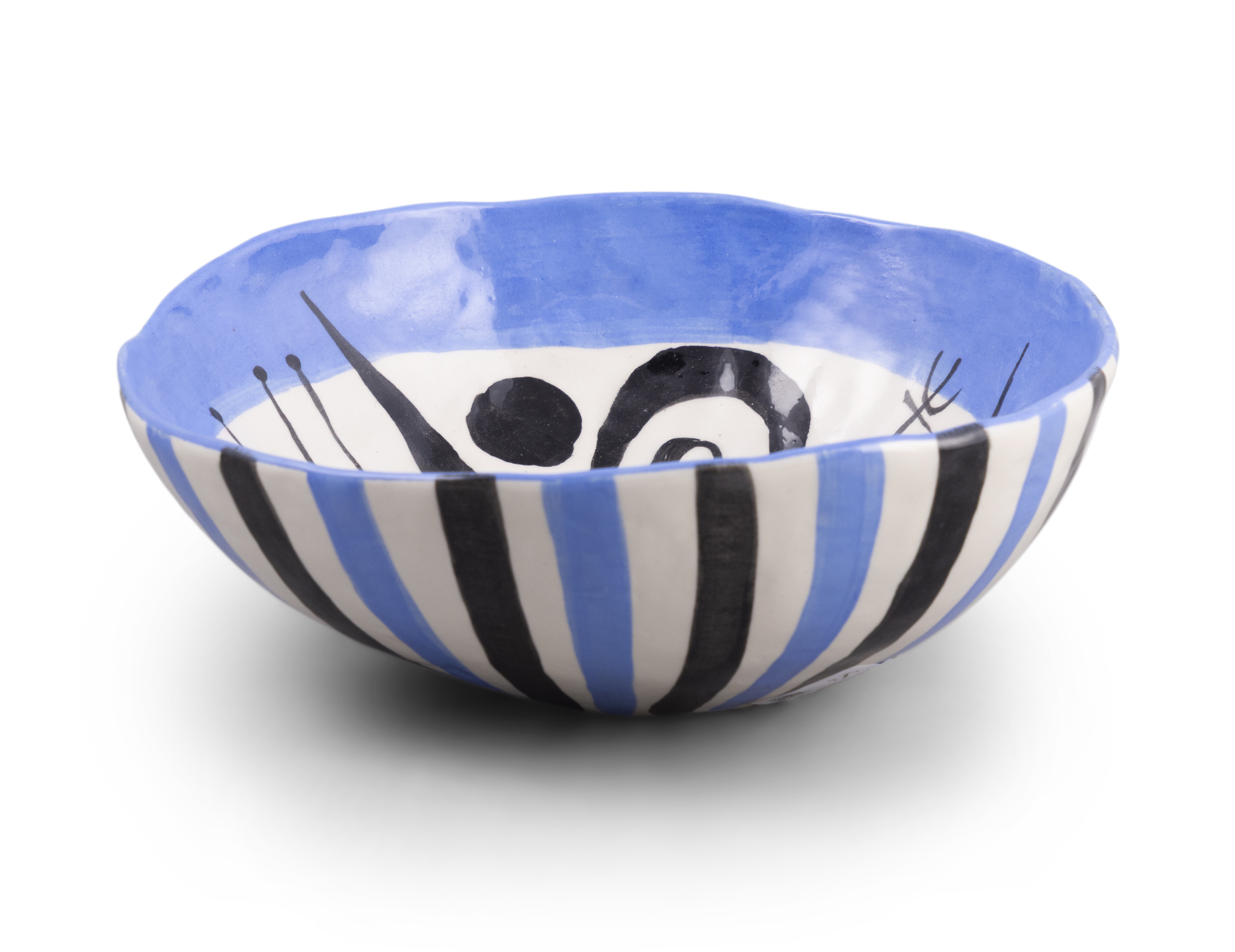
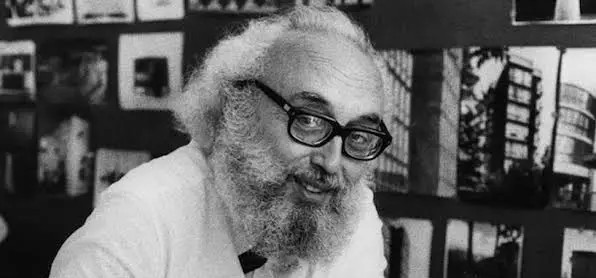
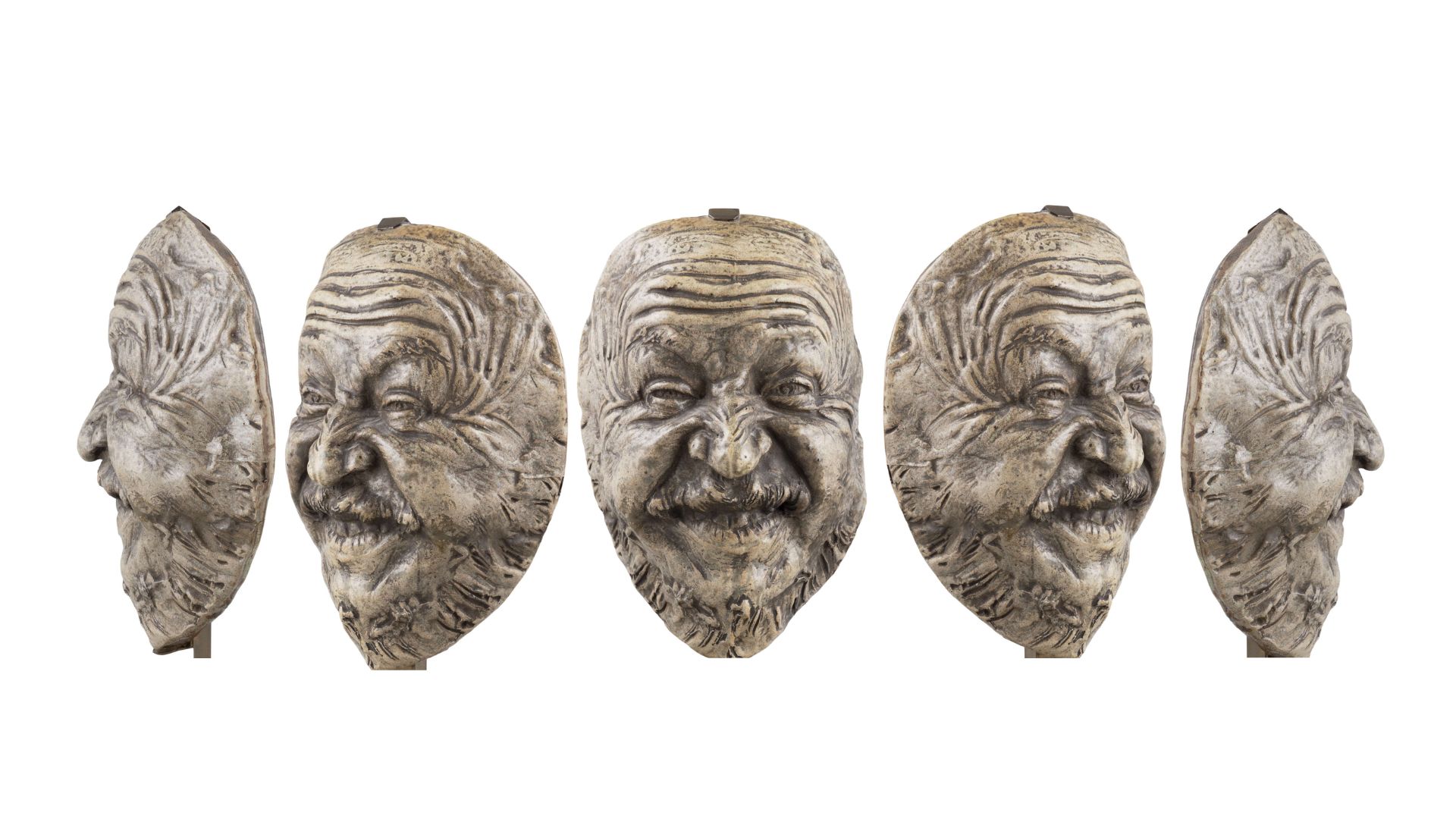
John ffrench was an instrumental figure in the design industry in Ireland and a distinguished pioneer of Irish studio pottery.

)%20(1).jpg)
%20(002).png)
%20(2).jpg)



%20(1200%20x%20768%20px)%20(2).png)
.png)

.png)

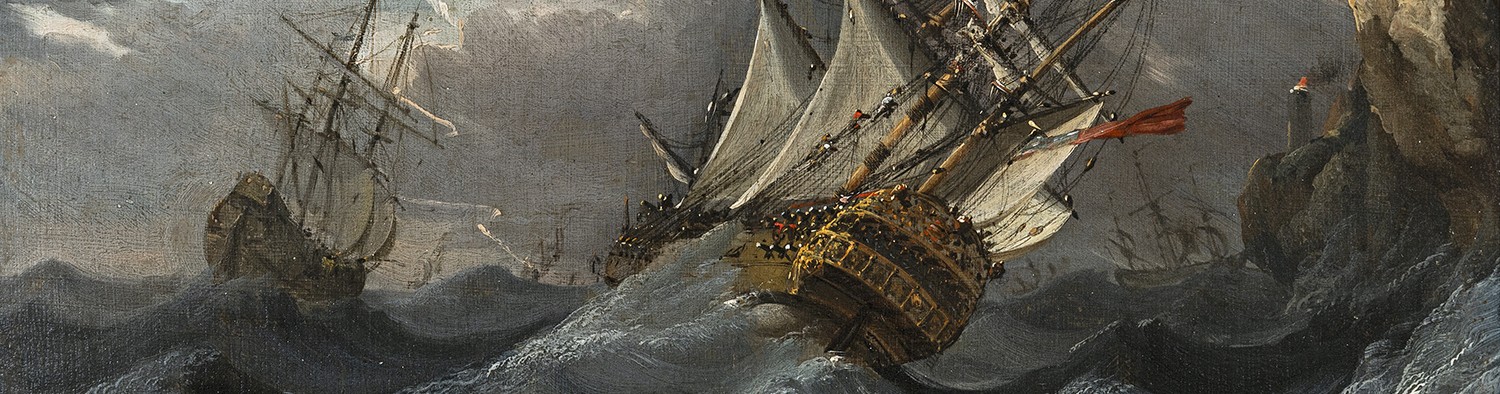
"I should declare my hand. I have a weakness for pictures that punch above their physical weight, and for artists who have been quietly underrated for too long. This pair is both. They are intimate enough to live with at close quarters and serious enough to repay any amount of looking. If the market has lately shown signs of catching up with eighteenth-century Irish painting and I think it has, these two small panels feel, to me, like exactly the sort of thing that will look obvious in twenty years’ time."
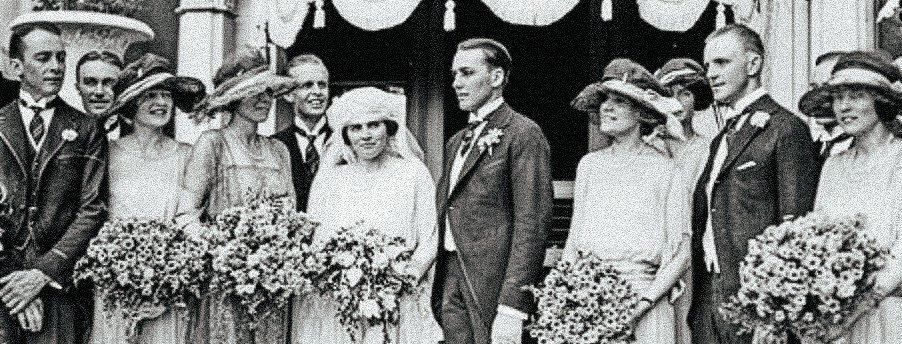
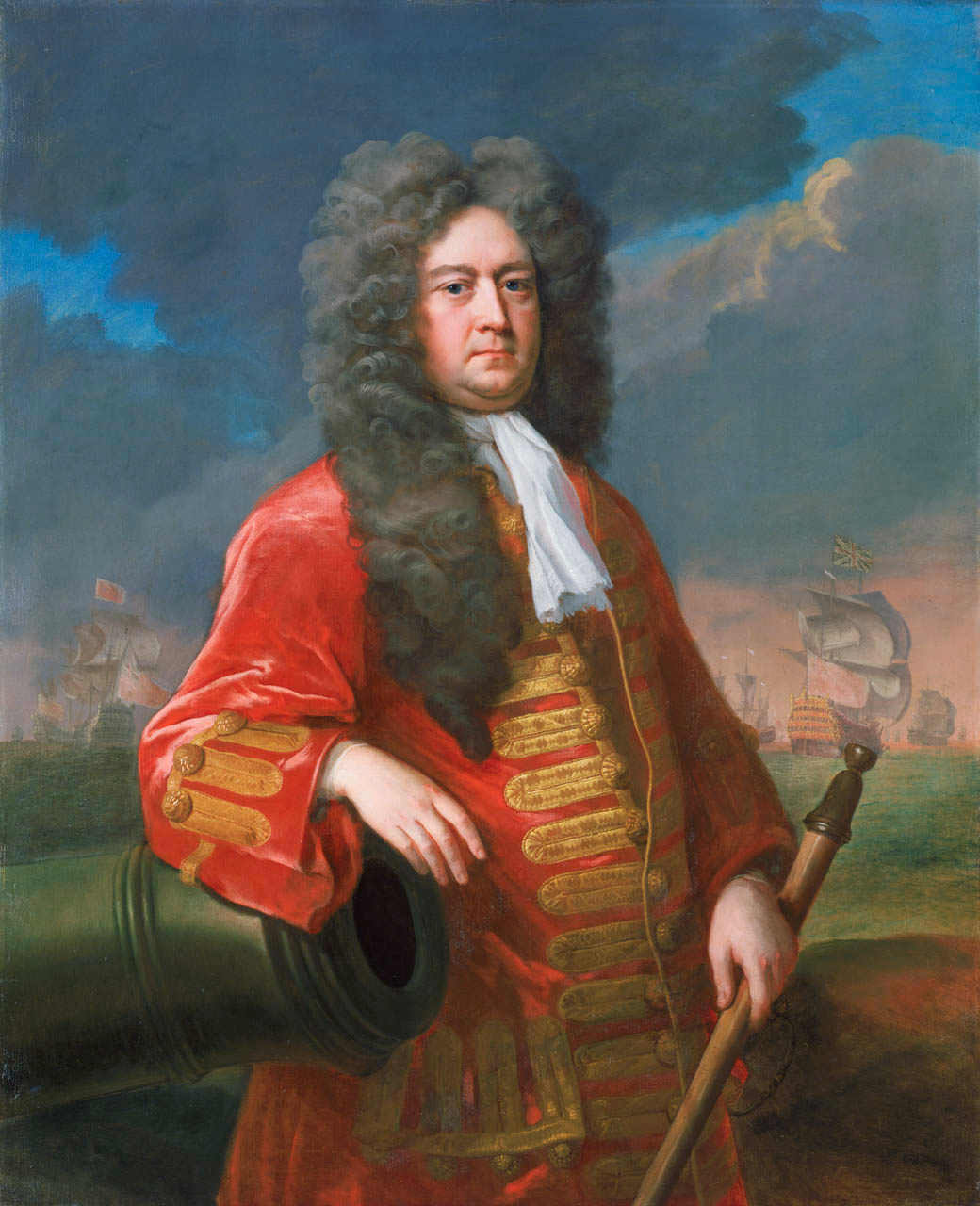


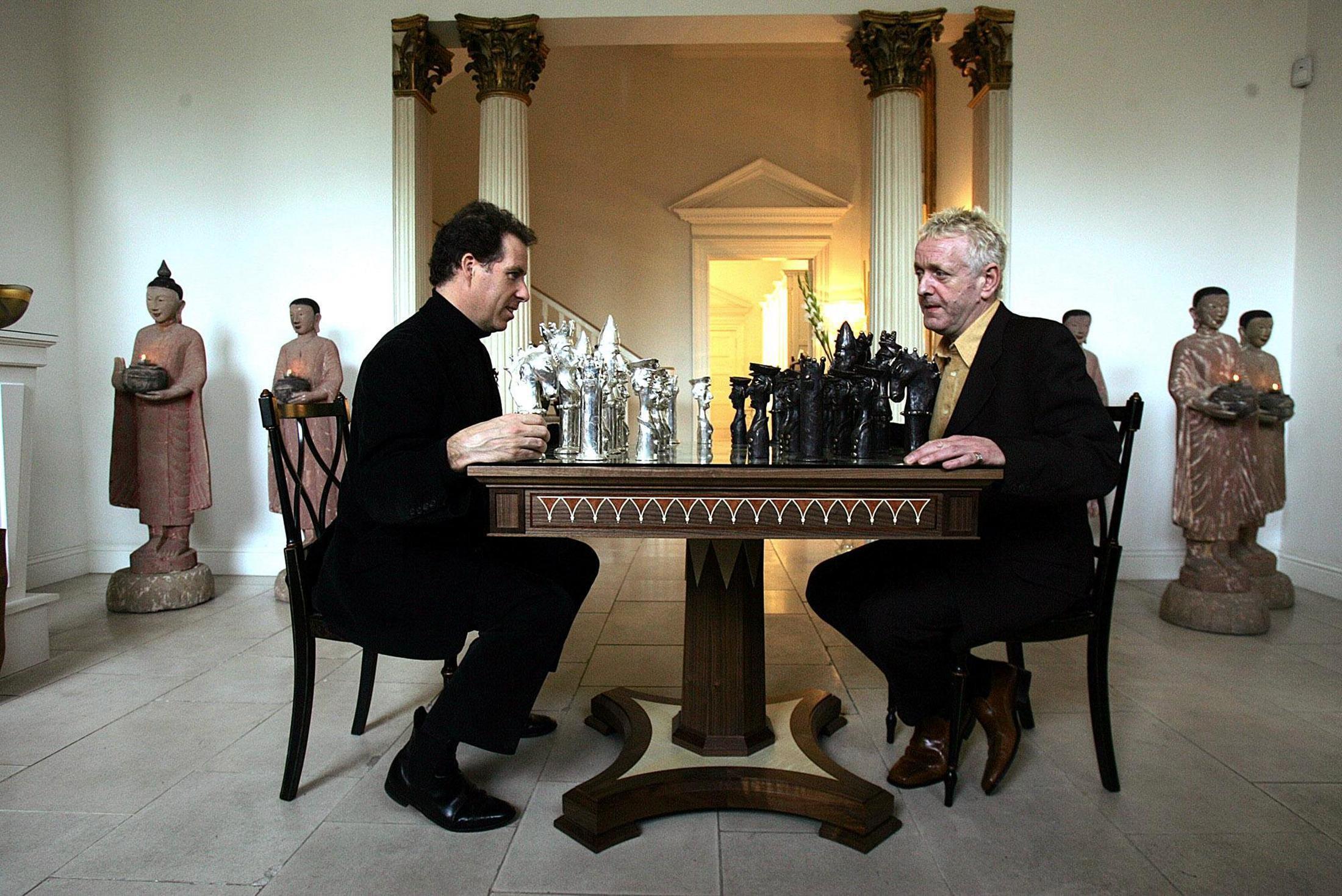
Adam’s is honoured to present works from the collection of Lord Rossmore in the upcoming Country House Collections auction at Howth Castle on 28th April. It is seldom that an influential Irish family collection that has survived through the generations comes to the open market.
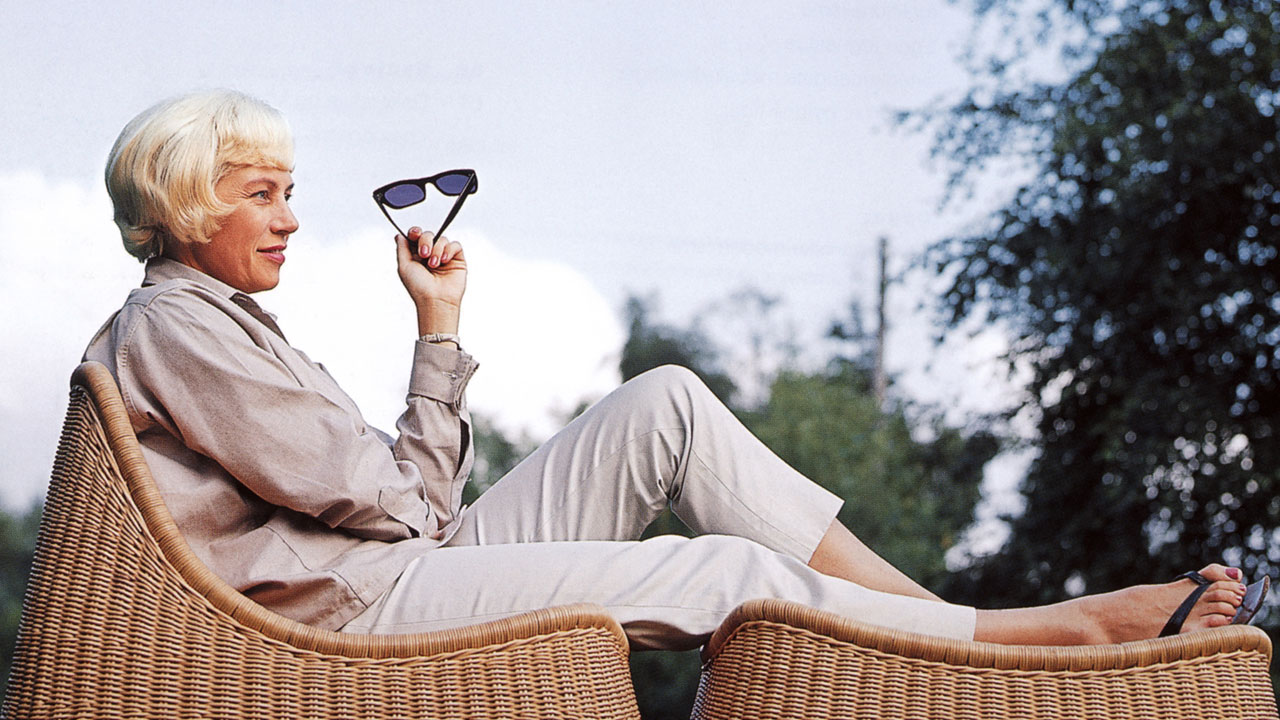

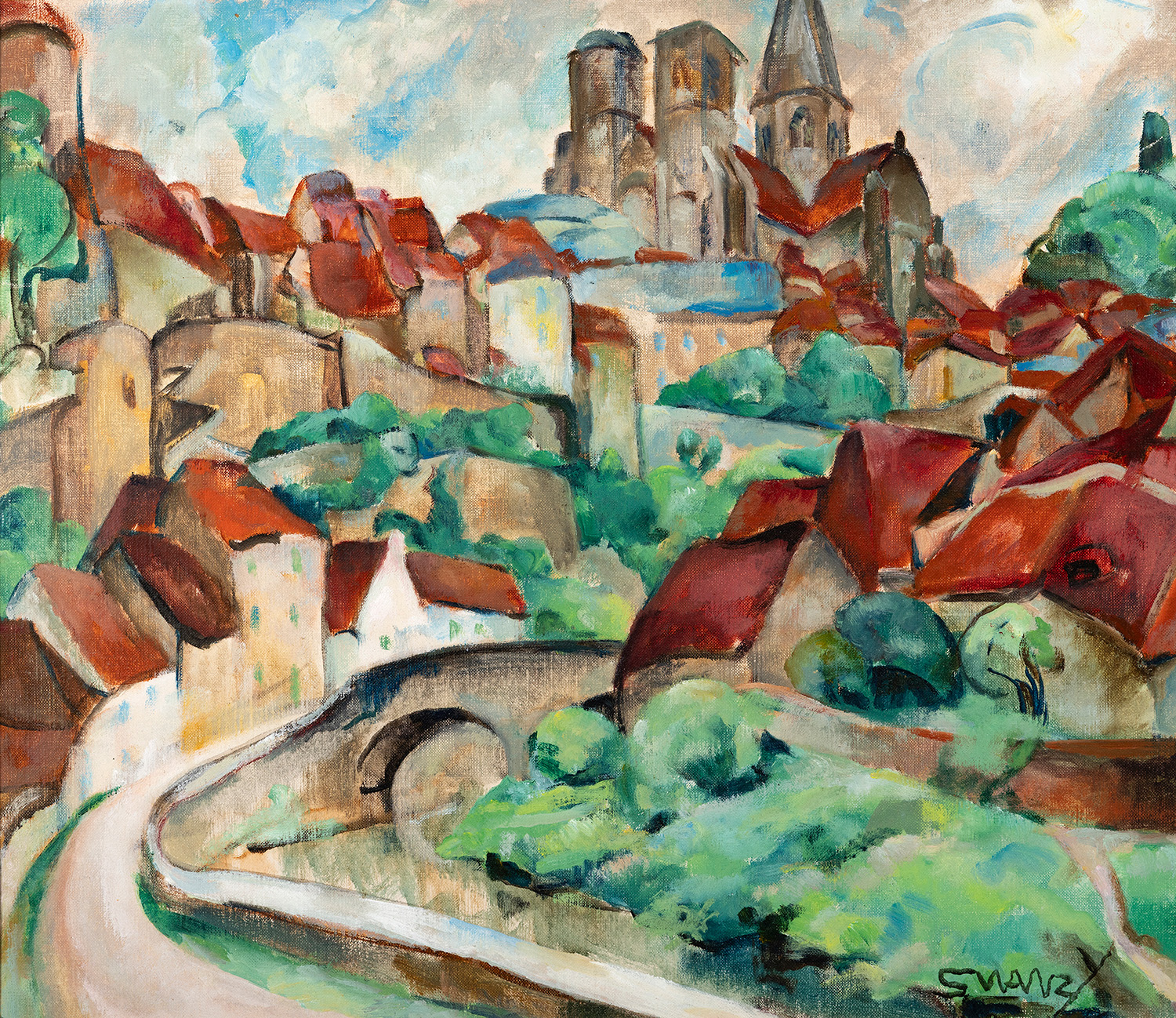
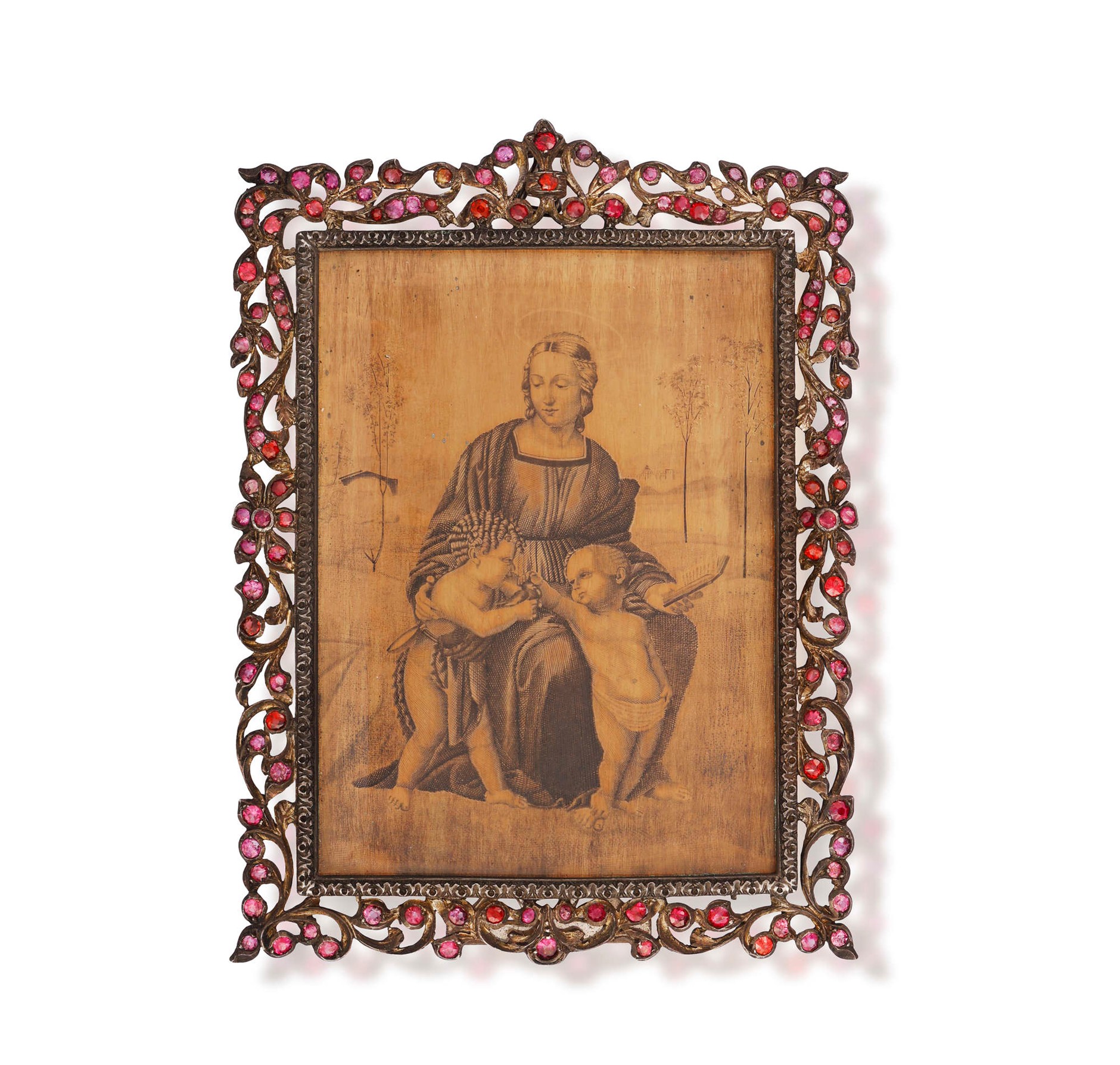
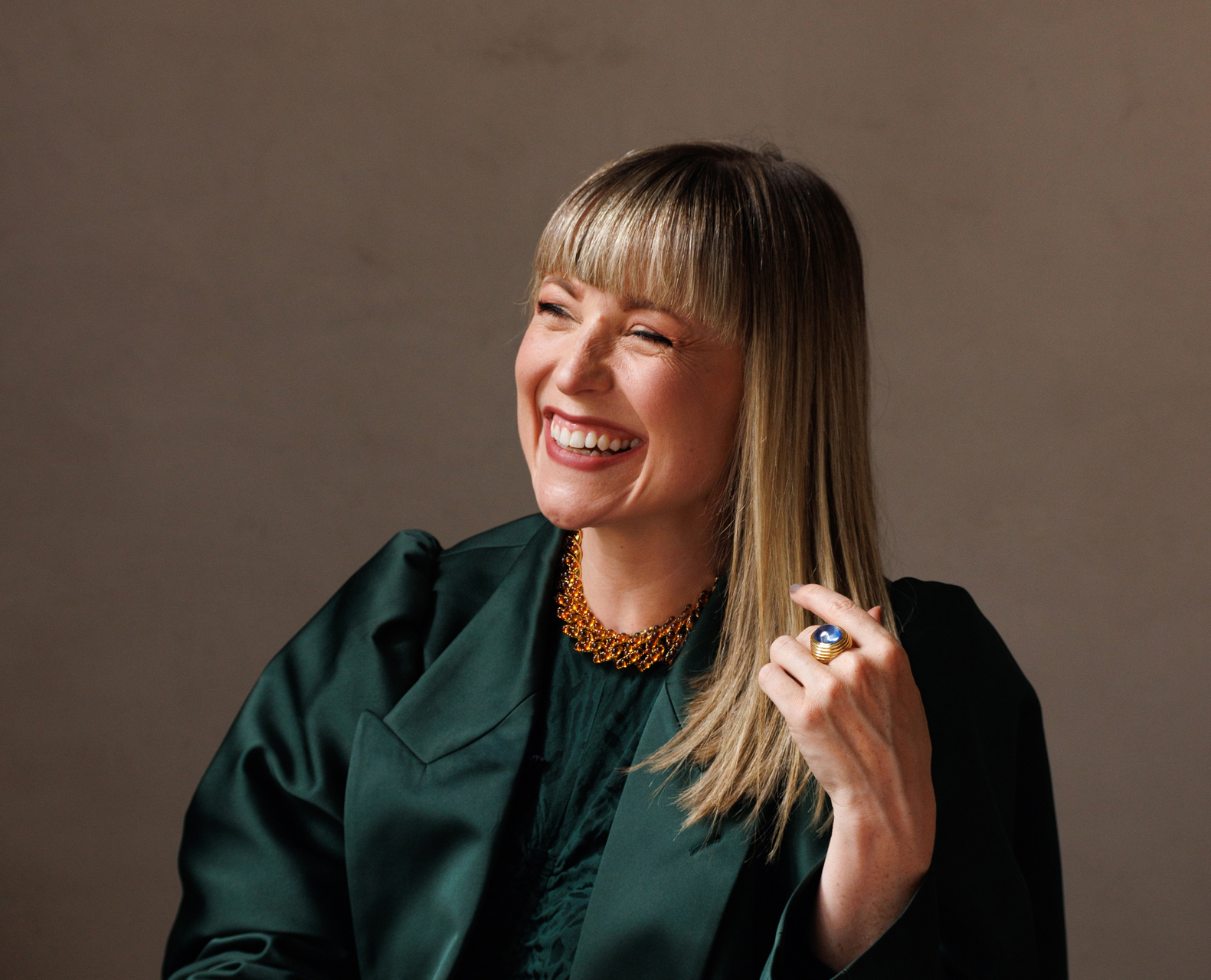
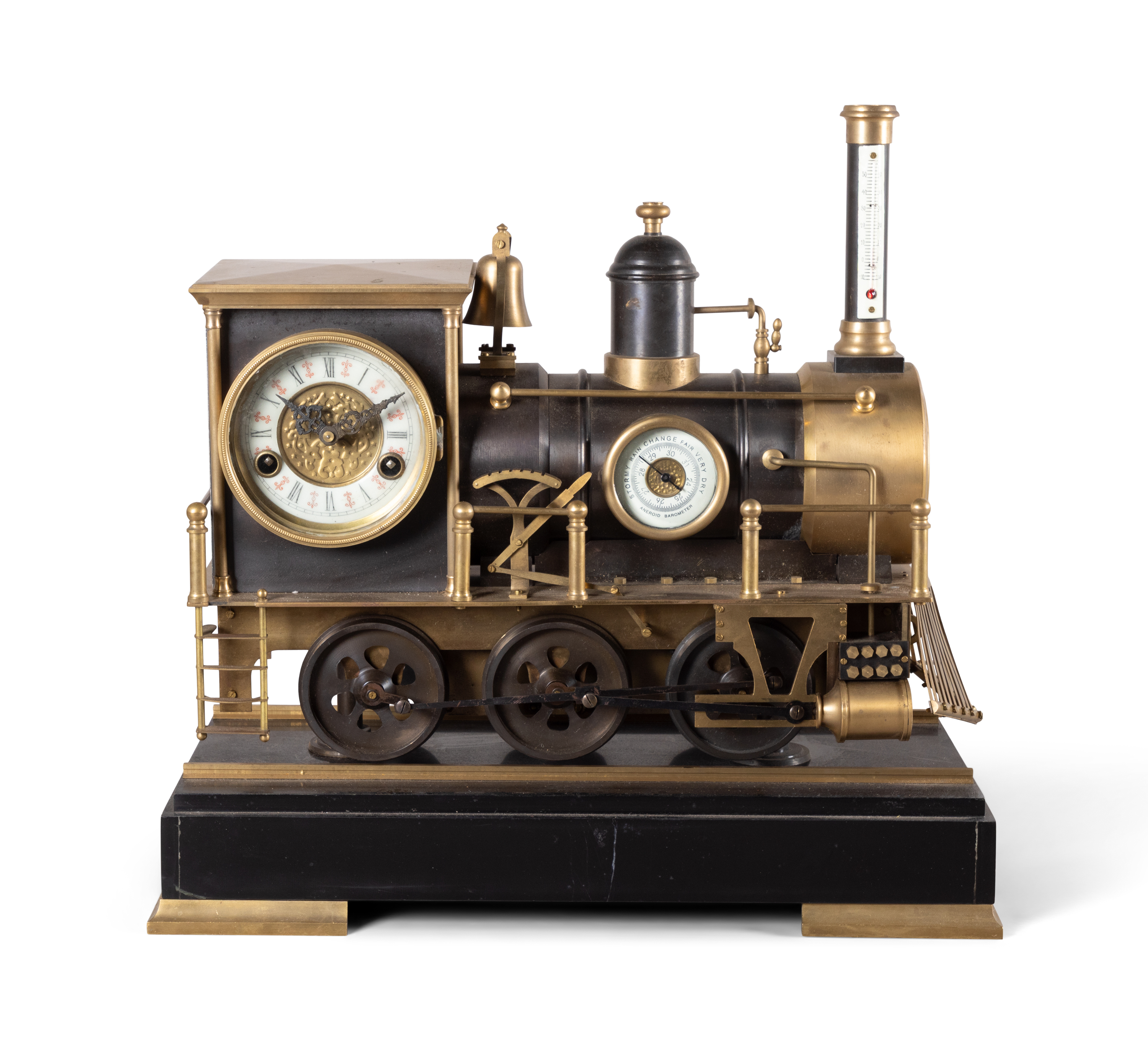
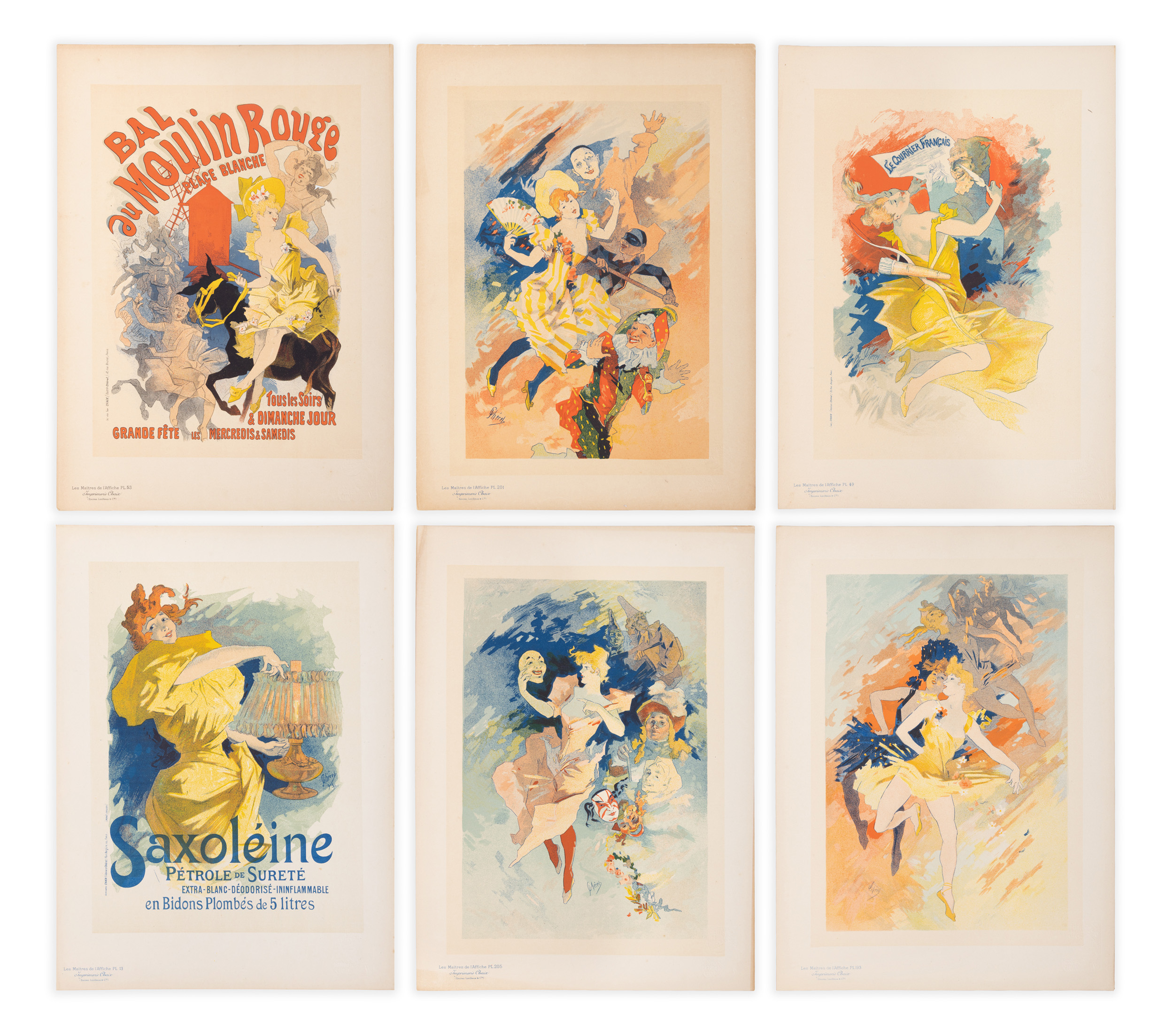

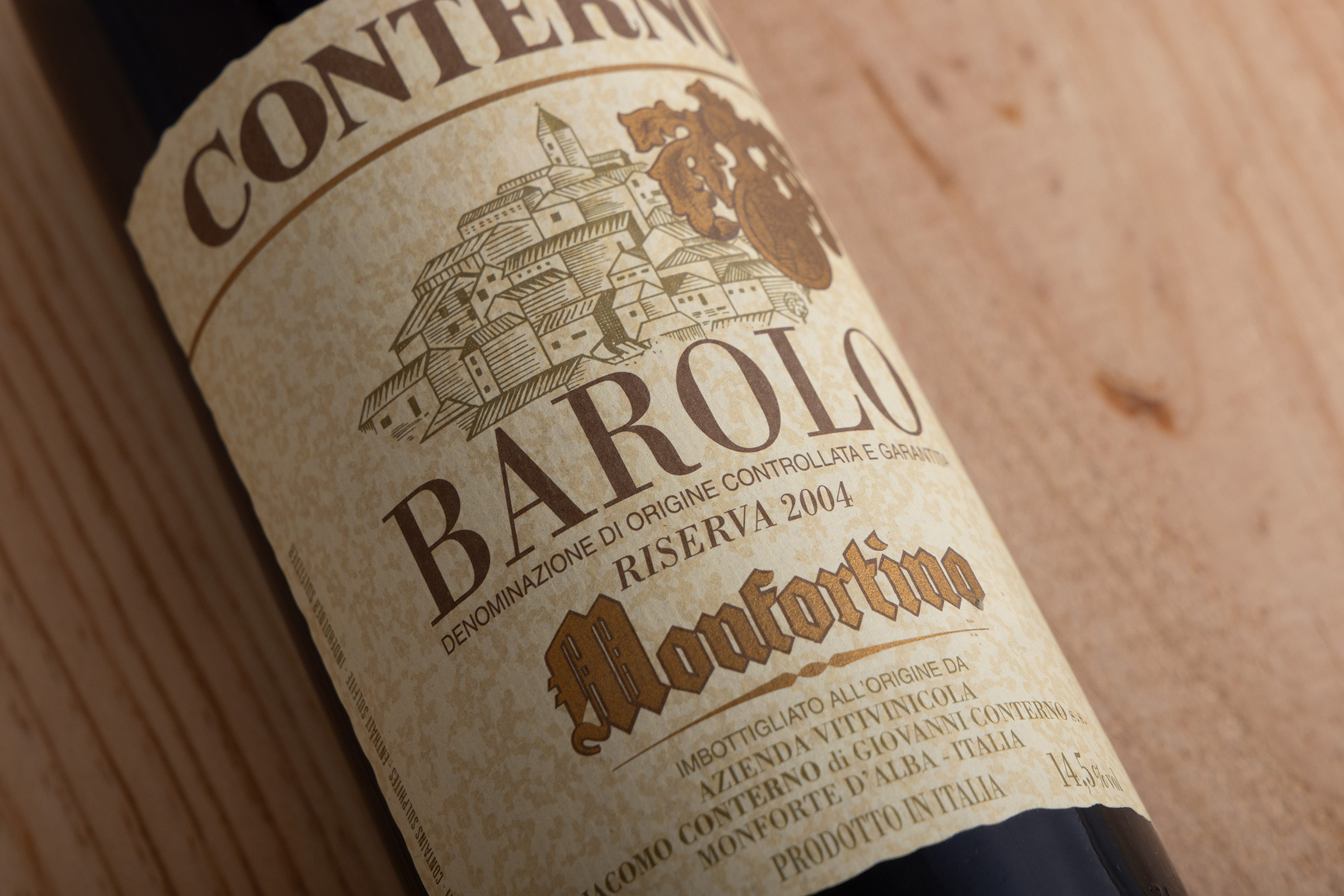
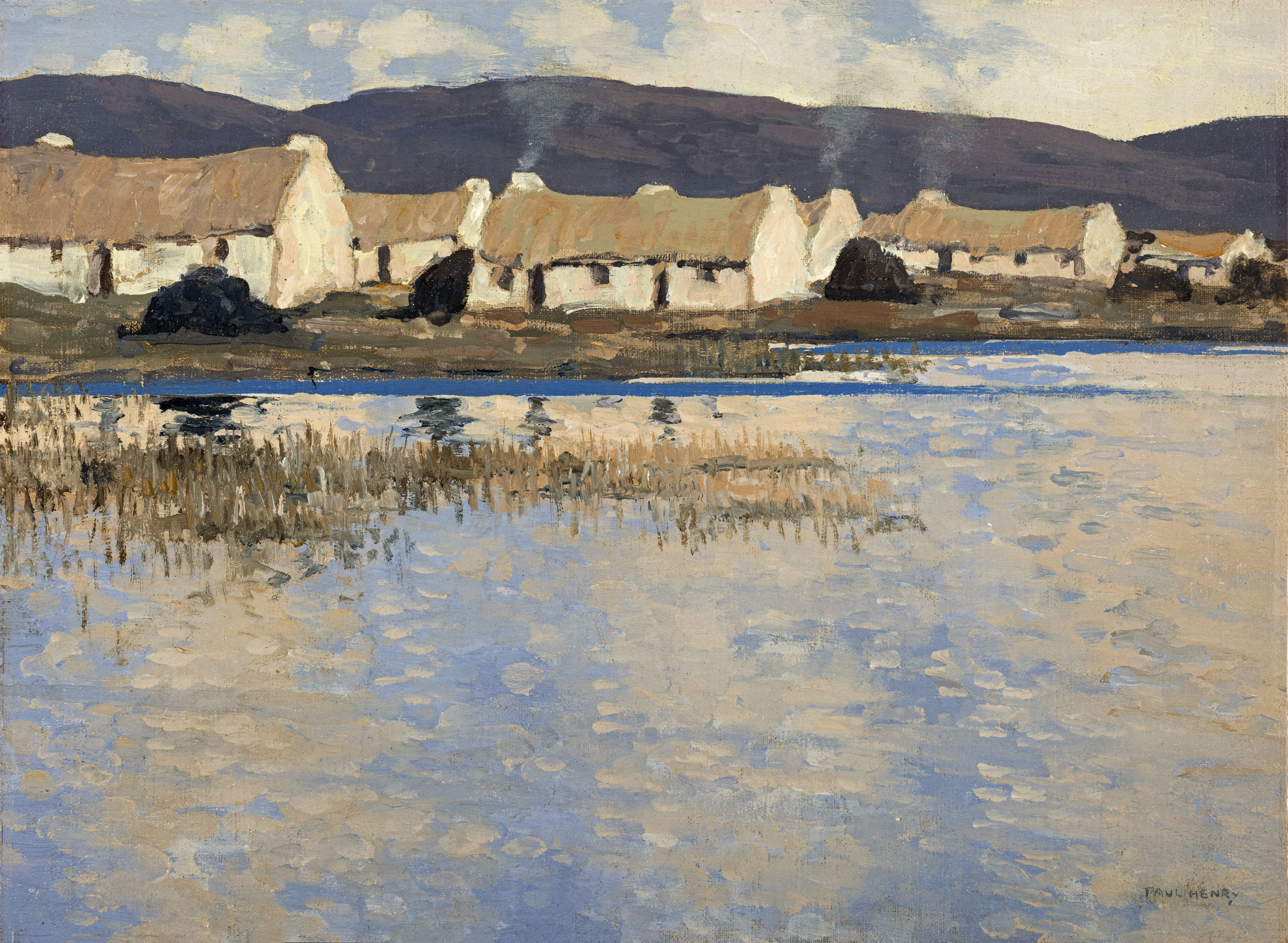
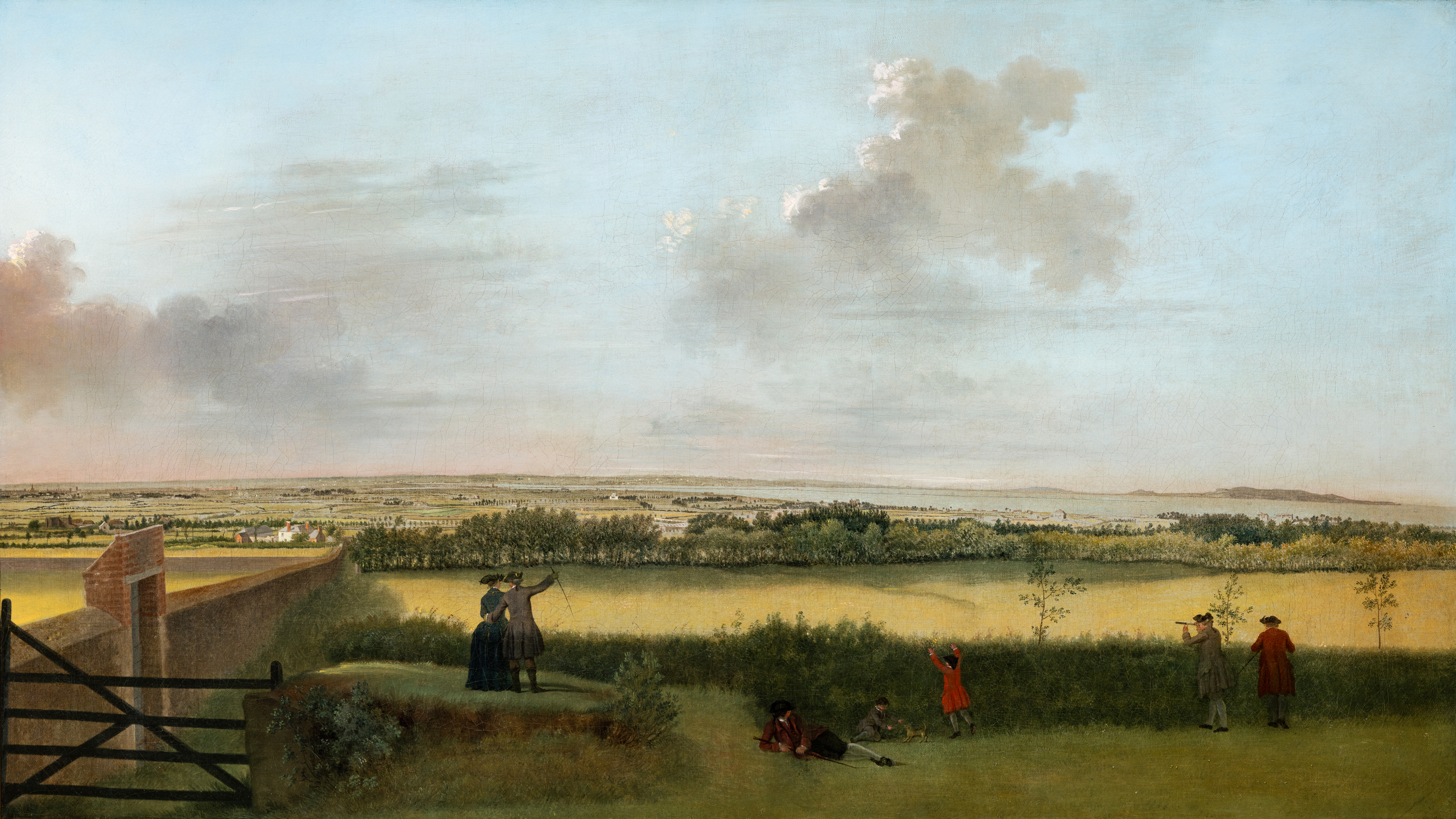
Works Sold at Adam’s Now in the Irish National Collection
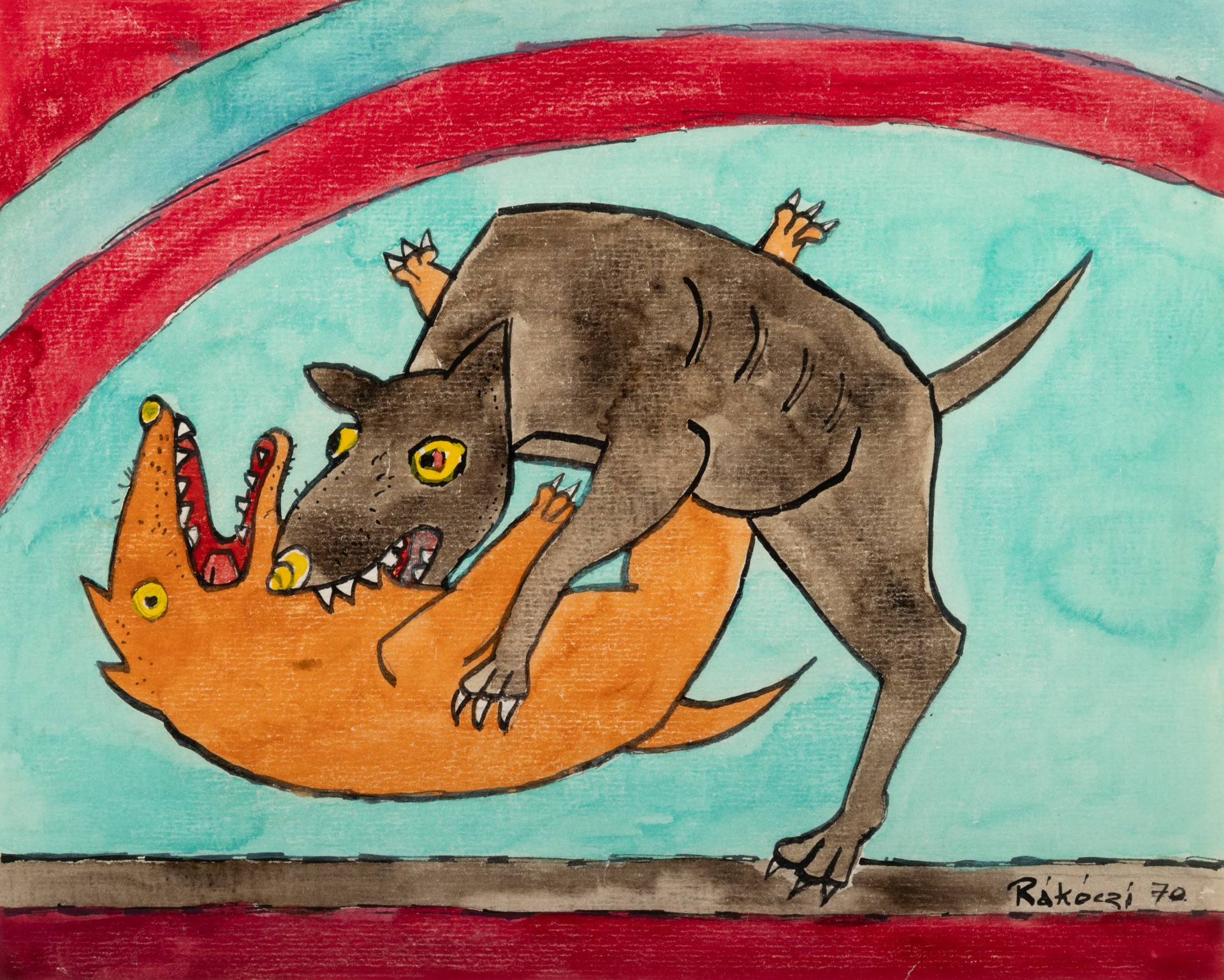
A great opportunity to purchase both established and lesser-known artist’s work at an accessible price point, the Online Picture Auction is the first of many sales to be hosted at Adam’s in 2026. It is perfect for those looking to start a collection and the discerning collector alike.


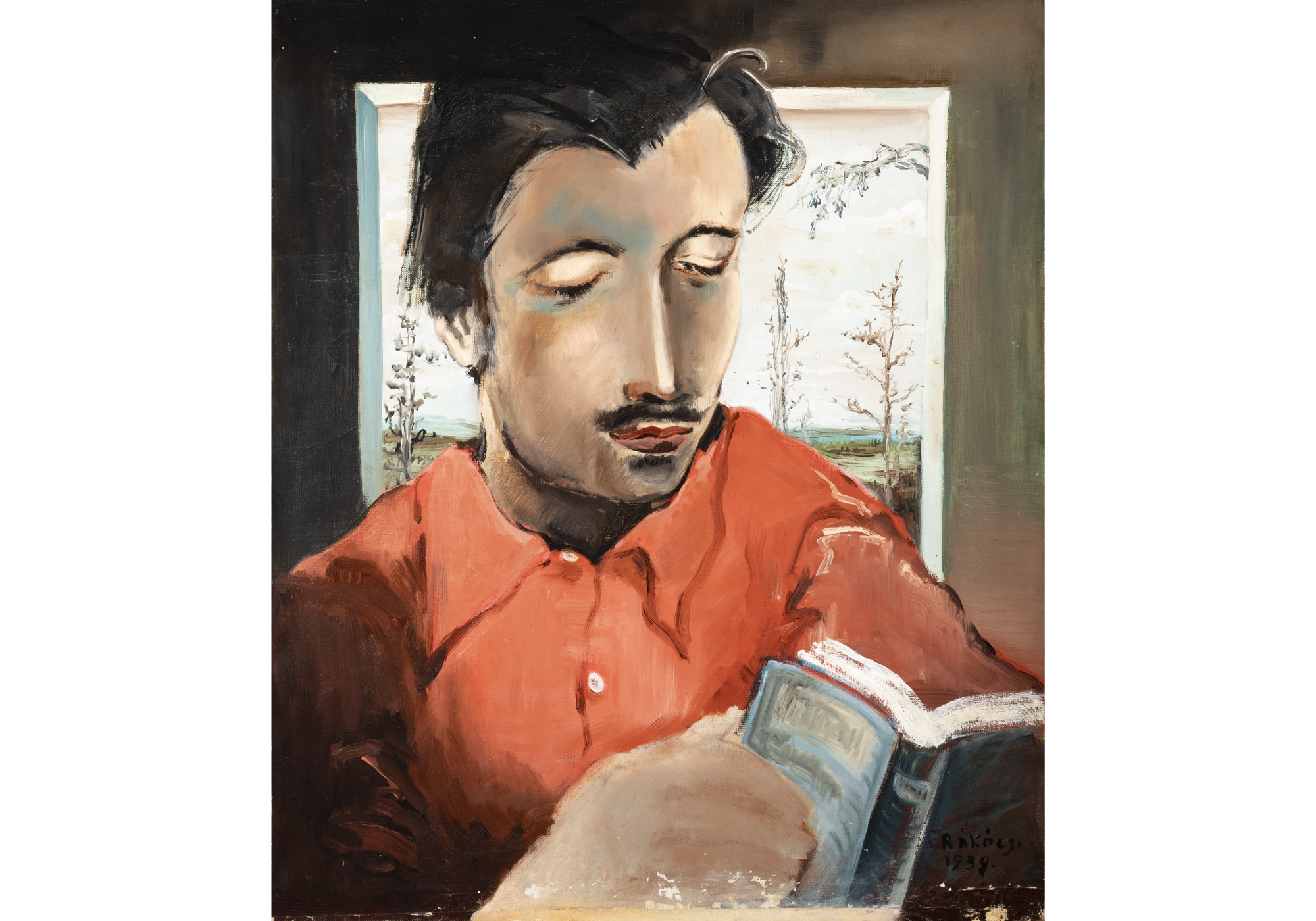
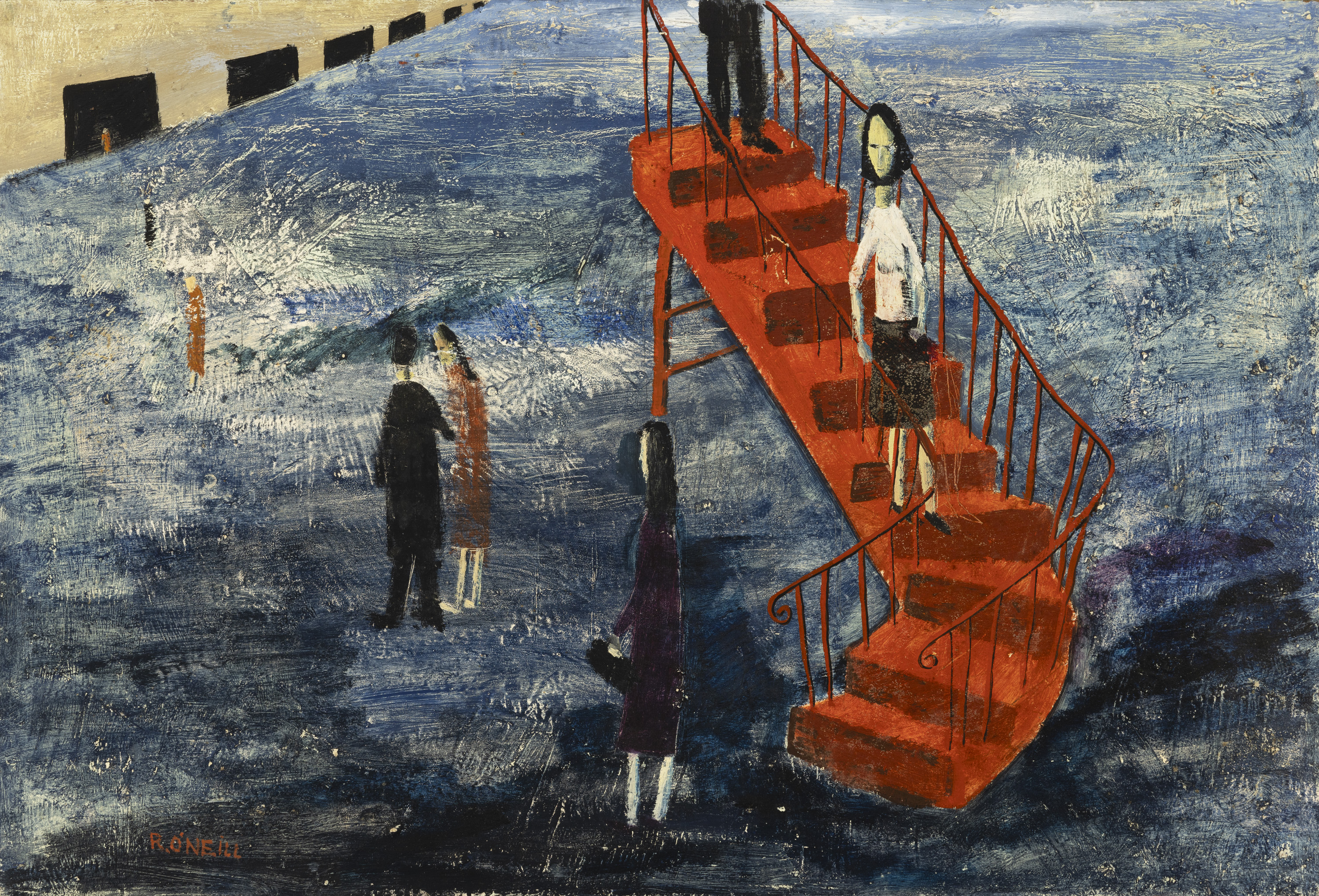
Through this article, let our expert Adam Pearson guiding you to the (re)discovery of the once established Irish painter Richard O’Neill.


Buying at Auction and the Role of Antiques in a Modern Home


Important Irish Art Auction Highlights

Oliver Dowling Collection by Aidan Dunne


James Adam & Sons Ltd, Fine Art Auctioneers and Valuers, 26 St. Stephen’s Green, Dublin 2,
D02 X665, Ireland


