
menu
Departments

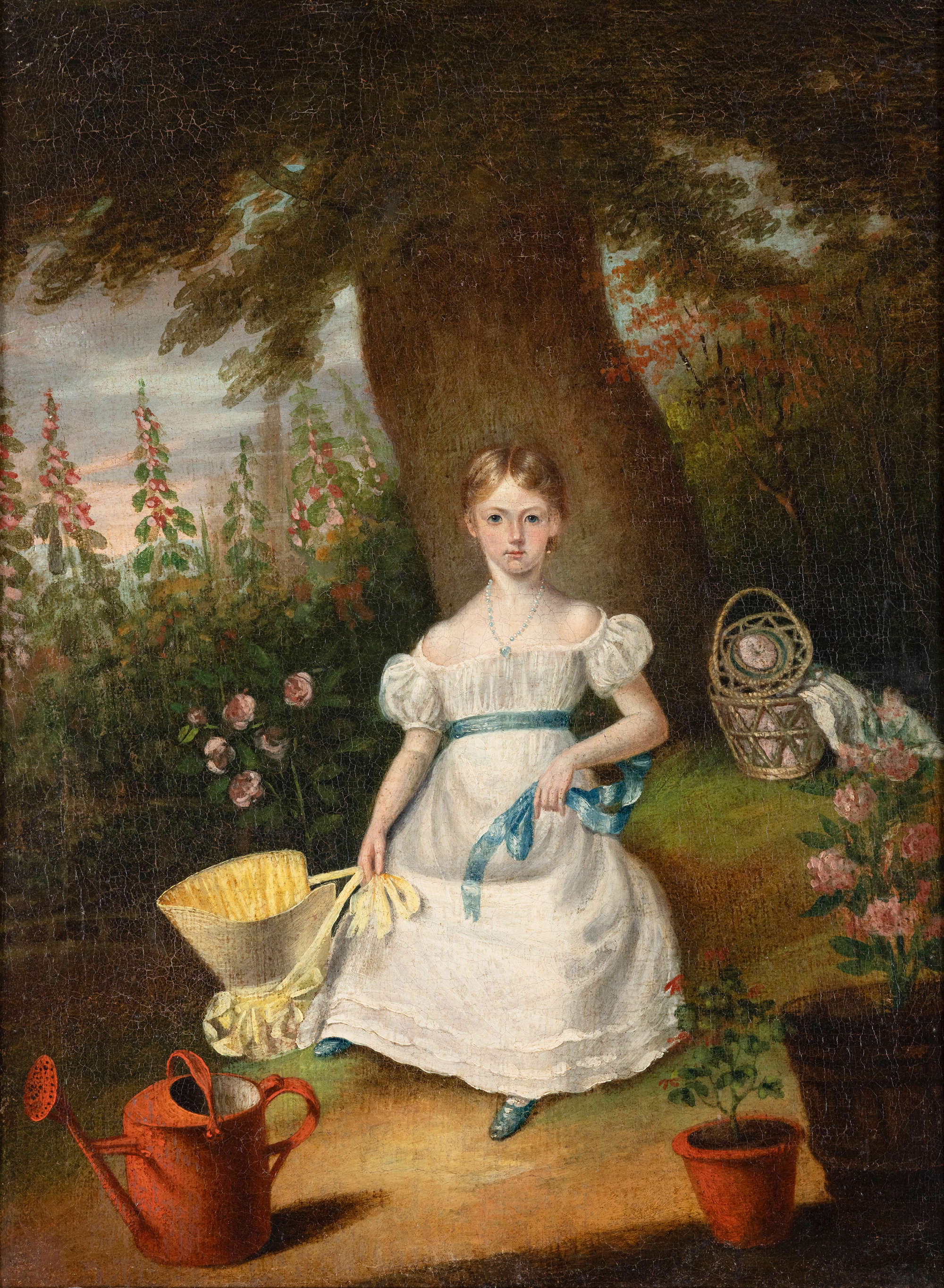

Maria Spilsbury was born to a family of fairly modest means but respectable social standing in London in the year 1776. Her early instruction in painting and drawing was received through her father Jonathan Spilsbury (c.1737-1812), an engraver and artist of distinction. The family were devout members of the Moravian Church, and Maria’s mother Rebecca Chapman was noted as being particularly Evangelical in her religious outlook and encouraged discourse and exchange between all Christian churches and active participation in society to encourage the tenets of the faith through humility, piety and grace. Maria made her professional debut at the Royal Academy at the age of 15 and would continue to exhibit widely there and garnered much praise, boasting the Prince Regent among her portrait subjects.
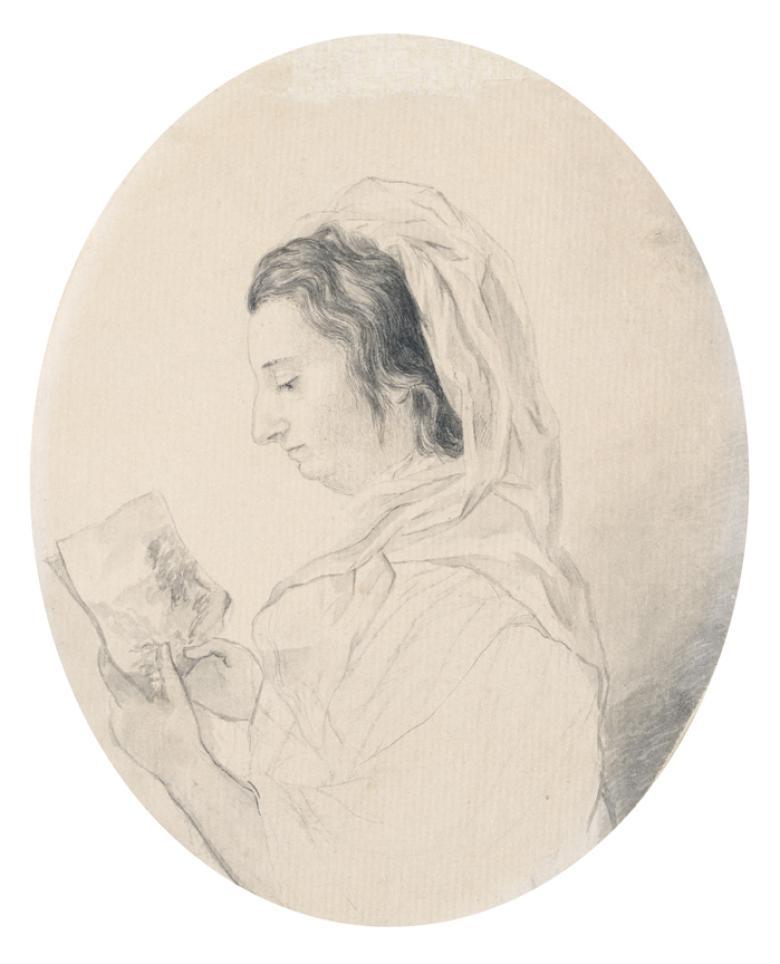
The family resided in Harrow during a period of the 1780s as Jonathan was employed there as a drawing master. It was in this period that Maria made an important connection which she would maintain for the rest of her life and to which we could credit the commissions of her later artistic career. This was of course their introduction to Sarah Tighe (1743-1822) of Woodstock, Co. Kilkenny and of Rosanna, Co. Wicklow who had temporarily moved to Harrow with her daughters in order to be near her son Henry who was a pupil there. Jonathan was employed to instruct the girls Elizabeth (1774-1857) and Caroline (1777-1861) in drawing, a task he no doubt excelled in as Caroline Tighe, (later Caroline Hamilton) has been acknowledged as an excellent amateur artist and draughtswoman in her own right.
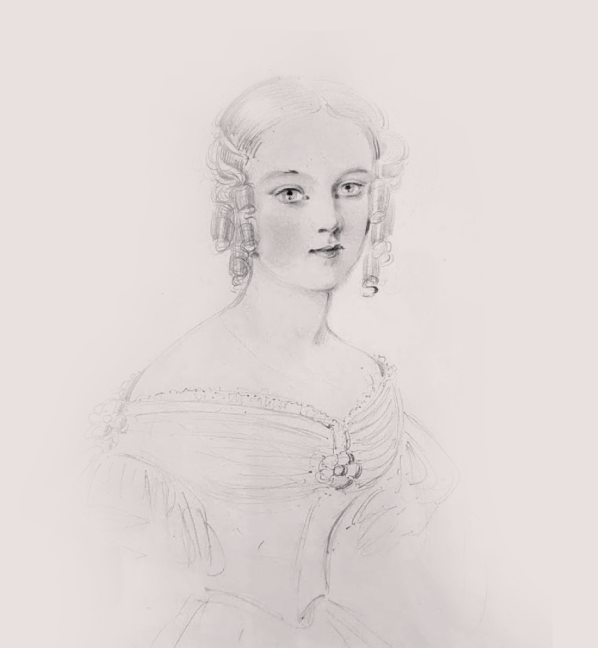
The Spilsbury Family would later join the Tighes for a period in Wicklow to continue this instruction and it was likely here that major facets of Maria’s person would develop. Charlotte Yeldham 1 in her biography of the artist explores the somewhat captivating yet contradictory traits espoused by Sarah Tighe, a self proclaimed Methodist and ardent follower of Wesley and also keen admirer of Rousseau’s Émile. The latter advocated for a laid back approach to childrearing and promoted learning through physical and sensory interaction with the natural world in infancy and the likelihood therefore that moral maturation would naturally develop as a result in childhood. As a result, the Tighe’s properties were a revolving door of preachers including Moravian and Methodist while the girls ran amok in the beautiful surroundings of Rosanna with all manner of tutors on retainer and seemingly no routine whatsoever. Rebecca Spilsbury disapprovingly wrote of her daughter in a letter to Sarah, wife of Charles Wesley that year -
Ireland has powerful attractions to such a wood nymph as she is - she wants all her friends to come over here - she thinks England is not to be named with dear sweet charming Ireland! It is natural for young people to be fond of exercise in the open air but I think she is too fond of that kind of dissipation 2.
The Spilsburys returned to London after a year spent in Ireland and it is noted that both mother and daughter appeared ill fit to Moravian society on their return. Maria was eventually excommunicated from the Moravian group for reasons unknown but Yeldham posits that the exposure to the Rousseauean liberties at Rosanna were most likely the cause of this. Maria maintained her religious sensibilities regardless and went on to marry John Taylor (1784-1821), the son of inventor and Anglican Evangelist. The artist kept up her acquaintance with the Tighes for the duration of her life, eventually moving to Ireland permanently with her young family during the Winter of 1813/1814 whereupon this association generated the commissions of Anglo-Irish gentry such as the portrait traditionally identified as ‘Miss Jackson’ here presented.
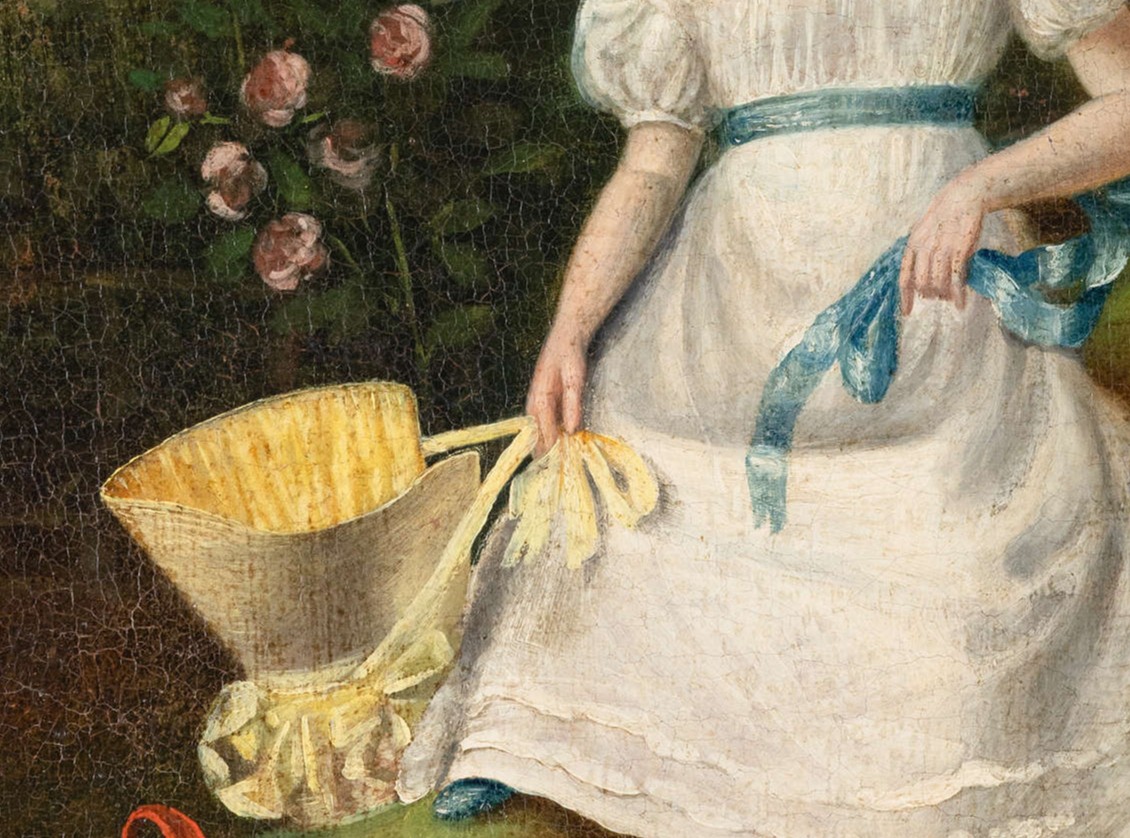
The young Miss Jackson of Enniscoe, Co. Mayo is dressed in an assemblage of pale blue and white, suggesting innocence, modesty and purity as is commonly seen in her portraits of women and children. She is seated amidst symbols of cultivation and industry, such as the watering can and the potted plant. In contrast, her bonnet and blue ribbon are held loosely at her side and a cloth or blanket spills from a wicker basket in the background indicating the disarray of youth and a natural need for spiritual and moral growth, as indicated by the tree under which she sits The sky is framed by a dark haze of wild flora and foliage, most notably of foxgloves which appear to converge on every side. Yeldhem notes of this painting -
Biblical images of the garden as a prescriptive place of control and industry are evoked as well as the more general antithesis between ‘wilderness’ and ‘the garden of the lord’ (Isiah 51:53) 3.
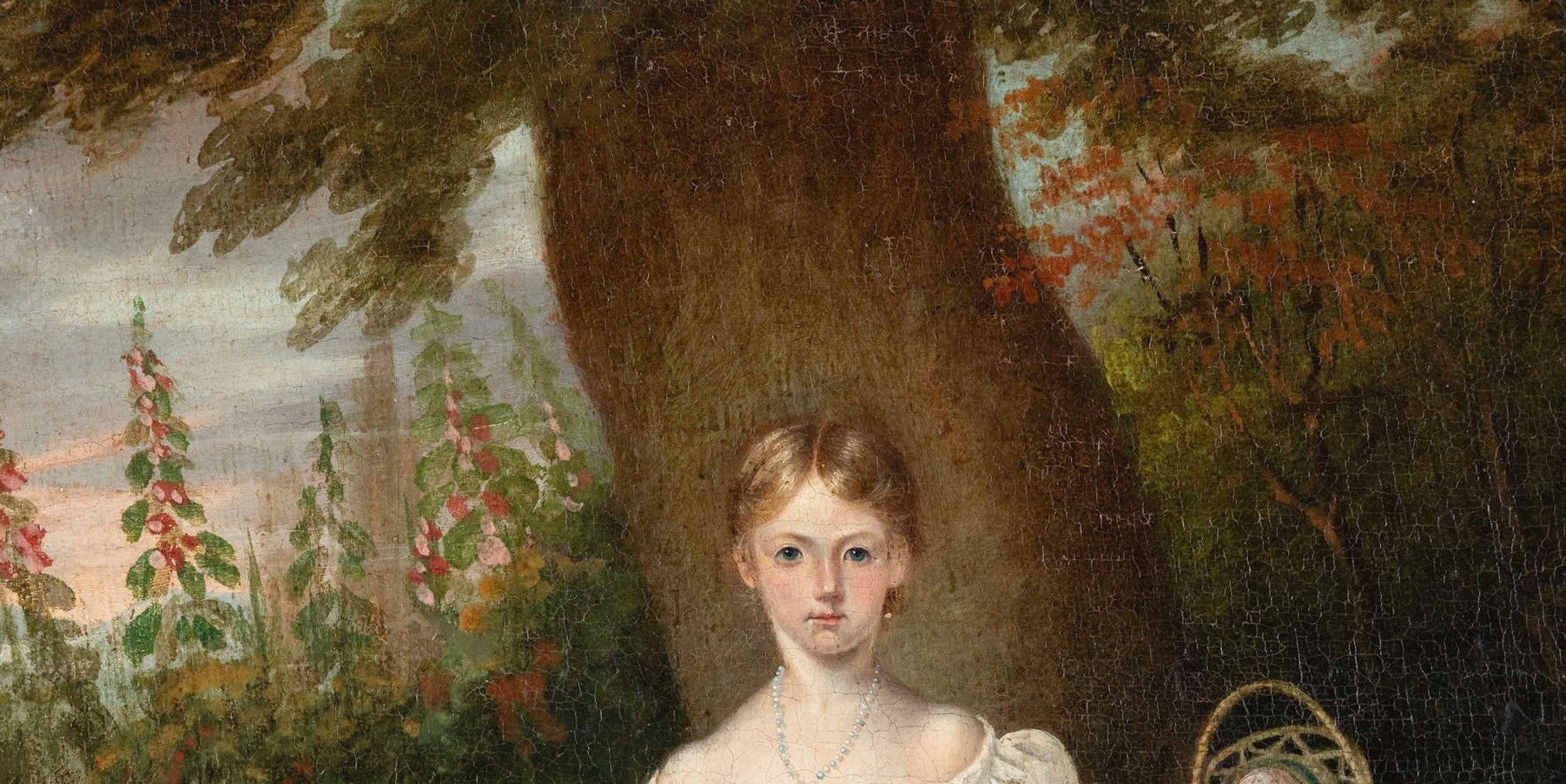
This charming portrait is one of a number the artist completed in Ireland, though a rare example of an identified female sitter, the other which comes to mind being the beautiful portrait of Jane Bryan of Cong, Co. Galway which was sold in these rooms in 2025. While many of her group scenes, for which she was known, are primarily didactic and concerned with religious and moral instruction, this portrait is certainly a commission from a doting parent. This is further supported by the large pearl and gemstone set pendant necklace the child sports which would conflict somewhat with the condemnation of vanity espoused by the Moravian church, but nonetheless the artist includes most likelyat the behest of the parents William Jackson (1787-1822) and Jane Louise Blair (?-1817) both of whom would be dead in the next two years and poor Madeline orphaned.
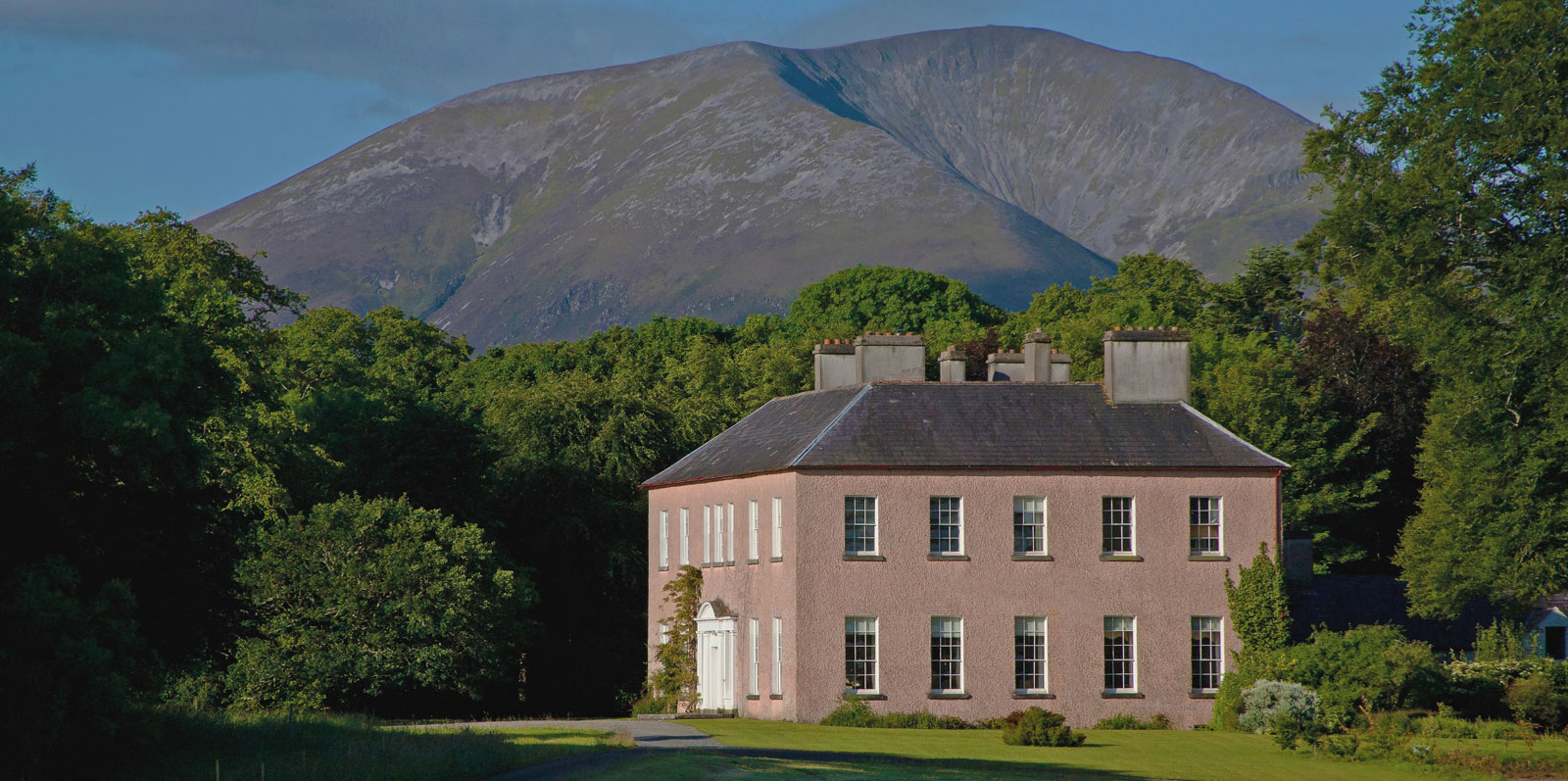
Madeline was brought up by her aunt Catherine Eglantine Blair in Co. Louth and later wed Mervyn Pratt (1807-1890) of Cabra Castle, eventually inheriting Enniscoe. This picture perfectly demonstrates the Moravian values, inextricably woven through Maria Spilsbury Taylor's short life, while simultaneously advocating a childhood spent in nature, an existence so earnestly promoted by Sarah Tighe in Rosanna, a place Maria loved so dearly and returned to throughout her short life for inspiration.
1. Yeldham, Charlotte, Maria Spilsbury (1776-1820) Artist and Evangelical, Routledge Publishing, 2024 (3rd Ed.) p.26
2. Rebecca Spilsbury to Sarah Wesley and Sally Wesley, 3 June 1789, Wesley Family Papers 26/69
3. Yeldham, Charlotte, Maria Spilsbury (1776-1820) Artist and Evangelical, Routledge Publishing, 2024 (3rd Ed.) p. 145
Irish Old Masters catalogue is now online.
Viewing begins this Friday 27th 10am - 5pm
Auction December 3rd

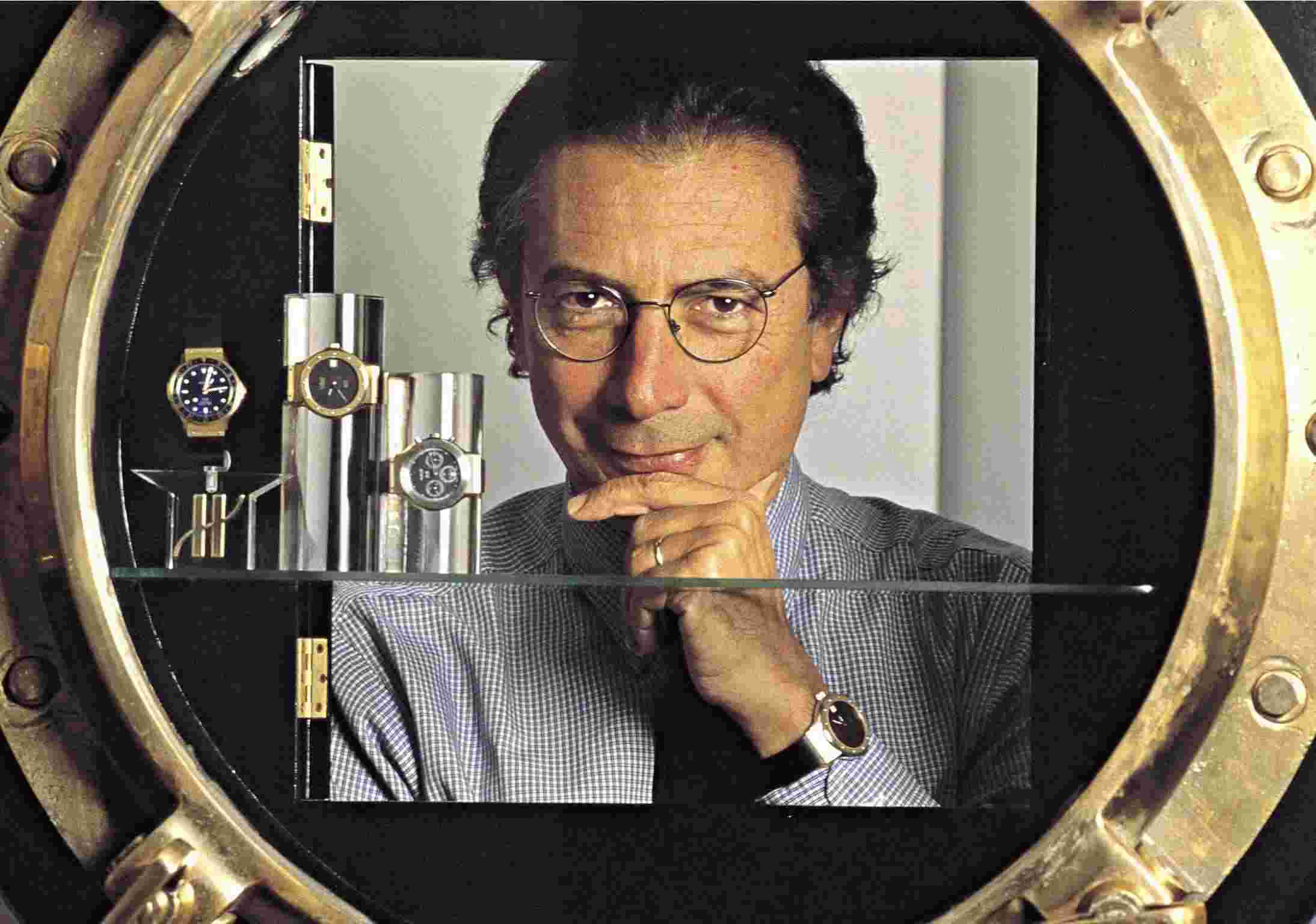



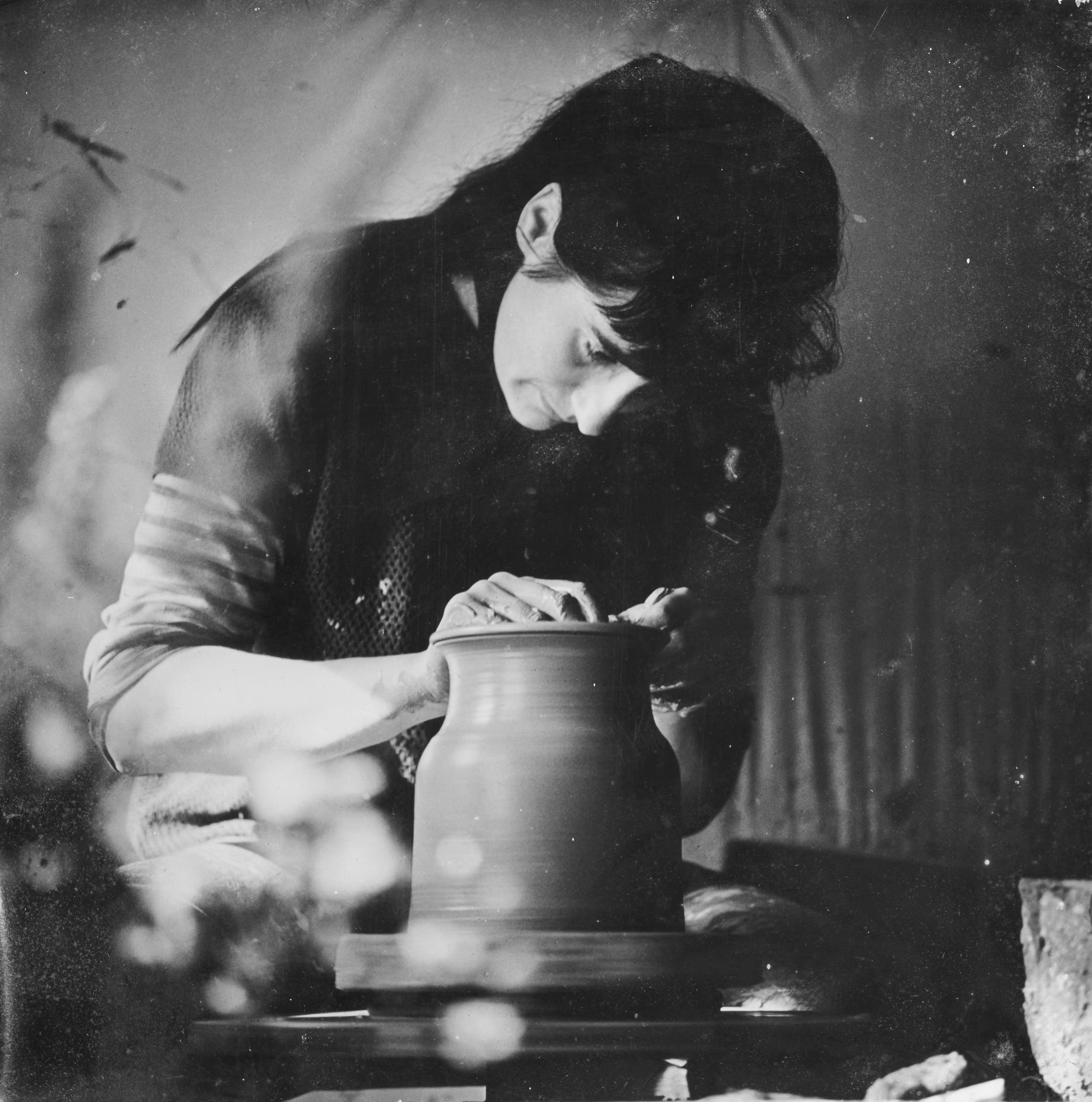

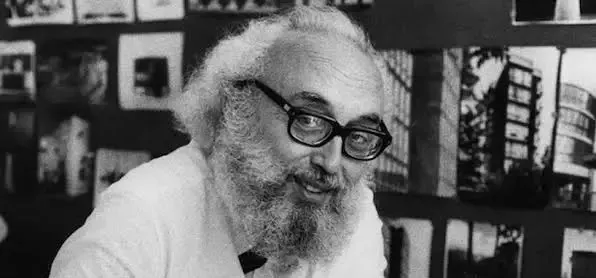
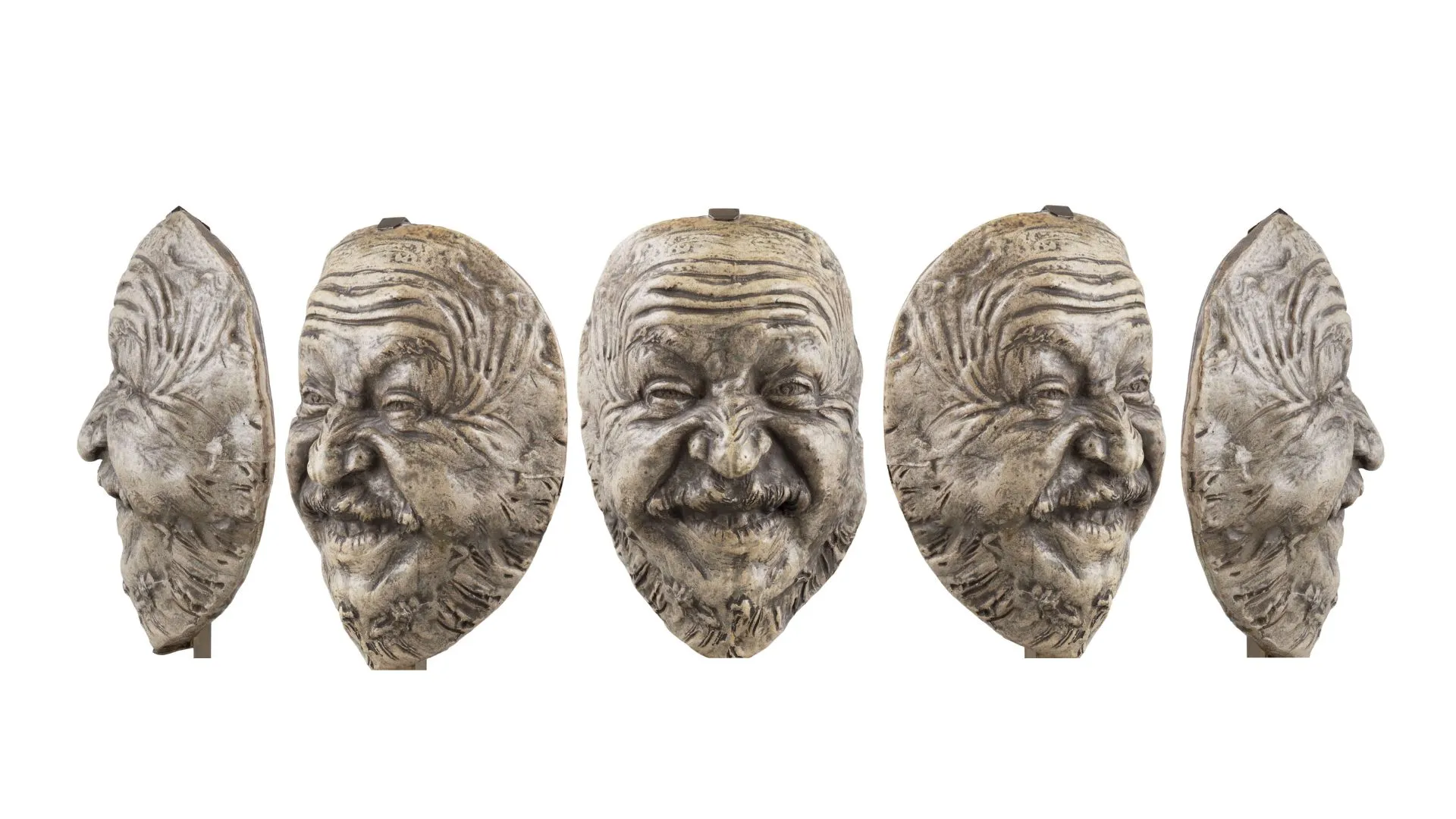
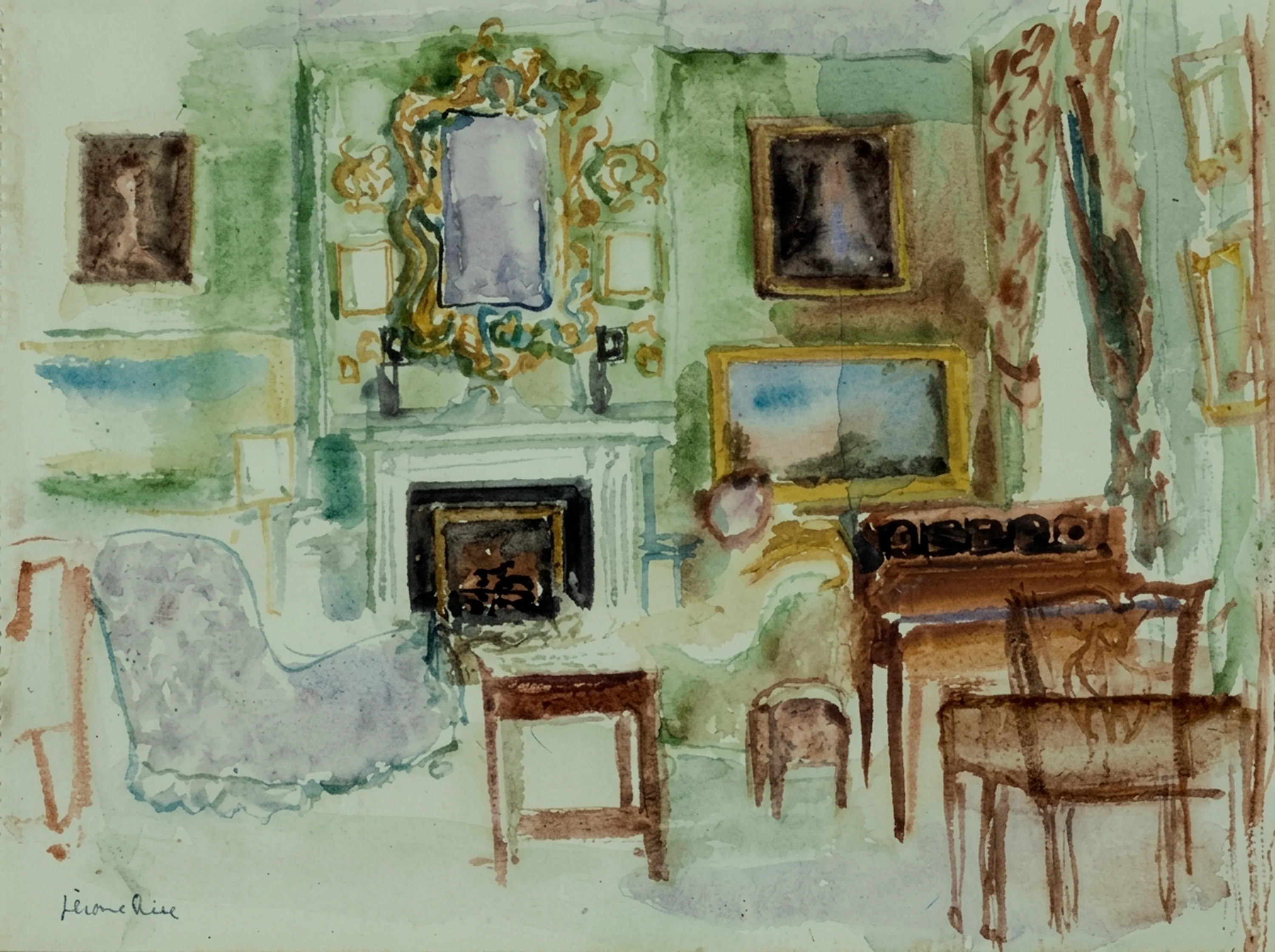
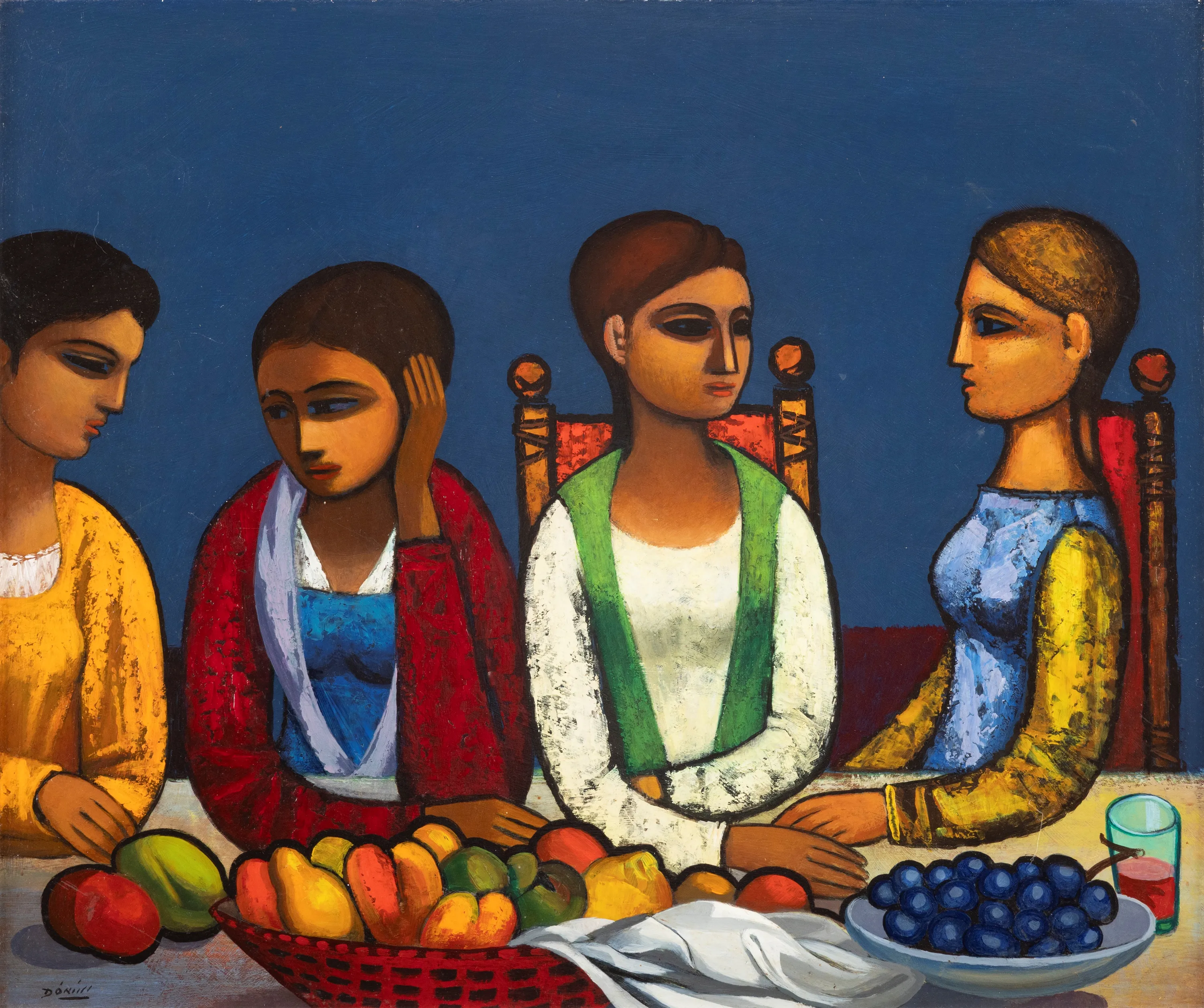
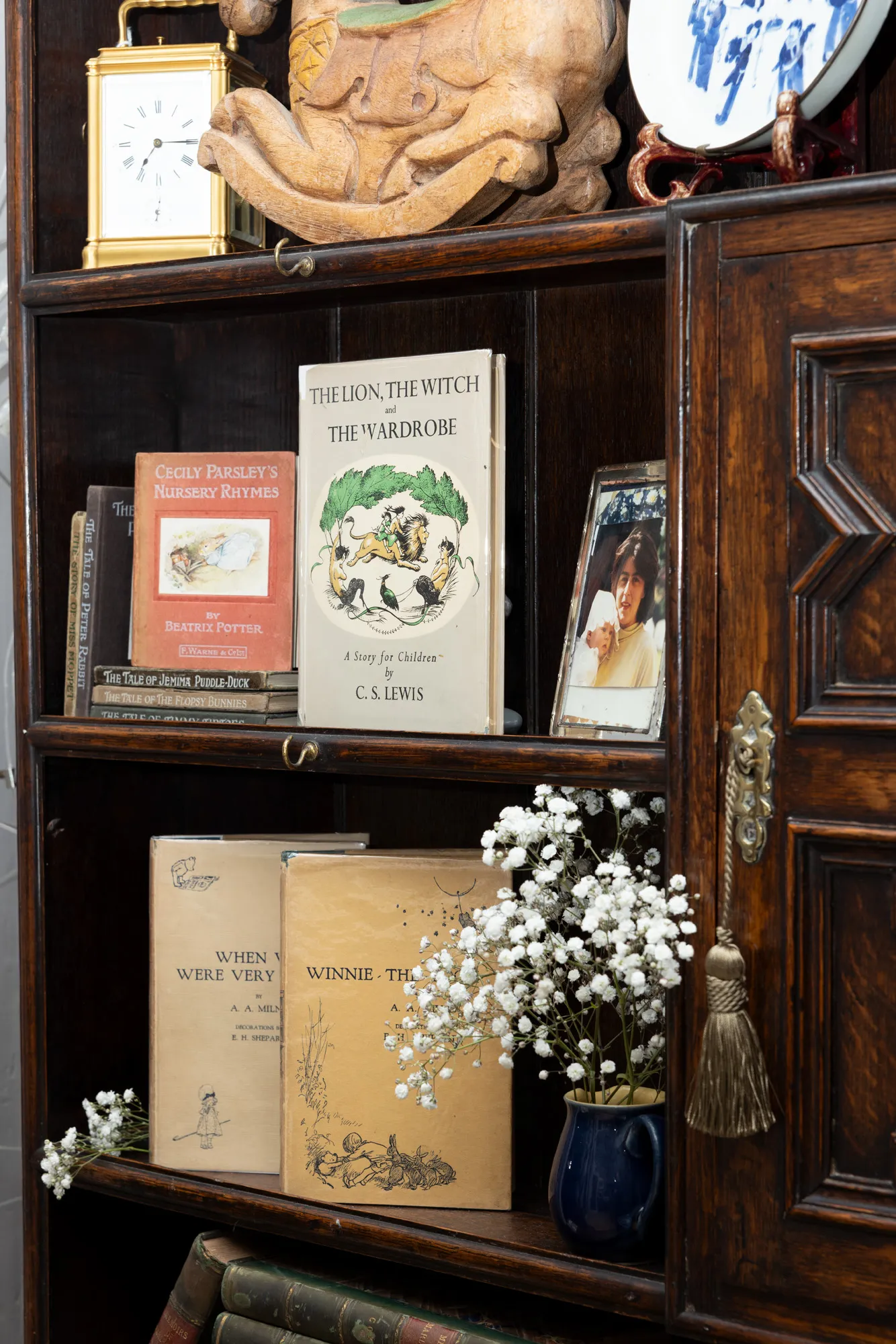
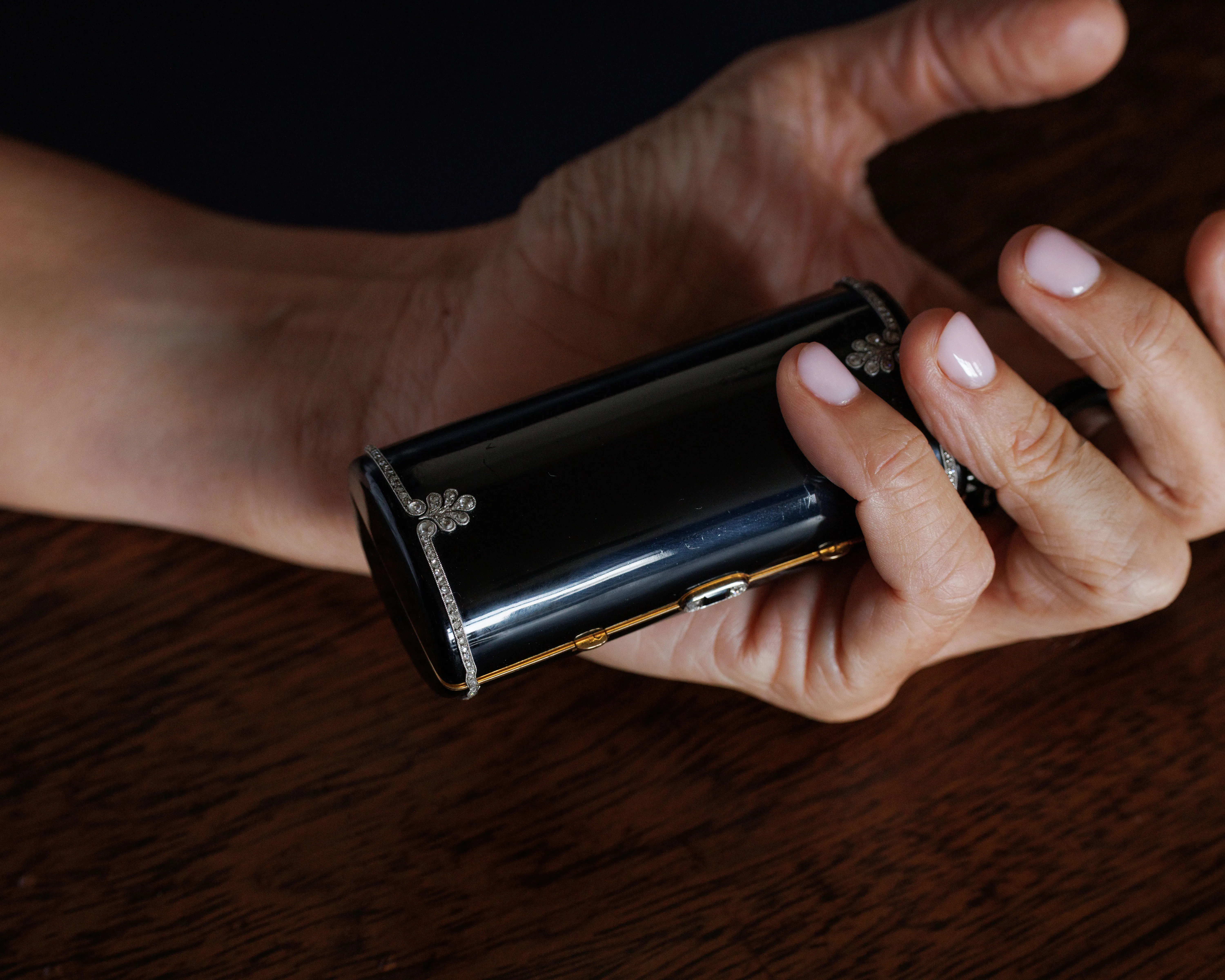
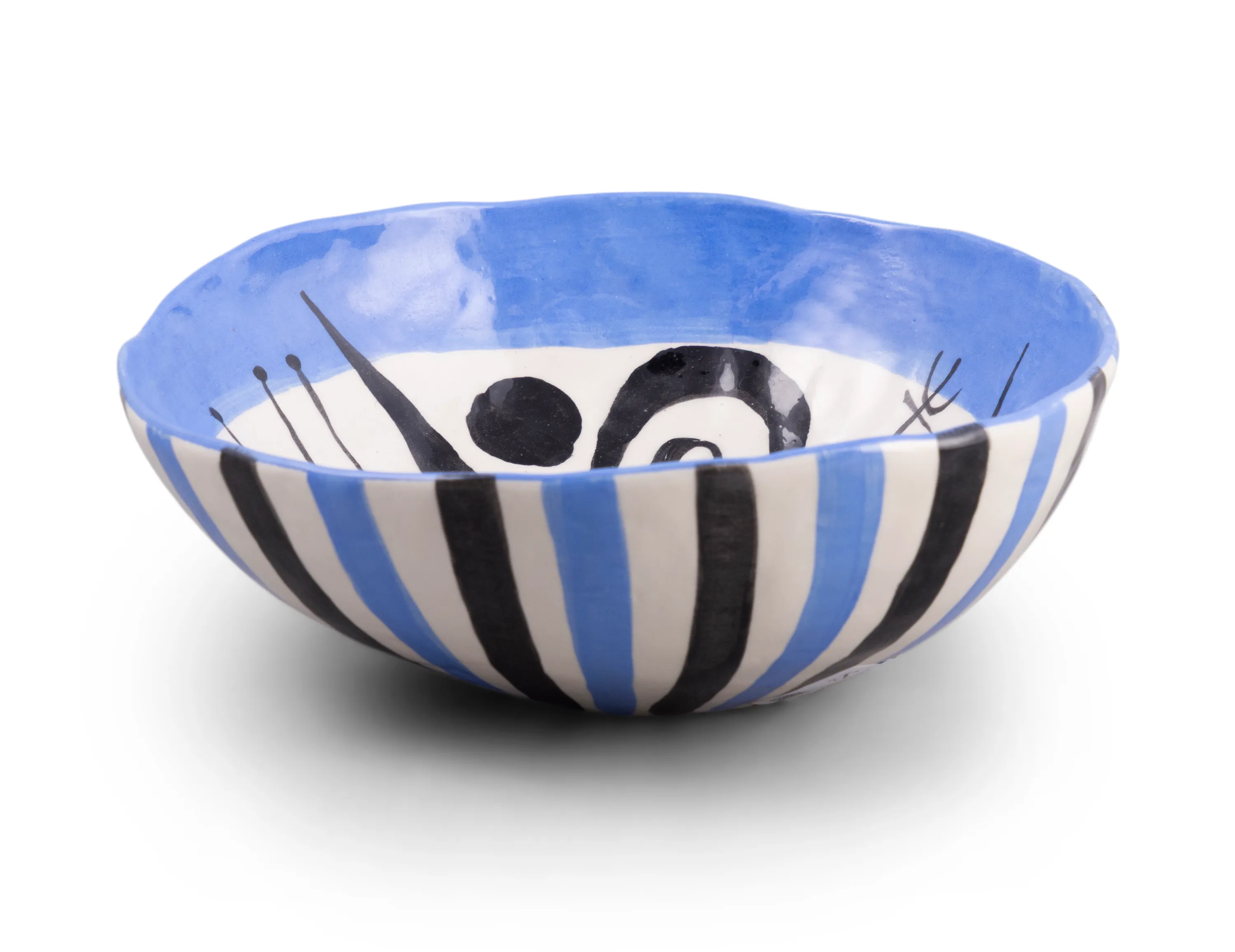
John ffrench was an instrumental figure in the design industry in Ireland and a distinguished pioneer of Irish studio pottery.
)%20(1).webp)



"I should declare my hand. I have a weakness for pictures that punch above their physical weight, and for artists who have been quietly underrated for too long. This pair is both. They are intimate enough to live with at close quarters and serious enough to repay any amount of looking. If the market has lately shown signs of catching up with eighteenth-century Irish painting and I think it has, these two small panels feel, to me, like exactly the sort of thing that will look obvious in twenty years’ time."
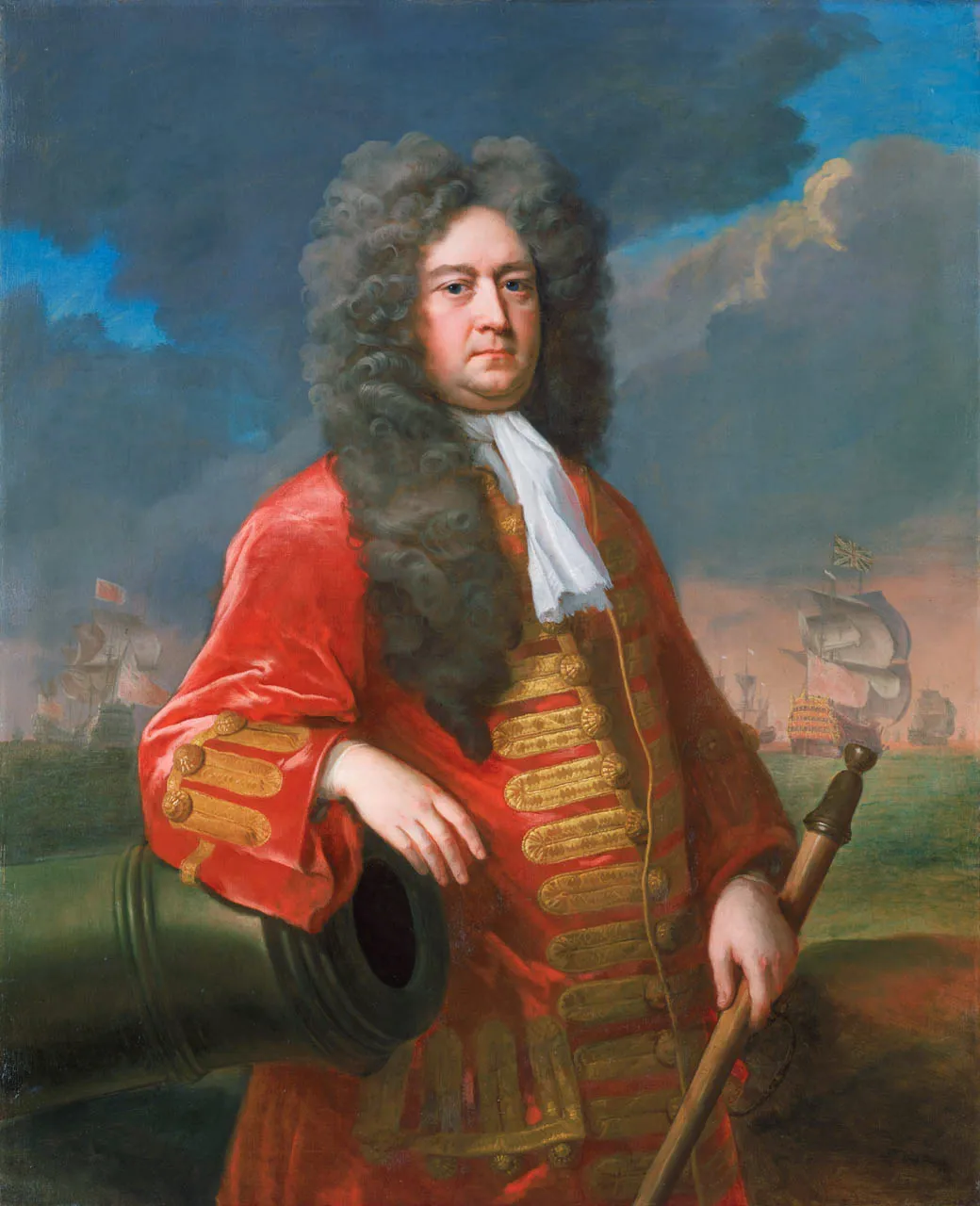
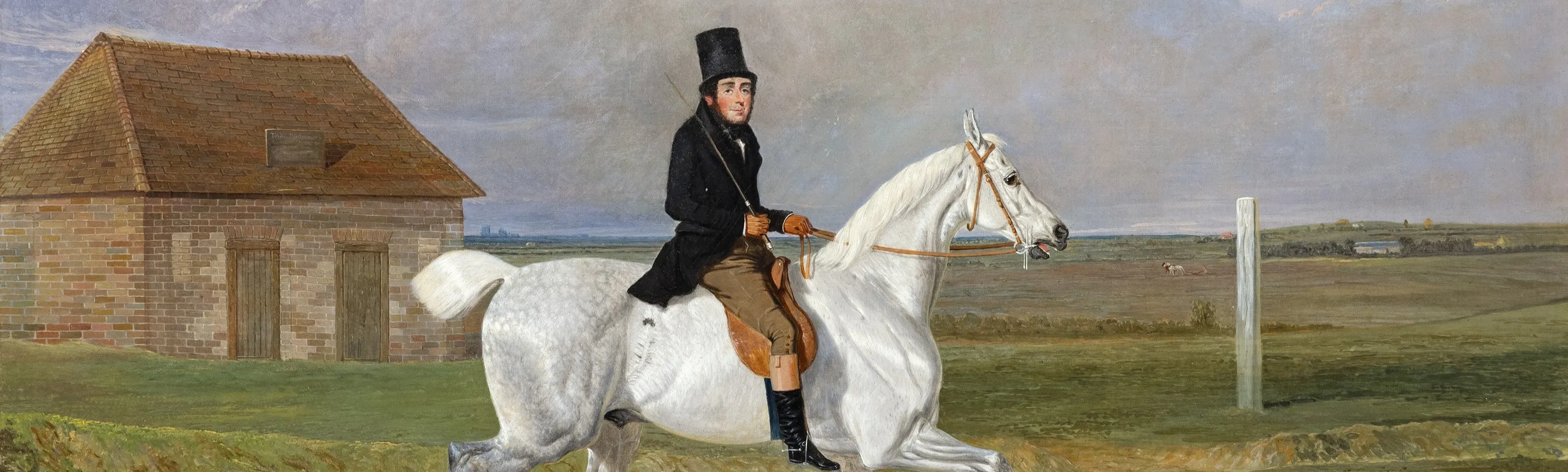
Adam’s is honoured to present works from the collection of Lord Rossmore in the upcoming Country House Collections auction at Howth Castle on 28th April. It is seldom that an influential Irish family collection that has survived through the generations comes to the open market.


Works Sold at Adam’s Now in the Irish National Collection
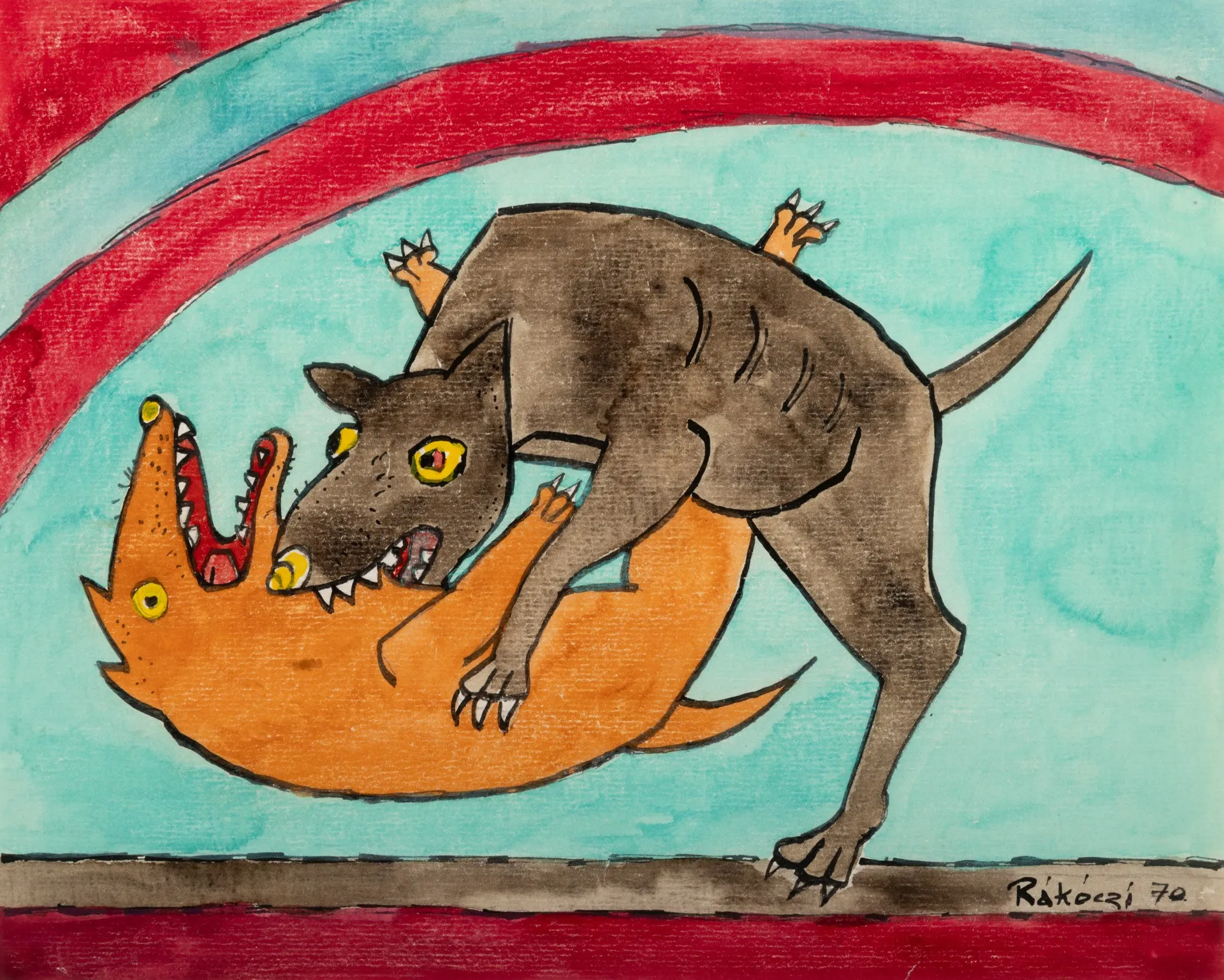
A great opportunity to purchase both established and lesser-known artist’s work at an accessible price point, the Online Picture Auction is the first of many sales to be hosted at Adam’s in 2026. It is perfect for those looking to start a collection and the discerning collector alike.

James Adam & Sons Ltd, Fine Art Auctioneers and Valuers, 26 St. Stephen’s Green, Dublin 2,
D02 X665, Ireland


